


Dashain Festival: Traditions, History, and Celebrations
-
 Bold Himalaya
 -
9 October, 2025
-
12 mins read
-
1079 Views
-
0 Comments


Dashain Festival is the biggest and most widely celebrated festival in different parts of the country. Every year, families across the country reunite to honor Goddess Durga, perform Tika ceremonies, fly kites, and celebrate for 15 days. These Vijaya Dashami celebrations are a unique blend of tradition, family, and cultural rituals that attract both locals and tourists alike.
In Nepal, during Vijaya Dashami, the government shuts down offices for two weeks, and schools are empty. Kathmandu turns into a ghost town as half the city heads to their ancestral villages. Experiencing the Dashain festival in Nepal is something you either understand fully or can only imagine from afar.
What Makes Dashain the Biggest Festival?
Dashain festival spans fifteen days every autumn, with the most awaited day being Vijaya Dashami. This is when the tika ceremonies take place, and families finally come together after long periods apart.
Across Nepal, this cultural celebration is known by different names. In some regions, it’s called Bada Dashain, while in formal contexts, it is referred to as Vijaya Dashami. In India, it is celebrated as Dussehra. The names may differ, but the essence remains the same: the victory of good over evil, the importance of family, and a chance for new beginnings.
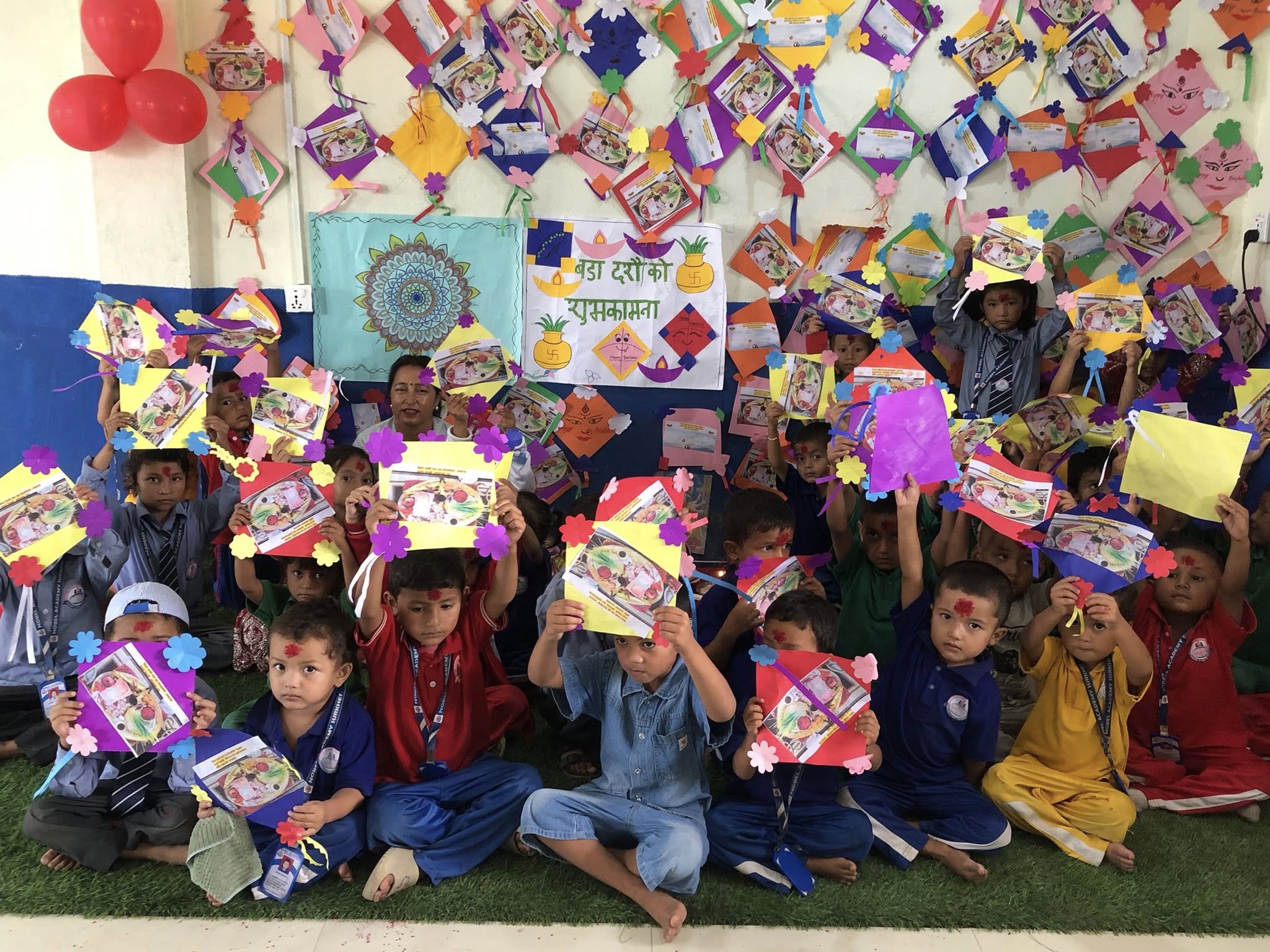
Here’s something interesting: both Hindus and Buddhists celebrate the biggest festival, making it the country’s most widely observed festival.. You’ll find Buddhist families doing tika ceremonies just like Hindu families. Rich businessman and subsistence farmer observe the same rituals. The entire nation participates together.
Across the world, this cultural celebration is known by different names:
- Nepal: Dashain or Bada Dashain
- India: Dussehra or Durga Puja
- Bangladesh: Durga Puja
- Sri Lanka: Navaratri and Dussehra
Despite differences in names and minor variations in rituals, the core meaning remains the same: the victory of good over evil, the importance of family, and the chance for new beginnings.
The Ancient Story Behind Dashain
Dashain celebrates Goddess Durga’s victory over the demon Mahishasura. This buffalo demon caused chaos across earth and heaven. His power seemed unstoppable.
Mahishasura was born from the union of Rambha and a she-buffalo. This gave him both human cunning and animal strength. He performed intense prayers to Lord Brahma. The pleased god granted him a boon. Only a woman could kill him. Back then, that seemed impossible.
The demon went wild with his new invincibility. He conquered heaven itself. Gods fled their own homes. Humans suffered under his tyranny. Something had to change.
The gods pooled their divine energy. From this combined power emerged Goddess Durga. She rode a lion into battle. Her many arms carried different weapons gifted by various gods.
The battle lasted nine brutal days. Mahishasura kept changing forms to confuse Durga. Buffalo became a lion. The lion became an elephant. The elephant became a warrior. Nothing worked against the goddess.
On the tenth day, Durga struck the final blow. Mahishasura fell. Good triumphed over evil. Light conquered darkness. This tenth day became Vijaya Dashami, the main celebration of Nepal’s biggest festival festival in Nepal.
The story parallels another epic victory. Lord Rama defeated the demon king Ravana on this same day. Two separate battles. Same outcome. Evil loses. Good wins.
Why “Dashain” – The Name’s Meaning
The word “Durga” comes from Sanskrit roots: “Dur” means difficult or fortress, and “Ga” means to go or approach. Put them together and you get “the one difficult to reach,” an invincible goddess. A protector beyond mortal grasp.
“Dashain” connects from “Dasha,” the Sanskrit word for ten, marking Durga’s final victory over Mahishasura. This climactic day is the centerpiece of this cultural festival, where families gather, elders bless younger generations, and traditions pass forward as part of the Vijaya Dashami celebrations.
When Dashain Festival Happens Each Year
Dashain timing shifts every year because it follows the lunar calendar, so its dates shift every year. The sun and moon positions determine exact dates. But the festival always lands somewhere between late September and mid-October.
Ghatasthapana kicks off the festival, marking the beginning of the sacred fifteen-day celebration. The festivities conclude on Kojagrat Purnima, the full moon day, fifteen days later. The whole fortnight builds toward one special day: Vijaya Dashami, the tenth day and Victory Day, which is the highlight of Dashain celebrations.
Each day carries its own rituals and significance, creating excitement as families participate in ceremonies, receive tika, and celebrate together.
Day-by-Day Traditions and Rituals During Dashain Festival
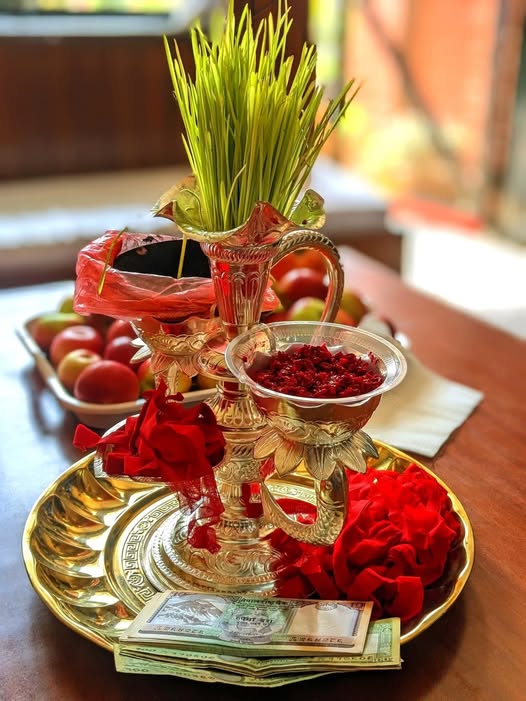
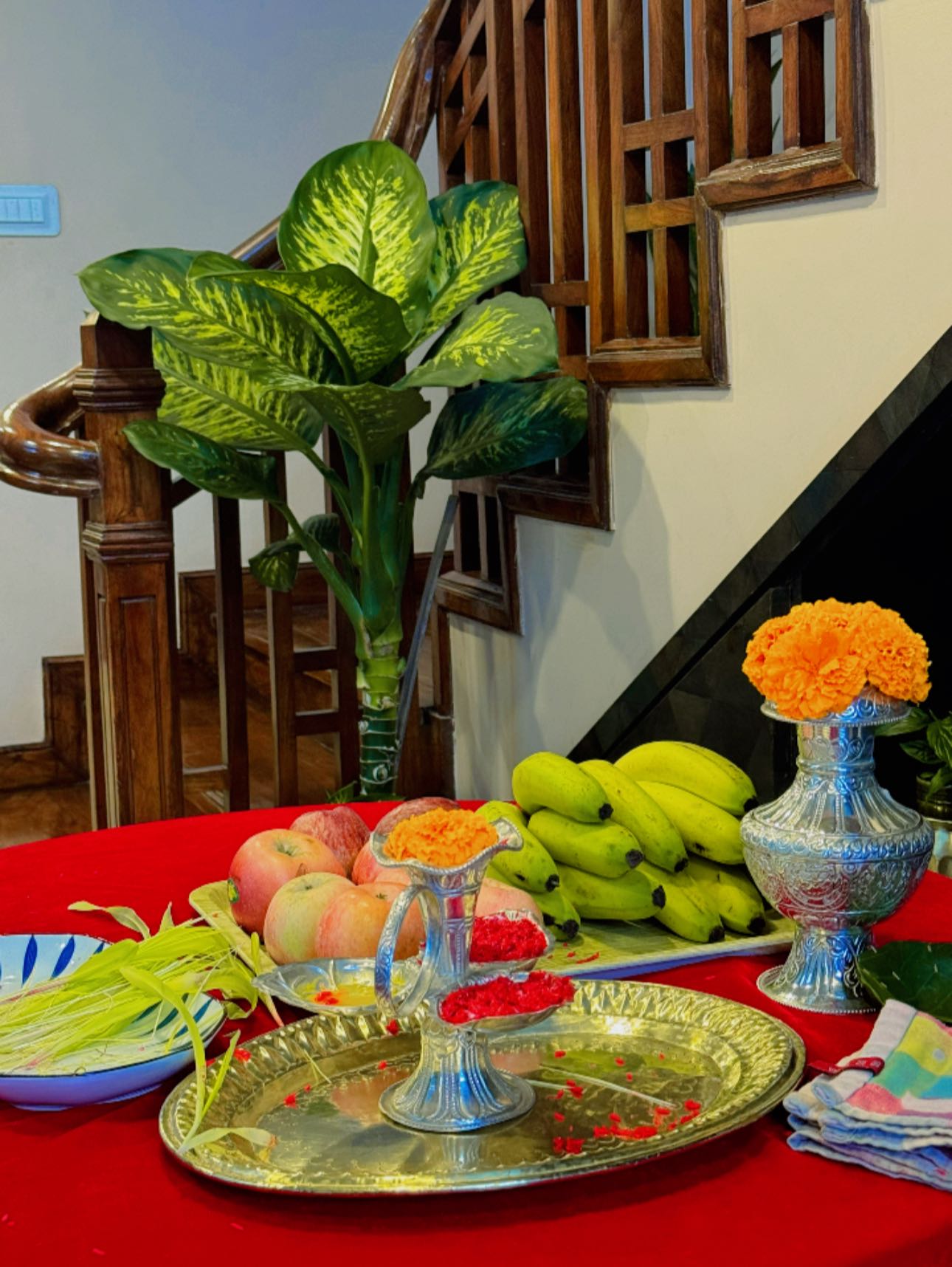
- Day One – Ghatasthapana: The Dashain festival launches with a sacred planting ceremony. Families choose a sacred room in their house. They fill clay pots with sand and soil, planting barley and maize seeds. The room stays dark and locked. Over nine days, seeds sprout into yellow shoots called “jamara,” which will later be used in the tika ceremony.
- Day Seven – Fulpati: Sacred items make their journey. In the old days, these came from royal palaces. Today, the tradition continues with jamara, sugarcane stalks, and banana plants traveling to Kathmandu. This day signals the festival kicking into high gear. Excitement builds. Preparations intensify.
- Days Eight and Nine – Maha Ashtami and Maha Navami: These days honor Goddess Durga’s fiercest forms. Temples fill with worshippers, and animal sacrifices happen at major shrines like Dakshinkali. Also, priests bless weapons, vehicles, and tools. Everything that protects or provides gets ritual attention. The energy peaks. Tomorrow brings the main event.
- Day Ten – Vijaya Dashami: The main event arrives. Relatives and families visit each other’s houses, put on tika, feast, and celebrate together. All family members away from home gather together and receive tika from elders. Families wake early to catch this precise moment. Red tika is placed on foreheads, yellow jamara behind ears, and elders give cash blessings to younger family members.
- Days Eleven-Fifteen: Extended family visits continue. New clothes, home visits, grand feasts, kite flying, and village swings are the highlights of Dashain.
Dashain Festival Activities and Traditional Rituals
Kite-flying becomes more common as this cultural event approaches. Kite-flying is regarded as an important way to remind the gods not to rain anymore. Colorful kites and voices shouting “changā chet” (when a person cuts another’s kite string) fill the days. Playing cards are another way of celebrating Dashain. Gambling restrictions relax during the festival. Families play for small stakes. Friendly competition brings laughter.
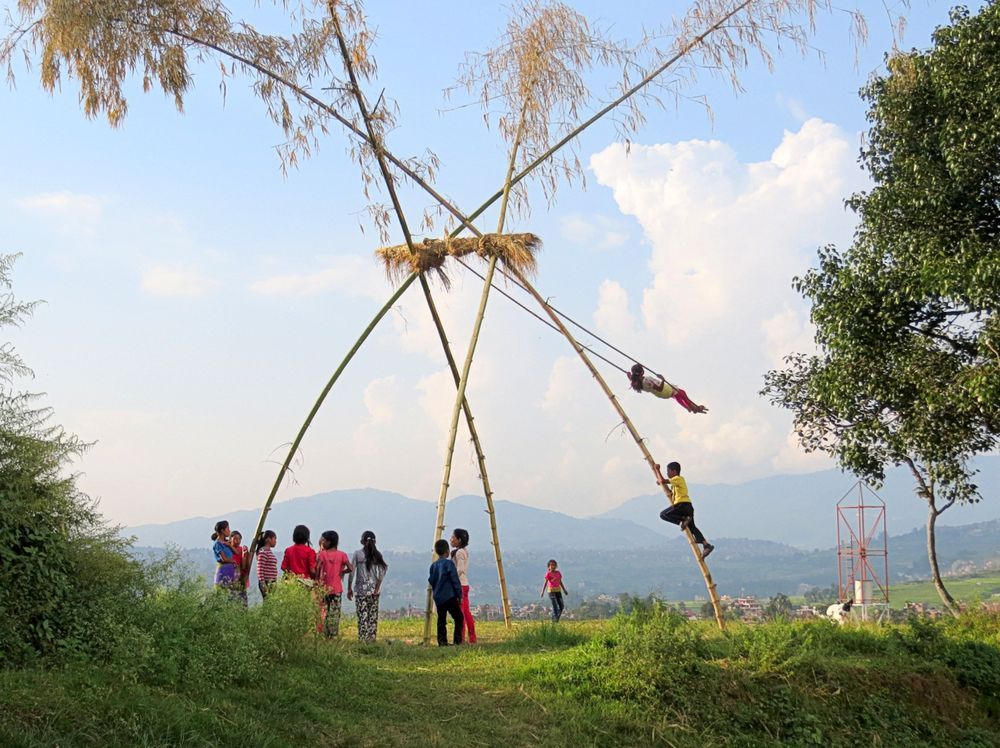
Bamboo swings are built in many parts of the country, and Dashain swings are known as ping in Nepali. The swings are normally constructed a week before Ghatasthapana and dismantled after the festival ends. Kids and adults swing together. The motion symbolizes life’s ups and downs.
Feudal lords would distribute gifts and carry out significant traditions during Dashain, including animal sacrifices at temples and receiving Tika and Jamara as blessings. These historical practices continue in modified forms today.
Dashain Festival and Its Global Connections
Dashain is celebrated not only in Nepal but also by Hindu communities worldwide. In India, people call it Durga Puja in Bengal or Dussehra across other regions. Bangladesh’s Hindu population celebrates Durga Puja with grand rituals. Tamil Hindu communities in Sri Lanka mark Navaratri and Dussehra.
The core mythology remains consistent. Goddess Durga defeats evil, and good triumphs over darkness. But each region adds its own cultural flavor. Bengali Durga Puja features massive clay statues, North Indian Dussehra burns giant Ravana effigies, and Nepal focuses on family tika ceremonies.
Many Nepalese expatriates actually return to Nepal specifically for Dashain. Flight prices spike in September. Airport crowds swell with returning families. This vibrant diaspora reunion will allow tourists to witness some of Nepal’s most authentic cultural celebrations.
Indian communities celebrate a similar festival called Dussehra or Durga Puja. The mythology matches. The timing aligns. Cultural connections run deep across South Asian borders. Regional variations add local flavor to shared traditions.
Why Dashain is Great for Tourists:
During Dashain, you’ll witness Nepal’s most authentic cultural celebrations. Tourists can experience Nepali religious culture and traditional customs by attending various celebrations, like Dashain, flying kites, and cards. This isn’t performed tourism. It’s a real family celebration happening everywhere.
Weather conditions are ideal. October brings clear skies and comfortable temperatures, and perfect trekking visibility. Mountain views stretch forever. The monsoon has ended, but the winter cold hasn’t started. Check out our guide to the Best Autumn Treks in Nepal to plan a scenic trek during Dashain.
Photography opportunities explode during the festival. Colorful kites against blue skies. Families dressed in new clothes. Temple ceremonies with traditional decorations. Every street offers visual stories.
Cultural immersion happens naturally. Local families often welcome visitors, offering tika, festival sweets, and warm hospitality. The national mood is celebratory, generous, and full of life, making it a truly immersive experience for travelers.
When tourists visit Nepal for trekking during Dashain, they get a rare opportunity to witness or participate in special temple rituals that are only open to the public once a year, such as at Talaju Temple in Kathmandu.
Dashain Challenges for Tourists
During the peak of Dashain 2025, especially between the seventh and tenth days, costs for accommodations and flights rise significantly. Many businesses close for 2 or 3 days or operate on limited hours, including restaurants and shops, while tourist services reduce staff. Transportation can become crowded and expensive, with buses filling quickly and domestic flights often fully booked. Rental vehicles are also in short supply, making travel planning more challenging.
However, tourists can still enjoy their visit. Even during peak Dashain, visitors have the chance to explore Nepal’s stunning trekking routes, such as the Everest Base Camp trek or the Manaslu Circuit trek, while experiencing local cultural festivities along the way. Many temples, including special seasonal sites, remain accessible for tourists, allowing them to witness unique rituals and celebrations that happen only once a year.
By planning and choosing trekking destinations strategically, tourists can experience both Nepal’s natural beauty and its rich cultural traditions during Dashain.
Best Strategy for Tourists During Vijaya Dashami
To make the most of the Dashain Festival in Nepal, tourists should plan carefully:
- Timing: Visit during the early or late days of Dashain. Rather than Vijaya Dashami itself. Experience festivals without peak crowding. Enjoy cultural elements while maintaining travel flexibility.
- Advance Booking: Book everything months ahead. Accommodation, transportation, and guides get reserved early. Premium planning becomes essential during the festival season.
- Stay in One Base Location: Consider staying in one location rather than traveling extensively. Pick a base like Kathmandu or Pokhara. Experience local Dashain celebrations without complicated logistics.
- Connect Locally: Connect with Nepali friends or tour operators beforehand. Personal connections open doors to authentic family celebrations. Organized groups often arrange special Dashain experiences for tourists.
Why Dashain Matters
Dashain celebrates the victory of good over evil, bringing people together as they enjoy the niceties of life. The festival reinforces moral values across generations. Children learn cultural stories, and traditions are passed forward, ensuring a rich heritage continues.
As people visit temples and perform rituals, they acknowledge a higher benevolent god that looks over mortals to foster a livable society. Spiritual renewal accompanies social celebration. Faith and family interweave perfectly.
This celebration is not only a festival of love, homecoming, and positivity but also a time of economic activity. Markets overflow with shoppers buying new clothes, gifts, and festival supplies, giving businesses their yearly boost. Socially, the festival strengthens family bonds, resolves disputes, and renews hope for the year ahead.
The celebrations end on an optimistic note among locals, which will henceforth positively improve their lives. Dashain represents fresh starts. Disputes get resolved. Relationships mend. Hope renews for the year ahead.
Experience Dashain Festival in Nepal: Traditions, Food & Activities
Dashain offers something that no other time in Nepal provides. Complete cultural immersion during the nation’s most important celebration. Visitors experience family warmth and ancient traditions performed with genuine devotion.
The logistics require more planning than other travel periods. Costs run higher. Services operate irregularly. But what you gain in cultural experience outweighs these inconveniences.
You’ll photograph moments impossible to stage. Taste foods prepared only during Dashain. Participate in rituals thousands of years old. Build memories that last decades.
Come prepared for festival chaos. Come ready to embrace spontaneous invitations. Come willing to adjust your plans around Nepali family schedules.
Your Dashain journey won’t follow guidebook expectations. It will exceed them in unexpected ways. The mountain views are stunning in any month. But experiencing them during Nepal’s biggest celebration? That creates stories you’ll tell for the rest of your life.
FAQ
Why People Put Tika During Dashain
During Dashain, people receive tika from their elders as a symbol of blessings, love, and protection. The red mark on the forehead represents strength, prosperity, and the victory of good over evil, connecting to the story of Goddess Durga defeating the demon Mahishasura. Applying tika is more than a ritual—it brings families together, strengthens bonds between generations, and reminds everyone of respect, gratitude, and cultural tradition. Along with jamara (yellow barley sprouts) and blessings, tika marks the start of a new year full of hope, happiness, and good fortune.
Nepalese traditional Dashain dishes
Dashain is incomplete without different variety of festive food. Some popular dishes include goat meat (khasi ko masu), sel roti (sweet rice bread), beaten rice, curd, and homemade pickles. Many families prepare special drinks like aila. Sharing meals reinforces family bonds and traditions.
How is Dashain celebrated by diaspora communities around the world?
Communities in the USA, UK, Australia, and the Middle East host home ceremonies, community gatherings, cultural programs, and symbolic rituals to maintain the tradition abroad.
Why is Dashain considered a festival about family and culture?
Dashain strengthens family bonds, moral values, and cultural identity. It celebrates the victory of good over evil, brings communities together, and reminds everyone of gratitude, respect, and tradition.
Comments (0)
Write a comment- What Makes Dashain the Biggest Festival?
- The Ancient Story Behind Dashain
- Why “Dashain” – The Name’s Meaning
- When Dashain Festival Happens Each Year
- Day-by-Day Traditions and Rituals During Dashain Festival
- Dashain Festival Activities and Traditional Rituals
- Dashain Festival and Its Global Connections
- Why Dashain is Great for Tourists:
- Dashain Challenges for Tourists
- Best Strategy for Tourists During Vijaya Dashami
- Why Dashain Matters
- Experience Dashain Festival in Nepal: Traditions, Food & Activities
- FAQ
Read the latest Blogs & Insights
Explore our collection of articles and insights to gain in-depth travel knowledge, expert advice, and stay updated on the latest trends and tips.
View All Articles




No comments yet.