



Essential Packing List for Manaslu Circuit Trek
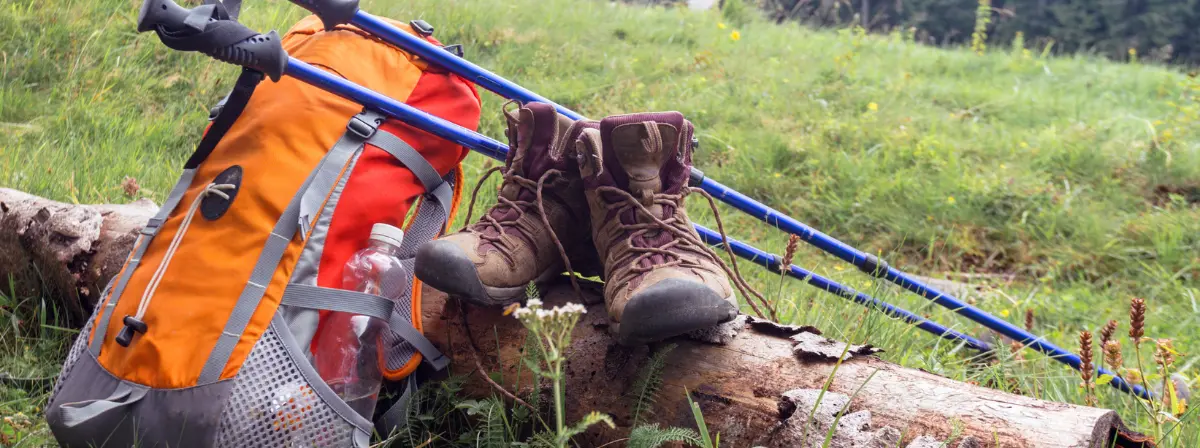
-
 admin
admin -
13 October, 2025
-
14 mins read
-
524 Views
-
0 Comments


Overview
The Manaslu Circuit Trek is one of Nepal’s most remote and rewarding trekking routes, circling the majestic Mount Manaslu (8,163m). This trek passes through a wide range of landscapes, from hot and humid lower valleys to cold, high-altitude terrain, including the challenging Larkya La Pass (5,106m).
Because of this, you will experience different weather conditions throughout the trek. In the lower sections, you may feel hot and sweaty during the day, especially in warmer seasons. As you gain altitude, temperatures drop quickly, and mornings and nights become very cold. At higher elevations, strong winds are common, making it feel even colder than the actual temperature.
That’s why packing for the Manaslu Circuit Trek varies for everyone. The gear you carry should always depend on the season and altitude. No matter when you go, it is important to be prepared for heat, cold, wind, and sudden weather changes by packing smart and using proper layering.
Packing Depends on the Season
Spring Season (March – May) – Best Time for Manaslu Circuit Trek
Spring is considered one of the best seasons for the Manaslu Circuit Trek, offering stable weather, moderate temperatures, and beautiful blooming rhododendron forests along the trail.
During this season, the lower sections of the trek can feel warm and slightly humid during the day, especially below 3,000 meters. As you ascend to higher altitudes, temperatures drop significantly, and mornings and nights become cold, particularly near Larkya La Pass. Occasional rain showers and windy conditions can also occur, so proper layering is essential.
Recommended Packing for Spring
- Lightweight, breathable trekking clothes (for warm daytime hiking)
- Moisture-wicking base layers
- Fleece or light insulated jacket (for evenings and higher altitudes)
- Medium-weight down jacket (essential above 3,500m)
- Waterproof jacket or shell (for unexpected rain and wind)
- Sun protection: hat, sunglasses, and SPF 50+ sunscreen
Note: Even though spring offers comfortable trekking conditions, you should always be prepared for temperature variations, strong winds at higher elevations, and sudden weather changes. A proper layering system will help you adjust easily throughout the day.
Autumn Season (September – November) – Peak Season for Manaslu Circuit Trek
Autumn is widely regarded as the best time to trek the Manaslu Circuit Trek, thanks to its clear mountain views, dry trails, and stable weather conditions. Visibility is at its best during this season, making it ideal for enjoying the Himalayan landscapes.
During the day, temperatures are generally comfortable for trekking, especially in the lower and mid-altitude regions. However, as you ascend, the air becomes colder and drier. Early mornings and nights can be quite chilly, particularly at higher elevations and around Larkya La Pass, where strong winds can make it feel even colder.
Recommended Packing for Autumn
- Moisture-wicking base layers for daily trekking
- Insulating mid-layer (fleece or lightweight jacket)
- Warm down jacket for higher altitudes
- Windproof and waterproof outer shell
- Thermal layers for cold nights
- Warm hat, gloves, and neck gaiter
Note: Even though autumn offers the most stable conditions, temperatures drop significantly at altitude. It’s important to pack for cold mornings, windy passes, and sudden temperature changes, especially above 3,500 meters.
Winter Season (December – February) – Challenging Time for Manaslu Circuit Trek
Winter trekking on the Manaslu Circuit Trek is suitable only for well-prepared and experienced trekkers. During this season, the trail is covered in snow, and temperatures can drop well below freezing, especially at higher elevations.
In the lower regions, days may feel cool and pleasant under the sun, but as you gain altitude, conditions become much harsher. Nights are extremely cold, and high passes like Larkya La can experience strong winds, heavy snow, and sub-zero temperatures, making the trek more demanding.
Recommended Packing for Winter
- Heavy thermal base layers for insulation
- Thick down jacket (essential for extreme cold)
- Insulated trekking pants
- Waterproof and insulated gloves
- Warm hat and face protection (buff or balaclava)
- High-quality sleeping bag (-15°C or lower)
- Gaiters for snow-covered trails
Note: Winter requires packing for extreme cold, snow, and wind exposure. Proper insulation and layering are critical for safety and comfort, especially in high-altitude sections.
Monsoon Season (June – August) – Least Recommended for Manaslu Circuit Trek
The monsoon season is considered the most challenging and least favorable time for the Manaslu Circuit Trek due to continuous rainfall, high humidity, and unstable trail conditions.
Lower sections of the trail become hot, humid, and muddy, while frequent rain increases the risk of landslides and poor visibility. Leeches are also common in forested areas, which can make trekking uncomfortable.
Recommended Packing for Monsoon
- High-quality waterproof jacket and rain pants
- Lightweight, quick-dry trekking clothing
- Extra pairs of socks (frequent changes needed)
- Waterproof backpack cover
- Dry bags to protect clothes and electronics
- Anti-leech socks or salt
Note: During the monsoon, your focus should be on staying dry and managing humidity. Waterproof gear and quick-drying materials are essential to maintain comfort throughout the trek.
Seasonal Packing for the Manaslu Circuit Trek
| Season | Clothing | Footwear | Accessories | Notes |
|---|---|---|---|---|
| Spring | Light layers, fleece, mid-down jacket | Boots + camp shoes | Sunhat, gloves | Hot lower altitudes, cold high passes |
| Autumn | Base + fleece + warm down jacket | Boots + camp shoes | Gloves, thermal layers | Clear skies, cold nights |
| Winter | Heavy thermal layers, thick down jacket | Insulated boots | Mittens, face mask | Extreme cold, snow |
| Monsoon | Waterproof jacket/pants | Waterproof boots | Rain cover, dry bags | Slippery, humid, leeches |
Complete Packing Checklist for Manaslu Circuit Trek
No matter which season you choose for the Manaslu Circuit Trek, there are certain essential trekking items you must carry to stay safe, comfortable, and well-prepared in the Himalayas.
Clothing (Layering System)
Layering clothing is essential to adapt to changing temperatures on the Manaslu Circuit Trek—from warm lower valleys to freezing high-altitude passes like Larkya La.
1. Base Layers (Moisture Management)
- Thermal tops and bottoms made of merino wool or synthetic fabrics.
- Keeps sweat away from your body and maintains warmth.
2. Insulating Layers (Warmth)
- Fleece jacket or lightweight down jacket for cold mornings, evenings, and high passes.
- Essential for temperatures below freezing at high altitudes.
3. Outer Layers (Protection)
- Waterproof and windproof jacket and pants.
- Shields you from rain, snow, and strong Himalayan winds.
4. Trekking Pants
- Quick-dry, lightweight pants for lower altitudes.
- Insulated or softshell pants for higher elevations.
5. T-Shirts
- Long-sleeved, breathable shirts for sun protection and comfort.
6. Headwear
- Wide sun hat for lower valleys and sunny days.
- Warm hat or beanie for cold mornings, evenings, and high-altitude passes.
7. Gloves
- Lightweight gloves for daytime hiking.
- Insulated mittens for high-altitude cold conditions.
Tip: Always combine base + insulating + outer layers depending on the temperature. This system allows you to adjust quickly to hot, cold, or windy conditions.
Footwear and Trekking Accessories for Manaslu Circuit Trek
Proper footwear and trekking accessories are crucial for safety, comfort, and performance, especially on rocky, uneven, and high-altitude trails of the Manaslu Circuit.
1. Hiking Boots
- Durable, waterproof, and ankle-supporting boots are essential for rocky and slippery paths.
- Make sure they are well broken in before the trek to avoid blisters.
- Recommended material: leather or synthetic with good grip for mixed terrain.
2. Camp Shoes / Evening Footwear
- Lightweight sandals, sneakers, or flip-flops for relaxing in teahouses after a long day.
- Provides comfort and prevents overheating or foot fatigue.
3. Socks
- Several pairs of moisture-wicking socks to keep feet dry and prevent blisters.
- Merino wool socks are highly recommended for warmth at high altitudes and cold nights.
- Consider bringing one extra pair for emergencies or wet conditions.
4. Gaiters
- Protect boots from snow, mud, sand, or debris on trails.
- Especially useful at high-altitude passes or during the monsoon season.
5. Trekking Poles
- Adjustable, lightweight poles are best for trekking efficiency.
- Helps reduce strain on knees during steep ascents and descents.
- Provides extra stability on rocky or slippery trails.
Sleeping Gear
Even though most teahouses provide basic bedding, high-altitude nights can be extremely cold, so carrying the right sleeping gear is essential for comfort and safety.
1. 4-Season Sleeping Bag
- Recommended temperature rating: -10°C to -15°C, especially for high-altitude areas and Larkya La Pass.
- Keeps you warm during freezing nights, even in teahouses with limited heating.
- Lightweight, compressible sleeping bags are preferred for portability.
Trekking Essentials for Manaslu Circuit Trek
Having the right trekking essentials can make your Manaslu Circuit experience safer, more organized, and comfortable, especially given the remote and high-altitude nature of the trail.
1. Backpack
- Daypack: 35–45L capacity for daily necessities like water, snacks, camera, and layers.
- Main/Porter Bag: 90–100L duffel or trekking bag for porter transport.
- Look for lightweight, durable, and comfortable packs with padded straps and ventilation.
2. Rain Cover
- Waterproof cover protects your backpack and gear from rain, snow, and dust.
- Essential for monsoon treks or sudden weather changes.
3. Headlamp
- Required for early morning starts or late arrivals at teahouses.
- Bring extra batteries or a rechargeable headlamp for reliability.
4. Water Bottles / Hydration System
- A minimum of 2 liters of total capacity is recommended.
- Hydration packs (bladder system) or 1L bottles both work.
- Carry water purification tablets or a portable filter, as tap water at high altitudes may not be safe.
5. Dry Bags / Waterproof Storage
- Protects electronics, clothing, and important documents from moisture.
- Helps keep gear organized and accessible in unpredictable weather.
Health and Safety Essentials for Manaslu Circuit Trek
High-altitude trekking comes with unique health challenges. Carrying the right first aid items, medications, and protective products ensures safety, comfort, and preparedness throughout the journey.
1. First Aid Kit
- Include band-aids, antiseptic wipes, blister treatments, and any personal medications.
- Pain relievers, anti-diarrhea medicine, and rehydration salts are recommended.
- Blister prevention and care are critical for rocky trails and long walking days.
2. Altitude Sickness Medication
- Diamox is commonly used to prevent acute mountain sickness (AMS).
- Always consult a healthcare professional before use.
- Monitor your symptoms of AMS carefully—headache, nausea, and dizziness are warning signs.
3. Sun and Skin Protection
- High SPF sunscreen (SPF 50+) to protect against intense UV rays at altitude.
- Lip balm with SPF prevents chapped lips caused by wind and sun.
- Sunglasses with UV protection are highly recommended to prevent snow blindness at higher elevations.
4. Hygiene Essentials
- Hand sanitizer keeps hands clean when water is unavailable.
- Wet wipes or travel tissues can be useful for quick personal hygiene during the trek.
Note: Always carry your first aid kit and altitude medications in your daypack for quick access. Regularly reapply sunscreen and lip balm, especially above 3,500 meters, where UV exposure is strongest.
Personal Hygiene and Toiletries for Manaslu Circuit Trek
Maintaining hygiene on the trek is essential for comfort and health, especially since facilities in teahouses and remote areas can be basic. Choosing compact, lightweight, and eco-friendly items ensures you stay clean without adding unnecessary weight.
1. Biodegradable Soap and Shampoo
- Eco-friendly alternatives reduce environmental impact on the trail.
- Travel-size bottles are convenient and easy to carry.
2. Toothbrush and Toothpaste
- Compact toothbrush and small toothpaste tube for daily dental hygiene.
- Carry it in a protective case to keep it clean.
3. Toilet Paper
- Bring your own roll, as some teahouses may not supply it.
- Consider carrying a small ziplock bag to keep it dry.
4. Wet Wipes
- Useful for quick hand and face cleaning when water is limited.
- Ideal for refreshing yourself during long trekking days.
5. Quick-Dry Towel
- Lightweight, compact towel that dries quickly and saves space.
- Convenient for washing or drying after showers.
6. Feminine Hygiene Products
- Carry sufficient supplies for the duration of the trek.
- Compact, travel-friendly products are preferred for space and convenience.
Note: Pack all items in a small toiletry bag or dry pouch to stay organized. Prioritize lightweight and biodegradable products to reduce pack weight and environmental impact.
Electronics and Power Backup for Manaslu Circuit Trek
Electricity can be limited or unreliable along the Manaslu Circuit, especially in remote villages and high-altitude teahouses. Proper planning for electronics ensures that essential devices stay powered throughout your trek.
1. Camera / GoPro
- Capture the stunning Himalayan scenery and memorable moments.
- Consider a lightweight camera or action camera to save pack weight.
2. Batteries and Power Banks
- Carry extra batteries for cameras, headlamps, or other devices.
- High-capacity power banks are essential, as electricity may be unavailable in remote areas.
- Recharge whenever possible to ensure devices last through long trekking days.
3. Solar Charger (Optional)
- Useful for charging devices in remote villages where electricity is limited.
- Lightweight and portable solar chargers can supplement your power needs efficiently.
4. Mobile Phone
- A local SIM card can help in emergencies, but network coverage is not reliable in high-altitude areas.
- Keep your phone charged in a power bank for safety and communication in lower villages or during emergencies.
Note: Always store electronics in dry bags or waterproof pouches to protect against rain, snow, and dust. Prioritize essential devices and avoid overloading your pack with unnecessary gadgets.
Documents, Money, and Permits for Manaslu Circuit Trek
Proper documentation is essential for a smooth and safe trek in the restricted Manaslu region. Carrying the right documents ensures that you comply with local regulations and are prepared for emergencies.
1. Passport
- Must be valid for at least six months beyond your planned return date.
- Keep it in a secure, waterproof pouch.
2. Permits
- Manaslu Restricted Area Permit (RAP) – mandatory for trekking inside the restricted region.
- Manaslu Conservation Area Permit (MCAP) – required for conservation area access.
- Annapurna Conservation Area Permit (ACAP) – sometimes needed for connecting trails.
- Chumnubri Rural Municipality Tourism Fee
- Carry originals and keep photocopies separate.
Note: If you want to trek in Tsum Valley, you need another permit called the Tsum Valley Restricted Permit.
3. Travel Insurance
- Must cover high-altitude trekking and emergency evacuation.
- Check that your insurance includes helicopter rescue if needed.
4. Cash
- Carry sufficient Nepali Rupees (NPR); ATMs are scarce along the trail.
- Keep small denominations for teahouses, tips, and local purchases.
5. Photocopies and Backup Documents
- Photocopies of your passport, permits, and insurance.
- Keep copies in a separate location from the originals.
- Optional: save digital copies on your phone or cloud storage.
6. Additional Recommended Documents
- Any prescription medicines accompanied by a doctor’s note.
- Trekking itinerary with emergency contact numbers.
- Flight tickets or travel confirmations.
- Vaccination certificates (if required).
Things You Don’t Need to Pack on the Manaslu Circuit Trek
Packing smart is just as important as packing essentials. Carrying unnecessary items adds weight and can make your trek more difficult.
1. Excessive Clothing
- Avoid overpacking clothes; laundry services are available at most teahouses along the route.
- Stick to lightweight, versatile layers suitable for different altitudes and weather conditions.
2. Valuables
- Leave expensive jewelry, watches, or unnecessary valuables at home.
- Minimize risk of loss or theft while trekking in remote areas.
3. Heavy Books or Paperbacks
- Use e-books or a lightweight journal instead of carrying multiple heavy books.
- Keeps your backpack lighter and easier to manage.
4. Unnecessary Electronics
- Only bring essential gadgets: camera, phone, headlamp, and power bank.
- Avoid adding extra devices that increase weight and complexity.
Conclusion
The Manaslu Circuit Trek is one of Nepal’s most remote and rewarding high-altitude treks, offering an extraordinary mix of stunning Himalayan landscapes, diverse climates, and rich cultural experiences. To make your trek safe, comfortable, and enjoyable, preparation and proper packing are crucial.
Carrying the right trekking gear, from layered clothing and insulated jackets to durable hiking boots, sleeping gear, and trekking essentials, ensures you can adapt to hot lower valleys, cold high passes, and unpredictable weather along the route, either to trek the Manaslu Circuit Trek with Pungen Gompa or the Manaslu Circuit. Additionally, health and safety essentials like first aid kits, altitude sickness medication, sunscreen, and a hydration system are vital for your well-being at high altitude.
Don’t forget important documents and permits, including your passport, Manaslu Restricted Area Permit (RAP), Manaslu Conservation Area Permit (MCAP), and travel insurance, along with sufficient Nepali Rupees (NPR), as ATMs are limited on the trail.
The key to a successful trek is to pack smart, travel light, and respect the local culture and environment. By being flexible, prepared, and mindful of seasonal conditions, you can fully enjoy the unforgettable adventure of the Manaslu Circuit Trek.
Start your Himalayan journey well-prepared and make every step a memorable experience!
Comments (0)
Write a comment- Overview
- Packing Depends on the Season
- Spring Season (March – May) – Best Time for Manaslu Circuit Trek
- Autumn Season (September – November) – Peak Season for Manaslu Circuit Trek
- Winter Season (December – February) – Challenging Time for Manaslu Circuit Trek
- Monsoon Season (June – August) – Least Recommended for Manaslu Circuit Trek
- Seasonal Packing for the Manaslu Circuit Trek
- Complete Packing Checklist for Manaslu Circuit Trek
- Clothing (Layering System)
- Footwear and Trekking Accessories for Manaslu Circuit Trek
- Sleeping Gear
- Trekking Essentials for Manaslu Circuit Trek
- Health and Safety Essentials for Manaslu Circuit Trek
- Personal Hygiene and Toiletries for Manaslu Circuit Trek
- Electronics and Power Backup for Manaslu Circuit Trek
- Documents, Money, and Permits for Manaslu Circuit Trek
- Things You Don’t Need to Pack on the Manaslu Circuit Trek
- Conclusion
Read the latest Blogs & Insights
Explore our collection of articles and insights to gain in-depth travel knowledge, expert advice, and stay updated on the latest trends and tips.
View All Articles
Top 10 Best Treks in the World
30 Apr. 2026




No comments yet.