


Annapurna Circuit Trek: Things to Know Before Your Himalayan Adventure
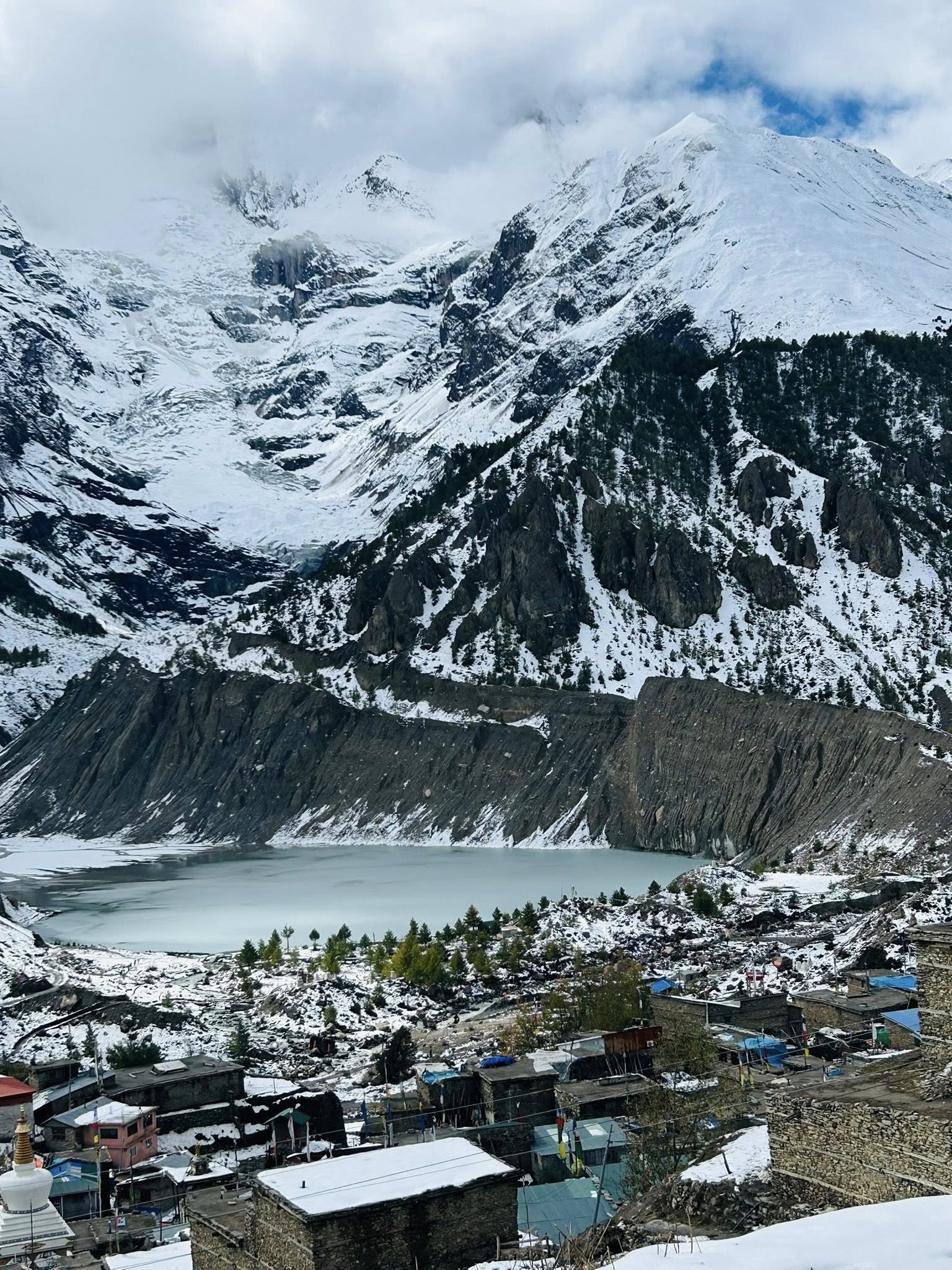
Annapurna circuit trek is consistently ranked among the top 10 treks in the world. the wonderful trekking journey you must take to the Himalayas is the Annapurna Circuit Trek, which circles the beautiful Mt. Annapurna.
-
 Sobit Bhandari
-
20 December, 2024
-
29 mins read
-
1924 Views
-
0 Comments


The Annapurna Circuit Trek is consistently listed among the world’s top 10 trekking adventures— and for good reason. This legendary route circles the massive Annapurna massif, leading trekkers through one of the most diverse and dramatic landscapes in the Himalayas.
From lush subtropical forests to barren high-altitude deserts, the Annapurna Circuit offers ever-changing scenery that keeps every day exciting. Along the way, you’ll witness towering snow-capped giants such as Annapurna II, Annapurna III, Gangapurna, Mt. Nilgiri, and the mighty Dhaulagiri, each offering breathtaking views from different angles of the circuit.
The journey typically begins with a drive from Kathmandu to Besisahar, with trekking starting from Bhulbhule, Dharapani, or Chame, depending on the season and road access. Following the dramatic Marshyangdi River Valley, the trail ascends gradually toward the highlight of the trek— the Thorong La Pass (5,416 m), one of the highest trekking passes in the world.
With rich cultural encounters, varied landscapes, and unforgettable mountain panoramas, the Annapurna Circuit remains a bucket-list adventure for trekkers worldwide.
Annapurna Circuit Trek – Quick Guide
- Duration: 10–21 days (depending on route & side trips)
- Difficulty: Moderate to challenging (high-altitude trek)
- Distance: 160–230 km (varies by starting/ending point)
- Highest Point: Thorong La Pass – 5,416 m (17,769 ft)
- Best Time to Trek: March–May & September–November
- Start Point: Besisahar / Bhulbhule / Chame
- End Point: Jomsom / Muktinath / Nayapul / Tatopani
7 Reasons to Embark on the Annapurna Circuit Trek in Nepal
- Must Stunning and diverse landscapes from lower altitude to the High Himalayas
- Views of Mt. Annapurna, Thorung Peak, Nilgiri, Chulu West and East, Tukuche Peak, Dhaulagiri, Lamjung Himal, Annapurna II, and Annapurna IV are spectacular.
- Immerse yourself in the local culture by visiting the picturesque villages in the Manang and Mustang districts. On the Annapurna Circuit trek, the stunning and unique local villages are a perfect place to pause and take a break. The gompas and monasteries are located in most of the villages located around the lower to higher Himalayan regions.
- You get a close-up look at the way of life and discover many cultural landmarks in and around this lovely community. People in this area relate to traditional Tibetan culture, and industrialization and commerce have not touched the area in any way.
- Beautiful lakes like Tilicho and Ice lakes: The world's highest lake, Tilicho Lake, has a length of four kilometers and a width of 1.2 kilometers. It is situated at an altitude of 4,919 meters. One of the most well-liked side treks of the Annapurna Circuit Trek is to the brilliant blue lake, popularly known as "The Great Ice Lake." Along with Tilicho Lake, this walk also passes by the 4660-meter Khayar Lake and the 4700-meter Ice Lake.
- Visit Muktinath, a Hindu and Buddhist holy site noted for its 108 stone faucets and everlasting light: The Muktinath temple in Mustang, one of Nepal's holiest sites, is located at a height of 3,710 meters. Muktinath is known as "a destination for liberation, according to Hinduism. Hindu worshippers have a ritualistic practice of taking a cold water bath from one of the 108 bull faces. The temple serves people of all religions. Buddhists similarly honor the temple.
- Cross the 5,416-meter-high Thorong La Pass: The Thorung-La Pass crossing is a fantastic accomplishment that will live in your memory for the rest of your life. At a height of 5416 meters, where Thorung-La Pass is located, the weather can be very unpredictable. It is the highest point of the trek and provides an exhilarating experience that gives you immeasurable accomplishment. Visit the biggest monastery in the Manang district, Barge Monastery.
How to Prepare for the Annapurna Circuit Trek
The proper planning of any journey is aided by having accurate information on the walk's duration, distance, permits, climate, and trekking altitude. Determining all necessary preparation, including physical and equipment preparation, is also helpful.
Physical Preparation:
Before you hit the trail, think of your body as a mountain-ready machine. The Annapurna Circuit Trek will take you from lush valleys to high-altitude passes, and your muscles, lungs, and stamina need to keep up. Start with aerobic exercises like jogging, brisk walking, or cycling—this trains your body to use oxygen efficiently, just like it will need to on the trek.
Gradually include altitude-like conditioning: long hikes with a loaded backpack, uphill trails, and uneven terrain. Imagine yourself climbing higher each day, feeling your legs grow stronger and your lungs adapt. Start slow, increase your distances, and soon you’ll be comfortably walking 5–6 hours with brief breaks—just like you’ll do on trek days.
GYM exercise (Optional, but helpful)
Even if you love the outdoors, some gym sessions can make a big difference. Spend 30–45 minutes on a treadmill set to a hill incline, or try stair climbing to simulate uphill trekking. Add strength exercises like lunges, squats, and step-ups—your legs and core will thank you on steep trails.
Picture this: each squat, each step on the treadmill, is preparing you to ascend the Thorong La Pass with energy to spare. The goal isn’t just to train your muscles—it’s to build confidence so when the trek gets tough, you feel ready, strong, and capable.
Mental Preparation
Depending on how comfortable you are outside in isolated alpine places, you will need to prepare psychologically. You will carry a backpack and walk upwards for 5 to 8 hours each day at a high altitude. Be psychologically and emotionally ready for them because if you have too high expectations for your living and sleeping places, you risk being disappointed.
Annapurna Circuit Trek Gear Checklist
Pack essentials for a safe and comfortable trek:
- Trekking boots, layered jackets, and thermal wear.
- Sleeping bag, gloves, hat, and trekking poles.
- Water purification tablets, sunscreen, a headlamp, and snacks.
- Optional: power bank and camera for capturing Himalayan views.
Permits for the Annapurna Circuit Trek
Trekking the Annapurna Circuit requires a few official permits to enter the Annapurna Conservation Area safely and legally. The two main permits are:
- ACAP Permit (Annapurna Conservation Area Permit) – This is mandatory for all trekkers. It helps protect the region’s natural beauty and wildlife.
- TIMS Card (Trekkers’ Information Management System) – Required for all independent trekkers to monitor trekking safety in the Himalayas.
Most treks start from Besisahar, and trekking agencies can help you arrange these permits if you prefer not to handle the paperwork yourself. This is especially helpful for first-time trekkers exploring the Annapurna region.
Insurance for Annapurna Circuit Trek
You should get travel insurance, even if it is not necessary, to pay for any possible expenses incurred during your trek. It's for your security. Your travel insurance plan must cover all medical and travel challenges due to the likelihood of unforeseen disasters on the hiking trail. In this circumstance, you might use a service like an air ambulance, a helicopter rescue, clinical attention, etc.
You can undoubtedly travel anywhere without travel insurance. But you must understand that even if you get sick, lose something, or cancel your vacation, you are still responsible for making your payments.
Traveling without anxiety or dread is made possible by purchasing travel insurance in advance. Before buying travel insurance for trekking in Nepal, don't forget to verify your policy and ensure you are covered for risky activities like trekking at a particular height.
Our Recommendation for the Annapurna Circuit Trek
Trek Anti-Clockwise
It is advised that travelers trek anti-clockwise. Since the anti-clockwise trip starts from Besisahar, at an altitude of 760/2494 feet, and gradually climbs to Thorong-La Pass, you will naturally acclimate to the altitude (5,416 meters, 17,769 feet).
Before crossing the Thorong-La Pass, you will have walked for several days, giving you plenty of opportunity to acclimatize. If you decide to trek counterclockwise, you will need to spend more time acclimatizing because you will soon be approaching Thorong-La-Pass.
Start Trek from a lower elevation
You should always start the trek from a lower elevation. You will acclimate faster if you spend time at higher altitudes but sleep at a lower level. Take advantage of your downtime by climbing and descending a few hundred vertical feet on a trip to a higher height.
Go through Upper Pisang and Brakha
Upper Pisang is one of the highlights along the Himalayan trekking route in Nepal, offering stunning landscapes, snow-capped peaks, and traditional village life. The village is divided into upper and lower sections, and taking your time allows you to fully appreciate the local culture. Begin your day at the monastery courtyard and watch the sunrise illuminate the Annapurna and Nilgiri ranges—a truly unforgettable moment.
From Pisang, trekkers can continue toward Manang, choosing either a scenic multi-day route through emerald lakes, alpine valleys, and high mountain passes or a faster journey using local transport. Along the way, charming villages like Ghyaru, Ngawal, and Braga provide not only panoramic views and prayer wheel-lined streets but also warm hospitality at traditional tea houses.

Take the opportunity to interact with local communities and immerse yourself in authentic Nepalese culture. Villages such as Bhrakha and Braga are strategically located on elevated terrain, offering breathtaking vistas and historical significance. The Bhrakha Gompa is an important spiritual site, while the Tahrep Gompa in Khangsar stands as one of the region’s most prominent monasteries. These visits add a rich cultural layer to your Nepal mountain trekking adventure, turning a challenging hike into an unforgettable exploration of Himalayan life.
How to Acclimatize Properly: Ice Lake Trek on the Annapurna Circuit
The best approach to properly acclimatize for the challenging trek up Thorong La is to ascend gradually and include acclimatization days. One of the best side trips for acclimatization is to The Ice Lake, which may also be the highlight of any journey along the Annapurna Circuit. Nepal's Manang Valley has a high alpine lake known as the Ice Lake or Kicho Tal.
The lake is located at 4620m (15157ft) and is frequently frozen because of its high elevation. Trekking is required to reach the Ice Lake from the settlements of Manang or Braga. Usually, the walk lasts 7 to 10 hours. Braga, a little village at 3400 meters, is located underneath the busier town of Manang. This settlement, which is much more serene than Manang, is the ideal starting point for the indicated trek to Ice Lake. The easiest way to hike to Ice Lake from Manang is to descend to Braga and start your trip there.
Add Tilicho Lake to your Trek Plan
Including Tilicho Lake in your Annapurna Circuit Trek is like adding a crown jewel to an already spectacular journey. As you leave Manang behind and climb through untamed terrain, the path winds past rugged slopes, rocky paths, and dramatic suspension bridges. The ascent is challenging, but each step rewards you with stunning highland vistas and serene valleys.
Tilicho Lake itself is mesmerizing, the deep blue waters sparkle against the backdrop of towering Himalayan peaks, leaving trekkers awestruck. Along the way, you’ll encounter remote villages inhabited by Gurung, Tamang, Thakuri, and Magar communities, giving you a glimpse into the rich cultural mosaic of the region.

As you continue upward toward the highest point of the circuit, every glance reveals breathtaking panoramas: the Annapurna massif, Gangapurna, Manaslu, and Dhaulagiri rising majestically above the valleys. This side trip not only challenges your body but also rewards your spirit with memories of one of Nepal’s most beautiful and remote natural wonders.
Start an early morning trek for Thorong Pass
Reaching Thorong La Pass, the highest point on the Annapurna trekking route, is the pinnacle of your Himalayan adventure. At 5,416 meters, it may seem intimidating, but it actually serves as the most accessible connection between the Annapurna and Dhaulagiri ranges, home to the 10th and 7th-tallest mountains in the world. From the summit, the Annapurna Massif spreads out in breathtaking valleys, peaks, and rocky slopes—a panorama that feels almost surreal.
Most trekkers start from Thorong High Camp (Thorong Phedi) around 6 a.m. The early start ensures you have ample time to tackle the pass safely, avoid strong winds, and pace yourself for the longest day of the journey. Even seasoned hikers may need extra caution, especially during winter when snow can make the trail slippery and weather conditions unpredictable.

Despite the challenges, the Annapurna Circuit provides a gradual acclimatization path, with 8–15 days of trekking before reaching Thorong La. This preparation reduces the risk of severe altitude sickness. Mild symptoms such as headaches, shortness of breath, or nausea are common above 5,000 meters, but with proper pacing and hydration, most trekkers handle it comfortably.
Following the classic high-altitude trekking principle of “hike high, sleep low”, the route down the Marsyangdi Valley ensures gradual descent, helping your body adjust while offering spectacular Himalayan views. Trekking to Thorong La is not just a physical challenge—it’s an unforgettable experience connecting you with the majestic peaks and serene high-altitude landscapes of Nepal.
Follow local rules and regulations
During the trek, while on the trip, you must abide by the established rules and restrictions. It's crucial to refrain from throwing rubbish everywhere you go. Please be mindful of the local wildlife and refrain from doing any actions that can endanger them. Given the diversity of racial and ethnic groupings, it is essential to be sensitive to others' sentiments. Respecting their traditions and way of life would be a suitable course of action.
Weight Limits for Porters & Carrying Essentials
While the Nepalese government sets the standard weight allowance for porters at 35 kgs (77 lbs), it is not an enforced restriction; most of Nepal's more reputable trekking companies limit client trek loads to around 10 kgs per trekker (around 22 lbs), although the more dubious trekking agents expect porters to carry much more.
Extra Days & Flexibility in Your Itinerary
It is important to understand how challenging hiking in the Himalayas is. Flights may be canceled if the weather is subject to change. Or sometimes additional time is needed for acclimation in higher altitudes. You could also wish to spend more time exploring a certain area. Therefore, adding additional days to your trip plan is a good idea to allow for these conditions.
How Difficult Is the Annapurna Circuit Trek?
The Annapurna Circuit Trek is considered a moderate to challenging trek. While the trail is well-marked and teahouse accommodation is easily available, the combination of long walking days, varied terrains, and high altitude makes this trek physically demanding. Proper preparation, acclimatization, and pacing are essential for completing it safely and comfortably.
Daily Walking Hours
On average, trekkers walk:
- 5–7 hours per day at lower elevations
- 6–8 hours per day between Pisang and Manang
- 7–9 hours per day on challenging days
- 8–10+ hours on the Thorong La Pass day
The crossing of Thorong La (5,416 m) is the longest and toughest day, often starting as early as 3 AM to avoid strong winds.
Terrain Difficulty
The terrain varies significantly throughout the circuit:
- Lower region (Besisahar to Chame): Forest trails, villages, suspension bridges, and river valleys
- Mid-region (Pisang to Manang): Alpine terrain, steep ascents, and exposed trails
- High region (Yak Kharka to Thorong Phedi): Rockier paths, thinner air, and fewer vegetation zones
- Thorong La Pass: Steep, tough climb on icy/snowy conditions depending on the season
- Descent to Muktinath: Long, knee-challenging downhill stretch
The diversity of terrain is one of the reasons why the Annapurna Circuit is considered a challenging but rewarding trek.
High Altitude Challenges
Altitude is the biggest difficulty factor on the Annapurna Circuit.
Key points include:
- Rapid gain above 3,000 m increases the risk of AMS
- Symptoms like headache, loss of appetite, nausea, and fatigue can appear
- Proper acclimatization is essential, especially around Manang
- Side trips like Ice Lake or Gangapurna Lake help your body adjust
- Sleeping above 4,000 m is physically tough due to reduced oxygen levels
On the Thorong La Pass day, oxygen levels drop to around 50%, making movement slower and more tiring.
Who Is This Trek Best For?
The Annapurna Circuit Trek is ideal for:
- Trekkers with moderate fitness who can walk multiple days in a row
- Adventure seekers who want a long-distance, high-altitude trek
- Individuals are comfortable with remote regions
- Photographers and nature lovers who enjoy diverse landscapes
- Trekkers looking for cultural immersion with local communities
It is not recommended for:
- Complete beginners with no hiking experience
- Anyone with severe altitude sensitivity
- People are uncomfortable with long trekking durations
Is Annapurna Circuit Trek Good for Beginners?
The Annapurna Circuit Trek is an unforgettable journey, and the good news is that beginners can enjoy it too—with the right preparation. Walking through the stunning landscapes of the Annapurna region, from lush green valleys to the dramatic snow-capped peaks of Thorong La Pass, is an experience that will stay with you forever. While the trek reaches a high altitude of 5,416 meters, the gradual ascent and well-established Annapurna Circuit route make it possible for first-time trekkers to acclimatize comfortably.

Charming villages like Manang offer perfect rest stops where you can catch your breath, enjoy local hospitality, and soak in the unique culture of the Himalayas. With moderate daily walking hours, supportive tea houses, and the option of a guide or porter, even beginners can complete this adventure safely.
By pacing yourself and embracing the journey, the Annapurna Circuit Trek becomes not just a challenge but an enriching adventure that leaves you with awe-inspiring memories and a true connection to the mountains.
Accommodation, Food & Facilities on the Annapurna Circuit Trek
Food: Local and international dishes are served for breakfast, lunch & dinner at the lodges and guest houses. Commonly consumed basics include Thukpa, Chowmein, Daal Bhat, and quick noodles. Various items such as Toasted bread, egg items, Bread and pancakes, Pizza, Noodles, Pasta, sandwiches served with chips, Momo (dumplings), Spaghetti, Vegetable and salad, Rice meals, and Potatoes are available in most regions.
Accommodation: The region has different types of lodges and tea houses. Tea houses or simple hotels offer lodging options in each village along the walking trail. The majority of the lodges and guesthouses in the region provide lodging for tourists with basic amenities like a Western toilet. Because of the low population density, expensive transportation, and isolation, lodging in Manang is relatively expensive.
Electricity and Internet: All hotels and lodges have electricity and Wi-Fi in the lower regions. However, the internet services are slower than in Kathmandu. Hot shower,
Laundry and Drinking Water: Hot showers and laundry are provided in many hotels in the lower region, but you might have to pay extra for them. For drinking water, it is advised to carry water purification tablets, as carrying plastic bottles is not sustainable.
ATMs and Banking: ATMs are available at the start of the trek. The Annapurna Circuit route does not have any ATMs; therefore, converting money there may result in overcharging. You still need to carry additional cash with you, even if you made your reservations through a trekking service. The best practice is to take out all cash in the capital to avoid any problems, as the ATMs might be put out of service along the trekking route.
Annapurna Circuit Trek Itinerary
| Day | Route | Activity | Elevation | Highlights |
|---|---|---|---|---|
| 1 | Arrival in Kathmandu | Flight & Transfer | 1,400 m / 4,593 ft | Explore the vibrant capital city. |
| 2 | Kathmandu → Besisahar → Chame | Scenic Drive | 2,710 m / 8,891 ft | First views of Himalayan foothills. |
| 3 | Chame → Pisang | Trekking | 3,200 m / 10,499 ft | Enter the stunning Marshyangdi Valley. |
| 4 | Pisang → Manang | Trekking | 3,540 m / 11,614 ft | Choose the Upper Pisang route for epic views. |
| 5 | Acclimatization in Manang | Rest & Exploration | 3,540 m / 11,614 ft | Crucial acclimatization day. Hike to Gangapurna Lake or Praken Gompa. |
| 6 | Manang → Yak Kharka | Trekking | 4,050 m / 13,287 ft | Gradual ascent to higher altitude. |
| 7 | Yak Kharka → Thorong Phedi | Trekking | 4,450 m / 14,599 ft | Final preparation before the big pass. |
| 8 | Thorong Phedi → Muktinath via Thorong La Pass | Trekking (Challenge Day) | 5,416 m / 17,769 ft → 3,800 m / 12,467 ft | Visit the sacred Muktinath Temple. |
| 9 | Muktinath → Jomsom | Trekking / Drive | 2,720 m / 8,924 ft | Visit the sacred Muktinath Temple. |
| 10 | Jomsom → Pokhara | Scenic Flight | 830 m / 2,723 ft | Stunning flight between mountain giants. |
| 11 | Pokhara → Kathmandu | Drive / Flight | 1,400 m / 4,593 ft | Return to Kathmandu. |
| 12 | Final Departure | Transfer | - | First views of the Himalayan foothills. |
Expandable trekking routes with the Annapurna Circuit Trek
The Annapurna Circuit can be extended with multiple other destinations to add more glory to your journey.
Nar Phu Valley:
The Nar and Phu valley journey features high peaks and mountains, glaciers, isolated settlements, tight gorges, magnificent woods, incredible rock formations, yaks, gompas, and distinct ethnically Tibetan cultures. Few foreigners have visited these mostly uninhabited towns or scaled the several 7000-meter hills that surround them since they were off-limits to trekkers until late 2002.

The Annapurna Circuit's traditional starting point is Besisahar, from where the trip immediately deviates into the secluded Nar Phu valley and away from more heavily traveled paths.
You may hang out with locals in Phu as they go about their everyday lives and spend the night in the Nar Phedi monastery while traveling past vibrant Tibetan chortens and prayer stones into deep valleys and gorges. These are the best methods to discover what it's like to live in Nepal's high mountains. The magnificent Nar Phedi Monastery is visible from the trail as it meanders along the ridge.
Upper Mustang:
Jomsom (2,720m/ 8,915ft), the administrative hub of the Mustang District, offers breathtaking views of Mt. Annapurna (8,091 m), Thorung Peak, Nilgiri (7,061m), Chulu West, Chulu East, Tukuche Peak, Dhaulagiri (8,167m), Lamjung Himal, Annapurna II, and Annapurna IV. Upper Mustang has preserved a substantial chunk of its Tibetan culture and heritage as a result of its long history and remote location.
Throughout your Upper Mustang journey, you may come across several Buddhist temples, chortens, and monasteries that showcase the area's unmodified Tibetan-Buddhist beliefs. Upper Mustang has been inhabited since the 13th century and is home to a number of ancient monasteries and cave paintings despite its isolated location.

Recently, at least twelve Buddhist-themed caverns in Upper Mustang were discovered, situated on rocks more than 14,000 feet high. Tibetan characters, gold, silver, and items of pre-Christian pottery may all be seen in the 13th-century paintings. The breathtaking mountain vistas make the Upper Mustang journey worthwhile.
You won't be far from the tallest mountains on your path if you begin your journey in Jomsom or Kagbeni, which offer breathtaking views of the Nilgiri, Dhaulagiri, and Annapurna ranges. Inhabitants of Upper Mustang include the elusive snow leopard, many musk deer, and unusual flora and animals. The Himalayan alpine landscape in this region is particularly well-known. It is home to many species of medicinal plants that are frequently used for various purposes, including medicine and incense.
Ghorepani Trek:
One of the most well-known short treks in Nepal leads to Poon Hill, from where you can take in the breathtaking views of the Annapurna ranges, Dhaulagiri, and Nilgiri mountains. The journey begins in the traditional tiny village of Ghorepani and passes through lush woods and traditional settlements.
With the scenic Machapuchare (Fish Tail Peak) dominating the horizon, you may travel through stunning mountain landscapes, charming Gurung villages, lush rhododendron woods, and subtropical valleys on this hike. All of these sights are located in the Annapurna area.
Poon Hill, which rises above Ghorepani Village at 3,210 meters (10,531 feet), provides breathtaking sunrise views of the Annapurna massif, as well as Dhaulagiri, Nilgiri, Hiunchuli, and Machhapuchhre.
Annapurna Circuit Trek Distance & Route Overview
The Annapurna Circuit Trek distance ranges from 160–230 km, depending on the starting and ending points you choose. This makes it one of the world’s most diverse and rewarding long-distance Himalayan treks.
Popular Route Options
- Besisahar to Manang – gradually ascending along the Marshyangdi River
- Manang to Thorong La Pass – classic high-altitude trekking territory
- Thorong La Pass to Muktinath – the highest and most challenging section
- Muktinath to Jomsom/Tatopani – follows the Kali Gandaki Valley, the world’s deepest gorge
Common Start & End Points
- Start: Besisahar, Bhulbhule, Chame (keyword: Annapurna Circuit starting point)
- End: Muktinath, Jomsom, Tatopani, or Nayapul (keyword: Annapurna Circuit ending point)
This flexibility makes the Annapurna Circuit route suitable for both beginner trekkers and advanced Himalayan hikers.
Annapurna Circuit Trek Elevation Profile & Gain
The Annapurna Circuit Trek elevation varies dramatically—from 760 meters in Besisahar to 5,416 meters at Thorong La Pass, the highest point of the entire circuit.
Key Elevation Points
- Besisahar: 760 m – Annapurna Circuit starting altitude
- Chame: 2,710 m
- Manang: 3,540 m – popular acclimatization stop
- Yak Kharka: 4,050 m
- Thorong High Camp: 4,925 m
- Thorong La Pass: 5,416 m – the highest elevation of the Annapurna Circuit Trek
- Muktinath: 3,800 m
The total Annapurna Circuit Trek elevation gain is around 4,650 meters (from start to pass)
This elevation profile highlights why proper acclimatization is essential to avoid altitude sickness on the Annapurna Circuit Trek.
Annapurna Circuit Trek Map
A detailed Annapurna Circuit Trek map helps trekkers visualize the route, high points, river valleys, road sections, and optional side trips like Tilicho Lake.

Best Seasons for the Annapurna Circuit Trek:
Choosing the best season for your Annapurna Circuit Trek is the first and most crucial step in planning your Himalayan adventure. Your experience—from the clarity of the mountain views to the comfort on the trail—is profoundly shaped by the time of year you go. The best seasons for the Annapurna Circuit Trek are undeniably Spring (March to May) and Autumn (September to November), each offering a unique kind of magic.
But which one is right for you? Do you dream of walking through vibrant, blooming rhododendron forests, or do you crave the crisp, clear skies that deliver the most jaw-dropping mountain panoramas? The table below gives you a quick, scannable comparison, followed by a deeper dive into the feeling and soul of each season.
| Season | Pros & The Vibe | Cons & Considerations | Best For |
|---|---|---|---|
| Autumn (Sep-Nov) | Peak Conditions & Epic Views: Stable, dry weather. Crystal-clear skies after the monsoon. The most reliable time to cross Thorong La Pass. Vibrant, social trail atmosphere. | Popular & Crowded: The trail is at its busiest. Requires booking teahouses in advance. Colder temperatures, especially in November. | The first-time trekker, the photographer, and anyone who prioritizes guaranteed mountain views and stable weather above all else. |
| Spring (Mar-May) | Blooming Landscapes & Warmth: The valleys come alive with lush greenery and stunning rhododendron blooms. Warmer days for comfortable trekking. A vibrant, "renewal" feeling in the air. | Unpredictable Skies: Mornings are often clear, but afternoon clouds can roll in, obscuring peaks. It can be muddy in the lower sections. Still very popular. | The nature lover, the photographer seeking color, and those who prefer warmer temperatures and don't mind a chance of cloudier afternoons. |
| Winter (Dec-Feb) | Unpredictable Skies: Mornings are often clear, but afternoon clouds can roll in, obscuring peaks. It can be muddy in lower sections. Still very popular. | Extremely Challenging: Bitterly cold, especially at night. Thorong La Pass is often closed due to snow and avalanche risk. Many teahouses are closed. | Peak Conditions & Epic Views: Stable, dry weather. Crystal-clear skies after the monsoon. The most reliable time to cross Thorong La Pass is. Vibrant, social trail atmosphere. |
| Monsoon (Jun-Aug) | Lush Greenery & Solitude: The landscape is incredibly lush and green. Few other trekkers. | The Least Ideal: Heavy rainfall, muddy & slippery trails. High risk of landslides and leeches. Mountain views are almost always obscured by clouds. | Generally not recommended for the Annapurna Circuit. |
Book Your Annapurna Circuit Trek – Limited Seasonal Slots Available!
Major attractive places of the Annapurna circuit trek
Besisahar:
Besisahar lies in the district of Lamjung. It is also the entry point for treks in the Himalayan regions such as Annapurna, Nar Phu, and many more. The meaning of Besisahar is "The city at the foot of a slope." The majority of the population is a part of the Brahmin, Magar, Chhetri, Tamang, Newar, and countless other ethnic networks.
The area has a breathtakingly beautiful view of mountain ranges, lush slopes, canals and streams, cascades, and historic homes. similar to the excellence of culture, tradition, religion, and multiethnic people. From this place, you can go to Taal, a beautiful village gifted with waterfalls.
Pisang:
Pisang is one of those locations that exhibit the finest of Nepal: its landscape, mountains, culture, and generous character. And of course, plenty of tea. You will not fully appreciate this area's charm and worth if you move rapidly through it.
The upper village and the lower half of Pisang are separated. Emerald lakes and breathtaking vistas may be reached on several day treks. You may take the long route to Manang from Pisang or rent a bike to get there and back in one day.
Manang:
Manang, a picturesque town at 3518 meters above sea level, is found in the Annapurna Range's northern section. Manang's dry surroundings have a desert-like feel to them. On the other hand, the native Manangi people have a vibrant and active culture and way of life.
Manang is referred to as the "crown jewel" of the well-known Annapurna Circuit Trek. From Manang, you can see the stunning panoramas of the snow-capped mountains, including Mt. Dhaulagiri (8,167 m), Mt. Manaslu (8,163 m), Mt. Annapurna (8,091 m), and others. Additionally stunning is the view of the unusual Mt. Machhapuchhre (6,993 m), commonly known as the "fishtail peak.

One of the most isolated settlements in Nepal is the lovely village of Manang. At this serene location, trekkers making the Annapurna circuit typically acclimate. You may also go on several side trips in and around Manang Village. You can hike to Braga or explore the pristine Gangapurna Lake and Glacier.
Muktinath:
Muktinath, a Hindu and Buddhist holy site noted for its 108 stone faucets and everlasting light: The Muktinath temple in Mustang, one of Nepal's holiest sites, is located at a height of 3,710 meters. Muktinath is known as "a destination for liberation, according to Hinduism. Hindu worshippers have a ritualistic practice of taking a cold water bath from one of the 108 bull faces.
The temple serves people of all religions. Buddhists similarly honor the temple.
Kaagbeni:
You will be greeted with the Kagbeni village's brazen beauty. Officially, Kagbeni is a town that connects the Lower and Upper Mustang. It is situated by the Kali Gandaki River at the base of the Muktinath Valley. But spiritually, Kagbeni is much like a Tibetan community that is caught in a time warp. The windswept deserts of the upper Himalayas have a certain allure.
Jomsom:
Jomsom, sometimes referred to as the Gateway to the Himalayas, is a town in Midwestern Nepal that is situated in the Kaligandaki Valley at the foot of Mounts Nilgiri and Dhaulagiri. The Jomsom Muktinath Jeep Tour has gained a lot of popularity as a result of the expansion and upgrade of the motorway. Additionally, Jomsom serves as the entrance to Upper Mustang, from which hundreds of tourists depart on excursions.
Thorong La Pass:
Thorung-La Pass crossing is a fantastic accomplishment that will live in your memory for the rest of your life. At the height of 5416 meters, where Thorung-La Pass is located, the weather can be very erratic. It is the highest point of the trek and provides an exhilarating experience that gives you immeasurable accomplishment.
You've read about the journey; now it's time to live it. Let us handle the permits, logistics, and safety, so you can focus on the breathtaking landscapes. Explore our most popular adventure: The Ultimate Annapurna Circuit & Tilicho Lake Trek Package
Top Activities & Experiences on the Annapurna Circuit Trek
- Manang is home to a distinctive cultural environment. People of the Tamang, Gurung, Thakali, and Manangba ethnic groups live in the hamlet and the communities that surround it. Each group has its dialect, culture, and traditions. The endogamous Manang ethnic group is referred to as the Nyesyang collectively.
- Trekkers frequently discover the secret caves of Manang, which are tucked away between the mountains and have long-drawn Buddhist yogis. There are several historic gompas in Manang, and Milarepa, a famous poet and ascetic, is thought to have meditated in one of the village's caves.
- Explore and enjoy the beautiful waterfalls along the trail. The Chamche waterfall on the way to Manang is one of the major highlights.
- Explore the breathtaking lakes: The world's highest lake, Tilicho Lake, has a length of four kilometers and a width of 1.2 kilometers. It is situated at an altitude of 4,919 meters.
- One of the most well-liked side treks of the Annapurna Circuit Trek is to the brilliant blue lake, popularly known as "The Great Ice Lake." Along with Tilicho Lake, this walk also passes by the 4660-meter Khayar Lake and the 4700-meter Ice Lake.
- Take a Hot Spring Bath in Chame & Tatopani: The body may benefit greatly from taking a hot spring bath. Hot springs are natural healing springs. It can be extremely relaxing on the Annapurna Circuit to unwind after a long day.
Some useful tips for the Annapurna Circuit Trek trek
- Walking more slowly than usual might be hard on the legs for some people, but it is an essential part of trekking success. During the journey, stay hydrated. If you feel exhausted, stop, hydrate, study your map, and then resume your trek gently.
- Dal Bhat is the greatest cuisine to eat while hiking, which can be found in all tea houses and typically takes 30 to 40 minutes to make. Additionally, you won't get hungry because it's possible to discover tea places while walking at regular intervals.
- Bring Power Banks & Solar Lights: Due to the frigid environment, whatever electronic equipment you bring on the walk will be 90% dead. And if you want to charge at a tea shop, a full charge will run you about NPR 150. Turning your phone off the majority of the time is another way to conserve battery life. However, you will use your phone and camera 90% of the time.
Comments (0)
Write a comment- Annapurna Circuit Trek – Quick Guide
- 7 Reasons to Embark on the Annapurna Circuit Trek in Nepal
- How to Prepare for the Annapurna Circuit Trek
- Physical Preparation:
- GYM exercise (Optional, but helpful)
- Mental Preparation
- Annapurna Circuit Trek Gear Checklist
- Permits for the Annapurna Circuit Trek
- Insurance for Annapurna Circuit Trek
- Our Recommendation for the Annapurna Circuit Trek
- Trek Anti-Clockwise
- Start Trek from a lower elevation
- Go through Upper Pisang and Brakha
- How to Acclimatize Properly: Ice Lake Trek on the Annapurna Circuit
- Add Tilicho Lake to your Trek Plan
- Start an early morning trek for Thorong Pass
- Follow local rules and regulations
- Weight Limits for Porters & Carrying Essentials
- Extra Days & Flexibility in Your Itinerary
- How Difficult Is the Annapurna Circuit Trek?
- Daily Walking Hours
- Terrain Difficulty
- High Altitude Challenges
- Who Is This Trek Best For?
- Is Annapurna Circuit Trek Good for Beginners?
- Accommodation, Food & Facilities on the Annapurna Circuit Trek
- Annapurna Circuit Trek Itinerary
- Expandable trekking routes with the Annapurna Circuit Trek
- Nar Phu Valley:
- Upper Mustang:
- Ghorepani Trek:
- Annapurna Circuit Trek Distance & Route Overview
- Popular Route Options
- Common Start & End Points
- Annapurna Circuit Trek Elevation Profile & Gain
- Key Elevation Points
- Annapurna Circuit Trek Map
- Best Seasons for the Annapurna Circuit Trek:
- Major attractive places of the Annapurna circuit trek
- Besisahar:
- Pisang:
- Manang:
- Muktinath:
- Kaagbeni:
- Jomsom:
- Thorong La Pass:
- Top Activities & Experiences on the Annapurna Circuit Trek
- Some useful tips for the Annapurna Circuit Trek trek
Read the latest Blogs & Insights
Explore our collection of articles and insights to gain in-depth travel knowledge, expert advice, and stay updated on the latest trends and tips.


No comments yet.