


Annapurna Circuit Trek vs Everest Base Camp Trek: Which Himalayan Adventure Should You Choose?
The Everest Base Camp Trek is a well-liked trekking path in the Nepalese Himalayas that leads hikers to the base camp of Mount Everest, the highest mountain in the world. It entails traveling through isolated settlements, verdant woods, and high-altitude passes, with breathtaking views of the Himalayan peaks along the route.
-
 Sobit Bhandari
-
20 December, 2024
-
26 mins read
-
1761 Views
-
0 Comments


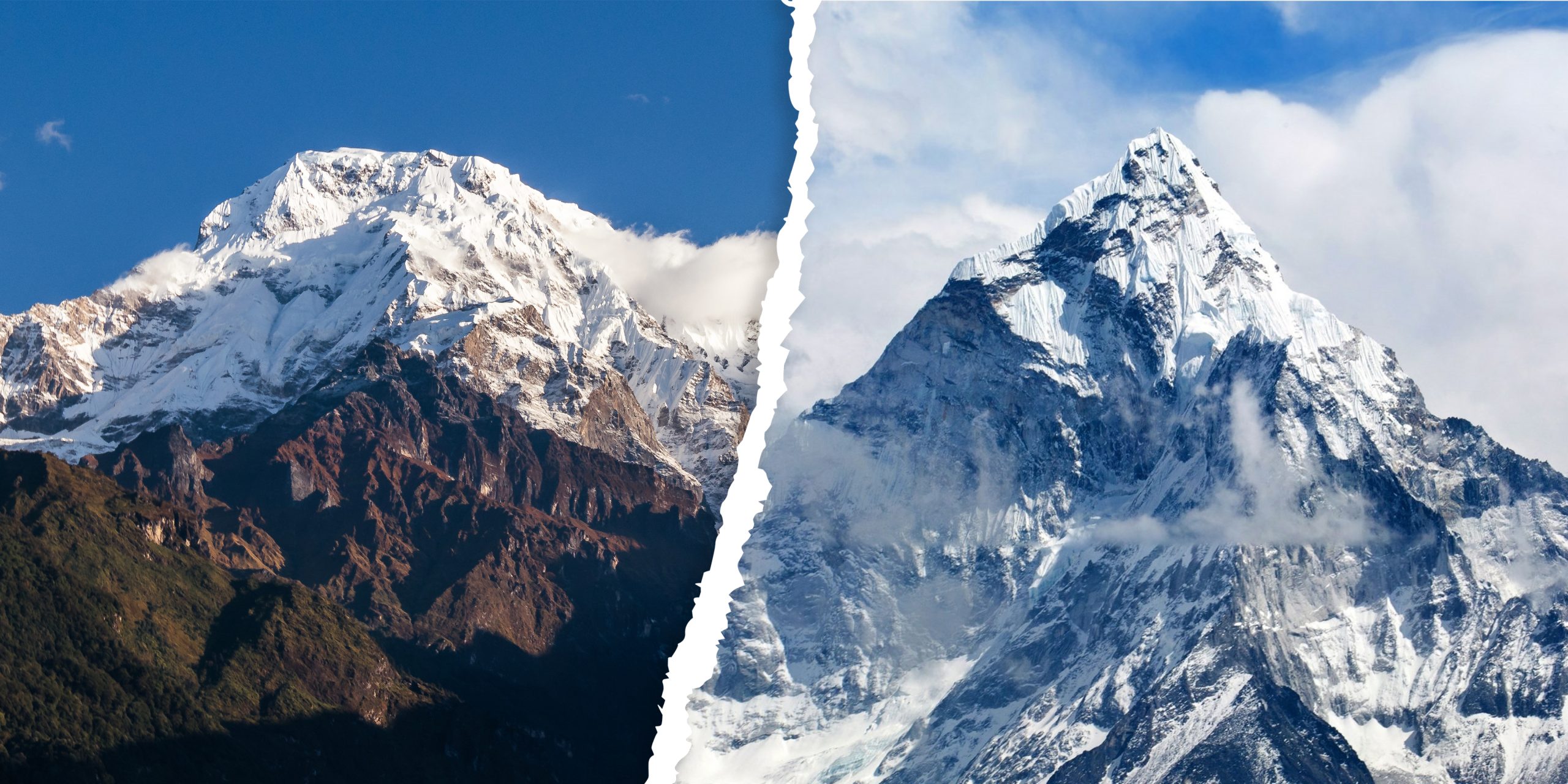
Two of the world’s most iconic treks—Annapurna Circuit Trek vs. Everest Base Camp Trek—offer unforgettable Himalayan adventures, but which one is the right fit for you? Both treks promise breathtaking mountain views, unique cultural experiences, and a challenge that pushes your limits. Yet, they differ in terrain, scenery, difficulty, and the type of adventure you’ll experience along the way.
The Annapurna Circuit is renowned for its diverse landscapes, from lush subtropical forests and terraced farmlands to high mountain passes like Thorong La. Trekkers here often enjoy a sense of solitude, fewer crowds, and authentic interactions with Gurung and Manangi villages.
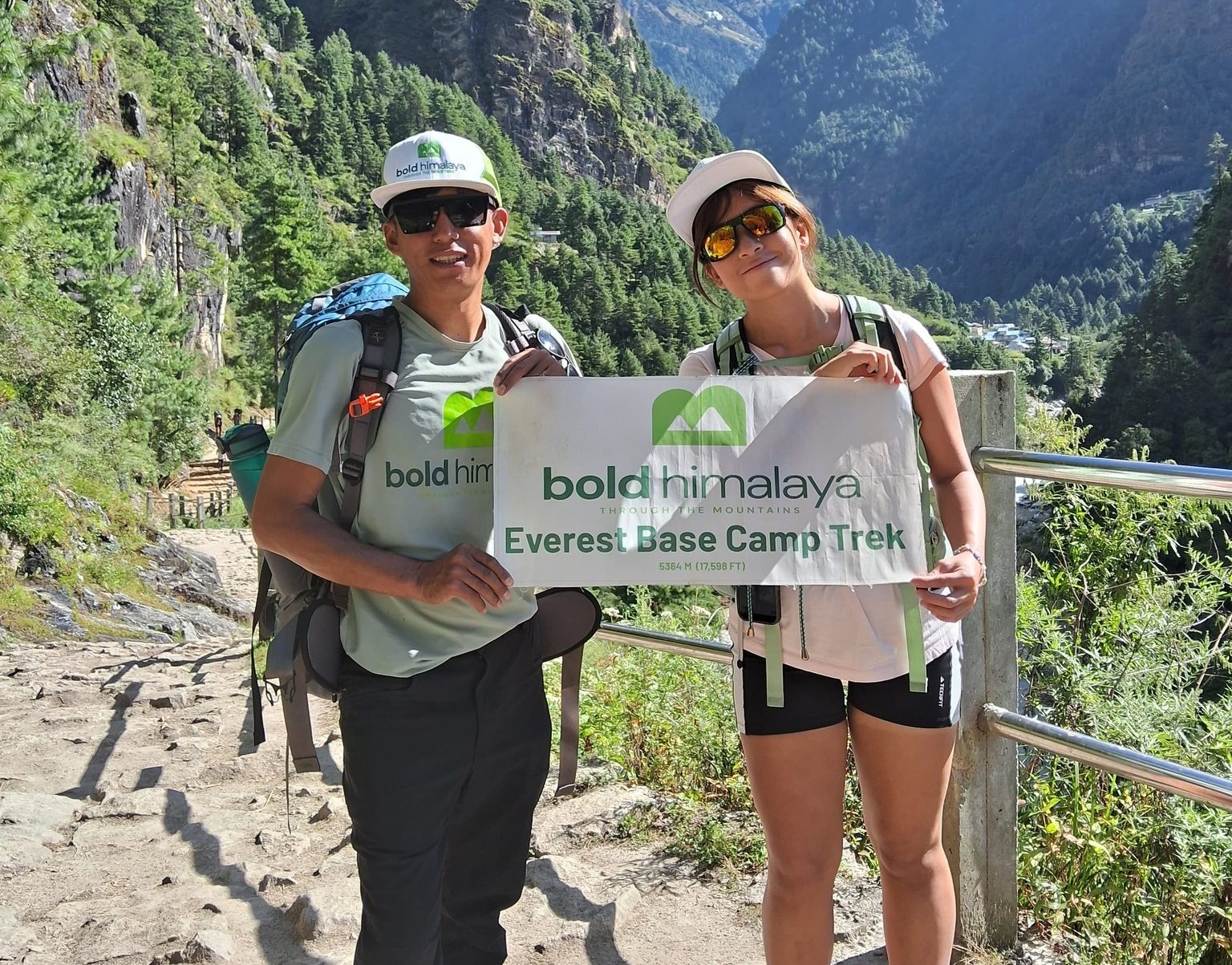
Meanwhile, the Everest Base Camp Trek is famous for its towering, snow-capped peaks, iconic views of Everest and Ama Dablam, and deep immersion into Sherpa culture. The trails are busier, but the experience of standing at the foot of the world’s highest peak is unmatched.
In this guide, you’ll get a clear, actionable comparison of these two epic treks. From route details and difficulty levels to scenery, cultural highlights, accommodation, and budgeting tips, we’ll help you make an informed choice that matches your fitness, travel goals, and adventure style. By the end, you’ll know exactly which trek aligns with the Himalayan experience you’ve been dreaming of.
Quick Snapshot of Both Treks
| Feature | Annapurna Circuit Trek | Everest Base Camp Trek |
|---|---|---|
| Duration | 15–20 days (depending on route) | 12–15 days (including acclimatization) |
| Maximum Altitude | Thorong La Pass – 5,416m | Kala Patthar – 5,364m; Everest Base Camp – 5,364m |
| Terrain & Scenery | Diverse: subtropical forests, terraced farmlands, alpine meadows, high mountain passes | Solitude, cultural immersion, and diverse terrain |
| Cultural Highlights | Sherpa villages, Tengboche Monastery, and the Everest region traditions | Remote Gurung & Manangi villages, monasteries, and local festivals |
| Crowds | Less crowded, peaceful trekking experience | More popular, busy trails near EBC |
| Accommodation | Tea houses and small family-run lodges along the route | Tea houses and lodges along the trail, well-established but crowded in peak season |
| Best For | Solitude, cultural immersion, diverse terrain | Iconic snow-capped peaks, glaciers, steep trails, and high-altitude landscapes |
Route & Duration of Annapurna Circuit Trek vs Everest Base Camp Trek
Plan your trek according to time availability and acclimatization needs. Understanding the route and duration of the Annapurna Circuit Trek vs the Everest Base Camp Trek will help you choose the right trek for your fitness, schedule, and adventure goals.
Annapurna Circuit Trek Route
The Annapurna Circuit Trek typically starts in Besisahar and finishes in Pokhara, forming a scenic loop around the Annapurna Massif. When comparing the Annapurna Circuit Trek vs the Everest Base Camp Trek, one key advantage of the Annapurna is the diverse route, including forests, rivers, alpine meadows, and high mountain passes.
The Annapurna Circuit Trek usually follows this route:
Besisahar → Bhulbhule → Chame → Pisang → Manang → Yak Kharka → Thorong La Pass (5,416m) → Muktinath → Kagbeni → Jomsom → Marpha → Tatopani → Ghorepani → Poon Hill → Nayapul → Pokhara
Must-See Villages & Viewpoints on Annapurna Circuit Trek:
- Manang: A key acclimatization stop with spectacular valley views.
- Thorong La Pass (5,416m): The highest point, offering panoramic Himalayan vistas.
- Muktinath & Tatopani: Cultural highlights with hot springs for relaxation.
- Marsyangdi Valley: Lush forests and scenic river landscapes.
Tip: If you want a unique Annapurna experience, include side trips like Tilicho Lake or Jhinu Danda hot springs to enrich your trek.
Everest Base Camp Trek Route
The Everest Base Camp Trek starts at Lukla Airport and passes through Namche Bazaar, Tengboche, Dingboche, and Lobuche, before reaching Everest Base Camp. A popular side hike to Kala Patthar provides iconic views of Mount Everest.
The Everest Base Camp Trek follows this classic high-altitude route:
Lukla → Phakding → Namche Bazaar → Tengboche → Dingboche → Lobuche → Gorakshep → Everest Base Camp → Kala Patthar → Pheriche → Namche Bazaar → Lukla
Key Stops & Scenic Highlights on EBC Trek:
- Namche Bazaar: Sherpa cultural hub and acclimatization town.
- Tengboche Monastery: Spiritual and cultural experience.
- Khumbu Glacier & Lobuche: Dramatic icefalls and high-altitude landscapes.
- Everest Base Camp & Kala Patthar: Ultimate Himalayan trekking highlights.
Tip: Stick to recommended acclimatization days in Namche Bazaar and Dingboche to safely complete your Everest Base Camp Trek.
Duration Comparison & Flexibility of Annapurna Circuit Trek vs Everest Base Camp Trek
| Aspect | Annapurna Circuit Trek | Everest Base Camp Trek |
|---|---|---|
| Typical Duration | 15–20 days | 12–15 days |
| Flexibility | Multiple route variations, side trips possible | More linear, less room for alternatives |
| Pros | Diverse scenery, cultural immersion, quieter trails | Iconic peaks, shorter trek, classic Himalayan adventure |
| Cons | Longer trek, moderate-high difficulty | Crowded trails in peak season, less scenic diversity |
Trekking Difficulty & Fitness Requirements for Annapurna Circuit Trek vs Everest Base Camp Trek
Before planning your Himalayan adventure, assess your physical readiness. Understanding the trekking difficulty and fitness requirements for the Annapurna Circuit Trek vs the Everest Base Camp Trek will help you prepare properly, reduce the risk of altitude sickness, and enjoy the experience safely.
Annapurna Circuit Trek Difficulty
The Annapurna Circuit Trek is considered moderate to strenuous, offering a combination of long walking days, varied terrain, and high-altitude challenges. Trekkers navigate rivers, forests, alpine meadows, and high mountain passes, with the most demanding section being Thorong La Pass at 5,416m.
Key High-Altitude Challenges:
- Rapid altitude gain over several days
- Cold and unpredictable weather conditions
- Long walking days, often 6–8 hours
- Mixed terrain: rocky trails, river crossings, and steep ascents
Tip: Gradually increase hiking distance and elevation during training to prepare for Annapurna’s varied terrain.
Everest Base Camp Trek Difficulty
The Everest Base Camp Trek is generally strenuous, with steep climbs, high-altitude conditions, and icy paths. The trek’s linear route from Lukla to Everest Base Camp involves rapid altitude gain, making acclimatization essential.
High-Altitude Considerations:
- Peaks like Kala Patthar (5,364m) require careful pacing
- Steep, rocky, and sometimes slippery trails
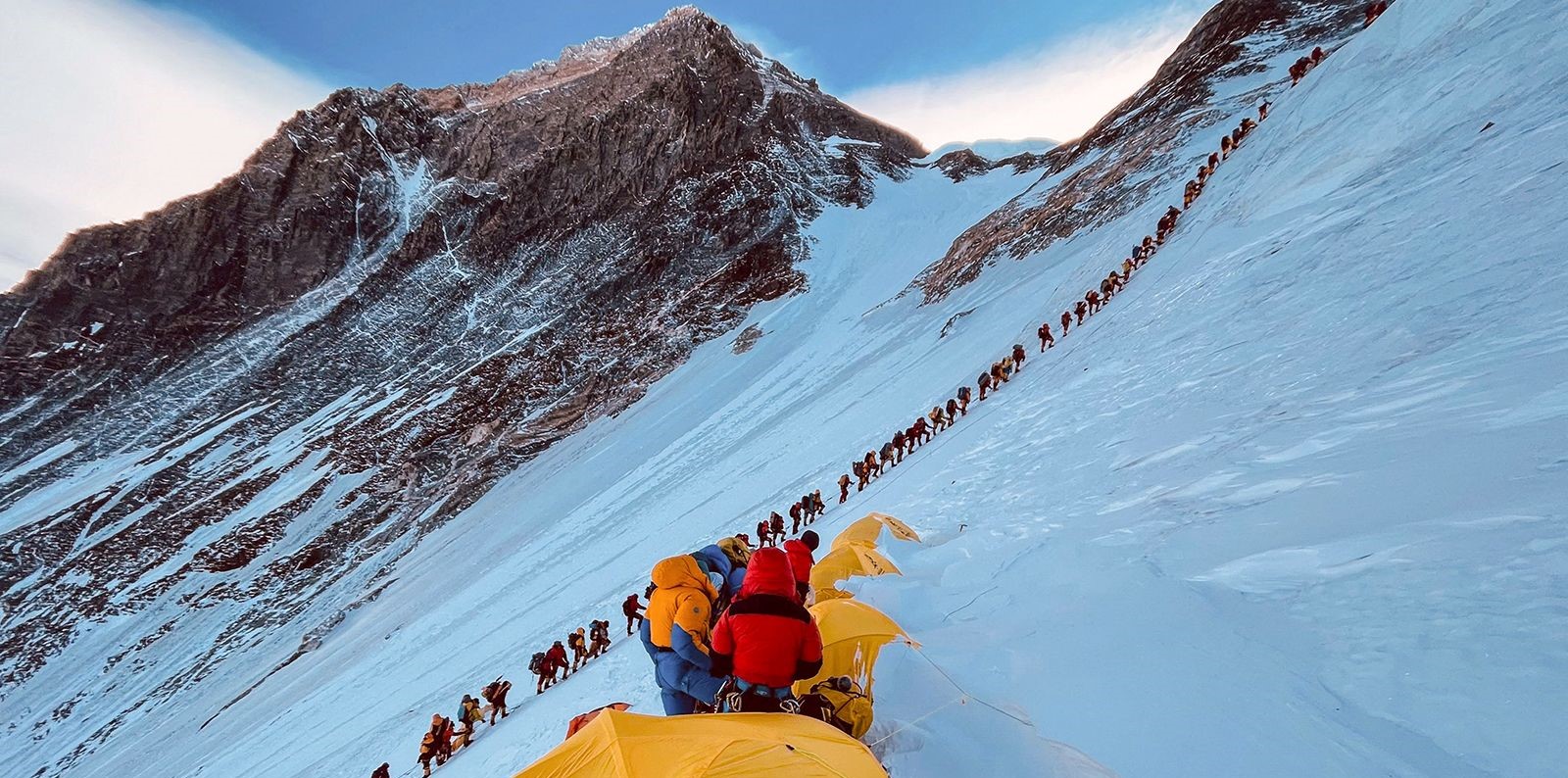
- Crowded paths in peak season, which can slow progress
- Risk of altitude sickness without proper rest days
Tip: Include acclimatization days in Namche Bazaar and Dingboche, and walk slowly to manage fatigue and altitude changes.
Fitness Tips for Both Treks
Whether trekking the Annapurna Circuit or Everest Base Camp, preparation is crucial. Proper training ensures stamina, strength, and safety at high altitudes.
Training Recommendations:
- Cardio: Hiking, running, cycling to improve endurance
- Strength Training: Focus on legs, core, and back to carry backpacks comfortably
- Pacing Practice: Simulate 5–7 hour trekking days with a weighted pack
- Acclimatization Strategy: Gradual altitude gain, hydration, and planned rest days
Tip: Begin 6–8 weeks of targeted training before your trek to maximize performance and enjoyment on either the Annapurna Circuit Trek or the Everest Base Camp Trek.
Scenery: What You’ll See on Each Trek
Annapurna Circuit — Nature’s Many Faces
The Annapurna Circuit is like a nature anthology — one moment you’re wandering through warm river valleys, the next you’re breathing thin alpine air above treeline, with a completely different world around you.
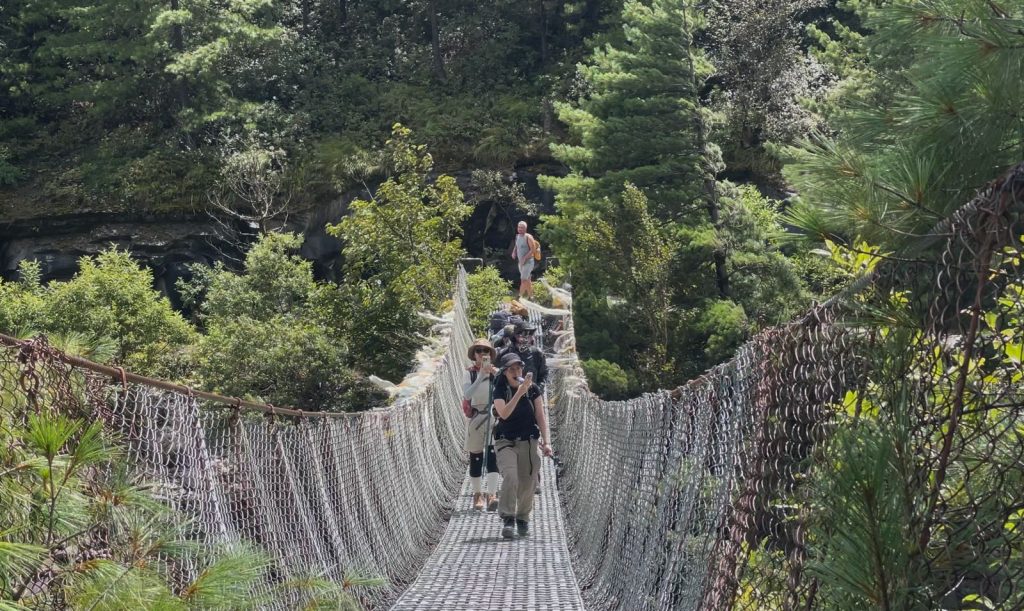
- From forests to alpine meadows: As you begin the trek, the trail weaves through subtropical forests and rhododendron‑lined paths. Lower valleys offer green hills, forested slopes, and the soothing sound of rivers — a gentle introduction.
- Terraced fields and riversides: In hilly agricultural zones and lower altitudes, you’ll see terraced rice fields and farmland tucked against hillsides — human patterns carved into mountain terrain, adding a layer of human‑nature harmony.
- Dramatic mountain panoramas: At high passes (for example, crossing the famed high pass of the trek), you’re greeted with 360° mountain views — sweeping vistas of the greater Himalayan range, with peaks, rugged ridgelines, deep valleys, and a scale that humbles.
- Biodiversity & wildlife: The changing elevation means biodiversity changes dramatically too — from forests harbouring birds and small mammals to higher slopes where hardy species like blue sheep, mountain birds, or alpine fauna may be spotted.
Everest Base Camp — Himalayan Giants & Glacial Majesty
If you’re drawn to the grandeur of the high Himalayas, glaciers under sweeping ridges, and the chance to stand beneath some of Earth’s tallest peaks, the Everest Base Camp Trek delivers.
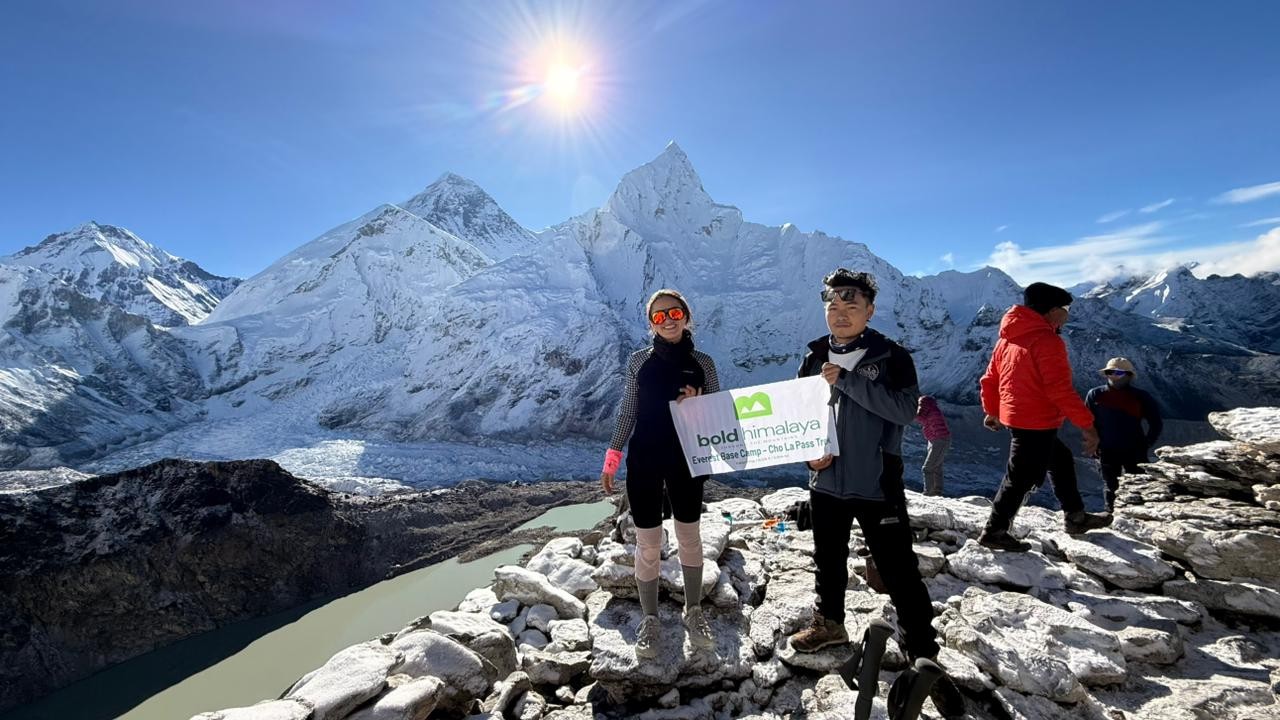
- Iconic Himalayan peaks: As you ascend the Everest massif, along with other giants like Ama Dablam, Lhotse, Nuptse, and surrounding summits, dominate the skyline. Their snow‑clad ridges glint under sun or moonlight, casting a sense of raw, vertiginous power.
- Glaciers and icefalls: Approaching base camp and high‑altitude zones brings you close to the mighty Khumbu Glacier — a shifting river of ice and rock, framed by moraines and glacier‑carved valleys. Walking near or around this glacier zone gives a surreal, almost otherworldly experience.
- High‑altitude vistas and sky‑scapes: At viewpoint ridges or sunrise‑friendly summits (e.g., the famous lookout points near base camp), trekkers often witness dramatic alpenglow, wide‑angle Himalayan vistas, layered ridgelines, and a sense of altitude that few experiences on Earth can match.
- Cultural and natural mix: Along the trek, small Sherpa villages, monasteries, and prayer flags fluttering against the mountain backdrop — this juxtaposition of human culture and raw mountain wilderness amplifies the feeling of being both humbled and connected.
Cultural Immersion & Local Experience of Annapurna Circuit Trek vs Everest Base Camp Trek
Choose your trek not only for the mountains but also for the cultural experiences and local interactions that enrich your journey. Understanding the people, traditions, and lifestyles along the trail can make your trek unforgettable.
Annapurna Circuit – Village Life & Himalayan Traditions
The Annapurna Circuit offers a slow, immersive cultural journey. Villages are scattered across the valleys and foothills, where terraced fields meet ancient monasteries and stone houses.
- Ethnic Diversity: Trek through areas inhabited by Gurung, Thakali, and Manangi communities, each with unique customs, traditional dress, and languages.
- Festivals & Rituals: Depending on your timing, you may witness local celebrations like the Tiji Festival or harvest ceremonies, a colorful insight into Himalayan spirituality and agrarian life.
- Local Cuisine: Savor dal bhat, momo, and Thakali set meals prepared by homestays or teahouses — a mix of nutrition, flavor, and cultural learning.
- Monasteries & Spiritual Stops: Small gompas (monasteries) dot the high-altitude trails, where prayer flags flutter in the wind, chanting echoes, and locals seek blessings, giving trekkers a glimpse into Buddhist traditions.
Tip: Staying in family-run teahouses allows for intimate storytelling experiences, teaching you about daily life, local farming, and Himalayan survival skills.
Everest Base Camp – Sherpa Heritage & Himalayan High Life
The Everest Base Camp trek immerses you in Sherpa culture, shaped by high-altitude life and mountaineering history.
- Sherpa Villages: Stop at Namche Bazaar, Khumjung, and Pangboche, where life revolves around trade, farming, and guiding expeditions. Locals are warm, resilient, and proud of their mountaineering heritage.
- Monasteries & Spiritual Practices: Tengboche Monastery and other sacred sites are hubs of prayer, rituals, and festivals, like Saga Dawa, offering insight into Buddhist spiritual life.
- Mountaineering Legacy: Explore the history of Everest expeditions in local museums, meet families who have guided climbers for generations, and understand the risks and pride tied to high-altitude livelihoods.
- Local Cuisine & Tea Houses: Sample butter tea, tsampa, and hearty stews, fueling you for long, cold days while connecting with the warmth of Sherpa hospitality.
Tip: Engage respectfully with Sherpa families; even small conversations reveal centuries of wisdom about surviving and thriving in the high Himalayas.
Side-by-Side Cultural Comparison – Annapurna Circuit Trek vs Everest Base Camp Trek
Understanding the cultural differences between these treks will help you choose not just based on scenery, but also on local experiences, food, festivals, and interactions.
| Aspect | Annapurna Circuit | Everest Base Camp |
|---|---|---|
| Main Ethnic Communities | Gurung, Thakali, Manangi, Magar | Sherpa (majority), some Tibetan influences in high villages |
| Village Atmosphere | Agrarian villages with terraced fields, stone-and-wood houses, slow-paced lifestyle | High-altitude, mountaineering-focused villages, stone houses, bustling trading hubs (e.g., Namche Bazaar) |
| Cuisine | Dal bhat (lentils & rice), momos, Thakali set meals, locally grown vegetables, seasonal dishes | Butter tea, tsampa (roasted barley flour), noodle soups, hearty stews, yak-based dairy products |
| Festivals & Rituals | Tiji Festival, harvest celebrations, and local Buddhist rituals in gompas | Small-scale Buddhist ceremonies, monastery blessings; no large-scale festivals like Saga Dawa (mainly at Mount Kailash) |
| Monasteries & Spiritual Sites | Scattered gompas, prayer flags, meditation spots, interactive with villagers | Tengboche, Pangboche monasteries; focus on prayers for trekkers and climbers, iconic high-altitude spiritual sites |
| Accommodation & Homestay Experience | Family-run teahouses, homestays, immersive cultural storytelling | Tea houses and lodges focused on trekkers’ needs, simpler accommodations at high altitude |
| Interaction Style | Warm, relaxed, storytelling-friendly, opportunities to learn farming and village life | Friendly but practical, focused on mountaineering culture and high-altitude survival |
| Altitude & Cultural Adaptation | Low to high; moderate altitude allows deeper cultural engagement | High altitude; interactions are shorter due to thin air and trekking difficulty |
Accommodation, Food & Logistics
Choosing between the Annapurna Circuit Trek vs Everest Base Camp Trek often comes down to what trekkers can expect in terms of accommodation quality, food options, daily comforts, and trekking logistics. While both routes offer Nepal’s classic teahouse experience, the level of comfort, food variety, and available facilities can differ significantly. Understanding these differences helps trekkers plan smarter, pack better, and choose the trek that matches their comfort expectations.
Teahouses & Lodges Comparison
Annapurna Circuit Trek Accommodation
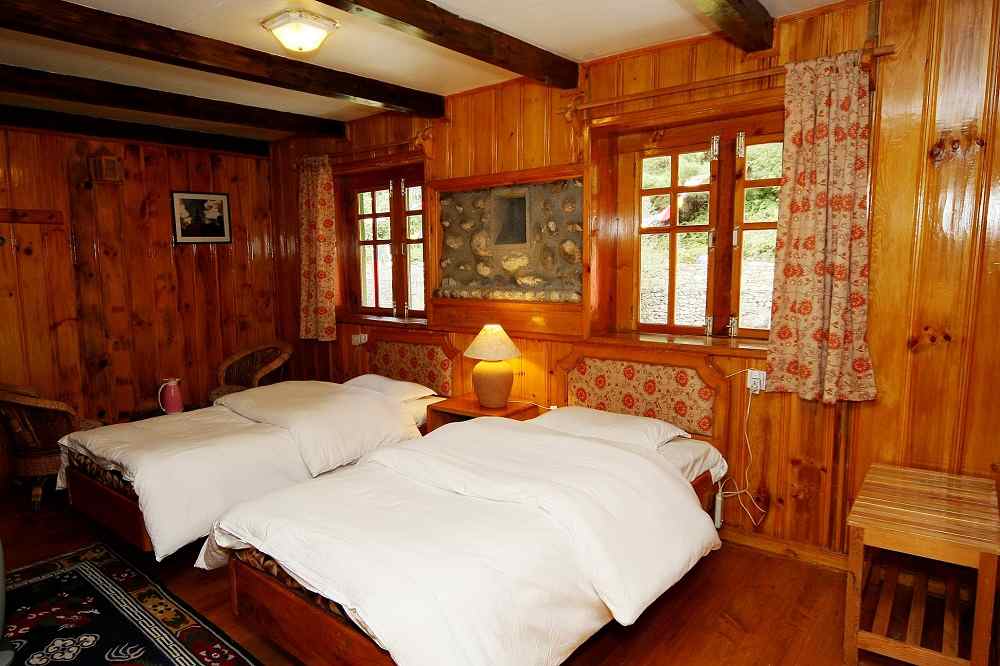
The Annapurna Circuit Trek offers a wide range of teahouses—from simple, family-run lodges to surprisingly comfortable rooms in bigger villages like Manang, Chame, and Jomsom.
Key features:
- More variety due to road connectivity in several sections
- Larger rooms and better bedding in mid-altitude villages
- More chances to get attached bathrooms at lower altitudes
- Hot showers are available more frequently
Since the route stretches through multiple diverse communities, accommodation tends to be more flexible and abundant.
Everest Base Camp Trek Accommodation
The Everest Base Camp Trek (EBC) maintains a more consistent teahouse standard, especially in villages like Namche Bazaar, Tengboche, Dingboche, and Gorak Shep.
Key features:
- Generally, better infrastructure at lower altitudes
- Warm dining halls with yak-dung stoves
- Cozy rooms, but amenities become very basic after Dingboche
- Hot showers cost more (and may not always be hot!)
In the upper Khumbu, accommodation is more expensive but highly organized due to strict tourism management.
Annapurna Circuit Trek Food
Food options on the Annapurna Circuit Trek are generally diverse, thanks to road access and local farms.
Expect:
- Dal Bhat, thukpa, momos
- Apple pies (famous in Manang & Marpha)
- Pasta, pancakes, soups, and fresh vegetables
- Locally grown produce in the lower villages
Food feels more homely and varied, especially before crossing Thorong La Pass.
Everest Base Camp Trek Food
The Everest Base Camp Trek offers standardized menus across teahouses due to Khumbu tourism regulations.
Expect:
- Dal Bhat, pasta, fried rice
- Sherpa stew (Shyakpa), potatoes, garlic soups
- Tibetan bread, porridge, omelets
- Fewer fresh vegetables at higher altitudes
Food is consistent but becomes more basic and expensive the higher you go.
Trek Permits & Requirements
To complete the Everest Base Camp Trek vs the Annapurna Circuit Trek, trekkers need different permits:
Annapurna Circuit Permits
- ACAP (Annapurna Conservation Area Permit)
- TIMS Card (Trekkers’ Information Management System)
Everest Base Camp Permits
- Khumbu Pasang Lhamu Rural Municipality Permit
- Sagarmatha National Park Permit
Note: EBC no longer requires TIMS. Annapurna still does.
Packing List for Annapurna Circuit vs Everest Base Camp
Whether you choose the Annapurna Circuit Trek or the Everest Base Camp Trek, having the right gear is essential for safety, comfort, and performance at high altitude. Weather changes fast in the Himalayas, so being properly equipped makes a huge difference—especially for first-time trekkers.
| Item Category | Everest Base Camp Trek | Annapurna Circuit Trek |
|---|---|---|
| Warm Down Jacket | Required (very cold above 4,500m) | Required (Thorong La gets extremely cold) |
| 4-Season Sleeping Bag | Required (cold nights in Lobuche/Gorakshep) | Required (cold at High Camp & Thorong Phedi) |
| Trekking Poles | Optional but helpful on steep ascents/descents | Highly Recommended for Thorong La Pass |
| Waterproof Jacket & Pants | Must-have (Khumbu weather changes fast) | Must-have (windy + dusty near Manang) |
| Trekking Boots (Ankle Support) | Essential | Essential |
| Thermal Layers | Required | Required |
| Power Bank | Important (charging expenses above Namche) | Important (limited electricity in lower villages) |
| Water Purification Tablets | Required | Required |
| Sun Protection (sunscreen, hat, sunglasses) | Essential (strong glacier reflection) | Essential (high UV around Manang area) |
| Snacks/Energy Bars | Optional but useful | Optional but useful |
| Cash | Mandatory (no ATMs above Namche) | Mandatory (no ATMs after Chame) |
| Travel Insurance (with helicopter cover) | Strongly Required | Strongly Required |
Trek Itinerary: Everest Base Camp Trek vs Annapurna Circuit Trek
Annapurna Circuit Trek Itinerary – Day by Day (13 Days)
Following a detailed daily itinerary ensures proper acclimatization, safe pacing, and lets you fully enjoy the breathtaking Himalayan landscapes.
| Day | Route / Key Stops | Highlights / Notes |
|---|---|---|
| Day 1 | Arrival in Kathmandu | Transfer to the hotel, trek briefing. Immerse yourself in Himalayan culture. |
| Day 2 | Kathmandu → Besisahar (760m) | Scenic 6–7 hour drive along Trishuli & Marshyangdi Rivers, views of Annapurna II, Machhapuchhre, Lamjung Himal. Overnight in Besisahar. |
| Day 3 | Besisahar → Chame (2,650m) | Off-road adventure, waterfalls (Chamche, Syange), terraced fields, apple orchards, forests. Overnight in Chame. |
| Day 4 | Chame → Pisang (3,250m) | Start trekking; dense forest, Marsyangdi Valley, Paungda Danda cliffs, Upper Pisang Himalayan views. |
| Day 5 | Pisang → Manang (3,519m) | Cross Ghyaru & Nawal villages; panoramic views of Annapurna I, Annapurna II, Gangapurna. |
| Day 6 | Acclimatization in Manang | Climb Chongkor viewpoint, visit Gangapurna Lake or Ice Lake, and experience glacial landscapes. |
| Day 7 | Manang → Yak Kharka (4,018m) | Valley trek through Tenki village, Jarsang Khola, meadows, historic Mani walls, high-altitude settlement. |
| Day 8 | Yak Kharka → Thorong High Camp (4,880m) | Cross Ledar settlement, climb to Thorong Phedi & High Camp; panoramic views of Thorong Peak, Mt. Gundang. |
| Day 9 | Thorong High Camp → Muktinath (3,800m) | Cross Thorong La Pass (5,416m), descend to Muktinath Valley, and visit the sacred Vishnu temple. |
| Day 10 | Muktinath → Jomsom (2,743m) | Moderate trek through Kaligandaki Gorge, stunning views of Annapurna I & Dhaulagiri, Lupra villages. |
| Day 11 | Jomsom → Pokhara (Flight) | Early morning scenic flight, panoramic views of Dhaulagiri & Annapurna ranges, transfer to Pokhara hotel. |
| Day 12 | Pokhara → Kathmandu (Drive) | Cross Thorong La Pass (5,416m), descend to Muktinath Valley, and visit the sacred Vishnu temple. |
| Day 13 | International Departure | Transfer to the hotel, trek briefing. Immerse yourself in Himalayan culture. |
Ready to explore the Annapurna Circuit? Let Bold Himalaya guide you safely through every step—from planning and permits to experienced trekking guides. Book your Annapurna Circuit Trek today and start your Himalayan adventure!
Everest Base Camp Trek Itinerary – Day by Day (14 Days)
Planning your Everest Base Camp Trek day by day ensures proper acclimatization, safe pacing, and the chance to fully enjoy the breathtaking Himalayan views. Here’s a detailed guide to make the most of your journey:
| Day | Route / Key Stops | Highlights / Notes |
|---|---|---|
| Day 1 | Arrival in Kathmandu | Scenic 30-minute flight with Himalayan views; start trek via Cheplung Village, Thado Koshi, Ghat; first easy day. |
| Day 2 | Fly to Lukla → Trek to Phakding (2,652m) | Cross Imja Khola, ascend via Pangboche, Samare, and arrive at Dingboche; stunning valley views of Ama Dablam. |
| Day 3 | Phakding → Namche Bazaar (3,440m) | Follow the Dudh Koshi River, cross suspension bridges, view Everest for the first time, and reach Namche Bazaar. |
| Day 4 | Acclimatization in Namche Bazaar (3,962m) | Hike to Everest View Hotel and Syanboche Airport; visit Sherpa Museum; panoramic Himalayan views. |
| Day 5 | Namche → Tengboche (3,860m) | Trail through Kyangjuma, Punki Thanka, pine forests; visit Thyangboche village; Sherpa cultural immersion. |
| Day 6 | Tengboche → Dingboche (4,410m) | Early sunrise hike to Kala Patthar, best Everest views; descend to a lower altitude for overnight stay. |
| Day 7 | Acclimatization Day in Dingboche | Climb Nangkartshang Hill (5,100m); panoramic views of Lobuche East & West, Kangtega, Taboche, Ama Dablam, Makalu. |
| Day 8 | Dingboche → Lobuche (4,910m) | Pass Dughla, Everest Memorial Chupki, Lara, Khumbu Glacier; short uphill to Lobuche settlement. |
| Day 9 | Lobuche → Gorakshep (5,182m) → Everest Base Camp (5,364m) → Gorakshep | Trek to base camp, see Khumbu Icefall, surrounding peaks; overnight at Gorakshep. |
| Day 10 | Gorakshep → Kala Patthar (5,545m) → Pheriche (4,210m) | Early sunrise hike to Kala Patthar, best Everest views; descend to a lower altitude for overnight stay. |
| Day 11 | Pheriche → Namche Bazaar (3,440m) | Return trek via Pangboche, Tengboche; opportunity to revisit scenic spots. |
| Day 12 | Namche → Lukla (2,800m) | Descend via Dudh Koshi River, suspension bridges; final trekking day. |
| Day 13 | Flight Lukla → Kathmandu | Scenic flight back; transfer to hotel; optional cultural evening program. |
| Day 14 | Departure from Nepal | Airport transfer for international flight; opportunity to book additional tours. |
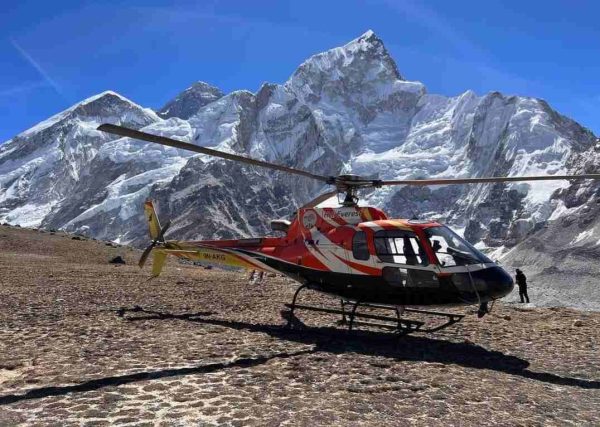
Ready to embark on the adventure of a lifetime? Let Bold Himalaya handle every detail—from planning and permits to experienced guides—so you can fully immerse yourself in the Himalayan experience. Book your Everest Base Camp Trek by helicopter return today and start your journey to the roof of the world!
Best Season & Weather: Everest Base Camp vs Annapurna Circuit
Choosing the right season can make or break your Himalayan adventure. Both the Everest Base Camp Trek and the Annapurna Circuit Trek offer the best experiences during autumn (Sep–Nov) and spring (Mar–May), when the weather is stable, the skies are clear, and the trails are most enjoyable.
Winter brings cold temperatures and snow, while the monsoon season reduces visibility and increases rainfall, making these periods less ideal for most trekkers.
Seasonal Comparison Table
| Season | Everest Base Camp Trek | Annapurna Circuit Trek |
|---|---|---|
| Autumn (Sep–Nov) | Colder but still manageable in the lower sections; Thorong La Pass may close due to heavy snow. | Best season — dry trails, excellent visibility, colorful landscapes, perfect for Thorong La crossing. |
| Spring (Mar–May) | Second-best season — warm temperatures, blooming rhododendron forests, great for photography. | Second-best season — mild weather, vibrant forests, stable conditions for high-altitude trekking. |
| Winter (Dec–Feb) | Very cold at high altitude, snow possible near EBC; suitable only for experienced trekkers. | Cloudy, rainy, and fewer views; Lukla flights are often delayed or canceled. |
| Monsoon (Jun–Aug) | Cloudy, rainy, and fewer views; Lukla flights are often delayed or canceled. | Rainy and muddy, but rain-shadow areas like Manang remain drier, still not ideal for pass crossing. |
Hazards & Seasonal Risks: What Trekkers Should Know
1. Snowfall & Pass Closures
- Annapurna Circuit: Thorong La Pass (5,416m) can close unexpectedly during winter or early winter storms in November.
- Everest Base Camp: Heavy snow can make the final sections around Gorakshep, EBC, and Kala Patthar challenging.
2. Avalanche & Rockfall Zones
- Certain sections of Annapurna (especially between Yak Kharka and Thorong Phedi) are prone to avalanches after heavy snow.
- In the Everest region, rockfall risk increases near the Khumbu Glacier during warm afternoons.
3. Flight Delays (Everest Region)
Lukla Airport is notorious for:
- Thick fog
- High winds
- Sudden weather changes
This causes frequent flight delays or cancellations, especially during the monsoon and winter. Annapurna Circuit does not rely on flights, making it more predictable.
4. Rain, Mud & Landslides (Monsoon)
- Lower Annapurna areas (Besisahar → Chame) are muddy and prone to landslides during the monsoon.
- Everest trails become slippery, visibility drops, and leeches appear in the lower forests.
5. Extreme Cold at High Altitudes
- Temperatures can drop below –15°C to –20°C at Thorong La, EBC, and Kala Patthar in winter.
Proper gear is mandatory for safe travel.
6. Altitude Risks
Both treks go above 5,000m. Weather shifts can worsen symptoms of AMS.
Acclimatization days (Manang for ACT, Namche & Dingboche for EBC) are essential.
Everest Base Camp Trek vs Annapurna Circuit Trek: Complete Side-by-Side Comparison
| Category | Everest Base Camp Trek (EBC) | Annapurna Circuit Trek (ACT) |
|---|---|---|
| Maximum Elevation | 5,545 m (18,192 ft) at Kala Patthar | 5,416 m (17,769 ft) at Thorong La Pass |
| Major Attractions | Mount Everest, Namche Bazaar, Tengboche Monastery, Dingboche, Lobuche, Gorak Shep, Everest Base Camp, Kala Patthar, Khumbu Glacier, Sherpa culture | Thorong La Pass, Muktinath Temple, Tilicho Lake (side trip), Manang, Jomsom, Marpha, Poon Hill, Kali Gandaki Valley, diverse Gurung & Thakali villages |
| Required Permits | • Sagarmatha National Park Permit • Khumbu Pasang Lhamu Rural Municipality Permit (No TIMS needed) | • ACAP (Annapurna Conservation Area Permit) • TIMS Card |
| Typical Duration | 12–14 days round trip | 12–21 days depending on side trips & pace |
| Total Distance | ~120 km | 160–230 km, depending on start/end points |
| Trek Difficulty | Strenuous, steep sections, high altitude, colder temperatures | Moderate to challenging, long distances, big altitude gain at Thorong La |
| Altitude Sickness Risk | High risk at Lobuche, Gorak Shep, and Kala Patthar. Proper acclimatization days in Namche & Dingboche are recommended. | High risk at Thorong La Pass. Gradual acclimatization in Manang helps significantly. |
| Major Side Trek Options | Gokyo Lakes Trek, Three Passes Trek, Renjo La Pass, Island Peak | Tilicho Lake, Mardi Himal Trek, Jomsom–Muktinath, Nar Phu Valley, Poon Hill |
| Scenery & Landscape | Home of the world’s tallest peaks — Everest, Lhotse, Ama Dablam. Glacial terrain, alpine valleys, dramatic icefalls. | Most diverse trek in Nepal: subtropical forests, waterfalls, apple orchards, alpine deserts, glaciers, high passes, and deep river gorges. |
| Cultural Experience | Rich Sherpa Buddhist culture, prayer wheels, chortens, monasteries, Mani walls. | Mix of Gurung, Magar, Thakali, Tibetan-influenced cultures, Hindu–Buddhist blend, apple-farming communities. |
| Weather (Best Season) | Sep–Nov & Mar–May Clear skies, cold nights. Winter is extremely harsh at high altitude. | Sep–Nov & Mar–May Ideal weather. Winter brings heavy snow at Thorong La. Monsoon brings rain & leeches. |
| Food | Standardized teahouse menu: dal bhat, pasta, Sherpa stew, garlic soup, potatoes, Tibetan bread. Fresh veggies are limited at high elevations. | More variety due to road access: dal bhat, pasta, soups, apple pie (famous), local Thakali meals, and pancakes. Better access to fresh food. |
| Accommodation | Basic teahouses; simple rooms. Comfort decreases after Dingboche. Hot shower & charging cost extra. WiFi available via Everest Link. | More variation: comfortable teahouses in Manang & Jomsom, basic in high areas. Hot showers are more frequent. Electricity is more available. |
| Electricity & Internet | Charging is expensive; WiFi is available but slow. | More power availability; cheaper charging. WiFi in most villages. |
| Flights | Kathmandu → Lukla (or Ramechhap → Lukla in peak seasons) | Kathmandu → Pokhara (optional). The trek usually starts by road to Besisahar. |
| Trekking Route Overview | Starts/ends in Lukla → Phakding → Namche → Tengboche → Dingboche → Lobuche → Gorak Shep → EBC → Kala Patthar → return same way. | Starts in Besisahar → follows Marsyangdi Valley → Chame → Pisang → Manang → Thorong La Pass → Muktinath → Jomsom → Pokhara. |
| Cost | $1,300–$2,000 depending on guide/porter, flight prices & accommodations | $1,000–$2,000 depending on route length, transport & comfort level |
| Food & Facilities Summary | Limited electricity, costly WiFi, basic rooms. Hot showers are available at a cost. No ATMs beyond Namche. | More facilities, more food variety, better accommodation options. ATMs available until Chame/Manang. |
| Preparation Needed | Strong fitness, stamina, altitude readiness, proper layering system, good boots, travel insurance with helicopter cover. | Good fitness, endurance for long days, strong knees for descent from Thorong La, good layering, and travel insurance. |
| Packing Essentials | Down jacket, base layers, microspikes (optional), trekking poles, water purification, gloves, hat, sunscreen, boots, first aid kit. | Same essentials + lighter layers for lower regions, sun protection for the desert-like Mustang region. |
Safety, Altitude & Health: What Trekkers Must Know
When comparing the Annapurna Circuit Trek vs the Everest Base Camp Trek, safety and altitude management are two of the most important factors. Both treks take you above 5,000 meters, where the risk of altitude-related problems increases significantly. Proper acclimatization and preparation are essential.
Altitude Sickness (AMS): Symptoms to Watch For
Acute Mountain Sickness can affect any trekker, even those who are fit.
Common symptoms include:
- Headache
- Nausea or loss of appetite
- Dizziness or lightheadedness
- Fatigue and difficulty sleeping
- Shortness of breath at rest
If symptoms worsen or do not improve with rest, descend immediately. Ignoring AMS can lead to more serious altitude illnesses.
Why Gradual Ascent Matters
Both treks require a slow and steady ascent to allow the body to adjust:
- Annapurna Circuit: The rise is gradual up to Manang, making acclimatization smoother.
- Everest Base Camp: The ascent from Lukla to Namche is steep, and acclimatization days in Namche and Dingboche are crucial.
Golden rule:
Do not ascend more than 500m per day once above 3,000m.
Essential Acclimatization Stops
- Annapurna Circuit: Manang (rest/acclimatization day)
- Everest Base Camp: Namche Bazaar & Dingboche (mandatory acclimatization days)
Skipping rest days increases risk—don’t rush your itinerary.
Recommended Medical Kit
Carry a small but effective health kit including:
- Diamox (for altitude management, if advised by a doctor)
- Ibuprofen / paracetamol
- Blister care supplies
- Electrolytes
- Water purification drops/tablets
- Bandages and basic first aid items
- Hand sanitizer & essential hygiene supplies
Stay Hydrated & Eat Well
At altitude, your body loses water faster. Drink 3–4 liters daily and eat warm, high-energy meals to maintain strength.
Know When to Stop
If symptoms of AMS become severe—continuous headaches, vomiting, or inability to walk steadily—don’t push higher.
Descending is the only safe solution.
Conclusion: Annapurna Circuit Trek vs Everest Base Camp Trek
Choosing between the Annapurna Circuit Trek and the Everest Base Camp Trek is more than just a decision about altitude, scenery, or difficulty—it’s about the experience you want to live and remember forever. The Annapurna Circuit offers a journey through diverse landscapes, from lush valleys to high mountain passes, with intimate glimpses of village life and centuries-old traditions. It’s a trek for those who seek reflection, discovery, and a deep connection with the Himalayas.
The Everest Base Camp Trek, meanwhile, is a pilgrimage to the world’s highest peaks. Standing beneath Everest and its towering neighbors is an experience that fills you with awe, humility, and the thrill of adventure. The trek immerses you in Sherpa culture and the unique life of high-altitude communities, making every step as meaningful as the destination.
No matter which path calls to you, both treks promise transformation, unforgettable memories, and a profound sense of connection to the mountains. And you don’t have to navigate it alone—Bold Himalaya is here to help you plan, guide, and make your Himalayan adventure safe, smooth, and truly life-changing.
Take the first step. Let Bold Himalaya help turn your dream trek into reality.
FAQ: Annapurna Circuit Trek vs Everest Base Camp Trek
Do I need a guide or porter for the Annapurna Circuit Trek vs the Everest Base Camp Trek?
While both treks can technically be done independently, hiring a guide or porter greatly enhances safety, enjoyment, and cultural understanding. Guides navigate tricky trails, ensure you acclimatize properly, and share insights about Nepalese villages, Sherpa culture, and Himalayan history. Porters carry heavy gear, letting you focus on the trek and high-altitude hiking. For first-time trekkers in Nepal, this is highly recommended.
Which trek is easier for beginners: Annapurna Circuit or Everest Base Camp?
The Annapurna Circuit Trek is longer but generally more gradual, with varied terrain like river valleys, forests, and alpine meadows. Everest Base Camp Trek is shorter but steeper, with rapid altitude gains and icy trails. Beginners who want diverse landscapes, cultural immersion, and slower acclimatization often prefer Annapurna, while thrill-seekers aiming for iconic Everest views may choose EBC.
What permits are required for the Annapurna Circuit vs the Everest Base Camp Trek?
For the Annapurna Circuit, you need an ACAP (Annapurna Conservation Area Permit) and a TIMS card. For Everest Base Camp, the Sagarmatha National Park Permit is required. Permit costs are around $50–$70 and can usually be arranged through a trekking agency. Remember, no permit = no trek.
Can I combine Annapurna and Everest Base Camp in one trip?
Possible but not recommended for first-timers. Both are physically demanding, high-altitude treks. Attempting both in a single trip increases fatigue and risk of altitude sickness. Focus on one trek per trip for a safer, more enjoyable experience.
What unexpected challenges should I be ready for?
- Sudden weather changes: snow, storms, high winds
- Flight delays (Lukla, Pokhara)
- Long trekking days cause fatigue
- Limited connectivity and electricity in remote villages
Mental preparation, flexibility, and a basic survival kit are key.
How do I decide between the Annapurna Circuit and the Everest Base Camp?
- Want diverse landscapes, cultural immersion, and a slower pace → Annapurna Circuit Trek.
- Dream of standing beneath Everest and glaciers → Everest Base Camp Trek
- Both offer life-changing Himalayan experiences, but it depends on your fitness, interest, and adventure style.
How many days do I need for each trek?
- Annapurna Circuit Trek: 12–21 days (including side trips like Tilicho Lake or Poon Hill).
- Everest Base Camp Trek: 12–15 days (including acclimatization).
Rushing increases fatigue and risk of altitude sickness, so plan according to fitness and acclimatization needs.
Comments (0)
Write a comment- Quick Snapshot of Both Treks
- Route & Duration of Annapurna Circuit Trek vs Everest Base Camp Trek
- Annapurna Circuit Trek Route
- Everest Base Camp Trek Route
- Duration Comparison & Flexibility of Annapurna Circuit Trek vs Everest Base Camp Trek
- Trekking Difficulty & Fitness Requirements for Annapurna Circuit Trek vs Everest Base Camp Trek
- Annapurna Circuit Trek Difficulty
- Everest Base Camp Trek Difficulty
- Fitness Tips for Both Treks
- Scenery: What You’ll See on Each Trek
- Annapurna Circuit — Nature’s Many Faces
- Everest Base Camp — Himalayan Giants & Glacial Majesty
- Cultural Immersion & Local Experience of Annapurna Circuit Trek vs Everest Base Camp Trek
- Annapurna Circuit – Village Life & Himalayan Traditions
- Everest Base Camp – Sherpa Heritage & Himalayan High Life
- Side-by-Side Cultural Comparison – Annapurna Circuit Trek vs Everest Base Camp Trek
- Accommodation, Food & Logistics
- Teahouses & Lodges Comparison
- Annapurna Circuit Trek Food
- Everest Base Camp Trek Food
- Trek Permits & Requirements
- Annapurna Circuit Permits
- Everest Base Camp Permits
- Packing List for Annapurna Circuit vs Everest Base Camp
- Trek Itinerary: Everest Base Camp Trek vs Annapurna Circuit Trek
- Annapurna Circuit Trek Itinerary – Day by Day (13 Days)
- Everest Base Camp Trek Itinerary – Day by Day (14 Days)
- Best Season & Weather: Everest Base Camp vs Annapurna Circuit
- Hazards & Seasonal Risks: What Trekkers Should Know
- 1. Snowfall & Pass Closures
- 2. Avalanche & Rockfall Zones
- 3. Flight Delays (Everest Region)
- 4. Rain, Mud & Landslides (Monsoon)
- 5. Extreme Cold at High Altitudes
- 6. Altitude Risks
- Everest Base Camp Trek vs Annapurna Circuit Trek: Complete Side-by-Side Comparison
- Safety, Altitude & Health: What Trekkers Must Know
- Altitude Sickness (AMS): Symptoms to Watch For
- Why Gradual Ascent Matters
- Essential Acclimatization Stops
- Recommended Medical Kit
- Stay Hydrated & Eat Well
- Know When to Stop
- Conclusion: Annapurna Circuit Trek vs Everest Base Camp Trek
- FAQ: Annapurna Circuit Trek vs Everest Base Camp Trek
- Do I need a guide or porter for the Annapurna Circuit Trek vs the Everest Base Camp Trek?
- Which trek is easier for beginners: Annapurna Circuit or Everest Base Camp?
- What permits are required for the Annapurna Circuit vs the Everest Base Camp Trek?
- Can I combine Annapurna and Everest Base Camp in one trip?
- What unexpected challenges should I be ready for?
- How do I decide between the Annapurna Circuit and the Everest Base Camp?
- How many days do I need for each trek?
Read the latest Blogs & Insights
Explore our collection of articles and insights to gain in-depth travel knowledge, expert advice, and stay updated on the latest trends and tips.


No comments yet.