


Everest Base Camp Trek: The Hard Truths and Challenges
Few journeys capture the imagination like the walk to Everest Base Camp, a legendary trail that draws you step by step towards the towering presence of Mount Everest. Each year, many travelers arrive in Nepal’s Khumbu area, moving along old pathways used by Sherpa communities for generations, heading ever closer to the base of the […]
-
 Bold Himalaya
-
22 March, 2026
-
19 mins read
-
15 Views
-
0 Comments


Few journeys capture the imagination like the walk to Everest Base Camp, a legendary trail that draws you step by step towards the towering presence of Mount Everest. Each year, many travelers arrive in Nepal's Khumbu area, moving along old pathways used by Sherpa communities for generations, heading ever closer to the base of the tallest peak. The Everest Base Camp trek is a once-in-a-lifetime journey that many travelers dream about. For countless adventurers, it sits high on their bucket list because it brings them close to the world’s highest peak, Mount Everest, which makes it one of the most iconic trekking experiences on Earth.
However, the reality of the trek goes far beyond the perfect images often seen online. While social media showcases clear skies, breathtaking views, and smiling trekkers, those moments tell only part of the story. The journey is not always easy or glamorous; it comes with real challenges of the Everest Base Camp trek that are often overlooked. Though it is a beautiful trek, it also requires physical as well as mental endurance. Long days of trekking, freezing temperatures, and the effects of thin air pressure can be challenging even for experienced and fit trekkers. It is a trek that will test your limits but will give you memories of a lifetime.

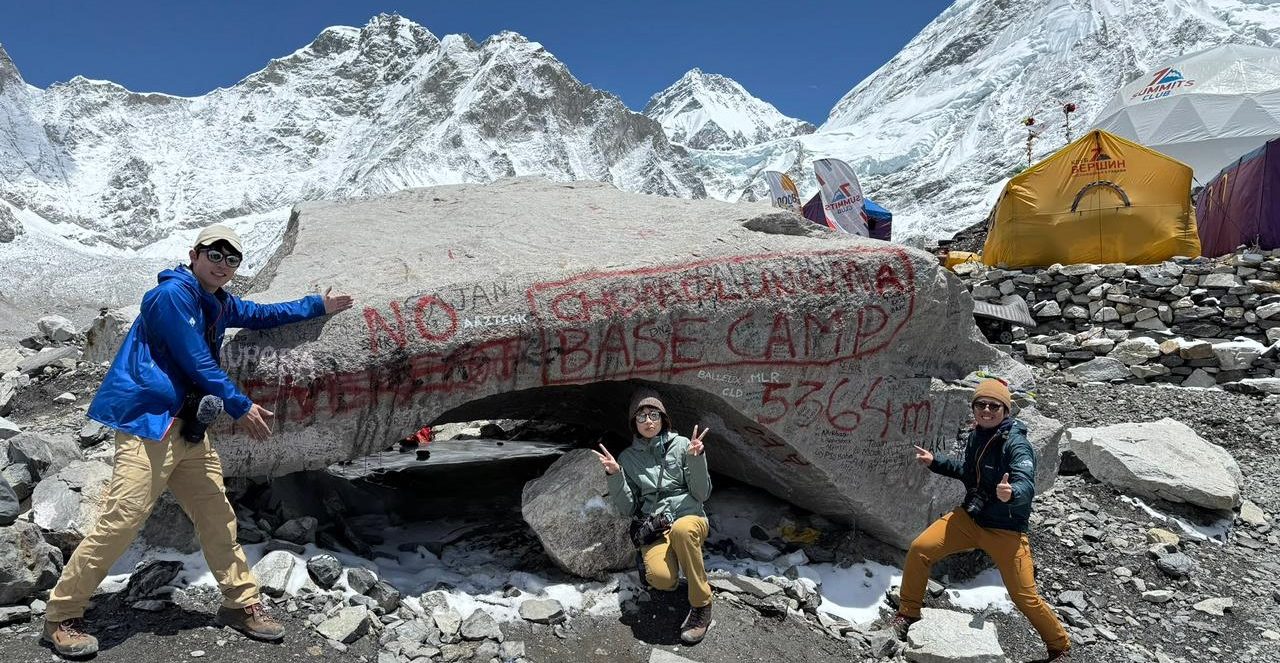
At an altitude of 5,364 meters/17,598 feet, Everest Base Camp presents a unique challenge where every step feels heavier due to the lack of oxygen. Many people don’t realize the real challenges of the Everest Base Camp Trek until they begin the journey. Even though you don’t need climbing gear, the trek is far from easy.
The challenges come slowly and in different ways; some days feel manageable, while others can be really tough. Altitude sickness can affect you without warning, and the cold can be constant, especially at higher elevations. Travel plans, like flights, can change suddenly due to the weather. Over time, the trek can also become mentally exhausting. That’s why understanding these challenges before you go helps you prepare better and handle the journey with more confidence.
Overview of the Everest Base Camp Trek
A journey often starts by air, leaving Kathmandu for Lukla - an airstrip set high on a rugged slope at 2,860 meters. Following arrival, the path moves gradually upward into deeper terrain, passing first through forested stretches near Phakding. Northward progress leads to Namche Bazaar, where elevation begins to feel more present in each breath taken.
After that, trails advance toward Tengboche, home to a notable monastery surrounded by silent peaks. Further ahead lies Dingboche, a resting point shaped by stone walls and thinning oxygen levels. The route continues past Lobuche, where glacial valleys narrow under vast open skies. At last comes Everest Base Camp itself, standing firm at 5,364 meters above sea level. Many travelers go beyond, ascending later to Kala Patthar instead - rising to 5,545 meters for a broad sweep of Everest's full form.
A journey covering the entire circuit usually lasts between twelve and fourteen days; however, some hikers choose sixteen days or longer to allow additional time to adjust to altitude. Approximately one hundred thirty kilometres make up the walking route overall. Through rhododendron woodlands travelers move, later encountering rocky debris left by ancient glaciers, then reaching settlements where Sherpa families live. Each stage brings changes in height - upward climbs followed by descents, that gradually raise physical exposure to thinner air.
Occasionally, those somewhat accustomed to physical activity find this route manageable. Prior time spent on trails helps. Yet readiness does not remove risk - challenges remain present even under good conditions. Some newcomers succeed, provided effort matches demand. Underestimation, however, brings trouble more often than expected.

Challenges of the Everest Base Camp Trek
1. High Altitude and Low Oxygen
The high altitude is one of the key challenges of the Everest Base Camp Trek. As you climb higher, the air becomes thinner, and at 5,364 meters, at the base camp, the amount of oxygen you can breathe is almost half of what you get at sea level. This makes even simple tasks feel much harder and pushes your body beyond what it’s used to, highlighting the true Everest Base Camp trek difficulty.
You may start breathing heavily early in the day. Even small efforts, like walking uphill or carrying a light backpack, feel tiring. Your heart beats faster, and you may have trouble sleeping at night. Trekking at such a high altitude forces your body to adjust slowly through acclimatization, which takes time and patience, allowing your body to adapt gradually as you continue climbing.
2. Altitude Sickness Risk
One of the biggest challenges of the Everest Base Camp trek is the risk of altitude sickness. As trekkers ascend, the oxygen level in the air decreases, which makes it harder for the body to adapt. This condition is also called Acute Mountain Sickness(AMS). Acute Mountain Sickness can affect anyone; age, fitness, or previous trekking experience won’t guarantee immunity. Even seasoned hikers may find themselves struggling unexpectedly, as their bodies adjust to the thin air.
Early signs of AMS include headaches, trouble sleeping, fatigue, and shortness of breath. These are warning signals from your body, and ignoring them can be dangerous. If left unchecked, symptoms can worsen and lead to serious conditions like HAPE (fluid in the lungs) or HACE (fluid in the brain), which require immediate descent and medical attention.
Research shows that along the Everest Base Camp trek, one-third to three-quarters of trekkers experience mild forms of altitude sickness. Recognizing these symptoms early and taking action, resting or descending, helps prevent complications. Managing Everest Base Camp trek difficulty effectively means listening to your body and pacing yourself to adjust safely to the high altitude.
3. Long Trekking Days

The Everest Base Camp trek is tough largely because each day demands long hours of strenuous walking. On average, trekkers walk for 5 to 7 hours each day, though some days, especially those involving higher altitude or steep ascents, can stretch to 8 hours or more. The trail is not technically difficult, but the constant ups and downs, rocky paths, suspension bridges, and gradual elevation gain can be exhausting over time. Rope-and-plank bridges sway slightly as you cross deep gaps, and ice-covered trails are often unpredictable, demanding constant focus.
At high altitude, walking becomes noticeably slower. A hike that takes two hours near sea level can take almost twice as long above 4,000 meters. Mornings start in the dark, and trekkers often continue well past midday. As days go by and fatigue builds, even strong and experienced walkers find the later stages much harder. Higher up, familiar paths feel different underfoot, and pauses become more frequent than expected.
4. Unpredictable Weather
The weather at Everest Base Camp shifts without warning. The unpredictable and extreme weather makes the Everest Base Camp trek one of the toughest adventures. In the Himalayas, conditions can change in an instant; clear, sunny skies can give way to heavy snow, sleet, or thick clouds within hours. Temperatures drop sharply at higher elevations, and nights can be bitterly cold, often below freezing, even in the trekking season. Strong winds and wind chill at high altitudes make it feel even colder, testing both physical endurance and mental resilience. Trekkers need to be prepared for every kind of weather, from bright, sunny mornings to icy, blustery afternoons, and everything in between.
Carrying appropriate gear, layering clothing, and monitoring daily weather reports become essential parts of tackling the Everest Base Camp trek difficulty. Understanding that sudden weather changes are part of the journey helps trekkers stay safe, comfortable, and mentally prepared for one of the most challenging aspects of the trail.
5. Lukla Flight Delay or Cancellations
For most trekkers, the journey to Everest Base Camp begins and ends with air travel to Lukla. The Tenzing-Hillary Airport sits on a steep hillside with a short, sharply sloped runway, which demands precise and careful operations. Planes can only take off or land when visibility is clear, and the tricky terrain leaves little room for error.
Flight delays to Lukla are common due to fog, clouds, or high winds, sometimes grounding planes for more than 24 hours. During peak trekking seasons, even a single day of disruption can ripple into several days of delays, affecting onward travel and international flights for trekkers returning to Kathmandu. These unpredictable delays are part of the reality of the trek, adding to its overall difficulty and requiring flexibility in planning. Accepting the possibility of unplanned holdovers is essential for anyone attempting the Everest Base Camp trek, as it ensures a safer and less stressful journey. If flights to Lukla are canceled, trekkers can travel by road to Ramechhap as an alternative starting point for the Everest Base Camp trek.
6. Basic Accommodation and Food
Charm defines the teahouses dotting the Everest Base Camp path, though expectations shift with elevation. In lower villages like Phakding and Namche, you can even find luxury hotels with warm common areas and better amenities, making the start of the trek relatively comfortable. As you progress upward, however, the standard of accommodation changes. Lodges in Lobuche and Gorak Shep offer fewer comforts, and beyond mid-altitude, luxuries disappear entirely.
Sleeping areas are small, rooms are positioned close together, and temperatures can be very low. Thin blankets provide minimal warmth, and while some teahouses may offer hot showers, these often come at an extra cost and are not always reliable.
Meals are also limited; menus at higher elevations offer only a few choices, usually simple soups, noodles, or rice dishes. Food costs increase as you ascend because everything must be carried up or transported from lower villages. For trekkers accustomed to modern comforts, these simple living conditions add another layer to the challenges of the Everest Base Camp trek, testing patience and adaptability throughout the journey.
7. Physical Fatigue
Finishing the Everest Base Camp trek counts as real physical effort. Across 12 to 14 days, ascent and descent add up to thousands of metres underfoot, each step taken with a loaded pack and less oxygen available. Day after day, strain builds slowly because of poor sleep in high altitudes, lack of food interest, fluid loss, and constant movement. This kind of exhaustion grows quietly, different from any previous experience for many on foot.
Fatigue doesn’t just come from a single day; it builds up over time. Each day of trekking adds to the strain, and by the time you reach higher places like Lobuche or Gorak Shep, even experienced trekkers can feel exhausted. Simple tasks like packing your bag, walking uphill, or even getting out of bed in the morning can feel challenging. This gradual build-up of tiredness is a key part of the Everest Base Camp trek difficulty, testing both physical strength and mental endurance.
8. Limited Connectivity and Remote Location
Beyond Namche Bazaar, the Everest region becomes truly remote, which adds to the challenges of the Everest Base Camp trek. As you move deeper into the Khumbu region, access to mobile networks and the internet becomes unreliable. While some lower villages may offer Wi-Fi or signal, the connection is usually slow, expensive, and inconsistent. At higher altitudes, connectivity becomes even more limited, and in many places, you may find yourself completely offline for days.
This remoteness is part of what makes the trek special, but it also brings certain difficulties. Medical help is limited, with basic facilities available in places like Khunde and Pheriche. If someone becomes seriously ill, evacuation is usually done by helicopter, but this depends entirely on weather conditions. If the skies are not clear, rescue can be delayed, making the remoteness a serious concern as you move higher along the trail.
For many trekkers, this lack of connectivity also becomes a mental challenge. Being disconnected from daily life, social media, and instant communication can feel uncomfortable at first. However, it also offers a chance to truly disconnect, focus on the journey, and fully experience the natural beauty of the Himalayas.
9. Cold Temperature
Cold weather is a constant reality at higher elevations and one of the key challenges of the Everest Base Camp trek. In places like Gorak Shep (5,140 meters), nighttime temperatures can drop to between -15°C and -20°C, even during peak trekking seasons. Even during the day, once you are above 4,500 meters, it rarely feels warm. Strong winds at high altitude make the cold feel even harsher, cutting through clothing and exposing any uncovered skin.
If you are not properly prepared, these freezing conditions can lead to serious risks like frostbite or hypothermia. Prolonged exposure to low temperatures can lead to frostbite, where skin and tissues freeze, especially on fingers, toes, and the face. In more severe cases, trekkers may face hypothermia, a condition where the body loses heat faster than it can produce, leading to confusion, weakness, and serious health risks. These conditions are real risks on the Everest Base Camp trek, particularly at higher elevations and during early mornings or late evenings.
Cold temperatures also affect your gear; water bottles can freeze, batteries drain quickly, and electronic devices may stop working. This is why proper preparation is essential. Carrying warm clothing and the right equipment is not optional; it is necessary for safety. On the Everest Base Camp trek, being unprepared for the cold can be more dangerous than the trail itself.
10. Mental Endurance
While much attention is given to the physical side, the mental aspect is just as important and often overlooked among the challenges of the Everest Base Camp trek. Being far from home, away from daily routines and familiar faces, for nearly two weeks can take a quiet toll. The long days of walking can start to feel repetitive, rest is often disrupted at high altitude, and each morning begins with cold, tired muscles. Over time, this constant cycle of effort and fatigue can wear down even the most enthusiastic trekkers.
As you move higher, especially around Dingboche and Lobuche, the thin air and open landscape can make the journey feel even more demanding. It’s not just physical strength that keeps you going; it’s mental determination. When breathing becomes harder and energy runs low, it is your mindset that pushes you forward. Many trekkers later realize that completing the Everest Base Camp trek is as much a mental challenge as a physical one, where inner strength matters more than muscle.
Table of Key Challenges and Their Impact
| Challenge | Description | Difficulty Level | Tips to Manage |
| High Altitude and Low Oxygen | Oxygen drops nearly in half at 5,364 m; heavy breathing, elevated pulse, broken sleep | High | Allow acclimatisation; time controls its pace |
| Altitude Sickness Risk | AMS affects one-third to three-quarters of trekkers; it can escalate to HAPE or HACE | Very High | Spot signs early; move lower when discomfort continues past pause periods |
| Long Trekking Days | 8 to 16 km daily on uneven, unpredictable terrain; pace slows significantly above 4,000 m | High | Begin mornings early; expect a slower pace than sea level |
| Unpredictable Weather | Rain, hail, sleet, or snow possible past 4,000 m; paths turn slick when wet | Moderate-High | Carry waterproofs; accept that timing rarely stays fixed |
| Lukla Flight Delays | Fog, clouds, or wind ground planes; one halted day leads to delays stretching several days | Moderate | Accept the delay possibility; build buffer days into the schedule |
| Basic Accommodation | Cold, limited rooms; minimal warmth; unreliable Wi-Fi; squat toilets at higher elevations | Moderate | Manage expectations; carry personal sleep gear |
| Physical Fatigue | Thousands of metres of ascent and descent; strain builds from poor sleep, fluid loss, constant movement | High | Build stamina and lower body power months ahead |
| Cold Temperatures | Night air sinks to minus 15 to minus 20°C at Gorak Shep; equipment fails in low temperatures | High | Include essential cold-weather items regardless of pack weight |
| Limited Connectivity | Isolated terrain beyond Namche; helicopter access governs evacuation; satellite Wi-Fi slow and costly | Moderate | Purchase comprehensive travel insurance covering helicopter evacuation |
| Mental Endurance | Fourteen days of monotony, poor rest, cold mornings, and physical protest wear resolve thin | High | Quiet determination matters more than strength; prepare mindset before departure |
How to Prepare for These Challenges?
Without question, readiness defines success on the Everest Base Camp journey. What truly matters becomes clear through experience: one solid step at a time builds resilience where gear and weather meet.
1. Physical Preparation
- Start training 2-3 months before your trek
- Focus on stamina-building activities like: Jogging, Cycling, Swimming
- Include uphill hiking with a backpack to build leg strength
- Try to train on terrain similar to trekking trails for better adaptation
2. Clothing & Layering
- Wear a base layer to keep sweat away and stay dry
- Add insulating layers to stay warm in cold conditions
- Use a windproof and waterproof outer layer for protection
- Dress in layers so you can adjust easily during the trek
3. Essential Gear
- Carry a sleeping bag rated for around -20°C
- Use strong, comfortable trekking boots (already broken in)
- Avoid using new shoes during the trek to prevent blisters
4. Altitude Awareness & Acclimatization
- Learn the early symptoms of altitude sickness (AMS) before your trek
- Follow the rule: climb high, sleep low
- Take proper acclimatization days at: Namche Bazaar (3,440 m) and Dingboche (4,410m)
- Never skip acclimatization-it is essential for safety
5. Medical Preparation
- Consult a doctor about Diamox (acetazolamide) if needed
- Understand how your body may react to high altitude and low oxygen
- Pay attention to your body during the trek
6. Mindset & Readiness
- Prepare yourself mentally for the Everest Base Camp trek challenges
- Focus on patience, consistency, and listening to your body
- Being prepared reduces risk and improves your overall experience
Logistical preparation:
- Ahead of travel, secure necessary documentation - both the TIMS card and entrance pass for Sagarmatha National Park must be arranged early.
- Purchase comprehensive travel insurance that specifically covers helicopter evacuation from altitude.
- Should flights from Lukla face interruptions, having two extra days planned offers room to adjust.
- Choosing a certified guide along with a porter increases safety while easing personal strain. Local employment benefits when visitors opt for such support services. Physical demands diminish under shared responsibility during travel segments.
One trekker's story might prepare you more than expected. Hard stretches appear without warning, so knowing this helps. When the trail becomes steep, you have to be mentally prepared rather than expecting comfort. There may be limited contact with others during difficult moments. Understanding the challenges before starting the trek helps avoid surprises later. Being realistic and prepared will help you handle the journey better than relying on hope alone.
FAQs of the Challenges of the Everest Base Camp trek
1. How difficult is the Everest Base Camp trek?
The Everest Base Camp trek is considered moderately to highly difficult. While it does not require technical climbing skills, it involves long walking days, steep ascents, and trekking at high altitude. The combination of physical effort, thin air, and basic living conditions makes it one of the more challenging trekking experiences in the Himalayas.
2. What is the hardest part of the EBC trek?
The hardest part of the trek is dealing with high altitude and low oxygen levels. As you climb higher, every step feels more tiring, and your body takes longer to recover. In addition, long trekking days, cold temperatures, and mental fatigue also add to the overall difficulty.
3. Is altitude sickness common on the EBC trek?
Yes, altitude sickness is quite common on the Everest Base Camp trek. Many trekkers experience mild symptoms like headaches, fatigue, or trouble sleeping, especially above 3,000 meters. Proper acclimatization, slow ascent, and staying hydrated are essential to reduce the risk.
4. How long does the Everest Base Camp trek take?
The Everest Base Camp trek typically takes 12 to 14 days, including acclimatization days at places like Namche Bazaar and Dingboche. Some itineraries may be shorter or longer depending on pace, fitness level, and travel plans.
5. Do beginners struggle on the EBC trek?
Yes, beginners can find the trek challenging, especially if they are not physically prepared. However, with proper training, a well-planned itinerary, and a positive mindset, beginners can successfully complete the trek. Preparation and pacing are key to handling the challenges of the Everest Base Camp trek.
6. What are the risks of the Everest Base Camp trek?
High altitudes bring dangers like AMS, HAPE, or HACE during the Everest Base Camp journey. Cold exposure may lead to hypothermia; prolonged contact with freezing conditions can cause frostbite. Uneven ground increases chances of slipping or injury along the route. Being far from cities means delayed help if health issues arise unexpectedly.
In emergencies, air lifts by helicopter occur when movement becomes impossible. Protection comes through full travel coverage paired with experienced local support. Safety improves noticeably under guidance from trusted expedition teams.
Conclusion
A journey to Everest Base Camp changes something deep, reveals vast views, yet demands strength. Before stepping onto the path, knowing what waits does not aim to frighten - rather, it honors reality. High elevation shapes every step; sudden storms appear without warning. Tired muscles accumulate strain day after day. Thoughts stretch thin under pressure. Routes shift when plans fail. Each obstacle exists within reach of readiness. Proper planning meets each demand evenly.
Success along this trail does not favor only those in peak condition or with long histories of climbing. Those who prepare thoroughly, follow steady training routines, adjust slowly to altitude, respond to physical signals, maintain mental balance during difficulty - these are the ones who move forward. Not strength alone, but foresight and rhythm define progress. Hard moments arrive; adaptation matters more than ambition. Resilience grows from routine choices made far before the mountain appears.
A quiet respect brings return in Nepal's Khumbu region. Not speed, nor strength gained indoors, moves the mountain - its attention comes through steady readiness. Slow steps matter more when they follow snowfall rhythms instead of clocks. When timing shifts to match altitude breaths, meaning deepens without warning. So unfolds the journey toward Everest Base Camp, shaped by stillness more than stride.
Comments (0)
Write a comment- Overview of the Everest Base Camp Trek
- Challenges of the Everest Base Camp Trek
- 1. High Altitude and Low Oxygen
- 2. Altitude Sickness Risk
- 3. Long Trekking Days
- 4. Unpredictable Weather
- 5. Lukla Flight Delay or Cancellations
- 6. Basic Accommodation and Food
- 7. Physical Fatigue
- 8. Limited Connectivity and Remote Location
- 9. Cold Temperature
- 10. Mental Endurance
- Table of Key Challenges and Their Impact
- How to Prepare for These Challenges?
- 1. Physical Preparation
- 2. Clothing & Layering
- 3. Essential Gear
- 4. Altitude Awareness & Acclimatization
- 5. Medical Preparation
- 6. Mindset & Readiness
- FAQs of the Challenges of the Everest Base Camp trek
- 1. How difficult is the Everest Base Camp trek?
- 2. What is the hardest part of the EBC trek?
- 3. Is altitude sickness common on the EBC trek?
- 4. How long does the Everest Base Camp trek take?
- 5. Do beginners struggle on the EBC trek?
- 6. What are the risks of the Everest Base Camp trek?
- Conclusion
Read the latest Blogs & Insights
Explore our collection of articles and insights to gain in-depth travel knowledge, expert advice, and stay updated on the latest trends and tips.
Adi Kailash Yatra and Trek 2026 Essentials

Kailash Mansarovar Yatra 2026 for Indian Pilgrims


No comments yet.