


Everest Base Camp Trek 2026 Costs From Budget to Luxury
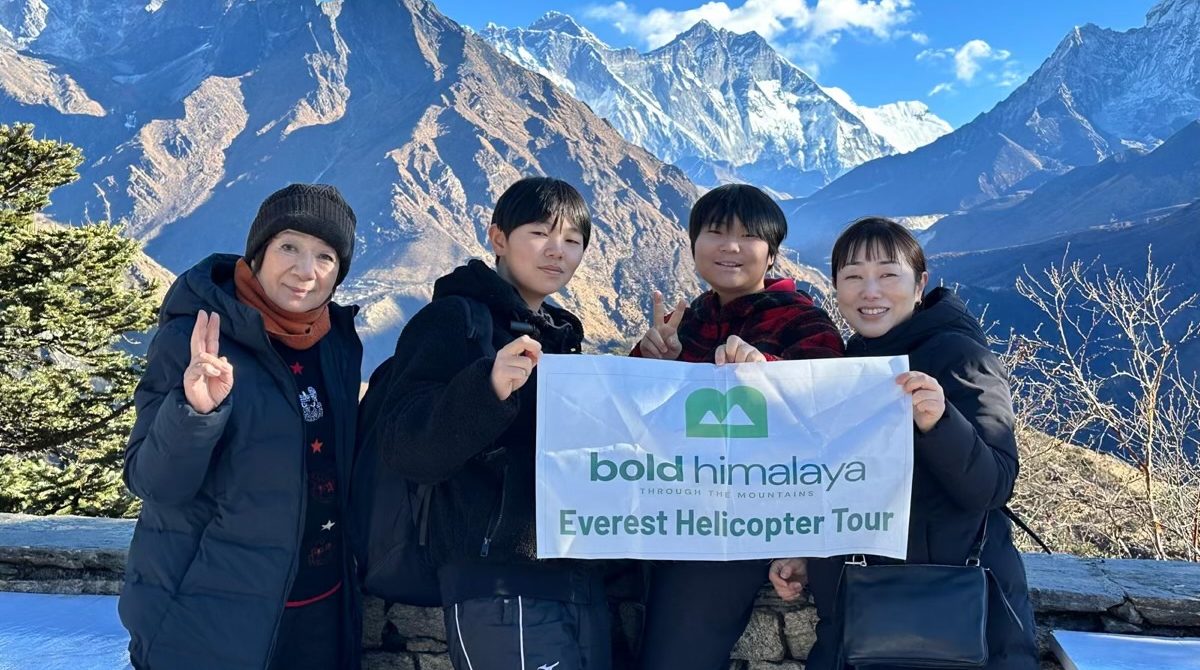
The cost of trekking to Everest Base Camp in 2026 varies widely depending on travel style, duration, and services included. Budget trekkers spending 12–14 days independently can expect to spend around $900–$1,100, covering permits, basic teahouse accommodation, and meals. Standard guided treks with a group cost approximately $1,100–$1,400, including a guide, porter support, and organized logistics. For those seeking private guides, porters, or helicopter returns, prices range from $1,400–$2,500, depending on whether shared or private flights are chosen. Luxury packages, including exclusive lodges, gourmet meals, and helicopter transfers, can exceed $3,000 per person.
-
 Bold Himalaya
-
12 January, 2026
-
22 mins read
-
136 Views
-
0 Comments


Embarking on the Everest Base Camp (EBC) trek is a dream adventure for travelers worldwide. Towering Himalayan peaks, dramatic landscapes, and the sense of personal achievement make it a once-in-a-lifetime journey. As 2026 approaches, this is the ideal time to plan your trek using updated information on costs, routes, and travel considerations.
Planning an Everest Base Camp trek involves far more than booking a flight to Nepal. Trekking costs vary widely depending on your travel style—whether you choose a budget trek, a standard guided package, or a luxury experience. Key factors such as trek duration, accommodation type, meals, permits, transportation, gear, and guide or porter services all play a role in shaping the final budget.
This guide provides a clear breakdown of Everest Base Camp trek costs in 2026, explaining where your money goes and how different choices affect overall expenses. From low-cost trekking options to premium lodges and helicopter returns, you’ll gain a complete understanding of what to expect—so you can plan confidently and select the trekking style that best matches your budget, comfort level, and time frame.
Everest Base Camp Trek Costs Explained
Although the Everest Base Camp route is well-established, there is no single fixed price for completing the trek. Costs change depending on how you travel, when you go, and the level of support you choose. Independent trekkers traveling on a tight budget generally spend far less than those joining fully supported tours with private guides, porters, and luxury services.
Some expenses, such as flights to Lukla, form a major fixed cost, while others—like accommodation, food, and transportation choices—vary daily. Staying in basic teahouses keeps costs low, while upgraded lodges and helicopter returns significantly increase the total price. Seasonal demand and route variations also influence prices, especially during peak trekking months.
By viewing all expenses together, trekkers gain a realistic picture of Everest Base Camp trek costs from Kathmandu, covering both affordable and high-end options. Understanding these cost components in advance allows for smarter planning and helps avoid unexpected expenses along the way.
Everest Base Camp Trek Price Details 2026
| Trek Types | Duration | Cost $ |
| Budget No Guide | 12–14 Days | 900 – 1100 |
| Guided Group | 12–14 Days | 1100 – 1400 |
| Private Guide Porter | 12–14 Days | 1400 – 1800 |
| EBC Helicopter Return | 9–11 Days | 1900 – 2100 |
| Everest Road Trip | 14–17 Days | 1195 – 1500 |
Looking at how trekking types differ in cost offers clear guidance for travelers. When planning a trip, matching choices to both schedule and spending ability matters most. What you pay often depends on where you stay, how you move, and what support is included. Differences in these factors explain why prices can vary so much.
Factors Affecting Everest Base Camp Trek Costs
The cost of the Everest Base Camp trek can vary significantly from one traveler to another. Understanding what drives these price differences will help you plan realistically and choose the trekking style that best fits your expectations and budget. Below are the key factors that influence Everest Base Camp trek costs in 2026.
Flights From Kathmandu To Lukla
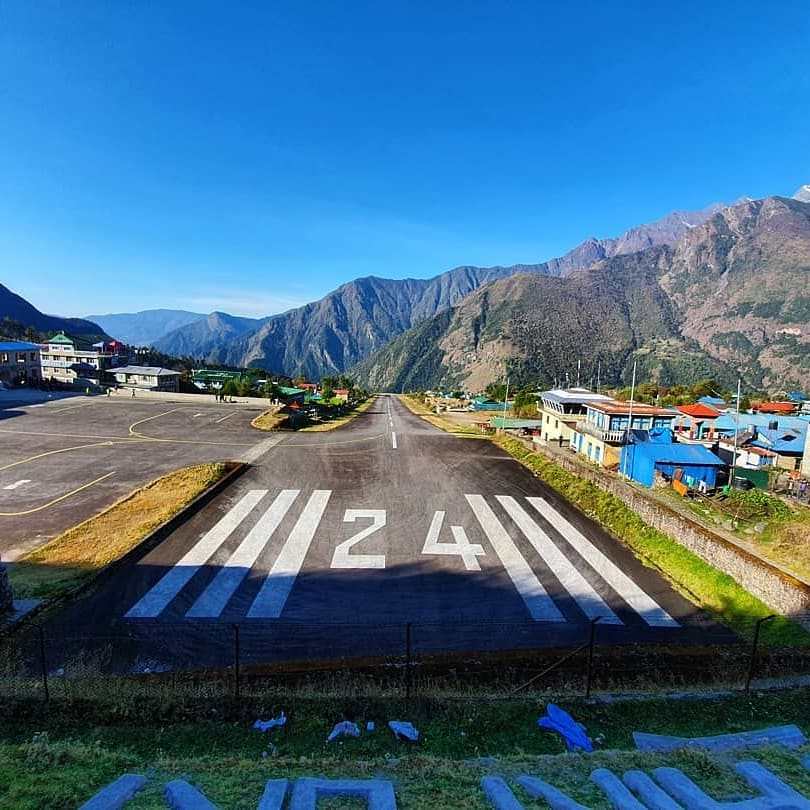
Flying from Kathmandu to Lukla is one of the largest expenses on the Everest Base Camp trek. A round-trip ticket typically costs $360–$420 per person, with prices rising during the peak trekking seasons (spring and fall).
Several airlines operate this route, including Tara Air, Summit Air, and Sita Air. Flights may depart from Ramechhap when travel is busy, while Kathmandu handles departures during quieter periods.
Weather in the Himalayas can be unpredictable, causing delays due to rain, snow, or clouds. Tip: Always allow extra buffer days to avoid schedule disruptions.
Key Flight Considerations:
- Flight duration: 30–35 minutes
- Early morning departures are preferred for better weather stability
- Baggage limits: 15 kg checked + 5 kg carry-on per passenger
- Travel insurance is recommended for flight delays
By Road and Trek
Traveling to Everest Base Camp by road instead of flying to Lukla is a practical option for trekkers seeking lower costs and fewer weather-related disruptions. This route begins with a drive from Kathmandu to places such as Salleri, Phaplu, or Num, followed by trekking that connects to the classic EBC trail.
Road transport costs vary by vehicle type:
- Local buses: cheapest option
- Private jeeps: more comfortable but more expensive
This approach adds 2–4 extra trekking days, but removes the risk of Lukla flight delays and allows gradual altitude gain, which may help with acclimatization.
Travel time from Kathmandu typically takes 8–10 hours, and the full 17-day trek costs around $1,150–$1,500 per person. This road route not only reduces the risk of Lukla flight delays but also offers a more authentic Himalayan experience through remote villages and scenic landscapes.
Best for: budget-conscious trekkers, flexible schedules, and those avoiding Lukla flight uncertainty.
Accommodation Cost
Accommodation during the Everest Base Camp trek is one of the biggest factors influencing. Along the trail, options range from simple tea houses to high-end luxury lodges, and your choice directly impacts comfort, daily expenses, and overall trekking experience.
Kathmandu Hotels
Apart from trekking days, places to stay in Kathmandu depend on how much comfort you want and where you'd prefer to be. Areas popular with visitors, such as Thamel, provide a range of lodging choices that fit different price ranges.
- A typical three-star hotel costs between forty and seventy dollars each night
- A typical four-star hotel might cost between eighty and one hundred twenty US dollars each night
- Budget Guesthouses: $15–30 per night
Staying in standard hotels is common with most trekking plans, both pre- and post-hike. For a higher fee, travelers may choose more comfortable lodging options. These accommodations often sit in Thamel, an area known for its proximity to essential services. Gear stores, eateries, and agencies handling tours are just steps away. Easy access to such facilities makes the location practical for preparation and recovery.
Teahouse Stays While Trekking
A small room at a teahouse near Everest Base Camp costs between five and ten U.S. dollars each night. Twin beds fill these standard spaces, while toilets and showers are used by multiple guests. Although blankets come with the stay, bringing a sleeping bag makes nights more comfortable as the altitude increases.
A small fee for a bed often disappears if travelers eat at the same teahouse. Staying there becomes easier on budgets when food ties into shelter. When trails fill up each year, finding space to sleep grows harder. Planning with someone familiar can make a difference.
Once past Namche Bazaar, comforts start to fade. Showers that are warm cost extra, just like Wi-Fi and power for devices. At high spots such as Gorak Shep, lodging prices climb a bit - getting supplies there is tough, weather takes its toll.
Lodges and Luxury Lodges
As you move higher into the Khumbu region, lodges become more expensive due to transportation and supply challenges. Standard lodges offer improved bedding, better dining areas, and limited amenities such as Wi-Fi and charging facilities at an additional cost.
Luxury lodges, available mainly in places like Namche Bazaar and Debuche, provide private rooms with attached bathrooms, heated dining areas, high-quality meals, comfortable beds, and reliable services.
These hotels, like Everest View Hotel, are popular among trekkers seeking a premium or luxury Everest Base Camp experience, significantly increasing overall trek costs but offering superior comfort and convenience.
Note: Choosing the right accommodation depends on your budget, comfort expectations, and trekking style, making it a key consideration when planning your Everest Base Camp trek in 2026.

Food Cost During the EBC Trek
During the Everest Base Camp trek, daily meal costs vary depending on elevation and the availability of supplies. At lower elevations, such as Lukla to Namche Bazaar (2,860 m), travelers typically spend $20–$25 per day. From Namche to Tengboche (3,860 m), daily costs rise to $25–$30, and beyond Tengboche toward Gorak Shep (5,164 m), meals usually range from $30–$40 per day.
Meals during EBC Trek at teahouses generally include dal bhat, noodles, soups, and simple Western options like pasta or pancakes. Dal bhat is especially budget-friendly, often offered with free second helpings. Prices increase at higher altitudes due to the logistical challenges of transporting food, with bottled water, soft drinks, and alcohol costing more the higher you go.

To save money, trekkers can carry snacks, energy bars, or chocolate purchased in Kathmandu and use water purification tablets or boiling instead of buying bottled water repeatedly. Over a typical 12–14-day trek, food expenses usually total $300–$450 per person, depending on your eating habits and altitude stops.
This information helps trekkers plan an accurate food budget for the Everest Base Camp trek while balancing cost and nutrition throughout the journey.
Permits and Required Fees
Ahead of any trek into the Everest area, the required permits need to be secured. Because these papers support ecosystem protection financially, they also help monitor how many people arrive, keeping oversight linked to wellbeing.
Sagarmatha National Park Entry Fee: Thirty US Dollars Per Person
A visitor gains entry to Sagarmatha National Park through this authorization, covering all areas of the Everest zone. One may acquire it either in Kathmandu via the Nepal Tourism Board or upon arrival at Monjo's gateway into the reserve.
Khumbu Pasang Lhamu Rural Municipality Permit: 20 Dollars Per Person
Fresh rules rolled out to back village progress now require every traveler heading into Khumbu. Payment slips are handed over right at Lukla's checkpoint - or handled ahead of time by guides based in Kathmandu.
TIMS Card Trekkers Information Management System When Applicable
Nowadays, some group hikes skip the need for a TIMS card, even though solo travelers once had to carry one. When it applies, expect to pay around ten to twenty U.S. dollars. Rules shift now and then - double-checking them before leaving makes sense. What matters most is knowing what's required at the moment.
Most trekking companies include permit processing within their service bundles. When traveling alone, climbers need to set aside days in Kathmandu, going office to office with photos and paperwork. Arranging permissions takes planning - especially without agency support.

Guide and Porter Fees
Hiring professional support is a major cost factor for the Everest Base Camp trek, but it also plays a crucial role in safety, comfort, and overall trip quality. Depending on whether you trek independently or choose a fully supported package, costs and benefits can vary widely.
Licensed Trekking Guide
A guide on an Everest trek typically costs between thirty and thirty-five dollars daily. While that fee includes only the guiding work, it does not include meals or shelter for them. Travelers usually cover those extra expenses themselves. Insurance is also arranged separately by the climbers.
Licensed guides offer substantial value through:
- Route navigation and trail knowledge
- Altitude sickness recognition and response
- Cultural interpretation and local interaction
- Emergency communication and coordination
- Lodging plus food logistics
Starting high above sea level, local guides open doors to Sherpa ways of life, ancient customs rooted in Buddhism, and stories carved deep into the mountainside - each detail adding depth to every step taken. Communication flows more easily because they speak both dialects, bridging gaps in places where few understand English. Ending there, their presence quietly transforms a physical journey into something layered and personal.
Porter Service
Hauling equipment and clothes up steep trails, porters earn between twenty and twenty-five U.S. dollars daily. Usually, one worker manages around twenty to twenty-five kilograms, split between a pair of hikers. Weight balanced on their backs, they move steadily through narrow mountain paths.
Hiring porters serves multiple purposes beyond convenience:
- Reduces physical strain for trekkers
- Jobs are created within the area, helping residents find work nearby
- Enjoyment becomes easier when time is set aside for adjusting to new conditions
- If problems occur at high elevation, a safeguard remains available
Clothing, shelter, meals, and coverage matter when treating porters ethically. Good agencies make certain gear is suitable while pay stays reasonable. Workers who act as both guide and porter sometimes get hired directly, costing more than a porter, less than a full guide.
A typical 12-day mountain walk might cost between 600 and 800 US dollars for guides and porters - exact figures shift with team size and trip length.
Helicopter Return Cost
Gorak Shep Flights to Kathmandu
A ride by helicopter from the Everest area to Kathmandu runs between 1,200 and 1,600 U.S. dollars per traveler when seats are shared. Choosing this means hikers can reach Base Camp on foot yet leave by air, cutting the journey home short by three or four days.
A few typical starting spots are worth noting
- Gorak Shep (5,164m) - closest to Base Camp
- Pheriche (4,371m) - lower elevation option
- Namche Bazaar (3,440m) - weather-reliable location
Fewer people board when loads are heavier, so space shrinks despite standard room for four or five. Since clouds and wind control whether trips run, early light brings better odds than later hours.

A single trip via private helicopter typically demands between four thousand and five thousand US dollars, independent of how many people are on board. When schedules need adjustment or urgent removal becomes necessary, such travel fits well for teams facing those conditions.
A close look at insurance plans reveals that some only pay for helicopter rescues during true medical crises. Not every policy covers flights just because someone wants an early exit. When heading to Everest Base Camp, adding a helicopter ride back pushes the price between two thousand two hundred and two thousand five hundred US dollars altogether.
Luxury Trekking Costs ($3,000+)
For travelers who want to combine the thrilling adventure of Everest Base Camp with unparalleled comfort, convenience, and exclusivity, luxury trekking packages offer premium services—from upscale mountain lodges to helicopter transfers and gourmet meals. As we head into 2026, these high-end options reflect both the rising cost of logistics in the Himalayas and increased demand for elevated trekking experiences.
Exclusive Lodges & Resorts
One of the hallmarks of a luxury Everest Base Camp trek is accommodation that goes beyond basic tea houses. Instead of shared, rustic rooms, luxury packages include stays in premium mountain lodges and five-star hotels in Kathmandu before and after the trek. These properties often offer:
- Heated private rooms with comfortable beds and quality bedding.
- Attached or semi-private bathrooms, even at higher elevations.
- Hot showers, Wi-Fi access, and reliable electricity — not always guaranteed on the classic trek.
- Gourmet meals and attentive hospitality with a focus on quality and local flavors.
At high altitudes such as Namche Bazaar and Gorak Shep, luxury lodges strive to make mountain living more pleasant, with electric blankets, scenic lounges, and mountain views as part of the experience.
Luxury accommodations significantly increase overall trekking costs, but they make the journey more comfortable and support better rest and acclimatization along the rugged trail.
Helicopter Transfers & Private Flights
One of the biggest differentiators of a luxury package is helicopter transportation—a dramatic and time-saving alternative to traditional flights and long descents. Instead of flying on small fixed-wing aircraft to Lukla (often subject to weather delays), many luxury itineraries include:
- Helicopter flight from Kathmandu to Lukla to begin the trek swiftly and comfortably.
- Helicopter return from Gorak Shep or Kala Patthar to Kathmandu, bypassing the strenuous days of walking down.
These aerial transfers offer breathtaking views of the Himalayas and reduce the overall trekking time by several days. Naturally, they are among the most expensive components of a luxury trek. Helicopter return flights alone can add hundreds to over a thousand U.S. dollars per person, depending on group size, helicopter type, and route.
Packages with helicopter returns typically range from about $3,500 to $6,500+ per person in 2026, depending on inclusions and whether the helicopters are private or shared.

Gourmet Meals & Concierge Services
Luxury trekking doesn’t stop at where you sleep or how you travel. It also includes elevated food and personalized support that enhance both comfort and cultural enjoyment:
- Gourmet, full-board meals throughout the trek — including breakfast, lunch, and dinner — are often part of the package, with choices that go beyond standard teahouse fare.
- Private concierge services, including personalized trip planning, private airport transfers, and multi-language support.
- Dedicated porters and guides, often one porter per two trekkers, ensure your gear is carried, and logistics are managed seamlessly.
- Extra services such as cultural experiences in Kathmandu, farewell dinners, Wi-Fi packages, and emergency support (including oxygen and satellite communication) may also be included or available as add-ons.
Summary: A luxury Everest Base Camp trek in 2026 blends breathtaking adventure with world-class comfort, convenience, and service. From top-tier mountain lodges and helicopter transfers to gourmet meals and personal concierge support, these packages are tailored for travelers willing to invest in the ultimate Himalayan experience. Total costs typically start at around $3,000+ per person and can climb significantly higher with added features.
Cost by Travel Style
| Cost Range | Trek Style | Description |
| Starting at 900 dollars | Budget Treks | include no guide, shared sleeping spaces, simple food, and rely on buses or local transit |
| Moving up | Standard Guided options | run between 1,100 and 1,400, featuring a leader plus carrying help, short internal flights, lodging in mountain tea lodges |
| For those pressed for time | Helicopter Return Trips | cost 2,200 to 2,500, cutting descent hours with an aerial route, offering wide views, suited to tight calendars |
| Another path | By-Road journeys | range from 800 to 1,200, skip the Lukla air leg entirely, take longer routes by foot and vehicle, allow slower altitude adjustment |
Travel methods differ not just by price, yet through how they shape experience. Flexibility peaks on low-cost hikes - though these demand solid planning ability and confidence alone. When trails grow complex, guided walks deliver steady help, deeper local insight, and comfort in logistics. Independence feels rewarding; having support can ease unseen burdens.
Starting high up, some choose helicopters when days are short or legs tire after climbing. Yet winding paths draw others - those chasing raw moments on foot, steering clear of engines and schedules alike.
Seasonal Cost Comparison for Everest Base Camp Trek
Peak Season (March–May, September–November):
These months offer clear skies, stable weather, and comfortable temperatures, making trekking ideal. Expect higher costs for flights, accommodations, and guides, and larger crowds on the trails. Booking is highly recommended.
Off-Season (December–February, June–August):
Trek costs are generally lower due to fewer visitors. The weather can be cold in winter and wet with monsoon rains in summer. Some lodges may close, and flights to Lukla can be more frequently delayed.
Quick Seasonal Overview:
| Season | Cost | Crowd | Weather |
|---|---|---|---|
| Mar–May | High | High | Clear, cool |
| Sep–Nov | High | High | Clear, crisp |
| Dec–Feb | Medium–Low | Low | Cold, dry |
| Jun–Aug | Low | Low | Rainy, cloudy |
Hidden Costs and Extra Charges
Besides the main hiking fees, extra payments slowly build up during travel. Anticipating these amounts avoids running out of money, making it easier to carry enough cash. Though often overlooked, such details shape how smoothly a trip unfolds.
Services and Amenities
- Each hot shower costs between three and five dollars
- At higher altitudes, Wi-Fi costs between three and five U.S. dollars daily, though connections often fail
- A single charge costs between two and four U.S. dollars per machine
- Battery power decreases rapidly in cold temperatures
Tipping
Gratuities for workers tend to matter more than people realize. Suggested tip levels follow below
- A typical daily cost for a guide ranges between ten and fifteen U.S. dollars
- A typical daily rate for a porter stands at eight to ten U.S. dollars
- A twelve-day hike typically costs between one hundred and fifty U.S. dollars at most. The full expense usually stays within that range
Gratitude for good service in Nepal commonly shows up through tipping traditions. On the last day, it is typical for hikers to offer their thanks during a brief gathering - sometimes handing out handwritten notes along with cash. The gesture closes the journey quietly, personally.
Personal Expenses
What you spend extra on often depends on personal choices
- Sometimes small bites add up fast - budget around fifty to a hundred dollars here
- A drink bought on a mountain might cost between two and five dollars. Prices go up when you're higher above sea level
- Souvenirs: U.S. Dollars 30–100
- Travelers facing delayed flights may receive additional lodging at a cost of between forty and seventy U.S. dollars each night
A typical trip requires protection that ranges between fifty and one hundred fifty U.S. dollars - price shifts with both scope and time span. Coverage must include medical transport by air, especially above five thousand meters. High-elevation hiking needs explicit inclusion; otherwise, gaps appear when help is most needed.

Money-Saving Tips for Everest Base Camp Trek
- Book With Local Nepali Operators
Arrange your trek directly with local companies like Bold Himalaya to avoid middleman fees. This lowers costs while supporting the local community and ensuring authentic experiences.
- Share Porter Services
Splitting a porter between two trekkers cuts daily costs by up to 50%. You still get help carrying gear while saving money.
- Avoid Unnecessary Luxury Items
Bring a water purifier, local snacks, and minimal toiletries. Limit shower use and avoid imported goods to reduce daily expenses.
- Trek in Shoulder Seasons
Traveling in March, late May, or early September lowers costs for lodging, tours, and flights. Trails are less crowded while the weather remains generally favorable.
- Use Teahouse Accommodation
Staying in teahouses along the route avoids the expense and hassle of camping gear. Lodging is available at most stops, making trekking easier and cheaper.
- Purchase Supplies in Kathmandu
Buy snacks, hygiene items, and trekking essentials before starting the trek. Prices rise with altitude, so stocking up in Kathmandu saves money and pack weight.
- Book Direct Services
Skip third-party websites and contact trek operators directly. You can negotiate better rates, customize your plan, and avoid hidden fees.
Why Trek with Bold Himalaya
Founded in Nepal, Bold Himalaya holds official licensing as a trekking operator focused on Everest-area adventures. Clear cost breakdowns come standard - unexpected fees never appear later. Full support throughout trips defines their approach.
Every trek begins with seasoned leaders who know Everest Base Camp inside out. These team members carry official permits, along with proof of medical readiness and specialized instruction for high-altitude health risks. Safety stays prioritized thanks to reliable comms gear and clear emergency response plans built into each day's route.
Some trips adjust easily for different energy levels, schedules, or money limits. Depending on needs, travelers might fly back early, take quieter paths, ride a helicopter, or add extra days hiking toward Gokyo Lakes - or even cross three high passes instead.
Book Directly With Bold Himalaya
- No intermediary markups
- Personalized itinerary design
- Help is available at any hour while hiking
- Ethical treatment of porters and guides
- Comprehensive safety protocols
Contact Bold Himalaya:
- WhatsApp: +977-9849615880
- Website: https://boldhimalaya.com
Frequently Asked Questions
Lowest Cost Options for Trekking to Everest Base Camp?
Starting on your own cuts expenses significantly when walking solo through Nepal's trails. A budget between 800 and 1,100 US dollars covers essentials like permits, meals, and overnight stays. Instead of hiring guides, travelers rely on teahouses or side routes leaving from Kathmandu. Success depends heavily on personal readiness, route knowledge, and how well one handles high elevations.
Everest Base Camp Trek Cost Compared to Other Treks?
Compared to famous hiking spots around the globe, reaching Everest Base Camp delivers solid worth. Dramatic mountain views shape much of what makes the journey stand out. Cultural encounters with Sherpa communities add depth beyond mere sightseeing. One finds the overall expense sits below that of similar trips in wealthier nations. What stands behind the price is a mix of awe, tradition, and physical challenge rarely matched elsewhere.
What amount of money is needed during the hike?
Most people trekking through Nepal find that carrying between four hundred and five hundred US dollars in local currency handles meals, stays, and small costs. While there is an ATM in Namche Bazaar, those farther up the trail often do not work well. Having extra money on hand helps when plans shift or unplanned charges come up.
Everest Base Camp Guide Requirement 2026?
Even now, rules stop short of requiring guides on Everest Base Camp journeys - yet changes could come. Safety climbs when a guide is present, particularly through quicker spotting of altitude illness and better crisis management. Traveling alone demands deep familiarity with high-altitude terrain along with strong personal judgment.
Helicopter returns - do they justify the expense?
Coming back by helicopter suits travelers who have short holidays or struggle with high elevations. Costing between U.S. Dollars 1,200 and U.S. Dollars 1,600, it cuts travel time by three to four days while offering breathtaking overhead sights of Everest. Whether it feels worth it comes down to how someone weighs their available hours against spending limits.
Does travel insurance cover the trek?
Most basic travel insurance plans do not include protection for treks at high altitudes. Adventure-specific policies, however, often extend to heights of 6,000 meters while also including emergency helicopter rescue. Pricing generally ranges between 50 and 150 US dollars. Checking exact conditions ahead of time helps avoid issues when filing a claim.
Extra Costs at Everest Base Camp?
At Everest Base Camp, there are no services available nor any charges to pay. Most hikers rest overnight in Gorak Shep - the last place with shelters - where staying and eating come at a cost. Reaching the summit of Kala Patthar doesn't demand extra payment, yet it delivers clearer sights of Everest.
Conclusion: Everest Base Camp Trek Costs 2026
Planning your Everest Base Camp trek in 2026 starts with understanding costs—from budget options around $900 to luxury packages exceeding $3,000 per person. Your total expense depends on trek style, accommodation, meals, permits, flights, and optional services like guides, porters, or helicopter returns.
Budget travelers can save with teahouse stays, shared porters, and off-peak trekking seasons, while luxury trekkers enjoy exclusive lodges, gourmet meals, and private helicopter transfers. Seasonal planning, smart booking, and knowing hidden costs ensure a safe, memorable, and affordable adventure.
By breaking down all expenses and planning, you can tailor your Everest Base Camp 2026 trek to match your budget, comfort, and schedule—making your Himalayan journey both rewarding and stress-free.
Start planning today and make your dream EBC trek a reality with Bold Himalaya!
Comments (0)
Write a comment- Everest Base Camp Trek Costs Explained
- Everest Base Camp Trek Price Details 2026
- Factors Affecting Everest Base Camp Trek Costs
- Flights From Kathmandu To Lukla
- By Road and Trek
- Accommodation Cost
- Food Cost During the EBC Trek
- Permits and Required Fees
- Guide and Porter Fees
- Helicopter Return Cost
- Luxury Trekking Costs ($3,000+)
- Exclusive Lodges & Resorts
- Helicopter Transfers & Private Flights
- Gourmet Meals & Concierge Services
- Cost by Travel Style
- Seasonal Cost Comparison for Everest Base Camp Trek
- Peak Season (March–May, September–November):
- Off-Season (December–February, June–August):
- Quick Seasonal Overview:
- Hidden Costs and Extra Charges
- Services and Amenities
- Tipping
- Personal Expenses
- Money-Saving Tips for Everest Base Camp Trek
- Why Trek with Bold Himalaya
- Frequently Asked Questions
- Lowest Cost Options for Trekking to Everest Base Camp?
- Everest Base Camp Trek Cost Compared to Other Treks?
- What amount of money is needed during the hike?
- Everest Base Camp Guide Requirement 2026?
- Helicopter returns – do they justify the expense?
- Does travel insurance cover the trek?
- Extra Costs at Everest Base Camp?
- Conclusion: Everest Base Camp Trek Costs 2026
Read the latest Blogs & Insights
Explore our collection of articles and insights to gain in-depth travel knowledge, expert advice, and stay updated on the latest trends and tips.


No comments yet.