


Everest Base Camp Trek in Spring: Weather, Temperature, and Trail Conditions
Everest Base Camp Trek in spring 2026 unfolds beneath changing Himalayan skies. Weather patterns shift from day to day, often revealing clear mountain views after the morning haze lifts. The journey usually begins with a flight from Kathmandu or a drive to Manthali Airport before flying into Tenzing-Hillary Airport. From Lukla, the trail follows ancient […]
-
 Bold Himalaya
-
10 March, 2026
-
15 mins read
-
49 Views
-
0 Comments


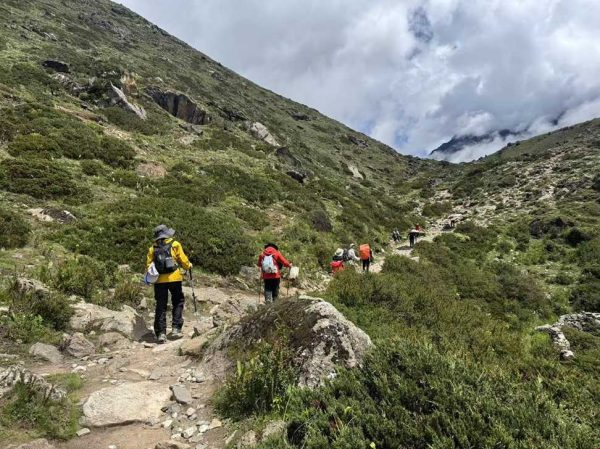
Everest Base Camp Trek in spring 2026 unfolds beneath changing Himalayan skies. Weather patterns shift from day to day, often revealing clear mountain views after the morning haze lifts. The journey usually begins with a flight from Kathmandu or a drive to Manthali Airport before flying into Tenzing-Hillary Airport. From Lukla, the trail follows ancient paths through Nepal’s Khumbu region, gradually rising above the treeline where cold winds move freely across open ridges.
Each stage of the journey introduces new terrain, beginning in green valleys and steadily climbing toward high-altitude landscapes. As elevation increases, the trek grows more demanding, yet a steady pace matters far more than speed. Along the way, snow-dusted peaks tower above glacial rivers while quiet Sherpa villages provide simple places to rest.
Trekkers should expect basic lodges, thinner air, and sudden temperature shifts despite the warmer spring season. Proper preparation and layered gear remain essential when long days unfold beneath bright mountain sun. The details described here reflect the real conditions encountered by those who walk the trail toward Everest Base Camp in 2026.
What Makes Spring the Best Season for the Everest Base Camp Trek?
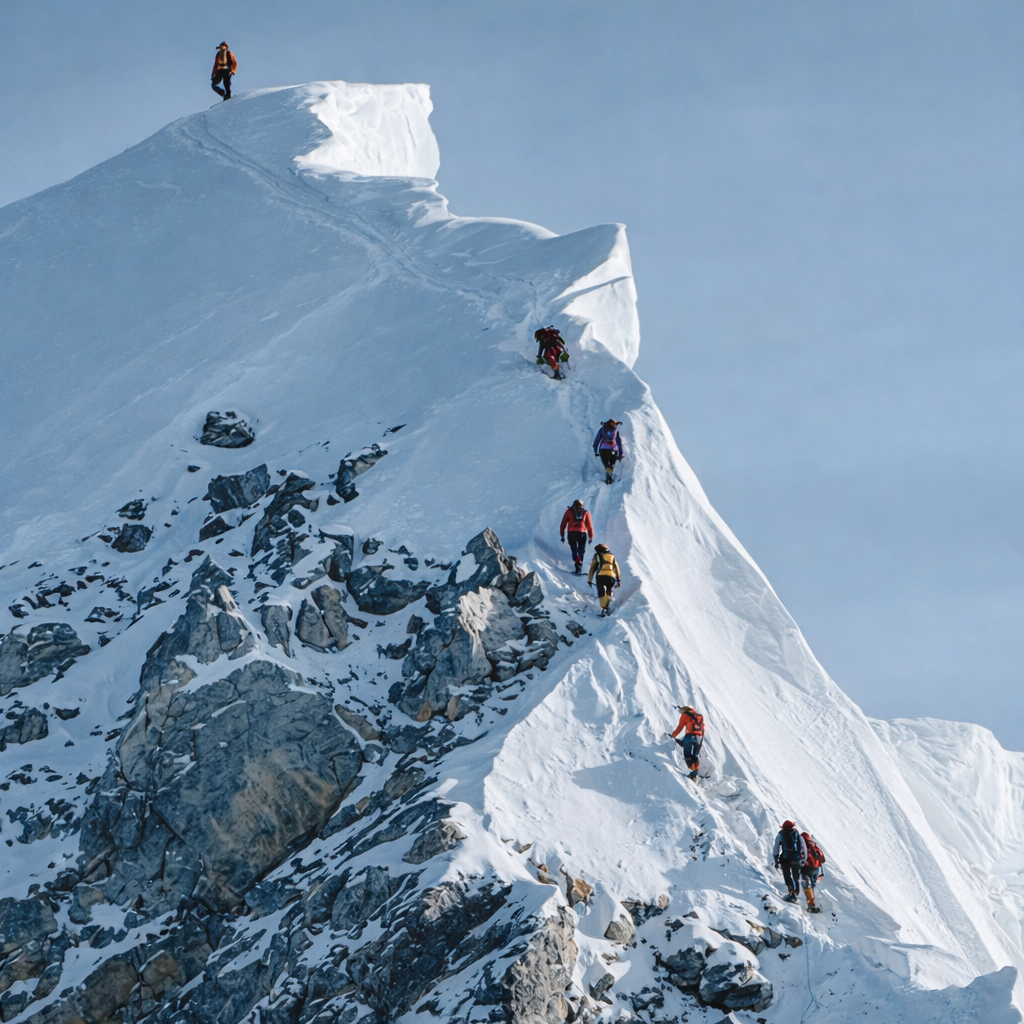
Spring is widely regarded as one of the best times to trek to Everest Base Camp. From March to May, the weather across the Khumbu region becomes more stable after the harsh winter months. Daytime temperatures gradually rise, making long trekking days more comfortable, while snowfall becomes less frequent on the main trail. Clear mornings often provide spectacular views of the surrounding Himalayan peaks, including Mount Everest, Lhotse, and Ama Dablam.
Another highlight of spring trekking is the natural beauty along the lower sections of the route. Forests between Lukla and Namche Bazaar burst into color as rhododendron trees bloom in shades of red, pink, and white. Higher up, the air becomes crisp and dry, revealing snow-covered peaks and vast glacial landscapes.
Because spring also marks the main Everest climbing season, trekkers often experience a unique "Base Camp buzz." You’ll share the trail and teahouses with world-class mountaineering expeditions, giving the trek a vibrant, high-energy atmosphere you won't find at any other time of year.
Who Should Trek in Spring: Beginners vs. Experienced Trekkers
Spring is arguably the most democratic season for the Everest Base Camp trek. Because the infrastructure is fully operational and the weather is at its most stable, it is suitable for a wide range of adventurers.
For Beginners
If this is your first high-altitude trek, spring is your best entry point. The stable weather reduces the "stress factors" (like storms or trail closures) that often make high-altitude trekking intimidating. You will benefit from fully staffed teahouses, well-marked paths, and the company of other trekkers.
For Experienced Trekkers
The season offers a unique balance of challenge and reward. While the physical demands remain, the vibrant atmosphere of the expedition season and the potential for side-trips (such as Gokyo Lakes or Cho La Pass) provide the depth that seasoned hikers crave.
The Helicopter Return
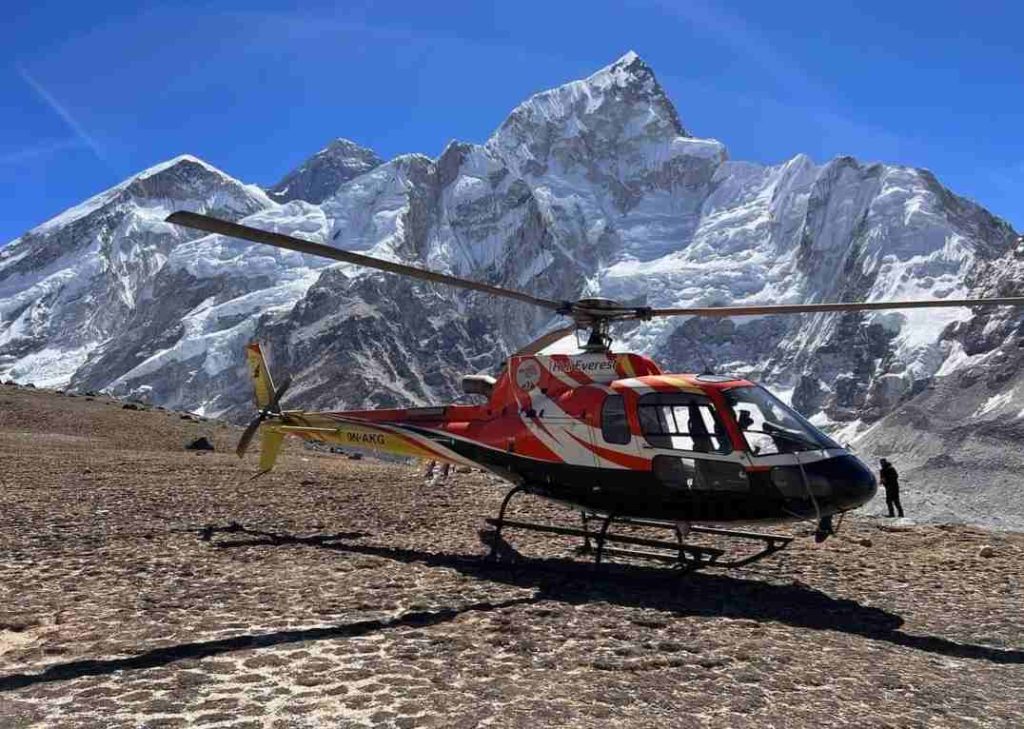
For those who want the full, transformative experience of the hike up but need to manage time or physical fatigue, the Everest Base Camp Trek with Helicopter Return is the preferred 2026 choice.
Spring Weather on the Everest Base Camp Trek
Spring weather on the Everest Base Camp trek changes gradually from March to May. During these months, the Khumbu region transitions from the cold winter season toward warmer pre-monsoon conditions. While temperatures slowly rise, the overall weather remains relatively stable compared with winter or the summer monsoon.
Each month of spring offers slightly different trekking conditions. Early spring in March can still feel cold at higher elevations, while April brings milder temperatures and blooming rhododendron forests. By May, warmer days and occasional afternoon clouds signal the approach of the monsoon season.
March Conditions
Early spring begins in March. Although temperatures begin to rise slightly, cold conditions remain common at higher elevations. Snowfall may still occur above Namche Bazaar, particularly during the first half of the month.
Skies are often clear during the day, offering excellent mountain views, while nighttime temperatures drop sharply at high camps. Because the trekking season is just beginning, trails tend to be quieter than in April.
April Conditions
Near April, temperatures rise enough to make higher trails agreeable for walking. At middle levels, forest floors glow with blooming rhododendrons during this span. Views of distant peaks appear more often than not under clearing skies.
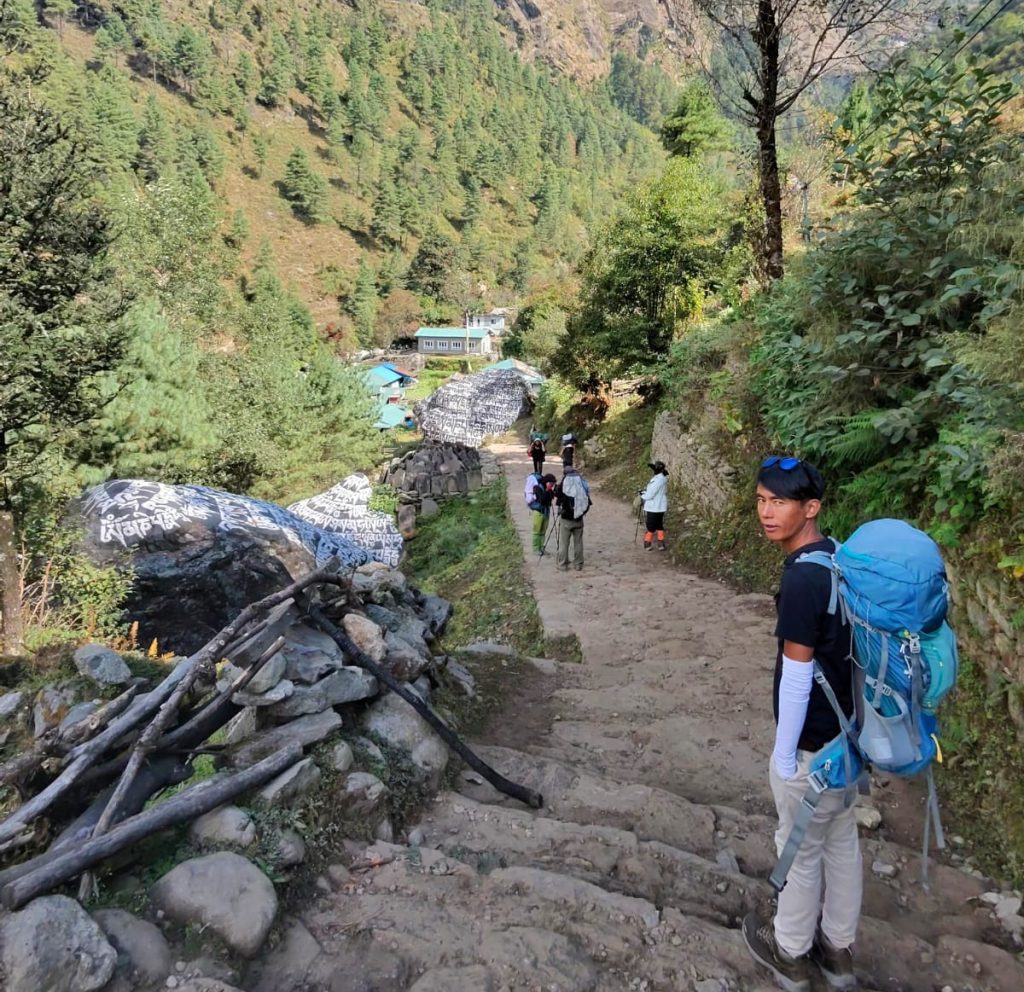
Throughout the path, footing stays firm thanks to settled weather patterns. For these reasons, seasoned walkers link this time of year with steady progress.
May Conditions
Warmer weather arrives in May, especially noticeable where trails dip to lower ground. Clouds begin building higher up, a sign that the season is shifting forward. Mornings often bring clear views, while terrain farther along stays firm underfoot. Those arriving toward the month's end might meet scattered showers by afternoon, particularly below the ridgelines, as moisture creeps in ahead of heavier rains.
Spring Temperature Patterns in the Khumbu Region
Spring is a season of transition in the Himalayas. Temperatures rise gradually, but the altitude dictates the reality on the ground. The table below shows what to expect as you ascend.
| Month | Day Temperature (Lower Elevations) | Night Temperature (High Elevations) | Conditions |
|---|---|---|---|
| March | 5–10 °C | −10 to −15 °C | Clear skies, firm trails, fewer trekkers |
| April | 10–15 °C | 0 to −5 °C | Stable weather, good trekking conditions |
| May | 12–18 °C | −5 to 10 °C | Increasing clouds, warmer days, occasional showers |
The Temperature Narrative
Temperatures rise slowly during daylight hours in March. While lower regions like Lukla feel pleasant (5°C to 10°C), nights above the treeline remain frigid, often falling between -10°C and -15°C. At this stage, clear skies are common, and trails remain firm underfoot.
By April, conditions grow more predictable. Daytime warmth reaches 10°C to 15°C at lower elevations, while higher zones see a milder 0°C to 5°C. This is the "sweet spot" for many trekkers, where the snowpack stabilizes and the risk of sudden, harsh weather drops significantly.
In May, further warming occurs, and daytime readings can reach 18°C near base areas. However, as the season nears the monsoon, you will notice more cloud cover by afternoon and higher humidity. While overnight values remain cold (hovering around 5°C to 5°C at higher altitudes), the overall landscape begins to transform with early growth appearing along sheltered slopes.
Pro-Tip: Remember that altitude is the real "temperature control." Regardless of the month, once the sun dips behind the peaks, the temperature drops rapidly. Always carry your down jacket in your daypack, even if the morning feels warm.
Everest Base Camp Trail in Spring
Trail Conditions in Spring
Spring trekking (March–May) brings generally stable and favorable trail conditions:
- Lower and mid-elevations: Trails remain mostly dry and firm, making walking comfortable. Snow patches may still appear in March, but these are usually manageable with proper footwear.
- Above treeline: The path becomes rocky and moraine-covered, especially near Lobuche and Gorakshep. Careful footing is essential on uneven surfaces.
- Glacial areas: The Khumbu Glacier and surrounding moraine require attention, but spring conditions reduce the risk of persistent mud compared to monsoon or pre-monsoon periods.
How Busy is the Everest Trail in Spring?
- Peak season: April is the busiest month, coinciding with the main Everest climbing season. Expect more trekkers on popular stops like Namche Bazaar, Tengboche, and Gorakshep. So it will be hard to find the proper accommodation during everest trail.
- March: Fewer trekkers on the trail; ideal for those who prefer a quieter start.
- May: Crowds taper slightly, though trails remain active.
- The lively spring season creates a vibrant atmosphere, making it easier for solo travelers to meet others and share experiences at teahouses.
Altitude and Acclimatization in Spring
- Elevation gain: The trek starts at Lukla (2,840 m) and gradually rises to Everest Base Camp (5,364 m), with Kala Patthar reaching 5,545 m.
- Acclimatization strategy:
- Rest days at key points such as Namche Bazaar and Dingboche are essential.
- A slow and steady pace helps minimize symptoms of altitude sickness.
- Watch for signs like headache, nausea, or fatigue, and descend if symptoms worsen.
- Spring advantage: Mild daytime temperatures and dry conditions make acclimatization more comfortable than in colder winter months or rainy seasons.
Spring Landscape and Natural Environment Along the Trail
The spring trek to Everest Base Camp is defined by rhododendron blossoms. Between 2,500 and 3,500 meters, forests burst into color, with shades of red, pink, and white appearing from late March to mid-April. The trail from Tenzing-Hillary Airport to Namche Bazaar passes directly through these blooming zones, framed by snow-capped peaks in the distance.
Beyond the treeline, the landscape opens to wide alpine zones. Near Tengboche Monastery at 3,860 meters, trekkers enjoy sweeping views of Mount Everest, Lhotse, and Ama Dablam. Dawn light on snowy ridges provides spectacular photography opportunities before clouds gather in the afternoon.
Higher up, from Dingboche to Gorakshep, the terrain becomes rocky and moraine-strewn beside the Khumbu Glacier, with stark gray and brown tones replacing forest green.
Wildlife adds extra interest along the trail. Himalayan tahr, yaks, and Danphe can be spotted at moderate altitudes. Snow leopards inhabit higher zones but are rarely seen, making sightings a rare and memorable experience.
Key Challenges on the Spring Trek
The trek to Everest Base Camp is an endurance test, not a technical climb. Success is dictated by how well your body handles the slow transition to thinner air, rather than how fast you can move.
- The Altitude Ceiling: As you cross the 4,000m mark, the challenge shifts from physical exertion to physiological adaptation. Even for the highly fit, the risk of Acute Mountain Sickness (AMS) is real. The rule remains: if you experience persistent symptoms, stop and descend.
- The Terrain: Beyond Lobuche, the path changes character. You move from established trails to rocky, unstable glacial moraine. At Gorakshep (5,164m), the ground is uneven and loose; it requires focus with every step to avoid ankle strain.
- The Cold-to-Warm Paradox: While spring days are milder, the "High-Altitude Chill" persists. After the sun sets, temperatures plunge well below freezing. The wind in open areas like the Khumbu Glacier can drop the "feels-like" temperature significantly.
- The "Base Camp Buzz" Factor: Spring is peak expedition season. While this brings a vibrant energy, it also brings crowds. You will be sharing trails and teahouse facilities with hundreds of other trekkers and climbers.
Is Spring Harder than Autumn?
In terms of trail terrain, no. Spring offers drier, firmer paths than the late-monsoon months. However, the unpredictability of spring weather and the presence of afternoon haze can make the "final push" to Base Camp feel more mentally demanding for those seeking perfect photography conditions.
Everest Base Camp Trek Overview
A typical journey to Everest Base Camp lasts roughly 12 to 14 days, shaped by how quickly one adjusts to altitude and the path selected. From Kathmandu, travelers reach Lukla first - this small settlement opens access to the Khumbu area via an early morning flight.
North of Lukla, the path traces alongside the Dudh Koshi river toward Namche Bazaar - a central marketplace in the Khumbu region situated at 3,440 meters above sea level. At this elevation, time spent resting becomes necessary; many schedules pause here so bodily systems may adapt gradually rather than rush forward. Following such pauses, movement resumes upward only after adjustment takes place.
From Tengboche onward, the path moves past a well-known monastery perched along a high ridge encircled by towering mountains. Following that, it drops down before rising once more toward Dingboche, located near 4,360 meters above sea level. Often, travelers spend an additional rest day here - or sometimes in Pheriche - to adjust to the altitude.
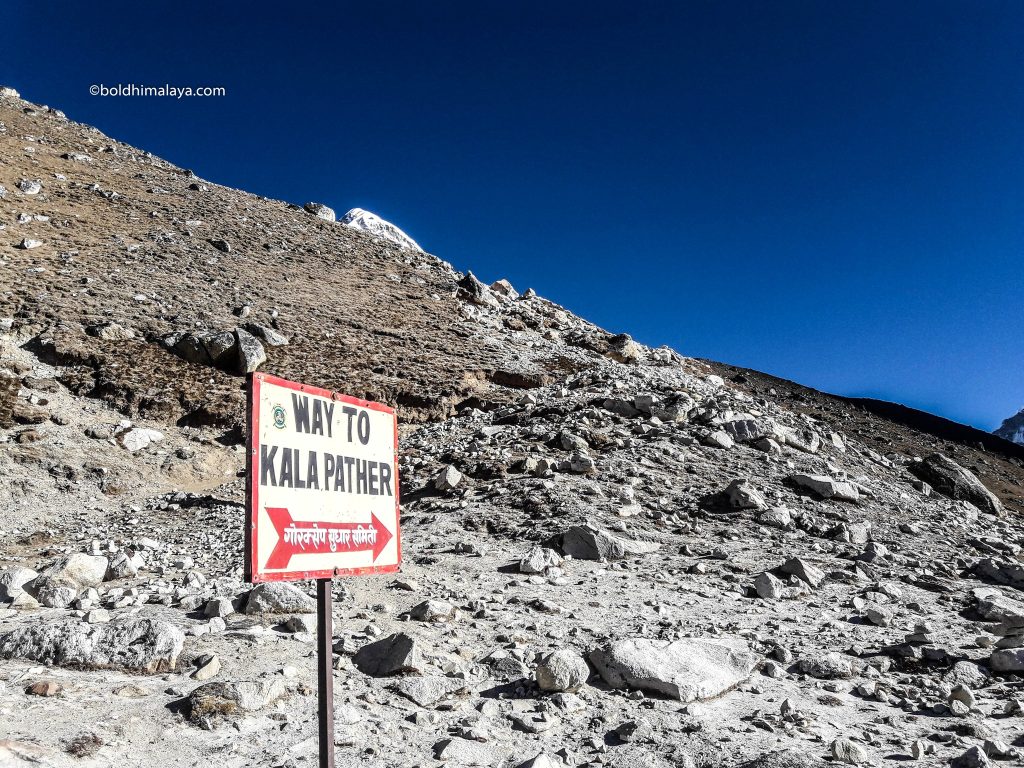
Beyond Dingboche, the path climbs into more desolate ground, arriving at Lobuche near 4,940 meters. From there, it continues higher, reaching Gorakshep - sitting at 5,164 meters - the final stop with lodging before base camp. Trekkers usually make it to Everest Base Camp in just part of a day's journey from Gorakshep. Afterward, they head back to spend the night where they came from. Before sunrise, many begin climbing toward Kala Patthar.
Back toward Lukla, the path usually retraces the climb - pace picks up on the way down. Built-in rest days exist for a reason; skipping them raises the chances of altitude illness sharply.
Spring vs. Autumn Everest Base Camp Trek
Everest Base Camp trekking has two main trekking seasons: spring (March–May) and autumn (October–November). Both periods offer reliable weather and stunning mountain views, but each season has its unique highlights.
Spring Trekking (March–May):
- Spring sees the highest number of trekkers, especially in April, just before the Everest climbing season peaks.
- Trails are lively, making it easier for solo travelers to meet others.
- Lower elevations burst into color as rhododendrons bloom between Lukla and Namche Bazaar.
- Higher altitudes offer crisp, dry air and excellent visibility, though clouds tend to build in the afternoon by late May.
- Morning clarity at high vantage points such as Kala Patthar rivals autumn, providing spectacular sunrise views.
Autumn Trekking (October–November):
- Autumn brings fewer trekkers, creating a quieter trekking experience while still supporting all amenities along the trail.
- Skies are typically clear and fresh after the monsoon rains, offering excellent long-range visibility.
- Forests along the lower path take on golden hues, and the air feels clean and refreshed.
- Trails are generally dry and stable, making trekking comfortable without extreme temperatures.
Comparing Seasons:
- Both spring and autumn provide reliable mountain weather at higher altitudes.
- Spring excels in natural beauty, especially the colorful rhododendrons in bloom.
- Autumn impresses with clear skies and crisp air, ideal for photographers and those seeking solitude.
- Neither season is strictly better than the other; the choice depends on personal preference, goals, and trekking style.
Bottom Line:
- Spring is perfect for those who want vibrant landscapes, lively trails, and the Everest Base Camp buzz.
- Autumn suits trekkers seeking quieter paths, golden foliage, and consistently clear skies.
Packing for Spring: The Art of Layering
Spring weather in the Khumbu is deceptive. You will encounter bright, warm sunshine at lower elevations and freezing, wind-whipped conditions above 4,000 meters sometimes on the same day. The secret to success is not just what you pack, but how you layer it.
1. The Core Layering System
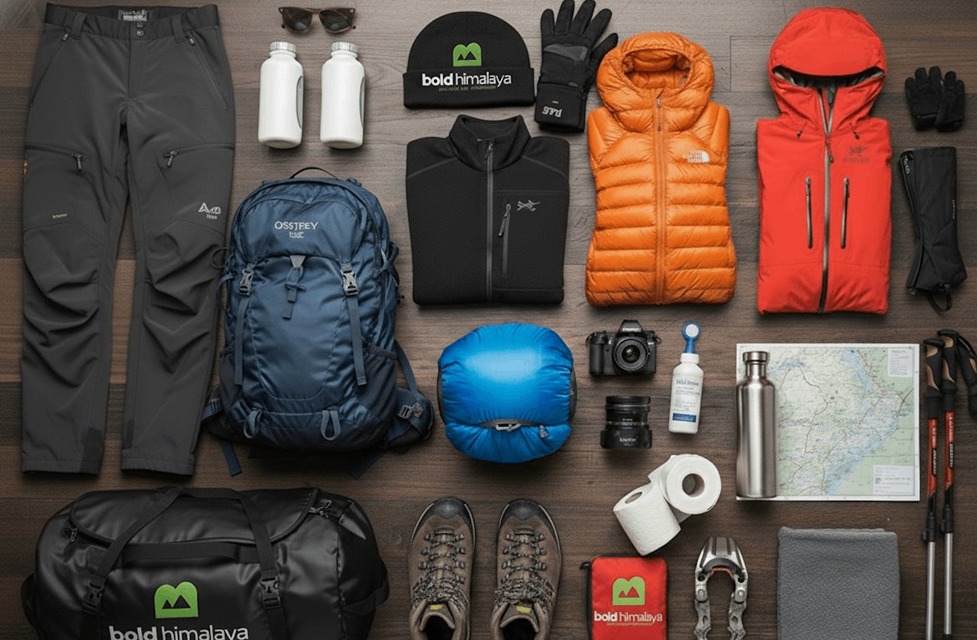
- Base Layer (Moisture-Wicking): Bring 2–3 sets of thermal tops and bottoms (merino wool or synthetic). Avoid cotton at all costs, as it stays wet and will make you cold.
- Mid-Layer (Insulation): A lightweight fleece or synthetic pullover. This is your "active" layer for chilly mornings or when you’re moving through the shade.
- Outer Insulated Layer (The Down Jacket): A high-quality, hooded down jacket (800-fill power recommended) is essential. While you won't wear it while hiking, it is mandatory for evenings in unheated teahouses and early starts to Kala Patthar.
- Outer Shell (Wind & Rain Protection): A high-quality waterproof and windproof shell (Gore-Tex or similar). It protects you from sudden spring squalls and the bitter wind on exposed ridges.
2. Footwear & Extremities
- Trekking Boots: Must be broken-in, waterproof, and provide excellent ankle support. Do not arrive with brand-new boots.
- Camp Shoes: Lightweight sneakers or sandals for relaxing in teahouses.
- Socks: 4–5 pairs of high-quality wool or synthetic trekking socks. Keep one pair strictly for sleeping.
- Gloves: A "two-glove" system works best: a thin, lightweight pair for dexterity and a warm, waterproof/windproof outer pair for high-altitude mornings.
3. Essential Trekking Gear
- Sleeping Bag: Rated for -10°C to -20°C. Even if lodges provide blankets, a high-quality down sleeping bag is your primary defense against the freezing night temperatures.
- Trekking Poles: Highly recommended to save your knees on long descents and provide stability on the rocky moraine near Gorakshep.
- Daypack (30–40L): A comfortable pack with a hip belt, rain cover, and easy access for water, layers, and snacks.
- Sun Protection: The UV rays at altitude are intense. Pack Category 3 or 4 sunglasses, SPF 50+ sunscreen, and a wide-brimmed sun hat.
Conclusion
Despite occasional shifts in pattern, spring continues to offer dependable circumstances for the Everest Base Camp journey. Between March and May, atmospheric stability supports clear paths, moderate cold, yet open sightlines across critical altitudes. Lower slopes host blooming rhododendrons - this visual layer appears only during these months. Meanwhile, activity linked to summit attempts reshapes the feel of higher sections in parallel.
Demanding throughout the year, the trek offers no seasonal escape. Above 4,000 meters, altitude defines the experience - views do little to soften its physical toll. Those arriving in strong condition, aware of how acclimatization works, proceeding without rush, often discover spring brings rare clarity along the path toward the tallest peak on Earth. Despite conditions shifting day by day, preparation remains the steady factor.
Comments (0)
Write a comment- What Makes Spring the Best Season for the Everest Base Camp Trek?
- Who Should Trek in Spring: Beginners vs. Experienced Trekkers
- For Beginners
- For Experienced Trekkers
- The Helicopter Return
- Spring Weather on the Everest Base Camp Trek
- March Conditions
- April Conditions
- May Conditions
- Spring Temperature Patterns in the Khumbu Region
- The Temperature Narrative
- Everest Base Camp Trail in Spring
- Trail Conditions in Spring
- How Busy is the Everest Trail in Spring?
- Altitude and Acclimatization in Spring
- Spring Landscape and Natural Environment Along the Trail
- Key Challenges on the Spring Trek
- Everest Base Camp Trek Overview
- Spring vs. Autumn Everest Base Camp Trek
- Spring Trekking (March–May):
- Autumn Trekking (October–November):
- Comparing Seasons:
- Packing for Spring: The Art of Layering
- 1. The Core Layering System
- 2. Footwear & Extremities
- 3. Essential Trekking Gear
- Conclusion
Read the latest Blogs & Insights
Explore our collection of articles and insights to gain in-depth travel knowledge, expert advice, and stay updated on the latest trends and tips.
Everest vs K2 | How They Differ


No comments yet.