


The Four Sacred Faces of Mount Kailash
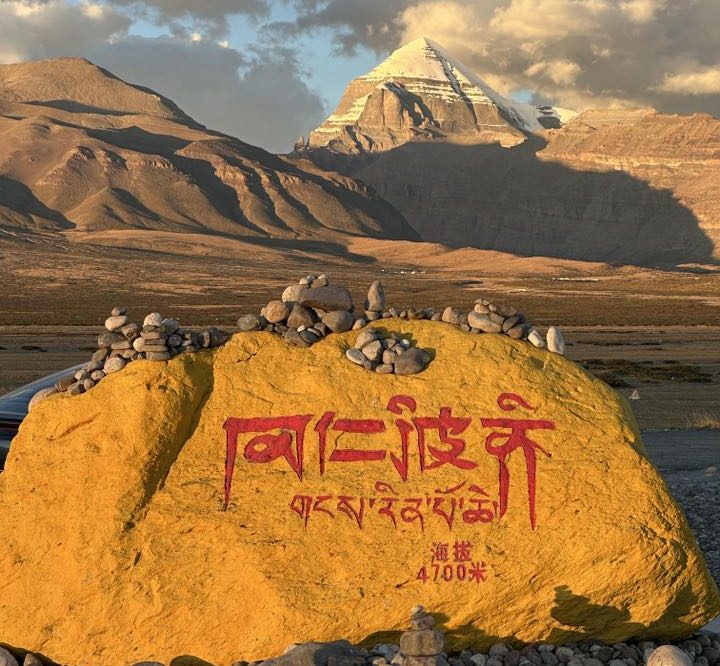
Mount Kailash stands as one of the most revered peaks in the world, rising majestically to 6,638 meters in the remote region of western Tibet. Four Faiths’ Holy Mountain: Holy to four of the world’s oldest religions—Hinduism, Jainism, Buddhism, and Bon Po, this beautiful mountain is home to thousands of pilgrims every year who do […]
-
 Bold Himalaya
-
29 June, 2025
-
18 mins read
-
658 Views
-
0 Comments


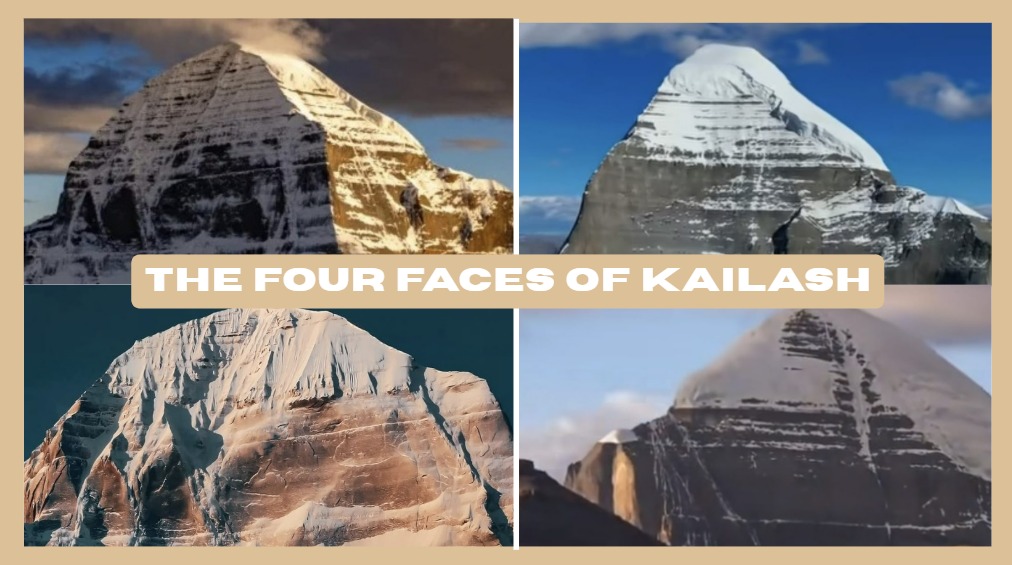
Mount Kailash stands as one of the most revered peaks in the world, rising majestically to 6,638 meters in the remote region of western Tibet. Four Faiths' Holy Mountain: Holy to four of the world's oldest religions—Hinduism, Jainism, Buddhism, and Bon Po, this beautiful mountain is home to thousands of pilgrims every year who do their very best to seek good favors from God and spiritual enlightenment. The four sacred faces of Mount Kailash add to its mystical appeal, with each face representing different divine energies and spiritual transformations that pilgrims experience during their sacred journey.
Mount Kailash rises in an Egyptian pyramid shape, larger than the gigantic black boulder. This sacred Tibetan mountain radiates an unblemished spiritual presence. Its unique pyramid-shaped formation has fascinated adventurers, pilgrims, and scholars throughout history. Tibetan legend hails it as the 'Precious Jewel of Snows.'
The sacredness of Mount Kailash goes far beyond physical. To the Hindus, it is the abode of Lord Shiva, a holy sanctuary symbolizing the ultimate source of energy and rebirth. Buddhist beliefs position Mount Kailash as the center of the earth or the mythical world center, Mount Meru. Wherever they come together at this nexus, it becomes one of the most spiritually potent sites on the earth.
What is so unique about Mount Kailash is that it is quadrilateral, one of which is the cardinal direction, and all of which possess other mystical attributes. All four sides of the sacred mountain, the Puranas say, are made up of various gemstones. Gold on the north, Lapis Lazuli on the south, crystal on the east, and ruby on the west. All four sides symbolize various virtues of divinity, emotions, and paranormal powers that the pilgrims possess in their journey of spirituality.
Let us know if you are interested in Manaslu Circuit Trek, Tsum Valley Trek and Manaslu Base Camp Trek.
The South Face of Mount Kailash: The Lapis Lazuli Face of Splendor
The South Face of Mount Kailash, consisting of sacred lapis lazuli as said to exist in the ancient Hindu epics, possesses beauty and sacred power. Pilgrims catch their first glimpse of the sacred peak from Darchen, which is the beginning of the Kailash Parikrama (circumambulation).
Spiritual Significance of the South Face
The south (lapis lazuli), snow of all time, is glory, and therefore a symbol of all time of infinite beauty and divinity in innocence. The dark blue color of lapis lazuli represents wisdom, peace, and truth. The face represents to Hindu devotees Lord Shiva's imperial figure sitting eternally in meditation on the mountain.
The ephemeral shroud of snow on the South Face adds the final seal to mystery, leaving an aureole of whiteness in high relief over the black rock face below. The snow symbolizes the eternality of God and innocence, which the pilgrims are destined to achieve by virtue of the holy pilgrimage.
Religious Connections and Beliefs
The South Face is also seen differently by other religious pilgrims. The face is endowed with a benevolent mind and a sagacious mind by Buddhists. It is an entry into higher consciousness and illumination for the Bon people.
South Face is also connected with the earth element in every religion and represents grounding, solidity, and a spiritual base. Inner tranquility and devotion are what most pilgrims experience when they catch sight of this stunning face of Mount Kailash for the first time.
Viewing the South Face
South Face of Mount Kailash can be seen before trekking and therefore is the initial sight for people to start the spiritual pilgrim's quest. Viewpoints are some sites close to Darchen and on the periphery of the parikrama path. South Face looks most stunning in the morning and dusk when light and darkness get combined to assume the shape of a superbeing.
The West Face of Mount Kailash: The Ruby Face of Compassion
The West Face of Mount Kailash, a ruby of religious significance in holy scripture, is a manifestation of divine love, divine protection, and compassion. It is the best face for pilgrims since it symbolizes the defensive and nurturing energies of the divine.
Ruby Symbolism and Spiritual Meaning
West (ruby) is a symbol for courtesy and, therefore, the face of courtesy and God's love. Ancient people would use this gem to mean red hot, deep red like a precious ruby. They believed the color represented courtesy and warmth and protected pilgrims in their religious journey.
The rich red of the ruby actively resonates with the heart chakra, symbolizing unconditional love, emotional cleansing, and spiritual growth. Witnesses, overwhelmed by its beauty, often burst into tears when they gaze upon this face, feeling wrapped in an aura of divine safety and affection.
Cultural and Religious Perspectives
The Western face of Mount Kailash, the ruby face, is compassionate, sympathetic, and benevolent. The holiest to pilgrims arriving in quest of inner cure and emotional consolation. It is revered by Hindus as the merciful face of Lord Shiva and by Buddhists as the loving-kindness face of the Buddha.
West Face also demands water, waterside of religious symbolism, i.e., stream, flexibility, and purifying ability of the grace of God. Most pilgrims recite a special prayer and meditation by turning their faces towards this side to generate loving-kindness and compassion in their hearts.
Experiencing the West Face
West Face of Mt. Kailash glimpsed on the 1st day of trekking in parikrama. The best time for pilgrims is fresh and prone to the spiritual energies of the mountain. West Face would be best from observation points on the western side of the circumambulation path, particularly in the afternoon when sunlight adds its natural beauty.
The North Face of Mount Kailash: The Golden Face of Power
The North Face of Mount Kailash is, as per Hindu scripture, spiritually made up of gold. It is a symbol of divine power, energy, and spiritual strength. It is also called the most colorful and perilous of all four faces.
Golden Symbolism and Divine Power
North (gold) is powerful, governing the higher power and glory of God. Gold symbolizes divine knowledge, divine wisdom, and actual truth that can be achieved by right preparation and respect.
Gold has been linked with spiritual incorruptibility, divinity, and purity in the world's spiritual cultures. The North Face's golden spirit symbolizes the alchemical power of spiritual practice and the radiance of awakened awareness.
Spiritual Challenges and Transformation
The giant form of The North Face symbolizes the ordeal that spiritually aware beings must endure to attain spiritual enlightenment. It signifies the pure power of God's force that demolishes ignorance and ego and provides a way for spiritual transformation.
Hindus consider this face to be Lord Shiva destroyer of delusion and transformer of the mind. Buddhist pilgrims consider it to be wrathful deities safeguarding the dharma and guiding the practitioner through challenging spiritual fords.
The Northern Perspective
The Northern face of Mount Kailash becomes visible at night in Dirapuk. The altitude camp is a significant resting point on the parikrama. Pilgrims often describe the view of this face from Dirapuk as overwhelming and transformative, especially as they reach this challenging stage of the journey when they feel most open and vulnerable. The North Face reveals its full glory in the early morning, when sunbeams strike it and bathe it in a radiant golden hue.
The East Face of Mount Kailash: The Crystal Face of Mystery
The Eastern Face of Mount Kailash, as the crystal symbolic face of the ancient religious tradition, means origin, clarity, and mystery. It is the face of pure, clear, awakened consciousness and spiritual vision.
Crystal Symbolism and Spiritual Clarity
East symbolizes mystery, and this is why the direction signifies searching for the divine, inner sight, and searching for the ultimate truth. Crystal symbolizes a clear mind, a pure heart, and the untainted light of awakened awareness.
Crystal metaphysical properties have been well worth it over time because of the power they possess to enhance spiritual energy, induce meditation, and open doors with increased levels of consciousness. The East Face carries these properties so that an individual can attain higher spiritual consciousness.
Dawn of Spiritual Awakening
Its association with crystal and mystery makes it of utmost significance for those seeking spirituality, awakening, and enlightenment. The east has been symbolized since early morning as hope, new beginnings, and spiritual rebirth.
This lack of lack confers on it its religious significance, i.e., purification, cleansing, and renewal of the soul for one journeying inwardly profoundly. The crystal face represents an unspotted, untainted vision of life as rising to the virtues of mental advancement and spiritual enlightenment.
The Eastern Vision
Pilgrims encounter the east face of Mount Kailash as they ascend toward Zuthulpuk, the final stage of the parikrama trek. At this point, they not only complete the physical journey but also symbolically receive blessings for having honored all four sacred faces.
The East Face is most beautiful also in sunrise when the crystal definition of the mountain face assumes dawn color to announce the commencement of inner vision and the breaking of a new day in the life of each pilgrim seeking the holy.
The Sacred Circumambulation: Experiencing All the Four Sacred Faces of Mount Kailash
Traditionally, pilgrims design the parikrama of Mount Kailash to encounter all four sacred faces in a sequence believed to best support their spiritual journey. They perceive the circumambulation as a deeply enriching experience that offers multiple positive effects, most notably, the purification of sin. With each circuit, pilgrims believe they perfect the cycle of death and rebirth.

The Spiritual Journey Through the Four Sacred Faces of Mount Kailash
We begin with the majesty of the South Face and fill their heart with wonder and respect. Pilgrims journey to the West Face, second, and receive kind mercy and emotional healing. The North Face tests their will and exposes them to a higher awareness through its breathtaking awe. The East Face radiates and shines as the pilgrimage reaches its climax.
This pilgrim journey is an entire cycle of spiritual growth: inspiration (South), purification of feeling (West), letting go of ego (North), and illumination in flesh (East). Each of the four faces must be on the pilgrim's spiritual journey individually and in substance.
The Sacred Route and Timing
The traditional parikrama route is approximately 52 kilometers and is usually done in three days. Visiting each face is the most critical in terms of time among the spiritual journey, consistent with the natural development of spirituality and self-expansion growth.
Documentation Requirements
Essential Documents
- Valid passport (minimum 6 months validity)
- China visa (tourist visa L type)
- Tibet Travel Permit (TTB)
- Aliens’ Travel Permit for restricted areas
- Group visa letter from the tour operator
- Travel insurance certificate
- Medical fitness certificate
- Emergency contact information
Additional Permits
- Military permit for border areas
- Photography permit (if carrying professional equipment)
- Special area travel permit
- Border defense certificate
Religious Significance Across Traditions
It is Shiva's Abode to the Hindus and Nirvana's destination, where Bhagwan Rishabdev attained, to the Jains. Buddhists and followers of the Tibetan Bon tradition also venerate the sacred Mount Kailash, making it one of the rare places on Earth where several major religions converge in reverence.

Hindu Perspective on the Four Sacred Faces of Mount Kailash
Kailash has four crystals, ruby, gold, and lapis, as discussed in the Hindu mythology by the Vishnu Purana. Pilgrims also believe the faces reflect different aspects of Lord Shiva's divine form: his creative force (South), benevolent guardian (West), transformation of doom (North), and esoteric eye (East).
Buddhist Understanding on the Four Sacred Faces of Mount Kailash
Buddhist pilgrims invest the four faces of Mount Kailash with deep symbolic meaning, aligning them with the four cardinal directions, each guarded by multiple protector deities. They interpret these faces as representations of essential qualities for spiritual growth—wisdom, compassion, strength, and openness.
Jain and Bon Interpretations
The Jain tradition interprets the four faces as pluralistic stages of religious freedom, but ancient Bon religion illustrates them as cosmic directions equilibrating earthly and heavenly powers.
Essential Gear and Equipment
Clothing Requirements
- Warm winter jacket (down jacket preferred)
- Waterproof rain gear
- Thermal undergarments
- Warm sleeping bag (rated for -10°C)
- Trekking boots (broken in)
- Warm socks (wool or synthetic)
- Sun hat and warm beanie
- Sunglasses (UV protection)
- Gloves (waterproof recommended)
Personal Equipment
- Backpack (40-50 liters)
- Water bottles (insulated)
- Headlamp with extra batteries
- Personal first aid kit
- Sunscreen (high SPF)
- Lip balm with UV protection
- Personal medications
- Toilet paper and wet wipes
- Hand sanitizer
Optional but Recommended
- Trekking poles
- Portable oxygen canister
- Energy bars and snacks
- Camera with extra batteries
- Power bank for devices
- Altitude sickness medication
Mystical Properties and Phenomena
The majority of pilgrims have raw, life-changing energy at Kailash and undergo deep levels of spirituality. Travelers and pilgrims have reported strange phenomena at Mount Kailash, including inexplicable hair and nail growth. Both scientists and spiritual seekers continue to explore its mystical properties, which remain shrouded in mystery.
Unexplained Spiritual Experiences
Pilgrims describe being perpetually in locations of out-of-the-ordinary experience in contemplating the four faces, including genuine dreaming, uninitiated meditative events, and profoundly affective healing. They have also been discovered to be present commensurate with the unique energetic nature of each face.
Scientific Observations and Mysteries
Its striking geologic makeup and perfect pyramid shape make it interesting to researchers. Its snow-tipped peak forever in position, the exotic rock outcroppings, and the magnetism of the mountain itself contribute to mystique worth.
Cultural and Religious Guidelines
Respectful Behavior
- Dress modestly at religious sites
- Remove your shoes before entering temples
- Don't point feet toward sacred objects
- Ask permission before photographing people
- Respect local customs and traditions
- Keep noise levels low in sacred areas
Spiritual Preparations
- Understand the significance of the four faces
- Learn basic prayers or mantras
- Bring offerings for temples
- Respect all religious practices
- Maintain a peaceful mindset
Practical Aspects of Visiting the Four Faces
Best Times to View Each Face
Every side of Mount Kailash is at its most lovely at a particular moment during the day to maximize sight and religious understanding. The South Side looks best at dawn, the West Side during the interval daylight is strongest at mid-afternoon, the North Side at morning, and the East Side during morning at sunrise.

Photography and Documentation
While photography is permitted, pilgrims understand that the spiritual impact of the four faces can only be duplicated to some extent with photography. To see each face directly and feel its unique presence is intimate and rejuvenating.
Physical and Spiritual Preparation to see the Four Sacred Faces of Mount Kailash
Witnessing all four faces of Mount Kailash demands physical endurance and spiritual dedication through prayer, meditation, and persistence. Pilgrimage pushes your body and your spirit to the limit.
The Transformative Power of the Four Faces
The four spheres of Mount Kailash are balanced to give an overall experience of spiritual transformation. Each sphere suits different levels of human consciousness and spiritual evolution, thereby presenting the experience as a wholesome experience of self-consciousness and conformity with the divine.
Personal Transformation Stories
Thousands of pilgrims are changed once they complete circumambulation and see all four cardinal directions. These are typically in the forms of heightened spiritual awareness, emotional healing, increased sense of direction, and increased communion with the divine.
Long-term Spiritual Benefits of seeing the four sacred faces of Mount Kailash
The impact of the four faces encounter lasts so much longer than the pilgrimage itself. Pilgrims in overwhelming numbers report continued spiritual growth, enhanced intuition, and an incredibly deep sense of peace and purpose that they bring back into their own lives for dozens of decades.
Frequently Asked Questions
What are the four faces of Mount Kailash made of, according to Hindu scriptures?
Hindu Puranas tell us that the four faces are made of varying precious substances: South (lapis lazuli), West (ruby), North (gold), and East (crystal). They represent various virtues of the soul and divine energies.
How many days does it take to see all four faces on the Kailash Parikrama?
3 days comprised the complete circumambulation of the temple, and pilgrims get a glimpse of all four faces at some point or other. It is so arranged that pilgrims get proper spiritual orientation and exposure to the vibration of each one of the faces.
Can you see all four faces from one location?
No, all the faces must be viewed from some of the parikrama points. The whole process consists of a complete circumambulation process to attain the spiritual value of each face.
What is the spiritual value in sequential viewing of the face?
There are four faces (orders) in the process of spiritual rebirth: inspiration (South), compassion (West), strength and challenge (North), and clarity and new beginning (East). The path allows us to have deep spiritual growth.
Do the four sacred faces of Mount Kailash equally influence every individual of every faith?
Although every faith has varied belief systems, pilgrims of all major faiths are similar in seeking richer spiritual lives. The unifying spiritual energy of the mountain overrides religious belief systems.
What is the ideal time to witness Mount Kailash for maximum visibility?
Pilgrimage season is May to September, and July and August would be ideal regarding weather. But in each season, the four faces have a different look.
Are there any restrictions on photographing the four faces?
Pilgrims have the liberty of taking photographs, but pilgrims should never destroy the spiritual nature of the pilgrimage destination. Pilgrims would not wish to spend most of their time doing records but rather spirituality of experience, since it is what makes them satisfied pilgrims.
Why are the four faces different at different times of the day?
Each face expresses different qualities of different light throughout the day. Shade and light play a part in giving the mysterious personality owned by each face as a spiritual work of art.
What is the physical preparation needed to see all four faces?
Physical conditioning, acclimatization, and gear are conditions for the high-altitude trek. Inner and spiritual preparation by way of meditation and prayer is also a condition for experience itself.
Can we see the four faces of Mount Kailash from Lake Manasarovar?
While Mount Kailash is visible from Lake Manasarovar, the individual faces are best appreciated from specific points along the parikrama route. The lake offers a distant but spiritually significant view of the sacred mountain.
Are the color allocations to faces appropriate to their spiritual significance?
Although the face of the rock itself is not necessarily ruby, crystal, or lapis lazuli colored, light and inner vision will create visual experiences consistent with the ancient accounts.
What will pilgrims typically see when they gaze upon each face?
Pilgrims have profound emotional engagements similar everywhere in the world: respect and awe (South), love and compassion (West), transformation and confrontation (North), and peace and illumination (East). Personal experiences are bound to vary based on individual spiritual preparation.
Conclusion
The four holy faces of Mount Kailash share one of the richest religious experiences within the reach of human beings. Each one of them—the resplendent South of lapis lazuli, the tender West of ruby, the forceful North of gold, and the symbolic East of crystal—each is an individual discovery of God's mystery and man's consciousness. All combined, they possess a comprehensive spiritual pilgrimage that has changed millions of pilgrims throughout the ages.
The journey to observe these four faces is no physical one at all. It is a transformative journey that questions the innermost religious human capacity. That numerous diverse religious traditions were able to discover something here that inspires awe is evidence of its universal religious relevance, and as a borderland space between the profane and the sacred.

Spiritual Energy: Most of the pilgrims receive inspirational, transformative energy at Kailash with a profound spiritual experience. Even after receiving four faces of energy transmission, the place still draws seekers from the world over who wait patiently to find meaning, healing, and spiritual awakening in life.
For those lucky enough to embark on this holy mountain pilgrimage and witness the holy presence of its four faces, Bold Himalaya is ready to lead you on this spiritual quest. With extensive experience in planning Kailash pilgrimages and thousands of satisfied clients on their roll call, Bold Himalaya knows the spirituality of this pilgrimage and possesses professional expertise that will make this spiritual fantasy a reality. Have Bold Himalaya as your companion in the redemptive power of Mount Kailash's four holy faces and on a once-in-a-lifetime spiritual journey of illumination.
Comments (0)
Write a comment- The South Face of Mount Kailash: The Lapis Lazuli Face of Splendor
- Spiritual Significance of the South Face
- Religious Connections and Beliefs
- Viewing the South Face
- The West Face of Mount Kailash: The Ruby Face of Compassion
- Ruby Symbolism and Spiritual Meaning
- Cultural and Religious Perspectives
- Experiencing the West Face
- The North Face of Mount Kailash: The Golden Face of Power
- Golden Symbolism and Divine Power
- Spiritual Challenges and Transformation
- The Northern Perspective
- The East Face of Mount Kailash: The Crystal Face of Mystery
- Crystal Symbolism and Spiritual Clarity
- Dawn of Spiritual Awakening
- The Eastern Vision
- The Sacred Circumambulation: Experiencing All the Four Sacred Faces of Mount Kailash
- The Spiritual Journey Through the Four Sacred Faces of Mount Kailash
- The Sacred Route and Timing
- Documentation Requirements
- Essential Documents
- Additional Permits
- Religious Significance Across Traditions
- Hindu Perspective on the Four Sacred Faces of Mount Kailash
- Buddhist Understanding on the Four Sacred Faces of Mount Kailash
- Jain and Bon Interpretations
- Essential Gear and Equipment
- Clothing Requirements
- Personal Equipment
- Optional but Recommended
- Mystical Properties and Phenomena
- Unexplained Spiritual Experiences
- Scientific Observations and Mysteries
- Cultural and Religious Guidelines
- Respectful Behavior
- Spiritual Preparations
- Practical Aspects of Visiting the Four Faces
- Best Times to View Each Face
- Photography and Documentation
- Physical and Spiritual Preparation to see the Four Sacred Faces of Mount Kailash
- The Transformative Power of the Four Faces
- Personal Transformation Stories
- Long-term Spiritual Benefits of seeing the four sacred faces of Mount Kailash
- Frequently Asked Questions
- Conclusion
Read the latest Blogs & Insights
Explore our collection of articles and insights to gain in-depth travel knowledge, expert advice, and stay updated on the latest trends and tips.
Adi Kailash Yatra and Trek 2026 Essentials

Best Photography Spots on Popular Treks


No comments yet.