


Treks to the Beautiful Lakes in Nepal
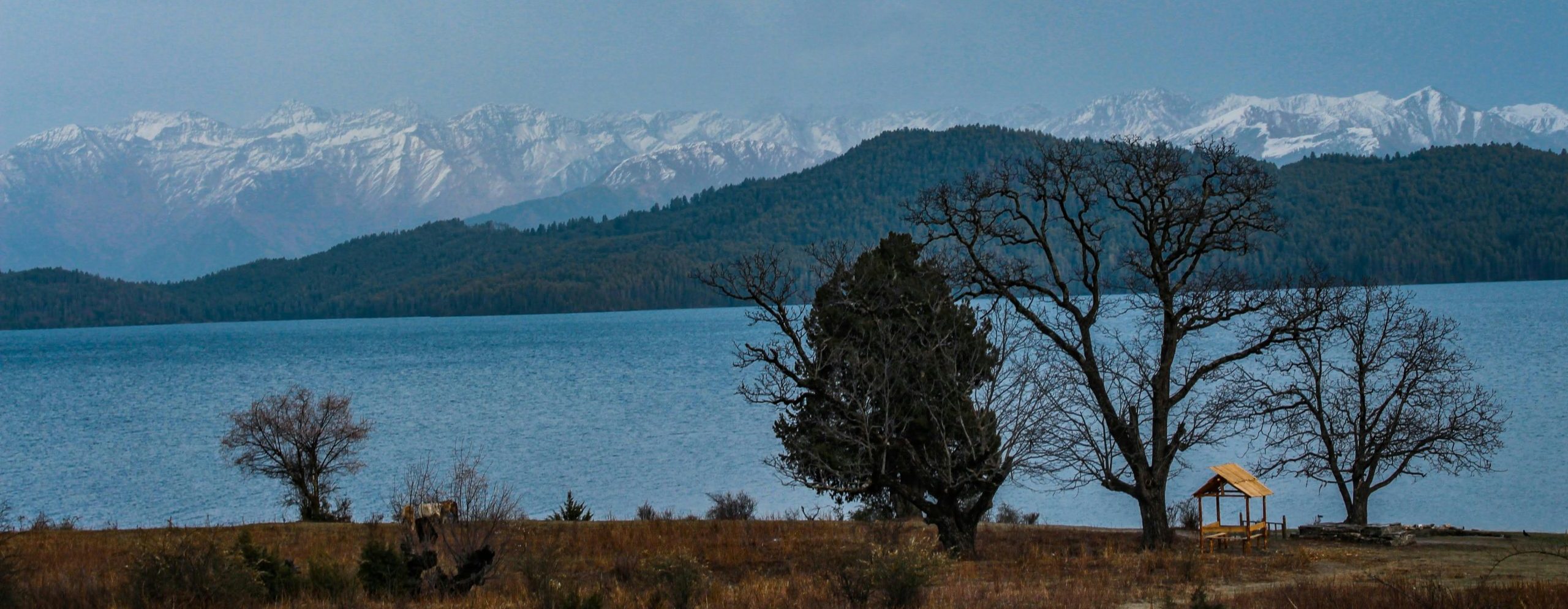
Treks to the beautiful Lakes in Nepal are popular among tourists and trekkers who visit Nepal. It involves hiking through the Himalayan mountains in Nepal to reach a lake. The Himalayas are a beautiful mountain range home to many serene lakes, and lake trekking is a great way to experience their beauty and peacefulness. The lakes higher in elevation have spiritual significance as well. However, certain lakes attract tourists because of their incredible beauty, distinctive characteristics, and exquisiteness.
-
 Sobit Bhandari
-
20 December, 2024
-
21 mins read
-
1724 Views
-
0 Comments


Treks to the beautiful Lakes in Nepal are popular among tourists and trekkers who visit Nepal. It involves hiking through the Himalayan mountains in Nepal to reach a lake. The Himalayas are a beautiful mountain range home to many serene lakes, and lake trekking is a great way to experience their beauty and peacefulness. The lakes higher in elevation have spiritual significance as well. However, certain lakes attract tourists because of their incredible beauty, distinctive characteristics, and exquisiteness.
Similar to how certain lakes are well-known for having exceptional qualities that set records worldwide. Lake trekking in Nepal is a way for people to experience the beauty and serenity of the Himalayas by hiking through the mountains and reaching one of these lakes. It is a popular activity among tourists and trekkers because it allows them to witness the natural beauty of the Himalayas and the local culture and way of life. Trekking to a lake in the Himalayas can be a challenging but rewarding experience and is suitable for people of all fitness levels.
Some popular Treks to the beautiful alpine Lakes in Nepal include:
Gokyo Lake Trek
The Gokyo Lakes, situated in Sagarmatha National Park in the Khumbu region at elevations ranging from 4,700 to 5,000 meters, are the highest freshwater lake system in the world. The six notable lakes that comprise the Gokyo Lakes are Gokyo Cho (Dudh Pokhari), Phonak Cho, the largest of all the lakes, Gyazumpa Cho, Tanjung Cho, Ngozumpa Cho, and Longbanga Cho.
The Gokyo Lake Trek is a popular trekking route in the Solu-Khumbu area of Nepal, which is the location of the famed Mount Everest. The trek takes you through the stunning Gokyo Valley, home to a collection of lofty lakes known as the Gokyo Lakes. The major attraction of the journey is the expansive view of the Himalayan mountains, including Mount Everest, which can be seen from the summit of Gokyo Ri, a tiny peak close to the lakes.
The Gokyo Lake Trek is a superb trekking location that provides a distinctive mix of scenic beauty, cultural experiences, and adventure. The Gokyo Lake Trek is undoubtedly something to consider if you enjoy trekking and are searching for a fresh challenge.

Highlights of the Gokyo Lake Trek
- Series of High-Altitude Lakes: The series of high-altitude lakes in the Gokyo Lakes, located in the Gokyo valley and is known for its crystal clear water and stunning views of the surrounding mountains.
- Panoramic Himalayan Views from Gokyo Ri: Climb Gokyo Ri (5,357 m) for a spectacular 360° view of the world’s highest peaks that include Mount Everest, Lhotse, Makalu, and Cho Oyu.
- Rich Sherpa Culture and Traditions: The Gokyo Trek provides an opportunity to explore the local culture and traditions of the Sherpa people, who are the region’s indigenous inhabitants. You will get to see the way of life of the Sherpas, visit their monasteries, and learn about their customs and rituals.
- Diverse Landscapes and Ecosystems: This trek leads you through rhododendron forests, alpine meadows, and rocky mountain trails, enjoying the region’s rich biodiversity and colorful prayer flags.
- Wildlife Encounters: You can spot Himalayan wildlife such as musk deer, yaks, and the endangered Himalayan black bear, along with rare mountain birds.
Routes of the Gokyo Lake Trek
The Gokyo Lake Trek is a trekking route in Nepal that starts from the Lukla airport, a small airport located in the Solu-Khumbu region of the country. From Lukla, the trek follows the Dudh Kosi river and passes through the villages of Phakding and Namche Bazaar. These villages are located along the trekking route and are the main gateway to the Khumbu region, which is home to the Gokyo valley.
After passing through Namche Bazaar, the trek continues to the Gokyo Valley, which is home to the Gokyo Lakes. To reach the Gokyo valley, you will need to pass through Dole, Machhermo, and Gokyo villages. These villages are located along the trekking route and provide a glimpse into the local culture and traditions of the Sherpa people, who are the indigenous inhabitants of the region.
The trek takes about seven to eight days, depending on your pace. The trek duration can vary depending on how long you spend in each village and how many breaks you take along the way. And it is one of the treks to the beautiful lakes in Nepal.
Gokyo Lake Trek Overview
Starting and Ending Point: Lukla
Trekking Types: Lodge to Lodge
Trekking Highest Altitude of the Trek: 5357m Gokyo Ri
Best Time to do Trek: From September to November and March to May
Average Daily Walking hours: 4 to 6 Hours per day
Tilicho Lake Trek
Tilicho Lake is a high-altitude lake located in the Annapurna Range of the Himalayas in the Manang district of Nepal. It is situated at an elevation of 4,919 meters (16,140 feet) above sea level, making it one of the highest lakes in the world. It is also the largest lake in Nepal and is a popular destination for trekkers and hikers.
It is surrounded by towering peaks and is a stunning sight to behold. The lake is also considered sacred by the local people and is an important site for religious rituals.
The trek to Tilicho Lake is challenging and involves crossing high passes and traversing through remote and rugged terrain. However, the views along the way are breathtaking and make the journey well worth it.
Trekkers can expect to see a variety of landscapes, from lush forests and terraced fields to barren high-altitude deserts. The Lake is a beautiful and serene destination that offers a unique and adventurous trekking experience.

Highlights of Tilicho Lake Trek
- The Tilicho Lake trek offers breathtaking views of the Annapurna Range and other mountain peaks, including Annapurna South, Gangapurna, and Dhaulagiri.
- Tilicho Lake is one of the highest lakes in the world and is a serene and peaceful spot to rest and take in the beauty of the surrounding mountains. Trekkers get the chance to learn about the locals' customs and way of life as they pass through various traditional villages on the Tilicho Lake trek.
- The trek involves crossing high passes and traversing through rugged and remote terrain, making it a rewarding and challenging experience.
- The trek takes you through various landscapes, including lush forests, terraced fields, and barren high-altitude deserts.
Routes of Tilicho Lake Trek
The trekking route for the Tilicho Lake trek starts in the town of Besishahar, located in the Lamjung district of Nepal. From Besishahar, you will follow the Marsyangdi River through lush forests and terraced fields toward the village of Chame, the headquarters of the Manang district.
The trek becomes more challenging from Chame as you gain altitude and cross high passes.
You will pass through the villages of Pisang and Manang, where you can take a break and acclimatize to the high altitude.
From Manang, the trek takes you to the holy lake of Tilicho, passing through the village of Yak Kharka and the Thorong La pass (5,416 meters). The trek culminates at Tilicho Base Camp, located at an elevation of 4,140 meters, from where you can make the optional side trip to Tilicho Lake.
After exploring Tilicho Lake, you will retrace your steps back to Besishahar, completing the circuit. The trek typically takes around 11-14 days to complete, depending on your pace and how much time you spend exploring the sights along the way.
Tilicho Lake Trek Overview
Starting and Ending Point: Besishahar
Trekking Types: Lodge to Lodge Trekking
Highest Altitude of the Trek: 5,614 meters, Thorong La pass
Best Time to do Trek: Summer (June to August) and Spring (March to May)
Daily Average Walking hours: 5 to 7 Hours per day
Phoksundo lake Trek
Phoksundo Lake is a high-altitude lake located in the Dolpa region of Nepal, near the border with Tibet. It is known for its stunningly beautiful surroundings, with snow-capped mountains, forests, and waterfalls. The lake is a popular destination for trekkers, who can enjoy the area's stunning views and peaceful atmosphere.
The Phoksundo Lake passes through ancient landscapes, lovely woods, snow-capped mountains, and breathtaking natural sights. The lake itself is beautiful in its own right. An alpine, semi-arid terrain surrounds the crystal-clear blue water of Lake Foksundo with isolated stands of pine trees. Lake Phoksundo is a wetland with a biological value that is a part of Shey-Phoksundo National Park.

Highlights of Phoksundo Lake
- Phoksundo Lake is known for its beautiful surroundings, with snow-capped mountains, forests, and waterfalls. The lake is a popular destination for trekkers, who can enjoy the area's stunning views and peaceful atmosphere.
- The Phoksundo Lake trek takes you through some of the most remote and little-explored parts of Nepal, offering a unique opportunity to see a side of the country that is often overlooked.
- You will travel through several tiny villages while on the Phoksundo Lake trip, where you will get the chance to converse with the locals and discover more about their customs and culture.
- You can also get the opportunity to learn about Buddhism by touring some of the nearby monasteries. The Phoksundo Lake trek takes you through some of the most beautiful and unspoiled parts of Nepal, with forests and waterfalls.
- Chance to spot some of the local wildlife, such as the Himalayan Thar, Snow Leopard, and Blue Sheep.
- The Phoksundo Lake trek is a challenging trek that requires a good level of physical fitness. It offers a chance to test your limits and push yourself to achieve something gratifying.
Routes of Phoksundo Lake Trek
The Phoksundo Lake trek starts in the town of Juphal, located in the Dolpa region of Nepal, near the border with Tibet. Juphal can be reached by a flight from Kathmandu or by a long drive from Kathmandu.
From Juphal, the trek begins with a climb through the forests and villages of the region. The first leg of the trek takes you through the town of Dunai and the village of Tarakot, both of which are located in the foothills of the Himalayas.
These two towns and villages are located at relatively low elevations. They are surrounded by forests, making them a great place to acclimate to the Dolpa region's high-altitude environment.
As you continue the trek, you will pass through several other small villages and settlements, taking in the stunning views of the surrounding mountains and forests.
These villages are typically located at higher elevations than Juphal and Dunai and offer a glimpse into the traditional way of life in the region.
As you near Phoksundo Lake, the trail becomes steeper and more challenging, with some sections requiring a bit of rock climbing. However, the effort is worth it, as the views of the lake and the surrounding mountains are truly breathtaking.
Phoksundo Lake Trek Overview
Starting and Ending Point: Juphal
Trekking Types: Tea House Trek or Lodge to Lodge trek
Highest Altitude of the Trek: 3,611 meters (11,838 feet) Phoksundo Lake
Best Time to do Trek: The Best Time to go on the Phoksundo Lake trek is during the spring (March to May) and autumn (September to November) seasons
Daily Average Walking hours: 5 to 6 Hours per day
Rara Lake Trek
The largest lake in Nepal, Rara Lake, is a popular vacation spot and best lakes in Nepal. In Rara National Park, the lake extends around 9.8 square kilometers. The lake provides an excellent travel opportunity at a height of 2,990 meters.
The Rara Lake Trek is a famous hiking route in Nepal that provides a stunning view of the country's largest lake, Rara Lake. The walk passes through the unspoiled, secluded Rara National Park, home to many plants and animals. You will also have the chance to travel to nearby villages and get to know the warm and hospitable residents.
Various bird and animal species will also be visible, including the red panda, musk deer, and Himalayan black bear.

Highlights of Rara Lake Trek
- The crystal-clear waters of Rara Lake, situated at an altitude of 2,990 meters, are the major highlight of the trek. The trek takes you through the Rara National Park, which is home to various flora and fauna.
- The Rara Lake trek takes you through the picturesque villages of Rara, Chuchemara, and Gamgadhi, allowing you to interact with the local people and learn about their culture and way of life.
- The trek offers stunning views of the surrounding landscape, including towering peaks, glaciers, alpine meadows, and dense forests. During the trek, you can spot various birds and animals, such as the Himalayan black bear, musk deer, and red panda, and one of the treks leads to the beautiful lakes in Nepal.
Routes of Rara Lake
The trek to Rara Lake begins in the town of Jumla, which is located in the western region of Nepal. A flight from Kathmandu or a long drive from Kathmandu can reach Jumla.
From Jumla, the trek begins with a climb through the forests and villages of the region. The first leg of the trek takes you through the town of Gamgadi and the village of Chautha, both of which are located in the foothills of the Himalayas.
These two towns and villages are located at relatively low elevations. As you continue the trek, you will pass through several other small villages and settlements.
These villages are typically located at higher elevations than Jumla and Gamgadi and offer a glimpse into the traditional way of life in the region. You may have the opportunity to interact with the local people and learn about their culture and traditions.
Rara Lake Trek Overview
Starting and Ending Point: Jumla
Trekking Types: Tea House Trekking
Highest Altitude of the Trek: 3,710 meters (12,172 feet)
Rara Lake Best Time to do Trek: During the spring (March to May) and autumn (September to November)
Daily Average Walking hours: 5 to 6 Hours per day
Kapuche Lake Trek
Kapuche Lake is a high-altitude lake located in the Rolwaling region of Nepal, near the border with Tibet. It is known for its stunningly beautiful surroundings, with snow-capped mountains, forests, and glacial rivers. The lake is located at an altitude of 2,546 meters (8,333 feet) above sea level, making it the lowest-altitude glacier lake in the Annapurna region of Nepal.
The name "Kapuche Lake" is derived from three words with different meanings: 'ka' means "snow or ice," 'Phu' means "melting and sliding down," and 'Che' means "settling on the flat land." These three words together describe the process by which the lake was formed: as snow and ice melted and slid down the mountains, they settled on the flat land and formed the lake.
Kapuche Lake is a popular destination for trekkers who can enjoy the area's stunning views and peaceful atmosphere. Snow-capped mountains and forests surround the lake, and it is an excellent place for hiking, fishing, and picnicking. The lake is also home to various wildlife, including Himalayan Thar, Snow Leopard, and Blue Sheep, which can be spotted in the surrounding forests.
Highlights of Kapuche Lake Trek
- The Beding-Na Gompa is a Tibetan Buddhist monastery on the Kapuche Lake trek route. It is one of the oldest monasteries in the Rolwaling region and offers stunning views of the surrounding mountains.
- A sizable glacier close to the Kapuche Lake trek path is called the Tsho Rolpa Glacier. Trekkers love going there to take in the breathtaking views of the glacier and the peaks in the area.
- The Dhap and Lungden villages near the Kapuche Lake trek route offer a chance to experience the traditional way of life in the region and interact with the locals.
- The Kapuche Lake region is peaceful and secluded, far from the hustle and bustle of modern life. The lake is a great place to relax and enjoy the friendly atmosphere.
Routes of Kapuche Lake Trek
The trek begins in Pokhara, a city known for its natural beauty and proximity to the Annapurna region. From Pokhara, you will travel to the village of Sikles, located in the Annapurna region's foothills.
From Sikles, you will continue to the village of Huge (also known as Hulu).
From Hugo, the trek continues to Kapuche Lake, a glacial lake located in the Annapurna region. After reaching Kapuche Lake, the trek returns to Pokhara by retracing the same route followed on the way there.
This means that you will follow the same path back through the villages of Huge and Sikles and then return to Pokhara. The total length of the trek will depend on the specific route you take and how long you spend at each stop along the way.
Kapuche Lake Trek Overview
Starting and Ending Point: Pokhara
Trekking Types: Tea House Trek / Lodge to Lodge Trek
Highest Altitude of the Trek: 2,900 meters (9,500 feet) Kapuche Lake
Best Time to do Trek: From September to November and from March to May
Daily Average Walking hours: 3 to 6 Hours per day
Gosaikunda Lake Trek
The Gosaikunda Lake Trek is Nepal’s most spiritual and breathtaking short hike, located in the Langtang National Park, with an altitude of about 4,300 meters. This lake is believed to have been created by Lord Shiva, who struck the mountain with his trident to obtain water, revered by both Hindus and Buddhists. This alpine lake is surrounded by snow-covered peaks and rocky landscapes that offer trekkers cultural richness, natural beauty, and a deep sense of peace.
This trail goes through beautiful Tamang villages, rich forests of rhododendron and oak, and high mountain passes that open up to beautiful Himalayan views. It's an ideal choice for those trekkers who want adventure close to Kathmandu.

Highlights of Gosainkunda Lake Trek
- Sacred Hindu and Buddhist site: Gosainkunda is considered in both Hinduism and Buddhism. Pilgrims mostly visit during the Janai Purnima festival in August for religious reasons and a holy bath.
- Stunning Alpine Lake Scenery: The trek leads to the pristine high-altitude Gosainkunda Lake at 4,380 meters (14,370ft), surrounded by snow-capped peaks, glacial streams, and rocky landscapes.
- Panoramic Himalayan Views: Trek gives us breathtaking views of mountains like Langtang Lirung (7,227 m), Ganesh Himal, and other peaks of the Langtang region.
- High-Altitude Trekking Experience: The trail crosses the Lauribina La Pass(4,610m), which offers mesmerizing Himalayan outlooks. This trek is ideal for trekkers seeking moderate to challenging high-altitude trekking, and is best for treks to the beautiful lakes in Nepal.
- Rich Tamang Culture and Villages: It passes through Tamang and Sherpa villages, and also experiences local culture, monasteries, and unique customs along the trail.
- Biodiversity and Scenic Landscapes: Trek passes through rhododendron forests, alpine meadows, and unique high-altitude ecosystems. This trek allows spotting wildlife such as the Himalayan Thar, the snow leopard, and various mountain birds.
Routes of the Gosainkunda Lake Treks
Generally, the trek begins from Dhunche or Syabrubesi, both of which are easily accessible by road from Kathmandu.
From Dhunche (1,960 m), the trail rather gently through rich forests of oak and rhododendron, then passes through the Tamang villages such as Deurali, Chandanbari (Sing Gompa), and Lauribina. Chandanbari is a place that is famous for its ancient monastery and yak cheese factory, where trekkers can rest and enjoy the serene atmosphere.
From Lauribina, trekkers are standing at 3920m, with magnificent views of the Langtang Himal, Ganesh Himal, and Manaslu ranges. The path continues uphill, reaching the Gosainkunda Lake at 4,380 meters above sea level sacred alpine lake that is revered by both Hindus and Buddhists
Gosainkunda Lake Trek Overview
Starting and Ending Point: Dhunche or Syabrubesi (Langtang Region)
Trekking Types: Tea House Trek / Lodge to Lodge Trek
Highest Altitude of the Trek: 4,610 meters (Lauribina La Pass) and 4,380 meters (Gosainkunda Lake)
Best Time to do Trek: Spring (March to May) and Autumn (September to November)
Daily Average Walking Hours: 5 to 6 hours per day
Panch Pokhari Trek
The Panch Pokhari Lake means the “Five Lakes” in Nepali, which leads to a sacred cluster of five alpine lakes situated in the Sindhupalchok District, northeast of Kathmandu. This trek holds religious significance for both Hindus and Buddhists. Thousands of people visit Panch Pokhari during the festival of Janai Purnima.
The lakes are surrounded by untouched landscapes, rolling hills, and stunning views of the Langtang, Jugal, Rolwaling, and Dorje Lakpa ranges at an altitude of around 4,100 meters.
Once this was a remote trail, but now it is gradually gaining popularity among trekkers. This is the trek that presents an authentic Himalayan experience, blending natural beauty with cultural experiences, which makes it one of the most rewarding treks to the beautiful lakes in Nepal.
Highlights of Panch Pokhari Trek
- Visit the spiritual set of five alpine lakes: a major pilgrimage site, especially during the Janai Purnima festival.
- Enjoy breathtaking Himalayan views of Langtang, Dorje Lakpa, and Rolwaling ranges.
- Experience the unique Tamang and Sherpa cultures, with traditional villages and ancient monasteries along the route.
- Walk through rich rhododendron forests, alpine meadows, and high mountains surrounded by peaceful scenery.
- Rich biodiversity is encountered in the Helambu and Langtang region
- Explore a less-crowded trekking route, ideal for solitude trekkers and nature lovers.
Routes of the Panch Pokhari Trek
The trek generally begins with a drive from Kathmandu to Chautara, which is about 1,450m, the district headquarters of Sindhupalchok. From there, the trail rises through several traditional Tamang and Sherpa villages like Phurse, Kami Kharka, Pauwa Bas, and Hile Bhanjyan.
Trekker's journey passes through the forest filled with pine, oak, and rhododendron trees before reaching Narsim Pati, which is a small resting place used by pilgrims.
Then, from Narsim Pati, the path leads to the sacred Panch Pokhari Lake, which is above 4,000m.
After exploring the Panch Pokhari, trekkers either return the same trail or take an alternative route through Melamchi Bazar, completing a circular journey back to Kathmandu.
Panch Pokhari Trek Overview
Starting and Ending Point: Chautara to Panch Pokhari and back (or through Melamchi Bazaar)
Trekking Type: Tea House / Camping Trek
High-Altitude: 4,100meters
Best time to Trek: Spring (March-May) and Autumn (September-November)
Daily Average Walking Hours: 5 to 6 hours per day
Comparison Table of the Lake Trek
| Lake Name | Highest Altitude | Duration | Difficulty | Best Season |
|---|---|---|---|---|
| Gokyo | 5,357 m | 7–8 days | Moderate | Sep–Nov, Mar–May |
| Tilicho | 5,614 m | 11–14 days | Challenging | Mar–May, Jun–Aug |
| Phoksundo | 3,611 m | 8–10 days | Moderate | Mar–May, Sep–Nov |
| Rara | 3,710 m | 6–8 days | Easy–Moderate | Mar–May, Sep–Nov |
| Kapuche | 2,900 m | 5–6 days | Easy | Mar–May, Sep–Nov |
| Gosaikunda | 4,380 m | 7–9 days | Moderate | Sep–Nov, Mar–May |
| Panch Pokhari | 4,100 m | 6–8 days | Moderate | Sep–Nov, Mar–May |
FAQs About Best Treks to the Beautiful Lake In Nepal
What are some popular lake treks in Nepal?
There are many popular lake treks in Nepal, including the Tilicho Lake Trek, Gokyo Lakes Trek, the Kajin Sara Lake Trek, the Kapuche Lake Trek, the Phoksundo Lake Trek, and many more.
What should I bring on a lake trek in Nepal?
Some essential items to bring on a lake trek in Nepal include Good hiking boots. Warm and waterproof clothing. A hat and gloves. Sunscreen. A first aid kit. A water bottle. It is also a good idea to bring snacks and energy bars to keep your energy levels up during the trek.
Is it necessary to hire a guide for a lake trek in Nepal?
While it is not strictly necessary to hire a guide for a lake trek in Nepal, it is highly recommended, especially for trekkers who are inexperienced or who need to become more familiar with the route. A guide can provide valuable information about the local culture, flora and fauna, and safety tips, and can also help you navigate the trail and arrange accommodation and transportation.
How fit do I need to be to do a lake trek in Nepal?
The fitness level required for a Nepal lake trek will depend on your specific trek. Some treks, such as the Gokyo Lakes Trek and the Langtang Lirung Trek, are considered moderate to challenging and require a good physical fitness level. Other treks, such as the Panchase Trek, are relatively easy and suitable for trekkers of all fitness levels.
Is it safe to do a lake trek in Nepal?
Nepal is generally a safe place for trekking, and lake treks, in particular, are considered relatively safe. However, it is important to be prepared and take necessary precautions, such as hiring a guide, carrying a first aid kit, and following safety guidelines provided by your trekking company.
What is the best time to do a lake trek in Nepal?
The best time to do a lake trek in Nepal depends on your specific trek and your preferences. Some treks, such as the Gokyo Lakes Trek, can be done throughout the year, although the weather may be colder and less predictable in the winter months.
Other treks, such as the Langtang Lirung Trek, are best done in the spring and autumn when the weather is more stable, and the views are clearer.
Comments (0)
Write a comment- Gokyo Lake Trek
- Highlights of the Gokyo Lake Trek
- Routes of the Gokyo Lake Trek
- Gokyo Lake Trek Overview
- Tilicho Lake Trek
- Highlights of Tilicho Lake Trek
- Routes of Tilicho Lake Trek
- Tilicho Lake Trek Overview
- Phoksundo lake Trek
- Highlights of Phoksundo Lake
- Routes of Phoksundo Lake Trek
- Phoksundo Lake Trek Overview
- Rara Lake Trek
- Highlights of Rara Lake Trek
- Routes of Rara Lake
- Rara Lake Trek Overview
- Kapuche Lake Trek
- Highlights of Kapuche Lake Trek
- Routes of Kapuche Lake Trek
- Kapuche Lake Trek Overview
- Gosaikunda Lake Trek
- Highlights of Gosainkunda Lake Trek
- Routes of the Gosainkunda Lake Treks
- Gosainkunda Lake Trek Overview
- Panch Pokhari Trek
- Highlights of Panch Pokhari Trek
- Routes of the Panch Pokhari Trek
- Panch Pokhari Trek Overview
- Comparison Table of the Lake Trek
- FAQs About Best Treks to the Beautiful Lake In Nepal
Read the latest Blogs & Insights
Explore our collection of articles and insights to gain in-depth travel knowledge, expert advice, and stay updated on the latest trends and tips.


No comments yet.