



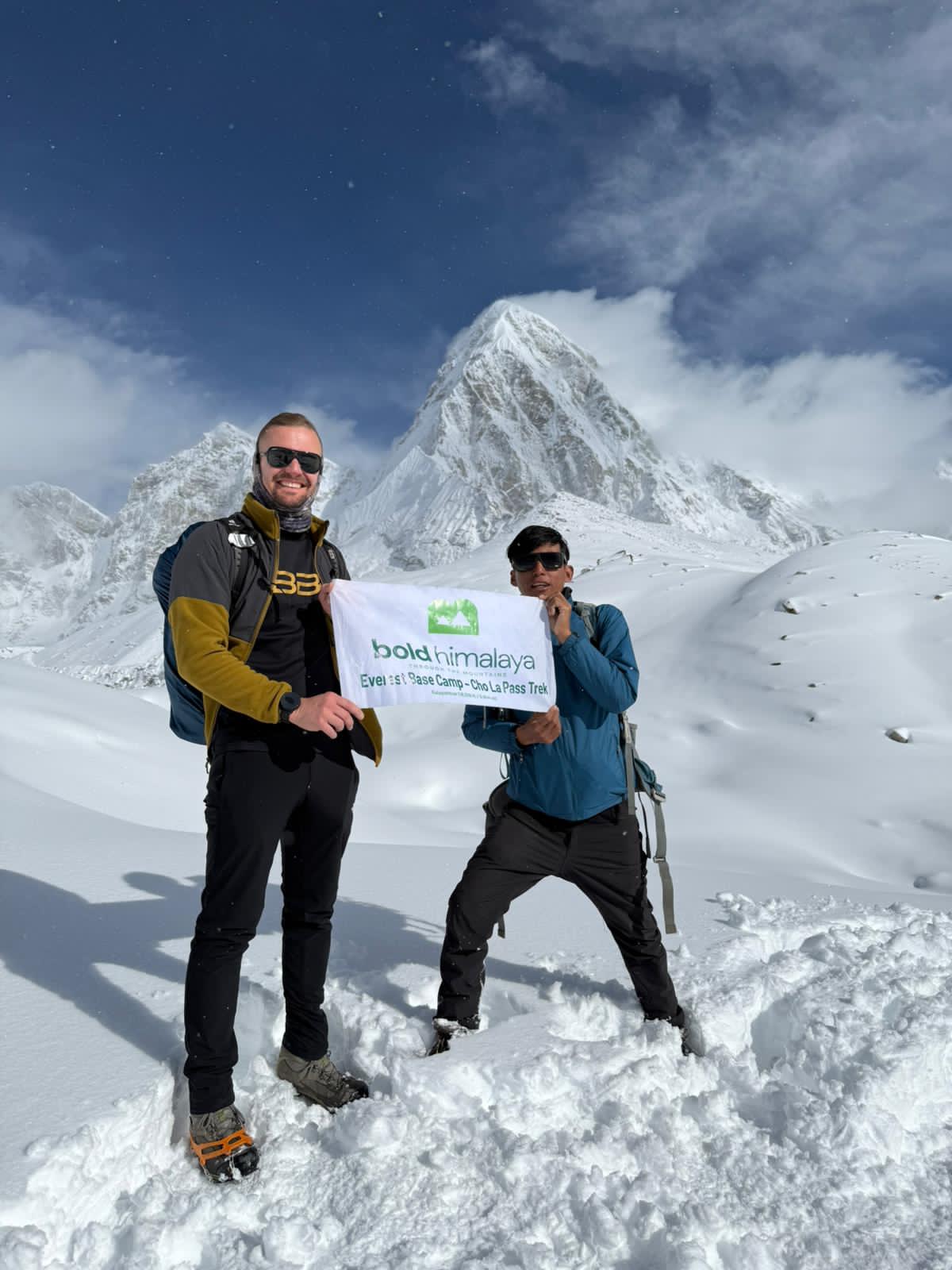
Gokyo Lakes Renjo La Pass Trek


Detailed Itinerary of Gokyo Lakes Renjo La Pass Trek
Your Journey, Step by Step
Day 2: Fly to Lukla (2,850m) & trek to Phakding (2,610m) | 30-min flight & 3 hour walk
3 star hotel
Breakfast | Lunch | Dinner
2,610 meters (8,563 feet)
Moderate
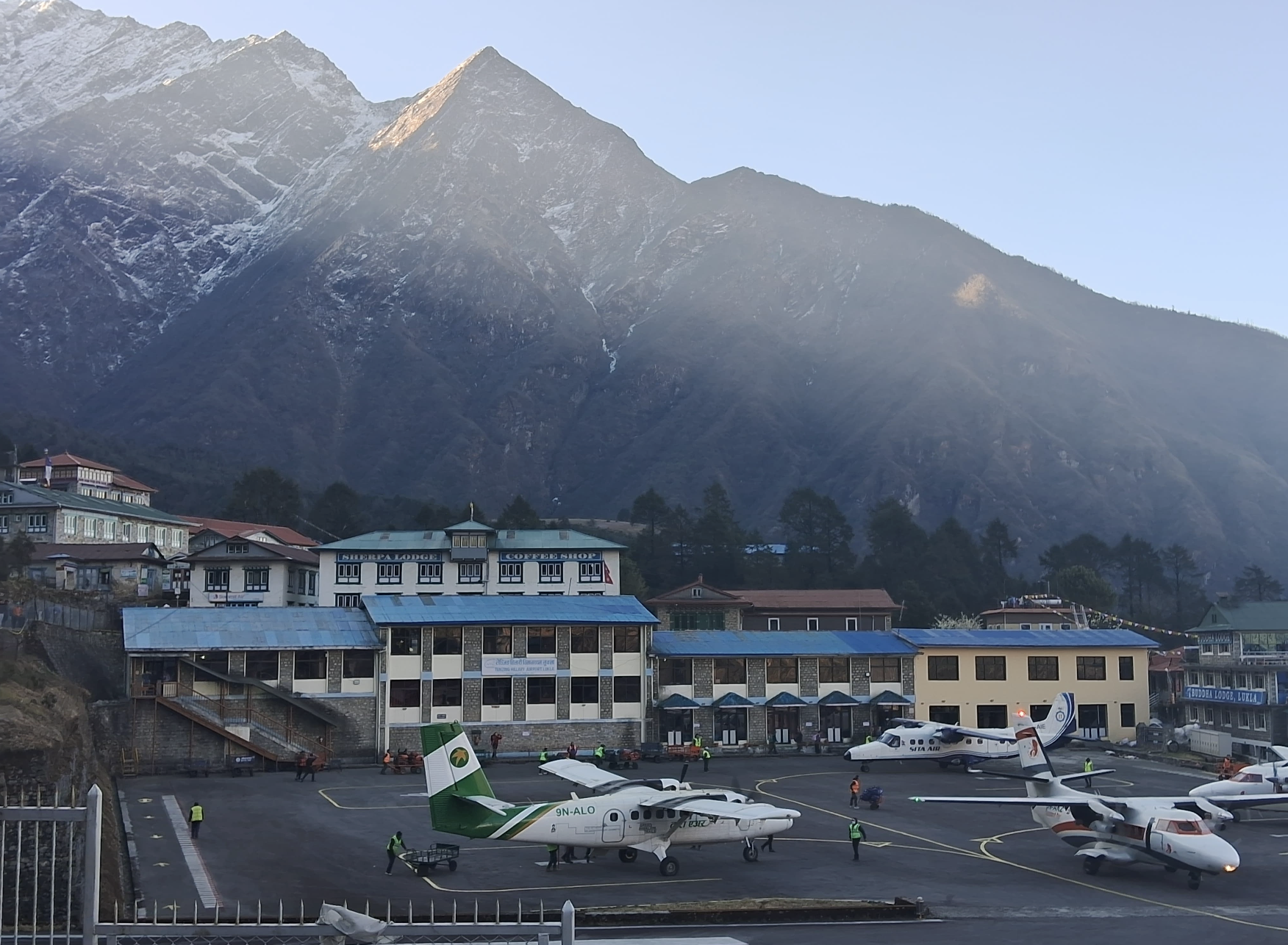
We will depart early morning and fly to the airport on a flight that will be an excellent 30-minute journey to Lukla – it’s really your gateway to Everest. Depending on where you sit on the plane, you could see the entire Himalayan range stretching out in front of you if you want the best views. Try to snag a seat on the left side of the plane! Just in case you don’t know, Lukla airport has the world’s shortest runway, so hold on to your seat for a little rollercoaster landing experience! Once we land, we’ll meet up with our trekking team and head out to Phakding on our trek.
The path takes us through some beautiful Sherpa villages like Cheplung and Ghat. You’ll see these incredible old prayer wheels, mani walls (they’re these Buddhist-inscribed rocks), and stupas. We’ll also walk over some pretty exciting suspension bridges over the Dudh Koshi River and walk through rhododendron and pine forests.
Keep your camera handy, you’ll get to take some great shots of Kusum Kanguru and Mount Khumbila (the Sherpas consider this one a holy mountain). It’s not so hard a walk to Phakding, where you’ll sleep in a riverside lodge in Phakding.
Day 3: Trek from Phakding to Namche Bazaar (3,440m) - (5-6 hours)
Teahouse or Lodge
Breakfast, Lunch, Dinner
5–6 hours
~8 km (5 miles)
Moderate
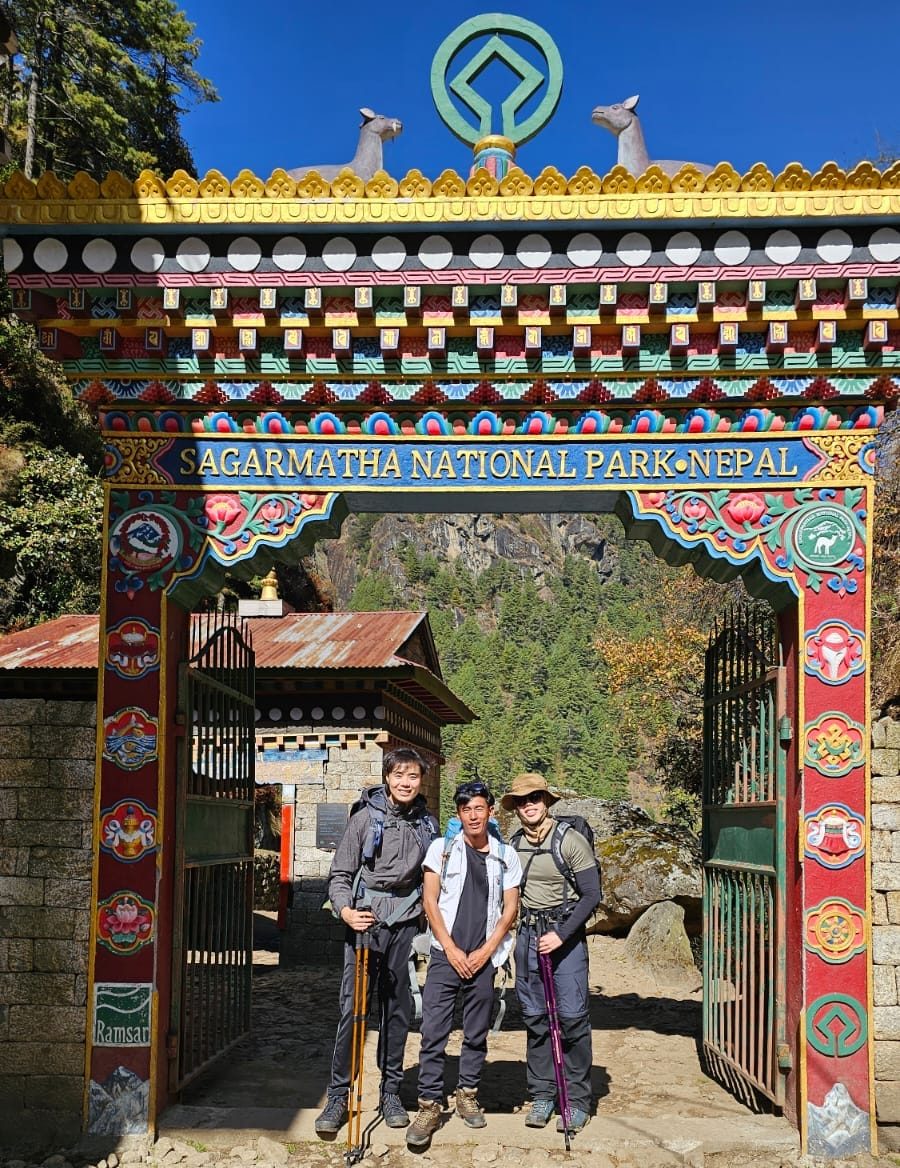
We’ll eat breakfast before we start on the trail along the Dudh Koshi River. The path goes through pine forests, and we’ll cross many suspension bridges, including the famous Hillary Bridge – the longest in the Everest region. We’ll go through pretty Sherpa villages like Benkar and Monjo. At Monjo, we’ll enter Sagarmatha National Park, where they’ll check our permits.
The path gets really steep from there as we make our way up to Namche. The highlight? It is here that we’ll catch our very first glimpse of Everest, pouring out behind the Lhotse-Nuptse ridge! The climb up to Namche is rather tough, but believe me, it’s all the hassle worth it! The town itself is wonderful – it’s in this natural basin between the mountains.
There are heaps of cafes, bakeries, and shops to meander around. We will overnight at a lodge in Namche Bazaar.
Day 4: Rest Day at Namche Bazaar
Teahouse or Lodge
Breakfast, Lunch, Dinner
5–6 hours
Moderate
On Day 4, you’ll take a much-needed rest day in Namche Bazaar (3,440m) to acclimatize to the high altitude and prepare for the more challenging sections of the trek ahead. Today, you have the option of a beautiful hike to the Everest View Hotel, which offers spectacular panoramic views of Mount Everest, Ama Dablam, and Lhotse, making it a photographer’s dream.
Along the way, you’ll pass through the charming Sherpa villages of Khumjung and Kunde, where you can visit Khumjung Monastery, home to a legendary “Yeti scalp,” and Kunde Hospital, established with the help of Sir Edmund Hillary to provide healthcare to the local community.
Back in Namche Bazaar, you can explore the lively town, stroll through local markets, enjoy a warm cup of tea at a café, or visit the Sherpa Culture Museum to learn about the heritage and traditions of the Sherpa people.
Staying in a cozy family-run teahouse, you’ll enjoy home-cooked meals, including breakfast, lunch, and dinner, while taking the day to rest, hydrate, and absorb the local culture—an essential part of acclimatization before continuing higher into the Himalayas.
Day 5: Trek from Namche Bazaar to Dole (4,030m)
Teahouse or Lodge
Breakfast | Lunch | Dinner
5–6 hours
Moderate
On Day 5, you continue your trek deeper into the Everest region by leaving Namche Bazaar, the Sherpa hub, and heading toward Dole (4,030m). The trail gradually climbs through rhododendron and pine forests, offering stunning views of snow-capped peaks like Thamserku (6,623m) and Kangtega (6,782m).
You’ll pass through small Sherpa villages and observe mani walls, prayer flags, and traditional stone houses, giving you a glimpse into the local lifestyle. The trail includes suspension bridges over streams, adding a bit of adventure along the way.
Dole is a peaceful hamlet, less crowded than Namche, and serves as a key stop for trekkers before continuing into the higher Gokyo Valley. The combination of natural scenery, quiet villages, and moderate trekking makes this an ideal day to gain altitude gradually and prepare for the more challenging sections ahead.
Day 6: Trek from Dole to Machhermo (4,470m)
Teahouses or Lodges
Breakfast, Lunch, Dinner
Moderate
4,470m (Machhermo)
5–6 hours
Today’s trek takes you higher into the stunning Gokyo Valley, leaving Dole behind as the trail gradually ascends through rolling alpine meadows dotted with grazing yaks and horses. As the forest thins, the landscape opens up to reveal panoramic views of surrounding snow-capped peaks, including Thamserku, Kangtega, and the magnificent Cho Oyu (8,188m), the sixth-highest mountain on Earth.
Along the way, you’ll pass through small summer settlements, where local herders live seasonally, offering an authentic glimpse of life in the high Himalayas. These villages are scattered with traditional stone houses, mani walls, and colorful prayer flags, giving the trek a spiritual and cultural touch.
The trail gradually winds along the banks of glacial streams, with rocky paths and high meadows creating perfect photo opportunities. As you approach Machhermo, the scenery becomes even more dramatic, with massive peaks towering above and the distant glaciers glinting in the sun. Machhermo is a small but charming village, famous in local legend for a Yeti sighting, adding a bit of mystical allure to your journey.
Here, you’ll stay in a cozy family-run lodge, where you can enjoy warm hospitality, home-cooked Nepali meals, and a restful night preparing for the next stage of the trek.
Day 7: Trek from Machhermo to Gokyo (4,750m)
Teahouse or Lodge
Breakfast, Lunch, Dinner
Moderate
4,750m (Gokyo)
5–6 hours
On Day 7, you’ll continue your journey along the stunning Gokyo Valley, trekking from Machhermo to Gokyo village at 4,750 meters. The trail gradually ascends through high-altitude meadows and moraine paths, offering a mix of alpine terrain, scattered rocks, and glacial streams. Along the way, you’ll see seasonal Sherpa settlements, where local herders live during the summer months, and traditional stone houses adorned with mani walls and prayer flags, giving a glimpse into the region’s rich culture.
The trek offers breathtaking views of towering Himalayan peaks, including Cho Oyu (8,188m), Everest (8,848m), Makalu (8,485m), Lhotse (8,516m), and Ama Dablam (6,812m). You’ll also catch sight of Ngozumpa Glacier, Nepal’s largest glacier, stretching below the massive peaks—a dramatic backdrop to this high-altitude trek.
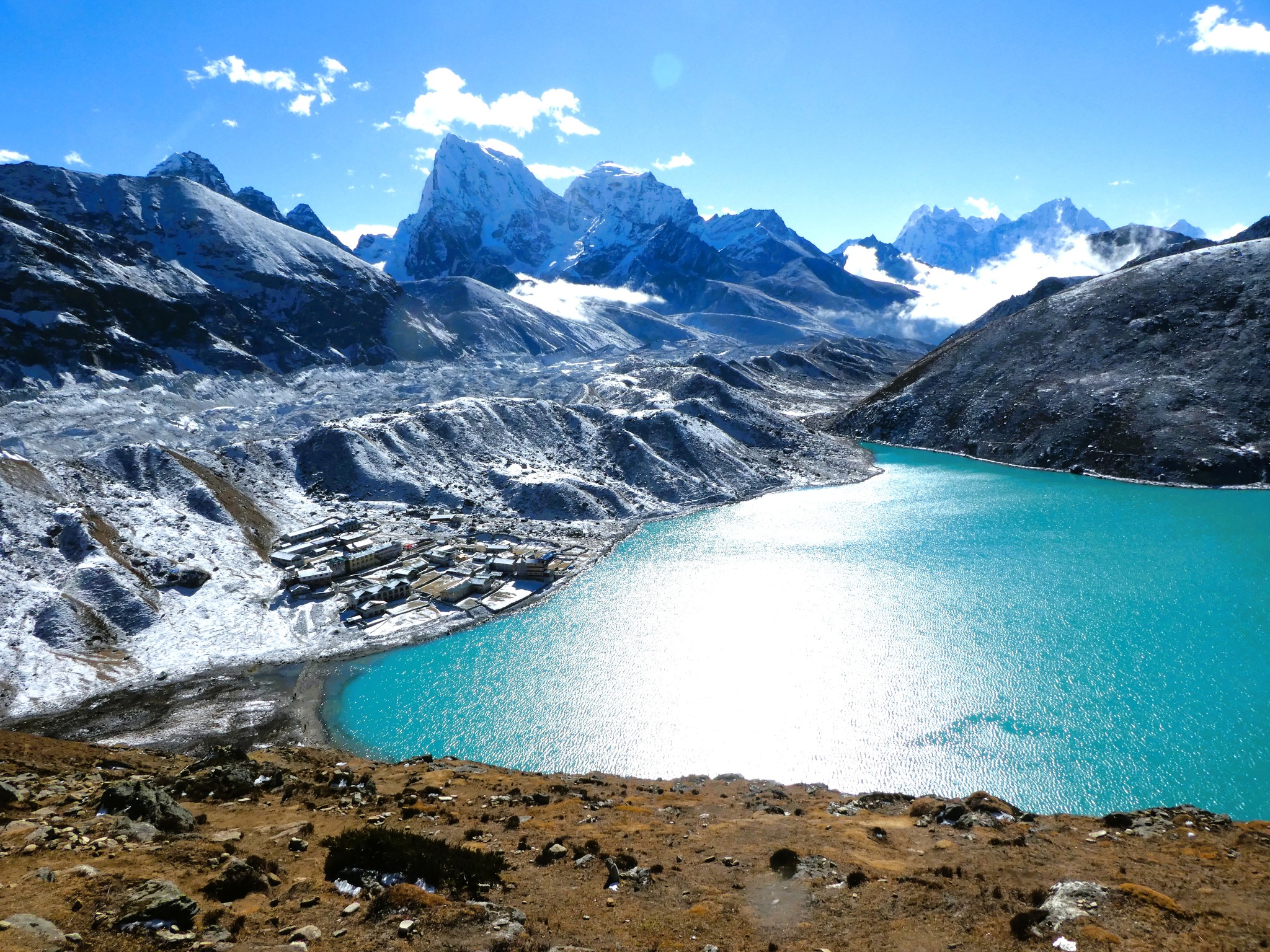
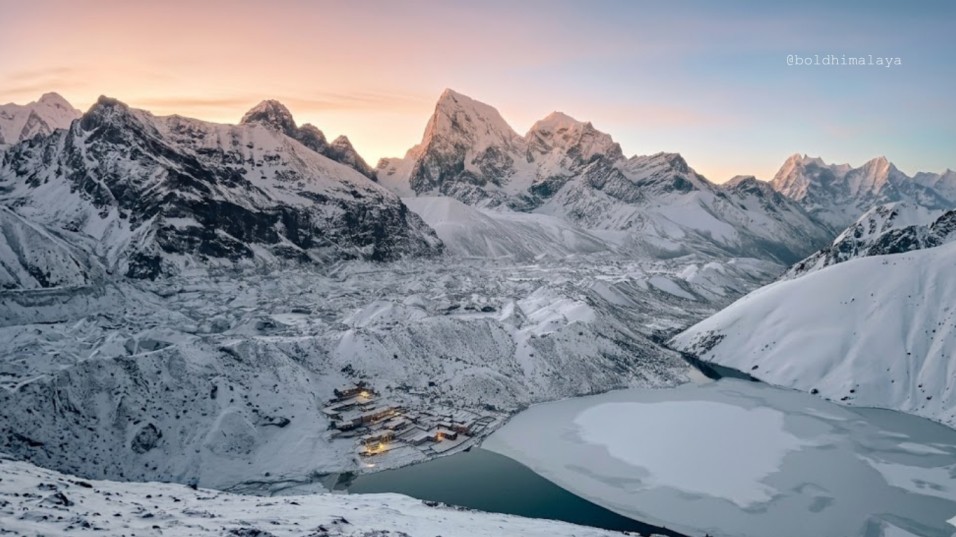
Upon arrival in Gokyo village, set beside the largest of the Gokyo Lakes, Dudh Pokhari, you’ll settle into a family-run teahouse for the night. The lakes are sacred to the Sherpa people, and the view of Cho Oyu reflected in the turquoise water is truly unforgettable. Today is a key day for acclimatization, allowing your body to adjust to the high altitude before climbing Gokyo Ri or tackling the Renjo La Pass in the coming days.
Day 8: Gokyo Ri Climb & Lakes Exploration
Teahouse or lodge
Breakfast, Lunch, Dinner
Strenuous
5,357m (Gokyo Ri)
6–7 hours
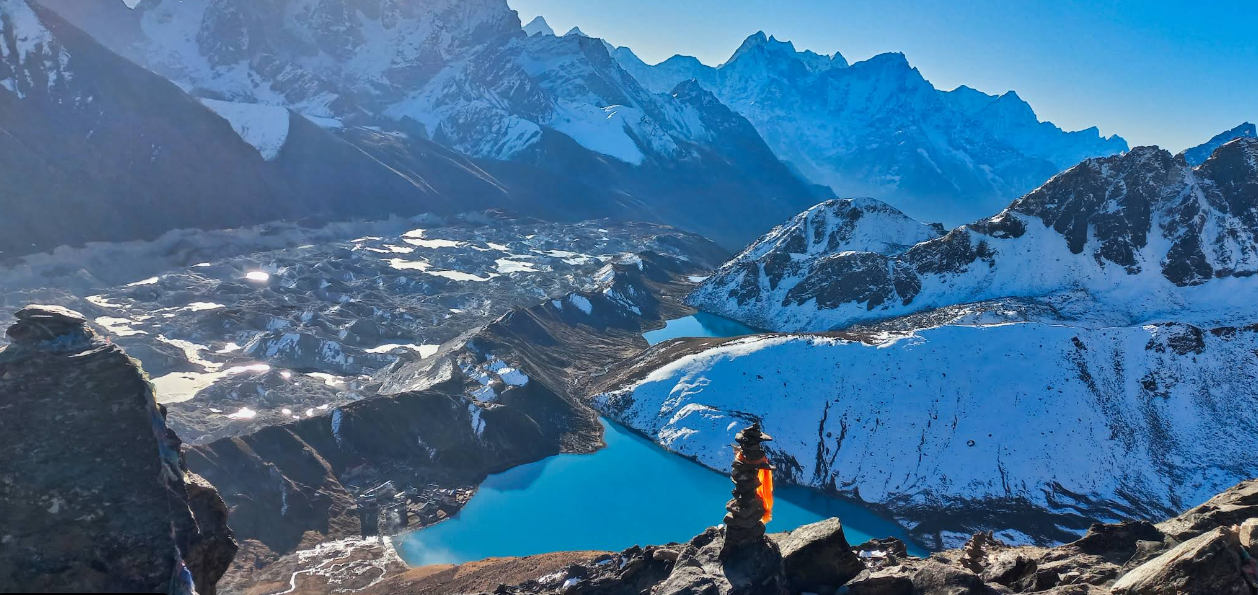
On Day 8, you’ll begin early with the climb to Gokyo Ri (5,357m), one of the most spectacular viewpoints in the Everest region. The ascent is gradual but steep in sections, rewarding trekkers with a 360-degree panorama of Himalayan giants, including Everest, Lhotse, Makalu, Cho Oyu, and Ama Dablam.
From the summit, you can also see the vast Ngozumpa Glacier, Nepal’s largest, stretching majestically below the peaks. After descending, the day continues with an exploration of the Gokyo Lakes, including Dudh Pokhari, the largest lake beside Gokyo village, Longpongo, a sacred lake revered by the local Sherpas, and Taboche Tsho, set slightly higher in the valley.
The lakes’ turquoise waters reflect the surrounding peaks, creating incredible photographic opportunities and a serene alpine atmosphere. Walking among these sacred lakes, you’ll also observe elements of Sherpa culture, such as prayer flags, mani walls, and seasonal herder settlements.
The day concludes with a return to Gokyo village, where you can rest at a cozy teahouse, enjoy a hearty Nepali meal, and reflect on the breathtaking natural and cultural beauty of this high-altitude adventure.
Day 9: Trek from Gokyo Valley to Lungden via Renjo La Pass (5,435m)
Teahouses
Breakfast | Lunch | Dinner
Strenuous
5,435m (Renjo La Pass)
7–9 hours
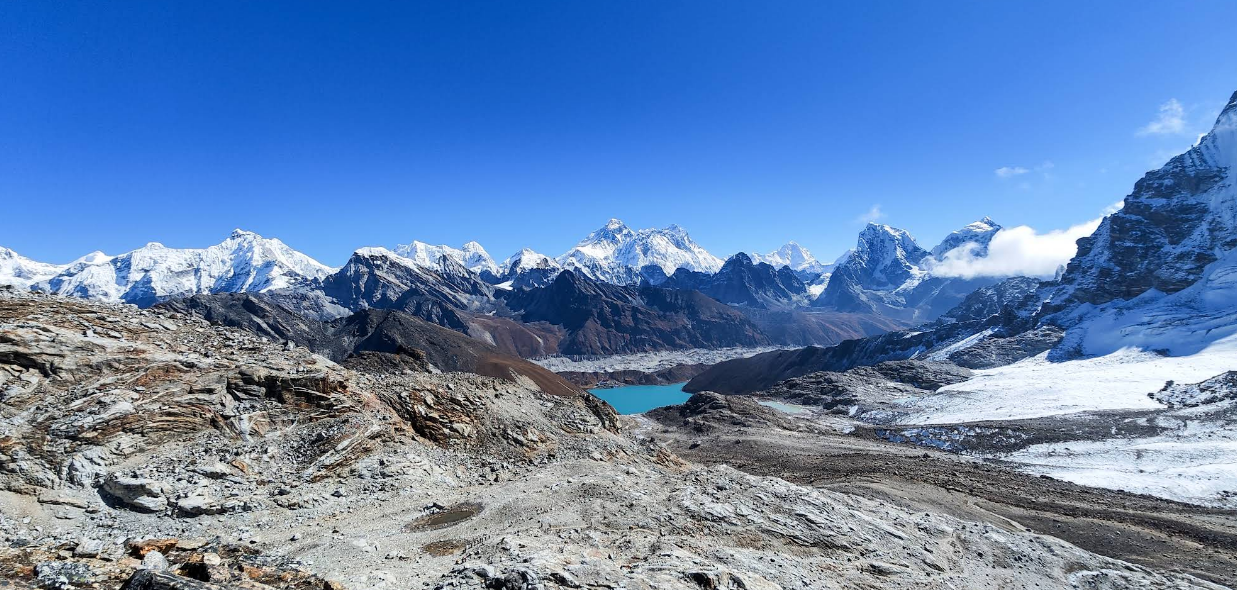
This day is one of the most spectacular and adventurous stages of the trek as you cross the majestic Renjo La Pass, a high Himalayan crossing that links the Gokyo Valley with the remote Lungden Valley. Starting from Gokyo village, the trail climbs steadily through rocky moraine paths, glacial terrain, and alpine landscapes, offering breathtaking views of the surrounding peaks. As you gain height, the scenery opens into wide Himalayan panoramas with towering views of Everest, Lhotse, Cho Oyu, Makalu, and Ama Dablam, while the turquoise waters of the Gokyo Lakes shimmer below.
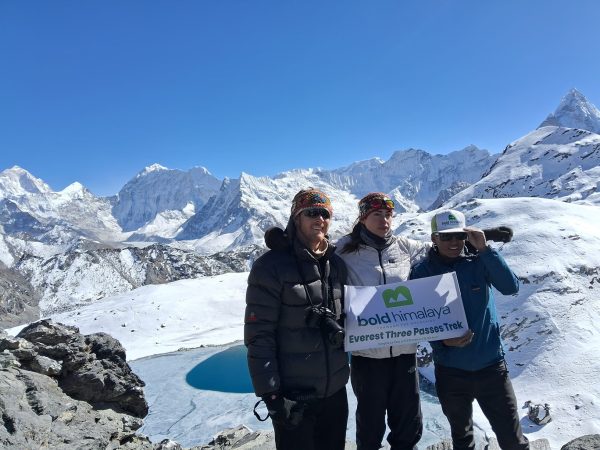
Reaching the summit of Renjo La (5,435m) is a powerful and rewarding moment. From the top, you are treated to two incredible panoramic vistas—one looking back over Gokyo Lake, Gokyo Village, and the glacier belt, and the other toward the Everest range. The vast Ngozumpa Glacier, Nepal’s largest glacier, stretches dramatically beneath the peaks, creating one of the most iconic views in the Everest region. Prayer flags flutter at the pass, adding a spiritual atmosphere to this high-altitude crossing.
After enjoying the summit views, the trail descends toward the remote village of Lungden, following a steep route with long stone steps and rocky sections. Along the way, you pass seasonal Sherpa settlements, mani walls, and prayer flags, offering a glimpse into the traditional mountain lifestyle and deep-rooted Sherpa culture. The descent is demanding but scenic, gradually leading into the peaceful valley where Lungden sits surrounded by rugged Himalayan landscapes.
This crossing is physically challenging but deeply rewarding, ideal for trekkers seeking a less crowded alternative to the Everest Base Camp route. With its combination of turquoise glacial lakes, massive glaciers, panoramic mountain views, and cultural richness, the trek from Gokyo Valley to Lungden via Renjo La Pass stands as one of the most memorable and beautiful days of the entire journey.
Day 10: Trek from Lungden to Thame
Teahouses
Breakfast | Lunch | Dinner
4–6 hours
Moderate
After breakfast in Lungden, the trek continues toward Thame along a mostly downhill trail, making for a relaxed and enjoyable walking day after the high pass crossing. The route follows the beautiful Bhote Koshi Valley, passing through wide alpine landscapes, yak pastures, mani walls, and prayer flags, with peaceful mountain scenery all around.
Thame is a charming and traditional Sherpa village, known for its calm atmosphere and deep spiritual heritage. Above the village sits the Thame Monastery (Thame Gompa), one of the oldest monasteries in the Khumbu region, beautifully positioned on a ridge overlooking the valley. Here, you can observe Buddhist rituals, learn about local religious traditions, and gain insight into the daily life and culture of the Sherpa people. The day ends with an overnight stay in a cozy teahouse in Thame, surrounded by serenity and mountain silence.
Day 11: Trek from Thame to Namche Bazaar
Teahouse
Breakfast, Lunch, Dinner
Moderate
5–6 hours
Today’s trek takes you downhill from Thame through the serene Bhote Koshi Valley, crossing bridges and passing through Samdo, where the views of snow-capped peaks and glacial landscapes are simply breathtaking. The trail continues to Thamo village and the historic Khari Gompa Monastery, offering a glimpse into the spiritual and cultural heritage of the Sherpa people.
Along the way, you cross a check post and encounter a unique sight, the world’s highest hydroelectric power station, a remarkable feat in the heart of the Himalayas. The trail then descends toward Namche Bazaar, now bustling with trekkers and vibrant market life, providing a chance to rest, shop, and explore. Overnight is spent in a teahouse in Namche, surrounded by stunning Himalayan vistas.
Day 12: Trek from Namche Bazaar to Lukla
Teahouse or lodge
Breakfast, Lunch, Dinner
Moderate
6–7 hours
The trek from Namche Bazaar to Lukla marks the final leg of the Gokyo Lakes via Renjo La Pass Trek and is a perfect conclusion to your high-altitude trekking adventure in Nepal. This mostly downhill route passes through Sagarmatha National Park, allowing trekkers to enjoy panoramic Himalayan vistas, alpine forests, and glacial streams along the way.
You’ll walk past traditional Sherpa villages, cross suspension bridges over the Dudh Koshi River, and witness authentic Sherpa culture, with glimpses of mani walls, prayer flags, and local mountain life. The descent offers a chance to reflect on the entire Gokyo Lakes Renjo La Trek, soaking in the stunning landscapes of the Everest Himalayas one last time.
Arriving in Lukla, the gateway to the Everest region, concludes your journey, leaving you with unforgettable memories of high-altitude trekking in Nepal, the serenity of the Gokyo Valley, and the thrill of crossing Renjo La Pass. This route is ideal for trekkers seeking a less crowded Everest region trek combined with spectacular mountain vistas, glacier views, and cultural immersion.
Day 13: Flight from Lukla to Kathmandu
3 star hotel
Breakfast | Dinner
We return to Kathmandu early morning by flight. The day is then free on return to the city. Feel like Shopping? Take the shopping-lined streets of Thamel. Want Culture? Head for the lovely durbar squares and temples. Or just relax – you deserve it! On the last night, there is a special farewell dinner to mark our incredible trek. You overnight in Kathmandu.
Day 14: Departure or Optional Tour
Breakfast
After breakfast, we drop you to the airport where you return back home by air. Also, we can arrange alternative tours if you want to stay back for a few more days. We can allow you to have Kathmandu’s culture tour, jungle stay for Chitwan, or just relax in Pokhara. Your tour can be further improvised.
Want to customize your trip?
We ensure every trip meets your expectations — customize your itinerary anytime to match your travel style and preferences.
Inclusions
What’s Covered in Your Adventure
- All airport pick up and departure and all ground transportation during trips.
- 2 Night three star category in twin sharing bed with breakfast basis and standard Guesthouse/ Trekking Lodge
- Domestic Flight according to itinerary Kathmandu- Lukla- Kathmandu including airport tax
- Full board meals (Breakfast Lunch, Dinner) with tea, coffee in trekking
- Some seasonal fruit items as the in trekking
- First aid medicine items
- Experienced, trekking guide & porters (for two guests one porter to carry baggage) including their salary, accommodation, meals, and their insurance.
- One special cultural show and farewell dinner program
- Sagarmatha National Park entrance fee, Pasang Lhamu Rular Municipality Entrance fee, TIMS
- Sleeping Bag, Down Jacket (If you Needed Return after Trekking)
- Duffle Bag, T-shirt, and Trip certificate
- Our service charge and government & local taxes
- Lunch & dinner in Kathmandu
- Desert & bar bills
- Your international air ticket & travel insurance
- Tips for the trekking crew members

Packing List for Goyko Renjo La Pass Trek
The following packing list will help you prepare for the Gokyo Lakes Renjo La Pass Trek. Bringing the essential gear ensures comfort, safety, and a smooth trekking experience. At the same time, avoid carrying unnecessary items to keep your load light on the trail.
Head, Eyes & Neck Protection
- Sunglasses with UV protectio
- Warm hat covering ears
- Neckwarmer / Buff
- Sunscreen (SPF 35–60)
- Headlamp with spare batteries
Clothing
- Long-sleeve t-shirts
- Thermal tops
- Wool jacket or pullover
- Waterproof and windproof shell jacket
- Warm trekking pants
- Windproof & waterproof trekking pants
Footwear
- Sturdy waterproof trekking boots
- Sandals
- 4–5 pairs of woolen socks
- Light shoes or sneakers
First Aid & Medicines
- Adhesive bandages
- Blister treatment cream
- Insect / anti-itch ointment
- Painkillers (Ibuprofen or equivalent)
- Diamox (125–250 mg for altitude sickness)
- Water purifying tablets
Good to Know
Things to Remember
Gokyo Lakes Renjo La Pass Trekking Cost
The price fluctuates according to a few factors – the way you’d like to approach the trek, where you stay, the number of days that you trek, if you go in group or do solo, need of porters, and what kind of hotels you will be staying in Kathmandu and along the way. Plus, you have got flights to and from Lukla, permits, food, and guide and porter fees to think about.
Overall, the whole experience will cost between $1100 to $1800 per person- all of which you will need!
Gokyo Lake Renjo La Pass Trek Distance
The Gokyo Lakes via Renjo La Pass Trek covers approximately 120 kilometers over 14 days.
While it may sound challenging, the itinerary is carefully designed with rest and acclimatization days, allowing you to fully enjoy the breathtaking Himalayan scenery, explore the turquoise Gokyo Lakes, and experience authentic Sherpa culture along the way.
This thoughtfully paced trek ensures both adventure and comfort, making it perfect for Himalayan adventure seekers and those looking for a less-crowded Everest trek alternative.
Best Time for Gokyo Lakes Renjo La Pass Trek
The best seasons for the Gokyo Lakes via Renjo La Pass Trek are:
Spring (March–May): Warm and sunny days with temperatures around 11°C–18°C, blooming red rhododendrons, and crystal-clear views of the Himalayan peaks. Ideal for photographers and nature lovers.
Autumn (September–November): Cooler temperatures (7°C–14°C) with perfect visibility of Everest, Lhotse, Makalu, and Cho Oyu. This is the most popular season for trekking due to stable weather and clear skies.
Winter (December–February): Trekking is possible for experienced adventurers who can handle colder conditions and occasional snow. Days are crisp, and the landscapes are serene, though some high passes may be challenging.
Tip: For a combination of pleasant weather, colorful scenery, and stunning mountain views, spring and autumn are highly recommended.
Renjo La Pass Trek Difficulty
The Gokyo Lakes via Renjo La Pass Trek is a moderate to challenging high-altitude trek in the Everest region, ideal for adventure seekers looking for a less crowded Everest trek alternative.
The trek reaches a maximum altitude of 5,435 meters (Renjo La Pass) and includes gradual ascents, rocky moraine trails, glacial landscapes, and alpine meadows, making fitness, proper acclimatization, and stamina essential.
This trek combines the thrill of high Himalayan passes with the serenity of the turquoise Gokyo Lakes, offering panoramic views of Everest, Lhotse, Makalu, and Cho Oyu.
The trail from Gokyo to Lungden via Renjo La is challenging but rewarding, with opportunities to experience Sherpa culture, visit ancient monasteries, and explore remote villages.
How do I book the Gokyo Lake Renjo La Pass Trek?
Feel free to contact our team of travel professionals through our website, email or phone. We’ll assist you every step of the way address any inquiries you might have and assist in selecting the itinerary that matches your preferences and timetable.
Altitude Sickness (Acute Mountain Sickness – AMS)
Altitude sickness is an important factor to consider during any high-altitude trekking in Nepal, especially on routes like the Gokyo Lakes via Renjo La Pass Trek, where elevations exceed 5,400 meters. As you gain altitude, oxygen levels decrease, and the body needs time to adapt. Common symptoms of Acute Mountain Sickness (AMS) include headache, dizziness, nausea, fatigue, shortness of breath, and loss of appetite.
Proper acclimatization on the Gokyo and Renjo La trekking route is essential for safety. This trek is carefully designed with rest and acclimatization days in key locations such as Namche Bazaar and Gokyo Valley, allowing your body to adjust naturally to the altitude. Our experienced trekking guides are trained in high-altitude safety, symptom recognition, and emergency response, ensuring a safe Himalayan adventure trek.
To reduce the risk of altitude sickness, trekkers are advised to:
Walk at a slow, steady pace
Stay well hydrated
Eat regularly and properly
Avoid alcohol and smoking at high altitude
Follow the guide’s acclimatization schedule
With proper planning, gradual ascent, and expert guidance, the Gokyo Lakes Renjo La Pass Trek can be completed safely and comfortably, making it an unforgettable Everest region high-altitude trekking experience.
Last-Minute Booking Policy – Gokyo Lakes & Renjo La Pass Trek
For last-minute bookings of the Gokyo Lakes via the Renjo La Pass Trek, a 100% advance payment of the total package cost is required. The trip will be confirmed only after full payment is received. Once confirmed, a Bold Himalaya representative will personally guide you through the entire booking process, including flights, permits, accommodation, and trek logistics.
Last-minute bookings can be challenging, especially during peak trekking seasons due to the limited availability of Lukla flights and teahouse accommodations. However, Bold Himalaya will manage everything for you, from securing permits and rooms to organizing guides and transport — ensuring a smooth and stress-free trekking experience.
For last-minute reservations, contact Bold Himalaya directly. Our team is ready to assist you and make your Himalayan adventure possible, even on short notice.
Trekking Permits for Gokyo Lakes via Renjo La Pass Trek
All necessary trekking permits for the Gokyo Lakes via Renjo La Pass Trek are fully managed by Bold Himalaya, ensuring a smooth and hassle-free trekking experience in the Everest (Khumbu) region of Nepal. You don’t need to worry about any paperwork — our team handles everything before your trek begins.
Required Permits Include:
Sagarmatha National Park Entry Permit – Mandatory for trekking inside the UNESCO World Heritage–listed Everest region
Khumbu Pasang Lhamu Rural Municipality Permit – Official local government trekking permit
TIMS Card (Trekkers’ Information Management System) – Trekker registration and safety monitoring permit
All permits are included in your Gokyo Lakes Renjo La Pass Trek package and are issued in advance to ensure full legal compliance and safety throughout your high-altitude trekking adventure in Nepal.
For any questions regarding permits or documentation, contact Bold Himalaya. Our team is always ready to assist you.
Gokyo Renjo La Pass Trek – Solo, Private & Group Options
The Gokyo Renjo La Pass Trek in Nepal is available as a solo trek, private trek, or group trekking package, offering flexible options for every type of traveler. This route is a perfect choice for a Himalayan adventure trek in Nepal and a less crowded Everest trek alternative.
Following the scenic Gokyo Lakes trekking route, the trail crosses the high-altitude Renjo La Pass (5,435m) and climbs to the iconic Gokyo Ri viewpoint, revealing breathtaking views of the turquoise Gokyo Lakes, Ngozumpa Glacier, and the sacred landscapes of the Sherpa culture trekking trail.
As part of the Sagarmatha National Park trekking region, this journey offers world-class mountain scenery, peaceful trails, and authentic cultural encounters—ideal for solo travelers, couples, families, and groups seeking an unforgettable Nepal trekking holiday.
Accommodation on Gokyo Renjo La Pass Trek
During the trek, you will stay in comfortable mountain lodges and teahouses, offering clean twin-sharing rooms with basic but cozy facilities.
At higher altitudes, rooms are simple, and shared toilets are common, while some lodges provide private washrooms. Carry a warm sleeping bag, as blankets may not be sufficient during cold Himalayan nights.
In Kathmandu, overnight stays are in tourist-standard or 3-star hotels, with optional luxury accommodations available on request for an additional charge.
This combination ensures comfort while keeping you close to the Gokyo Lakes trekking route and other highlights of your Himalayan adventure trek in Nepal.
Meals on Gokyo Renjo La Pass Trek
During the trek, full board meals, breakfast, lunch, and dinner are provided at all teahouses and lodges along the Gokyo Lakes trekking route. In villages like Phakding, Namche Bazaar, Tengboche, and Gokyo, you’ll find a wide variety of options, including Western dishes such as pizza, burgers, fish & chips, steak, pasta, freshly baked goods, and brewed coffee.
Traditional Nepali cuisine is also widely available, including dal bhat (rice and lentils – a trekking staple packed with nutrition), vegetables, curries, chapati, soup, porridge, eggs, toast, thukpa, momo, and thenduk. Dal bhat is highly recommended for its energy and nutritional value during high-altitude trekking.
In Kathmandu, breakfast is provided daily, along with a farewell dinner, while other meals can be enjoyed at local restaurants as per your preference. This ensures a combination of local flavors and familiar comfort food throughout your Himalayan adventure trek in Nepal.
Travel Insurance for Gokyo Lakes Renjo La Pass Trek
For remote high-altitude treks like the Gokyo Lakes and Renjo La Pass trek, having comprehensive travel insurance is essential. The Everest region has limited medical facilities, and in case of any emergency, air evacuation may be the only option.
Your insurance should cover medical treatment, emergency helicopter evacuation, and high-altitude trekking risks. Additional coverage can include baggage loss, trip cancellation, or flight delays, ensuring you are fully protected throughout your Himalayan adventure trek in Nepal.
Proper travel insurance gives peace of mind, letting you focus on the trek, Gokyo Ri climb, Renjo La Pass crossing, and exploring the turquoise Gokyo Lakes safely.
Physical Fitness Level for Gokyo Lakes Renjo La Pass Trek
The Gokyo Lakes and Renjo La Pass trek is a moderately strenuous high-altitude trek that requires a good level of physical fitness. Trekkers should be comfortable walking 5–7 hours per day on steep trails, rocky paths, and glacial moraine terrain.
Prior cardio training, hill walking, and endurance exercises are highly recommended to prepare for altitude challenges, the Gokyo Ri climb (5,357m), and crossing Renjo La Pass (5,435m).
Even if you’re a beginner, with proper acclimatization, guided support, and a moderate pace, this less-crowded Everest region trek is achievable and incredibly rewarding.
Gokyo Lakes Renjo La Pass Trek Route (Anti-Clockwise)
Our Gokyo Lakes Renjo La Pass Trek follows a classic anti-clockwise route, starting from Lukla and taking you through the scenic Phakding, Namche Bazaar, Dole, Machhermo, and into the stunning Gokyo Valley.
From Gokyo, trekkers ascend Gokyo Ri for breathtaking 360° views and then cross the challenging Renjo La Pass (5,435 m), descending into the remote Lungden Valley before continuing through Thame and back to Namche Bazaar, finally ending in Lukla.
This anti-clockwise route is carefully planned to allow gradual acclimatization and offers the best Himalayan panoramas, pristine lakes, and authentic Sherpa cultural experiences.
If you prefer a clockwise route, don’t worry, Bold Himalaya can arrange it for you and manage all logistics, ensuring a safe and unforgettable journey through this less-crowded Everest region trek.
FAQs
Your Questions, Answered
Can I Do This as a Beginner?
Sure thing! Just be fairly fit and we’ll take care of the rest. Some hiking practice before you arrive won’t go amiss though!
Tell Me About Renjo Pass!
Renjo La Pass is a high Himalayan pass at 5,435m in the Everest region, connecting Gokyo Valley to the remote Lungden area. It offers spectacular 360° views of Everest, Lhotse, Makalu, Cho Oyu, the Gokyo Lakes, and the Ngozumpa Glacier. The trek is moderately strenuous, requiring good acclimatization, and is best done in autumn (Sept–Nov) or spring (Mar–May) for clear weather.
How many days does the Gokyo Lakes via Renjo La Pass Trek take?
The trek typically takes 14 days, including flights to and from Lukla, acclimatization days, and trekking through the Gokyo Valley, Gokyo Ri, and Renjo La Pass. This duration ensures a safe and enjoyable high-altitude trekking experience in the Everest region.
Where does the Gokyo Lakes via Renjo La Pass Trek begin and end?
The trek starts and finishes in Lukla (2,860m). Lukla is reached via a thrilling 30–40 minute flight from Kathmandu, offering spectacular views of the Himalayan mountains along the way. From here, the trek continues through the Gokyo Valley, Renjo La Pass, and surrounding Everest region villages, returning to Lukla for your flight back.
What about the food and places to sleep on the Gokyo Lakes via Renjo La Pass Trek?
Trekkers stay in cozy teahouses and lodges along the trail, run by friendly local families. Meals are simple, hearty, and delicious, with Nepali staples like dal bhat, noodles, soups, and momo to keep you energized at high altitude. Breakfast, lunch, and dinner are usually included during the trek.
Do I need fancy gear for the Gokyo Lakes via Renjo La Pass Trek?
No fancy gear is required, but you should have good hiking boots, warm layers, a waterproof jacket, and a sturdy water bottle. Most essential trekking gear can also be purchased or rented in Kathmandu at reasonable prices, so there’s no need to overpack from home.
Will altitude be a problem on the Gokyo Lakes via Renjo La Pass Trek?
Altitude is carefully managed on this trek. Acclimatization days are included at key points like Namche Bazaar and Gokyo, and our experienced guides are trained to recognize and manage signs of altitude sickness. The pace is gradual, ensuring a safe and comfortable high-altitude trekking experience in the Everest region.
Can I customize my trek?
Yes! You can add Cho La Pass, Everest Base Camp 12-day trek, or other routes if you want a longer adventure.
Is this trek crowded?
No way! It’s one of the best parts of it. Where the EBC trail is crowded, this route is pretty quiet. You’ll have more interaction with locals and generally have those stunning views all to yourself!
How difficult is the Gokyo Lakes via Renjo La Pass Trek?
The trek is classified as hard due to high altitudes (up to 5,435m), long trekking days, and steep passes like Renjo La. Good fitness and prior acclimatization in places like Namche and Gokyo are important for success.
What is the best time to trek Gokyo Renjo La Pass Trek Nepal?
The best seasons are autumn (September–November) and spring (March–May), when skies are clear, the weather is stable, and mountain visibility is excellent.
How does Gokyo Lakes Renjo La Trek compare to Everest Base Camp Trek?
The Gokyo Lakes via Renjo La Pass Trek offers more tranquility, higher passes, turquoise lakes, and similar Himalayan panoramas, while the Everest Base Camp trek has a more direct route to Everest without the high pass challenge.
Are acclimatization days included?
Yes. Acclimatization stops in Namche Bazaar, and Gokyo are built into the itinerary to reduce the risk of altitude sickness.
What permits are required for the trek?
Trekkers must carry:
Sagarmatha National Park Entry Permit
Khumbu Pasang Lhamu Rural Municipality Permit
TIMS Card (Trekkers’ Information Management System)
These can be arranged in Kathmandu or through a trekking agency before starting.
Do I need a guide and porter?
A government‑licensed guide is required for trekking in Nepal’s Everest region. A porter is optional but recommended if you want to carry less weight and conserve energy
Is the trek safe in terms of weather and trail conditions?
The weather in the Everest region can change quickly, especially at higher altitudes. Clear weather during spring and autumn offers the best visibility and safer conditions. Trails can be snowy or muddy outside these seasons, so proper gear (e.g., microspikes in snow) and planning are important.
What makes this trek special compared to the Everest Base Camp route?
The Gokyo Lakes via Renjo La Pass Trek provides a less crowded alternative with spectacular turquoise lakes, high passes, Himalayan panoramas, and cultural richness. It also offers unique views of the Ngozumpa Glacier and multiple 8,000 m peaks.
Is there an age limit for the Gokyo Renjo La Pass Trek?
There is no official government age limit set for the Gokyo Lakes via Renjo La Pass Trek in Nepal. Trekkers of many ages have completed this route, from young children (as young as around 7–10 years old) to older adults in their 60s and beyond.
How is the drinking water in the trails to Gokyo Renjola pass?
Drinking water on the Gokyo Lakes via the Renjo La Pass Trek is not safe directly from rivers, streams, or taps in lodges without treatment. Most natural water sources may contain bacteria, viruses, or parasites. Trekkers should boil water, use purification tablets, or portable filters/UV purifiers to make it safe.
Bottled water is available in some villages, but it is expensive and adds plastic waste. It’s recommended to drink 3–4 liters per day to stay hydrated and support acclimatization. Always refill early in the day and avoid untreated ice.
Are there toilet facilities at the teahouses?
Yes, most teahouses on the Gokyo Lakes via Renjo La Pass Trek have basic toilet facilities, usually squat or Western-style, often shared among guests. Toilets may require a small fee (around 50–200 NPR), and water for flushing can be limited at higher altitudes.
What about showers during the trek?
Hot showers are rare and usually not available at higher elevations like Machhermo, Gokyo, or Renjo La Pass. In larger villages like Namche Bazaar or Lukla, some lodges offer hot showers for a small charge.
At high-altitude teahouses, you can often use cold water buckets for a quick refresh. Trekkers typically rely on wet wipes, sponge baths, or microfiber towels for personal hygiene during the trek.
Do I need insurance for the Gokyo Renjo La Pass Trek?
Yes, trekking insurance covering high-altitude hiking, medical emergencies, and evacuation is highly recommended.
How long do I need to walk per day during my trek to Gokyo Renjola Pass?
Most days involve 5–7 hours of trekking, depending on the altitude and terrain, with some longer days for Gokyo Ri or Renjo La Pass.
What is the luggage limit for porter and flight to Lukla?
For the trek, porters can carry 20–25 kg of 2-person trekking gear. The Lukla flight has a strict limit of 10–15 kg per passenger, including hand luggage, due to the small aircraft size. It’s recommended to pack light and keep essentials in your daypack.
Do I need to tip my porter and guide?
Yes, tipping is customary in Nepal. Recommended amounts: $5–10 per day for a porter and $10–15 per day for a guide, depending on service and group size.
Will I be able to charge my batteries during the Gokyo Renjo La Pass Trek?
Yes, most teahouses in larger villages like Namche, Machhermo, Gokyo, and Lungden have charging facilities for a small fee (100–500 NPR). At higher-altitude passes, charging may be limited or unavailable, so bring power banks for backup.
Accommodation
During the Gokyo Lakes via Renjo La Pass Trek, you will stay in 3-star hotels in Kathmandu before and after your trek. Along the trekking route, accommodation is in family-run lodges and traditional mountain teahouses, offering warm hospitality and a comfortable place to rest after long days on the trail.
In Namche Bazaar, a popular Sherpa town, you’ll find higher-quality teahouses with attached bathrooms, as it caters to more tourists. At higher elevations, such as Machhermo, Gokyo, and along Renjo La Pass, lodges are simpler, providing basic rooms with essential facilities.
Despite their simplicity, these teahouses offer hearty meals, cozy sleeping arrangements, and a true glimpse of Sherpa culture, making your high-altitude adventure safe, comfortable, and authentic.
Meals During the Gokyo Lakes Renjo La Pass Trek
During your Gokyo Lakes via Renjo La Pass trekking adventure, you will enjoy full-board meals (breakfast, lunch, and dinner) at carefully selected teahouses and lodges along the route. The meals are fresh, wholesome, and high-altitude friendly, providing the energy needed for trekking in the Everest region.
Breakfast: Nutritious options such as porridge, eggs, pancakes, toast, noodles, or the traditional Nepali dal bhat to start your day with energy.
Lunch: Light yet filling meals including sandwiches, soups, noodles, or rice-based dishes, perfect for maintaining stamina during the trek.
Dinner: Hot and hearty meals featuring a mix of Nepali cuisine and continental dishes like vegetable curries, soups, pasta, and dal bhat, ideal for recovery after a long trekking day.
Snacks and beverages like tea, coffee, hot chocolate, biscuits, and instant noodles are widely available for purchase. For hydration, drinking water should be purified or boiled, and most teahouses offer filtered water for a small fee.
Transportation for Gokyo Lakes via Renjo La Pass Trek
For your Gokyo Lakes Renjo La Pass trekking adventure, all transportation is carefully arranged for comfort and convenience. A private vehicle is provided for sightseeing in Kathmandu, as well as airport transfers to and from your hotel, ensuring a seamless start and finish to your Everest region trek.
During the trek itself, you will not need public buses or local transportation, allowing you to fully immerse yourself in the high-altitude trekking experience. The only flights included are the scenic domestic flights from Kathmandu to Lukla and back, which offer stunning aerial views of the Himalayas, marking the gateway to your Everest region adventure.
This arrangement ensures safety, reliability, and maximum comfort while you focus on trekking, exploring Gokyo Valley, crossing Renjo La Pass (5,435m), and enjoying panoramic views of Everest, Lhotse, Makalu, and Cho Oyu.
View OurSimilar Packages
Discover our top tours, loved by thousands of travelers annually. Choose the adventure that inspires you and embark on a journey tailored to your desires.
View All Packages
Save 13%

Everest Base Camp Trek 14 days
 Nepal Tour Packages
  14.0 Days

Save 11%
Everest Base Camp Helicopter Tour
Nepal Tour Packages
1.0 Days
Save 26%
Gokyo Lake Trek
Nepal Tour Packages
13.0 Days

Save 34%
Everest Base Camp Trek with Gokyo Cho La Pass
Nepal Tour Packages
16.0 Days


