

Lower Mustang Mountain Biking Tour


Itinerary
Your Journey, Step by Step
Day 2: Pokhara to Jomsom via flight and Bike to Kagbeni
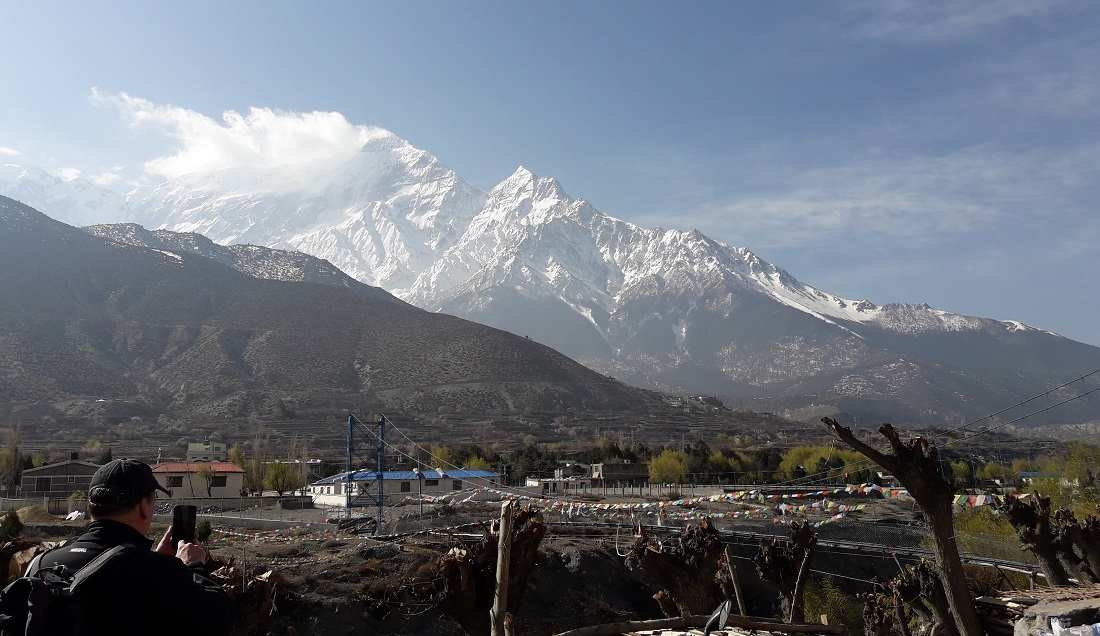
After enjoying an early breakfast you will be swiftly transported to the Pokhara airport for a mesmerizing 20-minute morning flight, to Jomsom. Alternatively you have the option of taking an 8 hour jeep ride to Kagbeni. During the flight you’ll be treated to breathtaking views as you soar above the Pokhara valley and delve into the heart of the Himalayas. As for the ride be prepared for a shift from a sealed road to a slightly bumpy jeep track, which will give you a taste of what its like to traverse through the Himalayas. Brace yourself for your authentic glimpse of the majestic Himalayan mountain ranges, including mesmerizing sights such, as Dhaulagiri and Annapurna.
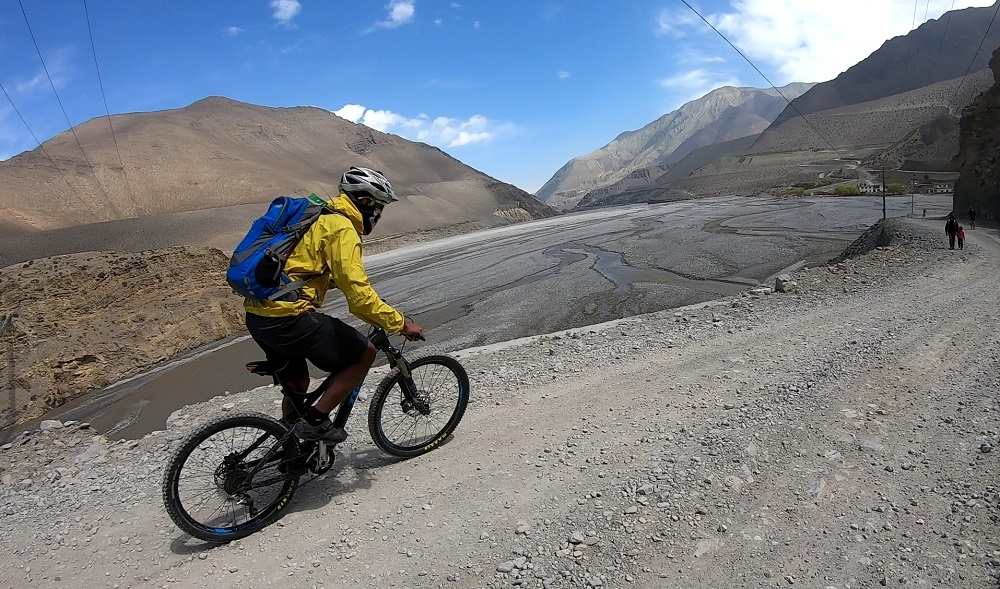
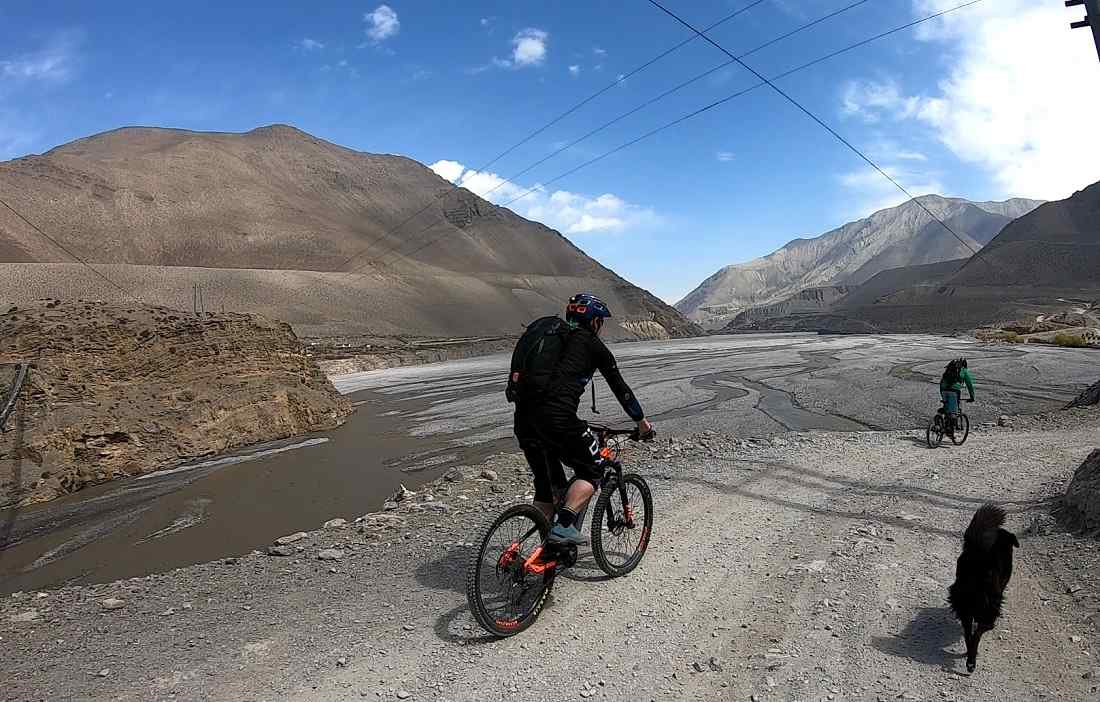
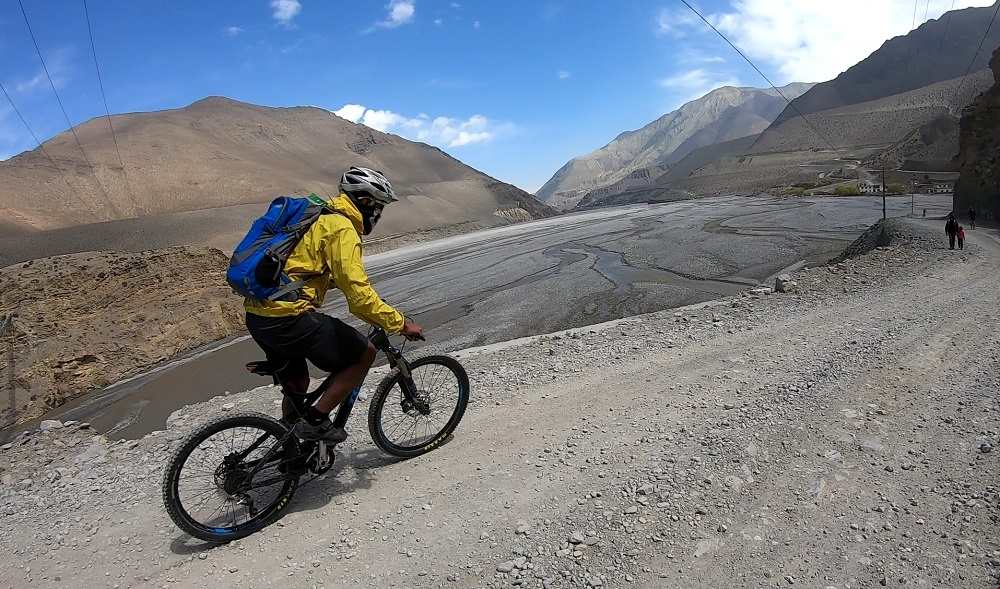
Please keep in mind that the flights are subject, to weather conditions and there may be delays or cancellations, at short notice. Once you arrive in Jomsom you’ll have some time to prepare and enjoy a drink before embarking on the ride. The ride itself will cover a 14 kilometers of flat terrain giving your body a chance to adjust to the higher altitude. You’ll spend the night in the village of Kagbeni.
Day 3: Kagbeni to Muktinath
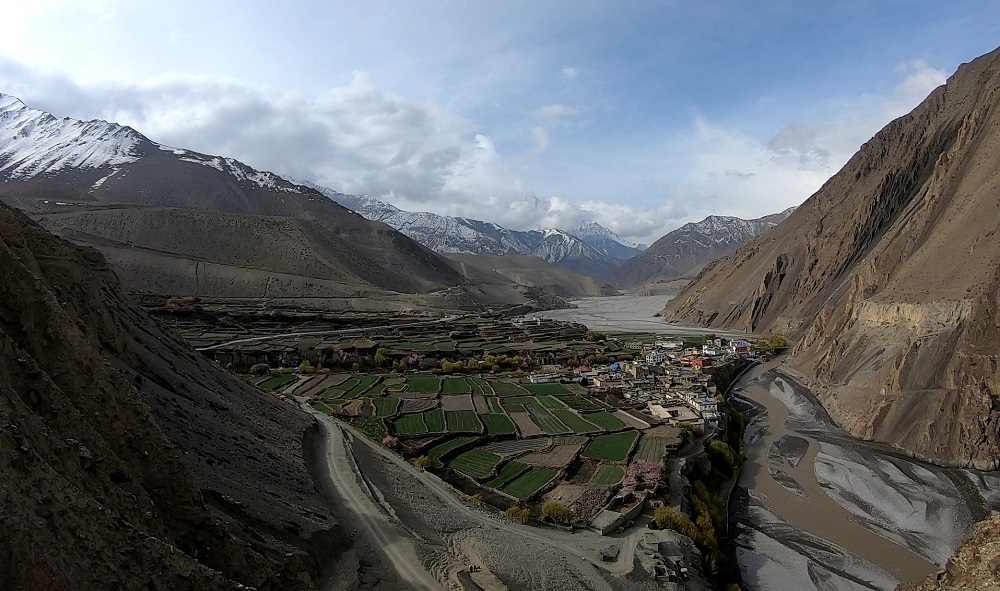
Once you go from Kagbeni, you will travel to Muktinath. The trail continues via the settlement of Jhong, climbing the north face of the gorge and following a jeep track that leads to the magnificent Thorong La Pass. After taking a minute to gather your breath and see the monastery in Jhong, have lunch outside in the warm weather while taking in the stunning views of the surrounding mountains.
Our journey’s last section will be somewhat brief. We should get in Muktinath by midday. Get ready to be in awe of Muktinath’s splendor—the temple at Dolamebar Nunnery is encircled by 108 charming water waterfalls and an entrancing perpetual flame.
Day 4: Muktinath to Marpha
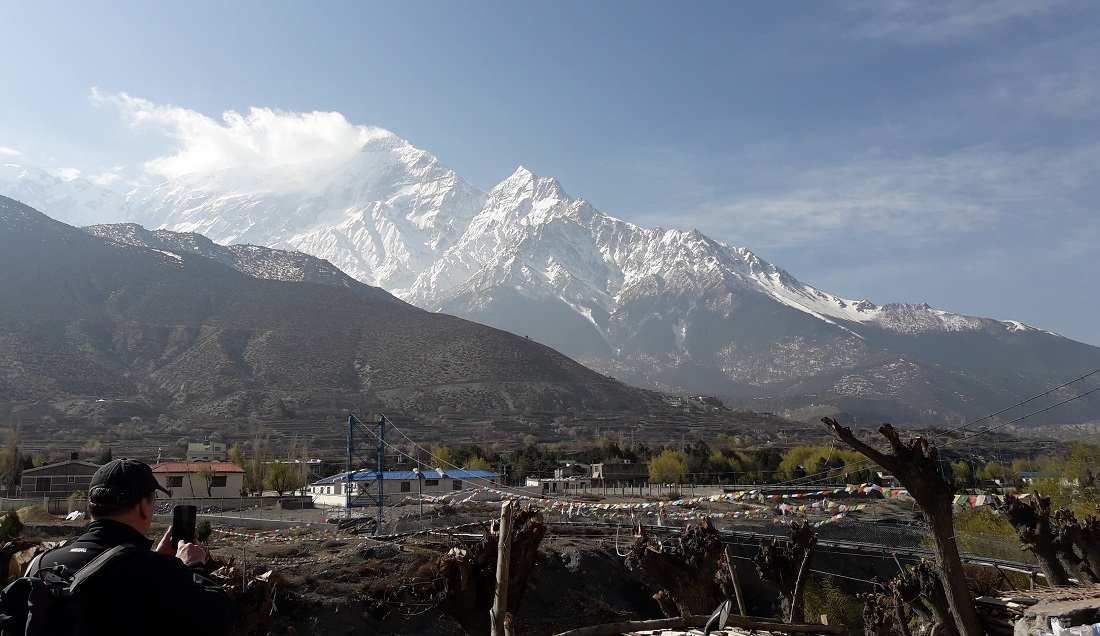
Due to the heavy winds in the valley that begin to kick up in the early afternoon, an early breakfast and start will be required. They can make the ride a little more difficult. The ride will begin with 5-10 minutes of flowy single track. Then a 400-meter ascent to the Lubra pass. We’ll stop here since the view from the top of the pass (4100m) is breathtaking, and it’s a terrific opportunity to take photos. You will enjoy amazing vistas of the Dhaulagiri and Annapurna mountains.
Once you reach the summit of the pass you’ll embark on a descent spanning 1300 meters until you arrive at the river valley. From there you’ll traverse a stretch of 6 kilometers that will lead you to Jomsom.
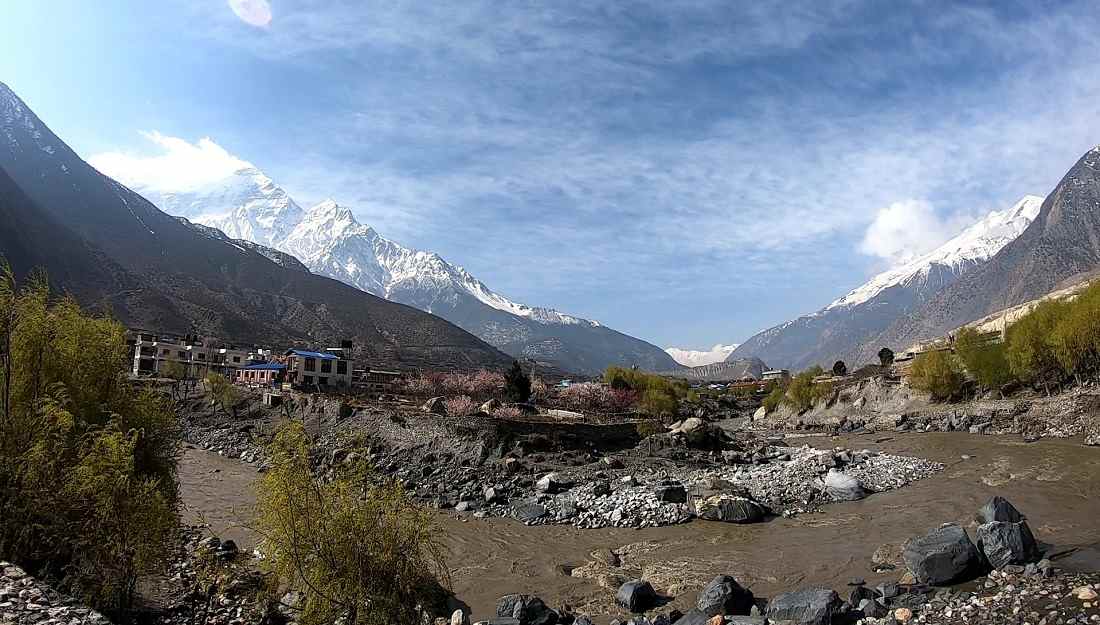
After enjoying your lunch break the rest of your journey will become more picturesque as it takes you through apple orchards, quaint villages, charming suspension bridges and, alongside a lake. It typically takes around 1 1.5 hours to reach Marpha. Marpha is renowned as the apple haven of the Himalayas. Is particularly famous, for its apple pies, refreshing apple cider, mouthwatering apple crumble and diverse assortment of apples. Make sure to savor some fruit in the evening and take some time to explore both the village and its magnificent monastery.
Day 5: Marpha to Tatopani
The journey, from Marpha to Tatopani mostly goes downhill. We’ll start our ride after breakfast. It will mostly be a descent of around 1900m with one climb of 300m. The trail begins gently and smoothly passing through pine forests and small villages where you can enjoy the scenic views of snow capped peaks on clear days. During lunchtime we’ll stop at Rukse Chaahara, where you can marvel at the waterfalls.
Once lunch is over we’ll continue our ride with a thrilling stretch that takes us down 1000 meters on a bumpy jeep track until we finally reach Tatopani. Tatopani is a village with cobblestone streets renowned for its invigorating springs. Soaking in these springs will provide a deserved relaxation, for your tired muscles.
Day 6: Tatopani to Beni to Pokhara
Today marks the end of our guided ride. We’ll be traversing tracks that’re mostly flat but expect a few undulating sections to remind us of the Himalayan terrain. Our final destination is Beni, where our guides will load up the bikes and we’ll make our way back, to Pokhara by jeep for a deserved rest.
For those who prefer an option instead of taking the bumpy jeep ride you have the opportunity to bike all the way from Tatopani, to Pokhara. This alternative route would add a 77km to your journey.
Day 7: Pokhara to Kathmandu
After having breakfast you have the option to either take a half hour plane journey or an 8-hour bus ride back, to Kathmandu. Once you’re back in Kathmandu you’ll have some time in the afternoon to do some shopping for trinkets or explore the temples and interesting places in the city. If you’re interested, in extending your stay and experiencing some activities please let us know when you make your booking so we can arrange for days in Pokhara.
Want to customize your trip?
We ensure every trip meets your expectations — customize your itinerary anytime to match your travel style and preferences.
Good to Know
Your Journey, Step by Step
Difficulty Level of Lower Mustang Mountain Biking Trail
The mountain biking adventure, in Lower Mustang, offers a moderate level of difficulty depending on factors. The trail encompasses a range of landscapes from flat valleys to steep climbs and technical descents in the mountains. To tackle the journey successfully bikers need to acclimate themselves to the changes in altitude especially when reaching points like Muktinath (3,800m / 12,467ft). The trail conditions vary well; some parts are well maintained while others are more rugged requiring bikers to possess handling and navigation skills. Experienced off-road and mountain bikers will find this journey exhilarating while beginners may encounter challenges. Building endurance and ensuring gear is crucial for coping with fluctuating weather conditions during this thrilling yet demanding biking expedition through the Lower Mustang.
That being said it’s worth noting that mountain biking in Lower Mustang is generally easier compared to Upper Mustang. Lower Mustang offers accessibility without the need for permits or strict regulations making it simpler to plan and execute your biking adventure. Additionally, the terrain, in Lower Mustang presents varying challenges. Doesn’t have the high-altitude desert conditions found in Upper Mustang.
Altitude Acclimatization Tips:
- Make sure you stay hydrated by drinking plenty of fluids, and water. It’s best to avoid alcohol and caffeine as they can cause dehydration.
- Choose meals that are easy to digest and have a good amount of carbohydrates but low, in fats.
- When you’re ascending to altitudes take your time to allow your body to adjust. It’s important to include acclimatization days in your itinerary, where you spend time at altitudes.
- During the day try to go up to higher altitudes. When it comes time for sleep descend to lower altitudes. This approach helps with acclimatization.
- Consider carrying altitude sickness medication like Acetazolamide (Diamox) as a measure.
- Pay attention to symptoms associated with altitude sickness such, as headaches, nausea, dizziness, and fatigue. If you experience any of these symptoms make sure to inform your guide
- Don’t forget to layer up with clothing since temperatures can drop significantly at altitudes, especially during nighttime.
Physical Preparation:
Physical preparation is essential, for the Lower Mustang Mountain Biking Tour considering the terrain and high altitude. Here’s a breakdown of what you need to focus on;
- To improve your fitness engage in exercises such, as cycling, running, swimming, or hiking. Choose activities that raise your heart rate and boost stamina.
- Focus, on building up the strength of your body to endure periods of biking. Include exercises such as squats, lunges, leg presses, and core workouts to enhance stability and stamina.
- Give priority to practicing mountain biking across terrains. Train on areas, rough trails, and challenging surfaces to replicate the conditions you’ll face during your expedition.
- Incorporate stretching routines, yoga sessions, or Pilates exercises to enhance flexibility and prevent muscle fatigue or injuries during rides.
- Maintain a balanced diet that includes carbohydrates, proteins, and healthy fats to provide fuel for your workouts.
Essential Gear:
When embarking on a mountain biking adventure, in Lower Mustang it is important to have the equipment to ensure safety, comfort, and optimal performance. Here is a rundown of the gear needed;
- A top-notch mountain bike that can withstand the challenges posed by terrains and diverse surfaces.
- Helmet and Safety Equipment
- Use knee pads, elbow pads, and gloves.
- Backpack or Hydration Pack;
- Carry tools like Allen keys, chain tools, tire levers, and a mini pump.
- Don’t forget tubes, patch kits, and a tire repair kit.
Clothing;
- Choose moisture-breathable cycling jerseys as well as shorts or pants.
- Invest in cycling shoes that offer pedal grip.
- Layer your clothing to adapt to temperature changes
- A waterproof jacket.
Cultural Sensitivity to keep in mind:
- It’s important to show respect, for the customs, traditions, and dress codes of the community.
- Always ask for permission before taking photos of people or any sacred sites you may encounter.
- It is recommended to engage with locals in a manner to learn some greetings in the local language and be open, to cultural exchanges.
Travel Insurance:
Insurance is extremely important, for the Lower Mustang Mountain Biking Tour. It provides protection in challenging terrains. This expedition requires coverage for emergencies particularly altitude-related illnesses since immediate medical care may not always be readily available. It’s also essential to have insurance that covers evacuation expenses in case a helicopter evacuation is needed, as these can be quite costly in some areas. Gear coverage is necessary to safeguard against theft or damage to biking equipment while trip cancellation coverage ensures reimbursement for refundable expenses if unexpected circumstances arise. Given the nature of mountain biking, at altitudes, it’s important to have adventure activity coverage as well. Insurance gives riders a sense of security allowing them to fully enjoy their adventures without concerns, about financial difficulties, during emergencies or accidents.
Important Riding techniques
Uphill Climbing:
Maintain a steady pace and rhythm to conserve energy.
Use lower gears and distribute your weight evenly to maintain traction.
Shift your body weight forward to prevent the front wheel from lifting on steeper ascents.
Downhill Descents:
Keep your body loose and flexible to absorb shocks and bumps.
Shift your weight to the back of the bike for stability and to prevent going over the handlebars.
Use both brakes, but modulate them to avoid skidding. The front brake provides more stopping power but requires caution to prevent flipping.
When you are crossing obstacles, like rocks or small pits lift yourself off the seat to absorb impacts.
Body Posture:
To absorb shocks it is important to keep a position, with bent elbows and knees.
Always keep your head up. Look ahead to anticipate any changes, in the trail.
Make sure to adjust your body position depending on the terrain in order to maintain stability throughout the ride.
Learning exercises:
To improve your skills it’s important to practice these techniques, in various environments.
Consider participating in skills clinics or joining group rides where you can learn from other riders.

Reviews
What Our Travelers Say


Based on 0 ratings
View OurSimilar Packages
Discover our top tours, loved by thousands of travelers annually. Choose the adventure that inspires you and embark on a journey tailored to your desires.
View All Packages

Premium Nepal & Bhutan Luxury Tour | 11-Day Himalaya Adventure
 Multi-country
  11 Days Days
Save 33%
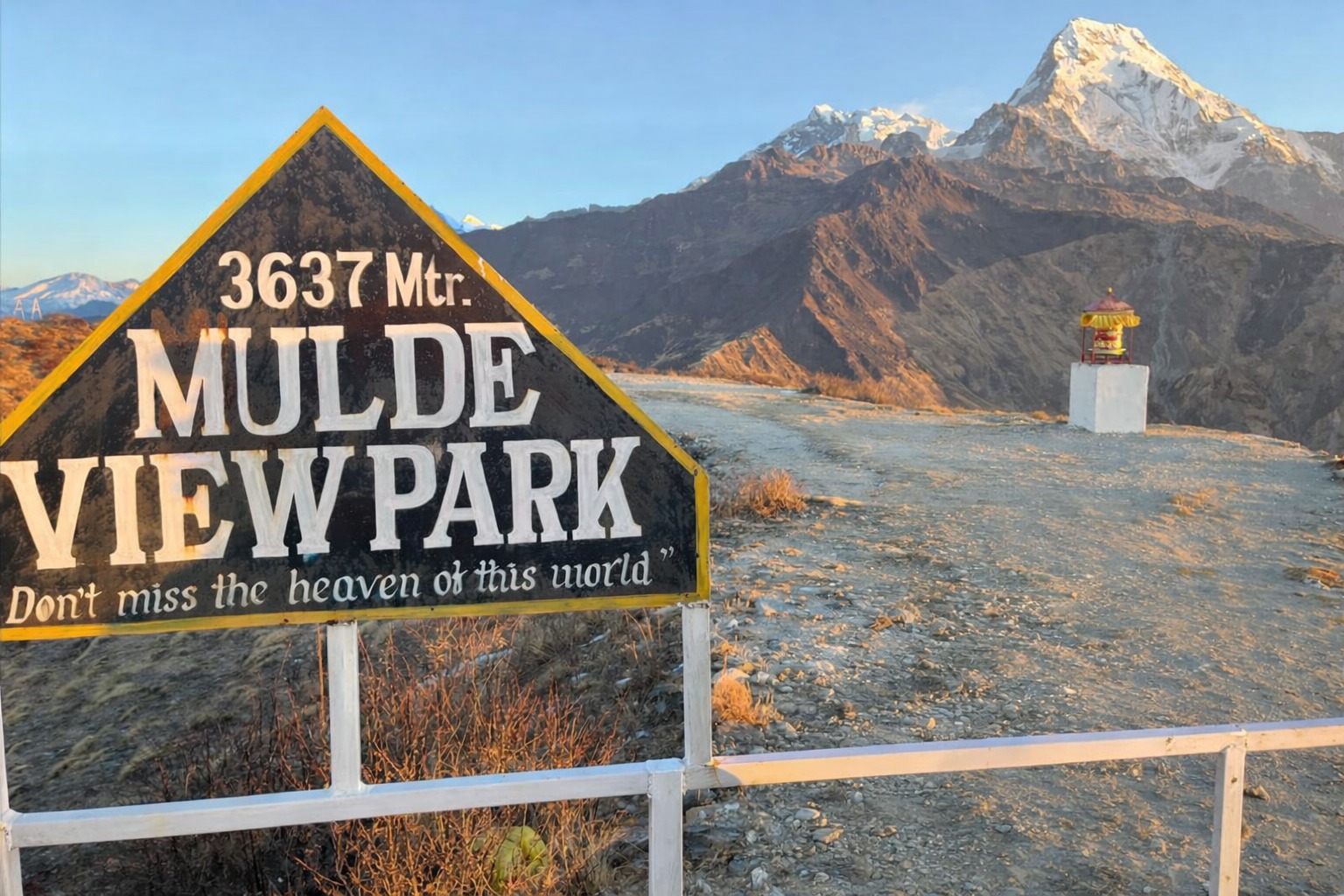
Mulde View Point Trek with Poon Hill – Four Days of Annapurna
Nepal Tour Packages
4 Days
Save 32%
Mardi Himal Base Camp 5 Days Trek
Nepal Tour Packages
5 Days
Save 32%
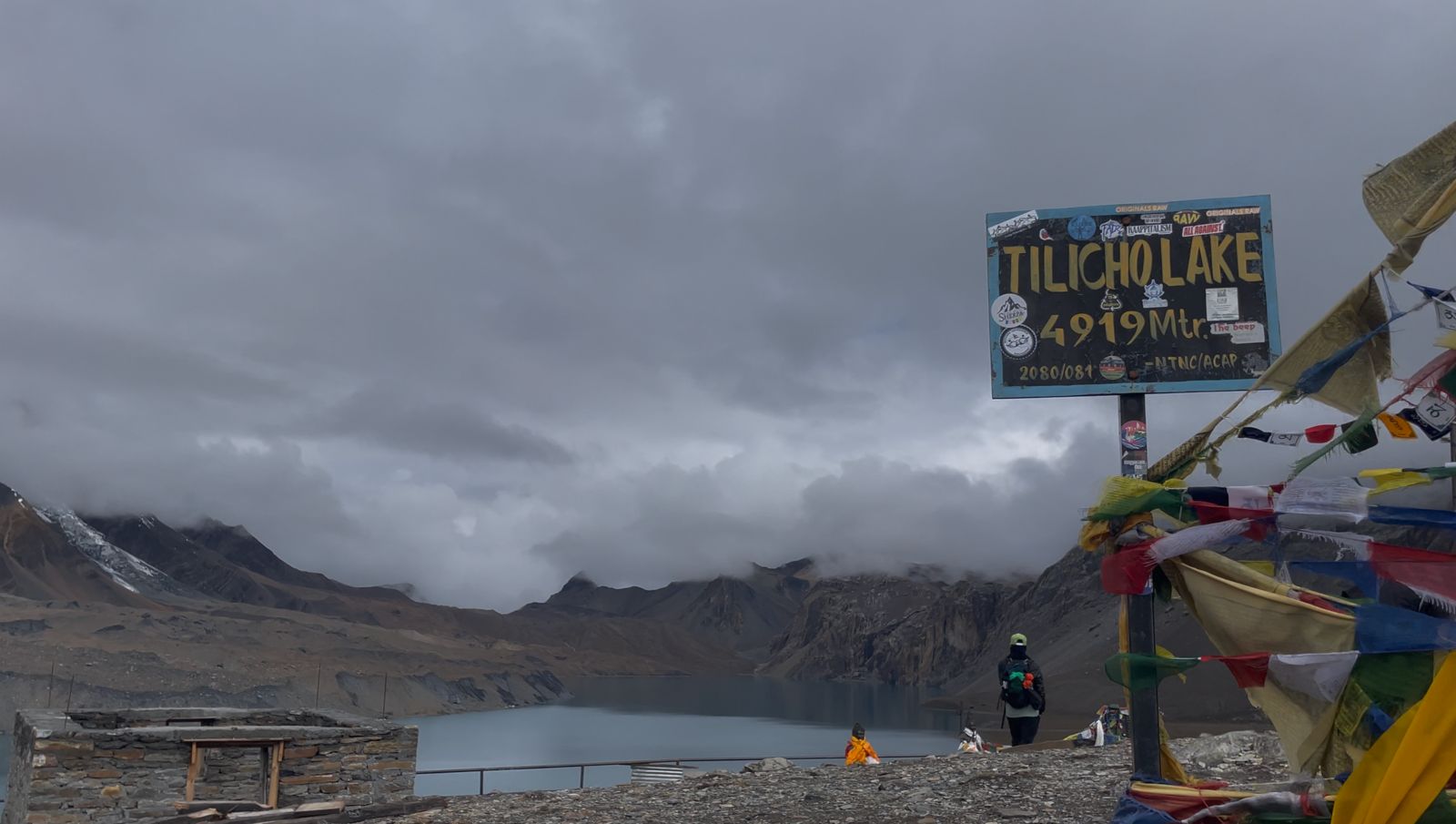
Annapurna Circuit Trek with Tilicho Lake
Nepal Tour Packages
13 Days
Save 28%
Nar Phu Valley Trek – 11-Day Remote Himalayan Adventure
Nepal Tour Packages
11 Days