
Pikey Peak Mountain Biking


Itinerary
Your Journey, Step by Step
Day 2: Jhapre to Pikey Base Camp
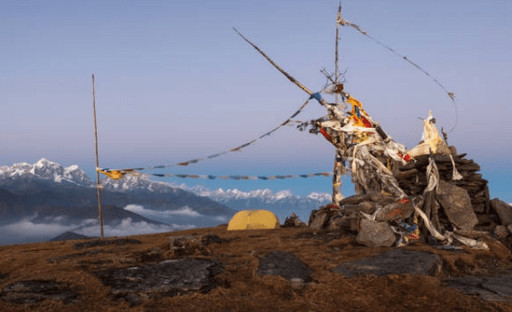
Today’s biking adventure takes you closer to the majestic Pikey Peak. Cycling through verdant landscapes and Sherpa villages, the trail gradually gains elevation. You’ll be treated to breathtaking views of the Himalayas along the way. Arriving at Pikey Base Camp, nestled amidst stunning surroundings, marks a significant achievement. Settle into the accommodations and prepare for the thrilling ascent to the peak the next day.
Day 3: Pikey Base Camp to Pikey Peak Summit and downhill ride to Phalpu
We will start early in the morning to make our way up, to the summit of Pikey Peak hoping to witness the sunrise over the Himalayas. The views from this point are absolutely unmatched. Will leave a lasting impression. After taking in the beauty we will descend to the base camp before continuing our biking expedition towards Junbesi. Along the way, we will ride through landscapes. Experience firsthand the rich cultural heritage of this region. Eventually, we will arrive at Junbesi, where our journey continues through trails that pass by monasteries, charming villages, and stunning natural scenery. This route provides insights, into Sherpa life allowing us to interact with locals and fully immerse ourselves in their culture. Our next stop is Phaplu, which serves as the district headquarters of Solukhumbu. Here we can take some time to rest and recharge before embarking on the part of our adventure.
Day 4: Phaplu to Salleri and Return to Kathmandu
Continue your biking adventure by pedaling from Phaplu to Salleri. This part of the journey offers views and opportunities to interact with the community. Once you reach Salleri, a drive will take you back, to Kathmandu. In the evening enjoy celebrating the completion of your mountain biking tour and reflecting on the experiences amidst the majestic Himalayas.
Want to customize your trip?
We ensure every trip meets your expectations — customize your itinerary anytime to match your travel style and preferences.
Good to Know
Your Journey, Step by Step
Topography of Pikey Peak Trail
The mountain biking trail known as Pikey Peak offers a variety of terrain with changes, in altitude as riders make their way through landscapes in the Solukhumbu region of Nepal.
When cyclists head towards Dhap and Jhapre they will encounter sections of the trail that involve climbs and descents across terraced fields and rolling hillsides at elevations ranging from approximately 1,500 to 2,000 meters (4,900 to 6,500 feet).
However, as riders continue towards Pikey Base Camp the elevation gain becomes more challenging. The journey includes climbs, rocky paths and forested trails that lead up to Pikey Base Camp located at an altitude of around 3,500 meters (11,500 feet). This substantial increase in elevation demands endurance and acclimatization, for bikers.
The significant change, in altitude takes place when you ascend from Pikey Base Camp to reach the summit of Pikey Peak, which sits at 4,065 meters (13,300 feet). This part of the journey can be quite challenging as it involves a climb on uneven terrain. However, reaching the top of Pikey Peak rewards you with a view.
As you descend from Pikey Peak towards Junbesi and continue along the trail you will encounter varying altitudes. The path consists of both descents and flat sections interspersed with climbs. Throughout this section, you will pass through elevations ranging from 3,000 to 2,000 meters (9,800 to 6,500 feet) giving you the opportunity to experience landscapes such as forests, meadows, and Sherpa villages.
Moving forward towards Phaplu and Salleri the altitude gradually decreases as cyclists navigate through terrains. Along this route expect altitudes ranging from 2,000 to 1,800 meters (6.500 to 5.900 feet). The terrain offers stretches along with climbs and relatively flat sections as riders make their way back, towards lower elevations.
Fitness level requirements
Pikey Peak Mountain Biking is an adventure that requires a moderate level of fitness. While you don’t need riding skills to reach the peak point at 4,065 meters it does demand a respectable physical condition. The journey offers a balance, between achievements and thrilling challenges leaving you with a tremendous sense of accomplishment
Essential advice for the riders
Altitude Acclimatization:
- Stay Hydrated;
Make sure you drink plenty of fluids, and water to keep yourself hydrated. Avoid alcohol and caffeine as they can dehydrate you.
- Eat Healthy;
Opt for light and easily digestible meals that are rich in carbohydrates but low in fats.
- Gradual Ascent;
Take your time when ascending to altitudes to allow your body to adapt. It’s important to include acclimatization days, at altitudes in your itinerary.
- Climb High, Sleep Low;
During the day ascend to altitudes; however, for sleeping purposes descend to altitudes. This strategy aids in acclimatization.
- Rest and Recover;
Take it during the initial days at higher altitudes. Give your body the chance to rest and recover.
- Consider Altitude Medication;
It may be worth carrying altitude sickness medication like Acetazolamide (Diamox) as a measure. However, always consult a healthcare professional before taking any medication and be aware of side effects.
- Monitor Symptoms;
Be mindful of symptoms associated with altitude sickness, such as headaches, nausea, dizziness, and fatigue. If you experience any of these symptoms inform your guide away.
- Stay Warm;
Layer up, with clothing to keep warm since temperatures can significantly drop at altitudes— during nighttime.
Appropriate Gear:
When embarking on a mountain biking adventure, it is important to have the equipment to ensure safety, comfort, and optimal performance. Here is a rundown of the gear needed;
- Mountain Bike;
It is advisable to select a top-notch mountain bike that can withstand the challenges posed by terrains and diverse surfaces encountered along the trail.
- Helmet and Safety Equipment;
Make sure to wear a fitted helmet that is certified for mountain biking.
For added safety, in case of falls or accidents consider using knee pads, elbow pads, and gloves.
Opt for cycling gloves that have padding to provide a grip and protection.
- Appropriate Clothing;
Choose moisture-breathable cycling jerseys, as well as shorts or pants for comfortable rides, especially on long trips.
Invest in cycling shoes that offer pedal grip.
Layer your clothing to adapt to temperature changes; don’t forget a waterproof jacket.
- Backpack or Hydration Pack;
Bring along a backpack or hydration pack during your rides. These will allow you to carry essentials such as water, snacks, tools, spare parts, and personal items.
- Tools for Repairs and Maintenance;
Carry tools like tool sets specifically designed for bike repairs; may include Allen keys, chain tools, tire levers, and a mini pump.
Don’t forget tubes, patch kits, and a tire repair kit for fixes if needed.
- Aid Kit;
It’s always wise to have first aid supplies with you such, as adhesive bandages, antiseptic wipes, pain relievers, and any necessary personal medications.
- Bicycle Accessories;
Get top-notch bike lights for visibility when riding in low-light conditions or tunnels.
Secure your bike with a lock to keep it safe during stops.
- Sun Protection;
Shield your eyes from the sun and flying debris by wearing sunglasses, with UV protection.
Don’t forget to apply SPF sunscreen and lip balm to prevent sunburn.
Important Riding techniques
- Uphill Climbing:
Maintain a steady pace and rhythm to conserve energy.
Use lower gears and distribute your weight evenly to maintain traction.
Shift your body weight forward to prevent the front wheel from lifting on steeper ascents.
- Downhill Descents:
Keep your body loose and flexible to absorb shocks and bumps.
Shift your weight to the back of the bike for stability and to prevent going over the handlebars.
Use both brakes, but modulate them to avoid skidding. The front brake provides more stopping power but requires caution to prevent flipping.
When you are crossing obstacles, like rocks or small pits lift yourself off the seat to absorb impacts.
- Body Posture:
To absorb shocks it is important to keep a position, with bent elbows and knees.
Always keep your head up. Look ahead to anticipate any changes, in the trail.
Make sure to adjust your body position depending on the terrain in order to maintain stability throughout the ride.
- Learning exercises:
To improve your skills it’s important to practice these techniques, in various environments.
Consider participating in skills clinics or joining group rides where you can learn from other riders.
FAQs
Your Questions, Answered
What degree of fitness is needed to ride the Pikey Peak bike trail?
It is expected that participants have some level of fitness and mountain bike expertise. The trail requires endurance and bike abilities due to its varied terrain and altitude variations.
When is the ideal time to embark on the Pikey Peak mountain biking tour?
The best times for the Pikey Peak biking tour are during the spring season (March to May) and autumn season (September to November). These seasons offer weather conditions, with skies and pleasant temperatures.
What is the elevation of Pikey Peak?
Pikey Peak reaches an elevation of 4,065 meters (13,300 feet).
What types of lodging are available, along the trail?
You’ll find options for accommodation, such as guesthouses, teahouses and homestays in villages. These places offer amenities. Provide a wonderful opportunity to immerse yourself in the Sherpa culture and experience their warm hospitality.
What gear and equipment should I bring for the biking tour?
Make sure you have a good quality mountain bike, clothing for weather conditions, a helmet, gloves, sturdy footwear and other essential biking gear. Don’t forget to carry a repair kit and first aid supplies they’re crucial for any unforeseen situations.
Is it necessary to hire a guide for the Pikey Peak biking tour?
We highly recommend having a guide accompany you on this journey. They will ensure your safety throughout the trip provide guidance on the routes share insights, about the area and assist with any needs that may arise.
What is the difficulty level of the Pikey Peak biking route?
The biking route is considered challenging to challenging as it encompasses a variety of terrains changes, in altitude and technical sections. Cyclists are expected to have fitness and biking skills to tackle these challenges.
How should I prepare for the Pikey Peak biking expedition?
Preparing for the expedition involves focusing on training, particularly endurance and cardio exercises. It’s also essential to practice mountain biking on terrains familiarize yourself with the gear and ensure proper acclimatization before embarking on the tour.
Are there any permits or fees required for the Pikey Peak biking expedition?
Yes, typically trekkers need to obtain a TIMS (Trekkers Information Management System) card and a local area permit for the Solukhumbu region. These permits can usually be arranged through a trekking agency. Obtained at designated permit counters.

Reviews
What Our Travelers Say


Based on 0 ratings
View OurSimilar Packages
Discover our top tours, loved by thousands of travelers annually. Choose the adventure that inspires you and embark on a journey tailored to your desires.
View All Packages

Premium Nepal & Bhutan Luxury Tour | 11-Day Himalaya Adventure
 Multi-country
  11 Days Days
Save 33%
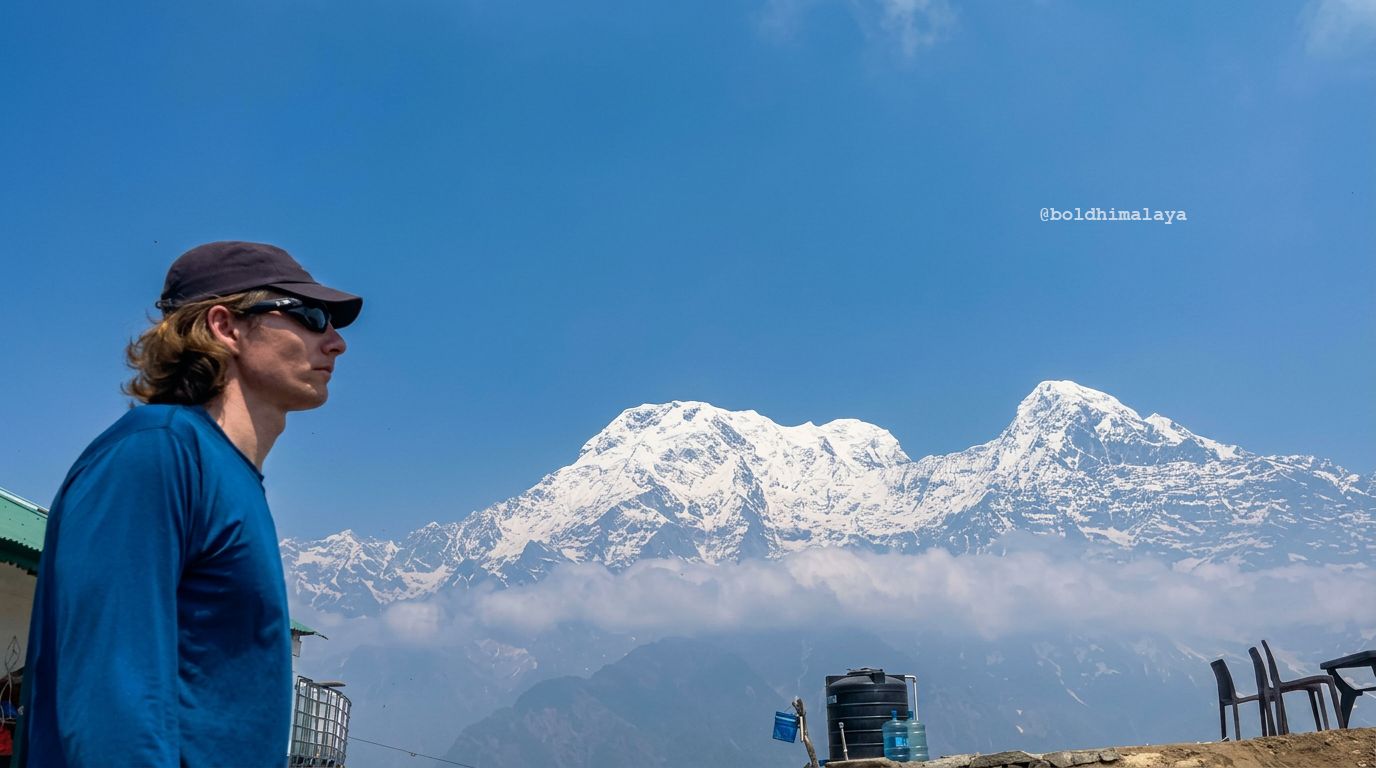
Mulde View Point Trek with Poon Hill – Four Days of Annapurna
Nepal Tour Packages
4 Days
Save 32%
Mardi Himal Base Camp 5 Days Trek
Nepal Tour Packages
5 Days
Save 32%
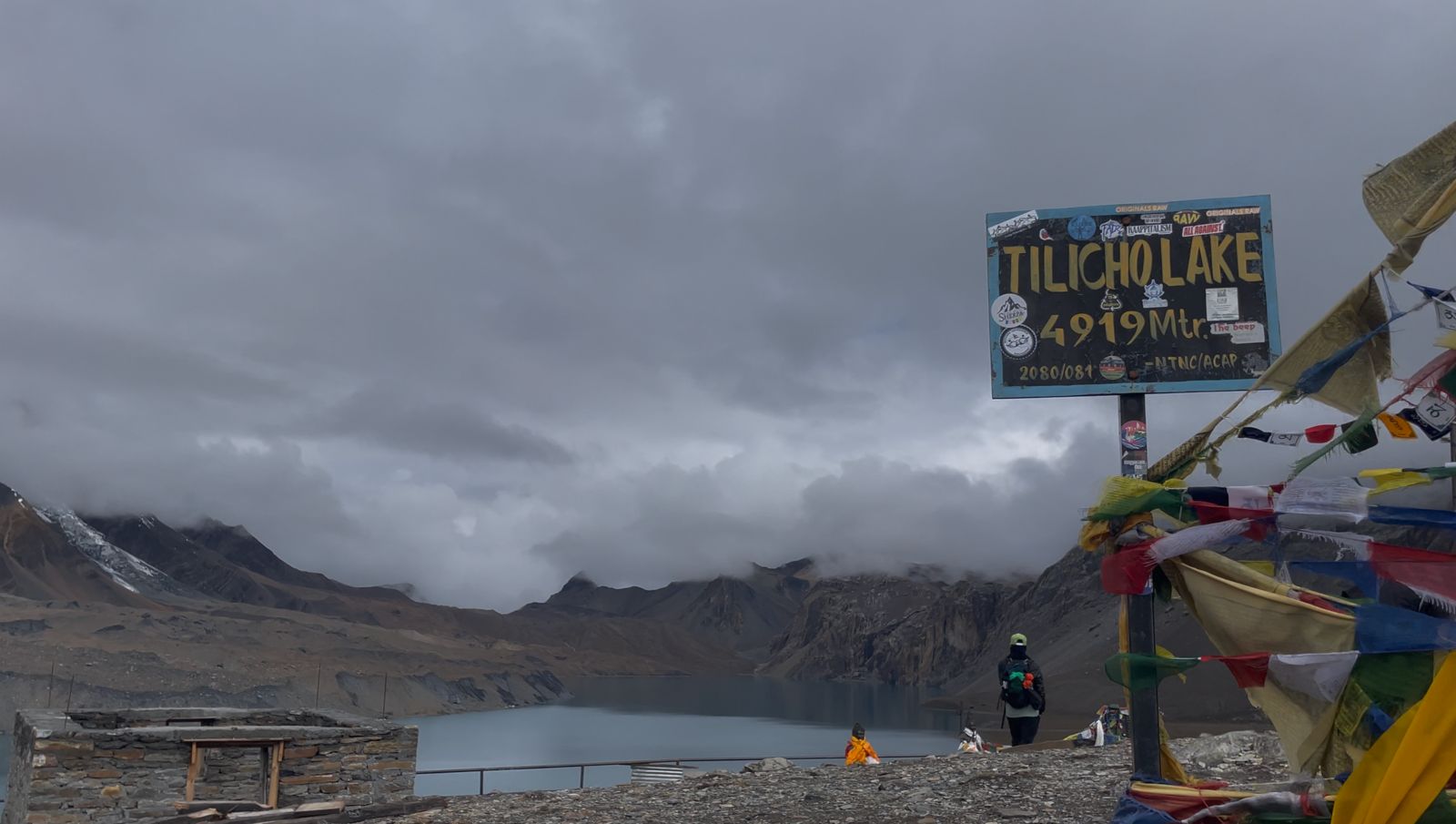
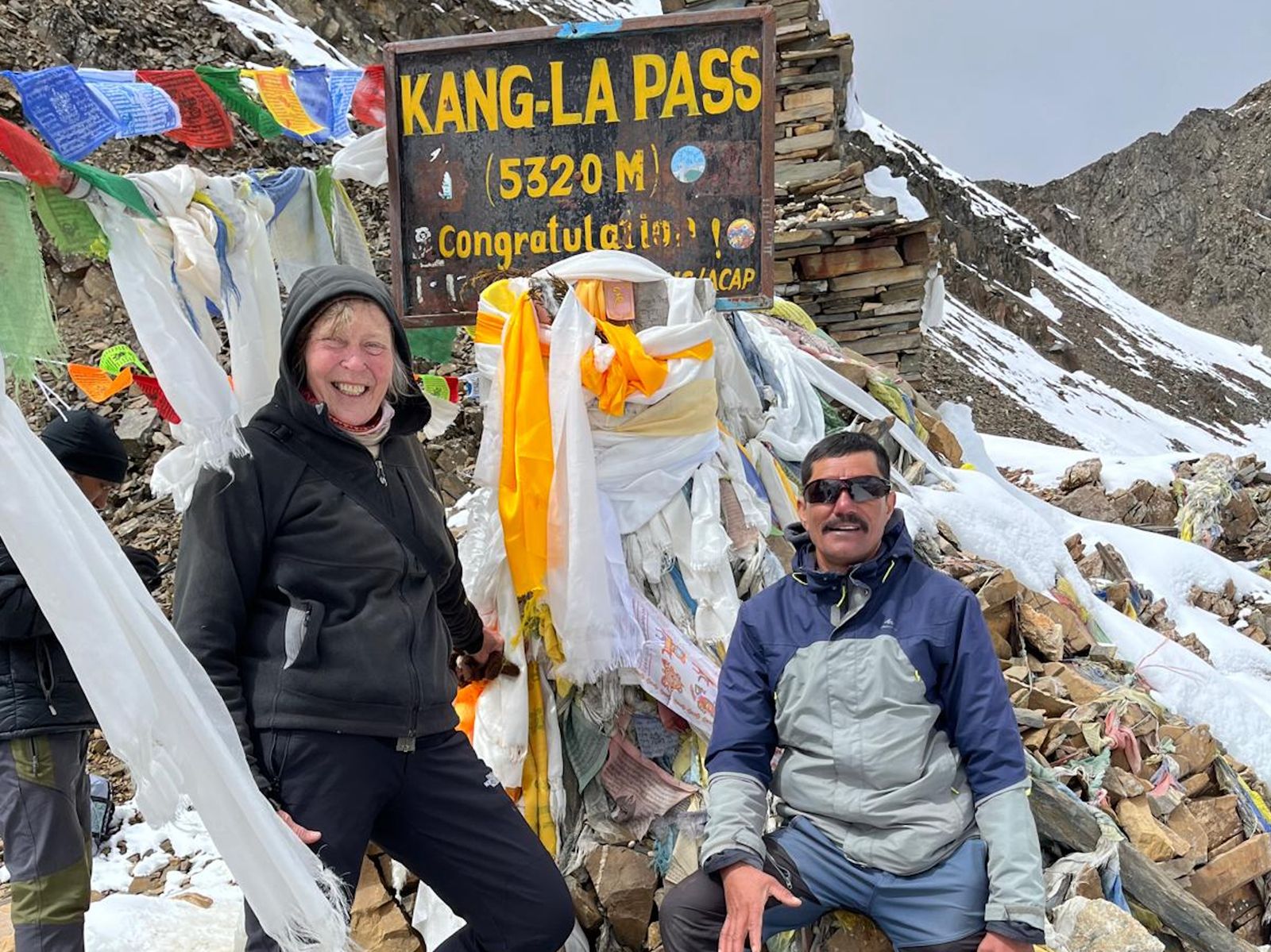
Annapurna Circuit Trek with Tilicho Lake
Nepal Tour Packages
13 Days
Save 28%
Nar Phu Valley Trek – 11-Day Remote Himalayan Adventure
Nepal Tour Packages
11 Days