




Rara to Upper Dolpo Trek | Jumla Rara Dolpo Trekking


Itinerary
Your Journey, Step by Step
Day 1: Arrive in Kathmandu
1,400m/4,600ft
3-star hotel
Welcome to Nepal. Upon arrival, a representative of Bold Himalaya will warmly welcome you at the airport, and you will be transferred to your Hotel. Take a rest, or if you have time, you can explore the city. We’ll have a brief description of the tour in the evening. Overnight in the hotel in Kathmandu.
Day 2: Fly to Nepalgunj (150m/492ft.)
Breakfast, Lunch, Dinner
Hotel
1 hour
After breakfast, we transfer to the domestic airport. Today, we will have a one-hour flight to Nepalgunj. Nepalgunj is situated in the southwestern part of Nepal, close to the Indian border and Bardia National Park. We have the evening to explore the town. Overnight at Nepalgunj hotel.
Day 3: Fly to Juphal (2,475m/8,120ft)-Trek to Dunai (2,140m/7,020ft)
Teahouse / Lodge in Dunai
Breakfast, Lunch, Dinner
35-45 minutes
3-4 hours
After breakfast, take an early morning scenic flight from Nepalgunj to Juphal, the gateway to the Dolpo region. On clear days, you may catch glimpses of the Annapurna and Dhaulagiri ranges during the flight. Upon arrival at Juphal, you will notice the cooler, fresh mountain air.
From Juphal, begin your trek with a gradual descent through terraced fields and small villages, following the Thuli Bheri River. After a few hours of easy walking, you reach Dunai, the administrative center of the Dolpo region, where you can observe local culture and daily life. Overnight stay in Dunai.
Day 4: Trek to Chhepka (2,838m/9,311ft.)
Teahouse / Lodge at Chhepka
Breakfast, Lunch, Dinner
5–6 hours
2,838 m
After breakfast, you begin your trek from Dunai, following a well-defined trail along the Thuli Bheri River before joining the Suligad River valley. The route gradually ascends through a mix of pine forests, rocky paths, and cultivated fields, offering a peaceful and scenic walk. Along the way, you pass small settlements such as Dhara and Rahagaon, where traditional houses, terraced fields, and walnut trees reflect the rural lifestyle of the region.
As you move deeper into the valley, the landscape becomes more remote and forested, marking your approach toward the entrance area of Shey Phoksundo National Park.
After several hours of steady trekking, you reach Chhepka, a small village surrounded by forest and farmland, commonly used as an overnight stop for trekkers heading toward Phoksundo Lake. Overnight stay at Chhepka.
Day 5: Trek to Sumdo (2,960 m / 9,711 ft)
Teahouse / Camp
Breakfast, Lunch, Dinner
2,960 m
5–6 hours
After breakfast, the trail continues from Chhepka along the Suligad River, entering deeper into the forested valley of Shey Phoksundo National Park. The route passes through dense pine and cedar forests, crossing small streams and suspension bridges along the way.
As you ascend gradually, the landscape becomes more remote and tranquil, with fewer settlements and increasing chances of spotting wildlife. After several hours of trekking, you reach Sumdo, a small settlement located near the park’s checkpoint and a common resting place before heading toward Phoksundo Lake. Overnight stay at Sumdo.
Day 6: Trek to Phoksundo Lake (3,630m/11,909ft.)
Camping near the lake
Breakfast, Lunch, Dinner
3,630 m
5–6 hours
Today is one of the most rewarding days of the trek as you reach the stunning Phoksundo Lake. After breakfast, the trail follows the Suligad River, gradually ascending through dense pine, fir, and birch forests. The path winds along narrow valleys, crossing small streams and passing waterfalls cascading down steep cliffs.
As you gain elevation, the landscape becomes more dramatic and alpine. You’ll notice the air getting cooler and the surroundings quieter, with occasional chances to spot wildlife such as Himalayan birds or blue sheep on the hillsides. A final steep climb brings you to Ringmo, a traditional Tibetan-influenced village known for its stone houses, mani walls, and chortens. The cultural atmosphere here is unique, reflecting centuries-old traditions of the Dolpo region.
From Ringmo, it’s a short walk to the breathtaking Phoksundo Lake, famous for its deep turquoise color and dramatic setting beneath barren cliffs. The lake is sacred in the Bon religion, and its untouched beauty creates a peaceful and almost surreal atmosphere.
You’ll have time to relax by the lakeside, enjoy the panoramic views, and soak in the serenity of this remote Himalayan environment. Overnight stay near Phoksundo Lake.
Day 7: Rest day at Phoksundo Lake
Camp near the lake
Breakfast, Lunch, Dinner
3–5 hours
Today is an important acclimatization day at the spectacular Phoksundo Lake, allowing your body to adjust to the increasing altitude before heading to higher passes. Rather than complete rest, the day is spent exploring the surrounding natural and cultural highlights.
You can visit Ringmo, a traditional Tibetan-influenced village located just above the lake. The village sits at around 3,660 m and is known for its stone houses, mani walls, and strong Bon religious traditions, with only a small population living in this remote high-altitude settlement.
A key highlight is a short walk to the Tshowa Bon Monastery (Ringmo Bon Gompa), located on the northern shore of the lake. This monastery is over 800 years old and represents one of the most important Bon religious sites in the region, offering insight into an ancient spiritual tradition that predates Buddhism.
You may also take short hikes around the lake for better viewpoints. The lake itself is Nepal’s deepest alpine lake, famous for its turquoise color, high mineral content, and dramatic cliffs, creating a unique and almost surreal landscape.
The rest of the day can be spent relaxing by the lakeside, enjoying the peaceful environment, and observing the untouched beauty of Shey Phoksundo National Park. This day plays a crucial role in preparing for the more challenging and higher-altitude sections of the trek ahead.
Day 8: Trek to Phoksundo-Khola (3,750m/12,303ft.) 5 hrs.
Tented camp by the river
Breakfast, Lunch, Dinner
5 hours
3,750 m
After two nights at Phoksundo Lake, you begin the trek toward Phoksundo Khola, entering the higher reaches of the remote Upper Dolpo region. The trail gradually ascends, offering stunning views of the lake and surrounding cliffs before leaving the settlement areas behind.
One of the highlights of today’s trek is the narrow wooden walkways suspended over cliffs, showcasing the rugged and isolated nature of Upper Dolpo. The path passes through lush alpine meadows at the western edge of the lake, opening into the floodplain of Phoksundo Khola, where the terrain alternates between riverbanks, grassy slopes, and occasional boggy patches.
As you cross small streams and navigate marshy sections, the trail leads into a quiet valley, surrounded by pine and juniper forests. Today’s hike emphasizes both scenic beauty and the remoteness of the region, giving trekkers a sense of the untouched Himalayan wilderness.
You will spend the night at a tented camp along the banks of Phoksundo Khola, resting and preparing for the higher-altitude trails ahead.
Day 9: Trek to Phoksundo Bhanjyang (4,717m/15,475ft)
Tented camp
Breakfast, Lunch, Dinner
5–6 hours
4,717 m
On Day 9, you trek from Phoksundo Khola to Phoksundo Bhanjyang, a high saddle in the Upper Dolpo region. The trail climbs steadily through open alpine meadows, rocky ridges, and sparse high-altitude vegetation, offering breathtaking panoramic views of the surrounding Dolpo Himalaya.
This section of the trek is important for acclimatization as you gain significant altitude. The campsite at Phoksundo Bhanjyang provides a peaceful and remote setting, with sweeping views of valleys and distant peaks. It’s a perfect spot to rest and prepare for the higher passes ahead.
Day 10: Cross Nangdalo La (5,350m/17,552ft.) and trek to Shey Gompa (4,160m/13,348ft.) via 6 hrs.
Tented camp
Breakfast, Lunch, Dinner
6–7 hours
Nangdalo La – 5,350 m
Today is one of the toughest but most rewarding days of the Upper Dolpo trek. You begin with a steep and sustained climb from the high camp toward Nangdalo La (also known locally as Kang La), reaching approximately 5,350 m, one of the highest points in this section of the trek.
The trail is rocky and demanding, with loose stones and high‑altitude terrain that requires steady pacing for safe progress. As you ascend, the landscape changes from open alpine meadows to barren high‑altitude ridges. When you reach the pass, you are rewarded with spectacular panoramic views of the surrounding Dolpo peaks, valleys, and distant snow‑capped mountains.
After resting at the top, the trail leads into a long descent toward the valley floor. You follow river valleys and rocky slopes, passing through scattered meadows and hillside terrain. Along the way, you will notice traditional mud caves and chortens (Buddhist stone shrines) that mark the cultural and spiritual heritage of this high‑altitude region.
As you approach Shey Gompa, a series of red‑painted chortens welcomes you, followed by a simple wooden bridge crossing a small stream. Shey Gompa, also known as Crystal Monastery, is an ancient and sacred Buddhist site perched above river confluences and surrounded by impressive mountain views.
Tonight, you camp near the monastery and enjoy the serene atmosphere of this remote spiritual center.
Day 11: Rest day at Shey Gompa the crystal monastery.
Tented camp near the monastery
Breakfast, Lunch, Dinner
4,160 m
Day 11 is a rest and exploration day at Shey Gompa, also known as the Crystal Monastery, one of the most important spiritual sites in Upper Dolpo. The monastery sits on a hilltop overlooking the confluence of the Kangju and Yeju rivers, surrounded by majestic Himalayan peaks.
Trekkers can explore the monastery complex, admire ancient murals, statues, and prayer halls, and learn about the Bonpo and Tibetan Buddhist traditions. The day also offers panoramic views of Crystal Mountain and the surrounding valleys, making it perfect for photography and quiet reflection.
Visitors can meet monks and locals, observe daily rituals, and take short walks around nearby trails to experience the high-altitude alpine environment and possibly spot wildlife such as blue sheep and Himalayan birds. This day also serves as an important acclimatization opportunity to prepare for the challenging passes ahead, while providing a peaceful and culturally rich experience in one of Nepal’s most remote regions.
Day 12: Trek from Shey Gompa to Tata (3,900 m) via Tata La (4,750 m)
Tented Camping
Breakfast, Lunch, Dinner
Moderate to Strenuous
6–7 Hours
Day 12 takes you deeper into the remote landscapes of Upper Dolpo as you leave Shey Gompa and head toward the isolated village of Tata. The trail begins with a steady climb across a dry, barren, trans-Himalayan terrain, gradually ascending to Tata La Pass (4,750 m).
From the top of the pass, you are rewarded with wide panoramic views of the surrounding mountains, including the Kanjiroba Himal and distant peaks of Api Saipal on clear days. The landscape here is rugged and open, with very little vegetation, giving a true sense of the wilderness of Dolpo.
After crossing the pass, the trail descends into a quieter valley toward Tata. Along the way, you may spot blue sheep grazing on the slopes and large Himalayan birds soaring overhead.
Tata is a small, traditional village with stone houses and a strong Tibetan cultural influence. Life here is simple and adapted to the harsh high-altitude environment. Overnight stay is in a tented camp, as facilities are very basic in this remote region.
Day 13: Tata to Bhijer Village (3800m)
From Tata village, we head toward Bhijer village. Bhijer village is a big village consisting of a monastery, school and few shops surrounded by barren landscape. Walking past Shamling Gumba, then we descend to Bhijer village. You might see Blue Sheep near this village. Overnight at Bhijer village.
Day 14: Bhijer village to Patalchaur (Phokharka 4100m) via Yumbur La Pass (4813m)
After breakfast, we go uphill from Bhijer village. Following the most barren landscape, with the chance of seeing Blue Sheep, we reach Patalchaur. Overnight at Patalchaur.
Day 15: Patalchaur to Pho village (4000m)
In the morning we start downhill trek for about two hours. Then we ascend to reach Pho village, last village in the northwestern region of Dolpo district. Pho village is surrounded by buckwheat and barley fields with 16 houses. Overnight in tented camp
Day 16: : Pho village to Daldung Khor (4400m) via Nimagyalzen La 5500m
Today, the trail is a fairly difficult and hardest trail on the entire trekking journey. From Pho village, Nimagyalzen La is an uphill climb. Experiencing strong winds and snow we move higher. Beautiful Dhaulagiri, Api Saipal, Kanjiroba peaks are seen from the top of the pass. Then we descent from the pass which is comparatively easy. After 3 hours along the riverbank, we reach Daldung Khor. Overnight at Daldung Khor.
Day 17: Daldung Khor to Pung Kharka (4450m)
From Daldung Khor, the trail goes along the riverbank, which makes today’s trek easy. On reaching Pung Kharka, we can find the surrounding valley extremely beautiful. Overnight camp near the river shore, with comparatively cold.
Day 18: Pung Kharka to Chyandi Khola (4600m) Via Yala Pass 5414m
Today’s trail starts with a fairly good trail for a few hours, then we climb a hill. Then further walking leads us to the Yala Pass. From there, we descend to Chyandi Khola. Overnight camp at the highest spot of Chyandi Khola, which is a bit colder.
Day 19: Chandi Khola to Takla Khola (3800m) via Jack Pass 4600m
From Chyandi Khola, until we come to a river crossing point, the trail goes downhill. Then we climb steeply through a narrow trail with bushes on sideways. Descending the Jack pass we arrive at a jungle before coming out to a riverbank. Overnight camp at Takla Khola
Day 20: Takla Khola to Thaju Chaur (4100m) via Chyargo La Pass 5150m
We ascend gradually through a jungle, from Takla Khola. Then we climb down through a moderately easy trail from the top of the hill till we arrive at an open ground nearby a river. Overnight camo at Thaju Chaur.
Day 21: Thaju Chaur to Shilen Kharka (2900m)
Today we descend slowly crossing forests and rivers. On reaching Shilen Kharka we can see a few hotels. Overnight camp at Shilen Kharka.
Day 22: Shilen Kharka to Pulu (2600m)
Moving forward to Pulu, with the loss in altitude we enter into the warmer zone. We will be walking mostly along the bank of the river, requiring to cross the river at different points. We can find some hotels along the way. Pulu, the administrative center of the region consists of police posts and good hotels. Overnight camp at Pulu.
Day 23: Pulu to Lumsa (2300m) 6-7 hours
From Pulu, our trail continues along the river bank, crossing over suspension bridge several times. We get the chance to meet locals going through past villages and millet fields. Lumsa, a small hamlet where most people belong to the Chhetri caste with 30 houses and few shops. Overnight camp at Lumsa
Day 24: Lumsa to Rara Lake (2900m)
Today we are heading toward the final destination of our trek, Rara lake. From Lumsa, the trail goes through Mugu village to Gamgadhi. From swing bridge, continue up a very steep zig-zag track, stretching down a long ridge above the Mugu Karnali river. Then we ascend quite steep dusty trek to the lip of the valley and finally, we reach Rara Lake through pine and juniper. Rara, the deepest and the biggest lake in Nepal. Overnight in tented camp.
Day 25: Rest & Explore at Rara Lake
After having breakfast, we visit all around Rara Lake. Rara lake is located inside Rara National Park. Rara National park is hemmed in by pine forest from all sides full of birds, flowers and wild animals. Otter and different kinds of fish found in Rara Lake. Overnight at tented camp
Day 26: Fly to Nepalgunj(150m) and same day fly to Kathmandu(1400m)
After a well spends the day in Rara, we head toward Talca Airport. we take a flight from Talca to Nepalgunj. Upon arriving Nepalgunj, we return to Kathmandu on the next available flight. On reaching Kathmandu, you will be transferred to your hotel. Overnight in Kathmandu hotel.
Day 27: Free day in Kathmandu
It’s your free day in Kathmandu. You can explore the nearby area or you can relax in your hotel. Overnight in Kathmandu hotel.
Day 28: Departure
I hope you had a great time in Nepal. A representative from Bold Himalayan will take you to the airport before three hours of your departing time. Thank you.
Want to customize your trip?
We ensure every trip meets your expectations — customize your itinerary anytime to match your travel style and preferences.
Inclusions
What’s Covered in Your Adventure
- Airport arrival and departure service.
- 3 star accommodation in Kathmandu and nepalgunh
- All domestic flight arrangements
- All permit fees
- Experienced license holder trekking guide
- Teahouse Accommodation during the trek
- Breakfast, lunch, and dinner on the trek
- Every expense associated with the Guide
- First aid kit
- Camping equipment
- Government taxes and service charges
- Nepal Entry Visa Fee
- Travel insurance cost
- Additional accommodation in Kathmandu in case of early arrival, or late departure
- Extra expenses such as mineral water, beer, telephone, laundry, bar bills
- Tips for guides and porters
Good to Know
Your Journey, Step by Step
Difficulty level of Rara to Upper Dolpo Trek
The Upper Dolpo trek, at Rara Lake presents a moderate to level of difficulty due to its duration, varied terrain, high elevations and seclusion. The trail features passes, steep inclines and declines as well as rough stretches of land that can be physically demanding even for seasoned hikers.
Hiking in areas, above 5,000 meters can be tough, due to altitude sickness and lower oxygen levels so it’s important to acclimatize and climb slowly. The Dolpo regions remoteness makes it hard to find amenities and medical help so being self reliant and prepared is essential. Hikers, in the Himalayas should have the clothes, equipment and emergency items to handle the changing weather conditions. The Dolpo trek provides views and cultural encounters. Requires a decent amount of physical fitness, endurance and past trekking know how, for a secure and pleasant adventure.
Make sure to check out Things to Know before going trekking in the Himalayas of Nepal
Rara to Upper Dolpo Trek Preparations
Preparing physically for the Dolpo trek is essential to ensure your body is ready, for the challenges of hiking in terrains and high altitudes. Start by working on improving your fitness with activities like hiking, running, biking or swimming. Regular aerobic exercises will enhance your heart and lung function helping you maintain energy levels during treks. Include strength training focusing on muscle groups such as legs, core and upper body to boost strength and endurance. Exercises, like squats, lunges, planks and push ups can help build muscle stamina needed for carrying a backpack and navigating paths. Don’t forget about flexibility and balance – incorporate yoga stretching routines or balance exercises into your workouts to increase flexibility prevent injuries and stay stable on trails. Gradually increase the intensity of your workouts to mimic trekking demands; if possible include uphill and downhill walks to prepare for terrains you’ll face. Lastly rest is crucial – give your body time to recover between training sessions so it can adapt and rebuild strength effectively.
For more information click on Tips and Advice for Perfect Trekking in Nepal
Rara Lake Upper Dolpo Trek Permits
Trekkers’ Information Management System (TIMS) Card
Shey Phoksundo National Park Entry Permit
Rara National Park Entry Permit
Restricted Area Permit(RAP):
You will need RAP to enter Upper Dolpo, Shey Phoksundo National Park, and Shey-Phoksundo Rural Municipality.
We completely handle the procedure to obtain all these permits and this service is included in the trip cost. This allows trekkers to travel without any disturbances and makes the journey smooth and comfortable.
Passport and Visa:
Make sure your passport is valid, for six months from the date you enter Nepal. Also get a tourist visa for Nepal, which you can acquire when you arrive at Tribhuvan International Airport in Kathmandu or, at land border checkpoints.
Visa On Arrival procedure
Fill the Visa Application Form which you get in the immigration counters. You can also download these forms online from https://nepaliport.immigration.gov.np/ and fill it before your arrival so that you can save time.
Submit the filled visa application form, passport, and one passport-sized photo to the immigration officer at the counter.
Pay the visa fee at the counter. The fees are as follows:
15 Days: USD 30
30 Days: USD 50
90 Days: USD 125
You can check the immigration department site for the latest information on visa fees. https://www.immigration.gov.np/en
Once your visa application is processed and the fee is paid, the immigration officer will affix the visa sticker to your passport. Now you just need to proceed to the immigration clearance counters and have your passport stamped by the immigration officer.
Rara Lake Upper Dolpo Travel Insurance:
Travel insurance is really important when you’re planning to go on the Dolpo trek. It gives you peace of mind and protection in case anything unexpected happens during your trip. This insurance covers a range of situations, like emergencies, trip cancellations, interruptions and travel delays. In Dolpos rugged landscape where medical facilitiesre scarce and weather can be unpredictable having travel insurance means you’ll get the help you need in case of an emergency. It takes care of costs, for emergency treatment, evacuation and bringing you home if needed making sure that you get the right care quickly if you get sick or injured.
Rara Lake Upper Dolpo Packing List
Clothing:
Moisture-wicking T-shirts
Waterproof and breathable trekking pants
Insulated jacket or fleece
Waterproof and windproof jacket
Undergarments and socks (synthetic or wool)
Thermal base layers (tops and bottoms)
Long-sleeve shirt for sun protection
Warm hat and gloves
Sun hat or cap with a neck flap
Footwear:
Proper hiking boots
Hiking socks capable of moisture absorption
Gear and Equipment:
Backpack (50-70 liters) with rain cover
Trekking poles
Headlamp or flashlight with extra batteries
Sunglasses with UV protection
Sleeping bag
Sleeping pad or mattress
Water bottles or hydration system
Personal toiletries
Other Items:
Passport, visa, and permit document
Travel insurance documents
Emergency contact information
Nepali cash for purchases, tips, and emergencies
Camera or smartphone
Portable charger or power bank
Snacks and energy bars
Rara to Upper Dolpo Trek Cost
The total cost of this Trek package is Falano USD. Check out the include/exclude section of this page to get information on the list of services that are included and excluded within this trek cost.
Similar Treks in the Dolpo Region
Upper Dolpo Luxury Trek
Shey Phoksundo Lake Trek Via Upper Dolpo
Inner Dolpo Circuit Trek
Rara Lake short trek
FAQs
Your Questions, Answered
How do I get to Upper Dolpo?
To access Dolpa, the journey typically begins by reaching Nepalgunj. From there, travelers have two options: either take a jeep to Dunai or catch a flight to Jhuphal.
What is Upper Dolpo to Upper Mustang Trek?
To Trek from Upper Dolpo to Upper Mustang, there are three main routes. The first route involves arriving in Kagbeni and then proceeding to Upper Mustang. The second route starts from Chharka (Dolpo) and goes to Ghami Phedi, then continues to Ghami via the Ghami La Pass, which stands at 5,700m. This route is usually open only during the first part of autumn. The third route is via the Khekyap Pass (5,350m), also available during the early autumn season.

Reviews
What Our Travelers Say


Based on 0 ratings
View OurSimilar Packages
Discover our top tours, loved by thousands of travelers annually. Choose the adventure that inspires you and embark on a journey tailored to your desires.
View All Packages

Premium Nepal & Bhutan Luxury Tour | 11-Day Himalaya Adventure
 Multi-country
  11 Days Days
Save 33%
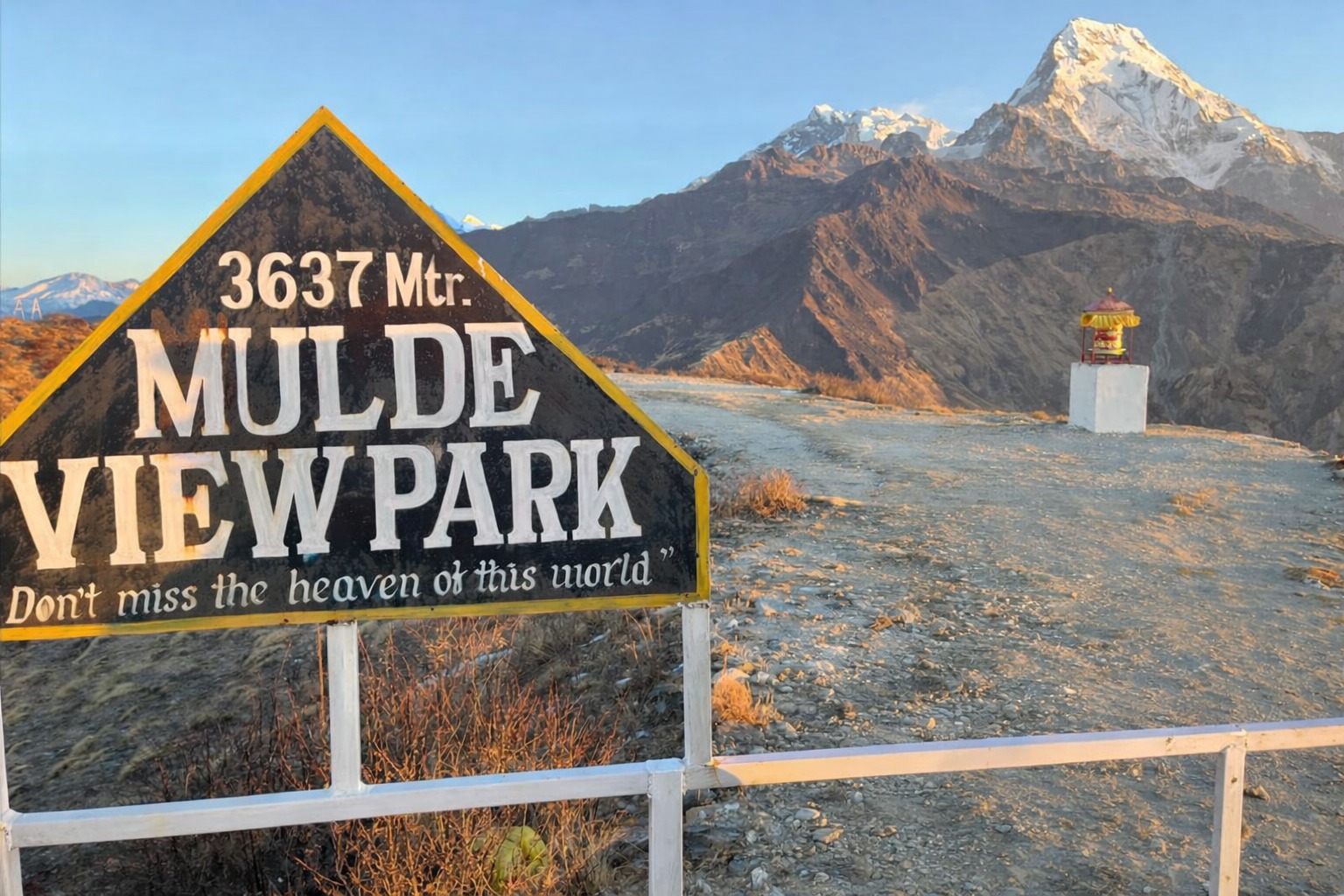
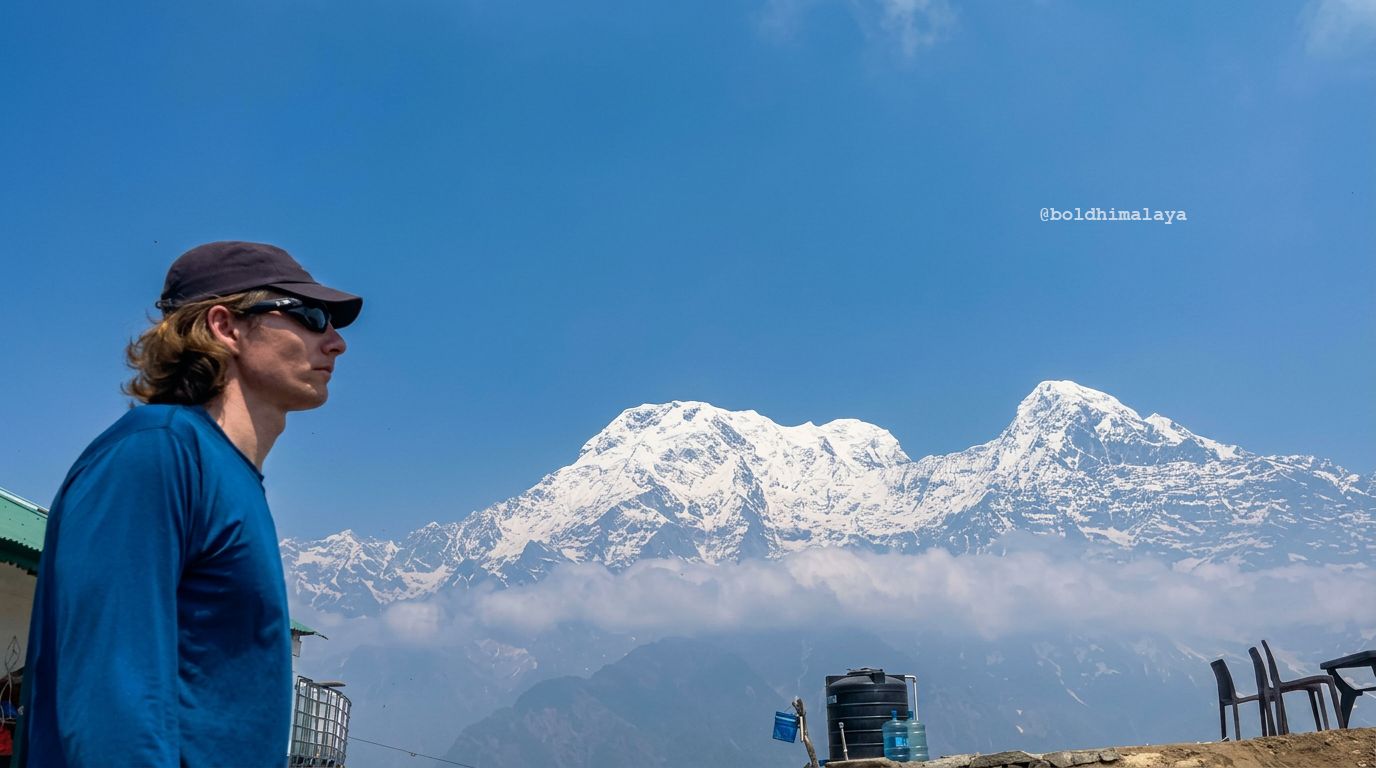
Mulde View Point Trek with Poon Hill – Four Days of Annapurna
Nepal Tour Packages
4 Days
Save 32%
Mardi Himal Base Camp 5 Days Trek
Nepal Tour Packages
5 Days
Save 22%
Annapurna Circuit Trek with Tilicho Lake
Nepal Tour Packages
13 Days
Save 28%
Nar Phu Valley Trek – 11-Day Remote Himalayan Adventure
Nepal Tour Packages
11 Days


