
Chulu west peak climbing


Chulu West Peak Climbing Itinerary
Your Journey, Step by Step
Day 1: Arrival in Kathmandu
1,400m/4,600ft
Hotel
Upon arrival at Tribhuvan International Airport, you’ll be welcomed by the representative of Bold Himalaya and transferred to your Hotel. After check-in, you can rest or explore the city of Kathmandu. In the evening, there will be a short briefing on the trek and climbing preparations.
Day 2: Drive from Kathmandu To Chame
2,650m/8,690ft
Trekking lodges
Lunch, Dinner
9-10 hours
Having a morning breakfast, we start our scenic drive from Kathmandu to Chame, which is the district headquarters of Manang. The journey passes through the green hills, terraced fields, and riverside roads along the Marsyangdi River. As we ascend, the landscape becomes more alpine, which offers the first glimpses of Himalayan peaks. Passing through Besi Sahar, we reach Chame. Overnight in Chame.
Day 3: Trek from Chame to Pisang
3,300m/10,827ft
Trekking lodge
Breakfast, Lunch, Dinner
5-6 hours
After breakfast, the adventurous trek begins and leads us to the steep and narrow path through a very dense forest that will bring us to the dramatic curved rock face. The route passes through beautiful alpine forests of rhododendron and pine trees, following the Marsyangdi River upstream with short ups and downs to Bhratang village, and you will be closer to the mountainous region.
Ahead of this boundary between the Manang area to the north and the Gurung area to the south, the trail follows the river. You can experience a change in landscape and vegetation, where the terrain becomes arid and vegetation sparser. After continuing through these wonderful sites, we finally reach Pisang. Overnight at Pisang.
Day 4: Pisang to Manang
3,519m/11,545ft
Trekking lodge/ Hotel
Breakfast, Lunch, Dinner
4-5 hours
On this day, you will trek to Manang. The trek is very interesting as the trail now enters the dry region of Manang district, which falls in the rain shadow areas, thereby receiving scanty rain in the summer and snow in the winter season. The trail passes through woodland with short uphill sections and views of staggering Annapurna II and III, Gangapurna, Chulu’s, and Pisang Peak.
As the walk leads to Humde village, the tree lines disappear for barren landscapes with a cold, dry arctic climate. After 4-5 hrs of the hike, you will reach Manang. We stay at the lodge/ Hotel of the Manang.
Day 5: Acclimatization in Manang
3,519m/11,545ft
Trekking Logde/ Hotel
Breakfast, Lunch, Dinner
Today is a crucial rest and acclimatization day in the beautiful Himalayan village of Manang. After a relaxed breakfast, you can take a short hike to nearby viewpoints such as Gangapurna Lake or hike up to Ice Lake for stunning panoramic views of the Annapurna range. These hikes not only offer breathtaking scenery but also support proper acclimatization.
You may also visit the Himalayan Rescue Association center in Manang, where you can learn about altitude sickness and safety tips for the days ahead.
The rest of the day is yours to relax, explore the village, enjoy local bakeries, or simply soak in the majestic mountain surroundings. This day plays a vital role in preparing you physically for higher elevations as you continue your trek to Chulu West Base Camp.
Day 6: Manang to Yak Kharka
4,050m/13,287ft
Trekking Lodge
Breakfast, Lunch, Dinner
6-7 hours
After acclimatization in Manang, the trek ascends to Yak Kharka, which is roughly around 10-11 km, leaving the main Annapurna Circuit trail. The trail passes through alpine landscapes with high-altitude vegetation, greenery forest with the view of the mountains, and beautifully arranged tea houses. Then, ascending forward, we reach the Yak Kharka. Overnight in Yak Kharaka.
Day 7: Yak Kharka to Chulu West Base Camp
4,900m/16,076ft
Camping
Breakfast, Lunch, Dinner
5-6 hours
The trek from Yak Kharka to Chulu West Base Camp begins with a gradual climb away from the main Annapurna Circuit trail into a quieter, more remote alpine landscape. The route passes through open pastures and rocky terrain, with beautiful views of Chulu West and the surrounding peaks.
After a steady ascent, you reach base camp, set in a peaceful high-altitude location, where you rest and prepare for the climb ahead.
Day 8: Chulu West Base Camp to High Camp
5,500m/18,044ft
Camping
Breakfast, Lunch, Dinner
4-5 hours
Continuing from Chulu West Base Camp, you ascend to High Camp, which is a short but demanding ascent, covering approximately 3-4 km. The trail gradually climbs over rocky slopes and glacial terrain, requiring careful footing as the altitude increases.
As you gain elevation, the views become more dramatic, with close-up panoramas of Chulu West and the surrounding Himalayan range. After a steady walk, you reach High Camp, a small and exposed site set on a ridge, where you rest and prepare for the summit push.
Day 9: Summit to Chulu West Peak and back to Base Camp
6,419m/21,059ft
Camping
Breakfast, Lunch, Dinner
9-10 hours
Today is the main day of your adventure. Starting early from High Camp, you begin the climb toward the summit of Chulu West under the light of headlamps. The ascent is challenging, following steep snow and glacier sections that require the use of crampons, ropes, and ice axes. As you steadily gain altitude, the first light of sunrise reveals breathtaking Himalayan views, making the effort truly worthwhile.
After several hours of climbing, you finally reach the summit of Chulu West, where you are rewarded with incredible panoramic views of surrounding giants like Dhaulagiri, Annapurna II, and Manaslu. After celebrating this achievement, you carefully descend back to High Camp and continue down to Base Camp, ending a long but unforgettable day in the Himalayas.
Day 10: Chulu West Base Camp to Thorong Phedi
4,450m/14,600ft
Trekking Lodge
Breakfast, Lunch, Dinner
5-6 hours
After completing your climb, you leave base camp and rejoin the main trail of the Annapurna Circuit. The trek is relatively gradual, passing through high-altitude landscapes as you make your way toward Thorong Phedi, the base of the famous pass.
You can encounter an agricultural stander of the people living near the village. Mostly, the trail goes through an easy way downhill. You will reach Thorong Phedi after 5-6 hours of a downhill hike. Overnight stay in Thorong.
Day 11: Thorong Phedi to Muktinath via Thorong La Pass
5,416m/17,769ft
Trekking Lodge/Hotel
Breakfast, Lunch, Dinner
7-9 hours
Early morning, having breakfast, you head to the Thorong La pass, which is the highest pass of the Annapurna Circuit, where you’re with the breathtaking mountain views. After being mesmerized by the view, you descend back from the pass to Muktinath. It is an important pilgrimage site for both Hindus and Buddhists. You can have an amazing view of Dhaulagiri Peak from Muktinath. Overnight in Muktinath.
Day 12: Muktinath to Jomsom
3,710m/12,172ft
Lodge/Hotel
Breakfast, Lunch, Dinner
4-5 hours
Leaving Muktinath, the trail descends gradually through the dry, windswept landscapes of the Mustang region, offering a completely different scenery compared to the lush lower valleys. You make your way down to Kagbeni, a beautiful ancient village located at the gateway to Upper Mustang, known for its narrow alleys, traditional mud-brick houses, and strong Tibetan-influenced culture.
After a short break in Kagbeni, the trek continues along the Kali Gandaki river valley, often accompanied by strong afternoon winds. Walking through open, barren terrain with stunning views of surrounding peaks, you eventually reach Jomsom, a lively town and administrative center of the region. Overnight in Jomsom.
Day 13: Drive to Pokhara from Jomsom
2,743m/9,000ft
Hotel
Breakfast, Lunch, Dinner
7-8 hours
From Jomsom, you begin a scenic drive along the Kali Gandaki river valley, passing through the rugged and windswept landscapes of Mustang. The road descends through charming villages like Marpha, famous for its apple orchards, and continues toward Tatopani, where the surroundings gradually change from dry alpine terrain to lush greenery.
As you drive further, you’ll witness beautiful waterfalls, deep gorges, and terraced fields, offering a diverse glimpse of Nepal’s landscapes. The journey can be long and bumpy at times, but the ever-changing scenery makes it a memorable experience before finally reaching the peaceful lakeside city of Pokhara.
Optional: You can also take a short and scenic flight from Jomsom to Pokhara.
Day 14: Drive back to Kathmandu
1,400m/4,600ft
Hotel
Breakfast, Lunch, Dinner
6-7 hours
Leaving the peaceful lakeside city of Pokhara, you begin a scenic drive back to Kathmandu along the Prithvi Highway. The journey follows the Trishuli River, offering beautiful views of rolling hills, terraced farmlands, and small roadside villages. Along the way, you’ll pass through bustling local towns and enjoy glimpses of rural life in Nepal.
Although the drive can be long, the changing landscapes and riverside scenery make it an enjoyable return journey. By the end of the day, you arrive in Kathmandu, marking the completion of your Himalayan adventure.
Optional: You can also choose a short and convenient flight from Pokhara to Kathmandu for a quicker return.
Day 15: Final Departure
Your Himalayan adventure comes to an end today. Depending on your flight schedule, you will be transferred to the airport for your departure. You leave Nepal with unforgettable memories, incredible achievements, and stories from the majestic mountains.
Want to customize your trip?
We ensure every trip meets your expectations — customize your itinerary anytime to match your travel style and preferences.

Good to Know
Your Journey, Step by Step
Preparations
Climbing the summit of Chulu West Peak is not easy, requires a good level of physical fitness and strength. You have to build your stamina, and positive attitude, and set your body and mind for the trek. Any kind of aerobic exercise like long hiking, cycling, and long-distance running should be done before 3 months from the beginning of your trip. For making the trip successful, be prepared well with the packing gears and the equipment required for mountaineering. You have to take the training to use mountaineering gears such as crampons, ice axe, and ropes.
Packing List
Proper mountaineering equipment and gears are essential to make the Chulu West Peak Climbing successful.
- A backpack to carry all the essential equipment
- Warm and Waterproof Jacket
- Warm mountaineering boots with a good ankle support
- Crampons
- An ice axe for balance and support in the event of a fall
- Climbing rope for safety and support on steep terrain
- Climbing harness
- Climbing helmet
- Carabiners
- Ascenders and Descenders
- Sunglasses and sunscreen to reduce the risk of sunburn
- Clothing items like liner socks, trekking t-shirts, short sleeves, thermal underwear, fleece sweaters, trekking socks, pants, a pair of gloves, a down jacket, and a sunhat.
Note: We provide all the gear and mountaineering equipment required for trekking and climbing expeditions.
Acclimatization
The high altitude of Chulu West Peak adds technical challenges for climbing. Every trekker and climber must acclimatize properly to adjust to the low oxygen level to minimize the risk of high altitude sickness. This involves gradual ascent, rest days, proper hydration, and consumption of nutrition to adapt to the high-altitude environment. As per the planned itinerary, we have two days of acclimatization at Manang (3,351m/10,914ft) on the 6th day and the high camp of Chulu West Peak (4,900m/16,090ft) on the 9th day. We take proper rest and let our bodies adjust in higher altitudes also the training for mountaineering usages of mountaineering equipment training will be provided to climbers on the rest day at the high camp of Chulu West Peak.
Summiting Day
The most important day where you reach the top of the Chulu West Peak – the final destination of the journey. Before climbing, you go through the weather pattern to know whether the weather condition is favorable or not. After the training for Chulu West Peak climbing given by the mountaineering guide, the climb ascends toward the summit passing rugged ice terrains. From the top of the summit, the views of the stunning mountains and the landscapes below you are mind-blowing. The achievement of reaching the summit after training, and a long day of hard trekking – the feeling is indescribable. On this day, you walk around 10 hours from the base camp to the summit and descend back to the base camp. The trekking on this day is quite challenging but reaching the goal is the most pleasure and unforgettable moment of a lifetime.
Permits
Chulu West Peak climbing requires three types of permits which are mentioned below:
- Trekkers Information Management System (TIMS) card
- Annapurna Conservation Area Project (ACAP) permit
- Peak climbing permit from NMA (National Mountaineering Association)
Travel Insurance
Travel insurance is mandatory for climbing the Chulu West Peak. Anything can happen in the Himalayas regardless of your physical fitness, experience, preparations, and confidence. Before purchasing the travel insurance, make sure the insurance policy covers all the facilities which includes medical expenses, helicopter evacuation, repatriation, trekking, and climbing. It is advised to have the assurance that covers trekking or climbing activities up to 6,500 meters. Getting travel insurance means getting personal security for climbing so that you can complete your journey with peace of mind and worries.
Guide and Porters
To conquer the summit of Chulu West Peak, highly professional guides and porters are crucial. Guides are knowledgeable about the route, terrain, and weather conditions and provide guidance and instructions on climbing techniques, and the use of equipment while climbing. Guides will ensure your safety throughout the climb and will be a perfect companion for a journey by providing support and assistance and also helping to remove language barriers with the local people.
Porters are the persons who will carry your equipment, luggage, and backpacks so that you can have a comfortable climbing journey. They can carry up to a maximum weight of 10 to 15 kg of baggage items.
Responsible Tourism
We Bold Himalaya conducts a trekking or climbing expedition focusing on the principle Leave-No-Trace. While trekking, it is our responsibility to protect nature, local cultures, traditions, and customs and support their beliefs. We heartily request our clients to leave nothing except footsteps, the pristine remain untouched or unharmed focusing on the preservation and well-being of the community.
Drinking Water
Safe drinking water is available in the tea houses and the lodges throughout the trekking trail. They offer mineral water, bottled water, or boiled water for the trekkers for some extra charge. It is recommended to carry 2 or 3 water bottles for refilling purposes. Drinking water can be available through natural water resources like taps or springs but make sure to use a water purifier before drinking.
Food and Accommodation
There are various tea houses and lodges that offer basic accommodation facilities such as a twin-sharing room with attached bathrooms, beds, pillows, blankets, bed sheets, and mattresses. Tea houses and lodges offer local cuisines (Dal, Bhat, and Tarkari) with a shared dining table for all trekkers staying in the same tea houses.
On the day at the high camp of Chulu West Peak, accommodation takes place in a tent, and food is cooked by the cook hired by the company.
Other Facilities
ATM and Money Exchange
You can easily find ATM and money exchange facilities in Kathmandu Valley as well as in the city nearby Syange. Before starting the trek, you need to withdraw enough money and carry Nepali Rupees as no ATM and money exchange facility is available at the higher altitude.
Electricity
Teahouses along the trail offer electricity facility to the trekkers, where you can charge the electronics or electrical appliances by paying some additional charges. No electricity facility is available at the high camp, so it is advised to charge fully all your electrical appliances or carry power banks.
Mobile Networks and Internet
In city areas or lower altitudes, you can get access to mobile networks by using Nepali sim Ntc and Ncell. The internal facility is offered in all the teahouses through the WiFi router to the climbers.
On the day of summiting Chulu West Peak, the internet and mobile networking facility may not be available as you are walking around the Himalayas for around 10 hours.
Altitude Sickness and its Preventive Measures
Chulu Peak Climbing, the journey leads up to an altitude of 6,419 meters/21,059 feet. Long days climbing in the Himalayas at low oxygen levels and high atmospheric pressure, the possibility of altitude sickness may come into existence for climbers. To avoid altitude sickness, it is essential to prepare abundantly which includes training, acclimatization exercise, and proper guidance.
The symptoms may include Nausea and Vomiting, headache, insomnia, and reduced performance and coordination. To prevent altitude sickness, stay hydrated, avoid smoking and alcohol, maintain a slow pace while trekking, focus on climbing high sleep low, and consume a high-calorie diet.
FAQs
Your Questions, Answered
What is the best season for Chulu West Peak climbing?
The Spring (March, April, and May) Autumn (September, October, and November) seasons are considered the best season for climbing the Chulu West Peak when the weather condition and temperature at favorable and the views are at their best during these seasons.
How many days will it take to complete Chulu West Peak climbing?
The Chulu West Peak Climbing itinerary takes 15 days, including acclimatization in Manang, the ascent to Chulu West Base Camp and High Camp, the summit attempt, and the return via Thorong La Pass.
What is the summiting point for Chulu West Peak climbing?
The summiting point for Chulu West Peak, at an elevation of 6,419 meters/21,059 feet.
What is the altitude of Thorong La Pass?
The altitude of Thorong La Pass is 5,416 meters/17,769 feet above sea level. It is also the highest altitude pass for Annapurna Circuit trekking.
How to stay in touch with families and friends during Chulu West Peak Climbing?
During your climbing journey, the teahouses offer internal facilities through WiFi by paying some additional charges. You can communicate with your family and friends by getting internet access via WiFi while at Teahouses.
How hard is Chulu West Peak climbing?
The difficulty level of Chulu West Peak climbing depends upon the route taken, weather conditions, and fitness level of the climbers. The Chulu West Peak climbing is graded as moderate level difficulty, which means climbers with good physical stamina, basic mountaineering skills, and a capacity to walk for long periods can easily complete Chulu West Peak climbing.

Reviews
What Our Travelers Say


Based on 0 ratings
View OurSimilar Packages
Discover our top tours, loved by thousands of travelers annually. Choose the adventure that inspires you and embark on a journey tailored to your desires.
View All Packages

Premium Nepal & Bhutan Luxury Tour | 11-Day Himalaya Adventure
 Multi-country
  11 Days Days
Save 33%
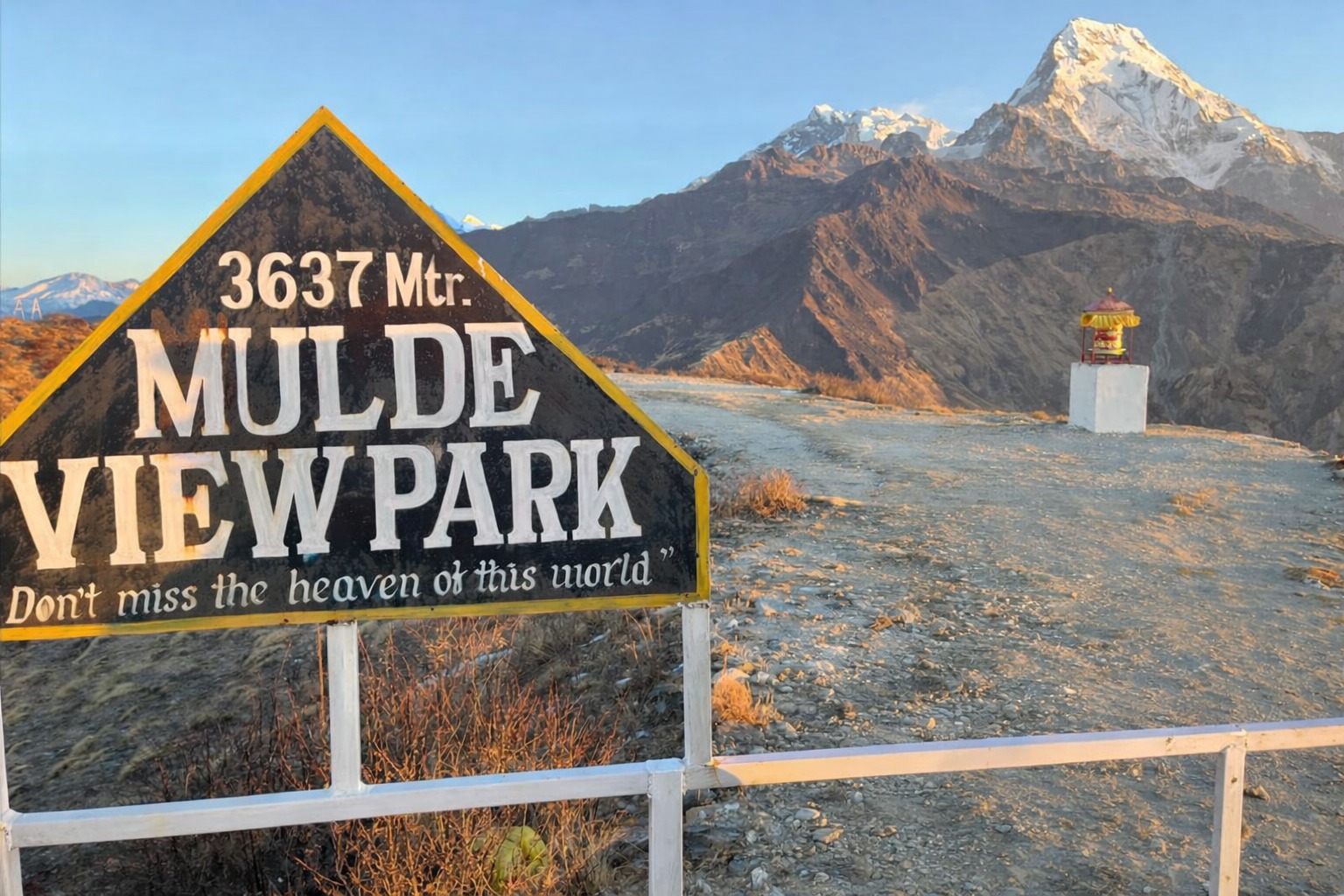
Mulde View Point Trek with Poon Hill – Four Days of Annapurna
Nepal Tour Packages
4 Days
Save 32%
Mardi Himal Base Camp 5 Days Trek
Nepal Tour Packages
5 Days
Save 22%
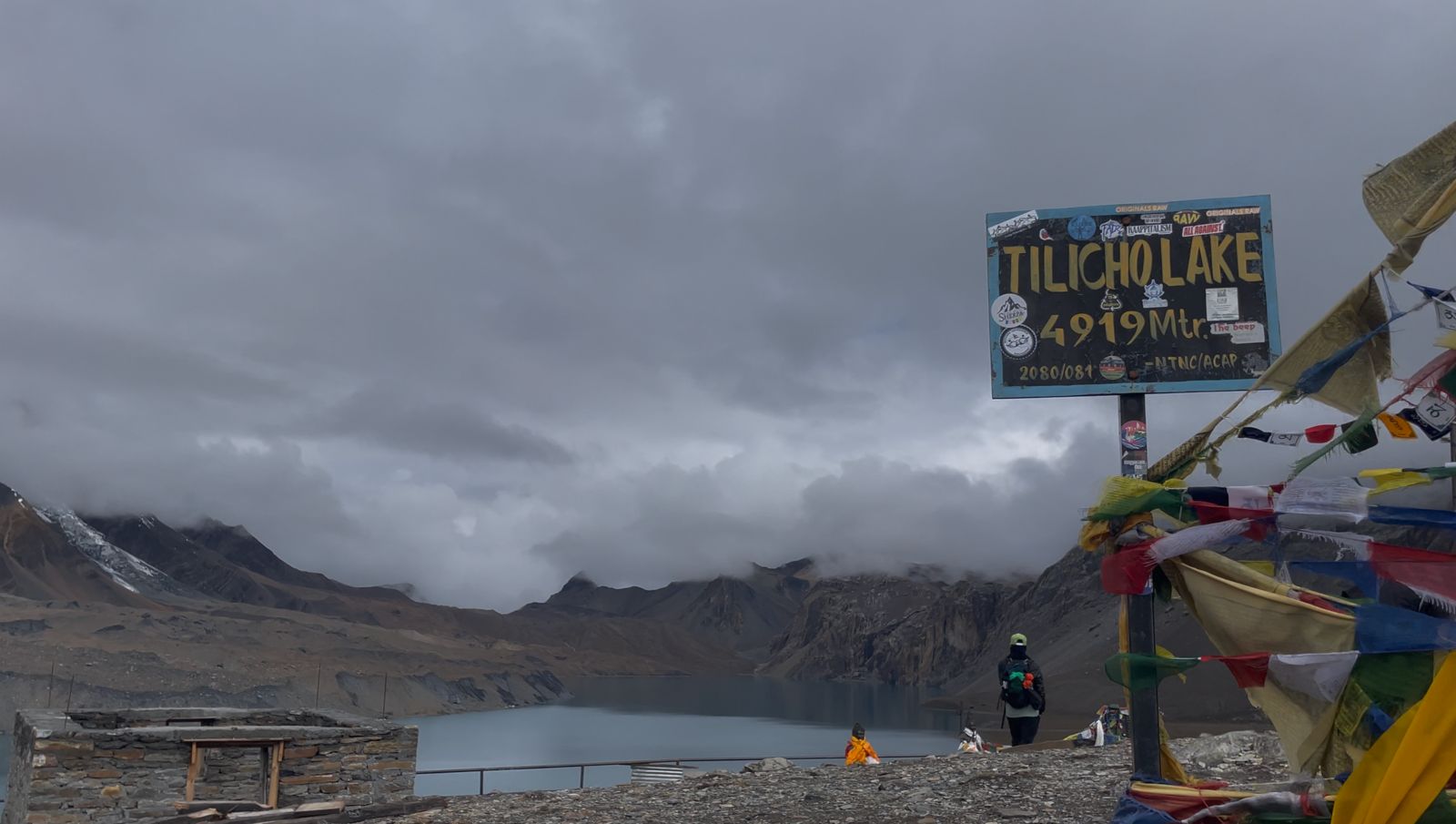
Annapurna Circuit Trek with Tilicho Lake
Nepal Tour Packages
13 Days
Save 28%
Nar Phu Valley Trek – 11-Day Remote Himalayan Adventure
Nepal Tour Packages
11 Days