



Mount Kailash Mansarovar Tour via Hilsa Border


5(149)


Itinerary
Your Journey, Step by Step
Kathmandu Sightseeing and fly to Nepalgunj
After having our delicious breakfast, we will visit the most historical and spiritual attractions in Kathmandu. Some of these landmarks are considered World Heritage Sites, including the historic Kathmandu Durbar Square, the sacred Hindu temple of Pashupatinath, the famous ‘Monkey Temple’ (Swoyambhunath), and the Buddhist stupa (Bouddhanath), which is one of the largest stupas in the world.
Later, there will be a pre-trip discussion. Bold Himalaya will give us brief details regarding our tour as well as provide us with an opportunity to ask any questions we may have regarding our upcoming adventure. You can also go for last-minute shopping for your tour. You will find every branded trekking gear in Thamel.
Then, we will fly from Kathmandu to Nepalgunj, which is located in the border region of India in western Nepal. The flight is a panoramic experience above Kathmandu city. It flies across beautiful rivers and hills.
Nepalgunj is the hottest city in the nation and a part of the Terai belt of Nepal, which holds a varied culture and lifestyle. Overnight in Nepalgunj.
Fly from Nepalgunj - Simikot - Hilsa and Drive to Taklakot
After having breakfast at Nepalgunj, we will take a short flight to Simikot, which takes approximately 1 hour. It is one of the remote districts of Nepal. Simikot is the doorway to Hilsa and is on the Tibetan border of Nepal. The marvellous peaks of far-western Nepal can be explored during the flight.
We will rest for a while at Simikot and continue on the flight to Hilsa by helicopter. Each flight carry 5 people, which usually takes around 15-20 minutes.
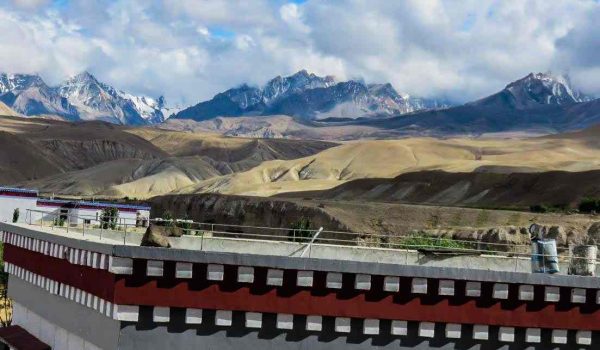
After the arrival of all the members, we have to pass the checkpoints. After completing the formalities, we will drive to Taklakot, which is 30km and stay at the hotel. Taklakot is the main trading centre for Tibetans and Nepalese, as the marketplace is buzzing with traders and travellers.
Rest day at Taklakot
Today, we will relax in Taklakot for acclimatization. It is vitally important to be properly acclimatized to perform circumambulation (Parikrama) around the sacred mountain Kailash.
Also, it is for our safety too. Our bodies should be adjusted properly in a new environment before we reach higher altitudes. You can also explore the market of Taklakot.
Drive to Mansarovar Lake
Early morning, after having breakfast, we will pack our belongings and then drive to Lake Manasarovar, which is approximately 80km from Taklakot. Right from the beginning, the highway starts making a gradual ascent and levels off eventually after crossing Mount Gurla Mandate (7,694m/25,243ft).
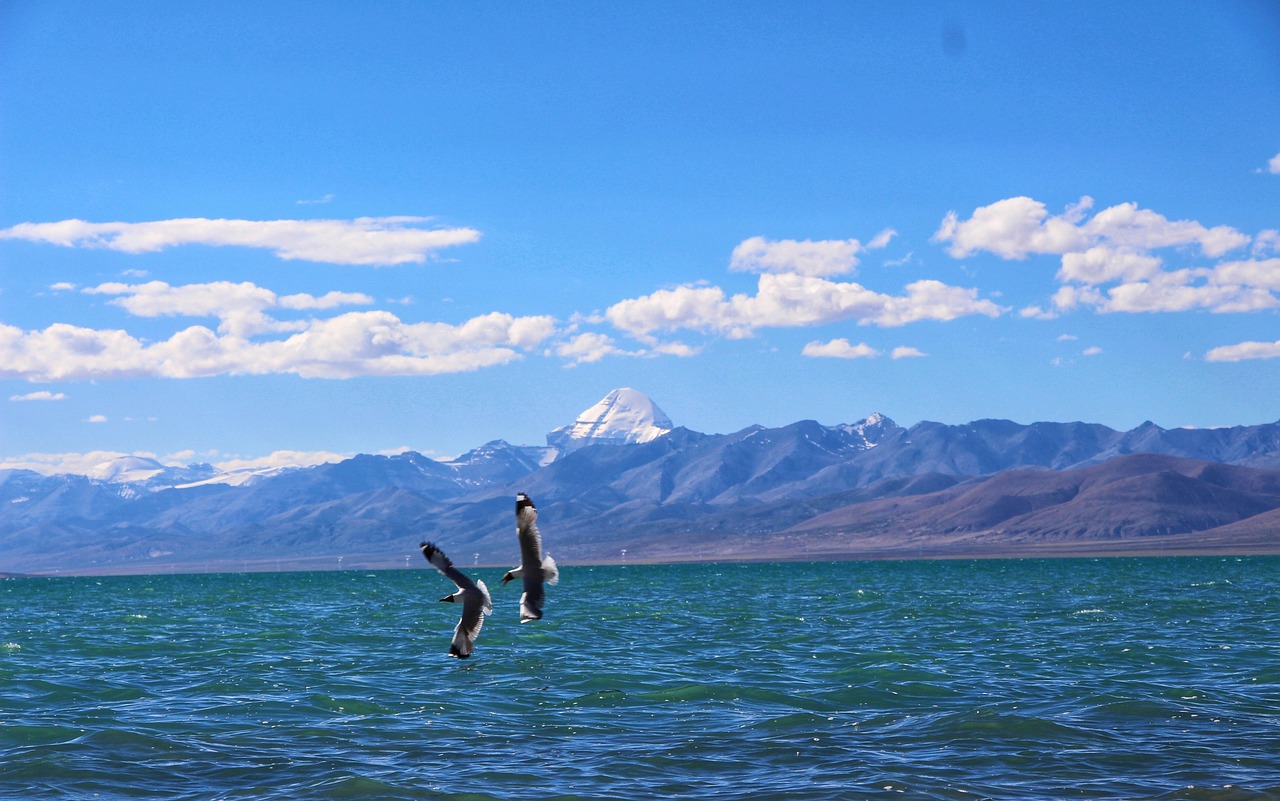
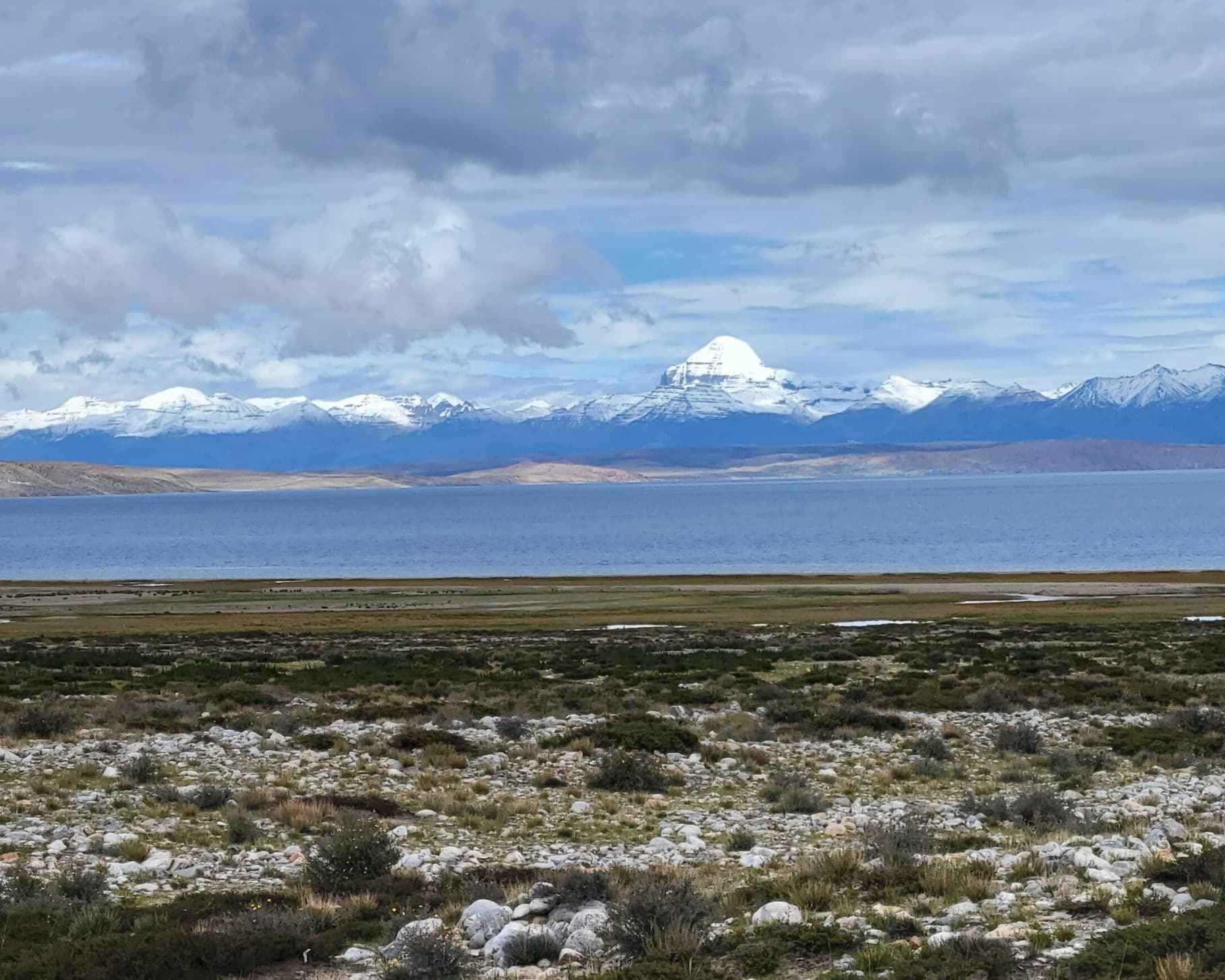
The lake is religiously important for both Buddhist and Hindu pilgrims. The Hindu believes that the divine water of the lake will purify one’s soul and take one to the lap of Lord Shiva after death. On the way, we will stop for 10 minutes to witness the first glimpse of Kailash from Rakshas Lake before reaching Lake Manasarovar.
Then, we will continue our journey for a circumambulation (Parikrama) around the lake. The scenic drive passes through the Gurla Pass before arriving at Lake Manasarovar (4,600m/15,100ft). Then, we make the holy dip and perform pooja & Homa. After completing all these activities, we will return to the western shore in the evening for an overnight stay.
First day of Outer Kora - Drive to Darchen and Yamadwar and Trek to Dirapuk
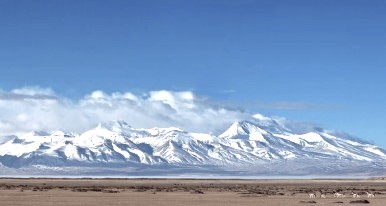
Today is the day that we start holy circumambulation around sacred Kailash. We will get ready to move on from Lake Manasarovar to Darchen, which is around 40 km. Darchen is a tiny village with very few tea houses to provide services for travellers and pilgrims. It is the starting and the ending mark of ‘Kora,’ the holy walk around.
From Darchen, we will drive to Yama Dwar (also called Tarboche in the Tibetan language), which is 5 km away. In Yama Dwar, we can hire a horse or porter, then set off together to Deraphuk.
Those who are not doing Parikrama will return to Darchen and wait there for two days. They will stay in Darchen waiting for other members to return who have gone for circumambulation.
The entire trail up to Deraphuk is reasonably flat with gentle ascent; however, due to the extreme elevation of this region, we will probably feel exhausted and need to stop on the way very frequently. The last leg of the journey is tough with an active ascent, but it is only for half an hour.
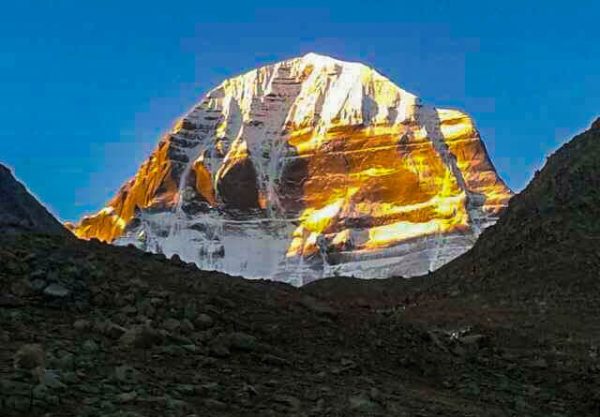
Deraphuk stands at an elevation of 4,950 m/16,240 ft. Deraphuk Monastery is a small monastery that is of spiritual significance and is located on the north face of Mount Kailash, and it is situated along the sacred Kailash Parikrama route. The north face of Mount Kailash is just a few thousand meters away from here. This is the only place to have the nearest view of the north face. We will walk in the shades of the majestic Mount Kailash throughout and enjoy the heavenly landscapes. Overnight at the Tea house.
Second day of Outer Kora- On to Zuthulpuk with trek to Dolma La Pass
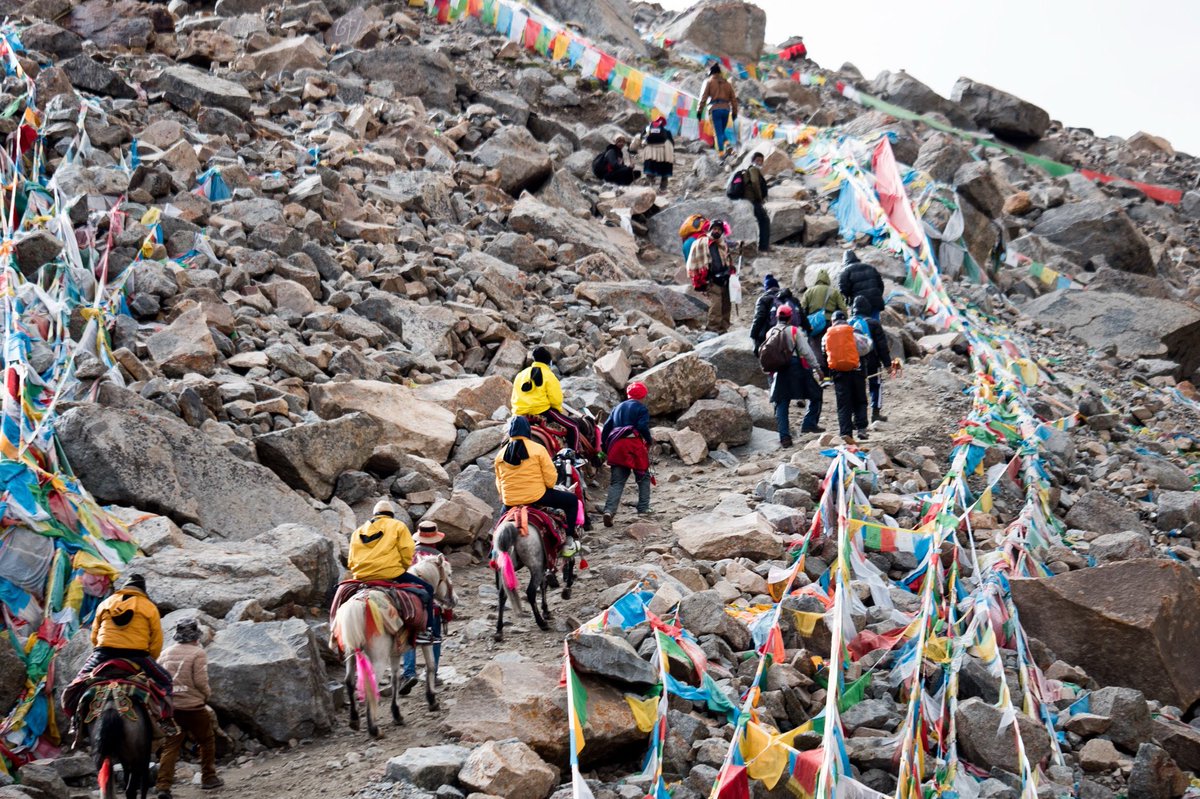
Today is the hardest but holiest day of the pilgrimage. We have to cross a significant distance through the rugged portion of the trail around Mount Kailash before reaching Zutulpahuk.
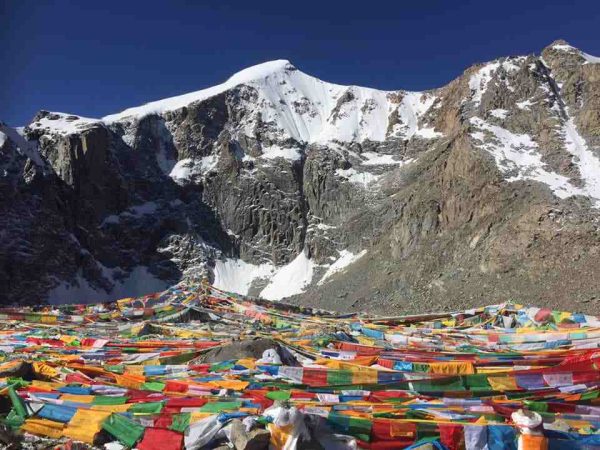
From Deraphuk, early morning after having breakfast, we move ahead to Zuthulpuk. Up to Dolma-La Pass (5,650 m/18,532ft.), the path continues taking us higher and higher. Dolma La is the peak point of this journey.
From this onward, the trail leads us all the way down to the valley floor. This particular portion of the trek is a speedy incline, and the track is full of boulders and screes, so one should pay continuous attention while trekking down.
While descending from Dolma La, we will pass alongside a lake called Gaurikunda. It is almost frozen from May through September. The legend of this lake is linked with Mata Parvati, the companion of Lord Shiva.
Once we go down to the valley floor, the trail becomes even and easy up to the Zutulphuk. At Zutulphuk, we will come across the incredible Thugje Zinbu (Lake of Compassion) and a few ancient meditative caves.
Drive to Hilsa-Simikot via Taklakot
Undoubtedly, today is the most hectic day of our journey. After accomplishing the circumambulation, we will drive all the way to Taklakot and then cross the border.
After the morning meal, we will pack up our belongings and be ready to move on to Darchen. It requires approximately 3 hours to reach the ending point of this trail, where our vehicle is waiting to fetch us. We will board the vehicle and proceed to Taklakot, and drive to Hilsa. It takes around 4-5 hours to reach Hilsa, where we have to go through the immigration formalities.
From Taklakot, a military person will accompany the group to guide them towards Hilsa. After having luggage checked and going through some formalities again at the border, we will cross over the suspension bridge of the Karnali River, then enter into the territory of Nepal.
Then, we will fly to Simikot, the same way as before, while coming from Simikot to Hilsa. After reaching Hilsa, we will get some rest in the guesthouse.
Fly Nepalgunj and fly back to Kathmandu
We will fly from Simikot to Nepalgunj, which takes around 40 minutes, and after landing in Nepalgunj, we will fly back to Kathmandu with scenic views. After reaching Kathmandu, you will be transferred to your hotel for an overnight stay.
Final Departure
You are bidding goodbye to beautiful Nepal and Tibet as your journey comes to an end today. We will take you to the airport for your flight.
We hope you enjoyed the tour and are sure you will be back again for more adventure. Approximately 3 hours before your scheduled flight, a representative from Bold Himalaya will take you to the airport. On your way home, you’ll have enough time to plan your next adventure in the wonderful country of Nepal.
Inclusions
What’s Covered in Your Adventure
- Includes pick-up and drop-off services, all private ground transportation to Nepal, Tibet, and Kathmandu
- Airport Transfer(Kathmandu-Nepalgunj)
- Domestic Flights: Nepalgunj-Simikot-Hilsa (by Helicopter)
- Accommodation will be at a hotel in Kathmandu, Nepalgunj, and Taklakot, and tea houses/Guest houses from the Mansarovar
- Full meals as specified in the itinerary (breakfast, lunch, and dinner). Vegetarian meals are commonly provided during Yatra
- Permits: China Visa, Tibet Travel, Mansarovar, and Kailash Region
- Experienced Tibet Tourism Bureau, approved guide for Tibet and sightseeing in Kathmandu
- All government/local taxes and formal charges
- Extra Lunch and Dinner in Kathmandu
- Kathmandu city tour entrance fee
- All Personal expenses
- Your international airline ticket and travel insurance
- Horse/Yaks/Porter Charges for Kailash Kora
- Emergency evacuation assistance
- Optional luxury upgrades, not mentioned in the itinerary
- Expenses due to flight delays, weather conditions, or natural calamities

Packing List For Mount Kailash Mansarovar Tour via Hilsa
Packing correctly for the Mount Kailash Mansarovar Tour via Hilsa is crucial, as the pilgrimage takes place in a remote, high-altitude region with unpredictable weather and limited facilities.
Moisture-wicking shirts and pants
Warm layers (fleece jacket, thermal underwear, down jacket)
Waterproof outer shell jacket and pants
Hiking boots with ankle support
Thick socks
Sun hat, sunglasses, buff or scarf
Gloves or mittens
Backpack with rain cover
Sleeping bag suitable for cold temperatures
Trekking poles
Headlamp or flashlight with extra batteries
Personal water bottle/hydration system
Portable charger/power bank
Camera or smartphone
Personal toiletries and medications
First aid kit
Sunscreen and lip balm with SPF protection
Passport and travel documents
Cash in local currency
Travel insurance
Copies of important documents
Notebook and pen
Snacks (energy bars, nuts, dried fruits)
Insect repellent
Good to Know
Your Journey, Step by Step
Best Time to Visit Kailash Mansarovar
The best time to do the Kailash Mansarovar Yatra Tour is from March to September. This period falls within the summer and early autumn seasons, which offer the most favorable weather conditions for the pilgrimage. During these months, the temperatures are relatively milder, and the days are longer, providing comfortable trekking conditions for Kora.
During March and April, the temperature at Kailash Mansarovar starts to rise, but the weather remains relatively cold. Average daytime temperatures range from 5°C to 10°C (23°F to 50°F). Whereas from March to June, the weather is generally pleasant, the landscapes are adorned with blooming flowers and lush greenery, and the average daytime temperatures range from 5°C to 15°C (41°F to 59°F). However, the trails may still have some patches of snow, particularly at higher elevations.
With typical temperatures between 15°C and 25°C (59°F and 77°F), July and August are the warmest months. The monsoon season, which brings sporadic downpours, begins in these months. During this season, the environment gets even greener, and water bodies are revitalized. The Saga Dawa festival, which commemorates Buddha’s enlightenment, is attended by pilgrims in the area. This time of year also has religious significance.
September is another favorable time for the Kailash Yatra, with the monsoon gradually subsiding. The clear and pleasant weather provides breathtaking views of the Himalayan peaks and the surrounding landscapes.
Accommodations
In Kathmandu and Nepalgunj, accommodation is provided in standard tourist-class hotels with comfortable rooms and private bathrooms. From Simikot onwards, including Hilsa, Taklakot, Mansarovar, Darchen, and during Kailash Parikrama, the lodging changes to tea houses or local guest houses. These have twin-sharing or dormitory-style rooms with shared facilities, limited hot water, and occasional electricity, due to the remote and high-altitude terrain.
Though the facilities are basic, the accommodations are clean and adequate for a pilgrim to rest after a long day of traveling, so that they can concentrate on their spiritual journey.
Food during Kailash Mansarovar Tour
The Kailash Mansarovar Yatra not only offers a spiritual experience but also a culinary adventure through the rugged Himalayas and the Tibetan plateau. At the beginning of the yatra, which starts in Nepal, the food offered to the pilgrims at places like Nepalgunj, Simikot, and Hilsa comprises a combination of Nepali and Tibetan cuisine. Traditional dishes like dal bhat, which comprises steamed rice, lentils, and vegetables, provide the necessary energy for the long trekking expedition. Another popular dish, momos, which are Tibetan-style dumplings filled with vegetables, chicken, and yak meat, along with thukpa, a noodle soup, are quite popular among the pilgrims, while milk tea and butter tea provide the necessary warmth to the pilgrims during the chilly high-altitude trekking expedition.
Once they enter Tibet, the food habits change to more conventional Tibetan cuisine, especially when they are en route to Taklakot, Darchen, or Mansarovar. Tsampa, made from barley flour, is usually taken with butter tea, acting as an energy booster, while dishes made from Yak meat, either in stew or a fried variety, act as an important source of protein for the pilgrims. Soup, simple fried rice, and noodles are part of the menu in the pilgrims’ food camps, while vegetables, though in short supply, are incorporated into the meal in the form of stews or boiled varieties. Yak Butter Tea is an essential part of the menu, taken daily to keep the pilgrims warm in freezing conditions at high altitudes.
As this is a spiritual tour, vegetarian meals are commonly provided during this tour.
How to prepare for Mount Kailash Mansarovar Yatra Tour?
Physical Fitness: The Kailash tour involves walking for long hours at high altitudes for the Kora. Therefore, it’s essential to work on improving your cardiovascular endurance, strength, and stamina. Regular cardiovascular exercises like hiking, jogging, or cycling, along with strength training, will help you prepare for the physical demands of the trek.
Medical Check-Up: Make sure you are physically ready for the pilgrimage’s demands by getting a comprehensive medical checkup before starting the walk. You should carry the essential medications and discuss any existing medical issues with your doctor.
List of documents required for Mount Kailash Mansarovar Tour via Hilsa
Passport: It is necessary to have a passport that is valid for at least six months after the date of the trip. Keep your passport secure and always have photocopies with you as a backup.
Chinese Visa: Since Kailash Mansarovar is located in Tibet, which is part of China, you will need a Chinese visa to enter Tibet, which you will obtain from us.
Tibet Travel Permit: Foreign visitors must have this permit to enter Tibet. We arranged for you to receive it, which is issued by the Tibet Tourism Bureau. Keep the original permit with you at all times during the journey.
Kailash Mansarovar Entry Permit: This permit is specific to the Kailash Mansarovar region and is necessary for visiting the sacred sites. It is also arranged by us.
Nepal Visa: If you are traveling via Nepal to reach the border entry point for Kailash Mansarovar, you will need a visa for Nepal. Obtain the appropriate visa type after you arrive at Tribhuwan International Airport. However, if you are an Indian Citizen you wouldn’t have to obtain a Nepali Visa for traveling to any place in Nepal.
Passport-size Photographs: You may be required to submit passport-size photographs for visa applications and permits. Carry a few extra copies with you for any additional requirements.
Travel Insurance: Although it is not a must, it is strongly advised to obtain travel insurance that protects against unanticipated events such as trip cancellation, emergency medical costs, and evacuation.
Transportation arrangement for Mount Kailash Mansarovar Tour via Hilsa
During this tour to Kailash Mansarovar, a variety of transportation modes are employed to facilitate seamless travel across diverse landscapes.
Flights are utilized for long-distance travel, with routes including Kathmandu to Nepalgunj, Nepalgunj to Simikot, and Simikot to Hilsa, providing efficient access to remote areas.
Once on the ground, land transportation in the form of buses, vans, or jeeps is used for shorter distances, such as transfers between airports, hotels, and border towns like Taklakot.
These combined transportation methods ensure that travelers can navigate both the rugged terrain and the vast distances of the journey comfortably and efficiently, enhancing their overall experience of the pilgrimage to Kailash Mansarovar.
Group arrangements for Mount Kailash Mansarovar Tour via Hilsa
As a travel operator organizing the Kailash Mansarovar pilgrimage yatra, we are well-equipped to cater to groups of various sizes, ensuring a memorable and spiritually fulfilling journey for all participants. You will have to pre-book your trip along with your group members and inform us if you want to make a group trip to Kailash Mansarovar.
For small groups, typically consisting of 6 to 15 participants, we offer an intimate and personalized experience. With a smaller group size, travelers can enjoy more one-on-one interactions with our experienced guides, fostering a close-knit and supportive community.
For larger-sized groups, comprising more than 15 participants, we understand the need for efficient coordination and logistics. Our experienced team is adept at managing larger groups while maintaining a sense of intimacy and individual attention. Despite the larger group size, our guides and support staff are committed to providing a meaningful and transformative journey for each participant.
Guides
To guarantee a secure and educational journey, we offer a staff of trained and experienced guides and porters. Our tour guides are seasoned specialists with in-depth knowledge of the spiritual significance, history, and culture of the area. They promote smooth communication with local communities and provide insightful advice because they are fluent in both English and their native tongue.
Your safety and well-being are our top priorities, and our guides manage the logistics while giving you important instructions. Additionally, they provide spiritual counseling, which can help you deepen your connection to the sacredness of the sites and improve your pilgrimage experience.
Respectful & Meaningful Etiquette
Dress modestly when visiting sacred sites and interacting with local communities, covering your shoulders and knees. Seek permission before taking photographs, especially of locals or religious artifacts, and be mindful of any restrictions on photography. Show reverence when visiting temples and monasteries, removing your shoes and refraining from smoking or consuming alcohol.
Respect the traditions and practices of the community while embracing them with an open mind. Be ecologically conscientious by abstaining from trash, practicing responsible tourism, and adhering to the “Leave No Trace” philosophy.
Why is it forbidden to climb Mount Kailash?
Mount Kailash holds significance in both Tibetan Buddhism and Hinduism, making it culturally inappropriate to attempt to scale its sacred slopes. It is believed to be the place of the revered Hindu god Shiva and the Buddhist deity Demchok, serving as a hub for seekers of enlightenment.
While pilgrims often embark on a journey to circumambulate the mountain as a form of tribute, scaling its peaks is deemed disrespectful in this context.
Kailash Mansarovar Tour Visa and Permit Procedure 2026
For pilgrims and travelers heading to Mount Kailash and Lake Mansarovar in 2026, updated regulations require all foreign visitors to secure multiple permits and a special group visa for entry into the Tibet Autonomous Region.
Each traveler must obtain a Chinese Group Visa, usually arranged through an authorized tour operator, which allows entry into China while listing a mainland Chinese city as the port of entry. Once the group submits passport copies and a finalized itinerary, the operator arranges the Tibet Travel Permit (TTP), the most crucial document required for entering Tibet.
In addition, travelers need an Alien Travel Permit (ATP) to visit restricted or remote regions like Ngari Prefecture, and a Military/Foreign Affairs Permit for sensitive border zones surrounding Mount Kailash and Mansarovar. All permits are coordinated by licensed operators and must match the details of the group visa.
Processing times vary: the group visa typically takes 2-7 business days, while the Tibet Travel Permit can take 10-15 days. Pilgrims are advised to begin their applications at least 1-2 months before departure to ensure all permits are in place, as independent travel is strictly prohibited, and all approvals must go through authorized agencies. These updated 2026 procedures ensure a smooth and legally compliant journey to one of the world’s most sacred and remote destinations.
Kailash Mansarovar Yatra for Indians
Lately, there have been restrictions imposed by China on Indians seeking visas, making it challenging for those wishing to visit Kailash Mansarovar.
However, there are ways to catch a glimpse of Mount Kailash without venturing into China. One can enjoy views of the mountain from viewpoints near the Hilsa border on the Nepalese side. The Hilsa border serves as a gateway to Tibet, situated at the intersection of Nepal and Tibet.
From the village of Hilsa, one can marvel at scenes of the Himalayan scenery with distant sightings of Mount Kailash adding to its allure.
Travelers can also venture to locations along the Nepal-Tibet border, like Taklakot (Purang) and other towns that provide views of Mount Kailash without needing access into Chinese territory.
Joining the Kailash Mansarovar Tour from Nepalgunj
For Indian travelers planning to undertake the Kailash Mansarovar pilgrimage through the Hilsa Border Route, commencing the journey from Nepalgunj offers an easily accessible choice. Situated in the Terai region of Nepal, Nepalgunj acts as a stopover for travelers en route to Kailash Mansarovar. Departing from cities like Delhi or Lucknow, individuals can travel to Nepalgunj. Upon reaching Nepalgunj, travelers can effortlessly join the prearranged tour group. Continue their voyage to Kailash Mansarovar via flights to Simikot and Hilsa, followed by ground transportation to Taklakot and onwards to Mansarovar Lake and Mount Kailash.
This alternative not only removes the complexities of entering Tibet from China for travelers but also allows them to experience the varied landscapes and cultural richness of Nepal during their journey. With its positioning and efficient transport connections, Nepalgunj serves as a gateway for pilgrims embarking on this sacred expedition to Kailash Mansarovar, guaranteeing a seamless and unforgettable experience, from beginning to end.
Embark on a 5-day journey through the enchanting island of Bali, where vibrant
culture,
stunning landscapes, and rich traditions await. From the bustling streets of Ubud to
the
serene beauty of rice terraces, this tour offers a perfect blend of adventure and
relaxation. Explore iconic temple.
FAQs
Your Questions, Answered
When is the ideal time to visit Kailash Mansarovar?
Typically tours to Kailash Manasarovar are available between May and October. The best months for a visit are usually May June and September October due to weather conditions, excellent visibility and stunning landscapes.
How much walking is involved in the Parikrama?
The 52-kilometer journey around Mount Kailash with stops at Dirapukh and Zuthulpuk can be completed in three days of walking. The highest point of the trek is Dolma La pass at around 5,630m/18,470ft above sea level on the day of the Kailash Mansarovar Parikrama.
If someone requires emergency help what kind of assistance will be provided?
The tour manager or guide always carries aid supplies throughout the yatra. In an emergency situation our team also has a supply of oxygen bottles. It’s advisable, for pilgrims to bring an amount of their medications or any prescribed by a doctor. Moreover having insurance will prove beneficial in situations. We suggest getting one that aligns with the travel requirements, to Mount Kailash.
What can be found at Kailash Mansarovar?
Mount Kailash stands tall at 6638 meters (21,778 feet). Holds significance in Tibetan Buddhism and Hinduism. It is revered as the dwelling place of the Hindu god Shiva and the Buddhist deity Demchok. Moreover it is recognized as a site of significance and wisdom.
Lake Manasarovar, situated, around 90 kilometers northwest of Mount Kailash is a high altitude lake revered in Tibetan Buddhism and Hinduism for its significance and cleansing properties.
Do I need a visa to travel to Tibet?
Yes a Chinese visa along with a Tibet Travel Permit is necessary for traveling to Tibet. These essential documents can be arranged through either a travel agency or the Chinese embassy.
Why is it forbidden to climb Mount Kailash?
According to Hindu beliefs climbing Mount Kailash is considered disrespectful as it goes against the sacredness of the mountain and disturbs the presence believed to reside. A Tibetan legend tells the story of Milarepa, a monk who journeyed near Mount Meru but refrained from ascending it.
How do I get to Kailash Mansarovar, from Nepal?
There are ways to reach Kailash Mansarovar from Nepal. The recommended route for Nepali pilgrims is, through the Kerung route, known for its accessibility, affordability and convenience.
Is it possible to trek from Hilsa border to Mount Kailash?
Yes, it is possible to trek from Hilsa to Mount Kailash, but independent trekking is not allowed, and pilgrims must travel with a licensed tour operator, usually combining vehicles for the long approach and trekking only around Mount Kailash (the kora).
Can I use US dollars on the route to Kailash Mansarovar via the Hilsa border?
No, US dollars are generally not accepted along the route. You should carry Nepalese Rupees in Nepal and Chinese Yuan (RMB) in Tibet for purchases and expenses.

View OurSimilar Packages
Discover our top tours, loved by thousands of travelers annually. Choose the adventure that inspires you and embark on a journey tailored to your desires.
Save 22%
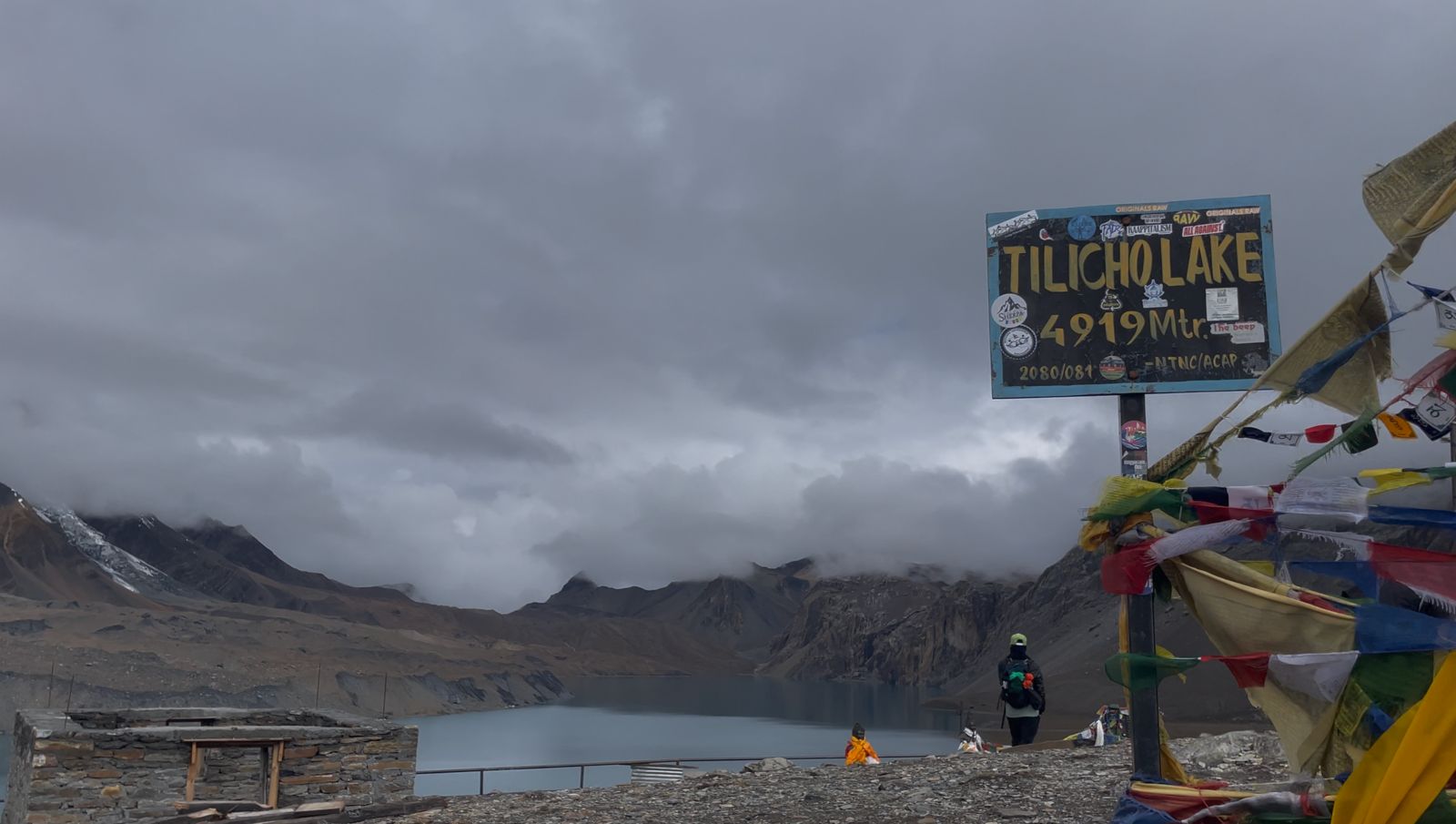
Annapurna Circuit Trek with Tilicho Lake
Imagine you walk up to a golden light that shines on... Nepal Tour Packages
 5 (49)
 4 Days
Save 28%
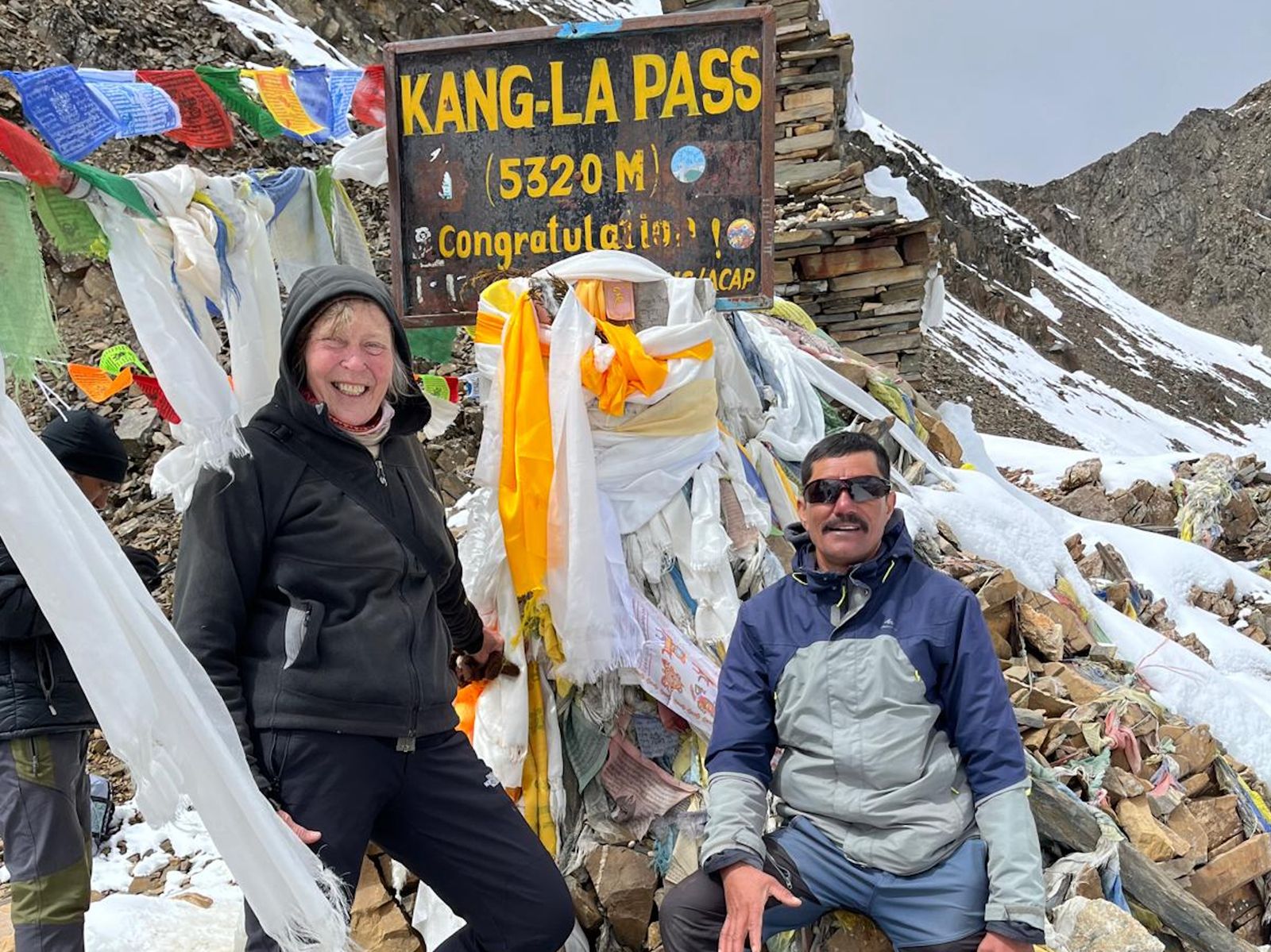
Nar Phu Valley Trek – 11-Day Remote Himalayan Adventure
Tucked away between the legendary Annapurna and Manaslu regions lies one...
Nepal Tour Packages
5 (49)
11 Days

Upper Mustang Mountain Biking Tour
The Upper Mustang is a popular cycling path in Nepal. This...
Nepal Tour Packages
13.0 Days

Upper Mustang Tangbe Tetang Muktinath Trek
Upper Mustang via Tangbe Tetang Muktinath trek is one of the...
Nepal Tour Packages
17.0 Days

Upper Dolpo Jomsom Trek via Upper Dolpo Region
Highlight The Dolpo region was opened in 1989 with the Shey...
Nepal Tour Packages
25.0 Days


