
Pikey Peak Trek – Short, Scenic Trek in the Lower Everest Region


Pikey Peak Trek Itinerary
Explore our detailed, day-by-day itinerary to see exactly how your Pikey Peak Trek journey goes.
Day 1: Arrival in Kathmandu
1,400 m / 4,600 ft
3* Hotel
The view of snow-capped mountain peaks greets you as you fly into Kathmandu. Upon your arrival at the Tribhuvan International Airport in Kathmandu, the Bold Himalaya representative will pick you up and transfer you to the hotel.
After check-in, if you have time, you can explore the vibrant streets of Kathmandu. In the evening, you’ll meet your guide and have a short briefing about the Pikey Peak trek. Overnight stay at the hotel.
Day 2: Drive to Dhap from Kathmandu
2,932 m / 9,619 ft
Tea House
Lunch & Dinner
8 hours
You’ll be picked up from your hotel, and we’ll drive to Dhap. The drive leads through B.P. Highway and follows the Sunkoshi River until Ghurmi. After Ghurmi, the road leads to a higher elevation, passing through Rhododendron, Cade, Pine forest, and is lined with numerous settlements.
This drive passes some waterfalls, terrace fields, streams, and beautiful views, and we will finally reach Dhap Bazar. Walk around the local market and town. Overnight stay in Dhap sets the tone for the Pikey Peak Trek, preparing you for the trails ahead.
Day 3: Trekking to Jhapre from Dhap Village
2,920 m / 9,580 ft
Tea house
Breakfast, Lunch & Dinner
5-6 hours
The trek begins as the trail quickly leaves the road, winding through forests of rhododendrons and sub-alpine flowers with endless Himalayan views. Passing through Sigane Village, you experience the daily life of Sherpa communities, terraces of rice and vegetables, and glimpses of Mount Everest and Numbur Himal.
After 5-6 hours of peaceful walking, you reach Jhapre, perched above a deep valley with a tiny gompa and stupa. Rest in a cozy tea house and enjoy a traditional Sherpa dinner.
Day 4: Jhapre to Pikey Peak Base Camp Trek
3,640 m / 11,942 ft
Tea house
Breakfast, Lunch, & Dinner
6-7 hours
From Jhapre, we’ll begin the day with stunning morning views of the Himalayas as we ascend toward a grassy slope at Bhulbhule.
The trail passes old yak houses and an enlarged Mani Wall, highlighting the local Sherpa culture. You continue along the slope of Taklung Danda through a serene woodland trail, where spring trekkers will find rhododendrons in full bloom, painting the forest with vibrant colors.
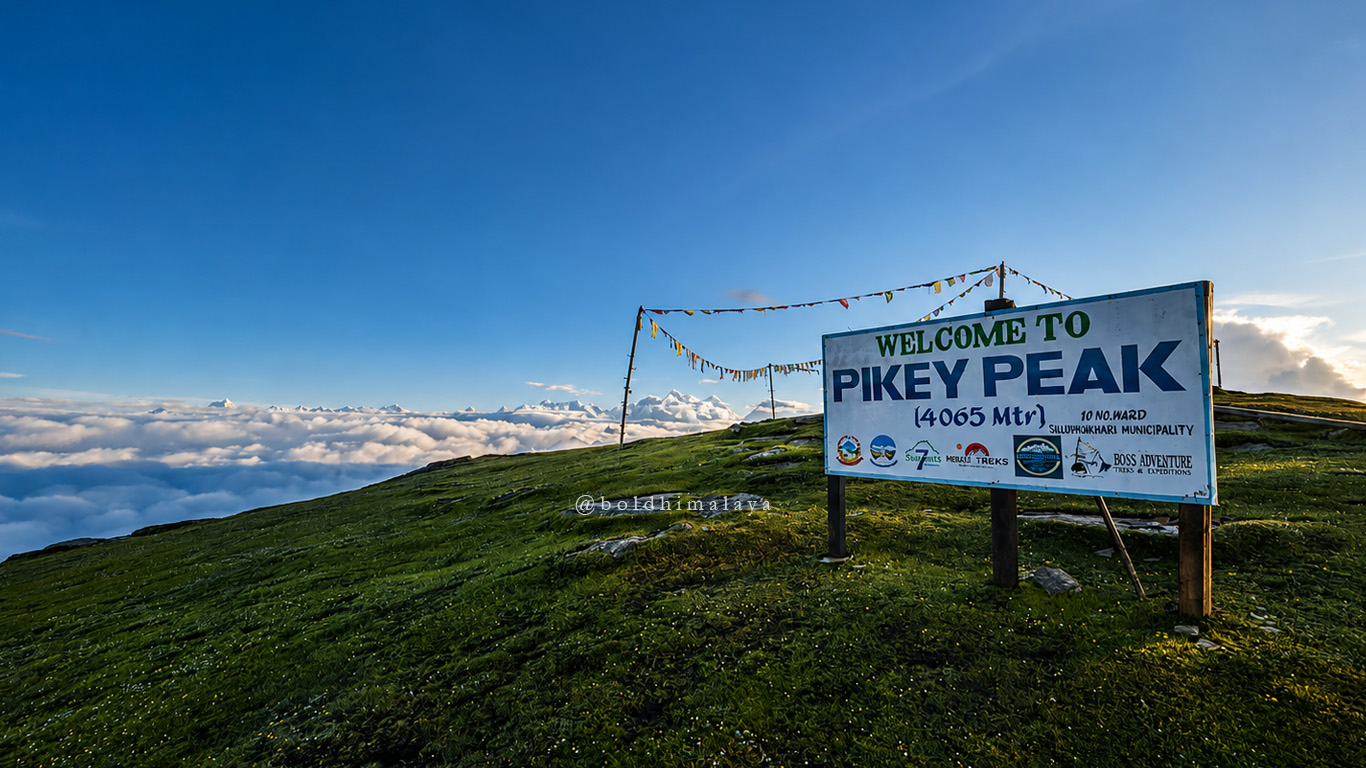
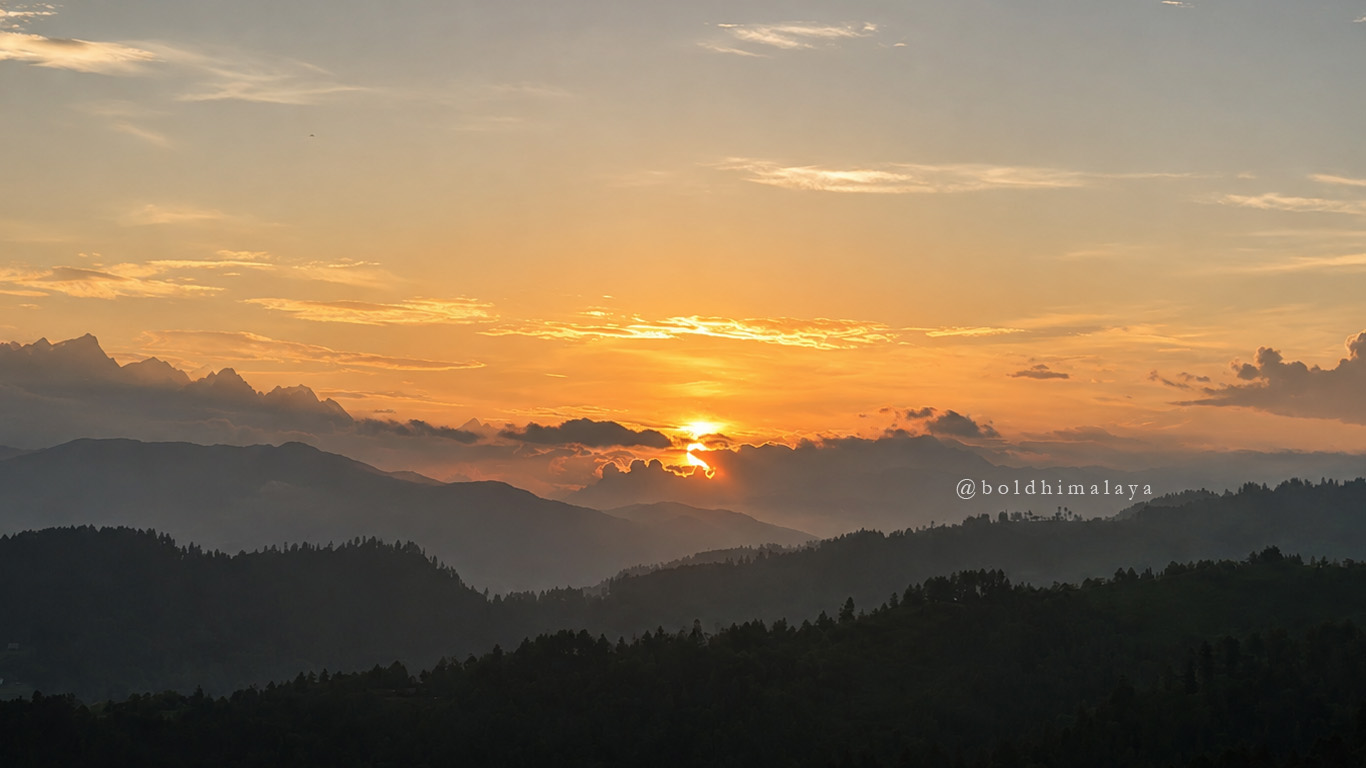
After passing through the peaceful forest, you reach Pikey Peak Base Camp. From here, the final ascent to Pikey Peak (4,065 m / 13,336 ft) is best done at dawn, offering an unforgettable sunrise view over Everest, Kanchenjunga, and Makalu. Spend the night at the cozy tea house at base camp, enjoying a warm meal and alpine tranquility.
Note:
Wake up early at base camp to catch the sunrise; it’s magical, peaceful, and less crowded than the summit itself.
Day 5: Hike to Pikey Peak for sunrise & to Junbesi Village
2,700 m / 8.858ft
Tea House
Breakfast, Lunch & Dinner
6-7 hours
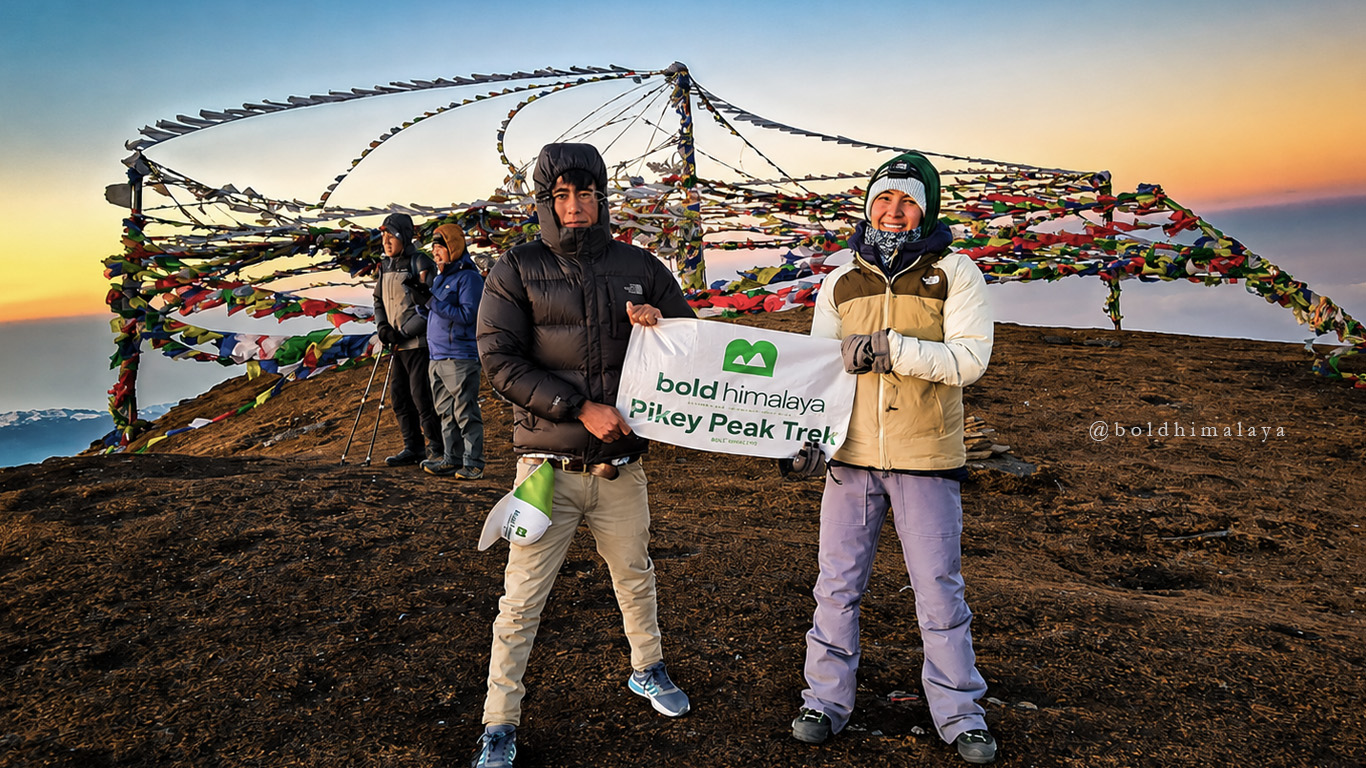
Your day begins early at Pikey Peak Base Camp, with headlamps lighting the quiet trail as you make your way toward the summit. The climb is steady but rewarding, and as you approach the top of Pikey Peak (4,065 m), the darkness slowly lifts into soft shades of orange and gold.
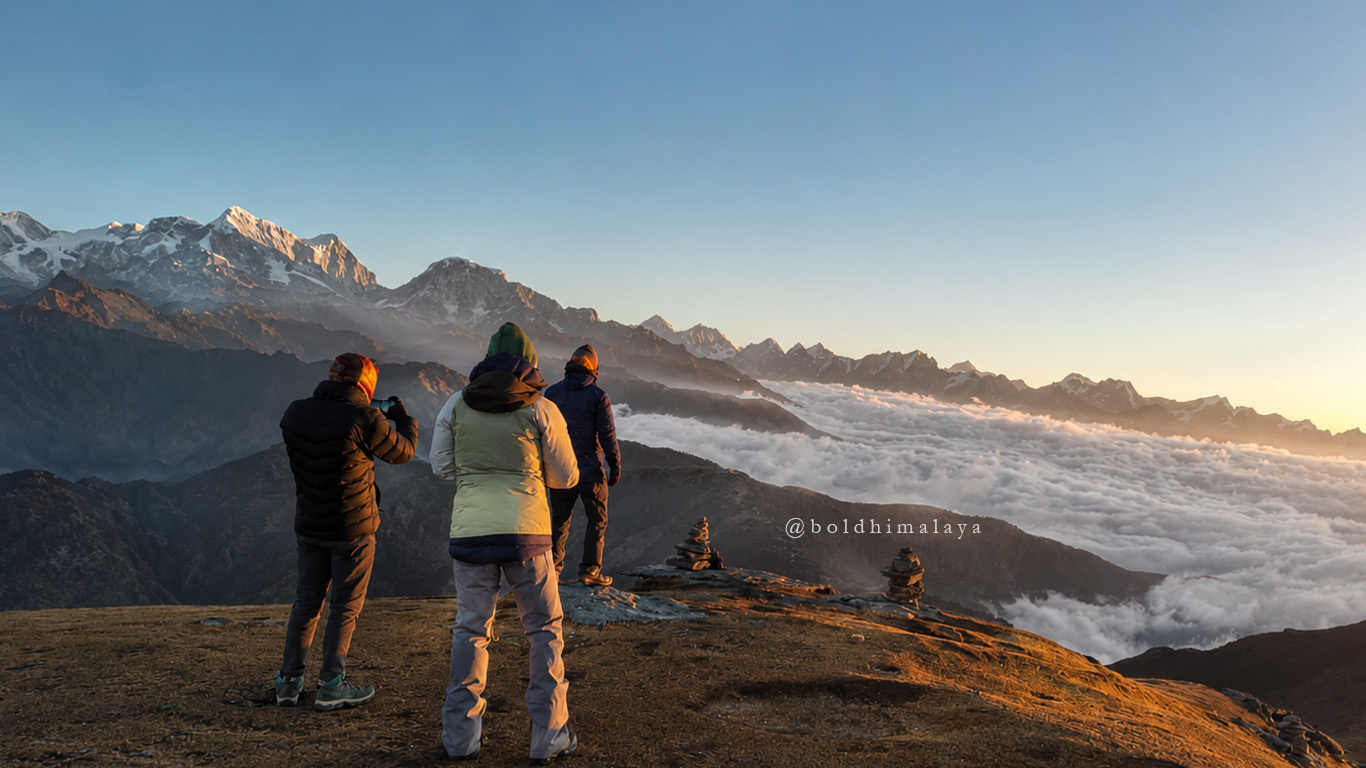
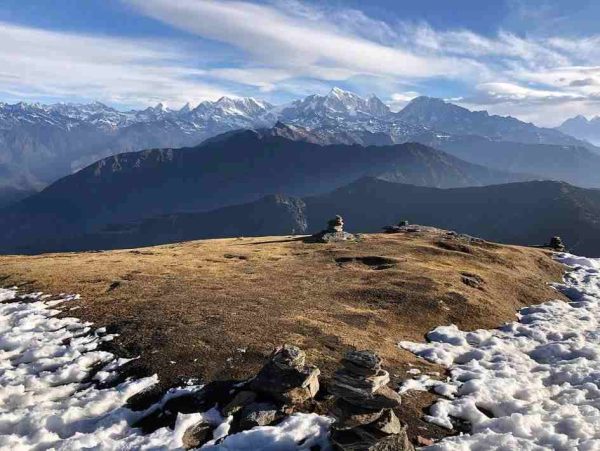
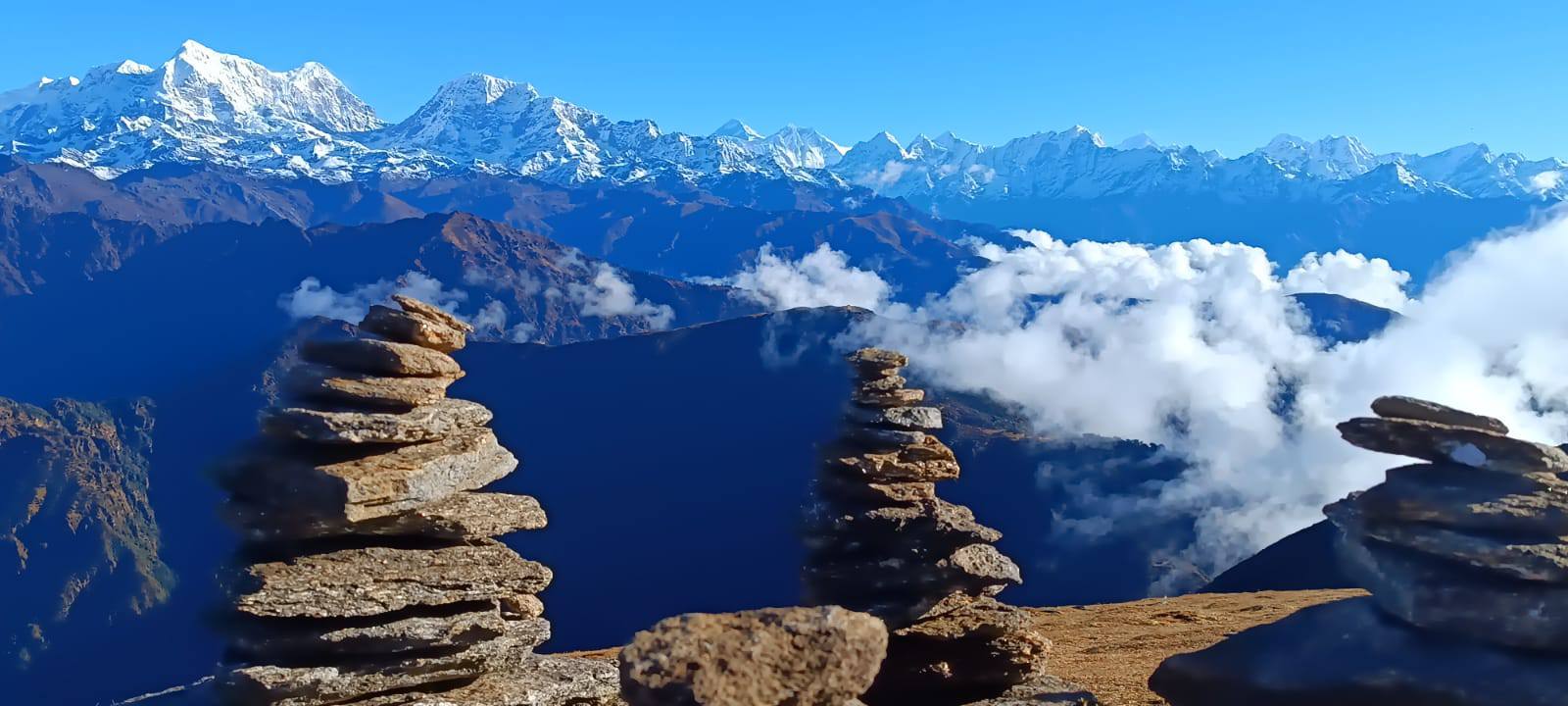
Reaching the summit is the moment most trekkers remember forever. From here, the Himalayan skyline opens wide; Everest, Lhotse, Makalu, Kanchenjunga, Dhaulagiri, Annapurna, and many more peaks stretch across the horizon. As the sun rises, the snow-capped mountains turn golden, creating one of the most breathtaking sunrise viewpoints in Nepal.
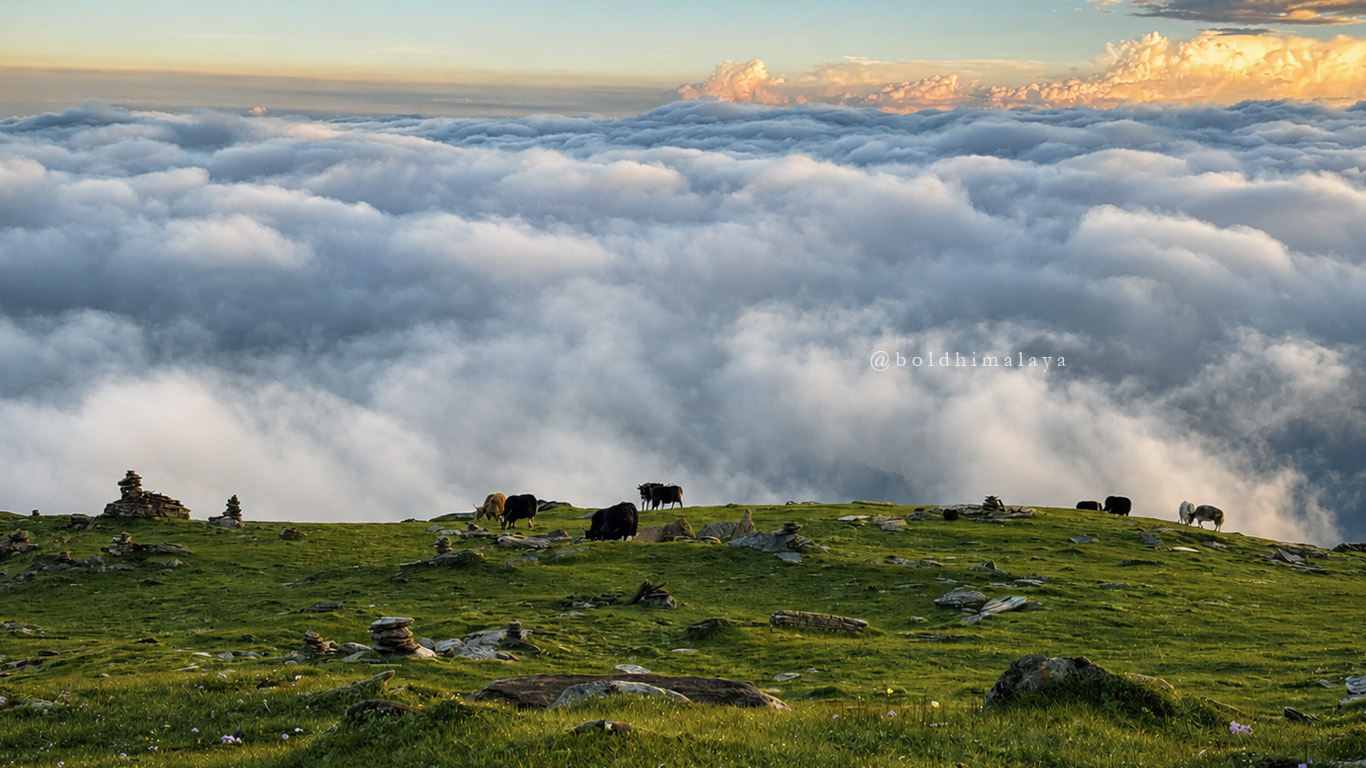
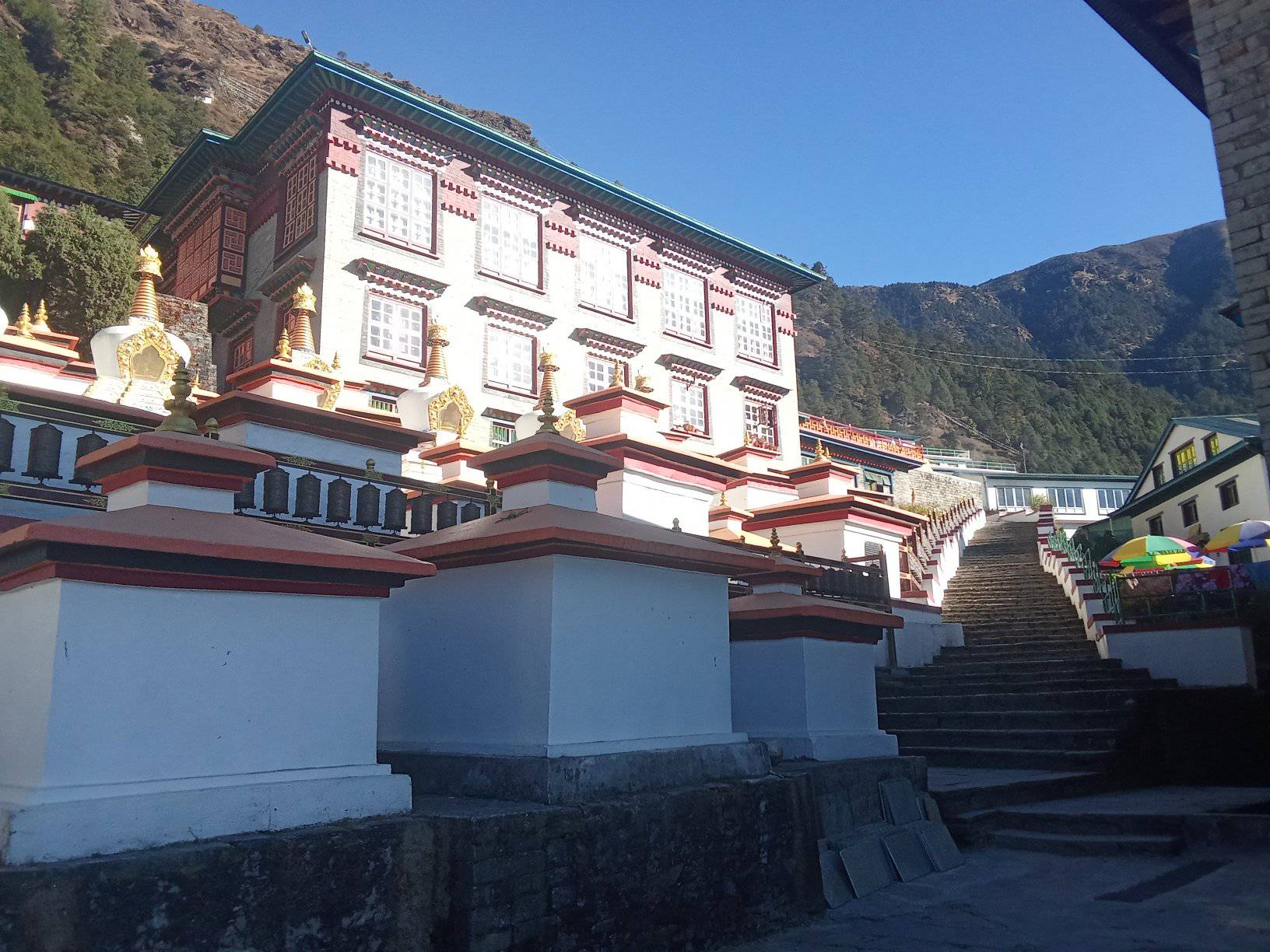
After taking in the panorama and capturing some unforgettable photos, you begin your descent from the summit. The trail drops gently through quiet ridgelines, yak grazing fields, and dense rhododendron and pine forests. The final stretch leads you into Junbesi, one of the most charming and culturally rich villages in the region. Overnight in Junbesi.
Day 6: Junbesi to Phaplu
2,413 m / 7,917 ft
Tea house
Breakfast, Lunch & Dinner
4-5 hours
We’ll start the day with a hearty breakfast in Junbesi Village before heading toward Phaplu. Today’s trail is gentle, winding through terraced fields, pine and rhododendron forests, and quiet Sherpa settlements. Along the way, notice the daily life of the villagers, farmers tending to yaks, children walking to school, and small prayer shrines tucked along the trail.
After arriving in Phaplu, a quaint town with a small airstrip and local markets, you’ll check into a comfortable tea house or lodge.
Day 7: Phaplu to Kathmandu (Drive Back)
1,400 m / 4,600 ft
Breakfast
8-9 hours
After breakfast in Phaplu, you begin your journey back to Kathmandu by jeep. The drive follows winding mountain roads, passing through small hill towns, terraced fields, and deep river valleys. Along the way, you’ll get your last glimpses of rural Himalayan life, children walking to school, farmers working in the fields, and prayer flags fluttering above village houses.
By afternoon or early evening, you arrive in Kathmandu and will be dropped at your hotel. This marks the end of your Pikey Peak adventure.
Note: An optional flight from Phaplu to Kathmandu is available at an extra cost.
Day 8: Final departure
Breakfast
After completing your memorable Pikey Peak trek, you’ll be back in your country. After breakfast, you’ll be transferred to the Kathmandu airport, according to your flight schedule. Or, you can also join another trip with us.
Want to customize your trip?
We ensure every trip meets your expectations — customize your itinerary anytime to match your travel style and preferences.

Inclusions
What’s Covered in Your Adventure
- Airport transfers service with private car
- 2 nights accommodation in 3-star hotel with twin or triple sharing bed with breakfast before & after the trek
- Sharing Jeep from Kathmandu to Dhap and back
- Best Available tea house accommodation during the trek
- Full board meal (breakfast, lunch, and dinner) during trek
- Experienced English-speaking guide (Including their accommodation, food, salary, and insurance)
- Gaurisankar Conservation Area Permit, Local Area Permit & TIMS Card
- A sleeping bag and a down jacket (If necessary-return after trekking)
- 1 porter for 2 pax with their food, accommodation and salary)
- Bold Himalaya tshirt or cap
- All government taxes and service charge
- First Aid kit for emergencies
- International Airfare
- Lunch & Dinner in Kathmandu
- Travel Insurance
- Tips for Guide, Driver, Porter
- Bar and desert bill
- Any other personal expenses

Essential Gear for Pikey Peak Trek
To enjoy a safe and comfortable trek to Pikey Peak, it’s important to carry the right clothing, trekking equipment, and personal essentials.

Clothing
- Base Layer
- Mid Layer
- Outer Layer
- Trekking Pants
- Warm hat and Sun Hat
- Golves
- Casual Wear

Backpacks & Bags
- Daypack
- Duffle/Backpack
- Rain Cover

Foot Wear
- Trekking Shoes (Broken-in)
- 3-4 pairs of shocks
- Lightweight camp shoes or slipper

Trekking Essentials
- Trekking poles
- Sunglasses (UV protection)
- Headlamp or flashlight with extra batteries
- Water bottle or hydration system (2–3L capacity)
- Water purification tablets or filter

Personal Items
- Sunscreen and lip balm (high SPF)
- Personal toiletries (toothbrush, wet wipes, hand sanitizer)
- Quick-dry towel
- First aid kit (bandages, painkillers, altitude sickness meds, blister plasters)
- Personal medications

Electronics
- Mobile phone and power bank
- Camera with extra memory cards
- Universal adapter (if needed)

Fixed Departure
Fixed Departures, Guaranteed Hassle-Free Travel
Good to Know
Know these informations before you go to Pikey Peak trek
Weather and Temperature in Pikey Peak Trek
During the Pikey Peak trek, trekkers will find themselves walking at altitudes ranging from 2400m to 4065m, experiencing a consistently cold climate throughout their journey. Afternoons bring the flow of winds around Pikey Peak. In the rainy season (June, July, and August), the lower areas receive rainfall, while the higher areas, especially around Pikey Peak, may experience snowfall during the winter season (December and January). Temperatures during the summer range between 5 to 15 degrees Celsius, while in winter, temperatures can drop to around 5 to -10 degrees Celsius.
Here is a detailed description of the variation of temperatures for different seasons.
Spring
| Location | Daytime Temperatures | Nighttime Temperatures |
| Lower Elevations | 15°C to 25°C (59°F to 77°F) | 5°C to 10°C (41°F to 50°F) |
| Higher Elevations (Pikey Peak Area) | 10°C to 15°C (50°F to 59°F) | -5°C to 5°C (23°F to 41°F) |
Autumn
| Location | Daytime Temperatures | Nighttime Temperatures |
| Lower Elevations | 15°C to 25°C (59°F to 77°F) | 5°C to 10°C (41°F to 50°F) |
| Higher Elevations (Pikey Peak Area) | 5°C to 15°C (41°F to 59°F) | -5°C to 5°C (23°F to 41°F) |
Summer
| Location | Daytime Temperatures | Nighttime Temperatures |
| Lower Elevations | 15°C to 20°C (77°F to 86°F) | 15°C (59°F) |
| Higher Elevations (Pikey Peak Area) | 15°C to 20°C (59°F to 68°F) | 10°C to 15°C (50°F to 59°F) |
Winter
| Location | Daytime Temperatures | Nighttime Temperatures |
| Lower Elevations | 5°C to 15°C (41°F to 59°F) | -5°C to 5°C (23°F to 41°F) |
| Higher Elevations (Pikey Peak Area) | 0°C to 10°C (32°F to 50°F) | -10°C to -5°C (14°F to 23°F) |
Pikey peak trek difficulty
Pikey Peak Trek is considered a moderate trek and is suitable for trekkers with good physical fitness levels. It does not require any technical knowledge of climbing. However, you need to be ready for several hours of walking every day, as it involves reaching heights of Pikey Peak (4,065m).
The trek can feel challenging because of steep sections, uneven mountain trails, changing weather, and altitude. Proper acclimatization, a gradual pace, regular hydration, and adequate rest can make the journey much more manageable.
Accommodation during Pikey Peak Trek
The accommodation during the Pikey Peak trek is provided in small teahouses and lodges owned by families in the region. The accommodation is basic, but they provide a comfortable and authentic trekking experience. Accommodation comes in the form of teahouses that mostly offer twin-sharing rooms with beds and have shared toilets.
The dining rooms in the teahouses have a stove to keep warm on cold nights. Villages such as Junbesi and Phaplu generally offer better facilities, while accommodation around Pikey Base Camp is more basic.
Foods on Pikey Peak Trek
Food on the Pikey Peak Trek mostly includes authentic Nepalese food, along with other basic foods from the Himalayan region. The popular dish among most hikers is dal bhat (rice, lentils, vegetables, and curry), which is both nutritious and gives enough energy to continue trekking throughout the day.
Commonly available foods also include momos, noodles, fried rice, soup, bread, chapati, potatoes, eggs, pancakes, pasta, and Sherpa-style dishes. Tea, coffee, ginger tea, and hot lemon drinks are commonly available. Breakfast, Lunch, and Dinner are generally arranged at tea houses along the route.
Permits Required for Pikey Peak Trek
The permits required for the Pikey Peak Trek depend on the exact route you choose, as some itineraries pass through protected areas while others remain outside them.
For the commonly used routes approaching Pikey Peak through the Dhap-Jhapre-Pikey Base Camp-Junbesi area, trekkers should confirm the current local permit requirements before departure.
- Local Area Permit & TIMS Card
The Gaurishankar Conservation Area Permit (GCAP) may be required when the itinerary enters the conservation area.
Before your trek, all permits are arranged by our company, so you don’t need to worry about the process.
Facilities on Pikey Peak trek
Electricity and Charging
Electricity is available in most of the villages along the Pikey Peak Trek, but it might be limited in some of the more remote locations. Teahouses usually have electricity for charging your phone, camera, and any other small devices at extra cost. It is advisable to have a portable power bank or charging device while trekking.
Internet and Mobile Network
Mobile network coverage is available in some parts of the Pikey Peak route but can be weak or unavailable in remote sections. Wi-Fi may be offered at some teahouses in larger villages, but it should not be relied upon throughout the trek.
ATMs and Money
ATMs are very limited along the Pikey Peak Trek, and reliable ATM facilities should not be expected in the remote trekking villages. It is advisable to withdraw enough Nepali cash in Kathmandu or Phaplu before starting the trek. Carrying extra cash is recommended because teahouses, meals, charging, and other services in remote areas generally require cash payment.
Hot Shower
Some teahouses offer hot showers for a fee, usually heated by solar or gas. However, the availability of hot showers may be limited, especially at higher altitudes.
Experienced Trekking Guides and Porter Services
Our team of trekking guides is at the heart of providing a safe and enriching experience on the Pikey Peak trek. These guides are not only well-trained but also deeply knowledgeable about the region. They have years of experience leading treks in the Himalayas, including Pikey Peak. Our guides possess an in-depth understanding of the trekking routes, trail conditions, and potential obstacles.
They have the ability to adapt the itinerary as needed, considering factors such as changing weather patterns, trekkers’ health conditions, or unexpected circumstances. Their expertise extends to understanding the local culture, geography, flora, and fauna, allowing them to share fascinating insights with our clients.
For trekkers who prefer to lighten their load, we also arrange porters with an extra charge. These strong and reliable individuals can carry a portion of your gear, allowing you to focus on the trek itself. Porters play a crucial role in making the journey more comfortable, especially at higher altitudes where the air is thin and the terrain is challenging.
They are familiar with the trekking routes and can transport your belongings efficiently. We also ensure that our porter arrangements adhere to ethical guidelines, including 20 kg carrying weight limits to protect their well-being.
Pikey Peak Trek Cost
The cost for the Pikey Peak Trek is $690 per person, which covers various aspects such as transportation, and a knowledgeable guide to accompany you throughout the trek, Additionally, the cost includes 2 nights of accommodation 3* Hotels, and 5 nights in tea houses, three daily meals (breakfast, lunch, and dinner), the required permits, and your participation in the trek through a government-approved organization.
It’s important to note that the price depends upon the group size, duration, and level of services. If you want a 4* or 5* hotel, you can tell us before the trip.
There may be additional expenses for services like Wi-Fi, drinking water, bar bills, hot showers, and laundry, which are not included in the overall cost.
Nepal Visa Information
Nepal offers a convenient and straightforward visa process for most international travelers. A tourist visa can be obtained either on arrival at Tribhuvan International Airport in Kathmandu or at designated land border entry points. Alternatively, travelers can apply in advance through a Nepalese embassy or consulate in their home country.
The most common option is the Visa on Arrival, which is quick and hassle-free. Visitors need to fill out an online or airport arrival form, provide a valid passport (with at least 6 months’ validity), and pay the visa fee in cash (USD or other major currencies). The standard visa fees are:
- 15 Days Visa: USD 30
- 30 Days Visa: USD 50
- 90 Days Visa: USD 125
Travelers are also required to carry a passport-sized photo and may be asked to show proof of accommodation or return travel.
Nationals of a few countries are not eligible for visa on arrival and must obtain a visa in advance. It is recommended to check the latest regulations before traveling, as requirements may change.
Nepal visas can be extended at the Department of Immigration offices in Kathmandu and Pokhara if you wish to stay longer and explore more of the country.
FAQs of Pikey Peak Trek
Your Questions, Answered
How high is Pikey Peak?
Pikey Peak reaches 4,065 meters (13,335 feet) above sea level, making it a moderate high-altitude trekking destination in the Everest region.
How difficult is the Pikey Peak Trek?
Pikey Peak Trek is considered moderate in difficulty. The route includes several hours of walking each day, uphill sections, and varied terrain. Good fitness and preparation are recommended.
How many days does the Pikey Peak Trek take?
It takes 8 days including arrival in Kathmandu, the trek, return to Kathmandu, and final departure.
How much does the Pikey Peak Trek cost?
The cost depends on the itinerary, group size, season, accommodation, transportation, and services included. Contact Bold Himalaya for the current Pikey Peak Trek cost and package details.
What is the best time for the Pikey Peak Trek?
The best seasons are spring (March–May) and autumn (September–November). These months generally offer stable weather, clearer skies, and better mountain visibility.
What permits are required for Pikey Peak Trek?
The required permits depend on the current route and Nepal’s trekking regulations. Your trekking agency can arrange the applicable permits before the trek.
Do I need a guide for the Pikey Peak Trek?
A guide is not generally required for the Pikey Peak Trek, but hiring a licensed guide is recommended for navigation, local knowledge, logistics, and safety.
Is Pikey Peak Trek suitable for beginners?
Yes. Pikey Peak Trek is suitable for beginners with reasonable fitness. Previous high-altitude trekking experience is not essential, but preparation for consecutive walking days is recommended.
What mountains can you see from Pikey Peak?
From Pikey Peak, you can see Mount Everest, Makalu, Lhotse, Kanchenjunga, Cho Oyu, Thamserku, Kangtega, Gaurishankar, and Mera Peak, depending on weather and visibility.
Is altitude sickness a concern on the Pikey Peak Trek?
Altitude sickness is possible because the trek reaches 4,065 meters. Gradual ascent, staying hydrated, taking adequate rest, and paying attention to altitude-related symptoms can help reduce the risk.
Where does the Pikey Peak Trek start and end?
This itinerary starts with a drive from Kathmandu to Dhap Village and follows the route through Jhapre, Pikey Peak, and Junbesi before ending in Phaplu, followed by transportation back to Kathmandu.
What accommodation is available on the Pikey Peak Trek?
Accommodation is mainly provided in local teahouses and lodges, offering basic rooms and meals along the trekking route. Facilities become more limited in remote areas.
What should I pack for the Pikey Peak Trek?
Pack trekking boots, warm layers, a down jacket, waterproof clothing, gloves, a sleeping bag, sunglasses, sunscreen, a headlamp, a water bottle, and personal medication. Equipment should be suitable for cold conditions at higher elevations.
View OurSimilar Packages
Discover our top tours, loved by thousands of travelers annually. Choose the adventure that inspires you and embark on a journey tailored to your desires.
View All Packages

Premium Nepal & Bhutan Luxury Tour | 11-Day Himalaya Adventure
 Multi-country
  11 Days Days
Save 33%
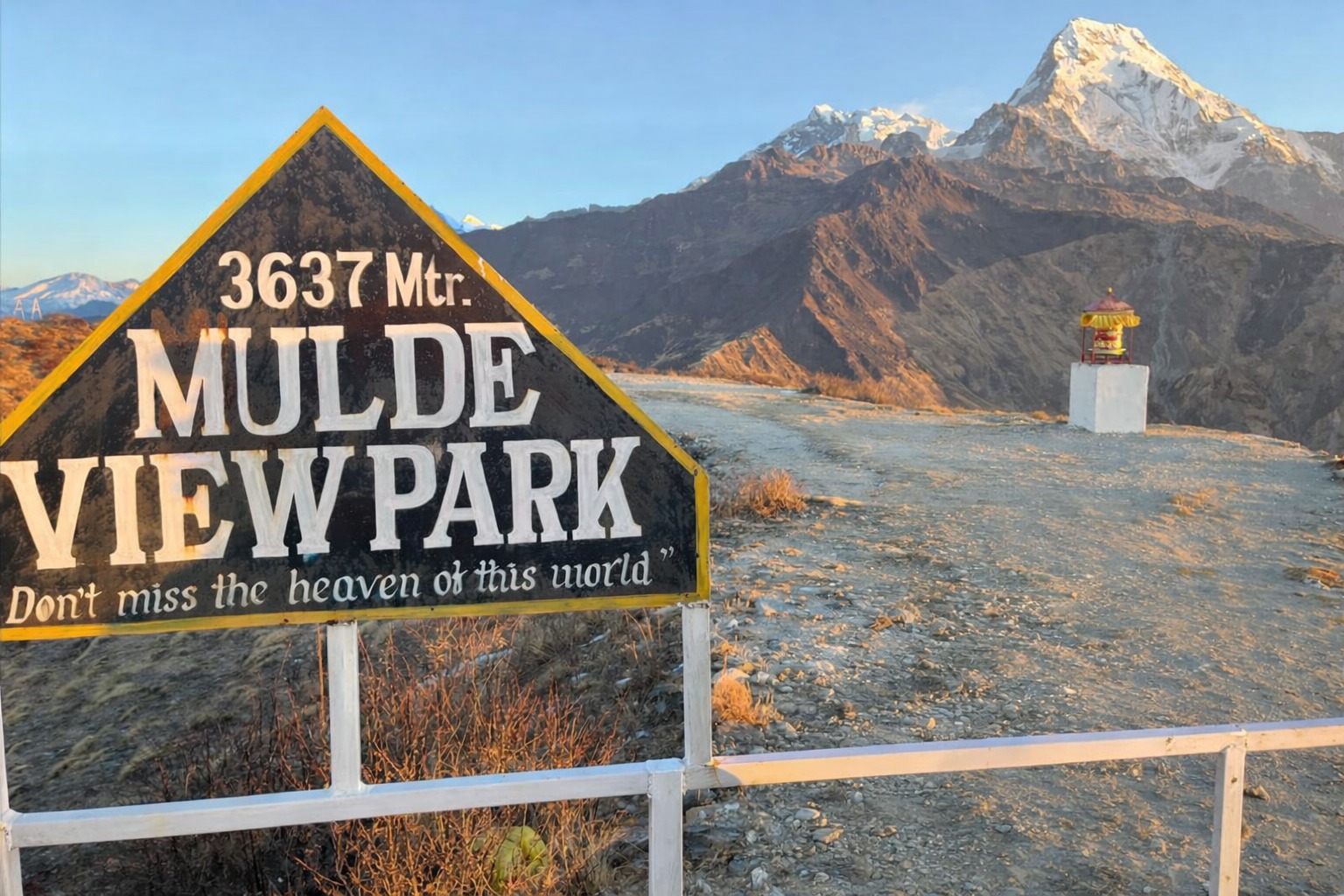
Mulde View Point Trek with Poon Hill – Four Days of Annapurna
Nepal Tour Packages
4 Days
Save 32%
Mardi Himal Base Camp 5 Days Trek
Nepal Tour Packages
5 Days
Save 32%
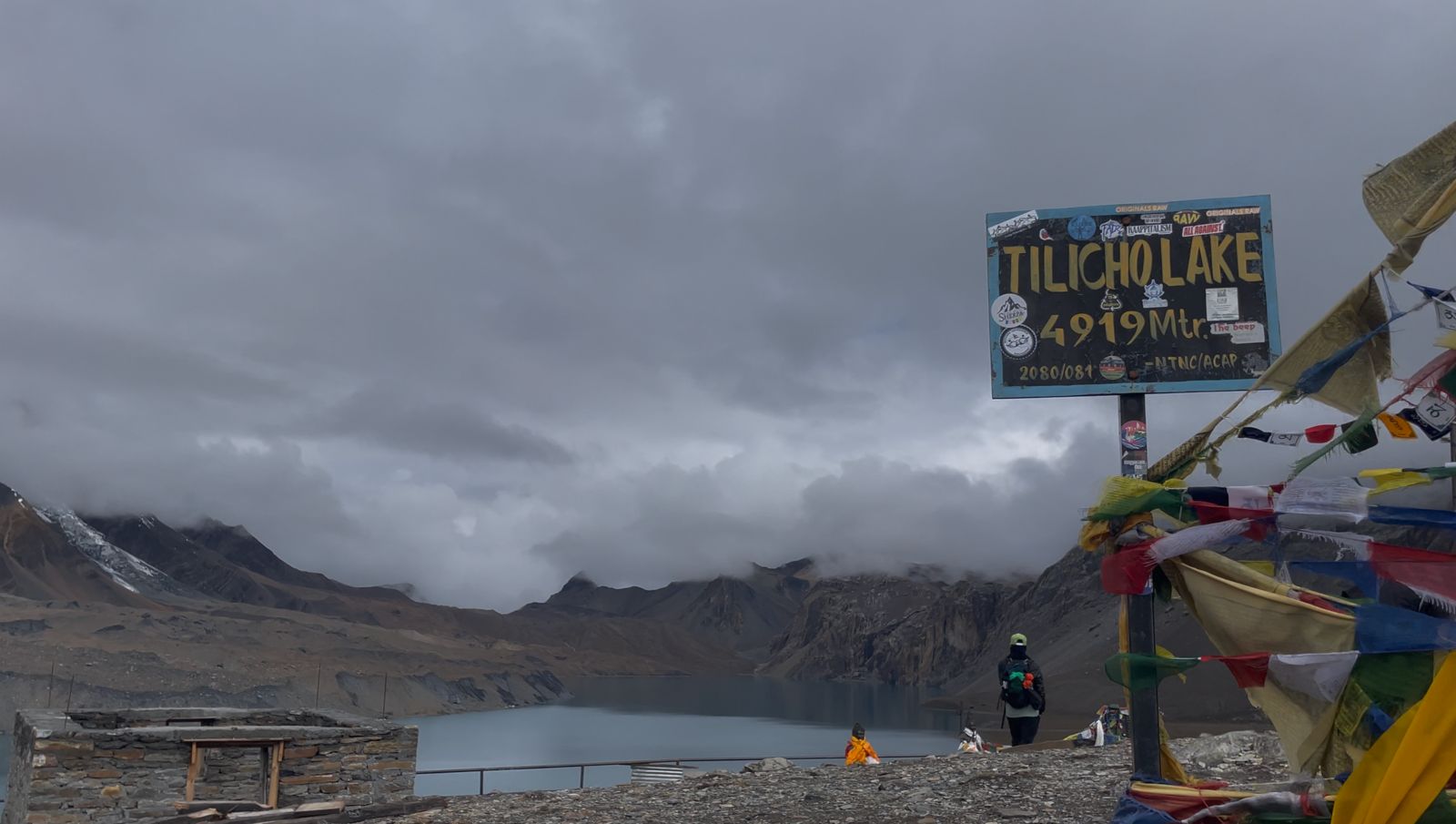
Annapurna Circuit Trek with Tilicho Lake
Nepal Tour Packages
13 Days
Save 28%
Nar Phu Valley Trek – 11-Day Remote Himalayan Adventure
Nepal Tour Packages
11 Days