



Best Tourist Places to visit in Nepal
-
 Sobit Bhandari
 -
20 December, 2024
-
46 mins read
-
2350 Views
-
0 Comments


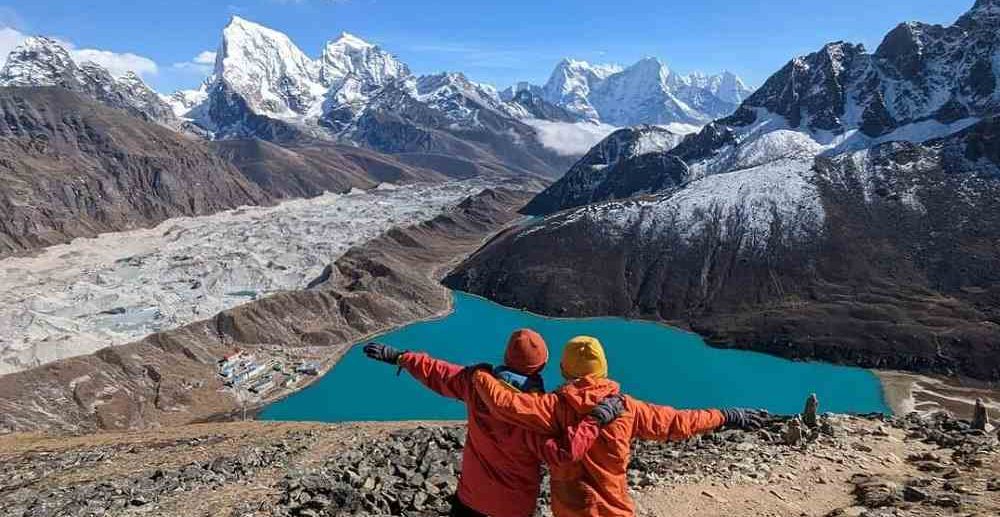
Nepal, a land of breathtaking landscapes and rich cultural heritage, is one of the most popular travel destinations on earth. Surrounded on one side by the towering Himalayas and on the other by the fertile valleys, a small but multi-dimensional country presents something for every traveler, no matter what their nature and interests are. Right from the mighty snow-capped ranges of Mount Everest and the Annapurna Ranges to the crystal-clear waters of Phewa Lake in Pokhara, there is no end to the impressive attractions of Nepal.
What makes this country special is its diversity. You can also go on adventures such as treks to snowy mountains or forests filled with wildlife, or immerse yourself in old traditions at UNESCO World Heritage Sites like Kathmandu Durbar Square and Lumbini, the birthplace of Buddha. But most of all, the country is also known as a destination that offers spiritual experiences, festivals, and people who are genuine and add a special touch to each adventure they undertake.
Whether it is trekking and experiencing what it is like to be at the top of the world, or checking out tigers in the Chitwan National Park, and if it is peace and spirituality that one is looking for, Nepal is the place for everything. These are some of the best tourist places to visit in Nepal.
Best Tourist Places to Visit in Nepal
These are the best tourist places in Nepal that every traveler should experience at least once in their lifetime.
1. Kathmandu Valley (Kathmandu, Bhaktapur, Lalitpur)
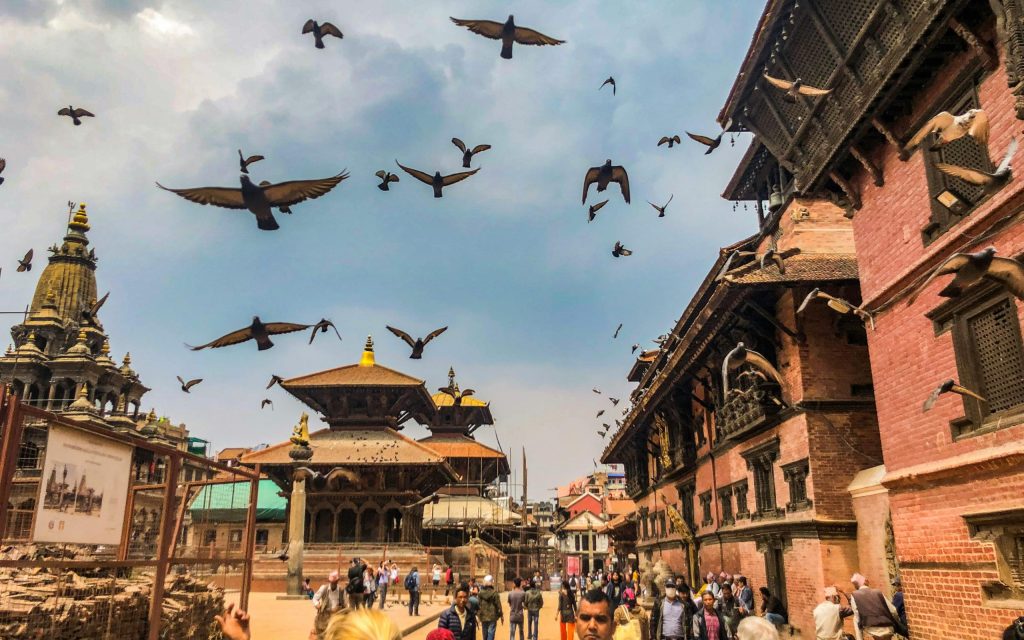
The capital city, Kathmandu Valley (1,324 m/4,344 ft), is often called the cultural heart of Nepal. This city is located in the central development zone and is bordered by beautiful green wooded hills. Kathmandu Valley is one of Nepal’s most popular tourist destinations.
Kathmandu valley thrived with stunning natural and cultural sights, a scenic mountain panorama, ancient lakes, and holy temples in the early 12th century. Bhaktapur, Lalitpur, and Patan are all part of the Kathmandu Valley. According to our history, these amazing historical sites were distinct from Rajya. Later, King Prithivi Narayan Shah agreed and discovered the Kathmandu Valley as a single entity. This is Nepal’s biggest and most developed valley.
Why do Tourists visit there?
Tourists visit Kathmandu Valley because of its culture, traditions, and history. The valley is home to seven UNESCO World Heritage Sites, making it one of the most culturally rich destinations.
1. A Living Museum of History and Heritage
The Kathmandu Valley is home to seven UNESCO World Heritage Sites, such as Durbar Squares, Boudhanath, Swayambhunath, and Pashupatinath, making it one of the richest and culturally diverse spots in the world. Ranging from ancient royal palaces to intricately carved temples, this valley showcases the unbeatable skills of the Newar civilization.
2. Spiritual Experiences
Both Hindus and Buddhists revere this valley as a sacred land. Pashupatinath Temple, Boudhanath Stupa, and Swayambhunath Stupa offer peaceful spiritual environments, ancient rituals, and deep cultural significance that attract pilgrims from around the globe.
3. Three Historic Royal Cities in One Destination
In a single visit, you can explore the distinct beauty of Kathmandu, Patan (also known as Lalitpur), and Bhaktapur, each of which is filled with unique architecture, artistic treasures, and traditional lifestyles. Every city tells its own story through monuments, courtyards, and festivals.
4. Vibrant Culture, Art, and Festivals
From the vibrant Jatras, mask dancing, and pottery-making to metal craftsmanship, the Kathmandu Valley is alive with creativity and culture. The arrival of foreigners brings opportunities for tourists to see the long-existing traditions, which have remained alive, making their travel all the more immersive.
5. Gateway to Himalayan Adventures
As the entry point to Nepal’s trekking and adventure destinations, Kathmandu Valley serves as the starting hub for the Everest Base Camp trek, the Langtang region, and numerous mountain expeditions. Adventure seekers love the energy and excitement the valley offers.
6. Delicious Local Cuisine and Markets
The valley is a paradise for food lovers and shoppers. You can taste traditional Newari dishes, stroll through the spice-filled markets of Asan, or enjoy cozy cafes in Thamel. There is something for every traveler’s preference.
7. Easy to Explore and Perfect for All Types of Travelers
Whether you’re a history enthusiast, spiritual seeker, photographer, foodie, or adventure lover, Kathmandu Valley caters to everyone. Its compact size makes it easy to explore multiple iconic sites in a short time.
Best Time to Visit
Kathmandu is a destination you can visit any time of the year. But the best time to visit Kathmandu is during spring (March to May) and autumn (September to November) when the weather is pleasant, skies are clear, and ideal for sightseeing and outdoor activities. These seasons offer the best views of the surrounding hills and mountains, along with vibrant festivals and cultural events.
However, Winter (December-February) is cool and peaceful, perfect for exploring heritage sites without crowds.
2. Pokhara
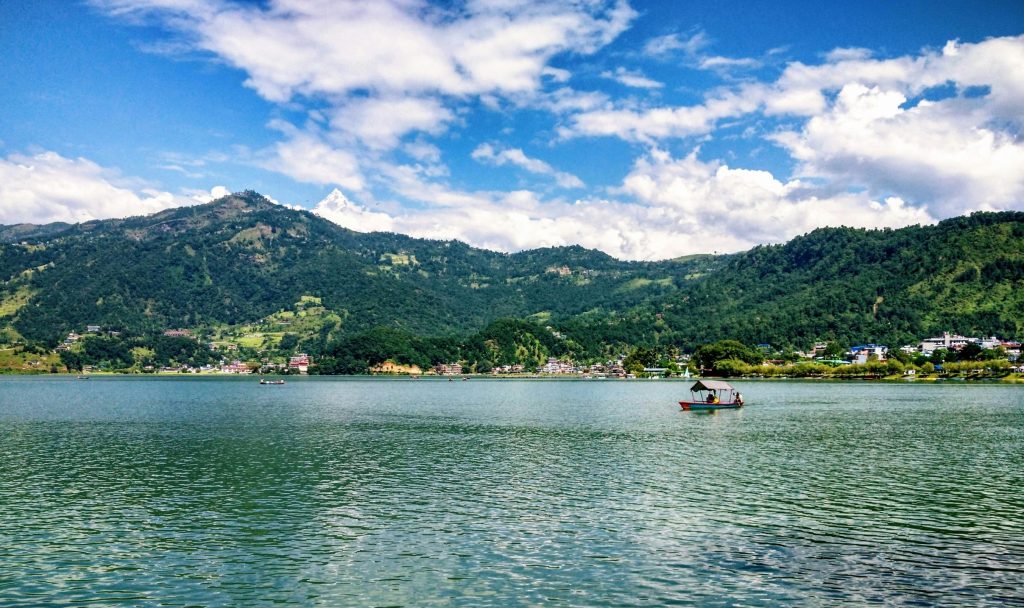
Pokhara, also known as the ‘City of Lakes’, is surely one of the most beautiful and peaceful places in Nepal, located 200 km west of Kathmandu in the calm shadow of the Himalayas. Many travel writers have written about the captivating beauty of Pokhara. The pure air, the stunning backdrop of the Annapurna Range, and the calm Phewa, Begnas, and Rupa Lakes combine to make this region renowned as the ‘Jewel of the Himalayas’ and one of the best tourist places to visit in Nepal.
Pokhara is surrounded by some of the world’s highest mountains, namely Dhaulagiri, Manaslu, and Annapurna I. It is the starting point for climbs into the Annapurna Himalaya, which covers the skyline, and is home to a lovely community of kind and intriguing people. The area around Fewa Tal, the valley’s main lake, began as a trekking destination and has progressively grown into the city’s tourism hub. It’s also a great location to relax before or after a hike.
Why do Tourists visit Pokhara?
Pokhara is one of the most popular tourist destinations in Nepal. Tourists visit Pokhara for the following reasons:
1. Breathtaking Himalayan Views
Pokhara presents some of the world’s best close-up views of the Annapurna and Dhaulagiri ranges, including the iconic Machhapuchhre (Fishtail). The mountains feel almost within reach.
2. Serene Lakeside Environment
The calm waters of Phewa Lake, along with Begnas and Rupa lakes, create a peaceful atmosphere perfect for boating, relaxing, and enjoying sunsets. The lakeside area of Phewa Lake offers a relaxing ambiance with cafes, restaurants, and vibrant nightlife.
3. Adventure Capital of Nepal
Pokhara is a top destination for adventure activities such as paragliding, zip-lining, bungee jumping, ultra-light flights, white-water rafting, and mountain biking.
4. Gateway to Iconic Treks
Pokhara is the starting point for famous trekking routes like Annapurna Base Camp, Mardi Himal, Ghorepani Poon Hill, and Annapurna Circuit. It is a paradise for trekkers and adventure lovers.
5. Rich Culture & Spiritual Sites
Pokhara is home to sacred sites like Tal Barahi Temple, World Peace Pagoda, Bindhyabasini Temple, and Gupteshwor Mahadev Cave, offering a blend of cultural depth and spirituality.
6. Unique Natural Attractions
Tourists can explore incredible natural sites such as Davis Falls, mysterious caves (like Bat Cave, Mahadev Cave), and hill viewpoints like Sarangkot. This is great for sightseeing and nature exploration.
7. Family Friendly Destination
From boating to short hikes and museums, Pokhara is one of the best tourist places in Nepal for families with kids or elderly travelers.
Best Time to Visit
Pokhara is one of those rare destinations in Nepal that can be enjoyed throughout the year, because of its pleasant climate, diverse activities, and ever-changing natural beauty.
Each seasons in Pokhara offer a unique experience, whether you’re chasing the clearest mountain views, peaceful lakeside vibes, or adventurous thrills, making it comfortable to visit in nearly every season with pleasant mornings and cool evenings.
3. Everest region
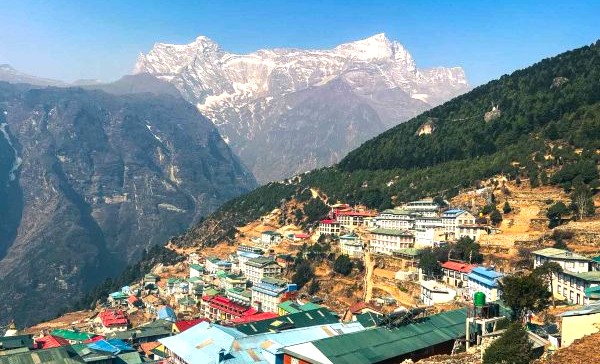
The Everest Region, which is also known as the Khumbu Region, is one of Nepal’s most well-known and legendary travel destinations. Within Sagarmatha National Park, a UNESCO World Heritage Site, the area is located in northeastern Nepal. It is renowned for dramatic landscapes, towering Himalayan peaks, ancient Sherpa Buddhist culture, and high-altitude adventure trails.
Home to the world’s highest peak, Mount Everest, at 8,848.86 m (29,031ft) above sea level, this region attracts trekkers, mountaineers, cultural explorers, and nature lovers from all over the globe. Several more snowcapped giants like Makalu (8485m / 27,838ft), Cho Oyu(8,188m / 26,864ft), Ama Dablam (6,812m / 22,349ft), Lhotse (8516m / 27,940ft), Imja Tse Island Peak (6189m / 20,305ft), and more are all found in the Everest region.
Aside from that, the Khumbu region is also a popular tourist destination admired for its glaciers, old Buddhist monasteries, bustling Sherpa towns, and stunning viewpoints. The majority of the routes in the Everest area go to Everest Base Camp. There are, however, side routes, more distant roads, and tough hiking summits to be discovered.
Why do Tourists go there?
One of the best tourist places in Nepal, the Everest region offers a lifetime experience. Some of the reasons to visit the Everest Region:
1. See the World’s Highest Peak
The Everest Region is home to Mount Everest (8,848.86 m/29,031ft), the tallest mountain on Earth. Standing in its shadow or viewing it from Kala Patthar offers a once-in-a-lifetime experience.
2. Trekking and Adventure Opportunities
It is a paradise for trekkers and adventurers, with famous routes like:
3. UNESCO World Heritage Site
The region lies within Sagarmatha National Park, a protected area with stunning glaciers, deep valleys, alpine forests, and unique wildlife like snow leopards, Himalayan tahr, and red pandas.
4. Sherpa Culture & Hospitality
You can experience the rich Sherpa culture, visit traditional villages like Namche Bazaar, learn about Buddhist monasteries, and enjoy the warmth of the local hospitality of Nepali people.
5. Breathtaking Himalayan Scenery
The Everest Region presents dramatic views of Mount Everest, Lhotse, Nuptse, Ama Dablam, and many other towering peaks, along with glaciers, rivers, and high-altitude lakes.
6. Spiritual & Cultural Experiences
Monasteries such as Tengboche and local festivals provide insight into the spiritual traditions and daily life of Himalayan communities.
7. Unique Experiences
You can get unique experiences of
- Sunrise views from Kala Patthar
- Staying in high-altitude lodges and tea houses
- Experiencing the thrill of high-altitude trekking
- Witnessing the Khumbu Icefall and glacial landscapes
Best time to visit
The best time to explore the Everest region is during Autumn (September to November) and Spring (March to May). Autumn offers clear skies, stable weather, and spectacular mountain views, making it perfect for trekking and photography. Spring brings blooming rhododendrons and lush landscapes, creating a colorful and vibrant trekking experience.
You can also visit in winter (December-February) with proper gear, for a quieter experience and crisp, snowy scenery, though it is colder, and some high-altitude trails may be challenging, while the monsoon (June to August) is less ideal, which makes trails slippery and cloudy, limiting visibility of the peaks.
4. Annapurna region
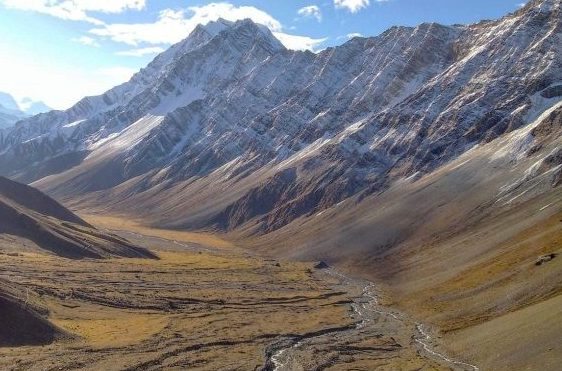
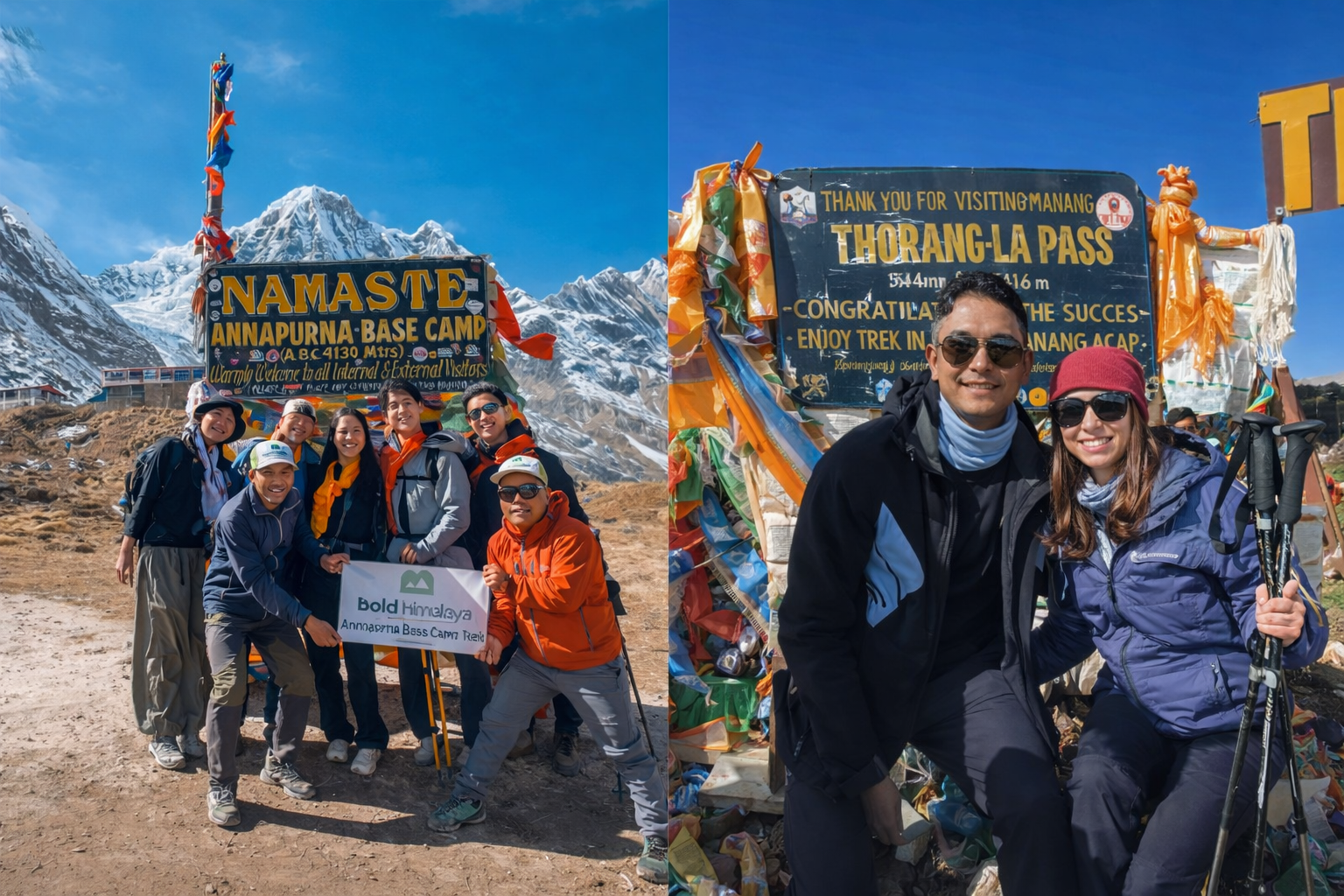
The most iconic trekking and adventure destination in Nepal is the Annapurna. It is known for its varied landscapes, rich culture, and stunning views of the Annapurna Ranges of the Himalayas. Annapurna is located in the central part of Nepal, in the Gandaki Province.
The Annapurna region has some of the world’s tallest peaks in its ranges, including Mount Annapurna I (8,091 meters or 26,545 feet), Dhaulagiri, and Machhapuchare (Fishtail). Annapurna is protected by the Annapurna Conservation Area (ACA), which is Nepal’s largest protected area. This organization protects the land and its inhabitants. Along with breathtaking views, the walk will also show you various vegetation that adds to the charm of this area, which makes it a popular tourist destination.
The Annapurna Circuit Trek immerses you in the vibrant cultures and traditions of the Chhetris and, to a lesser extent, the Gurung people. The Tamang and Gurung populations live in the charming towns of Tadapani and Chhomrong. You will visit the ancient museum in Ghandruk, which will showcase the Gurung people’s past and present.
Why do Tourists visit the Annapurna Region?
Tourists visit the Annapurna trekking route mainly for trekking purposes and sightseeing, observing the local culture and tradition. Some of the reasons are:
1. Spectacular Trekking Routes
The Annapurna region has some of the most iconic trekking routes, attracting adventurers with diverse landscapes, rich culture, and breathtaking Himalayan views. From the short scenic hikes to challenging high-altitude expeditions, the region offers something for every level of trekker. Some of the best treks in this region are:
- Annapurna Circuit Trek
- Annapurna Base Camp Trek
- Ghorepani Poon Hill Trek
- Mardi Himal Trek
- Khopra Danda Trek
- Ghandruk Trek
- Panchase Trek
These routes make the region a popular tourist destination for both short and long trekking adventures.
2. Cultural Diversity
The region is home to multiple ethnic communities, including Gurung, Thakali, and Magar, allowing visitors to experience traditional Nepali culture, hospitality, festivals, and cuisine.
3. Adventure and Outdoor Activities
Beyond trekking, the region is perfect for multi-activities like mountain biking, paragliding in Pokhara, river rafting in the Modi and Seti rivers, and rock climbing.
4. Best views without extreme altitude
In this region, many viewpoints offer breathtaking panoramas without pushing to very high elevations, which makes it suitable for trekkers concerned about altitude sickness.
5. Wildlife and natural beauty
Annapurna Conservation Area is Nepal’s largest protected area, home to varied flora and fauna, waterfalls, hot springs, and pristine rivers.
6. Spiritual and Historical Sites
Spiritual sites like Muktinath temple in Mustang, ancient monasteries, and gompas, such as Gangapurna, Braga Gompa in Manang, and many others, are found in this region. Explore every historical trade route that links the Himalayas to Tibet and India.
7. Diverse landscapes in one journey
This trek goes through lush rhododendron forests, terraced farmlands, alpine meadows, deep gorges, and high mountain passes, all in a single region.
Best time to Visit
The best time to visit the Annapurna region is during Autumn (September-November) and Spring (March-May). Autumn offers the most stable weather, crystal-clear mountain views, making it the peak season, and Spring is equally beautiful, with blooming rhododendron forests, mild temperatures, and vibrant landscapes, perfect for photography and nature lovers.
If you prefer quieter trails and crisp, snowy mountain scenery, Winter offers peaceful trekking experiences and clear skies, especially at lower elevations, but temperatures can drop significantly at high altitudes, and some mountain passes may be closed due to snow.
The monsoon season (June-August) is the least favorable time to trek, as the region receives heavy rainfall, cloudy skies, and slippery trails. However, the lower parts of the Annapurna region become lush and green, and some short treks around Pokhara remain accessible
5. Langtang Region
The Langtang region, situated in north-central Nepal, near the Tibetan border, is a breathtaking Himalayan destination renowned for its scenic valleys, rich Tamang culture, and towering snow-capped peaks. The Langtang region lies within Langtang National Park; the area features lush forests, glacial rivers, and high alpine meadows. Popular trekking routes such as the Langtang Valley Trek, Kyanjin Gompa, and Gosaikunda make it one of Nepal’s most accessible and rewarding adventure areas.
It is the easiest of the Himalayan climbs to plan in terms of logistics. This area, however, is largely unknown to all except the most avid mountain hikers. The Langtang Himalayas dominate this valley trip, which passes through rhododendron and bamboo woods beside roaring waterfalls and beautiful snow-capped mountains.
The path ascends to 4,000 meters, and if you want to continue higher, you will see the dawn from the Tserko Ri at 5,000 meters. The trip takes you through Langtang National Park, a pristine landscape with magnificent flora and animals, yak farms, and local cheese producers. This region is home to the Himalayan pheasant, the Himalayan deer, the Himalayan bear, monkeys, and the rare red panda. And the best tourist places to visit in Nepal.
Why do Tourists go there?
Trekking in the Himalayas is a once-in-a-lifetime opportunity and a dream of every keen trekker. Many trekkers live to witness the close-up view of the snow-capped mountains and experience the wilderness of the Himalayas. Some of the reasons to visit the Langtang region are:
1. Close to Kathmandu, Yet Wild and Remote
Langtang is the nearest Himalayan trekking region to Kathmandu, making it perfect for trekkers who want stunning mountain scenery without long travel times. Despite being close, it still feels peaceful, remote, and less crowded than Everest or Annapurna.
2. Breathtaking Mountain Views
The Langtang region offers spectacular panoramas of Langtang Lirung, Dorje Lakpa, Gangchempo, Yala Peak, and Ganesh Himal. Treks like Kyanjin Ri and Tserko Ri reward you with jaw-dropping sunrise views over the snow-capped peaks.
3. A Perfect Trek for All Levels
Whether you are a beginner or an experienced trekker, Langtang offers routes suitable for everyone. The Langtang Valley Trek is moderately challenging, while Yala Peak offers a great introduction to Himalayan climbing.
4. Rich Wildlife and Langtang National Park
The region falls under Langtang National Park, home to the red pandas, the Himalayan tahr, Musk deer, Snow leopards(rare), and over 250 bird species. This region is an ideal destination for nature and wildlife lovers.
5. Beautiful Landscapes & Authentic Villages
Langtang is known for its diverse scenery, lush forests, yak pastures, glaciers, and high alpine valleys. Villages like Langtang, Mundu, and Kyanjin Gompa offer a glimpse of traditional Tibetan-influenced Tamang culture.
6. Deep Cultural & Spiritual Significance
The region has a strong Buddhist heritage, with:
- Ancient Gompas (monasteries)
- Chortens
- Mani walls
- Tibetan-influenced architecture
Kyanjin Gompa is one of the spiritual highlights of the trek.
8. Rebirth After the 2015 Earthquake
Visiting Langtang also supports communities that rebuilt their villages after the devastating 2015 earthquake. Trekking here contributes directly to local livelihoods and sustainable tourism.
Best time to Visit
Langtang can be visited in most seasons. Autumn and spring offer clear views, and the weather is also stable, while winter trekking is also possible for those who want snowy landscapes and quieter trails.
Monsoon is the least preferred time due to heavy rainfall, slippery trails, and cloud-covered mountains, but it offers lush greenery and quieter routes.
6. Chitwan National Park
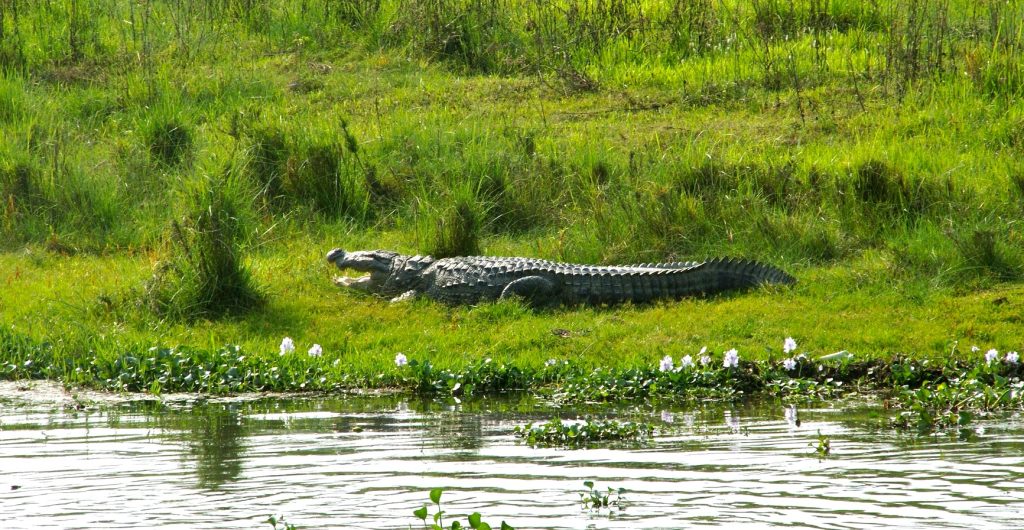
The first national park in Nepal was Chitwan National Park. It was established in 1973 and listed as a World Heritage Site in 1984. It covers 952.63 km² and is located in the subtropical Inner Terai lowlands of south-central Nepal, in Nawalpur, Parasi, Chitwan, and Makwanpur (367.81 sq mi).
It is one of Nepal’s most popular tourist destinations. This World Heritage-listed reserve preserves more than 932 square kilometers of woods, marshes, and grassland with large animal populations, making it one of Asia’s top national parks for wildlife watching.
During your Chitwan National Park Safari Tour, you’ll have a good chance of seeing one-horned rhinos, deer, monkeys, and some of the more than 500 bird species. If you’re lucky, you could see a leopard, wild elephant, or sloth bear, but the main draw is a once-in-a-lifetime chance to see a gorgeous royal Bengal tiger. A daily admittance charge is frequently included in the overall cost of a tour.
Why do Tourists go there?
1. One of the Best Wildlife Watching Destinations
Chitwan National Park is home to rare and iconic animals such as the,
- One-horned rhinoceros
- Royal Bengal tiger
- Asian elephant
- Gharial and mugger crocodiles
- Sloth bear
- Over 600 species of birds
2. Exciting Jungle Safari Experiences
Visitors can enjoy a variety of adventure activities, which offer a close-up encounter with nature and wildlife. These activities include:
- Jeep safari
- Canoe ride
- Jungle walk
- Elephant breeding center visit
- Birdwatching tours
3. UNESCO World Heritage Site
Chitwan National Park is listed as a UNESCO World Heritage Site, recognized for its extraordinary biodiversity, well-preserved ecosystem, and conservation success stories.
4. Experience Tharu Culture
The indigenous Tharu community adds cultural richness to your visit. Travelers can enjoy the traditional dance shows of the Tharu, village tours, local cuisine, and unique cultural traditions shaped by the jungle environment.
5. Beautiful and Diverse Landscapes
From dense subtropical forests and grasslands to serene rivers and wetlands, Chitwan offers a unique landscape that enhances the safari experience. The lush environment is perfect for nature lovers and adventure seekers.
6. Perfect for Families, Couples & Nature Lovers
This park gives peaceful nature experiences, soft adventure, and relaxing stays, making it suitable for families, honeymooners, and travelers seeking a refreshing escape.
Best time to visit
The best time to visit Chitwan National Park is during the autumn (September-November) and winter (December-February) seasons, when the weather is dry, pleasant, and perfect for jungle safaris. Wildlife sightings, especially one-horned rhinos, Bengal tigers, deer, elephants, and crocodiles, are more frequent due to clear visibility and cooler temperatures.
Spring (March-May) is also a good time to visit, with warm temperatures and active wildlife, though the heat begins to rise. Summer/monsoon (June-August) is the least preferred season due to heavy rainfall, muddy trails, and dense vegetation that can limit wildlife visibility.
However, the park becomes lush and green, offering a quiet and peaceful atmosphere for visitors who don’t mind the rain.
7. Lumbini
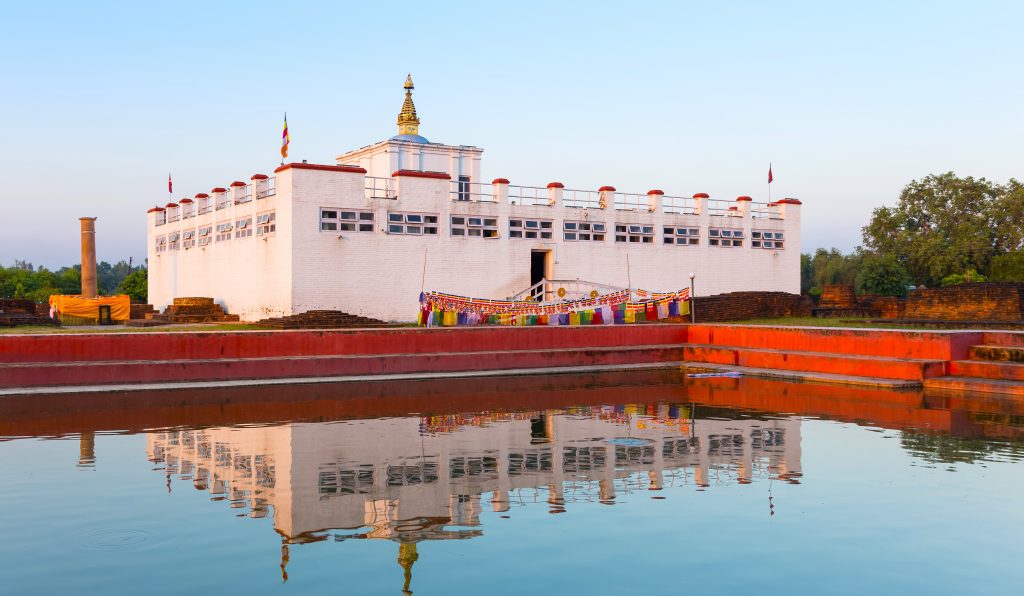
Lumbini is a settlement, archaeological site, and pilgrimage destination commemorating the birthplace of Gautam Buddha. The sacred birthplace of Lord Buddha is one of the best tourist places to visit in Nepal and a major popular tourist destination for travelers seeking peace, spirituality, and history, which is located in the Rupandehi district.
Lumbini is home to the Maya Devi Temple, ancient archaeological sites, serene monasteries built by different countries, and tranquil gardens that reflect Buddhist teachings. As a UNESCO World Heritage Site, Lumbini gives a calm and spiritual atmosphere, making it a must-visit destination for cultural exploration, meditation, and understanding the origins of Buddhism.
Why do Tourists go there?
‘Lumbini’ literally means ‘The Lovely’ in Sanskrit. Tourists visit there for the given reasons:
1. Birthplace of Lord Buddha
Lumbini is the sacred birthplace of Siddhartha Gautama (Lord Buddha), which attracts millions of pilgrims and travelers seeking peace, enlightenment, and spiritual inspiration. It’s one of the most significant Buddhist sites in the world.
2. Maya Devi Temple & Sacred Historical Sites
The Maya Devi Temple, Ashoka Pillar, and ancient ruins dating back over 2,600 years offer a powerful glimpse into early Buddhist history. These archaeological treasures make Lumbini a popular tourist destination for history and culture lovers.
3. International Monastic Zone
Lumbini features beautiful monasteries built by countries like Thailand, Myanmar, China, Japan, Germany, and Korea. Each monastery showcases unique architecture, meditation spaces, and cultural designs.
4. Peaceful Environment for Meditation and Reflection
Lumbini is ideal for meditation and personal reflection, with its quiet gardens, prayer flags, sacred Bodhi trees, and peaceful ponds. It presents a calming retreat away from hectic city life.
5. UNESCO World Heritage Site
As a UNESCO World Heritage site, Lumbini is also internationally recognized for its religious and historical value, ensuring preservation and high-quality visitor experiences.
6. Easy to Explore and Family-Friendly
Lumbini is a flat terrain, with quiet pathways and a well-planned monastic zone, making it easy for all age groups to explore by walking, cycling, or taking a rickshaw ride.
Best time to visit
Lumbini can be visited throughout the year, as its warm lowland climate makes it suitable for all seasons. Autumn and winter offer the most pleasant weather with clear skies and comfortable temperatures for exploring temples and monasteries.
Spring brings blooming gardens and a peaceful atmosphere, while the monsoon season creates lush greenery and a quieter environment for spiritual retreats. Overall, Lumbini remains a welcoming destination in every season.
Note: During summer(May-August), Lumbini experiences extreme heat, and temperatures can rise above 40°C (104°F), making midday travel uncomfortable. Visitors should stay hydrated and plan activities for mornings and evenings.
8. Janakpur
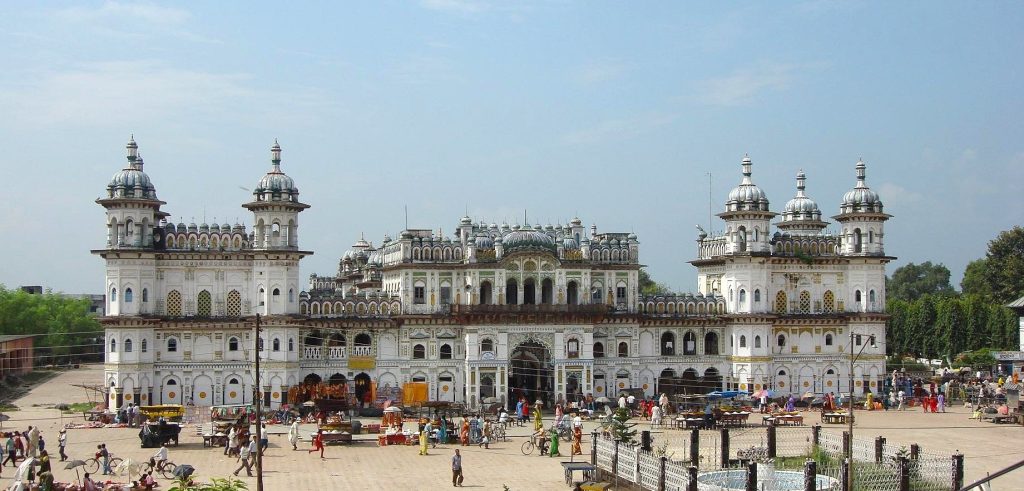
Janakpur is a cultural and religious hub famous as the birthplace of Goddess Sita and the site of the historic Janaki Mandir. It is located in the southeastern part of Nepal. Known for its vibrant Maithili culture, colorful festivals, and traditional art, Janakpur is one of the best tourist places to visit in Nepal for travelers interested in spirituality, history, and local heritage.
The “city of ponds” is also home to Nepal’s sole railway and railhead (a popular tourist destination for steam foreign locomotive aficionados) and several yearly colorful festivities. Dhanusha (particularly Janakpur) is recognized as the international center of Mithila culture.
Janakpur is an intriguing one or two-day journey for travelers interested in seeing Nepal’s Mithila culture. Janakpur Women Development Centre sells a wide variety of Mithila handicrafts, and there is a daily flight from the local airport to Kathmandu. It has various temples as well as retail bazaars, and over a hundred Ponds.
Why do Tourists Go there?
1. Janaki Mandir – A Major Pilgrimage Site
The magnificent Janaki Mandir, dedicated to Goddess Sita, is the centerpiece of Janakpur and a must-visit for pilgrims and tourists. Its stunning architecture, intricate carvings, and spiritual significance make it a top attraction.
2. Rich Maithili Culture
Janakpur is the heart of the Maithili culture, with vibrant festivals, traditional music, dance, art, and handicrafts. Tourists can experience local customs and the warmth of Maithili hospitality.
3. Famous Festivals
Festivals like Vivah Panchami, which celebrate the marriage of Lord Rama and Goddess Sita, draw thousands of devotees and tourists, providing a colorful and immersive cultural experience.
4. Historical and Architectural Significance
Besides Janaki Mandir, Janakpur features several ancient temples, ponds, and heritage sites, reflecting centuries of religious and cultural history.
5. Local Handicrafts and Art
Janakpur is famous for Madhubani paintings, traditional crafts, and souvenirs that offer a unique glimpse into Nepalese art and culture.
6. Sacred Ponds and Holy Sites
Janakpur is home to several important spiritual sites, including:
- Dhanush Sagar: A sacred pond associated with Lord Rama and Sita’s legend.
- Ganga Sagar: A holy pond revered by pilgrims for ritual bathing.
- Parshuram Kunda: A historic site dedicated to Lord Parshuram, attracting devotees and spiritual seekers.
Best Time to Visit
The best time to visit Janakpur is during autumn (September-November) and winter (December-February) when the weather is pleasant, dry, and ideal for sightseeing, exploring temples, and attending festivals.
Spring (March-May) is also a good time, with warm temperatures and vibrant surroundings. Summer (June-August) can be hot and humid, while the monsoon season brings occasional rainfall. Overall, Janakpur is accessible and enjoyable for visitors in all seasons.
Note: During summer, temperatures can rise above 40°C (104°F), making midday activities less comfortable.
9. Bardiya National Park
With an area of 968 square kilometers, Bardiya National Park is the largest in the lowland Terai. The Western Terai National Park in Nepal was established to safeguard representative ecosystems and maintain tiger habitat and prey species. In 1976, a small portion was designated as the Karnali Wildlife Reserve.
Bardiya National Park is one of the best tourist places to visit in Nepal for wildlife and nature enthusiasts. It is situated in the far-western district of Bardiya, known for its dense forests, grasslands, rivers, and wetlands. The park is home to endangered species such as the Royal Bengal tiger, one-horned rhinoceros, elephants, gharials, and diverse birdlife.
Bardiya National Park safari tour presents thrilling jungle safaris, elephant rides, and canoe trips, which make it a popular tourist destination for adventure seekers and wildlife photographers looking to explore Nepal’s pristine wilderness.
Why do Tourists visit Bardiya National Park?
1. Home to rare and endangered wildlife
Bardiya National Park is a paradise for wildlife lovers and photographers. This park is a sanctuary for endangered species such as:
- Royal Bengal tiger
- One-horned rhinoceros
- Asian elephants
- Gharials and mugger crocodiles
- Sloth bears
- Over 600 species of birds
2. Exciting Jungle Safari Experiences
Tourists can enjoy the exciting jungle safaris. These activities provide an immersive experience of Nepal’s wild landscapes. Some of the safaris are:
- Jeep safaris
- Elephant-back rides
- Canoe rides along the Babai and Karnali rivers
- Jungle walks with trained guides
3. Beautiful Natural Landscapes
The park features dense forests, grasslands, rivers, and wetlands, offering a mix of ecosystems and breathtaking scenery for nature enthusiasts.
4. Birdwatching and Nature Observation
With over 400 species of birds, including migratory and rare species, Bardiya National Park is a top destination for birdwatchers and nature photographers.
5. Explore Local Tharu Culture
The Tharu community resides near the park, offering visitors insight into traditional customs, dances, and local cuisine, adding a cultural dimension to the safari experience.
6. Less Crowded and Peaceful
Unlike Chitwan National Park, Bardiya National Park is less crowded, offering a more serene and intimate wildlife experience.
Best time to visit
Bardiya National Park can be visited year-round, but each season offers a different experience. Autumn and Winter are ideal with pleasant weather and clear skies, perfect for wildlife spotting,
Spring (March to May) offers blooming forests and active wildlife, though it can get warmer. Monsoon season offers heavy rainfall, making some trails muddy and certain areas less accessible, but the park becomes lush and vibrant, offering a unique jungle experience.
10. Mustang (Upper and Lower)
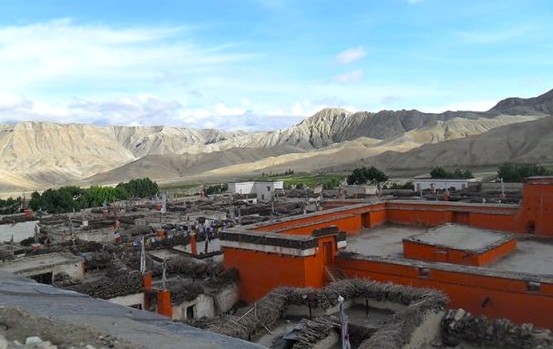
Mustang treks are the most popular tourist destination in Nepal. The Mustang region is located in Nepal’s northwestern Himalayas, close to the Tibetan border, and the journey traverses through semi-desert terrain. Lower Mustang is also known as the Jomsom to Muktinath journey, which is one of the most famous Annapurna treks. And Upper Mustang is well-known for Lo Manthang, a new and hidden Lo kingdom.
Both the Upper and Lower Mustang treks are thrilling and an unforgettable trekking experience. The Upper Mustang journey is one of the least-visited areas, unaffected by tourists and development. This journey will take you to the old Lo Manthang Royal Palace, monasteries, caverns, and Tibetan culture and lifestyle.
The Lower Mustang journey will take you to some of the most famous Annapurna settlements, including Ghandruk, Ghorepani, Marpha, Jomsom, and Muktinath.
Why do Tourists visit Mustang?
1. A Landscape Unlike Anywhere Else in Nepal
Mustang has a Trans-Himalayan desert landscape that offers dramatic scenes of eroded cliffs, deep gorges, colorful rock formations, and open valleys. In contrast to the green hills of Central Nepal, Mustang’s landscape feels raw, ancient, and primitive look that seems almost alien.
2. Rich Tibetan-Influenced Culture
Both Upper and Lower Mustang preserve authentic Tibetan Buddhist traditions. You’ll encounter ancient monasteries, prayer flags, chortens, mani walls, and villages where centuries-old customs are still practiced.
3. Ancient Kingdom of Lo Manthang(Upper Mustang)
Upper Mustang was once the forbidden Kingdom of Lo Manthang, opened to outsiders only in 1992. Lo Manthang lets you explore royal palaces, medieval alleyways, cave dwellings, and fortified villages that feel untouched by time.
4. Spiritual and Historical Monasteries
Mustang is home to some of Nepal’s most important monasteries, including Lo Gekar, Ghar Gompa, Thubchen, and Jampa Monastery, many linked to Guru Rinpoche and early Tibetan Buddhism.
5. Accessible Trekking and Jeep Tours
Mustang is suitable for both trekkers and non-trekkers. You can trek traditional trails or explore comfortably via jeep tours, making it accessible to a wide range of travelers.
6. Stunning Views of Annapurna and Dhaulagiri
Lower Mustang provides breathtaking views of Nilgiri, Dhaulagiri, Annapurna, and Tukuche Peak, blending high Himalayan scenery with arid valley landscapes.
7. Rain-Shadow Destination
Mustang lies in a rain-shadow zone, making it one of the best tourist places to visit in Nepal during the monsoon season (June-August) when other trekking regions receive heavy rainfall. As a result, the region receives very little rainfall, which creates its signature dry, desert-like landscapes and dramatic cliffs.
Best time to visit
The best time to visit Mustang is from March to November, when the weather is dry, clear, and ideal for exploring its stunning landscapes and cultural sites. Spring (March-May) offers mild temperatures, blooming valleys, and great visibility. Autumn (September-November) is considered the peak season with stable weather, crystal-clear skies, and comfortable trekking conditions.
Since Mustang lies in the rain-shadow of the Himalayas, it also remains a great destination during the monsoon months (June-August), with fewer rains compared to other regions of Nepal. This makes Mustang a unique, year-round travel destination with its dry climate and dramatic scenery.
11. Bandipur
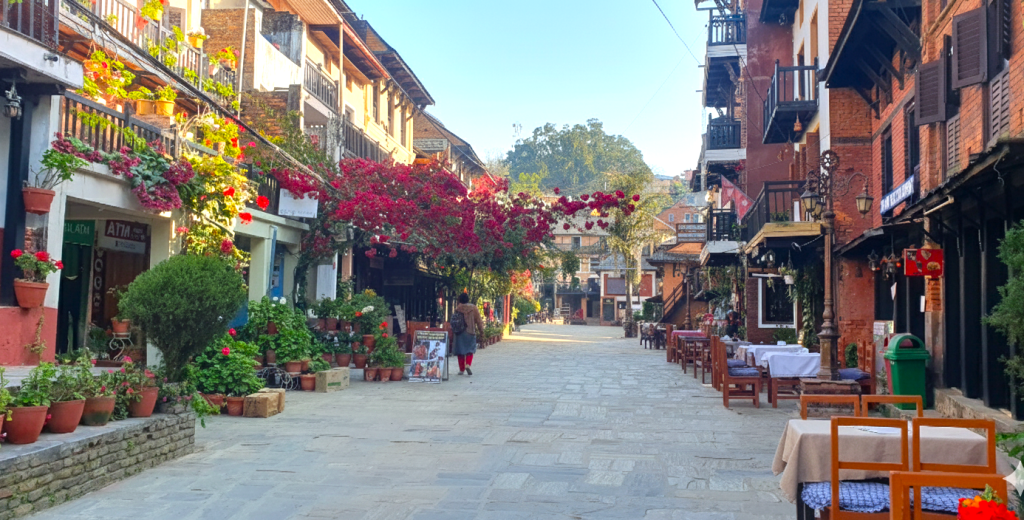
Bandipur, a Newari settlement, is one of central Nepal’s hidden beauties. Bandipur is a single flagstoned roadway flanked on both sides with traditional wooden Newari buildings perched on a saddle high above the Kathmandu-Pokhara highway. It mixes traditional village architecture, breathtaking Himalayan vistas, beautiful rural hikes, local adventure sports, and first-rate hotels.
The historic merchants’ residences in this town, which was formerly a key halt on the trade route to Tibet, have mostly been turned into guesthouses and cafes. A few old businesses, however, survive, and their 18th-century architecture is wonderfully beautiful. Crimson bougainvillea flowers pour from wooden balconies, and ancient temples may be seen at every street intersection. The absence of traffic and their blaring horns is a welcome relief, especially after spending time in filthy and congested Kathmandu, which made this one of the best tourist places to visit in Nepal.
Why do Tourists Go there?
1. Preserved Traditional Newari Town
Bandipur is a beautifully preserved Newari town, with traditional architecture, cobbled streets, and heritage buildings. Walking through the town feels like stepping back in time.
2. Stunning Mountain and Valley Views
Bandipur offers panoramic views of the Himalayas, including Manaslu, Annapurna, and Dhaulagiri ranges, as well as the scenic Marsyangdi and Seti river valleys, as it is situated on a hilltop. Sunrise and sunset over the mountains are spectacular.
3. Peaceful and Relaxing Atmosphere
Unlike busy cities like Kathmandu or Pokhara, Bandipur is quiet, serene, and perfect for relaxation, making it ideal for nature lovers and travelers seeking a peaceful retreat.
4. Trekking, Nature Walks, and Adventure
The town is a gateway for short hikes and treks to surrounding viewpoints, forests, and nearby villages. One of the highlights is Siddha Gufa, a massive limestone cave near Bandipur that attracts adventure seekers and explorers.
5. Rich Cultural and Artistic Heritage
Bandipur has vibrant local culture and festivals, traditional handicrafts, and art displays. Tourists can explore Newari customs, temples, and community life.
6. Photography Opportunities
The combination of traditional architecture, panoramic mountains, and terraced hillsides makes Bandipur a paradise for photographers and Instagram-worthy shots.
7. Easily Accessible Destination
Bandipur is easily accessible by road, situated midway between Kathmandu and Pokhara, making it an ideal destination for weekend getaways or short trips.
Best time to visit
Bandipur can be visited in any season, as each offers a unique experience. Spring (March-May) brings blooming flowers and fresh greenery, while autumn (September-November) offers clear skies and stunning Himalayan views.
Winter (December-February) provides crisp, peaceful mornings and a quiet atmosphere, and summer/monsoon (June-August) transforms the hills into lush, vibrant landscapes. No matter the season, Bandipur’s charm, culture, and scenic beauty make it a rewarding destination year-round.
During the monsoon, occasional heavy rainfall may make some trails slippery, but the surrounding hills are at their greenest and most scenic.
12. Ilam
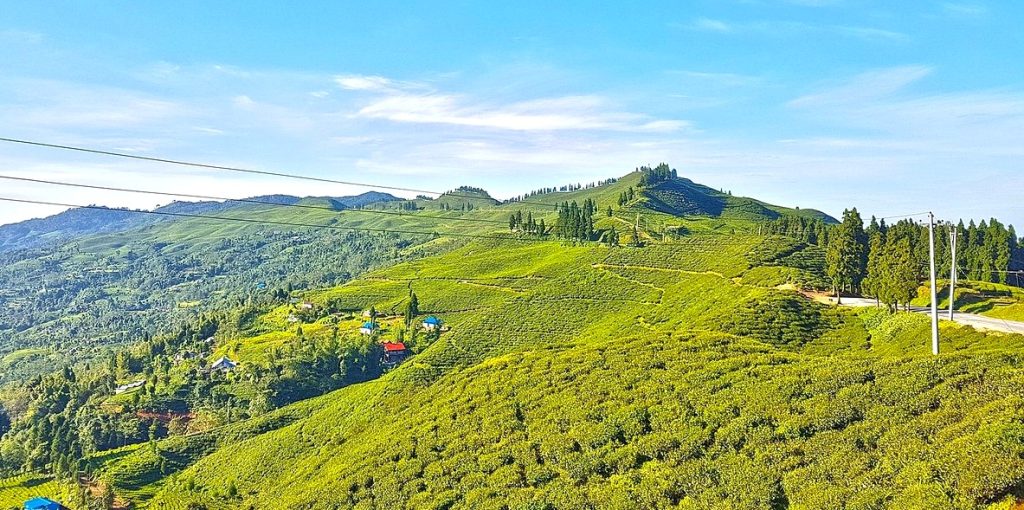
Ilam is a beautiful tea-producing town that lies in the hilly region in the far-eastern part of Nepal. The road to Ilam is in excellent condition, full of ups and downs, plenty of switchbacks, vertiginous drops, and valley views that add excitement and thrills to the journey. You’ll witness charming wooden buildings and ancient-style balconies thrust out over the bustling street.
Bordering Darjeeling of India, Ilam shares an identical climate, topography, tea culture, and lifestyle with Darjeeling. Known for its tea throughout the country, Ilam offers a carpet of tea fields surrounding the hills and lets one walk through the refreshing mountain breeze.
Ilam is one of the famous picnic spots of the East, where people also go sightseeing, hiking, and enjoy cross-cultural experiences. The treks along the gentle slopes or a trudge into the nearby woods are fascinating. All kinds of travelers visit Ilam, as Ilam is a complete package for wanderers.
Why do Tourists Go there?
1. Beautiful Tea Gardens: Ilam’s vast, green tea plantations create stunning landscapes perfect for photography and peaceful walks.
2. Scenic Viewpoints: Popular spots like Kanyam and Antu Danda offer breathtaking sunrise views over the hills and even the Eastern Himalayas.
3. Rich Culture & Local Lifestyle: You’ll experience the warm hospitality, traditional villages, and diverse ethnic cultures of eastern Nepal.
4. Nature & Peace: Ilam is known for its serene environment, ideal for relaxation, meditation, or slow travel.
5. Unique Local Products: Enjoy organic tea, dairy products, cardamom, and local snacks that reflect the region’s agricultural richness.
6. Nearby Attractions: Explore places like Mai Pokhari, Sadakpur, and Sandakpur, known for biodiversity, hiking routes, and stunning panoramas.
Best Time to Visit
The best time to visit Ilam is from September to December and March to May, when the weather is clear, pleasant, and perfect for exploring its beautiful tea gardens and scenic viewpoints. Autumn (Sept-Nov) offers crisp air, green hills, and stunning sunrise views, while spring (Mar-May) brings mild temperatures and fresh greenery.
Winters can be chilly but peaceful, and the monsoon season makes the region lush, though rain may affect travel. Overall, Ilam is enjoyable year-round, with each season offering its own charm.
13. Rara Lake
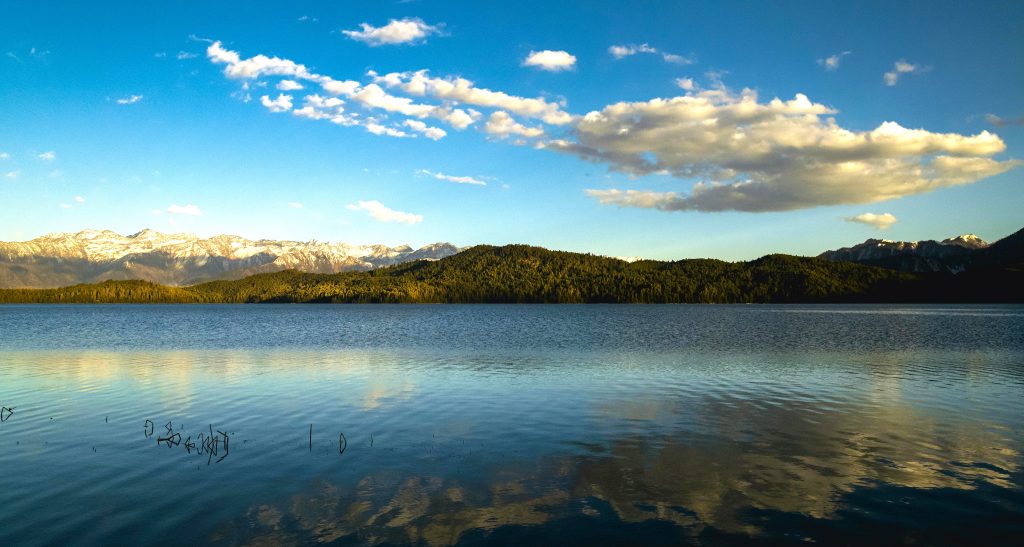
Rara Lake is located in the remote Karnali region of Nepal. It is one of the best tourist places in Nepal for nature lovers seeking serenity and unspoiled natural beauty. Rara Lake is referred to as the “Queen of Lakes.” Surrounded by beautiful mountains and green forests, Rara Lake is Nepal’s largest lake, situated at an elevation of 2,900m. Spread over an area of 10.8 sq km, Rara Lake has a maximum length of 5 km, a maximum width of 3.2 km, and a depth of 167 m.
The significant attraction at Rara Lake is the crystalline turquoise lake with dense pine forests and snow-capped mountains in the background. The peace of this region, combined with the unique wildlife present within the Rara National Park, is ideal for nature lovers and adventure-seekers seeking the reflection of the Himalayas within the lake.
Why do Tourists go there?
1. The Largest Lake in Nepal
Rara Lake, located in the remote Mugu district, is the largest lake in Nepal and sits at an elevation of 2,990 meters (9,810 feet). Its clear turquoise waters surrounded by snow-capped peaks make it a breathtaking natural wonder.
2. Stunning Natural Beauty
The lake is surrounded by Rara National Park, which is rich in forests, hills, and meadows. The combination of blue waters, green hills, and distant mountains creates one of the most picturesque landscapes in Nepal.
3. Rich Biodiversity
Rara National Park, which protects the lake, is home to wildlife such as Musk deer, the Himalayan black bear, Red pandas, and over 200 species of birds. It’s a perfect destination for nature and wildlife enthusiasts.
4. Adventure and Trekking Opportunities
Tourists can enjoy moderate treks around the lake and in the surrounding hills, including:
- Rara Lake Trek for serene exploration
- Short hikes to viewpoints offering panoramic views of the lake and mountains
5. Ideal for Photography and Nature Lovers
The lake’s clear turquoise waters, mirror-like reflections of surrounding peaks, and vibrant seasonal changes make it a paradise for photographers and nature enthusiasts.
6. Cultural Experience with Local Communities
Tourists can interact with local Thakuri and Chhetri communities, learn about their culture, and enjoy local hospitality while exploring the area among forests of pines, birches, and rhododendrons.
Best time to Visit
The best time to visit Rara Lake is during autumn (September-November) and spring (March-May), when the weather is clear, dry, and ideal for trekking and sightseeing. During these months, the skies are bright, the lake reflects the surrounding mountains perfectly, and the trails are accessible.
Winter (December-February) brings snow and cold temperatures, offering a serene, snowy landscape for experienced travelers, while monsoon (June-August) sees heavy rainfall and slippery trails, though the area becomes lush and green.
14. Nagarkot
Nagarkot, located 32 kilometers northeast of Kathmandu, is one of the best tourist places to visit in Nepal for breathtaking Himalayan views and a peaceful hill-station experience. Nagarkot is famous for its sunrise and sunset panoramas over the Himalayas, including Mount Everest on clear days. Surrounded by lush forests, terraced fields, and traditional villages, it’s a popular tourist destination for nature lovers, photographers, and trekkers seeking fresh mountain air and stunning landscapes.
Nagarkot has one of the most expansive vistas of the Himalayas in the Kathmandu valley. The Annapurna range, Manaslu range, Ganesh Himal range, Langtang range, Jugal range, Rolwaling range, Mahalangur range (Everest range), and Numbur range are among the ranges providing views of Kathmandu valley and Shivapuri National Park.
Why do Tourists Go there?
1. Stunning Himalayan Views
Nagarkot is famous for its panoramic views of the Himalayas, including Mount Everest, Langtang, Annapurna, and Ganesh Himal on clear days.
2. Best Sunrise and Sunset Spot
The hill station is renowned as one of the best places in Nepal to watch sunrise and sunset, with golden rays illuminating the Himalayan peaks and the Kathmandu Valley below. Sunrise and sunset over the mountains give unforgettable photo opportunities.
3. Trekking and Nature Walks
Nagarkot serves as a gateway for short treks and nature walks, offering trails that pass through forests, small villages, and scenic viewpoints. It’s perfect for both beginner and experienced trekkers.
4. Photography and Scenic Beauty
The combination of mountains, valleys, forests, and traditional villages makes Nagarkot a paradise for photographers and nature lovers alike.
5. Accessible and Comfortable Stay Options
Nagarkot is easily accessible by car or bus, located about 32 km from Kathmandu. There are resorts, hotels, and guesthouses where you can enjoy local foods as well, offering rooms with Himalayan views, making it ideal for short or weekend getaways.
6. Activities to do
You can enjoy many outdoor activities in Nagarkot, including scenic hiking trails, seasonal paragliding over stunning landscapes, and thrilling Nagarkot Mountain Biking adventures through forest paths, traditional villages, and picturesque ridges.
Best time to visit
Nagarkot is accessible in all seasons. Spring and autumn offer clear mountain views and a pleasant climate, with the most colorful flowers in full bloom, while winter provides a crisp atmosphere and occasional snow. Summer and the monsoon season bring lush greenery.
15. Sarangkot
Sarangkot, Pokhara’s shining hilltop gem, is a popular tourist destination in Nepal. You can overlook Himalayan vistas and the whole Pokhara area from this vantage point. Sarangkot is a prime location in Pokhara that offers a variety of experiences. Every activity can be performed here, from adventurous explorations to gearing.
Sarangkot is a small village with the natural beauty of its own. Sarangkot, a village just across from Pokhara, is renowned as a one-night vacation since most visitors just stay long enough to view the spectacular dawn over the Annapurna range. However, this is where advisors and guides lead people astray since many tourists come here intending to stay for only one day and end up staying much longer, apart from relaxing and admiring the breathtaking mountain peaks on one side and the turquoise waters of the Phewa Lake on the other, Sarangkot looks into the quiet, leisurely traditional lifestyle and much more.
Why do Tourists go there?
1. Breathtaking Sunrise and Sunset Views
Sarangkot is one of Nepal’s best spots to witness golden Himalayan sunrises and sunsets, with Annapurna, Dhaulagiri, and Machhapuchhre glowing beautifully.
2. Panoramic Himalayan Vistas
From the hilltop, you can enjoy sweeping views of the Annapurna range, Pokhara Valley, Phewa Lake, and rolling green hills, which are perfect for photography and nature lovers.
3. World-Class Paragliding Hub
Sarangkot is one of the top paragliding destinations in the world. The thrilling flight over Pokhara’s landscapes is a major attraction for adventure seekers.
4. Rich Cultural Experience
You can explore local villages, interact with ethnic communities, and discover an authentic Nepali lifestyle and hospitality.
5. Incredible Hiking Opportunities
Short and scenic hikes from Pokhara to Sarangkot (or vice versa) let you enjoy forests, villages, terraced fields, and panoramic mountain scenery.
6. Perfect for Photography & Videography
Its dramatic landscapes, soaring peaks, and aerial views of Pokhara make Sarangkot a dream location for photographers and content creators.
Best Time to Visit
You can visit Sarangkot all year-round. But the best time to visit Sarangkot is during autumn (September-November) and spring (March-May) when the skies are clear, visibility is excellent, and the Himalayan views are at their sharpest. These seasons offer stunning sunrise and sunset scenes over the Annapurna, Machhapuchhre, and Dhaulagiri ranges.
Winter (December-February) is also a good time to visit if you prefer crisp air and fewer crowds, though temperatures can be chilly in the early morning.
You can visit Sarangkot in Monsoon (June-August) too, but clouds, fog, and rain may obstruct mountain views, though the landscapes look lush and green during breaks in the weather.
16. Shey-Phoksundo National Park
Shey-Phoksundo National Park is the largest and one of the most magnificent protected areas of Dolpo in the remote western region of Nepal. This park is famous for the majestic and breathtaking Shey-Phoksundo Lake, one of the deepest and clearest lakes in the Himalayan nation, surrounded by towering cliffs and traditional Tibetan villages.
It not only contains valuable biodiversity but is shelther for the rarest and most beautiful Himalayan animals like the snow leopard, Himalayan tahr, blue sheep, and musk deer. Its distinct topography comprises the Himalayas, historical Buddhist and Bon monasteries, high-altitude mountain passes, and unspoilt natural features that have placed this park on the itinerary list of all adventurous trekkers and nature lovers.
Why do Tourists go there?
Tourists visit the Shey-Phoksundo National Park for the following reasons:
1. Home to the stunning Shey-Phoksundo Lake
The park features the breathtaking turquoise Shey-Phoksundo Lake, one of Nepal’s deepest and most beautiful lakes, renowned for its crystal-clear water and dramatic surrounding cliffs.
2. Rare Wildlife and Biodiversity
The park protects endangered species such as the snow leopard, Himalayan tahr, musk deer, blue sheep, and rich birdlife, making it a haven for nature and wildlife enthusiasts.
3. Unspoiled Wilderness and Serenity
Located in the remote Dolpo region, the park offers a rare chance to experience true wilderness, untouched landscapes, peaceful trails, and a serene atmosphere far from modern distractions.
4. Unique Tibetan-Influenced Culture
The region is deeply influenced by Tibetan Buddhism and the ancient Bon religion, offering visitors a chance to explore centuries-old monasteries, traditional villages, and unique cultural traditions.
5. Spectacular Himalayan Landscapes
From rugged mountains and high passes to deep valleys and cascading waterfalls (Suligad Waterfall) near Phoksundo, the scenery is dramatic and unforgettable.
6. Authentic Trekking Experience
Treks like the Lower and Upper Dolpo routes provide a raw, authentic Himalayan adventure, ideal for experienced trekkers seeking remote, off-the-beaten-path journeys.
7. Rich Spiritual Heritage
Ancient monasteries such as Shey Gompa and sacred sites around the park add a spiritual depth to the journey, attracting those interested in meditation, culture, and history.
8. Camping Adventures
You can enjoy high-altitude camping under clear Himalayan skies, which will be an incredible experience in such a remote national park.
Best Time to Visit
The best time to visit Shey-Phoksundo National Park is during the spring (March to May) and autumn (September to November) seasons. During these months, the weather is stable, the skies are clear, and the stunning turquoise color of Phoksundo Lake appears at its brightest. Temperatures are pleasant for trekking, and the high mountain passes are usually open.
Winter (December to February) is extremely cold, with heavy snowfall in high-altitude areas, making treks challenging. The temperature drops below freezing in the Park above 3000 meters. The monsoon season (June to August) brings rain and slippery trails in the lower regions, although the Dolpo region remains relatively dry due to its rain-shadow location.
17. Kanchenjunga Region
The Kanchenjunga region is a mind-blowing Himalayan paradise that leaves every traveler overwhelmed with its lofty peaks, combined with fresh landscapes and virgin wilderness. Dominated by the mighty Kanchenjunga, it stands as the third-highest mountain in the world, soaring to 8,586 meters (28,169 feet) on the Nepal-India border. Its snow-covered peaks of Kanchenjunga glitter like diamonds under the sun, surrounded by virgin valleys, alpine forests, and serene rivers.
The region offers panoramic vistas of snow-capped summits, lush alpine forests, and vibrant rhododendron valleys. It is home to elusive snow leopards, red pandas, Himalayan black bears, and rare bird species, which are rich in biodiversity. The area also harbors unique cultural experiences, with indigenous Limbu and Sherpa communities preserving centuries-old traditions, monasteries, and festivals.
The challenging Kanchenjunga Base Camp trek is the most acceptable way to discover the region’s natural splendor. Trekkers may experience the place’s surreal beauty as it covers both the Southern Camp and the Northern Base Camp of Kanchenjunga.
A combination of breathtaking landscapes, exciting trekking routes, and spiritual tranquility, the Kanchenjunga region promises an unforgettable adventure for nature lovers, trekkers, and cultural explorers, and is the most popular tourist destination in Nepal.
Why Visit the Kanchenjunga region?
1. Spectacular Himalayan Views
Kanchenjunga, the world’s third-highest peak (8,586 m / 28,169 ft), dominates the landscape. The region offers breathtaking vistas of snow-capped mountains, glaciers, and deep valleys that few other places in Nepal can match.
2. Remote and Less Crowded Trekking
Unlike Everest or Annapurna, the Kanchenjunga region is less touristy, offering peaceful trekking experiences and a sense of solitude amidst nature. It’s ideal for trekkers seeking adventure away from crowded trails.
3. Rich Biodiversity and National Parks
Nature lovers and wildlife enthusiasts will find it a paradise for exploration. The area is part of the Kanchenjunga Conservation Area, home to:
- Red pandas
- Snow leopards
- Himalayan tahr
- Over 200 species of birds
4. Authentic Local Culture
The region is inhabited by Limbu, Sherpa, and other ethnic communities, providing an opportunity to experience traditional culture, cuisine, and lifestyle in remote Himalayan villages.
5. Stunning Landscapes
Treks pass through terraced fields, dense forests, rhododendron blooms, alpine meadows, rivers, and waterfalls, creating a diverse and mesmerizing landscape for photographers and trekkers alike.
6. Adventure Activities
Apart from trekking, visitors can enjoy:
- High-altitude camping
- Glacial exploration
- Mountain photography
- Local village tours
7. Off-the-Beaten-Path Experience
The Kanchenjunga region offers a pristine and untouched Himalayan experience, ideal for travelers who want solitude, natural beauty, and cultural immersion without heavy tourist traffic.
Best Time to Visit
The best time to visit the Kanchenjunga region is during spring (March-May) and autumn (September-November), when the weather is clear, temperatures are moderate, and mountain views are at their best. Spring offers blooming rhododendron forests and pleasant trekking conditions, while autumn provides crisp skies and excellent visibility of snow-capped peaks.
Winter (December-February) can also be visited by experienced trekkers who enjoy snowy landscapes and fewer crowds, though temperatures can drop below freezing at higher elevations. Monsoon season (June-August) is less ideal due to heavy rainfall, landslides, and cloud-covered mountains, but the landscape becomes lush and green.
18. Badimalika
Badimalika is a revered Hindu pilgrimage site located in the far-western hills of Nepal, situated in a serene and remote mountainous region. The area is famous for the Badimalika Temple, dedicated to Goddess Malika, attracting thousands of devotees, especially during festivals. Badimalika Temple is the major temple of Nepal dedicated to Bhagwati, the goddess of power. It is one of the important religious sites of Nepal, where 1000 pilgrims gather every year to offer their devotion and pray. It is about a 2 to 3-day difficult trek from the Martadi.
It is at the top of the hill, surrounded by beautiful grasslands, hills, and the Himalayas. The temple is a small white temple built in the pagoda style, and giant bells hang outside the temple premises. Chaturdashi is the major annual function celebrated in the temple with huge joy and happiness. This is one of the best tourist places to visit in Nepal.
Why do Tourists Go there?
Badimalika is a beautiful destination for those who enjoy natural beauty and have religious beliefs. Badimalika welcomes visitors with Mt Api and Mt Saipal in the background. When you reach the huge grasslands here, your mind is filled with enthusiasm.
1. Sacred Pilgrimage Site
The Badimalika Temple is one of the holiest shrines in western Nepal, dedicated to the Goddess Malika. Pilgrims visit from far and wide, especially during the Chaitra Astami festival, to offer prayers and participate in rituals.
2. Stunning Natural Scenery
Situated in the remote hills of far-western Nepal, Badimalika offers breathtaking views of mountains, valleys, and forests, making it perfect for photography and nature appreciation.
3. Trekking and Adventure Opportunities
The journey to Badimalika involves moderate trekking through forests, rivers, and traditional villages, providing adventure and a chance to explore pristine landscapes for trekkers. Also, you can witness Dhawalpur Lake while trekking, a serene and picturesque body of water.
4. Authentic Local Culture
The area is home to indigenous communities where visitors can experience traditional lifestyles, hospitality, and local festivals, adding a rich cultural dimension to the visit.
5. Peaceful and Off-the-Beaten-Path Destination
Being remote and less crowded than mainstream tourist areas, Badimalika offers tranquility and solitude, ideal for meditation, reflection, and spiritual experiences.
Best time to visit
The best time to visit Badimalika is during spring (March-May) and autumn (September-November). These seasons offer pleasant weather, clear skies, blooming rhododendrons, and trekking and sightseeing are most enjoyable.
Winter (December-February) can also be visited by those who enjoy a quieter, peaceful experience, though temperatures can be chilly at higher elevations. Monsoon season (June-August) brings heavy rainfall, making trails slippery, but the hills and grasslands turn vibrant and green, offering a unique experience for nature lovers.
FAQs of the Best Tourist Places to Visit in Nepal
1. What are the best tourist places to visit in Nepal?
Nepal’s top destinations include Kathmandu Valley, Pokhara, Chitwan National Park, Lumbini, Everest Region, Annapurna Region, Mustang, Langtang, and Rara Lake.
2. Which place in Nepal is best for trekking?
The Everest and Annapurna regions are the most popular for trekking, offering routes like Everest Base Camp, Annapurna Base Camp, and Annapurna Circuit.
3. What is the best time to visit Nepal?
The ideal time is Autumn and Spring for clear skies, pleasant weather, and excellent trekking conditions.
4. Is Nepal good for wildlife and jungle safaris?
Yes, Chitwan National Park and Bardia National Park are famous for jungle safaris where you can see tigers, rhinos, elephants, crocodiles, and diverse birdlife.
5. Which is the most peaceful place to visit in Nepal?
Lumbini, the birthplace of Lord Buddha, is considered the most peaceful and spiritually significant destination.
6. Which city is best for adventure activities?
Pokhara is Nepal’s adventure capital, offering paragliding, zip-lining, boating, ultralight flights, trekking access, and stunning Himalayan views, and is one of the best tourist places to visit in Nepal.
7. What is the best tourist place for photography in Nepal?
Nagarkot, Pokhara, Upper Mustang, and Rara Lake offer mesmerizing landscapes perfect for photography lovers.
8. Are there cultural places worth visiting in Nepal?
Yes. Kathmandu Valley has seven UNESCO World Heritage Sites, including Pashupatinath, Boudhanath, Swayambhunath, Patan Durbar Square, and Bhaktapur Durbar Square.
9. Is it safe to travel to Nepal as a solo traveler?
Nepal is generally safe, especially in popular tourist areas. Trekking with a guide is recommended for safety and better navigation.
Comments (0)
Write a comment- Best Tourist Places to Visit in Nepal
- 2. Pokhara
- 3. Everest region
- 4. Annapurna region
- 5. Langtang Region
- 6. Chitwan National Park
- 7. Lumbini
- 8. Janakpur
- 9. Bardiya National Park
- 10. Mustang (Upper and Lower)
- 11. Bandipur
- 12. Ilam
- 13. Rara Lake
- 14. Nagarkot
- 15. Sarangkot
- 16. Shey-Phoksundo National Park
- 17. Kanchenjunga Region
- 18. Badimalika
- FAQs of the Best Tourist Places to Visit in Nepal
- 1. What are the best tourist places to visit in Nepal?
- 2. Which place in Nepal is best for trekking?
- 3. What is the best time to visit Nepal?
- 4. Is Nepal good for wildlife and jungle safaris?
- 5. Which is the most peaceful place to visit in Nepal?
- 6. Which city is best for adventure activities?
- 7. What is the best tourist place for photography in Nepal?
- 8. Are there cultural places worth visiting in Nepal?
- 9. Is it safe to travel to Nepal as a solo traveler?
Read the latest Blogs & Insights
Explore our collection of articles and insights to gain in-depth travel knowledge, expert advice, and stay updated on the latest trends and tips.
View All Articles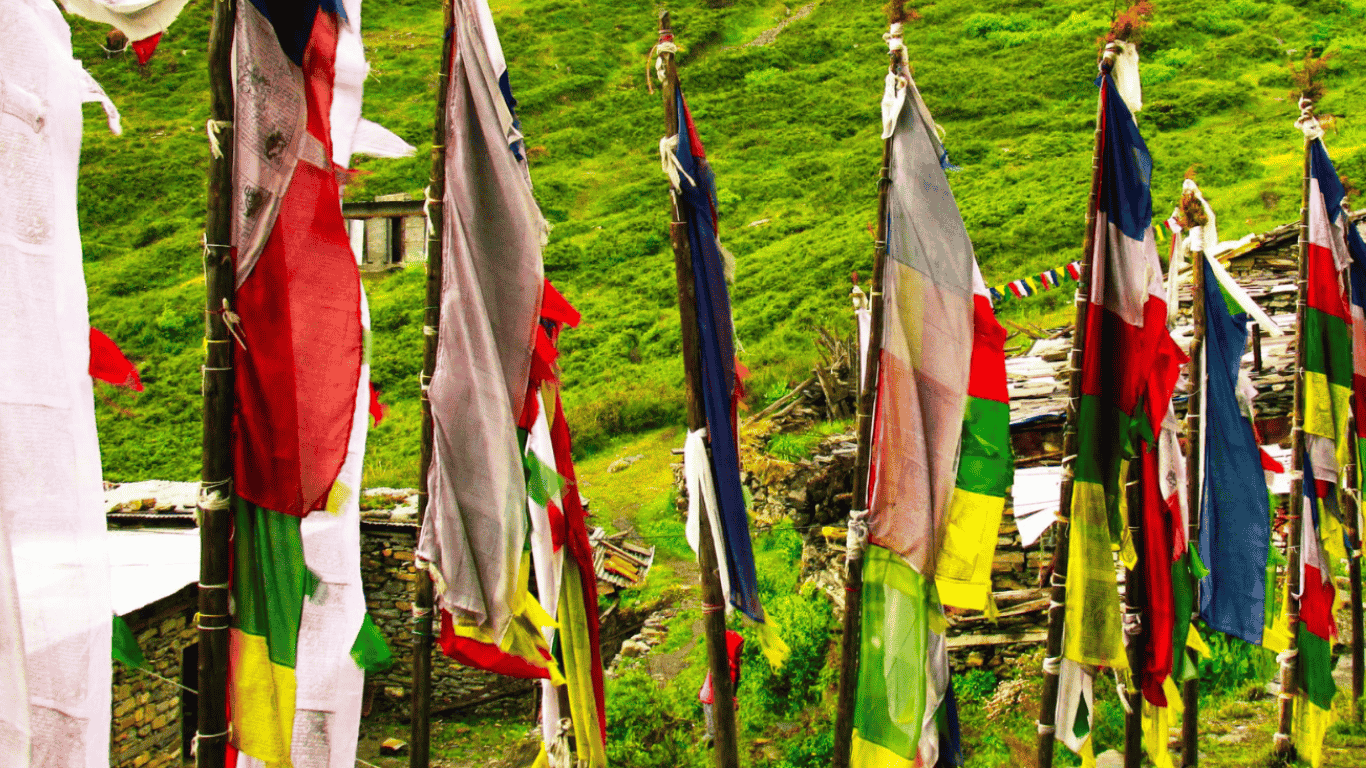
Top 10 Best Treks in the World
30 Apr. 2026



No comments yet.