



Everest Base Camp Trek Guide: Routes, Cost, Itinerary, Distance & Best Time
-
 Bold Himalaya
 -
23 January, 2026
-
28 mins read
-
684 Views
-
0 Comments


Everest Base Camp Trek Overview
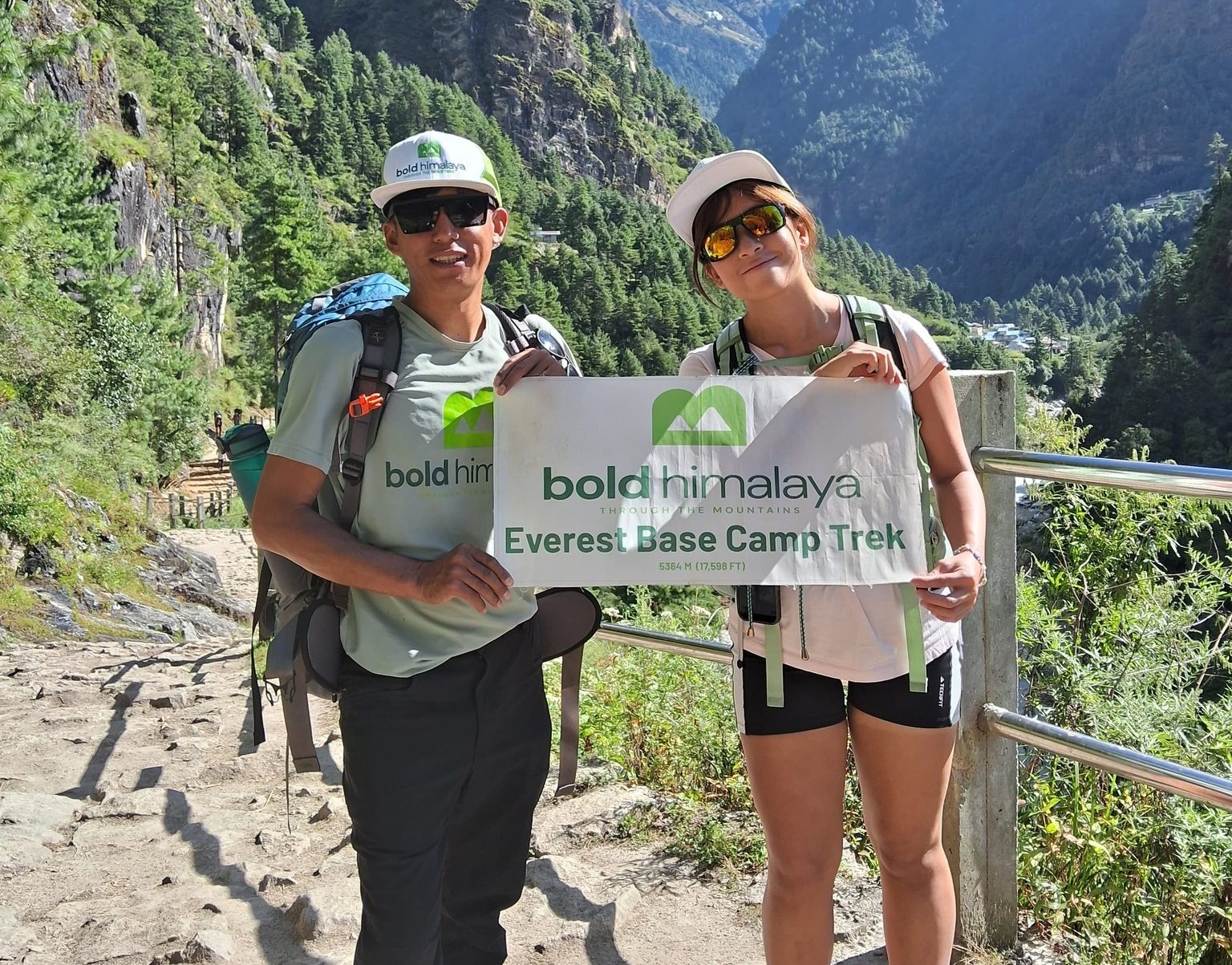
The Everest Base Camp Trek is one of the most iconic high-altitude journeys in the world, drawing adventurers to Nepal’s breathtaking Khumbu region year after year. Rising to 5,364 meters (17,598 feet), Everest Base Camp may not be the summit of the world’s tallest mountain, but reaching it is a milestone that tests endurance, rewards determination, and immerses trekkers in stunning Himalayan landscapes, Sherpa culture, and Buddhist traditions.
The trek is not a single fixed path; there are multiple routes tailored to different abilities, schedules, budgets, and comfort levels. While the classic journey takes around 14 days, faster itineraries can be completed in under 10 days, and some treks include scenic extensions like the Gokyo Lakes or fully overland routes avoiding flights. Whether you choose to trek independently, join a guided tour, or return by helicopter, understanding the available options is key to a safe and enjoyable experience.
This guide provides detailed routes and itineraries, covering the classic 14-day trek, extended overland journeys, and scenic extensions like Gokyo Lakes. Each itinerary includes daily walking times, altitudes, key highlights, and acclimatization strategies to ensure safe trekking. It also offers cost and budgeting guidance, ranging from budget-friendly teahouse treks to luxury guided packages, helping you plan your expenses effectively.
Whether your goal is to reach Everest Base Camp, watch the sunrise from Kala Patthar, or simply immerse yourself in the majesty of the Himalayas, this guide equips you with everything you need to plan a safe, memorable, and rewarding adventure.
How high is Everest Base Camp?
The Everest Base Camp altitude is 5,364 meters (17,598 feet) above sea level. Located at the foot of Mount Everest in Nepal’s Khumbu region, Everest Base Camp is one of the highest trekking destinations in the world and a major milestone for adventurers.
Although many people assume it is the highest point of the trek, the highest elevation reached during the Everest Base Camp trek is actually Kala Patthar, which stands at 5,545 meters (18,192 feet). This viewpoint offers the best panoramic views of Mount Everest and the surrounding Himalayan peaks.
Reaching Everest Base Camp requires gradual acclimatization due to the high altitude, as oxygen levels are significantly lower than at sea level. Proper pacing and rest days are essential to safely complete the trek.
Who Is the Everest Base Camp Trek Suitable For?
The Everest Base Camp trek is suitable for a wide range of travelers, from first-time high-altitude trekkers to experienced hikers seeking a rewarding Himalayan adventure. The classic route is ideal for beginners with a moderate level of fitness who can walk 4–7 hours a day and are willing to follow a gradual pace for proper acclimatization. Even those without prior experience above 3,000 meters can complete the trek with the right preparation and mindset.

This trek is especially perfect for anyone who dreams of seeing a close-up view of Mount Everest and experiencing the beauty of the Khumbu region. For travelers who are unable to complete the trek on foot, such as families with children or those with limited mobility, alternatives like a helicopter tour or scenic mountain flight offer a chance to witness Everest without trekking.
For more experienced or seasoned trekkers, the journey can be extended into more routes, such as the Gokyo Lakes and Cho La Pass trek, or longer itineraries like the 16-day Everest Base Camp trek. These options provide additional adventure, fewer crowds, and even more spectacular views of the Himalayan peaks.
How difficult is the Everest Base Camp Trek?
The Everest Base Camp trek is considered moderately difficult, meaning it is achievable for most people with a good level of fitness and proper preparation. You don’t need any technical climbing skills, but you should be comfortable walking 4 to 7 hours a day over multiple days.
The trail includes uphill climbs, stone steps, suspension bridges, and uneven paths, which can be physically demanding. However, the main challenge is the high altitude, where lower oxygen levels can make trekking more difficult and require proper acclimatization.

Even though the trek can be challenging, a well-planned itinerary and experienced guidance can make a significant difference. With the support of a professional team like Bold Himalaya, proper pacing, and expert assistance, the journey becomes safer, more comfortable, and far more enjoyable.
Overall, with the right preparation, mindset, and guidance, the Everest Base Camp trek is a rewarding adventure that most determined trekkers can complete.
Total Distance of the Everest Base Camp Trek: How Far Will You Trek?
The Everest Base Camp trek distance depends on your starting point and travel method. Understanding the total distance is crucial for planning your itinerary, pacing your trek, and preparing for altitude acclimatization.
1. Trekking via Lukla (Most Popular Route)
Flying from Kathmandu to Lukla, the classic starting point, is the fastest and most convenient way to begin the Everest Base Camp journey. The total distance for this route is approximately 406 kilometers:
- 276 km — Round-trip flight from Kathmandu to Lukla
- 130 km — Trek from Lukla to Everest Base Camp and back
This route is ideal for trekkers who want a manageable duration while experiencing the stunning Himalayan scenery, Sherpa villages, and iconic landmarks such as Namche Bazaar, Tengboche Monastery, and Kala Patthar.
2. Distance from Key Trekking Points
Understanding distances between major stops helps plan daily hiking and acclimatization:
- Lukla to Everest Base Camp: ~130 km
- Namche Bazaar to Everest Base Camp: ~65 km
- Jiri to Everest Base Camp (via Lukla): ~210 km
By knowing these distances, trekkers can allocate rest days, manage energy levels, and reduce the risk of altitude sickness, ensuring a safer and more enjoyable trek.
14-Day Everest Base Camp Trek Itinerary (Classic Route)
The 14-day classic Everest Base Camp trek is the most popular and balanced option for first-time trekkers. It follows the traditional route through Lukla, Namche Bazaar, Tengboche, Dingboche, and Gorak Shep, with two planned acclimatization days to help reduce the risk of altitude sickness.
This itinerary offers a perfect mix of cultural experiences, Himalayan scenery, and a gradual climb to the iconic Everest Base Camp (5,364m) and Kala Patthar (5,545m) sunrise viewpoint.
| Day | Route | Max Altitude | Walking Time | Highlights |
|---|---|---|---|---|
| Day 1 | Arrival in Kathmandu | 1,400 m | — | Airport pick-up, trek briefing, equipment check |
| Day 2 | Fly Kathmandu → Lukla, Trek to Phakding | 2,860 m | 3–4 hrs | Scenic mountain flight, first trek day |
| Day 3 | Phakding → Namche Bazaar | 3,440 m | 6–7 hrs | Suspension bridges, Sagarmatha National Park |
| Day 4 | Acclimatization Day at Namche Bazaar | 3,440 m | 2–3 hrs (optional) | Everest View hike, local markets |
| Day 5 | Namche Bazaar → Tengboche | 3,867 m | 5–6 hrs | Ama Dablam views, Tengboche Monastery |
| Day 6 | Tengboche → Dingboche | 4,410 m | 5–6 hrs | Alpine landscapes, Pangboche village |
| Day 7 | Acclimatization Day at Dingboche | 4,410 m | 2–3 hrs (optional) | Nagarjun Hill or Chhukung hike |
| Day 8 | Dingboche → Lobuche | 4,910 m | 5–6 hrs | Glacier moraines, memorials |
| Day 9 | Lobuche → Gorak Shep → Everest Base Camp | 5,364 m | 7–8 hrs | Reach Everest Base Camp |
| Day 10 | Kala Patthar → Pheriche | 5,545 m | 6–7 hrs | Sunrise view of Everest, descend lower |
| Day 11 | Pheriche → Namche Bazaar | 3,440 m | 6–7 hrs | Forest trails, village life |
| Day 12 | Namche Bazaar → Lukla | 2,860 m | 6–7 hrs | Final trekking day |
| Day 13 | Fly Lukla → Kathmandu | 1,400 m | — | Return flight, free time |
| Day 14 | Departure from Kathmandu | — | — | Airport transfer |
Budget Range
The total cost of a standard Everest Base Camp 14-day trek typically ranges from USD 1,100 to USD 1,375 per person, depending on the level of service, accommodation quality, and group size.
Major cost components include return flights between Kathmandu and Lukla, typically priced at USD 350–400, along with trekking permits and local fees totaling around USD 50–70. Accommodation in mountain teahouses generally costs USD 5–15 per night, while daily meals average USD 25–35, increasing slightly at higher elevations.
Guide fees commonly range from USD 25 to 35 per day, while porters earn approximately USD 20 to 25 per day. Additional expenses, such as hot showers, charging electronic devices, Wi-Fi, and snacks, can add modest extra costs along the route.
Everest Base Camp Trek with Helicopter Return
The Everest Base Camp Trek with Helicopter Return combines the classic trekking experience with a scenic and time-saving aerial journey back. This route follows the traditional trail from Lukla through beautiful Sherpa villages, alpine forests, and glacial valleys, leading to Everest Base Camp (5,364 m) and the famous viewpoint of Kala Patthar (5,545 m), where trekkers can enjoy breathtaking panoramic views of Mount Everest and surrounding peaks.
Unlike the standard round-trip trek, the return journey is completed by helicopter, usually from Gorak Shep or after the sunrise hike to Kala Patthar. This eliminates 3–4 days of descending on foot and shortens the total trip to around 10–12 days, making it an ideal option for those who want to save time while still experiencing the full trek.
Along the way, trekkers enjoy rich cultural experiences in places like Namche Bazaar and Tengboche, along with stunning views of Everest, Lhotse, Ama Dablam, and other Himalayan giants. Comfortable teahouse accommodation adds to the authentic trekking experience.
Who Should Choose the Everest Base Camp Trek with Helicopter Return?
The Everest Base Camp Trek with Helicopter Return is perfect for travelers who want to experience Everest Base Camp but have limited time or prefer a more comfortable and efficient journey. It is especially suitable for those who want to avoid the long and physically demanding descent after reaching high altitude.
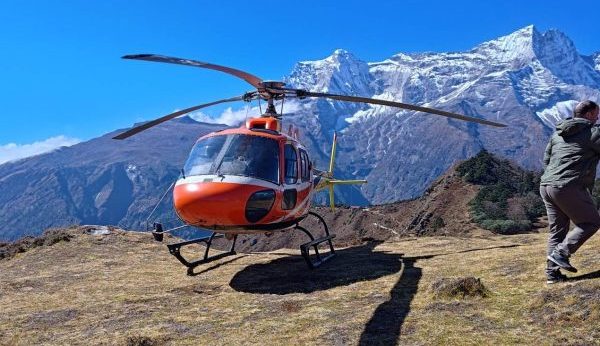
This trek is ideal for people with a moderate fitness level who can walk 5–7 hours per day but prefer to save energy by skipping the return trek. It’s a great choice for first-time trekkers, busy travelers, and anyone who wants to enjoy both trekking and a memorable helicopter flight over the Himalayas.
Overall, this option is best for those seeking the full Everest Base Camp experience, stunning mountain views, Sherpa culture, and the achievement of reaching base camp, while enjoying added comfort, reduced physical strain, and a unique aerial return.
Cost and Logistics
Adding a helicopter return to the Everest Base Camp trek increases overall costs significantly, usually by $1,600 to $2,500 per person, depending on the flight route, group size, and season. The helicopter may depart from Gorak Shep or Pheriche, and flights can return either to Lukla or directly to Kathmandu, which affects pricing.
In general, total trip costs for an Everest Base Camp Trek with Helicopter Return typically fall between $2,000 and $3,500 per person. These rates vary based on the number of travelers (as helicopter charter costs are shared), accommodation style, and the time of year.
Helicopter flights depend entirely on weather conditions. Heavy clouds, strong winds, or rain can delay or temporarily suspend departures. The final flight schedule is always controlled by safety and visibility, and delays can sometimes last several hours or longer.
Everest Base Camp Trek Overland Avoiding Lukla Flight
The Everest Base Camp Trek Overland route provides a compelling alternative to the traditional Lukla flight approach by avoiding air travel completely, instead using long road journeys from Kathmandu to reach trailheads such as Salleri, Phaplu, or Thamdanda before beginning the trek on foot.
From Kathmandu, the journey begins with a scenic but lengthy drive through Nepal’s hill and mountain landscapes, typically 8–12 hours to places like Salleri, via paved and gravel roads that ascend gradually through terraced fields, rivers, and rural settlements. After arriving at the roadhead, trekkers follow trails through quieter lower valleys before merging with the classic Everest Base Camp route near Phakding or Surke, continuing upward toward Namche Bazaar, Tengboche, Dingboche, Lobuche, and ultimately Everest Base Camp (5,364 m).
Although this overland option adds several extra days of travel and walking compared with the Lukla flight route, often 14–20+ days total depending on the exact start point, it offers deeper contact with local Sherpa, Rai, and Tamang communities, more gradual altitude gain for acclimatization, and greater control over timing since it isn’t affected by Lukla flight cancellations.
This route works especially well for trekkers who seek a more immersive cultural experience, budget-friendly access by land, or who are uncomfortable with the Lukla high-altitude flight, yet still want to reach Everest Base Camp on foot
Who Can Join This Trek
The Everest Base Camp Trek by Road is ideal for travelers who want the full Everest experience but prefer to avoid the high-altitude Lukla flight. It is especially suited for those on a budget, as road access reduces overall costs compared to the traditional route.
This trek is also perfect for people who feel uncomfortable flying or who want a slower, more gradual ascent with extra time for acclimatization. The overland route offers deeper access to remote Solu and lower Khumbu villages, allowing trekkers to enjoy a more authentic cultural experience.
Overall, this option is best for travelers who value longer but more immersive journeys, who don’t mind extra travel time, and who want to reach Everest Base Camp while prioritizing comfort, safety, and cultural immersion.

Route Explanation
Travel begins with a ground transfer from Kathmandu to either Jiri, taking seven or eight hours, or Phaplu, which takes six to seven.
Beginning at around two thousand meters above sea level, walkers move across rural settlements in the Solu area – Bhandar, then Sete, followed by Junbesi and Ringmo – before merging into the usual path at Lukla or Phakding.
The way back follows the same stages, only in reverse order. Though time passes slowly on roads winding uphill, each stop reveals quiet village life shaped by elevation and tradition.
Duration Impact
The duration of the entire journey spans 17 to 21 days, factoring in 12 to 14 days dedicated to movement alongside pauses for altitude adjustment. In regions farther down, daily travel can stretch longer due to scattered settlements, even if height changes stay gentle before entering true Khumbu terrain.
Budget Comparison
Choosing the Everest Base Camp Trek by Road helps reduce costs by avoiding the expensive Lukla flight. Typically, travelers save $350–$400 per person by not flying into Lukla. However, ground transport to trailheads such as Salleri, Phaplu, or Jiri adds $80–$120, depending on vehicle type and road conditions.
Because the overland route takes longer, additional nights of accommodation and meals increase expenses by about $150–$250. Despite these added costs, the overall budget is still lower than the traditional route, usually resulting in a net saving of $100–$200 per person.

In total, the full trip cost for the road-based Everest Base Camp trek typically falls between $1,100 and $2,200 per traveler, depending on group size, accommodation standard, and season.
Everest Base Camp Trek Options
When planning your Everest Base Camp adventure, you don’t have to stick to just one standard trail. The Khumbu region offers multiple trek routes and experiences — from classic itineraries to road access, helicopter experiences, and even luxury lodge treks. Each option fits a different timeline, budget, and level of comfort, helping you match your itinerary to personal goals and preferences.
1. Everest Base Camp Helicopter Tour
For those who want to see Everest without trekking, the Everest Base Camp Helicopter Tour delivers a spectacular aerial experience in just one day. Starting from Kathmandu, this helicopter flight offers breathtaking mountain views over the Sagarmatha National Park and can include a scenic landing near key viewpoints such as Everest View Hotel — all without multi-day trekking.
2. Everest Base Camp Trek Via Phaplu
The Phaplu route starts with a road or short air connection into the Solu-Khumbu region, then joins the classic EBC trail. It provides quieter landscapes, fewer crowds, and cultural immersion through traditional villages before linking with the main trail toward Namche Bazaar and onward.
3. Everest Base Camp Trek Via Jiri
For adventurers who prefer to avoid the Lukla flight entirely, the historic Jiri route begins with a long overland drive from Kathmandu, then trekking gradually uphill through rural lowlands and hills before connecting with the main Everest trail at places like Shivalaya or Bhandar. This path increases overall days but offers deeper cultural experiences and slower altitude gain.
4. Luxury Everest Base Camp Trek
Luxury versions of the EBC trek combine the classic route with upgraded lodgings, superior meals, and helicopter transfers (sometimes for the return). These itineraries focus on comfort without missing the iconic highlights like Sherpa villages, Tengboche Monastery, and views of Everest and Ama Dablam. They’re perfect for travelers who want the full Everest experience with premium services.

5. Classic EBC + Gokyo Lakes + Cho La Pass
This extended adventure combines the traditional Everest Base Camp trail with a trek to the stunning Gokyo Lakes and a crossing of the Cho La Pass (5,420 m). It’s more challenging and rewarding, offering views of Gokyo Ri, the turquoise lakes, and additional perspectives on Everest and neighboring peaks. This is ideal for trekkers with strong fitness and more time (~17–20 days).
6. Everest Base Camp with Gokyo Lakes + Helicopter Return
This variation combines the Gokyo Lakes & Cho La Pass trek with a helicopter exit, typically flying out from the Gokyo region or nearby highlandings. It gives you the extended scenic experience while shaving off the long return trek.
7. Everest Mountain Flight
For visitors with only a day in Nepal or those who prefer not to trek, the Everest Mountain Flight departs from Kathmandu and circles the Everest region with close views of Everest, Lhotse, Makalu, and Cho Oyu. This ~1-hour scenic flight is perfect for families, photographers, or those with limited time.
Practical Planning Essentials
Fitness and Preparation
Endurance of the heart and lungs matters most when getting ready to trek. Training should span 8 to 12 weeks, slowly increasing – examples are hikes with a loaded pack, steps, runs, rides, or swims, totaling five to six hours each week.
Staying mentally strong helps manage long-term efforts, simple living conditions, and challenges associated with high elevation. Prior experience on trails lasting several days gives useful insight into current readiness.
Permits and Documentation
Entry permits cost $30 at Sagarmatha National Park and $20 elsewhere within Khumbu Pasang Lhamu territory. Following updated rules, every traveler aiming for Everest Base Camp must employ an officially recognized guide via authorized companies.
Arrangement happens either alone or included in tour bundles. Depending on present directives, one might need a Trekkers’ Information Management System record.
Accommodation and Food on the Trek
During the Everest Base Camp trek accommodation varies based on your chosen package. In Kathmandu, you can stay in comfortable 3- or 4-star hotels. Along the trekking route, lodges and teahouses provide basic but cozy rooms, often with shared facilities.
For standard treks, meals are simple yet nutritious, usually including local favorites like dal bhat (rice and lentils), soups, noodles, and vegetables. Premium or luxury treks offer upgraded lodgings with private rooms and chef-prepared meals, giving you extra comfort after a long day of trekking.
No matter your choice, food and accommodation are arranged to ensure safety, rest, and energy for the challenging high-altitude journey.
Packing List for Everest Base Camp Trek
Your packing for the Everest Base Camp depends on the season. In spring (March–May), bring light layers for warmth, a fleece, a sunhat, sunglasses, and sunscreen. In autumn (September–November), pack warmer layers, an insulated jacket, and a waterproof jacket.
For winter (December–February), heavy down jackets, thermal layers, gloves, hats, and warm socks are essential. During monsoon (June–August), include waterproof clothing and trekking poles.
Regardless of the season, essentials include sturdy trekking boots, a backpack, a sleeping bag, a hydration system, a first aid kit, and personal items like sunglasses and sunscreen. Proper packing ensures comfort, safety, and a memorable Everest Base Camp trek.
Budget Breakdown Overview (Everest Base Camp Trek Cost)
When planning an Everest Base Camp trek, understanding the cost structure helps travelers avoid surprises. The Everest Base Camp trek cost varies based on travel style, services included, and the route chosen. Below is a clear breakdown of the main expenses you can expect.
1. Flights (Kathmandu – Lukla)
The return flight between Kathmandu and Lukla typically costs $350 to $400. This price can change depending on weather conditions and seasonal demand. International flights to Nepal are priced separately.
2. Trek Permits
Trekking permits and required fees total around $50 to $70 per person. These are mandatory and must be arranged before the trek.
3. Accommodation (Teahouses)
Teahouse accommodation costs range from $5 to $15 per night in lower regions. As you climb higher, prices rise slightly due to limited resources and higher transport costs.
4. Food and Drinks
Food costs vary by meal:
- Breakfast and dinner: $15–$25
- Lunch: around $10
- Beverages: $5–$10 per day
Higher elevations usually increase the price of food and drinks.
5. Guide Fees
Guides cost approximately $25–$35 per day. This is now mandatory in many areas, and it ensures safety and proper route guidance.
6. Porter Fees
Porters typically charge $20–$25 per day. While not mandatory, hiring a porter is highly recommended for comfort and safety.
7. Insurance
Comprehensive travel insurance with evacuation coverage ranges from $50 to $150, depending on the provider and coverage level.
8. Extra Costs
Additional expenses may include:
- Equipment rental
- Private guide or extra staff
- Hot showers
- Charging devices
- Internet/phone data
These extra services can add $200 to $400 to the overall cost.
9. Total Everest Base Camp Trek Cost
The total Everest Base Camp trek cost can start at $1,100 for budget travel by road with basic support.
For more comfortable or fully guided packages, prices can rise significantly, reaching $6,000 or more.

When Is the Best Time to Trek EBC?
The best season for the Everest Base Camp Trek is one of the most important factors to consider when planning your adventure in the Himalayas. Weather conditions, visibility, trail safety, and overall trekking experience vary significantly throughout the year, making it essential to choose the right time. In general, the Everest Base Camp trek’s best season falls in spring and autumn, when the skies are clearer, temperatures are more stable, and the chances of a successful and enjoyable trek are highest.
Everest Base Camp Trek Best Season in Spring (March to May)
The Everest Base Camp trek’s best season is in spring (March to May), which offers a perfect balance of weather, scenery, and trekking conditions. During this time, the trails come alive with blooming rhododendron forests, and temperatures remain moderate, making long trekking days more comfortable. Morning views are usually clear, providing stunning sights of peaks like Mount Everest. Although the trails can be busy and clouds may appear in the afternoon, spring remains an excellent choice, especially for first-time trekkers.
Everest Base Camp Trek Best Season in Autumn (September to November)
The best season for the Everest Base Camp trek in autumn (September to November) is widely considered the ideal time for trekking due to its crystal-clear skies and stable weather. After the monsoon rains, the air becomes fresh, and visibility is at its best, making it perfect for photography and panoramic mountain views. This season also coincides with major Nepalese festivals such as Dashain and Tihar, adding a unique cultural experience to the journey. However, it is also the most crowded period on the trail.
Everest Base Camp Trek in Winter Season (December to February)
The Everest Base Camp trek in the winter season (December to February) is suitable for trekkers who prefer solitude and are prepared for extreme cold conditions. Temperatures can drop significantly, especially at higher elevations, and snowfall may affect accessibility. Despite these challenges, winter offers peaceful trails, fewer crowds, and beautiful snow-covered landscapes, making it appealing for experienced trekkers seeking a quieter experience.
Everest Base Camp Trek in Monsoon Season (June to August)
The Everest Base Camp trek in the monsoon season (June to August) is generally not recommended due to heavy rainfall, poor visibility, and slippery trail conditions. Clouds often block mountain views, and frequent flight delays can disrupt travel plans. Additionally, the lower regions may have insects and humid conditions, which can make trekking less comfortable. Only experienced trekkers looking to avoid crowds usually consider this season.
Final Recommendation
The best time for the Everest Base Camp trek ultimately depends on your priorities, but spring and autumn clearly stand out as the most favorable seasons. Spring is ideal for those who enjoy moderate weather and colorful landscapes, while autumn is perfect for trekkers seeking the clearest mountain views and stable conditions. Choosing the right season ensures a safer, more enjoyable, and memorable Everest Base Camp experience.
What are some tips for preparing for the altitude of the Everest Base Camp Trek?
The Everest Base Camp trek altitude preparation is essential for a safe and successful journey, as the trek reaches 5,364 meters (17,598 ft) and even higher at viewpoints like Kala Patthar. At these elevations, oxygen levels are much lower, so proper preparation helps reduce the risk of altitude sickness and improves overall performance.
Everest Base Camp altitude acclimatization tips
One of the most important aspects of preparing for the Everest Base Camp trek is proper acclimatization. Choose an itinerary that includes rest days, especially in places like Namche Bazaar and Dingboche. The “climb high, sleep low” strategy helps your body gradually adjust to thinner air and reduces the chances of altitude-related issues.
Stay hydrated during the Everest Base Camp trek
Hydration plays a key role in altitude adaptation. Drink at least 3–4 liters of water daily while trekking. Avoid alcohol and limit caffeine, as they can contribute to dehydration and make altitude symptoms worse.
Build fitness for high-altitude trekking
Preparing your body before the trek is crucial. Focus on cardiovascular exercises such as hiking, running, cycling, or swimming for at least 6–8 weeks. Strong endurance helps your body use oxygen more efficiently at high altitudes.
Trek slowly and maintain a steady pace
Going too fast is one of the biggest mistakes trekkers make. Walk at a slow, consistent pace, even if you feel strong at lower elevations. Gradual ascent gives your body time to adapt and lowers the risk of altitude sickness.
Eat properly at high altitude
Maintaining energy levels is important. Eat regular, carbohydrate-rich meals, as carbs are easier to digest and provide quick energy at altitude. Even if your appetite decreases, try to eat consistently.
Consider medication for altitude sickness
Some trekkers use medications like Acetazolamide (Diamox) to help prevent altitude sickness. Always consult a doctor before using any medication and understand possible side effects.
Recognize symptoms of altitude sickness
Learn to identify early signs of altitude sickness, such as headaches, nausea, dizziness, or fatigue. If symptoms worsen, the best solution is to stop ascending or descending to a lower altitude immediately.
Get proper rest and sleep
Your body recovers and adapts during rest. Ensure you get enough sleep each night and avoid overexertion. Taking acclimatization days seriously can make a big difference in your success.
Pack smart for altitude conditions
Bring proper gear, including warm clothing, a good sleeping bag, and essential medicines. Being physically comfortable helps your body cope better with altitude stress.
Final tip for Everest Base Camp altitude preparation
The key to handling the Everest Base Camp altitude is simple: go slow, stay hydrated, and listen to your body. With the right preparation and mindset, most trekkers can safely reach Everest Base Camp and enjoy the experience.
Frequently Asked Questions
Everest Base Camp Trek for Beginners?
Yes, the Everest Base Camp trek can be suitable for beginners, with proper planning and the right route. The best option for first-time trekkers is a 14–16-day itinerary that includes multiple rest and acclimatization days. This slower pace helps the body adjust to high altitude and reduces the risk of altitude sickness.
Hiring a certified guide is highly recommended, as experienced professionals can monitor your condition and manage safety during the trek. A realistic assessment of your fitness level is essential—long hikes and endurance training help, but they are not mandatory.
To increase your chances of success, it’s advisable to prepare your body with aerobic training for 2–3 months before the trek. Activities like running, cycling, swimming, or long uphill walks will strengthen your stamina and improve your overall experience.
Everest Base Camp Trek Duration?
Typically, trips last between twelve and fourteen days once flight time is factored in. Nine to eleven days become possible when routes are compressed – particularly if a helicopter assists the return leg.
When journeys rely solely on roads or aim for deeper exploration, they often stretch from two to three weeks. Attempts at shorter timelines tend to raise exposure to altitude-related health issues.
More gradual pacing across additional days supports better adjustment to elevation, along with higher completion likelihood.
Shortest Everest Base Camp Trip?
Seven to eight days mark the briefest option available through commercial providers. Only those having prior high-altitude exposure should consider such a compressed plan. Elite physical conditioning becomes essential under these constraints.
Evidence of fast acclimatization must already exist on record. With less time, both the likelihood of summiting and the room for error shrink noticeably.
Most hikers find better results across twelve to fourteen days instead. This longer span allows steadier adjustment and reduces strain overall.
Everest Base Camp Without Flying to Lukla?
Beginning at trailheads accessible by land, some options replace air travel entirely. From places like Jiri, progress unfolds over additional days – five to seven more than flying – yet eases altitude adjustment.
These paths pass through quieter areas where encounters shift toward local rhythms instead of tourist patterns. Time expands, yet expenses often shrink under such arrangements. Movement happens more slowly, revealing layers unseen on quicker approaches.
How dangerous is altitude sickness on this trek?
Most who trek face Acute Mountain Sickness at least a little – about two out of five. Headaches may begin mildly, yet sometimes worsen enough to demand going lower. Following slow climb plans helps the body adjust without strain.
Instead of rushing upward, spacing gains across days allows safer progress. Water intake supports this process, especially when breathing thin air. Symptoms noticed early tend to respond better to rest or delay.
Though swelling in the brain or lungs occurs seldom, it does happen if warnings go unheeded. Because rescue needs can appear suddenly, having evacuation coverage becomes unavoidable. Such protection ensures movement to care without reliance on chance.
Everest Base Camp Trek Requires a Guide?
Rules now demand that trekkers arrange guided trips via authorized companies. Walking alone in these areas has been discontinued. Because of safety concerns, trained leaders handle pathfinding, monitor health at elevation, explain local customs, manage crises when they arise, and watch for signs of mountain sickness.
Carrying help can be arranged if needed, which lessens strain on the body during travel.
The Most Affordable Way to Trek to Everest Base Camp?
Beginning at Jiri or Phaplu via road cuts, overall spending – ranging from $1,100 to $1,800 – since flights into Lukla are avoided. Basic teahouses serve as lodging; support staff remains minimal yet compliant with local rules.
Off-season travel, either in winter or through monsoon months, shifts pricing downward. Group participation adjusts individual fees even more so. Cost efficiency rises when timing aligns with less busy periods.
Everest Base Camp Success Rate?
Success tends to occur in about 85 to 90 percent of cases when trips allow steady progress and proper adjustment to height. Shortened plans see outcomes drop to between 60 and 75 percent. Altitude illness often plays a role; so do sudden storms, bodily fatigue, and canceled flights.
When routes match personal limits, and timing stays reasonable, chances rise naturally. Though logistics vary, thoughtful planning quietly shifts odds.
Everest Base Camp Trek Fitness Level Needed?
Adequate heart-lung efficiency meets typical trip demands. Hiking five to seven hours each day, gaining between four hundred and six hundred meters in height, while managing a small backpack of five to seven kilograms, forms the minimum physical expectation.
Rather than short bursts of power, preparation ought to focus on continuous rhythmic movement. Steady mental resilience, along with comfort amid simple living arrangements, holds similar weight. This level of readiness aligns closely with routine expedition planning.
Conclusion
The Everest Base Camp trek is more than just a journey; it’s a life-changing adventure that combines breathtaking Himalayan scenery, rich Sherpa culture, and personal accomplishment at high altitude. Whether you choose the classic 14-day route via Lukla, a faster itinerary with a helicopter return, an immersive overland route, or an extended adventure including Gokyo Lakes and Cho La Pass, each option offers a unique perspective of Nepal’s Khumbu region.
Success on this trek relies on careful planning, proper acclimatization, and physical and mental preparation. Understanding distances, daily walking times, altitude challenges, permits, and budgeting ensures a safe and enjoyable experience. With the right training, pacing, and guidance from certified operators, most trekkers can reach Everest Base Camp and Kala Patthar, witnessing awe-inspiring sunrise views over the world’s highest peaks.
Ultimately, the Everest Base Camp trek rewards determination, patience, and curiosity. It offers a chance to connect deeply with nature, embrace local culture, and achieve a personal milestone that leaves lasting memories. For those prepared, this iconic journey is not just a trek—it’s an unforgettable chapter of a lifetime adventure.
Ready to Plan Your Everest Base Camp Adventure?
If you’re looking for a trusted itinerary, reliable guides, and a safe journey, book your Everest Base Camp trek today and start your dream adventure in the Himalayas.
Comments (0)
Write a comment- Everest Base Camp Trek Overview
- How difficult is the Everest Base Camp Trek?
- Total Distance of the Everest Base Camp Trek: How Far Will You Trek?
- 14-Day Everest Base Camp Trek Itinerary (Classic Route)
- Everest Base Camp Trek with Helicopter Return
- Everest Base Camp Trek Overland Avoiding Lukla Flight
- Everest Base Camp Trek Options
- Practical Planning Essentials
- Budget Breakdown Overview (Everest Base Camp Trek Cost)
- When Is the Best Time to Trek EBC?
- What are some tips for preparing for the altitude of the Everest Base Camp Trek?
- Everest Base Camp altitude acclimatization tips
- Stay hydrated during the Everest Base Camp trek
- Build fitness for high-altitude trekking
- Trek slowly and maintain a steady pace
- Eat properly at high altitude
- Consider medication for altitude sickness
- Recognize symptoms of altitude sickness
- Get proper rest and sleep
- Pack smart for altitude conditions
- Final tip for Everest Base Camp altitude preparation
- Frequently Asked Questions
- Everest Base Camp Trek for Beginners?
- Everest Base Camp Trek Duration?
- Shortest Everest Base Camp Trip?
- Everest Base Camp Without Flying to Lukla?
- How dangerous is altitude sickness on this trek?
- Everest Base Camp Trek Requires a Guide?
- The Most Affordable Way to Trek to Everest Base Camp?
- Everest Base Camp Success Rate?
- Everest Base Camp Trek Fitness Level Needed?
- Conclusion
Read the latest Blogs & Insights
Explore our collection of articles and insights to gain in-depth travel knowledge, expert advice, and stay updated on the latest trends and tips.
View All Articles
Top 10 Best Treks in the World
23 Aug. 2026



No comments yet.