


Annapurna Base Camp Vs Annapurna Circuit Trek: Which Trek is Better?
High above sea level in the Himalayas of Nepal lie two of the world’s most famous trekking routes: the journey to Annapurna Base Camp and the legendary Annapurna Circuit. While both paths pass through the breathtaking landscapes of the Annapurna Conservation Area, they offer very different experiences for trekkers. One trail leads directly toward a […]
-
 Bold Himalaya
-
12 March, 2026
-
20 mins read
-
29 Views
-
0 Comments


High above sea level in the Himalayas of Nepal lie two of the world’s most famous trekking routes: the journey to Annapurna Base Camp and the legendary Annapurna Circuit. While both paths pass through the breathtaking landscapes of the Annapurna Conservation Area, they offer very different experiences for trekkers.
One trail leads directly toward a dramatic glacial basin surrounded by towering Himalayan peaks, while the other circles the entire Annapurna massif over weeks of walking. Along the way, both routes wind through rhododendron forests, terraced hillsides, and mountain villages where stone houses stand against snow-capped horizons. Yet the distance, altitude, and overall trekking experience differ significantly between the two.
When planning a Himalayan adventure, many travelers compare the Annapurna Base Camp vs Annapurna Circuit trek to decide which trek suits them best. One offers a shorter journey with close-up mountain views, while the other unfolds across diverse landscapes and cultures as it circles the entire mountain range. The right choice often depends on the time available, trekking experience, and readiness for high altitude.
Understanding the key differences between these iconic Himalayan treks can help you choose the route that matches your goals, expectations, and sense of adventure.
Overview of the Annapurna Base Camp Trek
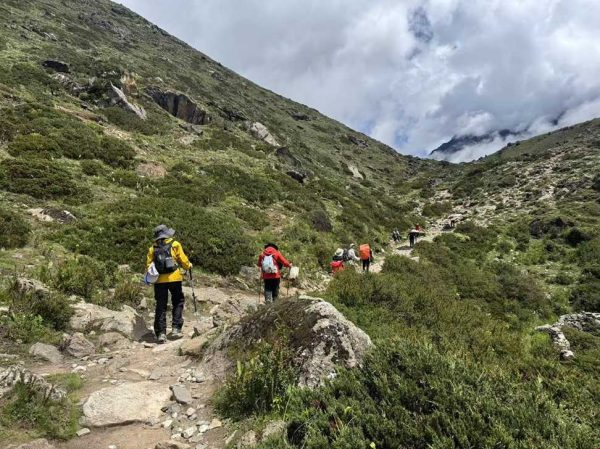
The Annapurna Base Camp trek is one of the most popular trekking routes in Nepal, leading travelers deep into the heart of the Annapurna Conservation Area. Most trekkers begin the journey from villages near Pokhara, such as Nayapul, Jhinu Danda, or Phedi. From these starting points, the trail passes through terraced farmland, traditional mountain villages, and dense forests filled with rhododendron and bamboo.
As trekkers climb higher, the landscape gradually changes. Green hills and cultivated fields give way to alpine terrain and rocky slopes. Along the route, villages such as Ghandruk, Chhomrong, and Sinuwa offer a glimpse into the daily life and culture of Gurung and Magar communities. Teahouses along the trail provide accommodation and meals for trekkers, making the journey accessible even for those with limited high-altitude experience.
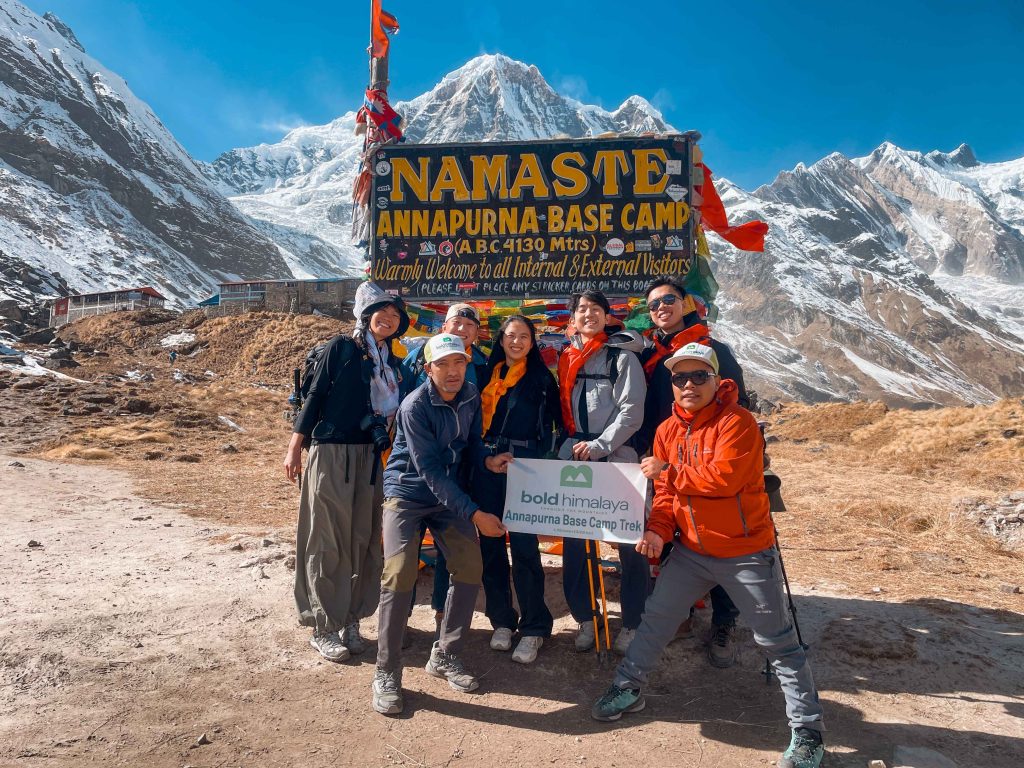
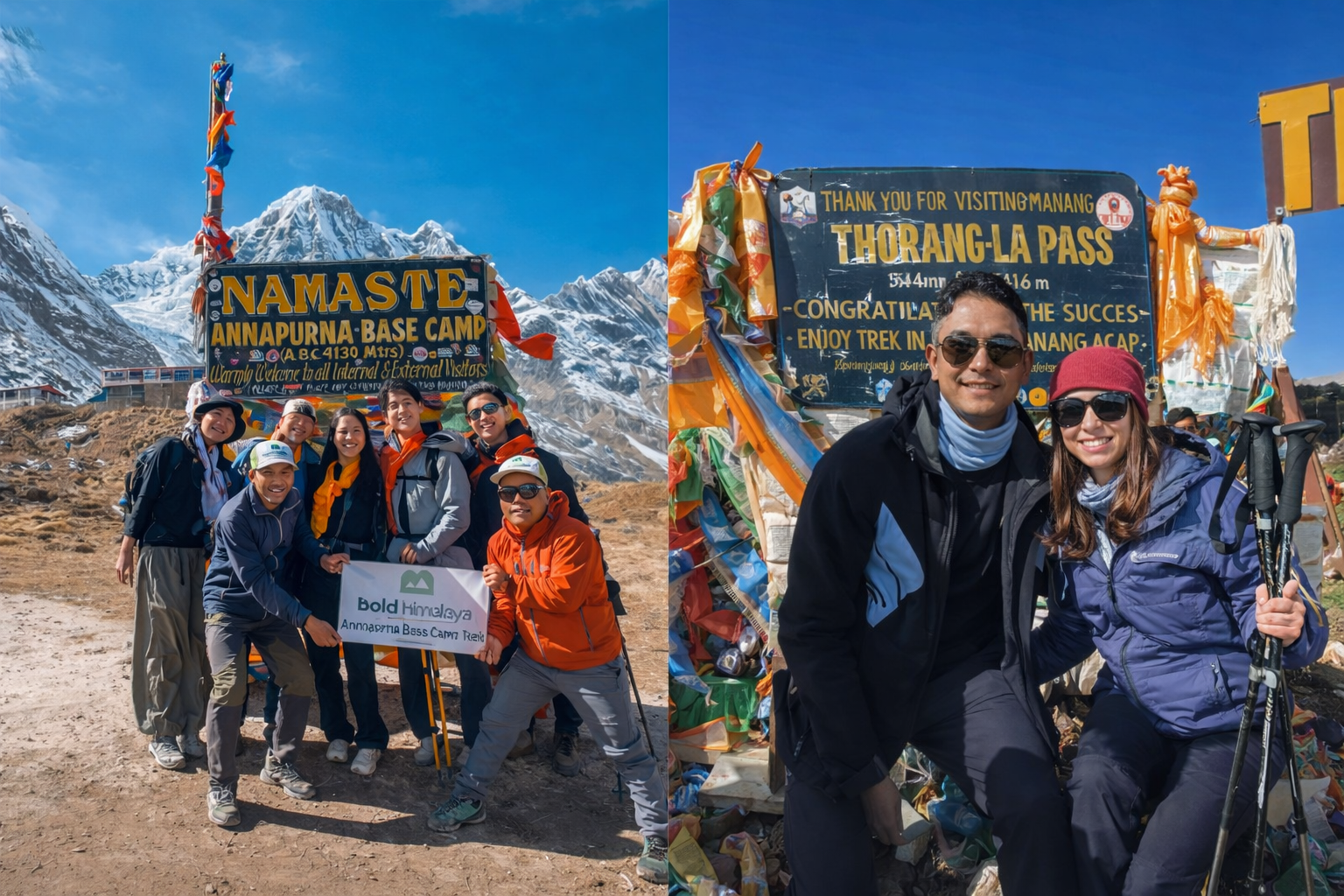
The trek eventually enters the spectacular Annapurna Sanctuary, a natural amphitheater surrounded by some of the highest peaks in the Himalayas. At an altitude of 4,130 meters (13,549 feet), the trail reaches Annapurna Base Camp, the highest point of the journey. From here, trekkers are surrounded by towering mountains, including Annapurna I (8,091 m), Machapuchare, Hiunchuli, and Gangapurna. The panoramic views from base camp are among the most dramatic in the Himalayas.
Most trekkers complete the Annapurna Base Camp Trek in 7 to 14 days, depending on their itinerary and pace. The round-trip distance usually ranges between 110 and 115 kilometers, making it a moderate trek that combines diverse landscapes, cultural encounters, and close-up views of Himalayan giants.
Overview of the Annapurna Circuit Trek
The Annapurna Circuit trek is one of the most famous long-distance trekking routes in the world. Unlike the trek to Annapurna Base Camp, which follows an out-and-back trail, the Circuit Trek forms a large loop around the Annapurna mountain range. The route crosses diverse landscapes as it follows the valleys of the Marsyangdi River in the early stages before descending along the valley of the Kali Gandaki River on the western side of the range.
The most challenging and famous part of the trek is crossing Thorong La Pass, which reaches an elevation of 5,416 meters (17,769 feet). This high mountain pass is the highest point of the Annapurna Circuit and requires proper acclimatization. Most trekkers spend extra time in villages such as Manang to adjust to the altitude before attempting the early-morning climb over the pass.
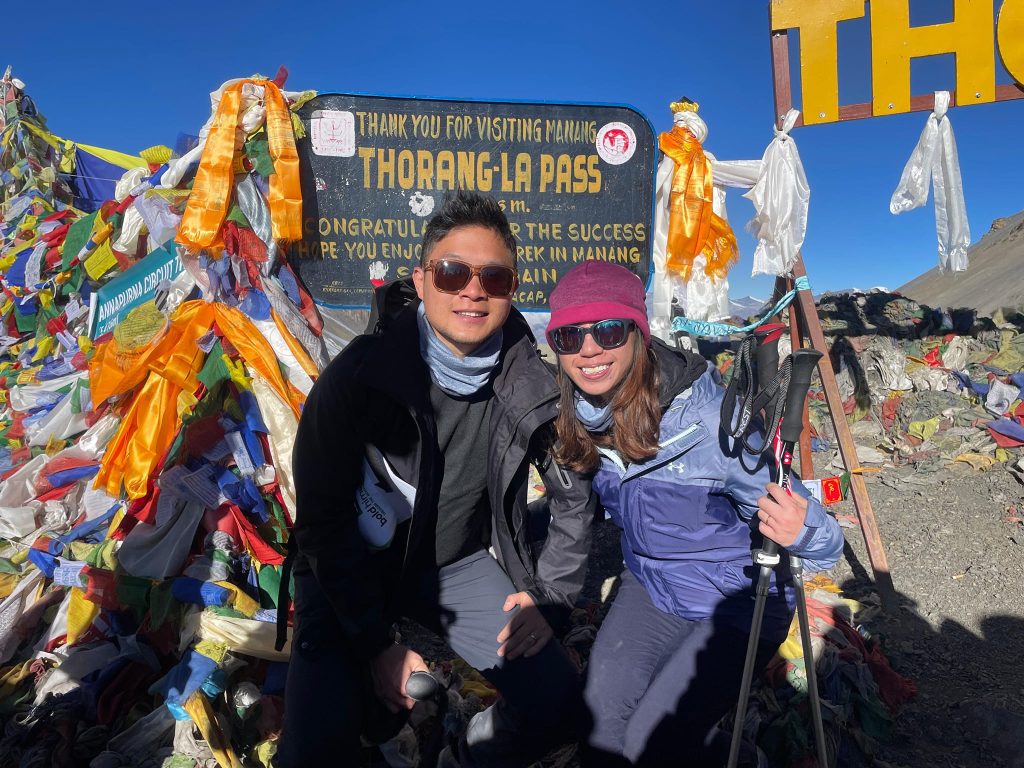
Completing the full Annapurna Circuit Trek usually takes 14 to 21 days, depending on the route taken and walking pace. The trail offers remarkable cultural diversity, beginning in Hindu farming villages in the lower hills and gradually transitioning into Buddhist communities in the higher regions. Villages such as Manang and the sacred pilgrimage site of Muktinath reflect strong Tibetan cultural influence.
One of the highlights of the journey is passing through the dramatic Kali Gandaki Gorge, considered one of the deepest river gorges in the world. Along the route, trekkers experience a striking transition of landscapes—from lush subtropical forests and terraced farmland to dry alpine valleys and high-altitude desert terrain near the border of Tibet. This extraordinary variety of scenery and cultures makes the Annapurna Circuit Trek one of the most diverse trekking experiences in the Himalayas.
Key Differences Between Annapurna Base Camp and Annapurna Circuit
Trek Duration
The Annapurna Base Camp trek is shorter and usually takes 10 to 14 days to complete. Because the route follows an out-and-back trail, it is a good option for travelers with limited time.
In comparison, the Annapurna Circuit trek requires more time. Most trekkers spend 14 to 21 days completing the full circuit around the Annapurna mountain range. Some sections of the trail now have road access, which allows trekkers to shorten the journey slightly if needed.
Maximum Altitude
The highest point on the Annapurna Base Camp Trek is 4,130 meters (13,549 feet) at Annapurna Base Camp itself. Although this elevation is high, most trekkers can adapt with a gradual ascent and proper acclimatization.
The Annapurna Circuit Trek, however, reaches a much higher altitude when crossing Thorong La Pass at 5,416 meters (17,769 feet). Because of this extreme elevation, trekkers usually spend additional time acclimatizing in villages such as Manang before attempting the pass.
This difference in altitude makes the Annapurna Circuit Trek generally more challenging than the Annapurna Base Camp Trek.
Difficulty Level & Physical Demand
The Annapurna Base Camp (ABC) difficulty is generally rated as moderate. While it involves thousands of stone stairs (especially near Chhomrong), the maximum altitude of 4,130m carries a lower risk of altitude sickness.
In contrast, the Annapurna Circuit difficulty is more strenuous. The crux of the journey is the 5,416m Thorong La Pass, which requires excellent cardiovascular fitness and at least two acclimatization days in Manang.
While ABC tests your knees with steep descents, the Circuit tests your lungs and mental grit against thin air.
Landscape and Scenery
Both trekking routes offer spectacular Himalayan landscapes, but the scenery differs significantly between them. The Annapurna Base Camp Trek takes trekkers deep into the beautiful Annapurna Sanctuary. The trail passes through terraced farmland, bamboo forests, and colorful rhododendron woodlands before gradually entering high alpine terrain.
The final destination is a dramatic natural amphitheater surrounded by towering peaks such as Annapurna I and Machapuchare, offering some of the closest mountain views in Nepal.
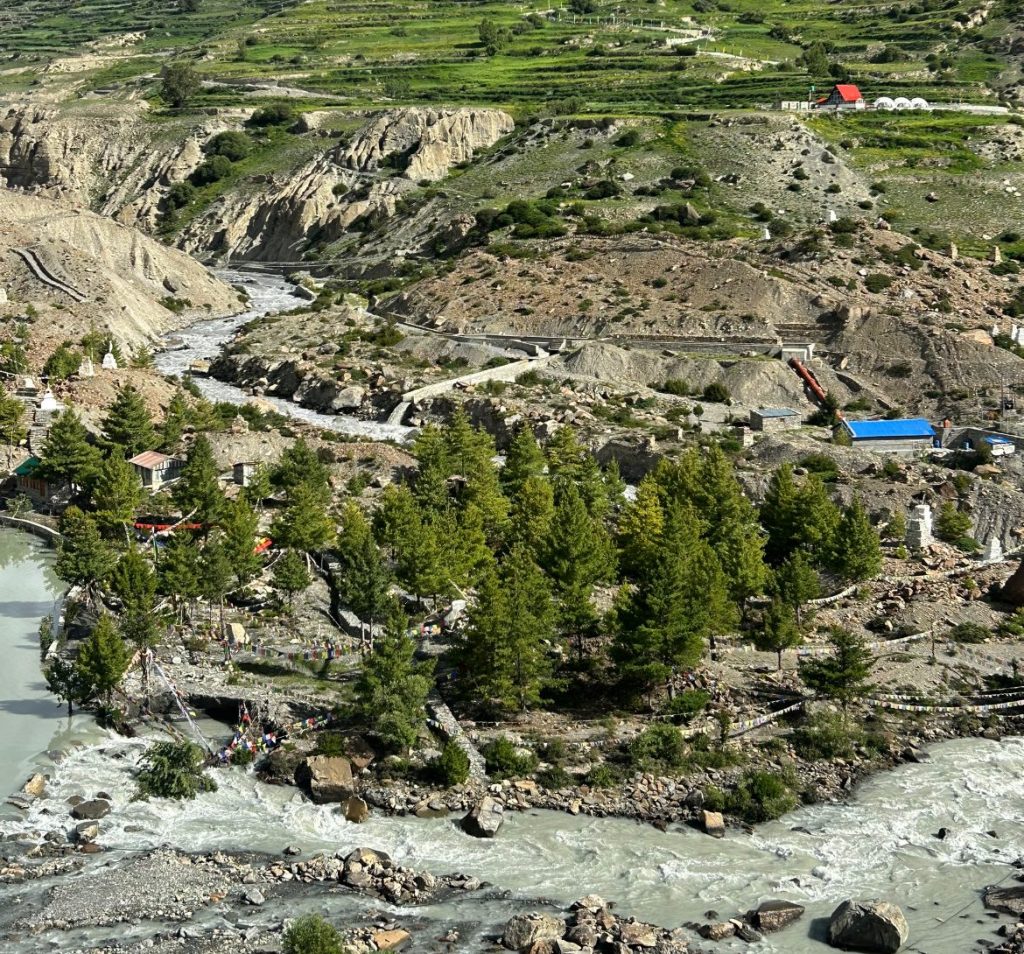
The Annapurna Circuit Trek is known for its remarkable variety of landscapes. Trekkers begin in lush subtropical valleys, then gradually climb into pine forests, alpine meadows, and eventually high-altitude desert terrain near the Tibetan Plateau.
The route also passes through the dramatic Kali Gandaki Gorge, one of the deepest river gorges in the world. Because the trek circles the entire Annapurna mountain range, the scenery changes constantly, making it one of the most diverse trekking experiences in the Himalayas.
Cultural Experience
The Annapurna Circuit Trek offers one of the richest cultural experiences among trekking routes in Nepal. In the lower valleys, trekkers pass through Hindu farming communities inhabited by Brahmin and Chhetri families.
As the trail climbs higher, villages influenced by Tibetan Buddhist culture appear, particularly in places such as Manang. The trek eventually leads to the sacred pilgrimage site of Muktinath, which holds deep spiritual significance for both Hindus and Buddhists.
In comparison, the Annapurna Base Camp Trek passes mainly through traditional Gurung villages such as Ghandruk and Chhomrong. While the cultural experience is still meaningful, the variety of ethnic groups and traditions is more limited than on the Annapurna Circuit.
For trekkers interested in experiencing a wider range of Himalayan cultures and communities, the Annapurna Circuit Trek provides a deeper cultural journey.
Cost and Logistics
The Annapurna Base Camp trek is generally more affordable than the Annapurna Circuit trek because it requires fewer days on the trail. Most trekkers complete the Annapurna Base Camp Trek in 10–14 days, which means fewer nights in teahouses and lower spending on meals and accommodation along the route.
In contrast, the Annapurna Circuit Trek usually takes between 14 and 21 days to complete. The longer duration results in additional costs for lodging, food, and transportation. Some sections of the circuit now have road access, allowing trekkers to shorten the route with jeep or bus travel, but this can also add transportation expenses.
Both trekking routes require the same permits within the Annapurna region. Trekkers must obtain the Annapurna Conservation Area Permit (ACAP) and a Trekkers’ Information Management System (TIMS) card, which are required for entering the protected trekking area managed by the Annapurna Conservation Area Project.
Hiring a guide or porter is optional for both treks, but many trekkers choose to do so for safety, navigation, and support at higher altitudes. Guides also provide valuable local knowledge about mountain weather, trail conditions, and village culture, which can make the trekking experience smoother and safer.
Accommodation and Food
Both treks in Nepal operate on a traditional teahouse system, where trekkers eat and sleep in local lodges run by mountain communities. On the Annapurna Base Camp (ABC) Trek, teahouses are basic yet comfortable, offering staple meals like dal bhat, soups, and noodles.
In contrast, the Annapurna Circuit Trek (ACT) provides greater diversity in cuisine and accommodation. In villages such as Manang and Muktinath, trekkers can enjoy bakeries, yak cheese, and even espresso, reflecting the longer route’s more developed infrastructure.
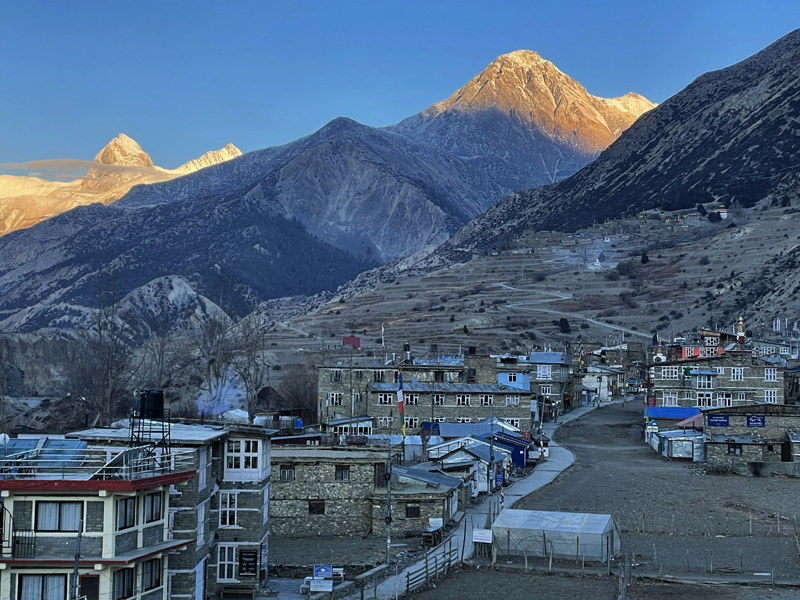
Comparison Table – Annapurna Base Camp vs Annapurna Circuit Trek
| Feature | Annapurna Base Camp Trek | Annapurna Circuit Trek |
| Duration | 12 to 14 days | 16 to 21 days |
| Distance | About 110 to 115 kilometers | 160 to 230 kilometers |
| Highest Elevation | 4,130 meters | 5,416 meters |
| Difficulty | Moderate | Moderate to Challenging |
| Route Type | Out and back | Circular |
| Best Seasons | March to May and October to November | March to May and October to November |
| Experience Level | Beginner to Intermediate | Intermediate to Experienced |
Best Time to Do Annapurna Base Camp vs Annapurna Circuit Trek
Choosing the right season is important when planning either the Annapurna Base Camp Trek or the Annapurna Circuit Trek. Both routes are technically possible throughout the year, but certain seasons provide much better weather, safer trail conditions, and clearer mountain views.
Spring (March–May)
Spring is one of the best seasons for trekking in the Annapurna region. Temperatures are mild, skies are generally clear, and the forests are filled with blooming rhododendrons.
The Annapurna Base Camp Trek is especially beautiful during this season because the trail passes through colorful rhododendron forests before entering the spectacular Annapurna Sanctuary. Meanwhile, the Annapurna Circuit Trek offers excellent mountain views and comfortable trekking temperatures at higher elevations.
Autumn (September–November)
Autumn is the most popular trekking season in Nepal. After the monsoon rains clear the atmosphere, the mountain views become exceptionally sharp, and the weather is usually stable.
Both the Annapurna Base Camp Trek and the Annapurna Circuit Trek experience sunny days, crisp air, and ideal trekking conditions during autumn. Because of the perfect weather, teahouses and trails are often busier during this period.
Winter (December–February)
Winter trekking is still possible on the Annapurna Base Camp Trek, since its highest elevation is 4,130 meters. Trails are quieter, and the snowy landscape creates beautiful scenery.
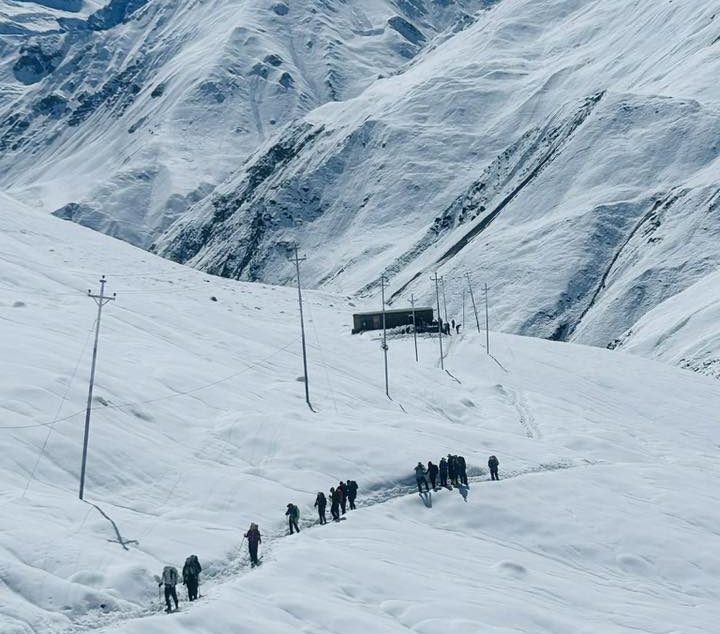
However, winter conditions can make the Annapurna Circuit Trek more difficult. Heavy snowfall often blocks Thorong La Pass (5,416 m), which is the highest point of the circuit. When the pass is closed or dangerous, completing the full trek may not be possible.
Monsoon (June–August)
The monsoon season is generally not recommended for trekking in the Annapurna region. Heavy rain can make trails muddy and slippery, and landslides are more common. Leeches also appear in the lower forested areas, and mountain views are frequently hidden behind clouds.
When to Avoid These Treks
The most challenging time for trekking is mid-June to early September, when monsoon rains are heaviest. In addition, the Annapurna Circuit Trek can be risky during January and February because deep snow may block the crossing of Thorong La Pass.
Cost Comparison: Annapurna Base Camp vs Annapurna Circuit Trek
When planning a trek in Nepal, cost is an important factor for many travelers. Both the Annapurna Base Camp Trek and the Annapurna Circuit Trek have similar permit requirements, but the longer duration and distance of the Annapurna Circuit Trek typically make it more expensive.
The final cost, however, depends on your preferences. Budget travelers can spend less by staying in standard tea houses and cooking their own meals, while those seeking luxury lodges, private guides, or porters will pay more.
Permits and Trekking Fees
Both treks require the same official permits:
- Annapurna Conservation Area Permit (ACAP): NPR 3,000
- Trekkers’ Information Management System (TIMS) Card: NPR 2,000
These fees are fixed and mandatory for all trekkers entering the Annapurna region.
Accommodation and Food Costs
Trekking in the Annapurna region relies on tea houses, simple guesthouses run by local families:
- Standard rooms: $5–15 per night
- Meals: $5–10 per dish (higher in high-altitude villages like Manang or near Thorong La Pass)
Note: Choosing luxury or private lodges with hot showers, private bathrooms, or western-style food will increase costs significantly.
Because the Annapurna Base Camp Trek is shorter (7–12 days), overall accommodation and meal costs are lower, whereas the Annapurna Circuit Trek (14–21 days) involves higher expenses.
Guide and Porter Costs
Hiring a guide or porter is optional but common:
- Licensed guide: $25–35 per day
- Porter: $18–25 per day, carries 20–25 kg of gear
Luxury option: Some trekkers hire experienced guides or private porters for comfort and faster pace, which increases total cost.
Estimated Cost per Person for Guided Treks
| Number of Trekkers | Annapurna Base Camp Trek | Annapurna Circuit Trek |
|---|---|---|
| 1 | $890 | $900 |
| 2–4 | $740 | $750 |
| 5–9 | $640 | $650 |
| 10–15 | $580 | $550–$650 |
| 16–25 | $490 | $550 |
These prices reflect standard tea house accommodation and group-guided treks. Choosing luxury lodges, private guides, or exclusive porters can increase the total cost significantly.
Side Trips & Add-ons: Annapurna Base Camp vs Annapurna Circuit Trek
Both the Annapurna Base Camp Trek and the Annapurna Circuit Trek offer opportunities for side trips, cultural detours, and adventure add-ons, allowing trekkers to enrich their Himalayan experience. While the ABC Trek is shorter and more focused, the Circuit Trek offers longer, more varied options.
Annapurna Base Camp Trek – Side Trips & Add-ons
The Annapurna Base Camp Trek may be short, but it still offers some memorable side trips. For example, trekkers often visit Ghandruk Village, a traditional Gurung settlement, to experience local culture and enjoy panoramic valley views.
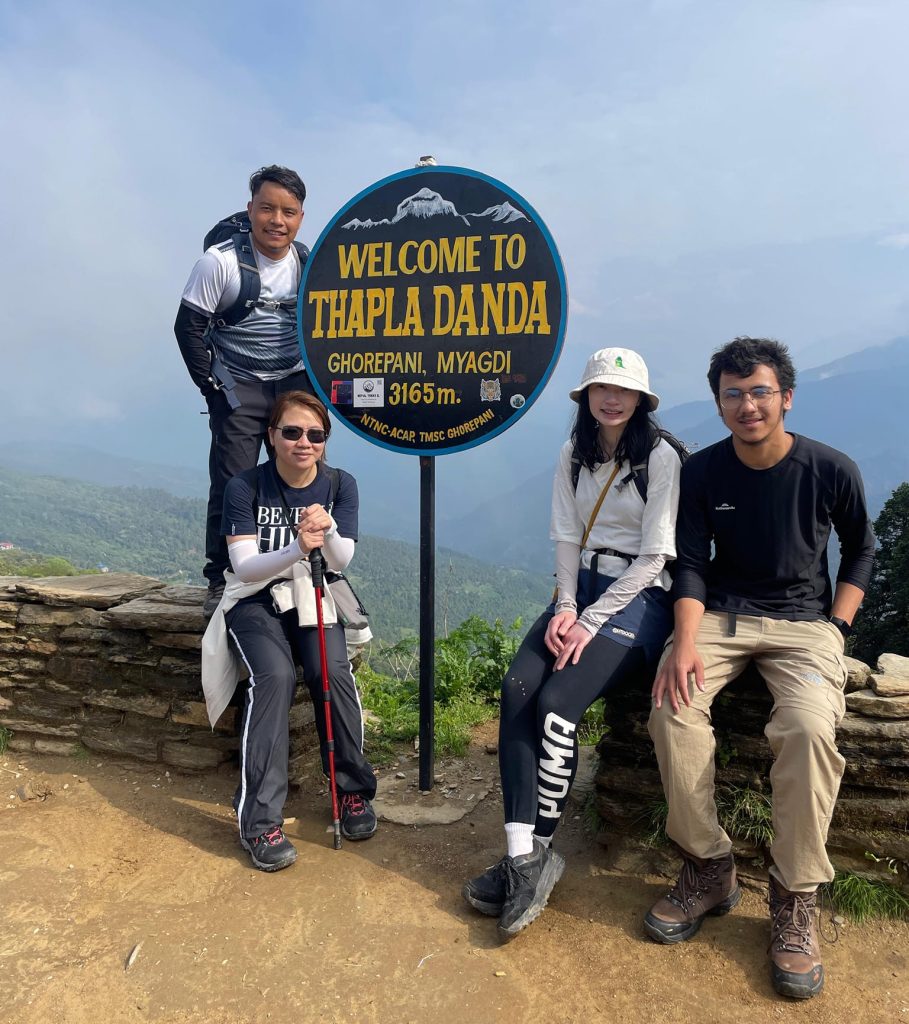
A popular side trip is the Poon Hill Sunrise Hike, which offers breathtaking views of Annapurna and Dhaulagiri during early morning light. Another option is the trail to Jhinu Danda, where natural hot springs provide a relaxing break after long hiking days.
For those seeking more alpine adventure, the trek can extend to Machhapuchhre Base Camp, closer to the iconic Fishtail Peak, giving trekkers a chance to see glaciers and dramatic mountain vistas. These add-ons are generally short and can be included without major changes to the itinerary.
Annapurna Circuit Trek – Side Trips & Add-ons
The Annapurna Circuit Trek is longer and provides more opportunities for side trips and adventure extensions. Trekkers can explore Tilicho Lake, one of the world’s highest lakes, adding 2–3 days to their journey.
The sacred Muktinath Temple, located after Thorong La Pass, offers cultural and spiritual significance for both Hindus and Buddhists. The route also allows excursions along the Kali Gandaki Gorge, the world’s deepest gorge, offering spectacular geological formations.
For experienced adventurers, the trek can extend into Upper Mustang and Lo Manthang, a remote Tibetan-influenced region requiring additional permits and several extra days.
In Manang, side trails lead to the Gangapurna Glacier, Ice Lake, and local Buddhist monasteries, which are excellent for acclimatization and scenic exploration.
Which Trek Should You Choose?
Depending on individual needs, picking one path over another often depends on specific factors.
Choose the Annapurna Base Camp Trek if:
- Less than fourteen days remain
- You are a first-time high-altitude trekker
- You want a more focused, intimate mountain experience
- You are on a tighter budget
- A goal with a dramatic finish holds appeal
Choose the Annapurna Circuit Trek if:
- With at least twenty-one days available, time permits full engagement in the journey
- Experience previously gained at high elevation is present
- You want to cross a high mountain pass (Thorong La)
- Cultural diversity and landscape variety are important to you
- You want one of the great long-distance trekking experiences in Asia
One trail stands out just as much as the other. A poor fit depends on circumstances, never quality. Wrong picks come from mismatched needs.
Frequently Asked Questions
Which trek is better: Annapurna Base Camp or Annapurna Circuit?
Choosing between the Annapurna Base Camp (ABC) Trek and the Annapurna Circuit Trek (ACT) depends entirely on what kind of adventure you want. The ABC Trek is a more focused Himalayan experience, perfect for trekkers who want close-up views of towering peaks in a shorter timeframe. In contrast, the Circuit Trek offers a grand, varied journey, covering diverse landscapes, cultural villages, and high-altitude passes like Thorong La.
In an Annapurna Trek comparison, the ABC route emphasizes intensity and dramatic mountain scenery, while the Circuit highlights diversity and long-term trekking challenge. Your ideal choice depends on your schedule, fitness, and desire for either a concentrated alpine experience or a comprehensive Himalayan adventure.
Is Annapurna Base Camp easier than Annapurna Circuit?
When comparing the difficulty of these two iconic routes, the Annapurna Base Camp Trek is generally considered easier than the Annapurna Circuit Trek. The ABC trek is shorter, with a maximum altitude of 4,130 meters, making it more manageable for first-time high-altitude trekkers. Daily sections are moderate, with steady climbs and manageable terrain, allowing hikers to acclimatize gradually.
In contrast, the Annapurna Circuit involves longer distances, multi-day ascents, and crossing Thorong La Pass at 5,416 meters, which demands careful acclimatization and high physical stamina. Over the course of 14–21 days, the Circuit places more consistent stress on the body, combining long walking days with thinner air and variable terrain.
In an ABC Trek vs Circuit Trek, the ABC suits travelers with limited time, moderate fitness, or first-time Himalayan trekking experience, while the Circuit is better for those seeking a more challenging, long-distance adventure with diverse landscapes and cultural exposure. Ultimately, the “ease” of each trek depends on preparation, acclimatization, and personal endurance levels.
How long is the Annapurna Circuit trek?
The Annapurna Circuit Trek typically takes 16 to 21 days to complete when walking the full route. The total distance ranges from 160 to 230 kilometers, depending on the exact trail variations, detours, or optional side trips you include.
Some sections of the Circuit now have road access, allowing trekkers to use buses or jeeps to shorten walking time, but the complete trek remains a long-distance high-altitude adventure.
In an Annapurna Trek comparison, the Circuit is much longer than the ABC trek, offering more diverse landscapes, villages, and cultural experiences, making it ideal for trekkers with sufficient time and endurance.
What is the altitude of Annapurna Base Camp?
Annapurna Base Camp (ABC) is situated at an altitude of 4,130 meters (13,549 feet). It lies in the heart of the Annapurna Sanctuary, a stunning glacial amphitheater surrounded by iconic peaks such as Annapurna I (8,091m), Machapuchare, and Hiunchuli.
While the maximum elevation of the ABC trek is significantly lower than the Annapurna Circuit’s Thorong La Pass (5,416m), the altitude is still high enough that trekkers should not underestimate it. Even at 4,130 meters, the oxygen level is roughly 60% of that at sea level.
To ensure a safe and successful journey, we recommend a gradual ascent, consistent hydration, and staying alert to the signs of altitude sickness—especially once you pass the 3,000-meter mark.
What is the highest point on the Annapurna Circuit?
The highest point on the Annapurna Circuit is Thorong La Pass, at 5,416 meters (17,769 feet). Trekkers usually spend 1–2 nights in Manang to acclimatize before crossing this high-altitude pass, as the thin air makes gradual adjustment essential for safety.
Which trek is better for beginners?
The Annapurna Base Camp Trek is ideal for beginners. With a moderate elevation of 4,130 meters and a shorter 7–12 day duration, it is less physically demanding than the Circuit. Proper fitness and acclimatization are still important to ensure a safe and enjoyable trek.
Which trek has better mountain views?
Both treks offer spectacular Himalayan scenery, but in different ways. The Annapurna Base Camp Trek provides close-up, dramatic views of peaks like Annapurna I and Machapuchare inside the Sanctuary.
The Annapurna Circuit Trek offers broader, panoramic vistas over multiple valleys and ridges. ABC is about intensity, while the Circuit emphasizes variety and scale.
Which trek is cheaper?
The Annapurna Base Camp Trek is generally more budget-friendly due to its shorter duration. Fewer days on the trail mean lower costs for accommodation, meals, and optional guides or porters. Typical expenses range from $600 to $1,000 per person.
The Annapurna Circuit Trek, being longer, usually costs between $900 and $1,500 or more, depending on pace, accommodations, and added services. Your final cost depends on whether you choose standard teahouses or luxury options.
Conclusion – Annapurna Base Camp Trek vs Annapurna Circuit Trek
Both the Annapurna Base Camp Trek and the Annapurna Circuit Trek rank among Nepal’s most rewarding Himalayan journeys, yet each offers a distinctly different adventure.
The Annapurna Base Camp Trek is shorter, more focused, and ideal for travelers who want direct immersion in dramatic mountain scenery. The trail winds through terraced fields, rhododendron forests, and rugged ridgelines before reaching the Annapurna Sanctuary at 4,130 meters, where sheer stone walls and towering peaks create an unforgettable alpine amphitheater.
The Annapurna Circuit Trek, by contrast, unfolds over a longer loop around the massif. This route showcases remarkable diversity from lush subtropical valleys and Hindu farming villages to high‑altitude deserts and Buddhist cultural hubs. The trek’s highlight is crossing Thorong La Pass at 5,416 meters, a challenging yet awe‑inspiring milestone that defines long‑distance mountain trekking.
In an Annapurna Trek comparison, ABC is best for those with limited time or first‑time high‑altitude experience, while the Circuit suits trekkers seeking extended cultural immersion, varied landscapes, and greater endurance challenges.
No matter which path you choose, both treks offer profound Himalayan beauty, deep cultural encounters, and memories of Nepal’s peaks that last a lifetime. Your adventure depends on your time, fitness, and sense of exploration but neither trek disappoints.
Comments (0)
Write a comment- Overview of the Annapurna Base Camp Trek
- Overview of the Annapurna Circuit Trek
- Key Differences Between Annapurna Base Camp and Annapurna Circuit
- Trek Duration
- Maximum Altitude
- Difficulty Level & Physical Demand
- Landscape and Scenery
- Cultural Experience
- Cost and Logistics
- Accommodation and Food
- Comparison Table – Annapurna Base Camp vs Annapurna Circuit Trek
- Best Time to Do Annapurna Base Camp vs Annapurna Circuit Trek
- Spring (March–May)
- Autumn (September–November)
- Winter (December–February)
- Monsoon (June–August)
- When to Avoid These Treks
- Cost Comparison: Annapurna Base Camp vs Annapurna Circuit Trek
- Permits and Trekking Fees
- Accommodation and Food Costs
- Guide and Porter Costs
- Estimated Cost per Person for Guided Treks
- Side Trips & Add-ons: Annapurna Base Camp vs Annapurna Circuit Trek
- Annapurna Base Camp Trek – Side Trips & Add-ons
- Annapurna Circuit Trek – Side Trips & Add-ons
- Which Trek Should You Choose?
- Choose the Annapurna Base Camp Trek if:
- Choose the Annapurna Circuit Trek if:
- Frequently Asked Questions
- Which trek is better: Annapurna Base Camp or Annapurna Circuit?
- Is Annapurna Base Camp easier than Annapurna Circuit?
- How long is the Annapurna Circuit trek?
- What is the altitude of Annapurna Base Camp?
- What is the highest point on the Annapurna Circuit?
- Which trek is better for beginners?
- Which trek has better mountain views?
- Which trek is cheaper?
- Conclusion – Annapurna Base Camp Trek vs Annapurna Circuit Trek
Read the latest Blogs & Insights
Explore our collection of articles and insights to gain in-depth travel knowledge, expert advice, and stay updated on the latest trends and tips.
Everest vs K2 | How They Differ


No comments yet.