


Everest Base Camp Trek Itineraries & Routes: Classic, Helicopter Return, Road & Fast Track
Everest Base Camp Trek Overview One of Earth’s most renowned high-altitude journeys unfolds along the path to Everest Base Camp, pulling countless explorers each year toward Nepal’s Khumbu area. At 5,364 meters – equal to 17,598 feet – the site functions as the launch zone for climbers aiming to conquer the tallest mountain known. Though […]
-
 Bold Himalaya
-
23 January, 2026
-
35 mins read
-
27 Views
-
0 Comments


Everest Base Camp Trek Overview
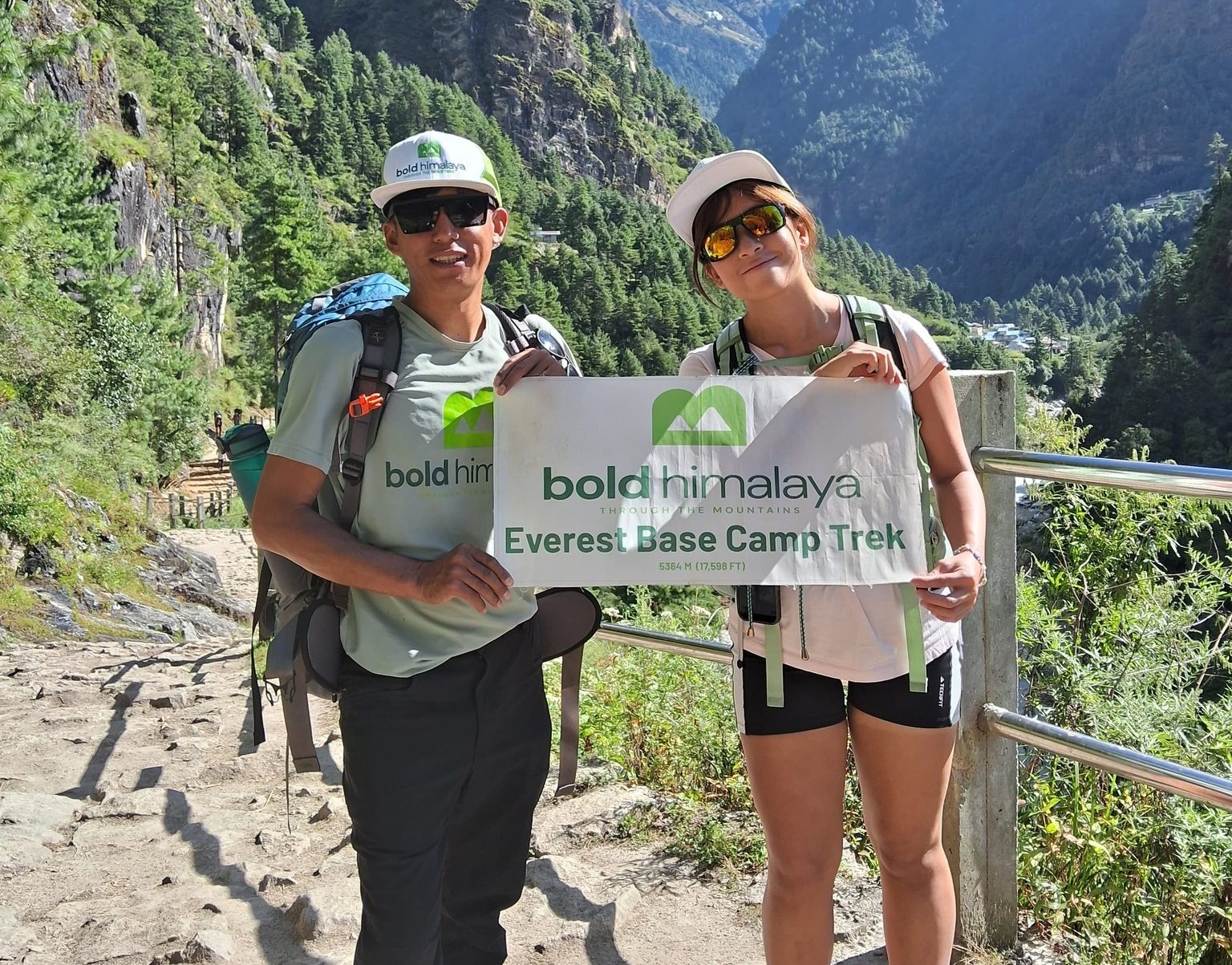
One of Earth’s most renowned high-altitude journeys unfolds along the path to Everest Base Camp, pulling countless explorers each year toward Nepal’s Khumbu area. At 5,364 meters - equal to 17,598 feet - the site functions as the launch zone for climbers aiming to conquer the tallest mountain known. Though not a summit, arrival here signals endurance tested, layered alongside encounters with Sherpa ways of life, spiritual customs rooted in Buddhism, and terrain shaped by immense alpine forces.
Not everyone realizes the path to Everest Base Camp isn’t one set trail. Several versions are available, shaped by physical ability, schedule limits, financial plans, or comfort with uncertainty. Some take the standard two-week journey; others shorten it to under ten days through faster pacing. A few avoid air travel completely, choose return trips by rotorcraft, or rely solely on ground transport networks. Awareness of such differences guides better decisions when picking an option.
Starting high within Sagarmatha National Park - a place honored by UNESCO - the path moves across lands where Sherpa communities have lived for generations. Villages appear one after another: Namche Bazaar first, then Tengboche follows, Dingboche comes later, ending near Gorak Shep. From arrival in Lukla, sitting at 2,860 meters, the height increases slowly until reaching the endpoint at 5,364 meters; each day brings a measured rise. What lies underfoot changes constantly - wooded valleys give way to open grasslands, which fade into rough glacial edges. Routes are shaped by hanging bridges that sway slightly, steps carved from rock, and paths worn into uneven ground. The journey unfolds without rush, defined more by shift than speed.
Success on the trail depends less on sheer stamina and more on physical readiness, adjustment to altitude, and mental preparation. A path chosen wisely - one matching personal limits and life demands - lowers danger while deepening enjoyment. What follows describes the main routes to Everest Base Camp, their traits, and who fits where.
Everest Base Camp Trek On The Classical Path
Overview
Most who walk to Everest Base Camp follow the classical path. From Kathmandu, travelers first fly into Lukla, where sturdy trails begin. After landing, days are spent moving forward on foot through the Khumbu region. Progress happens slowly upward, passing settlements home to the Sherpa people. Along the way, small temples appear beside rocky slopes and river crossings. High above sea level, paths wind past prayer flags fluttering in cold winds.
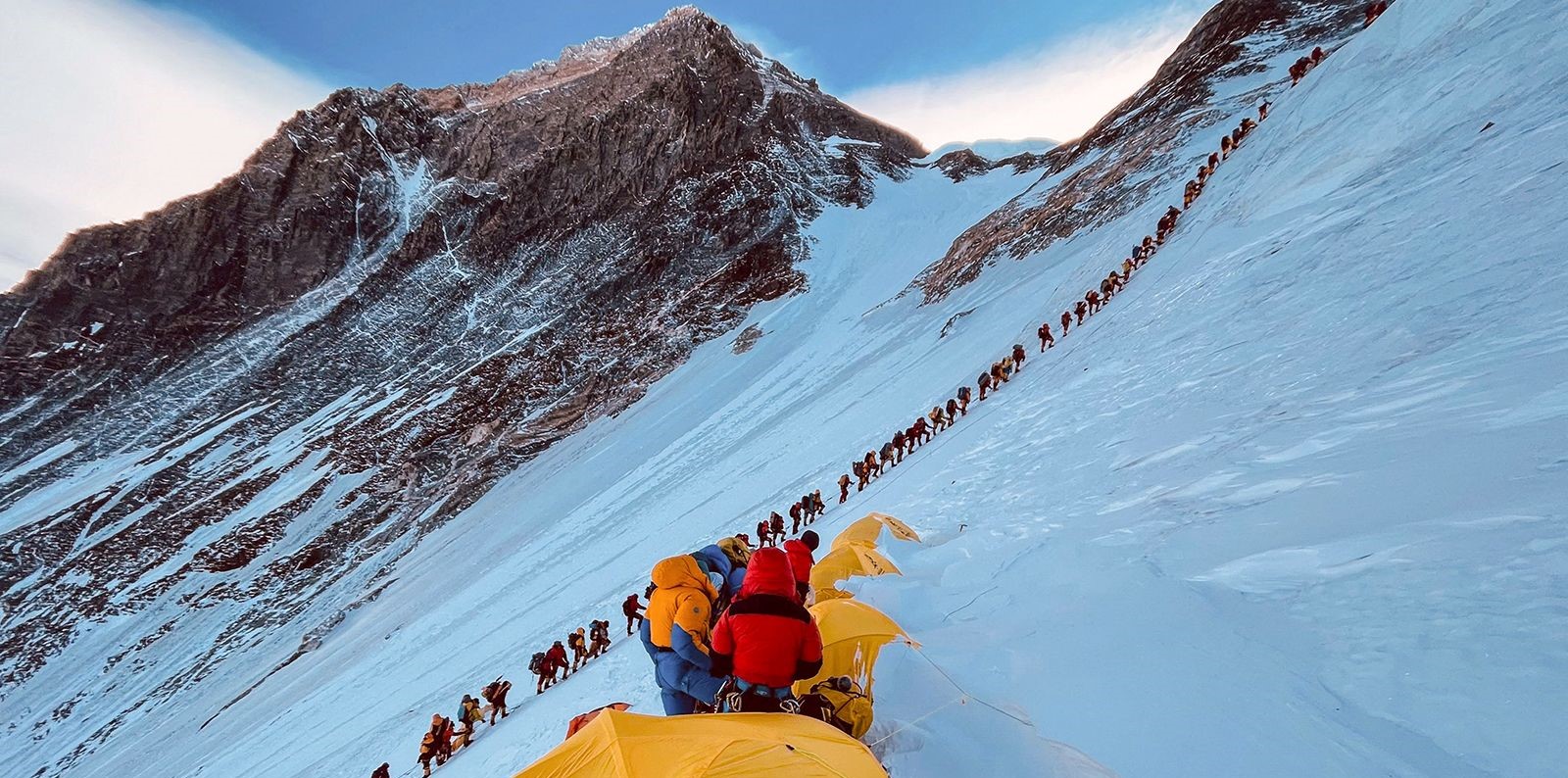
The journey continues until Everest Base Camp at 5,364 meters, where climbers prepare for summit attempts and trekkers reach the symbolic heart of the Himalaya. Nearby stands Kala Patthar (5,545 meters), the highest point of the trek and the best place to witness sweeping sightlines across jagged peaks, including Mount Everest itself.
Who This Trek Is Suitable For
This route suits for those encountering high elevations for the first time, provided they maintain a steady level of physical conditioning and value immersive cultural encounters alongside landscape views. Success on this path often belongs to people who spend between seven and ten hours each week on heart-focused exercise, along with having completed hikes lasting more than one day.
Because the journey unfolds over a longer span, adjustment to thinner air becomes feasible - this opens access even to travelers never before exposed to altitudes surpassing 3,000 meters.

People Who Might Want to Skip This Choice
For travelers who have less than twelve days available, the traditional path might not work well. Should health concerns include sensitivity to elevation, breathing issues, or serious joint pain, advice from a doctor is wise prior to deciding. Rapid progress being the goal, or low effort expected, leads to difficulty on this journey.
Route and starting point
Beginning in Kathmandu, a short flight lasting half an hour arrives at Lukla’s high-altitude airstrip located above 2,800 meters. Following touchdown, travelers move along the river valley of the Dudh Kosi, heading toward distant mountain settlements.
Phakding appears first, then the trail climbs past Namche Bazaar, perched just beyond three and a half kilometers up. Higher still lies Tengboche, where stone buildings sit beneath wide Himalayan slopes. Progress continues through alpine terrain until Dingboche emerges, nestled above four thousand meters.
Beyond that point, the air thins further on approach to Lobuche, shadowed by ancient glaciers. Next comes Gorak Shep, a final outpost standing at five thousand two hundred meters. From there, one last stretch leads straight to the base of the world’s tallest peak. On descent, each prior location is seen again while returning step by step to Lukla.
Time and Adjustment Method
A typical journey lasts fourteen days, featuring two scheduled stops for altitude adjustment. One pause occurs in Namche Bazaar, another takes place in Dingboche. During these breaks, brief uphill walks are made into thinner air, after which travelers return downward to rest overnight - this follows the method of ascending during the day, resting lower at night.
Movement across trails fills eight or nine segments of the schedule. The leftover time includes travel by aircraft, along with recovery periods. Despite variation in pacing, duration remains consistent across most plans.
Difficulty Level
A steady path leads through terrain of medium challenge. Each day brings walks lasting four to seven hours. On climbs, height increases by 400 to 600 meters. Stone steps appear alongside swaying bridges and uneven ground. Simple hiking ability suffices; rope work or harnesses are unnecessary. As air thins, focus and stamina play larger roles. Higher up, the body responds more strongly to a thinner atmosphere.
Budget Range
The total cost of a standard 14-day Everest Base Camp trek usually falls between USD 1,100 and USD 1,375 per person, depending on the level of service, accommodation quality, and group size.
Major cost components include return flights between Kathmandu and Lukla, typically priced at USD 350–400, along with trekking permits and local fees totaling around USD 50–70. Accommodation in mountain teahouses generally costs USD 5–15 per night, while daily meals average USD 25–35, increasing slightly at higher elevations.
Guide fees commonly range from USD 25 to 35 per day, while porters earn approximately USD 20 to 25 per day. Additional expenses, such as hot showers, charging electronic devices, Wi-Fi, and snacks, can add modest extra costs along the route.
Key Highlights
At the heart of the Khumbu area lies Namche Bazaar, where trade meets tradition amid shops, fresh bread from ovens, and peaks rising beyond rooftops.
Perched high above forest trails, Tengboche Monastery stands as a center for Buddhist practice, its walls echoing chants while framing Ama Dablam just across the open air.
Though many aim for Base Camp, it is Kala Patthar - reached after steeper climbs - that reveals Everest in full sweep, drawing eyes upward before descent begins.

Main Benefits and Compromises
One strength of the traditional path is how it spaces altitude adaptation evenly, raising the chances of reaching the top, along with deeper contact with local customs. Still, it asks for more days overall plus steady effort across a string of demanding stretches. Flights into Lukla might stall progress when skies turn unstable.
14-Day Everest Base Camp Trek Itinerary (Classic Route)
The 14-day classic Everest Base Camp trek is the most popular and balanced option for first-time trekkers. It follows the traditional route through Lukla, Namche Bazaar, Tengboche, Dingboche, and Gorak Shep, with two planned acclimatization days to help reduce the risk of altitude sickness.
This itinerary offers a perfect mix of cultural experiences, Himalayan scenery, and a gradual climb to the iconic Everest Base Camp (5,364m) and Kala Patthar (5,545m) sunrise viewpoint.
| Day | Route | Max Altitude | Walking Time | Highlights |
|---|---|---|---|---|
| Day 1 | Arrival in Kathmandu | 1,400 m | — | Airport pick-up, trek briefing, equipment check |
| Day 2 | Fly Kathmandu → Lukla, Trek to Phakding | 2,860 m | 3–4 hrs | Scenic mountain flight, first trek day |
| Day 3 | Phakding → Namche Bazaar | 3,440 m | 6–7 hrs | Suspension bridges, Sagarmatha National Park |
| Day 4 | Acclimatization Day at Namche Bazaar | 3,440 m | 2–3 hrs (optional) | Everest View hike, local markets |
| Day 5 | Namche Bazaar → Tengboche | 3,867 m | 5–6 hrs | Ama Dablam views, Tengboche Monastery |
| Day 6 | Tengboche → Dingboche | 4,410 m | 5–6 hrs | Alpine landscapes, Pangboche village |
| Day 7 | Acclimatization Day at Dingboche | 4,410 m | 2–3 hrs (optional) | Nagarjun Hill or Chhukung hike |
| Day 8 | Dingboche → Lobuche | 4,910 m | 5–6 hrs | Glacier moraines, memorials |
| Day 9 | Lobuche → Gorak Shep → Everest Base Camp | 5,364 m | 7–8 hrs | Reach Everest Base Camp |
| Day 10 | Kala Patthar → Pheriche | 5,545 m | 6–7 hrs | Sunrise view of Everest, descend lower |
| Day 11 | Pheriche → Namche Bazaar | 3,440 m | 6–7 hrs | Forest trails, village life |
| Day 12 | Namche Bazaar → Lukla | 2,860 m | 6–7 hrs | Final trekking day |
| Day 13 | Fly Lukla → Kathmandu | 1,400 m | — | Return flight, free time |
| Day 14 | Departure from Kathmandu | — | — | Airport transfer |
Everest Base Camp Trek and Helicopter Return
Overview
The Everest Base Camp Trek with Helicopter Return offers the classic Everest Base Camp experience combined with a time-saving and memorable aerial exit. This adventure follows the traditional trekking route from Lukla through Sherpa villages, alpine forests, and glacial valleys up to Everest Base Camp (5,364 m) and the iconic viewpoint of Kala Patthar (5,545 m).
Unlike the standard round-trip trek, the return journey is completed by helicopter, usually from Gorak Shep or after the sunrise hike to Kala Patthar, transporting trekkers back to Kathmandu or Lukla in just minutes. This eliminates the 3-4 days of downhill walking on foot and condenses the overall journey into approximately 10–12 days, making it an excellent choice for travelers with limited time or those who want a blend of adventure and comfort.
Along the way, trekkers still enjoy cultural encounters in Namche Bazaar and Tengboche, spectacular views of Everest, Lhotse, Ama Dablam, and other Himalayan giants, plus authentic teahouse accommodation throughout the trail.
Who This Trek Is Suitable For
The Everest Base Camp Trek with Helicopter Return is perfect for travelers who want the full Everest Base Camp experience but have limited time, prefer a more comfortable return, or want to reduce physical strain after reaching high altitude. By combining the classic uphill trek with a scenic helicopter flight back, usually from Gorak Shep or Pheriche, this option saves 3–4 days compared with the traditional round-trip trek and eliminates the long downhill walk to Lukla.
This itinerary suits people with moderate fitness levels who are capable of hiking 5–7 hours a day on uneven mountain terrain but would rather conserve energy for the ascent rather than the descent. It’s especially appealing to first-time Everest trekkers, busy travelers with limited holiday time, and those who want to enjoy aerial views of Everest and the Himalayas without retracing their steps on foot.
Overall, this trek fits anyone seeking the authentic Everest Base Camp adventure, including Sherpa culture, mountainous landscapes, and reaching Kala Patthar for sunrise views, while prioritizing efficiency, reduced joint strain, and a memorable helicopter return journey.

People Who Might Want to Skip This Choice
Trekkers watching expenses might view the helicopter return as too costly. Not every high-altitude reaction leads to a swift airlift, even if rotors are nearby. Walking back through settlements matters deeply - that journey could feel incomplete without it.
Route Details
Following departure from Lukla, the journey advances through familiar settlements, matching traditional altitude stages and rest points along the way. From high camps, ascent by air begins either at Gorak Shep or Pheriche, shaped by daily weather clarity and how many travelers are present. Movement toward Kathmandu unfolds without intermediate landings when fuel levels allow; otherwise, a pause in Lukla becomes necessary. Arrival patterns shift subtly based on load weight and atmospheric stability above the valleys.
Duration
A shorter journey now spans just 10 to 12 days overall, featuring seven or eight days of climbing paired with altitude adjustment, followed by a flight back via helicopter. This tighter timeline suits travelers whose time off is restricted, making longer expeditions unfeasible.
Cost and Logistics
Adding a helicopter return to the Everest Base Camp trek increases overall costs significantly, usually by $1,700 to $2,500 per person, depending on the flight route, group size, and season. The helicopter may depart from Gorak Shep or Pheriche, and flights can return either to Lukla or directly to Kathmandu, which affects pricing.
In general, total trip costs for an Everest Base Camp Trek with Helicopter Return typically fall between $2,000 and $3,500 per person. These rates vary based on the number of travelers (as helicopter charter costs are shared), accommodation style, and the time of year.
Helicopter flights depend entirely on weather conditions. Heavy clouds, strong winds, or rain can delay or temporarily suspend departures. The final flight schedule is always controlled by safety and visibility, and delays can sometimes last several hours or longer.
Key Advantages
What stands out most is how time gets used, cutting travel duration while keeping access to Base Camp unchanged. Above the valleys, sightlines open toward Everest, Lhotse, and nearby summits - offering rare stillness through a lens. Removing multiple days of downhill movement softens pressure across legs and heart alike.
Main Trade-Offs
Costs rise when relying on helicopters, while operations depend heavily on weather conditions. Though flights offer speed, access cannot always be assured when needed most. Should skies close, alternative routes down must already exist. Travelers lose contact with village life, missing exchanges that ground paths allow. Experiences rooted in community passage vanish with aerial exits.
Everest Base Camp Trek with Helicopter Return – 11-Day Itinerary
The 11-day Everest Base Camp trek with helicopter return is the ideal choice for travelers who want the full Everest Base Camp experience but have limited time. This itinerary follows the classic route up to Everest Base Camp (5,364m) and Kala Patthar (5,545m), then replaces the long downhill trek with a scenic helicopter flight back to Kathmandu or Lukla.
It’s perfect for those who want a faster, more comfortable return, while still enjoying Sherpa culture, Himalayan landscapes, and iconic mountain views.
| Day | Route | Highlights |
|---|---|---|
| Day 1 | Arrival in Kathmandu | Airport pickup, hotel check-in, trip briefing |
| Day 2 | Kathmandu → Lukla → Phakding | Early flight to Lukla, start trekking, first Sherpa village |
| Day 3 | Phakding → Namche Bazaar | River valleys, suspension bridges, reach Namche |
| Day 4 | Acclimatization in Namche Bazaar | Short hikes, Everest viewpoint, Sherpa culture |
| Day 5 | Namche Bazaar → Tengboche | Pine forests, mountain views, Tengboche Monastery |
| Day 6 | Tengboche → Dingboche | High alpine terrain, scenic climbs, and Ama Dablam views |
| Day 7 | Acclimatization in Dingboche | Rest day with short hikes, prepare for higher altitude |
| Day 8 | Dingboche → Lobuche | Glacial valleys, steady ascent, mountain panoramas |
| Day 9 | Lobuche → Gorak Shep → Everest Base Camp → Gorak Shep | Reach Everest Base Camp, return to Gorak Shep |
| Day 10 | Kala Patthar Sunrise → Gorak Shep → Helicopter to Lukla → Flight to Kathmandu | Sunrise views, helicopter return, fly back to Kathmandu |
| Day 11 | Departure from Kathmandu | Free day, shopping, and airport transfer for departure |
Everest Base Camp Trek Overland Avoiding Lukla Flight
Overview
The Everest Base Camp Trek Overland route provides a compelling alternative to the traditional Lukla flight approach by avoiding air travel completely, instead using long road journeys from Kathmandu to reach trailheads such as Salleri, Phaplu, or Thamdanda before beginning the trek on foot.
From Kathmandu, the journey begins with a scenic but lengthy drive through Nepal’s hill and mountain landscapes — typically 8–12 hours to places like Salleri — via paved and gravel roads that ascend gradually through terraced fields, rivers, and rural settlements. After arriving at the roadhead, trekkers follow trails through quieter lower valleys before merging with the classic Everest Base Camp route near Phakding or Surke, continuing upward toward Namche Bazaar, Tengboche, Dingboche, Lobuche, and ultimately Everest Base Camp (5,364 m).
Although this overland option adds several extra days of travel and walking compared with the Lukla flight route — often 14–20+ days total depending on the exact start point — it offers deeper contact with local Sherpa, Rai, and Tamang communities, more gradual altitude gain for acclimatization, and greater control over timing since it isn’t affected by Lukla flight cancellations.
This route works especially well for trekkers who seek a more immersive cultural experience, budget-friendly access by land, or who are uncomfortable with the Lukla high-altitude flight, yet still want to reach Everest Base Camp on foot
Who Can Join This Trek
The Everest Base Camp Trek by Road is ideal for travelers who want the full Everest experience but prefer to avoid the high-altitude Lukla flight. It is especially suited for those on a budget, as road access reduces overall costs compared to the traditional route.
This trek is also perfect for people who feel uncomfortable flying or who want a slower, more gradual ascent with extra time for acclimatization. The overland route offers deeper access to remote Solu and lower Khumbu villages, allowing trekkers to enjoy a more authentic cultural experience.
Overall, this option is best for travelers who value longer but more immersive journeys, who don’t mind extra travel time, and who want to reach Everest Base Camp while prioritizing comfort, safety, and cultural immersion.

People Who Might Want to Skip This Choice
Despite milder climbs each day, completing more stages over several extra days requires greater stamina overall. Visitors with limited time lack flexibility for delays of five to seven days beyond their plans. Efficiency-focused individuals may see little value in routes requiring prolonged travel on foot. Longer durations make certain paths unworkable under tight schedules.
Route Explanation
Travel begins with a ground transfer from Kathmandu to either Jiri, taking seven or eight hours, or Phaplu, which takes six to seven.
Beginning at around two thousand meters above sea level, walkers move across rural settlements in the Solu area - Bhandar, then Sete, followed by Junbesi and Ringmo - before merging into the usual path at Lukla or Phakding.
The way back follows the same stages, only in reverse order. Though time passes slowly on roads winding uphill, each stop reveals quiet village life shaped by elevation and tradition.
Duration Impact
The duration of the entire journey spans 17 to 21 days, factoring in 12 to 14 days dedicated to movement alongside pauses for altitude adjustment. In regions farther down, daily travel can stretch longer due to scattered settlements, even if height changes stay gentle before entering true Khumbu terrain.
Difficulty and Endurance
Though climbs grow milder each day, longer stretches on foot raise overall effort. Greater stamina is needed here than on the traditional path, even if high-altitude strain lessens. Paths at lower levels wind through woods and farmland alike.
Budget Comparison
Choosing the Everest Base Camp Trek by Road helps reduce costs by avoiding the expensive Lukla flight. Typically, travelers save $350–$400 per person by not flying into Lukla. However, ground transport to trailheads such as Salleri, Phaplu, or Jiri adds $80–$120, depending on vehicle type and road conditions.
Because the overland route takes longer, additional nights of accommodation and meals increase expenses by about $150–$250. Despite these added costs, the overall budget is still lower than the traditional route, usually resulting in a net saving of $100–$200 per person.
In total, the full trip cost for the road-based Everest Base Camp trek typically falls between $1,100 and $2,200 per traveler, depending on group size, accommodation standard, and season.
Main Pros and Cons
One key benefit lies in slow adjustment to elevation, which may improve outcomes for those sensitive to high altitudes. Experience of local ways deepens when travelers reach the quieter settlements of the Solu area. Longer duration marks these journeys, along with greater stamina demands and simpler lodging found in remote valleys.
17-Day Everest Base Camp Trek by Road Itinerary
The 17-day Everest Base Camp trek by road is a budget-friendly and culturally rich alternative to the classic Lukla flight route. Instead of flying, trekkers begin with a scenic overland drive from Kathmandu to trailheads like Salleri, Jiri, or Phaplu, then continue on foot through the Solu and Khumbu regions.
This route offers gradual altitude gain, deeper access to remote villages, and more time to acclimatize, making it ideal for travelers who prefer safer elevation adjustment and authentic local experiences.
| Day | Route | Altitude (m) | Distance (Approx.) | Duration (Approx.) | What You Can See |
|---|---|---|---|---|---|
| 1 | Arrival in Kathmandu | 1,400 | – | – | Kathmandu city, temples, local markets |
| 2 | Drive Kathmandu → Salleri | 2,360 | 265 km | 8–9 hrs | Rural hills, terraced farms, mountain views |
| 3 | Drive Salleri → Thamdanda → Trek to Surke | 2,730 | 40 km drive / 8 km trek | 6–7 hrs | Traditional villages, forest trails, and local life |
| 4 | Trek Surke → Phakding | 2,610 | 8 km | 4–5 hrs | River valleys, suspension bridges, mountain views |
| 5 | Trek Phakding → Namche Bazaar | 3,440 | 10–11 km | 6–7 hrs | Sherpa villages, Everest view points, rhododendron forests |
| 6 | Acclimatization at Namche Bazaar | 3,440 | – | Optional 2–3 hrs hike | Everest viewpoints, local markets, cultural sites |
| 7 | Trek Namche Bazaar → Tengboche | 3,860 | 9 km | 5–6 hrs | Tengboche Monastery, Ama Dablam views, and pine forests |
| 8 | Trek Tengboche → Dingboche | 4,410 | 10 km | 5–6 hrs | High alpine scenery, mountain peaks, glacial valleys |
| 9 | Acclimatization at Dingboche | 4,410 | – | Optional 3–4 hrs hike | Panoramic mountain views, local villages |
| 10 | Trek Dingboche → Lobuche | 4,910 | 8 km | 5–6 hrs | Glacial valley, icefall views, higher altitude terrain |
| 11 | Trek Lobuche → Gorak Shep → Everest Base Camp | 5,364 | 12 km | 7–8 hrs | Everest Base Camp, Khumbu Glacier, mountain scenery |
| 12 | Hike Kala Patthar → Trek to Pheriche | 5,545 → 4,240 | 12 km | 6–7 hrs | Sunrise views, Everest panorama, descent views |
| 13 | Trek Pheriche → Namche Bazaar | 3,440 | 15 km | 6–7 hrs | Rhododendron forests, Sherpa villages, mountain views |
| 14 | Trek Namche → Surke | 2,730 | 18 km | 7–8 hrs | Scenic trails, local villages, and valleys |
| 15 | Trek Surke → Thamdanda → Drive to Salleri | 2,360 | 8 km trek / 40 km drive | 6–7 hrs | Rural landscapes, local life, road journey views |
| 16 | Drive Salleri → Kathmandu | 1,400 | 265 km | 8–9 hrs | Hills, farmland, river valleys, village views |
| 17 | Departure from Kathmandu | – | – | – | Final shopping, cultural sightseeing, and airport transfer |
Everest Base Camp Trek Experienced Trekkers
Overview
The Everest Base Camp Trek for Experienced Trekkers is a fast-paced version of the classic route, designed for those who are already familiar with high-altitude trekking and can handle long days with minimal rest.
Unlike standard itineraries, this plan does not include rest or acclimatization days in Namche Bazaar or Dingboche. Instead, trekkers move steadily each day, maintaining strong momentum toward Everest Base Camp while relying on their prior altitude experience.
The route still follows the iconic path through the Khumbu region, passing Lukla, Namche Bazaar, Tengboche, Dingboche, Lobuche, Gorak Shep, and finally Everest Base Camp (5,364m). The journey concludes with a climb to Kala Patthar (5,545m) for sunrise views before descending.
This option is ideal for experienced trekkers who can handle faster altitude gain, longer trekking hours, and limited downtime. It offers the full Everest Base Camp experience in a shorter timeframe while keeping the classic highlights intact.

Who This Trek Is Suitable For
The Everest Base Camp Trek for Experienced Trekkers is ideal for travelers who have already completed high-altitude climbs (above 4,500 meters) within the last 6–12 months. This fast-paced route requires strong acclimatization ability, consistent endurance, and the confidence to trek long days at high elevation.
This itinerary is best suited for trekkers who:
- Have prior experience in the Himalayas or similar mountain environments
- Can handle long trekking days with minimal rest
- Understand their own body’s response to altitude
- Have strong cardiovascular fitness and endurance training
Because this route includes faster altitude gain, it is not recommended for beginners or first-time high-altitude trekkers. Prior high-altitude experience significantly increases the chances of completing the trek safely and comfortably.
Required Experience
Being previously at altitudes beyond 4,000 meters matters greatly. Completion of a similar trek under such conditions - without serious issues from thin air - is expected. Recognition of initial signs linked to Acute Mountain Sickness, along with awareness of how one's body reacts, supports safer progress when ascent plans are rapid. Though experience varies, preparation rooted in past exposure shapes outcomes more than gear or guidance ever could.
Duration
Shorter schedules compress journeys into 9–11 days, including 6 or 7 spent walking. Altitude adaptation periods either disappear completely or shrink to a half-day pause in Namche Bazaar. On some stages, the height climbed per day reaches between 600 and 800 meters.
Risk Factors
At quicker paces, chances of Acute Mountain Sickness rise sharply. Should symptoms appear, stepping down becomes unavoidable due to narrow safety margins. With fewer reserve days built in, unforeseen conditions like storms or fatigue leave little room for delay.
Reasons Behind Choosing This Option
Efficiency in timing draws seasoned hikers to this route alternative. Though brief, the plan still reaches Base Camp, fitting tightly into short breaks. Those with a suitable background may follow accelerated plans without compromising safety. Motivation often comes from balancing effort and available days.
Main Trade-Offs
One major concern involves a notably increased risk of AMS. When contrasted with conventional routes, outcomes show fewer successful summits alongside more frequent evacuations. Experiences centered on local culture and settlement visits become shorter. Suitable only for those previously exposed to altitude, never recommended during initial high-elevation attempts - even among physically prepared individuals.
Everest Base Camp Experienced Trek Itinerary
For trekkers who already have high-altitude experience and strong endurance, the Everest Base Camp Experienced Trek Itinerary offers a faster and more challenging route. Designed for those who have previously trekked above 4,500 meters, this itinerary reduces rest days and focuses on longer daily hikes, steep ascents, and faster altitude adaptation.
Ideal for seasoned hikers who want to complete the classic Everest Base Camp route in a shorter timeframe, this plan still includes key highlights like Namche Bazaar, Tengboche Monastery, Kala Patthar, and Everest Base Camp, but with a higher pace and advanced physical demand.
| Day | Route | Altitude | Distance/Duration (Approx.) | Highlights |
|---|---|---|---|---|
| Day 1 | Arrival in Kathmandu | 1,400m | – | Arrival, hotel check-in, trek briefing |
| Day 2 | Fly to Lukla → Trek to Phakding | 2,652m | 4–5 hrs | Lukla flight, first trek day |
| Day 3 | Phakding → Namche Bazaar | 3,440m | 6–7 hrs | Suspension bridges, Sherpa villages |
| Day 4 | Namche Bazaar → Tengboche | 3,860m | 5–6 hrs | Tengboche Monastery, Ama Dablam views |
| Day 5 | Tengboche → Dingboche | 4,410m | 5–6 hrs | Alpine landscapes |
| Day 6 | Dingboche → Lobuche | 4,910m | 5–6 hrs | High altitude trek |
| Day 7 | Lobuche → Gorak Shep → Everest Base Camp → Gorak Shep | 5,364m | 7–8 hrs | Everest Base Camp |
| Day 8 | Gorak Shep → Kala Patthar → Pheriche | 5,545m → 4,210m | 6–7 hrs | Sunrise at Kala Patthar |
| Day 9 | Pheriche → Namche Bazaar | 3,440m | 6–7 hrs | Long downhill trek |
| Day 10 | Namche Bazaar → Lukla | 2,800m | 7–8 hrs | Final trekking day |
| Day 11 | Flight Lukla → Kathmandu | 1,400m | 30 min flight | Scenic return flight |
| Day 12 | Departure from Nepal | – | – | End of trek |
Shortest everest base camp trek
Overview
Rushing through high altitudes defines the briefest feasible route to Everest Base Camp. Seven or eight days make up this condensed schedule, barely enough time to complete the trek safely. Progress happens fast each day, leaving little room for rest or adjustment to thinning air. Fewer stops for acclimatization mean only seasoned climbers should consider it. Exceptional physical readiness becomes essential under such tight conditions. Time pressure shapes every part of this version, favoring speed over comfort. Only those pressed by deadlines attempt it, knowing risks increase sharply.
Who Can Join This Trek
Few people qualify - those in peak physical condition who have spent time above 5,000 meters recently. Typically, this includes professional climbers or athletes used to extreme elevations. Prior adaptation patterns matter just as much as current fitness levels. Anyone considering it ought to undergo a thorough health evaluation first. Experience at altitude within half a year acts as a key factor. Readiness depends not only on strength but also proven physiological response.
Duration
Seven to eight days make up the full journey. Flying from Kathmandu to Lukla begins the route, followed by a walk to Phakding on day one. Rising toward Base Camp takes three or four stretches of steady climbing. The path downward, back through lower terrain, lasts one or two segments. Each movement-filled period includes seven to nine hours of motion across the ground. Gains in height can reach nearly 900 vertical meters per stage. A single block of time is set aside for air travel returning to Kathmandu.
Trade-Offs
On this timeline, chances of Acute Mountain Sickness rise sharply. As altitude exposure continues without pause, fewer people complete the trek successfully. Some must turn back early due to severe fatigue that builds faster than expected. Without rest intervals, strain becomes overwhelming by mid-ascent. Evacuations grow far more likely under these conditions. At higher elevations, help may arrive slowly when needed most.
Cost Considerations
Even though the journey takes less time, prices stay close to traditional paths - ranging from $1,400 to $2,300 - because of high-end transport needs. Required guides add to the expense load. Helicopter rescue coverage can push totals upward. Risk levels influence policy pricing, often leading to steeper premiums.
Main Pros and Cons
Only speed benefits this approach, useful solely if finishing fast matters most and everyone has real expertise. When time is tight, nothing else holds up well - safety weakens, chances drop, comfort fades, bodies adapt poorly. Most people walking here should avoid it entirely.
Additional Trek Variations
Beginner's Guide to Everest Base Camp Trek
For those new to trekking, plans often span 14 to 16 days, built around three full acclimatization periods plus shorter climbs each day - roughly 300 to 400 meters. Stays in settlements such as Namche Bazaar, Tengboche, or Dingboche include extra overnight breaks, supporting steady body adjustment.
A more relaxed rhythm suits varying physical readiness without lowering completion likelihood. Price tags mirror traditional paths, ranging from $1,300 up to $2,400, though lodging charges rise a small amount because of added nights.

Everest Base Camp Trek with Comfort
Upscale versions feature high-end lodgings across Namche Bazaar, Tengboche, Dingboche, and Phortse - private accommodations come standard alongside Western-style restrooms and upgraded meals.
In contrast, helicopter rides between stages appear frequently, supported by additional porters plus on-route photographic documentation handled by specialists.
Though lasting as long as the traditional itinerary - typically 12 to 14 days - the price climbs significantly: individual rates range from $3,500 up to $6,000. Trekkers who value physical ease yet seek authentic trail immersion tend to choose this path more often than others.
Everest Base Camp Trek Options
When planning your Everest Base Camp adventure, you don’t have to stick to just one standard trail. The Khumbu region offers multiple trek routes and experiences — from classic itineraries to road access, helicopter experiences, and even luxury lodge treks. Each option fits a different timeline, budget, and level of comfort, helping you match your itinerary to personal goals and preferences.
1. Everest Base Camp Helicopter Tour
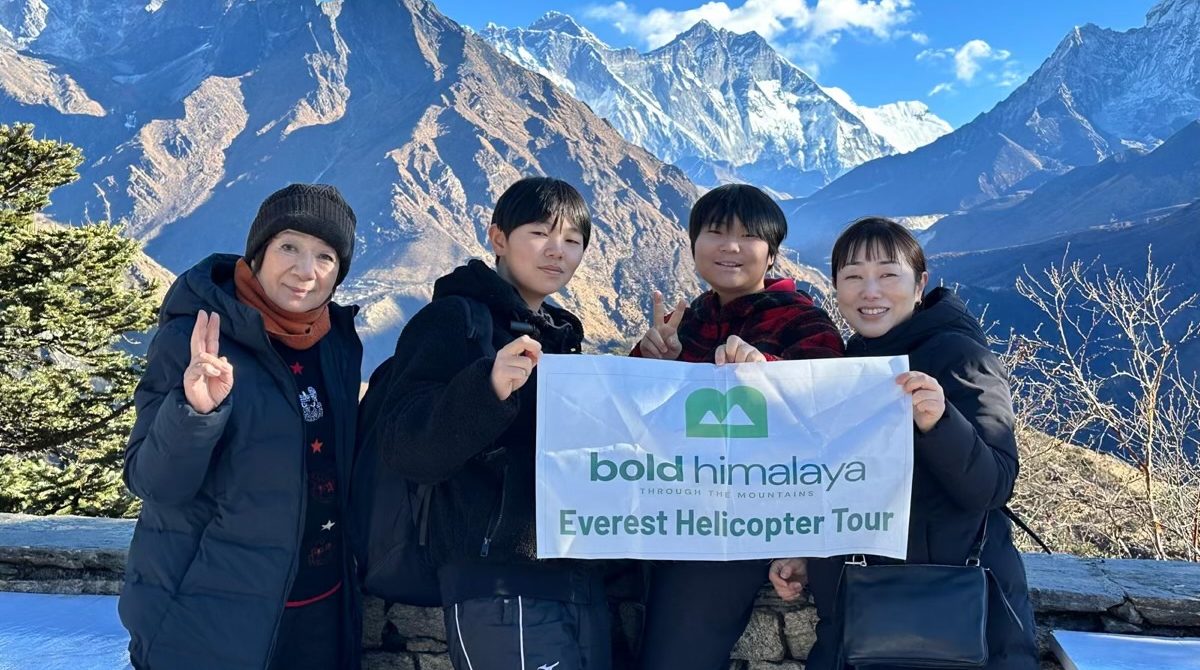
For those who want to see Everest without trekking, the Everest Base Camp Helicopter Tour delivers a spectacular aerial experience in just one day. Starting from Kathmandu, this helicopter flight offers breathtaking mountain views over the Sagarmatha National Park and can include a scenic landing near key viewpoints such as Everest View Hotel — all without multi-day trekking.
2. Everest Base Camp Trek Via Phaplu
The Phaplu route starts with a road or short air connection into the Solu-Khumbu region, then joins the classic EBC trail. It provides quieter landscapes, fewer crowds, and cultural immersion through traditional villages before linking with the main trail toward Namche Bazaar and onward.
3. Everest Base Camp Trek Via Jiri
For adventurers who prefer to avoid the Lukla flight entirely, the historic Jiri route begins with a long overland drive from Kathmandu, then trekking gradually uphill through rural lowlands and hills before connecting with the main Everest trail at places like Shivalaya or Bhandar. This path increases overall days but offers deeper cultural experiences and slower altitude gain.
4. Luxury Everest Base Camp Trek
Luxury versions of the EBC trek combine the classic route with upgraded lodgings, superior meals, and helicopter transfers (sometimes for the return). These itineraries focus on comfort without missing the iconic highlights like Sherpa villages, Tengboche Monastery, and views of Everest and Ama Dablam. They’re perfect for travelers who want the full Everest experience with premium services.

5. Classic EBC + Gokyo Lakes + Cho La Pass
This extended adventure combines the traditional Everest Base Camp trail with a trek to the stunning Gokyo Lakes and a crossing of the Cho La Pass (5,420 m). It’s more challenging and rewarding, offering views of Gokyo Ri, the turquoise lakes, and additional perspectives on Everest and neighboring peaks. This is ideal for trekkers with strong fitness and more time (~17–20 days).
6. Everest Base Camp with Gokyo Lakes + Helicopter Return
This variation combines the Gokyo Lakes & Cho La Pass trek with a helicopter exit — typically flying out from the Gokyo region or nearby highlandings. It gives you the extended scenic experience while shaving off the long return trek.
7. Everest Mountain Flight
For visitors with only a day in Nepal or those who prefer not to trek, the Everest Mountain Flight departs from Kathmandu and circles the Everest region with close views of Everest, Lhotse, Makalu, and Cho Oyu. This ~1-hour scenic flight is perfect for families, photographers, or those with limited time.
Practical Planning Essentials
When to trek to Everest Base Camp
During the months before the monsoon arrives - March to May - and those after it ends - September to November - the environment suits travel best. Clear visibility peaks in October and November, supported by steady atmospheric patterns along with mild thermal levels, which explains widespread visitor preference.
Warmer days appear from March onward, yet cloud presence grows gradually. Cold intensifies when December begins, continuing through February, bringing snowfall and low foot traffic. Rain becomes persistent once June starts, lasting until August, limiting sightlines while raising chances of ground movement on slopes.
Fitness and Preparation
Endurance of the heart and lungs matters most when getting ready to trek. Training should span 8 to 12 weeks, slowly increasing - examples are hikes with a loaded pack, steps, runs, rides, or swims, totaling five to six hours each week.
Staying strong mentally helps manage long efforts, simple living conditions, and challenges from high elevation. Prior experience on trails lasting several days gives useful insight into current readiness.
Permits and Documentation
Entry permission costs thirty dollars at Sagarmatha National Park, twenty elsewhere within Khumbu Pasang Lhamu territory. Following updated rules, every traveler aiming for Everest Base Camp must employ an officially recognized guide via authorized companies.
Arrangement happens either alone or included in tour bundles. Depending on present directives, one might need a Trekkers’ Information Management System record.
Budget Breakdown Overview (Everest Base Camp Trek Cost)
When planning an Everest Base Camp trek, understanding the cost structure helps travelers avoid surprises. The Everest Base Camp trek cost varies based on travel style, services included, and the route chosen. Below is a clear breakdown of the main expenses you can expect.
1. Flights (Kathmandu – Lukla)
The return flight between Kathmandu and Lukla typically costs $350 to $400. This price can change depending on weather conditions and seasonal demand. International flights to Nepal are priced separately.
2. Trek Permits
Trekking permits and required fees total around $50 to $70 per person. These are mandatory and must be arranged before the trek.
3. Accommodation (Teahouses)
Teahouse accommodation costs range from $5 to $15 per night in lower regions. As you climb higher, prices rise slightly due to limited resources and higher transport costs.
4. Food and Drinks
Food costs vary by meal:
- Breakfast and dinner: $15–$25
- Lunch: around $10
- Beverages: $5–$10 per day
Higher elevations usually increase the price of food and drinks.
5. Guide Fees
Guides cost approximately $25–$35 per day. This is now mandatory in many areas, and it ensures safety and proper route guidance.
6. Porter Fees
Porters typically charge $20–$25 per day. While not mandatory, hiring a porter is highly recommended for comfort and safety.
7. Insurance
Comprehensive travel insurance with evacuation coverage ranges from $50 to $150, depending on the provider and coverage level.
8. Extra Costs
Additional expenses may include:
- Equipment rental
- Private guide or extra staff
- Hot showers
- Charging devices
- Internet/phone data
These extra services can add $200 to $400 to the overall cost.
9. Total Everest Base Camp Trek Cost
The total Everest Base Camp trek cost can start at $1,100 for budget travel by road with basic support.
For more comfortable or fully guided packages, prices can rise significantly, reaching $6,000 or more.

Frequently Asked Questions
Everest Base Camp Trek for Beginners?
Yes, the Everest Base Camp trek can be suitable for beginners, with proper planning and the right route. The best option for first-time trekkers is a 14–16-day itinerary that includes multiple rest and acclimatization days. This slower pace helps the body adjust to high altitude and reduces the risk of altitude sickness.
Hiring a certified guide is highly recommended, as experienced professionals can monitor your condition and manage safety during the trek. A realistic assessment of your fitness level is essential—long hikes and endurance training help, but they are not mandatory.
To increase your chances of success, it’s advisable to prepare your body with aerobic training for 2–3 months before the trek. Activities like running, cycling, swimming, or long uphill walks will strengthen your stamina and improve your overall experience.
Everest Base Camp Trek Duration?
Typically, trips last between twelve and fourteen days once flight time is factored in. Nine to eleven days become possible when routes are compressed - particularly if a helicopter assists the return leg.
When journeys rely solely on roads or aim for deeper exploration, they often stretch from two to three weeks. Attempts at shorter timelines tend to raise exposure to altitude-related health issues.
More gradual pacing across additional days supports better adjustment to elevation, along with higher completion likelihood.
Shortest Everest Base Camp Trip?
Seven to eight days mark the briefest option available through commercial providers. Only those having prior high-altitude exposure should consider such a compressed plan. Elite physical conditioning becomes essential under these constraints.
Evidence of fast acclimatization must already exist on record. With less time, both the likelihood of summiting and the room for error shrink noticeably.
Most hikers find better results across twelve to fourteen days instead. This longer span allows steadier adjustment and reduces strain overall.
Everest Base Camp Without Flying to Lukla?
Beginning at trailheads accessible by land, some options replace air travel entirely. From places like Jiri, progress unfolds over additional days - five to seven more than flying - yet eases altitude adjustment.
These paths pass through quieter areas where encounters shift toward local rhythms instead of tourist patterns. Time expands, yet expenses often shrink under such arrangements. Movement happens slower, revealing layers unseen on quicker approaches.
How dangerous is altitude sickness on this trek?
Most who trek face Acute Mountain Sickness at least a little - about two out of five. Headaches may begin mildly, yet sometimes worsen enough to demand going lower. Following slow climb plans helps the body adjust without strain.
Instead of rushing upward, spacing gains across days allows safer progress. Water intake supports this process, especially when breathing thin air. Symptoms noticed early tend to respond better to rest or delay.
Though swelling in the brain or lungs occurs seldom, it does happen if warnings go unheeded. Because rescue needs can appear suddenly, having evacuation coverage becomes unavoidable. Such protection ensures movement to care without reliance on chance.
Everest Base Camp Trek Requires a Guide?
Rules now demand that trekkers arrange guided trips via authorized companies. Walking alone in these areas has been discontinued. Because of safety concerns, trained leaders handle pathfinding, monitor health at elevation, explain local customs, manage crises when they arise, and watch for signs of mountain sickness.
Carrying help can be arranged if needed, which lessens strain on the body during travel.
The Most Affordable Way to Trek to Everest Base Camp?
Beginning at Jiri or Phaplu via road cuts, overall spending - ranging from $1,100 to $1,800 - since flights into Lukla are avoided. Basic teahouses serve as lodging; support staff remain minimal yet compliant with local rules.
Off-season travel, either in winter or through monsoon months, shifts pricing downward. Group participation adjusts individual fees even more so. Cost efficiency rises when timing aligns with less busy periods.
Everest Base Camp Success Rate?
Success tends to occur in about 85 to 90 percent of cases when trips allow steady progress and proper adjustment to height. Shortened plans see outcomes drop to between 60 and 75 percent. Altitude illness often plays a role; so do sudden storms, bodily fatigue, and canceled flights.
When routes match personal limits, and timing stays reasonable, chances rise naturally. Though logistics vary, thoughtful planning quietly shifts odds.
Everest Base Camp Trek Fitness Level Needed?
Adequate heart-lung efficiency meets typical trip demands. Hiking five to seven hours each day, gaining between four hundred and six hundred meters in height, while managing a small backpack of five to seven kilograms, forms the minimum physical expectation.
Rather than short bursts of power, preparation ought to focus on continuous rhythmic movement. Steady mental resilience, along with comfort amid simple living arrangements, holds similar weight. This level of readiness aligns closely with routine expedition planning.
Best Time for Everest Base Camp Trek?
Clear skies appear often in October and November, bringing steady weather alongside comfortable warmth where mountains stand visible. Following spring, from March onward until May ends, the heat increases gently, though clouds gather a little more each week.
Peak visitation happens during these four months when paths grow busy under rising suns. Cold deepens sharply once winter arrives, leaving trails empty except for those who seek quiet. Rain dominates June through August, making travel difficult while fog hides slopes completely.
Conclusion
Choosing the right Everest Base Camp trek route depends on your fitness level, time availability, altitude experience, and budget. The classic Everest Base Camp trek is the best option for first-time trekkers and usually takes 12–14 days, allowing proper acclimatization and higher success rates.
For travelers with limited time, the Everest Base Camp trek with helicopter return provides the same experience in 9–11 days, with a scenic aerial descent that saves time and reduces knee strain. Those who want to avoid the Lukla flight and travel on a budget can choose the Everest Base Camp trek by road, which typically lasts 17–21 days and offers deeper cultural immersion in remote villages.
Experienced trekkers who are comfortable at high altitude may prefer the fast-paced Everest Base Camp trek (9–11 days), while only elite climbers should consider the 7–8 day Everest Base Camp trek, which carries a higher risk due to rapid altitude gain.
No matter which route you choose, success depends on careful preparation, gradual acclimatization, and the right guide. If you want a safe and unforgettable Everest Base Camp experience, plan your trek with a certified operator.
Ready to Plan Your Everest Base Camp Adventure?
If you’re looking for a trusted itinerary, reliable guides, and a safe journey, book your Everest Base Camp trek today and start your dream adventure in the Himalayas.
Comments (0)
Write a comment- Everest Base Camp Trek Overview
- Everest Base Camp Trek On The Classical Path
- Overview
- Who This Trek Is Suitable For
- People Who Might Want to Skip This Choice
- Route and starting point
- Time and Adjustment Method
- Difficulty Level
- Budget Range
- Key Highlights
- Main Benefits and Compromises
- 14-Day Everest Base Camp Trek Itinerary (Classic Route)
- Everest Base Camp Trek and Helicopter Return
- Overview
- Who This Trek Is Suitable For
- People Who Might Want to Skip This Choice
- Route Details
- Duration
- Cost and Logistics
- Key Advantages
- Main Trade-Offs
- Everest Base Camp Trek with Helicopter Return – 11-Day Itinerary
- Everest Base Camp Trek Overland Avoiding Lukla Flight
- Overview
- Who Can Join This Trek
- People Who Might Want to Skip This Choice
- Route Explanation
- Duration Impact
- Difficulty and Endurance
- Budget Comparison
- Main Pros and Cons
- 17-Day Everest Base Camp Trek by Road Itinerary
- Everest Base Camp Trek Experienced Trekkers
- Overview
- Who This Trek Is Suitable For
- Required Experience
- Duration
- Risk Factors
- Reasons Behind Choosing This Option
- Main Trade-Offs
- Everest Base Camp Experienced Trek Itinerary
- Shortest everest base camp trek
- Overview
- Who Can Join This Trek
- Duration
- Trade-Offs
- Cost Considerations
- Main Pros and Cons
- Additional Trek Variations
- Beginner’s Guide to Everest Base Camp Trek
- Everest Base Camp Trek with Comfort
- Everest Base Camp Trek Options
- 1. Everest Base Camp Helicopter Tour
- 2. Everest Base Camp Trek Via Phaplu
- 3. Everest Base Camp Trek Via Jiri
- 4. Luxury Everest Base Camp Trek
- 5. Classic EBC + Gokyo Lakes + Cho La Pass
- 6. Everest Base Camp with Gokyo Lakes + Helicopter Return
- 7. Everest Mountain Flight
- Practical Planning Essentials
- When to trek to Everest Base Camp
- Fitness and Preparation
- Permits and Documentation
- Budget Breakdown Overview (Everest Base Camp Trek Cost)
- Frequently Asked Questions
- Everest Base Camp Trek for Beginners?
- Everest Base Camp Trek Duration?
- Shortest Everest Base Camp Trip?
- Everest Base Camp Without Flying to Lukla?
- How dangerous is altitude sickness on this trek?
- Everest Base Camp Trek Requires a Guide?
- The Most Affordable Way to Trek to Everest Base Camp?
- Everest Base Camp Success Rate?
- Everest Base Camp Trek Fitness Level Needed?
- Best Time for Everest Base Camp Trek?
- Conclusion
- Ready to Plan Your Everest Base Camp Adventure?
Read the latest Blogs & Insights
Explore our collection of articles and insights to gain in-depth travel knowledge, expert advice, and stay updated on the latest trends and tips.


No comments yet.