Forgot Password
Register and start exploring through personalized experiences.
Register Account
Register and start exploring through personalized experiences.
By Registering, I agree to the terms and conditions of Bold Himalaya
View Nepal Tour Packages in Detail

Manaslu Circuit Trek

Country
Country Nepal
Best Season
Best Season Sep-Nov|Mar-May
Duration
Duration 13.0 Days
Meal
Meal Full board meals
Max-Altitude
Max-Altitude 5160.0m
Transportation
Transportation Tourist Vehicles
Accommodation
Accommodation 3* Hotel In City and Trekking Lodge in Mountain
Difficulty
Difficulty Hard

Are you ready for a journey that challenges your body, inspires your soul, and leaves an unforgettable mark on your heart? The Manaslu Circuit Trek is Nepal’s hidden Himalayan masterpiece, perfect for adventurous foreign travelers and trekking enthusiasts looking for a less crowded, off-the-beaten-path experience. This remarkable trek takes you through remote Himalayan villages, dense forests, sparkling rivers, and the awe-inspiring Larkya La Pass (5,160 m)—one of Nepal’s most celebrated high mountain passes.

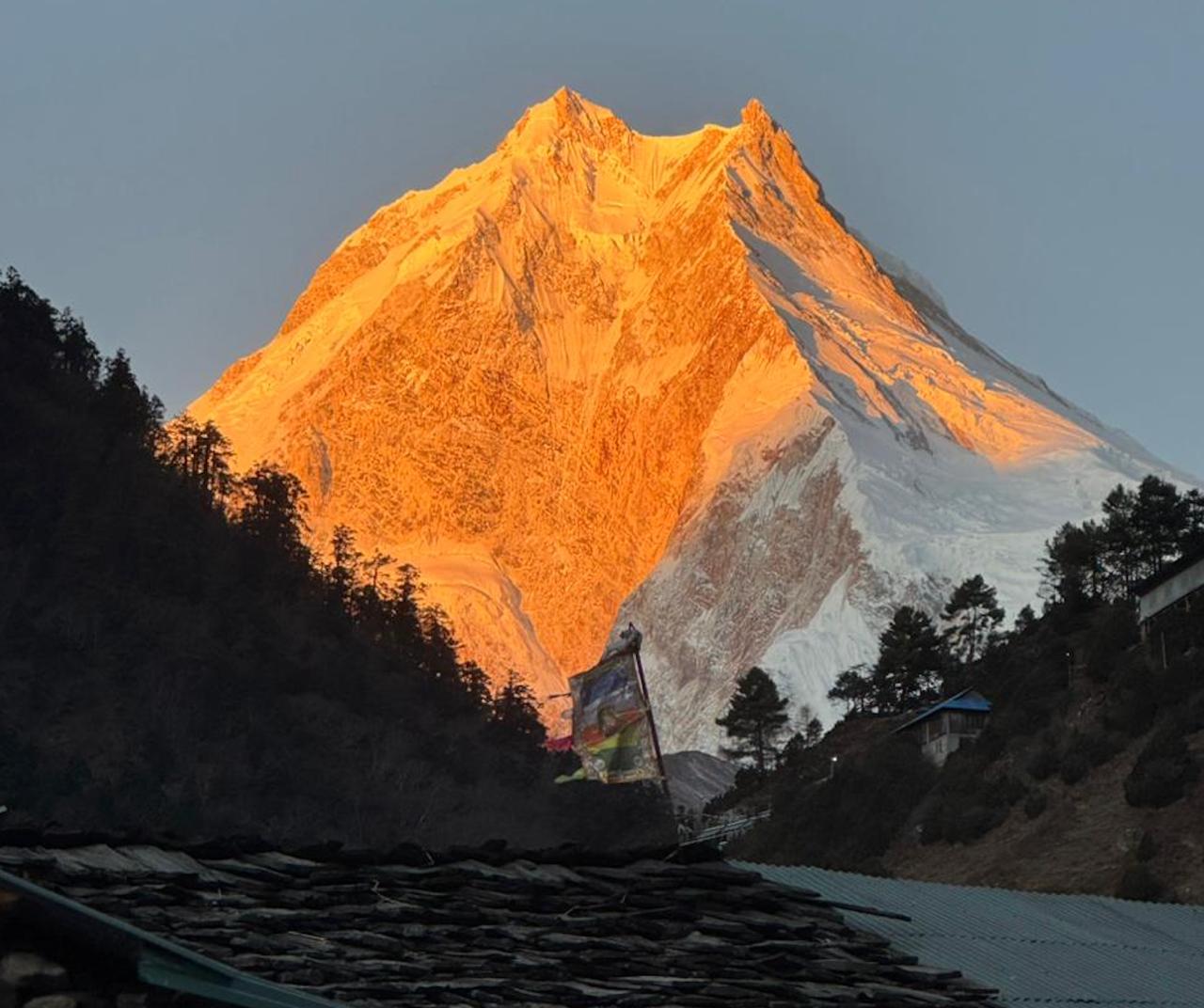
Along the way, you’ll discover an authentic Himalayan lifestyle, meet the welcoming Gurung, Tamang, and Tibetan communities, and explore centuries-old Buddhist monasteries that reflect the region’s rich spiritual culture. Whether you’re wondering about the trek’s difficulty level, the altitude, or the best tea house trekking options, this guide has you covered. Towering peaks like Mount Manaslu (8,163 m), Annapurna II, Dhaulagiri, and Ganesh Himal will surround you at every turn, making each sunrise and sunset an unforgettable moment.

The Manaslu Circuit Trek is also a restricted area, requiring special permits and guided travel, which helps preserve the environment and promote sustainable, eco-friendly trekking. Compared to Everest or Annapurna circuits, this trek offers a quieter, more authentic experience of Nepal’s local culture and remote villages, perfect for those seeking both adventure and spiritual reflection.

With Bold Himalaya, you’ll trek with experienced guides, follow safe, well-planned itineraries, and gain insider knowledge of the Manaslu trek route, cultural highlights, and hidden natural wonders. This guide covers everything, from detailed itineraries, best seasons, and budget planning to optional side trips, so you’re fully prepared for a life-changing Himalayan adventure.

If you’ve been dreaming of a trek that combines scenic landscapes, spiritual experiences, and authentic Nepalese culture, the Manaslu Circuit Trek 2026 is the adventure you’ve been waiting for.

Manaslu Circuit Trek: Scenic, Cultural & Spiritual Experiences

The Manaslu Circuit Trek is much more than a hiking adventure—it’s a journey that combines the raw beauty of the Himalayas, centuries-old Buddhist culture, and unforgettable spiritual moments. Unlike the heavily trafficked Everest Base Camp or Annapurna Circuit, this trek offers a peaceful, remote Himalayan trekking experience, perfect for foreign travelers seeking an authentic Nepalese trekking adventure.

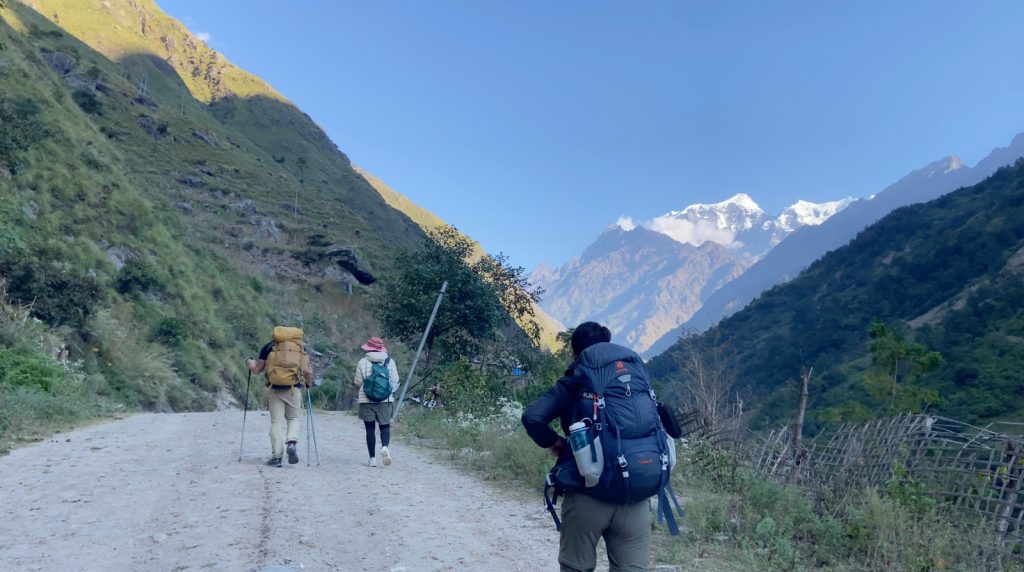
Trekking through this remote Himalayan region, you’ll cross lush forests, sparkling rivers, alpine meadows, and the iconic Larkya La Pass (5,160 m), while exploring multiethnic villages rich in Nepalese and Tibetan culture. Every step is a chance to connect with nature, meet friendly locals, and witness landscapes that few travelers get to see.

1. Awe-Inspiring Scenic Views

From start to finish, the Manaslu Circuit Trek route is a feast for the eyes. Towering peaks dominate the skyline, including:

  • Mount Manaslu (8,163 m) – the world’s 8th-highest peak
  • Annapurna II (7,937 m)
  • Dhaulagiri (8,167 m)
  • Ganesh Himal & Lamjung Himal

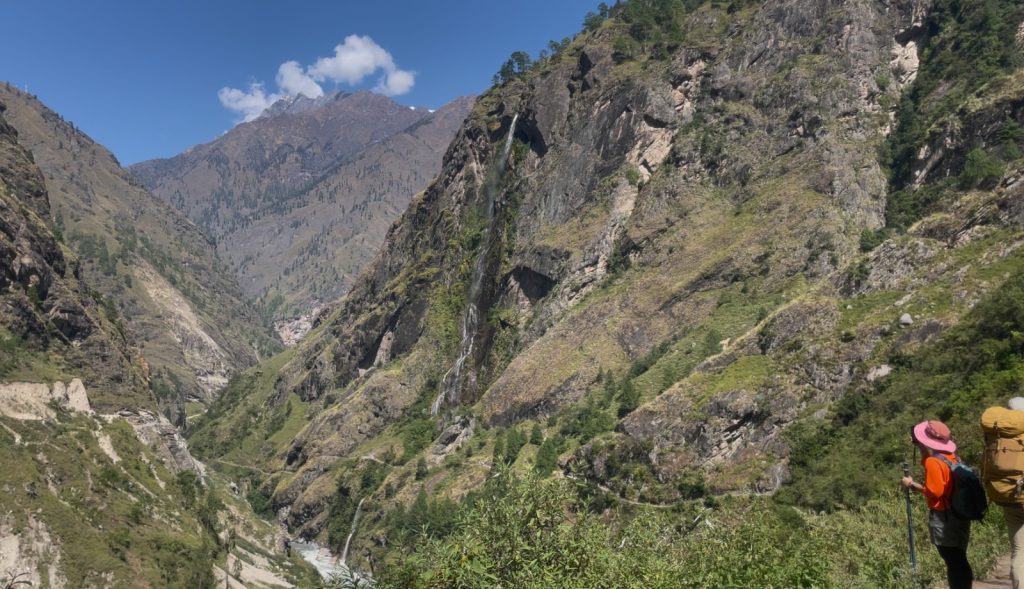
The trail meanders through dense subtropical forests, glacial rivers, alpine pastures, and pristine lakes such as Birendra Tal. Over 35 suspension bridges connect remote villages, providing both adventure and unforgettable photo opportunities. The Larkya La Pass, the trek’s highest point, offers breathtaking panoramic views, making every step worth the effort.

2. Rich Cultural Encounters

The Manaslu Circuit Trek 2026 for foreigners is also a journey through Nepal’s diverse cultural tapestry. The trail passes through Gurung, Tamang, and Tibetan villages, where locals welcome trekkers with warm smiles and traditional hospitality.

Key cultural highlights include:

  • Sama Gaon & Samdo villages – experience daily Himalayan village life
  • Pungyen Monastery – centuries-old Buddhist traditions
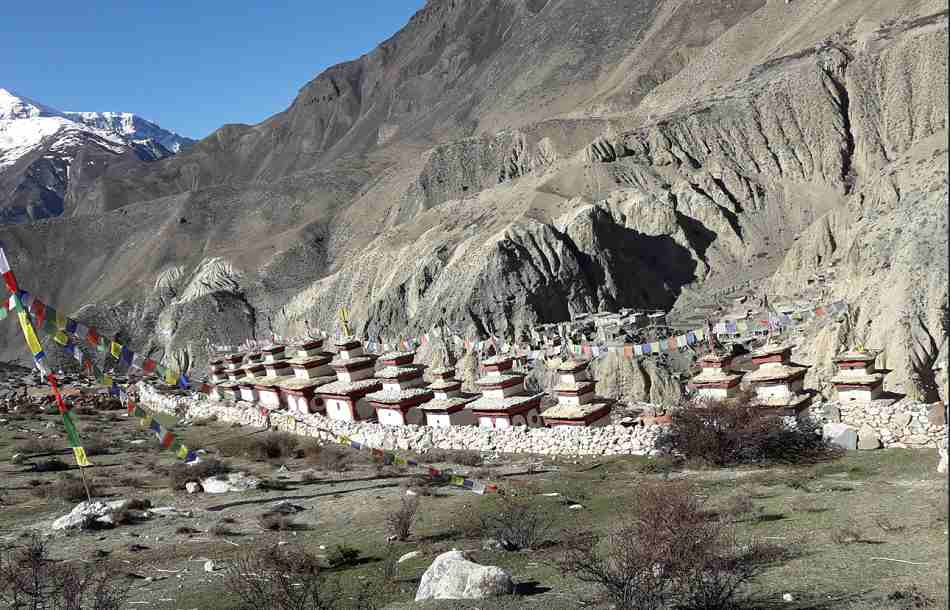
  • Ancient monasteries, Chhortens, and prayer walls – witness rituals preserved for generations

This cultural immersion makes the Manaslu Circuit Trek an authentic, spiritually enriching experience far removed from crowded trekking routes.

3. Spiritual Journeys Along the Trail

Beyond the physical challenge, the Manaslu Circuit Trek offers profound spiritual rewards. Trekking past serene monasteries, fluttering prayer flags, and sunrise-lit Himalayan peaks, travelers often report a deep sense of inner peace. This trek allows you to:

  • Reflect in quiet Buddhist meditation centers
  • Absorb spiritual energy from sacred mountains
  • Connect with your inner self while surrounded by untouched nature

4. Off-the-Beaten-Path Adventure

One of the most unique aspects of the Manaslu Circuit Trek is its seclusion. Unlike the busy Everest or Annapurna trails, this trek provides:

  • Solitude and quiet nature
  • Encounters with rare wildlife like Himalayan Tahr, Marmots, and occasionally Snow Leopards
  • Sustainable trekking practices and eco-tourism experiences
  • A tea house trek style with basic amenities, making high-altitude trekking accessible

For trekkers looking for adventure without the crowds, the Manaslu Circuit Trek is the ideal choice.

5. Optional Side Trips & Connectivity

For those seeking to extend their Himalayan adventure, the Manaslu Circuit Trek 2026 connects with:

  • Annapurna Circuit Trek – combine two epic treks
  • Tsum Valley Trek – cultural exploration and hidden Himalayan villages
  • Nar Phu Valley Trek – off-the-beaten-path scenery and Tibetan culture

These side trips allow travelers to customize their itinerary, enrich cultural experiences, and maximize adventure.

Manaslu Circuit Trek: Highlights at a Glance

  • Highest Point: Larkya La Pass – 5,160 m / 16,900 ft
  • Trail Type: Tea house trek with well-established lodges
  • Distance: Approx. 177 km (Kathmandu → Manaslu Circuit → Kathmandu)
  • Duration: 14–21 days, depending on itinerary
  • Villages: Samdo, Dharmasala, Sama Gaon, Jagat
  • Scenic Views: Mount Manaslu, Annapurna II, Dhaulagiri, Ganesh Himal, Himlung Himal
  • Natural Wonders: Birendra Lake, Budhi Gandaki River, alpine meadows, waterfalls, glaciers
  • Cultural & Spiritual: Monasteries, Chortens, prayer walls, Tibetan Buddhist traditions
  • Adventure: Suspension bridges, less-commercialized Himalayan trails, wildlife sightings
  • Optional Side Trips: Tsum Valley, Nar Phu Valley, Annapurna Circuit

Why Choose the Manaslu Circuit Trek?

  • Remote, peaceful Himalayan trekking with minimal crowds
  • Rich cultural and sacred Himalayan journey
  • High-altitude adventure without extreme commercialization
  • Flexible itinerary and optional extensions for customized treks
  • Guided by experienced teams with insider knowledge of the Manaslu region

With its combination of breathtaking scenery, vibrant culture, spiritual depth, and less-commercialized Himalayan trail, the Manaslu Circuit Trek offers foreign travelers a truly unforgettable Himalayan experience—a journey that will leave lasting memories for a lifetime.

Why Book the Manaslu Circuit Trek with Bold Himalaya

Choosing the right trekking agency can make or break your Manaslu Circuit Trek experience. Bold Himalaya has been guiding international travelers through Nepal’s Himalayas for years, combining expertise, safety, and authentic cultural experiences to ensure every trek is seamless and unforgettable. Here’s why trekkers choose us:

1. Experienced & Knowledgeable Guides

Our team of certified guides has extensive experience on the Manaslu Circuit Trek route. They are familiar with the terrain, weather patterns, altitude challenges, and local culture, ensuring you have safe, smooth, and well-paced trekking days.

2. Fully Planned Itineraries & Flexibility

Whether you’re looking for a 7-day trek, a 13-day adventure, or the full 14–21-day circuit, we offer customized itineraries to suit your pace, preferences, and fitness level. Every day is planned for maximum scenic, cultural, and inner journey through the Himalayas.

3. Cultural & Spiritual Immersion

Bold Himalaya emphasizes authentic encounters with local communities. From the Tibetan villages of Samdo to the monasteries of Pungyen, we ensure you experience Nepal’s unique Himalayan culture, Buddhist traditions, and off-the-beaten-path spirituality.

4. Safety & Support

We prioritize your health, safety, and comfort throughout the trek. Our guides monitor acclimatization, high-altitude readiness, and emergency protocols. With well-established tea houses, hot showers, and first-aid support, your Manaslu adventure is secure and worry-free.

5. Eco-Friendly & Sustainable Trekking

We practice responsible tourism, respecting local communities and minimizing environmental impact. Our treks support the Manaslu Conservation Area and promote eco-tourism, allowing travelers to enjoy pristine Himalayan nature sustainably.

6. Trusted Reviews & Happy Travelers

Over the years, Bold Himalaya has earned trust from international trekkers, reflected in numerous positive reviews and repeat travelers. We combine local expertise with a foreign traveler’s perspective, making your Manaslu Circuit Trek memorable and hassle-free.

Experience the Manaslu Circuit Trek like never before, guided by experts, enriched by culture, and tailored for foreign trekkers. Book your Himalayan adventure with Bold Himalaya today!

Larkya La Pass: The Pinnacle of the Manaslu Circuit Trek

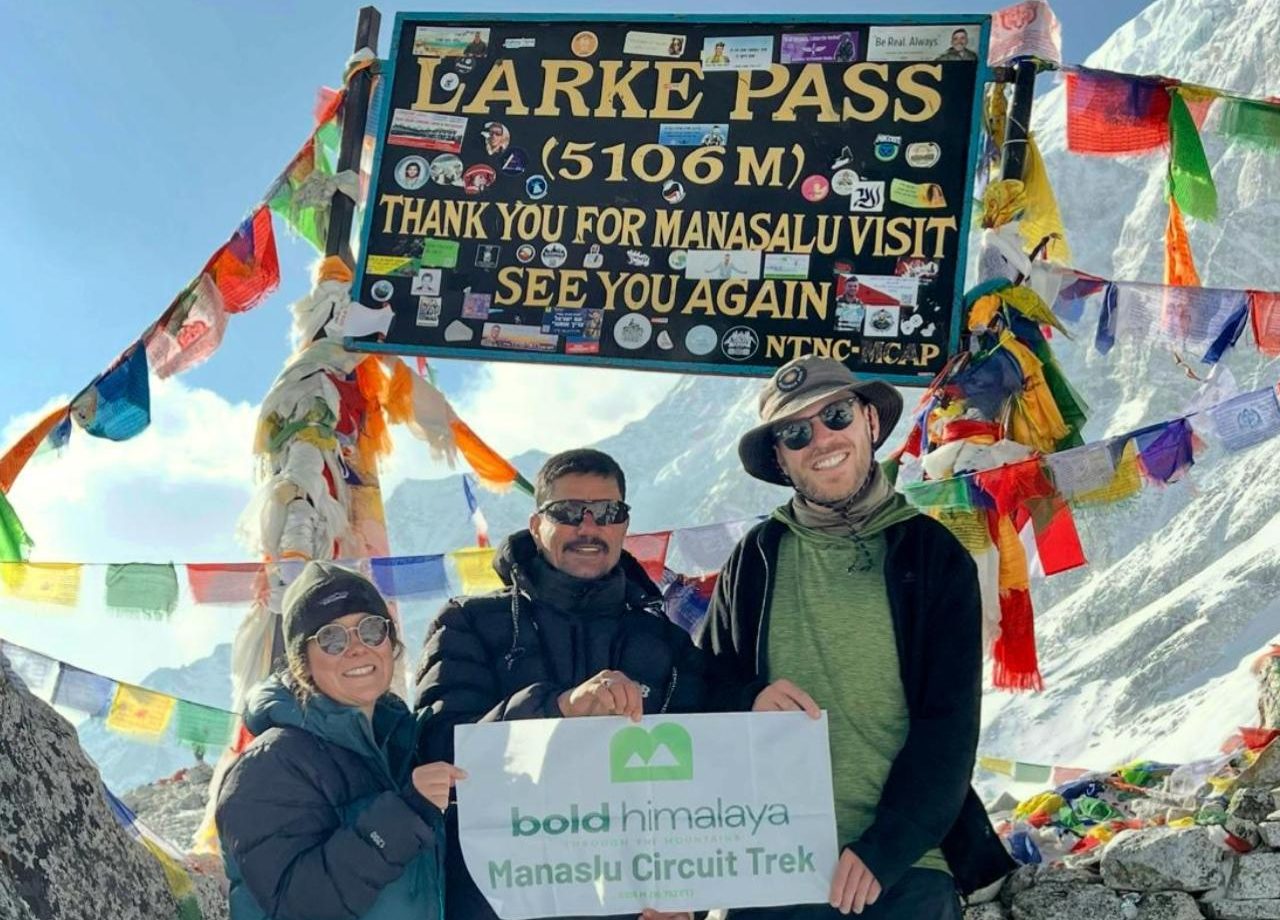
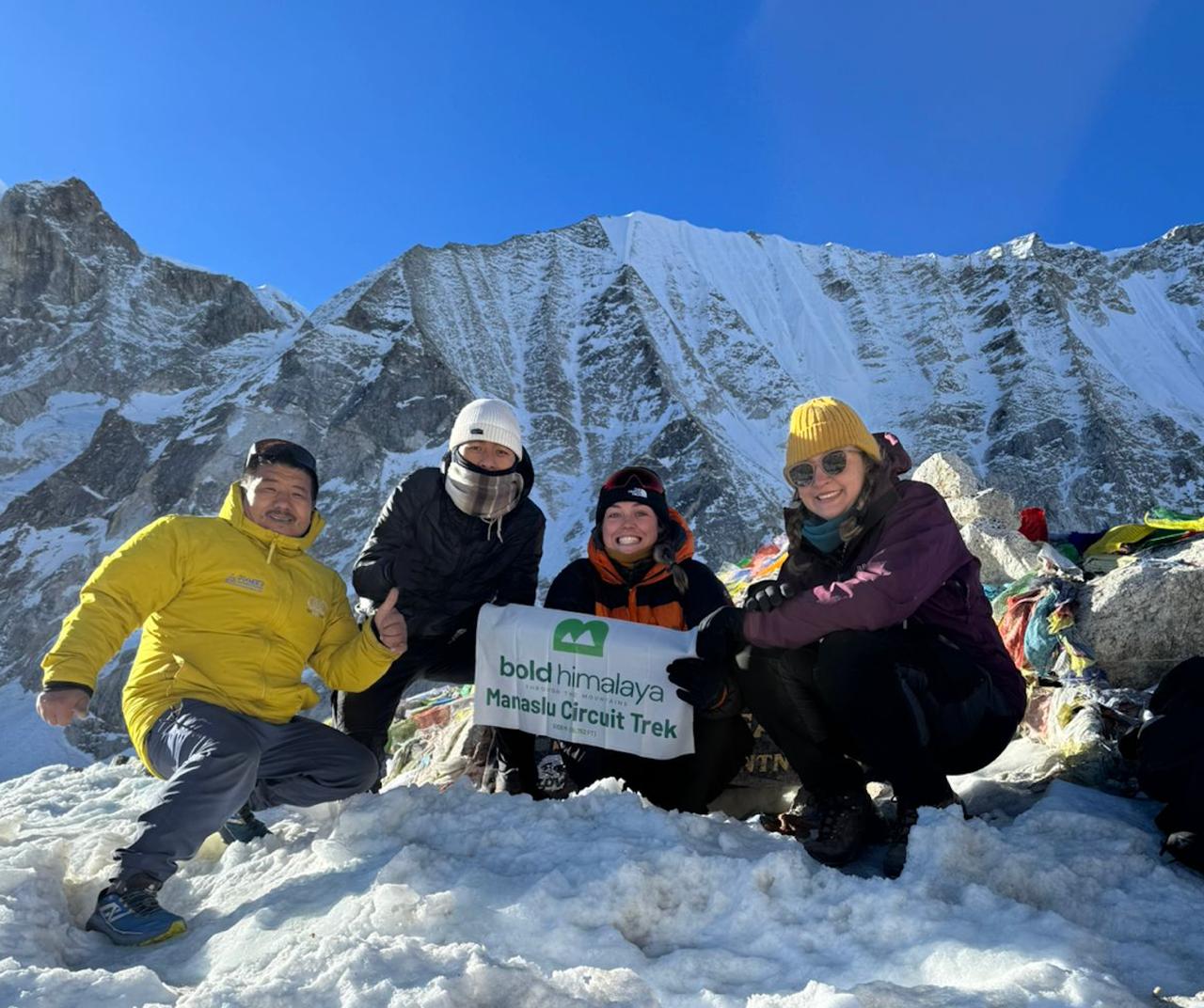
The Larkya La Pass, rising to 5,160 meters (16,752 feet), is the crowning highlight of the Manaslu Circuit Trek and its most challenging point. Derived from the Tibetan word “Larkya,” meaning “long slope,” this pass presents a demanding climb across rock and ice that tests endurance, determination, and willpower.

As you near the summit, vibrant prayer flags flutter against the snow-white backdrop, while towering Himalayan giants—Mount Manaslu (8,163 m), Cheo Himal (6,820 m), Himlung Himal (7,126 m), Gyaji Kang (7,074 m)—surround you, complemented by the distant sparkle of Annapurna II (7,937 m).

To the west, the Dhaulagiri range stretches across glacial valleys, icy rivers, and serene mountain lakes, creating a panoramic scene of sublime beauty. The crisp mountain air, the sting of the wind, and the aching legs are quickly replaced by a sense of pride, freedom, and awe.

Crossing Larkya La Pass is not merely a physical achievement—it is a spiritual and emotional milestone, a moment of triumph that stays with trekkers long after the snow swallows their footsteps.

For those planning this high-altitude adventure, understanding the altitude, weather, and trail conditions, along with following a detailed Larkya La Pass trek itinerary, is essential to ensure a safe, unforgettable, and transformative Himalayan journey..

Manaslu Circuit Trek Distance and Route: A Journey for Trekkers

The Manaslu Circuit Trek is a full circuit around Mount Manaslu (8,163 m / 26,781 ft), covering approximately 177 kilometers (110 miles). This trek offers international travelers an untouched Himalayan landscape adventure, combining remote trekking in Nepal, cultural immersion, and breathtaking scenery.

The journey begins with a drive from Kathmandu to Maccha Khola (869 m / 2,850 ft), where trekkers start their uphill adventure along the Budhi Gandaki River. The trail passes through picturesque villages, dense forests, and flowing rivers, gradually gaining altitude. Key stops along the route include Jagat (1,340 m / 4,395 ft), Deng (1,860 m / 6,102 ft), Namrung (2,630 m / 8,629 ft), and Samagaon (3,520 m / 11,545 ft), where trekkers can explore local culture, monasteries, and Buddhist trekking traditions in Nepal.

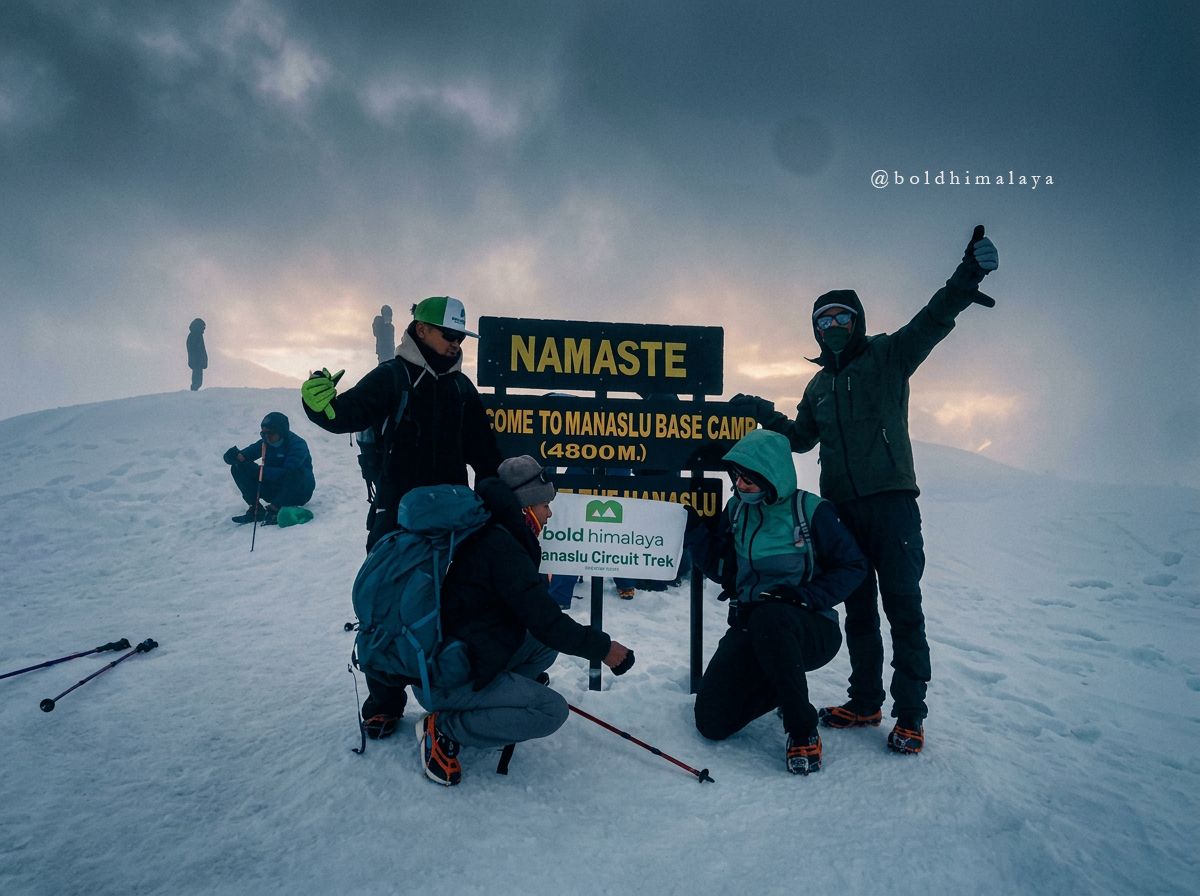
From Samagaon, the trek continues to Manaslu Base Camp (4,400 m / 14,435 ft) and Samdo (3,860 m / 12,664 ft), the last settlement before entering the high alpine zone. The route then climbs to the iconic Larkya La Pass (5,160 m / 16,930 ft)—the trek’s highest and most challenging point. This section provides panoramic views of Mount Manaslu, Himlung Himal (7,126 m), Cheo Himal (6,820 m), Kang Guru (6,981 m), and Annapurna II (7,937 m), making it one of the most memorable experiences for foreign trekkers in Nepal.

After crossing Larkya La Pass, the trail descends to Bimthang (3,750 m / 12,303 ft), then continues through Tilije to Dharapani (1,963 m / 6,444 ft), where it merges with the Annapurna Circuit Trek, providing options for extended offbeat trekking in Nepal.

For international travelers, understanding the Manaslu Circuit Trek distance, duration, and difficulty is essential. The trek generally takes 13–21 days, depending on pace and acclimatization, and requires preparation for high-altitude trekking in Nepal. Trekkers should also consider factors such as the Manaslu Circuit Trek altitude, elevation gain, and itinerary planning to ensure a safe and memorable journey.

Whether you are trekking solo or with a guide, the Manaslu Circuit Trek 2026 offers a rare combination of scenic Himalayan beauty, cultural richness, and spiritual depth, making it a must-experience adventure in Nepal.

To know more about Hidden Gems Along the Manaslu Circuit Trek, you can read this article.

Manaslu Circuit Trek Itinerary

  • Day 1: Drive from Kathmandu to Machha Khola (900m)
  • Day 2: Trek to Jagat (1340m)
  • Day 3: Trek to Deng (1860m)
  • Day 4: Trek to Namrung (2630m)
  • Day 5: Trek to Samagaon (3530m)
  • Day 6: Acclimatization Day in Samagaon
  • Day 7: Trek to Samdo (3,860m)
  • Day 8: Rest day in Samdo
  • Day 9: Trek to Dharamsala (Larkya Phedi) (4460m)
  • Day 10: Cross Larkya La Pass (5160m) and trek to Bimthang (3720m)
  • Day 11: Trek to Tilije (2300m)
  • Day 12: Trek to Dharapani (1860m) and drive back to Kathmandu
  • Day 13: Leave Kathmandu for your home nation

Read More

Detailed Itinerary of Manaslu Circuit Trek

Your Journey, Step by Step

- Collapse All
Day 1

Arrive Kathmandu

Altitude
Altitude 1400 m / 4,593 ft
accommodation
accommodation 3-star hotel in Kathmandu
Meals
Meals Breakfast the next morning

Upon your arrival at Tribhuvan International Airport in Kathmandu, you will be greeted and taken to your 3-star hotel or any hotel of your choice. If you arrive early, spend a day at leisure, stroll around the city, or go for some last-minute shopping for trekking gear like down jackets or spikes, in case you are trekking in winter.

We then provide a proper briefing of the trek and assist in arrangements, including shopping, to be made for the journey. The next morning, you will be picked up from the hotel after an early breakfast, and for everything else, the Bold Himalaya staff will be available at your service.

Day 2

Drive Kathmandu to Machha Khola (869 m / 2,849 ft)

Meal
Meal Breakfast, Lunch & Dinner
Accommodations
Accommodations Full-board lodging at Machha Khola
Altitude
Altitude 829 m / 2,723 ft
Distance ~160 km
Drive Time
Drive Time 7–9 hours

Day 2 marks the transition from Nepal’s capital to the remote trailhead of the Manaslu region. The journey begins with a scenic drive from Kathmandu toward the Budhi Gandaki valley, officially starting the Manaslu Circuit Trek. The route follows the Trishuli River along the Prithvi Highway, passing terraced farmland, riverside settlements, and green hill landscapes.

After Malekhu, the road turns north toward Arughat and gradually becomes more remote. The final 3-hour section from Arughat is rough and bumpy, with narrow mountain roads and uneven terrain—your first real introduction to remote Himalayan travel and the rugged nature of remote trekking in Nepal.

Along the way, you’ll see traditional village life, local markets, and roadside tea shops, offering an authentic cultural introduction to the Manaslu region.

By late afternoon, you arrive at Machha Khola, a small riverside village at 869 meters, which serves as the official starting point of the trek. Accommodation is in a simple local lodge with basic facilities, warm meals, and a peaceful mountain atmosphere—perfect for resting before the walking journey begins.


Day 3

Trek to Jagat (1,340 m / 4,395 ft) Trek duration: 4–5 hours

Altitude
Altitude 1,340 m / 4,396 ft (Jagat)
Accommodation
Accommodation Full-board lodging at Jagat
Meals
Meals Breakfast, Lunch & Dinner
Distance 16 km / 10 miles
Difficulty Moderate

Day 3 of the Manaslu Circuit Trek for international travelers begins with a scenic walk from Machha Khola along the Budhi Gandaki River, offering your first real taste of remote trekking in Nepal. The trail passes through lush forests, terraced fields, and riverside villages, including Khorla Besi, a traditional Gurung settlement, before reaching Tatopani, where natural hot springs provide a refreshing break.

After a lunch break in the village of Dobhan (1,070m), the valley begins to narrow significantly. The trail becomes more adventurous, crossing several long suspension bridges that sway high above the turquoise river. You’ll encounter the first major stone staircases of the trek, a signature of Himalayan trails, leading you to Thado Bharyang. This section offers incredible views of the white-water rapids below and the towering green cliffs above.

By late afternoon, you arrive in Jagat (1,340 m), the gateway to the Manaslu Conservation Area and an important checkpoint for Restricted Area Permits (RAP) and TIMS cards. With its stone-paved streets, prayer wheels, and traditional homes, Jagat offers a welcoming introduction to village life, Himalayan culture, and the spiritual landscapes that define this offbeat Nepal trek for international tourists, setting the stage for the challenging yet rewarding days ahead.

Day Highlights
You will begin the trek on this day, passing through suspension bridges and waterfalls, terraced fields, and small villages. Jagat features stone-paved streets, prayer wheels, and traditional houses, offering an introduction to local culture.

Day 4

Trek from Jagat to Deng (1,860 m / 6,102 ft)

Altitude
Altitude 1,860 m / 6,102 ft
Accomodation
Accomodation Full-board lodging at Deng
Meal
Meal Breakfast, Lunch & Dinner
Difficulty
Difficulty Moderate
Walking Time
Walking Time ~6–7 hours
Distance ~20 km / 12–12.5 miles

On Day 4 of the Manaslu Circuit Trek for international travelers, you leave Jagat and continue deeper into the restricted Manaslu Conservation Area — a protected Himalayan region where permits are checked. The trail generally follows the Budhi Gandaki River, offering a mix of gentle ascents, river valley scenery, and cultural encounters.

You begin with a climb through small settlements and terrace farms before descending to river banks. Soon, you reach Sirdibas, a traditional mountain village with prayer flags and local homes. The trail continues to Philim (≈1,570 m / 5,150 ft), a larger Gurung village well known for its cultural richness and scenic setting — often a good place for rest and lunch.

After Philim, the path heads north, sometimes narrowing beside the river and crossing multiple suspension bridges over tributaries. You’ll walk through lush forests — including bamboo and pine groves — and enjoy increasing views of the Budhi Gandaki gorge. As the afternoon progresses, the trail approaches Ekle Bhatti, then gradually leads to Deng.

Deng is a quiet village nestled in a broad mountain valley with stone houses and Buddhist cultural influences. Here, accommodation is in local tea houses offering warm meals and basic facilities, perfect for resting and acclimatizing before trekking higher.

Day 5

Trek from Deng to Namrung (2,630 m / 8,628 ft)

Altitude
Altitude 2,630 m / 8,628 ft
Accomodation
Accomodation Full-board lodging at Namrung
Meal
Meal Breakfast, Lunch & Dinner
Distance ~19 km / 11.8 miles
Walking Time
Walking Time 6–8 hours
Difficulty
Difficulty Moderate–Strenuous

Day 5 of the Manaslu Circuit Trek for travelers is a key high-altitude circuit trek in Nepal, where you leave Deng (1,860 m / 6,102 ft) and climb steadily toward Namrung (≈2,630 m / 8,628 ft). Covering ~19 km (11.8 miles) in 6–8 hours with an elevation gain of ~770 m, this section combines moderate-to-strenuous hiking with rich cultural and natural experiences, making it an essential part of restricted area trekking in Nepal and remote treks in Nepal.

The trail begins with a descent to cross the Budhi Gandaki River before steadily climbing toward Rana (1,910 m). Soon after, a suspension bridge spans a dramatic gorge where the turquoise river thunders below, setting the tone for the scenic Himalayan circuit trek ahead.

Midway, you pass through Ghap (2,160 m), a traditional village frozen in time. Here, the intricate Mani stones — some of the most detailed on the circuit — reflect the deep Buddhist trekking routes Nepal offers. Beyond Ghap, the path enters a lush “fairytale” forest of fir, rhododendron, and oak, where trekkers may spot Langur monkeys and colorful Himalayan birds, offering a true taste of Tibetan culture trekking in Nepal.

As you approach Namrung, the landscape opens dramatically. This village marks the gateway to the upper Nubri region and provides your first unobstructed views of Kutang Himal and the rugged peaks of Shringi Himal (7,161 m). In 2026, Namrung’s tea houses offer comfortable full-board accommodation, reliable paid Wi-Fi, and hot showers — making it an ideal stop to rest, recharge, and prepare for the higher-altitude days ahead.

This day is not only a physical climb but also a cultural and scenic immersion, perfectly blending remote Himalayan trekking, Tibetan-influenced villages, and acclimatization.


Day 6

Trek from Namrung to Samagaon (3,530 m / 11,581 ft)

Accommodation
Accommodation Full-board lodging at Samagaon
Meal
Meal Breakfast, Lunch & Dinner
Distance ~17 km / 10.5 miles
Walking Time
Walking Time ~6–7 hours
Max Altitude
Max Altitude ~3,530 m / 11,581 ft
Difficulty
Difficulty Moderate–Strenuous

Day 6 of the trek in the Manaslu region is one of the most scenic and culturally rich sections of the route, as the trail climbs through classic high‑Himalayan terrain into the remote Tibetan‑influenced valley. This is a key day for acclimatization and beginning high‑altitude circuit trekking in Nepal.

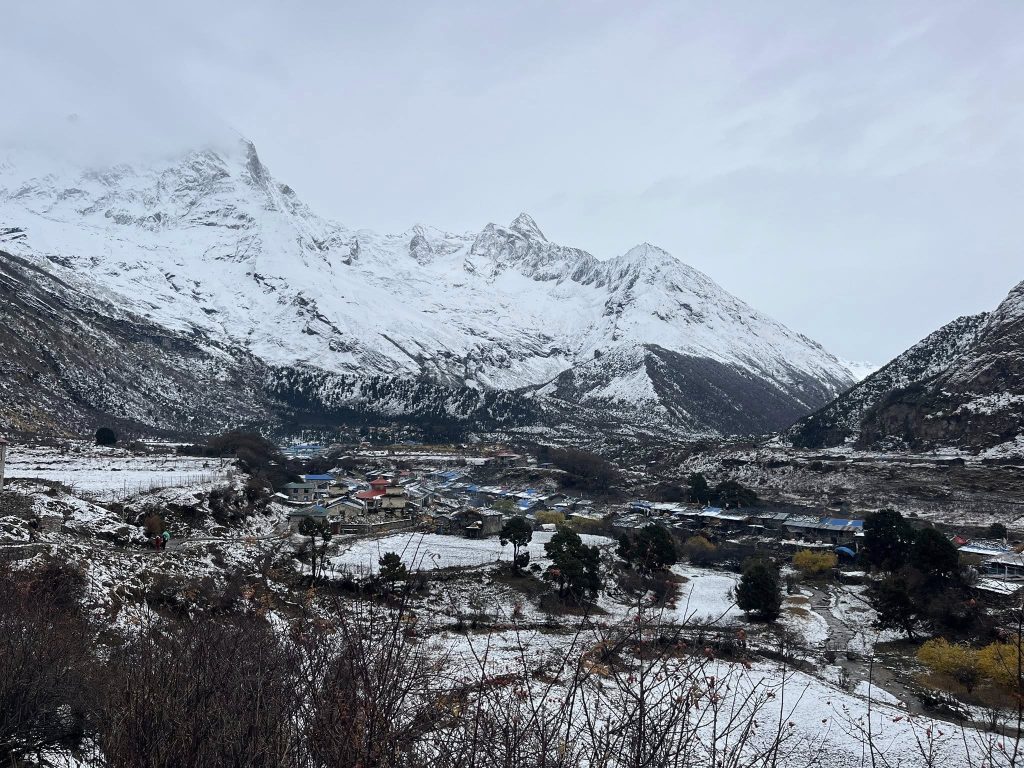
From Namrung, the trail steadily ascends through forested slopes with views of surrounding peaks, passing through Lihi and Sho, and often visiting the traditional village of Lho (≈3,180 m) where the historic Ribung Gompa perches on a hillside. Lho offers panoramic views of Manaslu’s north face and the surrounding Himalayan amphitheater — a highlight for photographers and cultural trekkers alike.

Beyond Lho, the path continues through pine, rhododendron, and juniper forests toward Shyala, a small settlement with sweeping mountain panoramas. From here, the trail flattens as it enters the wide glacial valley leading to Samagaon, the largest village on the circuit and the primary high‑altitude hub before reaching Larkya La Pass.

Samagaon (3,530 m / 11,581 ft) — sometimes called Sama Gaon — is a vibrant village with traditional stone houses, tea houses with hot showers and paid Wi‑Fi, bakeries, and even small shops. It is also close to side‑trip destinations like Pungyen Monastery and Manaslu Base Camp.

This day offers a perfect blend of remote treks in Nepal, Buddhist trekking routes in Nepal, and Tibetan culture trekking in Nepal experiences — dramatic mountain views, forest trails, traditional villages, and a strong sense of Himalayan culture and heritage.

Day Highlights
On this day, you will reach the base of Manaslu Glacier. From here, you will get the stunning view of Ganesh Himal and Manaslu.

Day 7

Rest and Acclimatization at Samagaon

Altitude
Altitude 3,520 m / 11,549 ft
Accommodation
Accommodation Full-board lodging at Samagaon
Meal
Meal Breakfast, Lunch & Dinner
Difficulty
Difficulty Easy

Rest and Acclimatization at Samagaon is one of the most important parts of the restricted area trekking in Nepal 2026 experience. Samagaon sits at 3,530 m (11,581 ft) — a key altitude where many trekkers spend an extra full day to reduce the risk of altitude sickness before ascending toward higher points like Samdo (3,860 m) and Dharmashala (4,460 m).

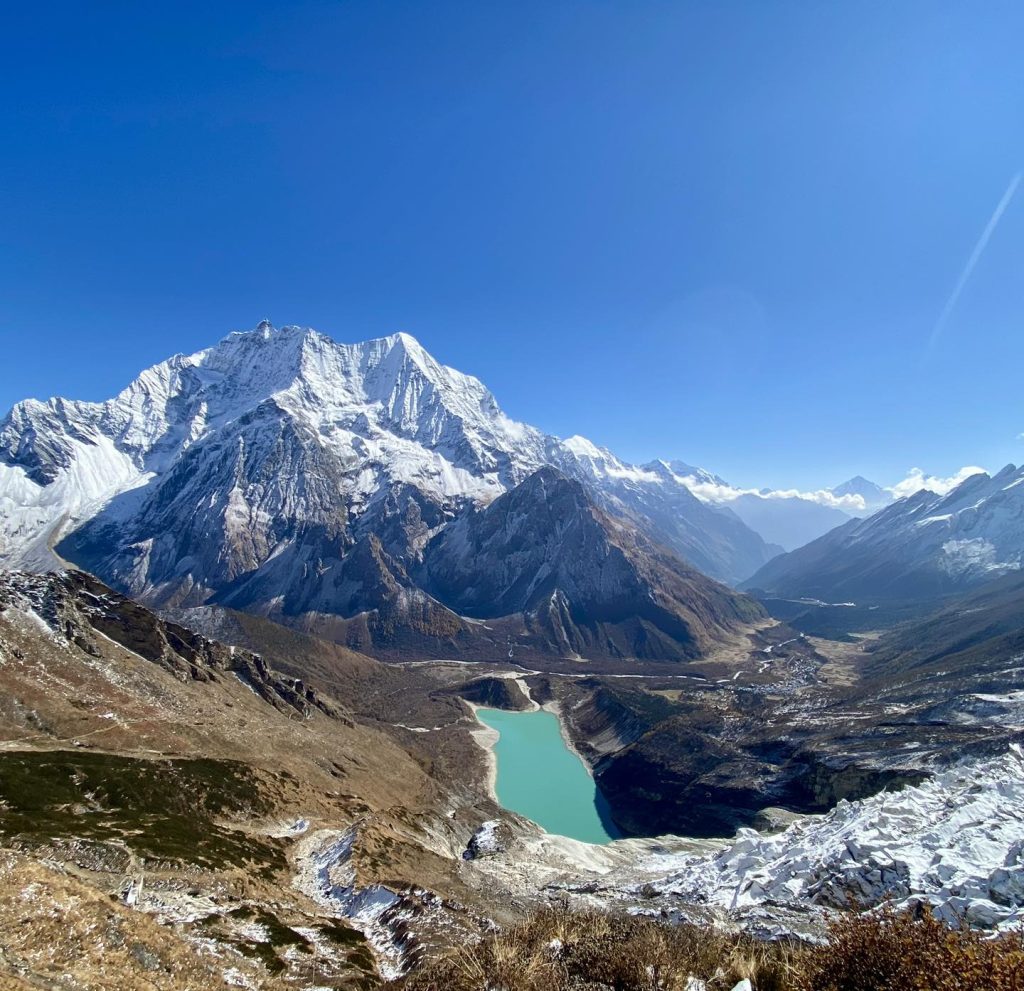
This village, with traditional Tibetan Buddhist culture, stone houses, mani walls, and fluttering prayer flags, offers breath‑catching views of Mt. Manaslu (8,163 m) and surrounding peaks while your body adapts to thinner air. During rest days, many trekkers enjoy short acclimatization hikes — popular options include walks to Birendra Lake (≈3,450 m) or Pungyen Gompa (~4,050 m), which allow your body to “climb high, sleep low,” a proven strategy to reduce altitude sickness.

Samagaon also gives you a chance to explore local cultural highlights like Pungyen Monastery, interact with Nubri villagers, and enjoy tea house accommodation with full‑board meals, warm food, and rest before continuing your journey

Day Highlights
You will acclimate at Samagaon on this day. You can visit the surrounding attractions and take a short hike to a beautiful glacial lake, Birendra Tal. If you visit Pungten Gompa, you need a longer, steeper hike that requires an extra overnight stay.
Day 8

Trek from Samagaon to Samdo

Altitude
Altitude 3,860 m / 12,664 ft
Accommodation
Accommodation Full-board lodging at Samdo
Meal
Meal Breakfast, Lunch & Dinner
Distance ~8–9 km / 5 miles
Walking Time
Walking Time ~4–5 hours
Difficulty
Difficulty Moderate

On Day 8 of the Manaslu Circuit Trek, you move into the “Wild West” of the Manaslu region, stepping fully into the restricted area trekking in Nepal experience. The short but critical trek from Samagaon takes you above the treeline, where lush forests give way to juniper, birch, and alpine tundra.

The trail follows the Budhi Gandaki River and passes towering Mani walls (prayer stones), which you should always circumnavigate clockwise in respect of local Buddhist traditions, making this a unique trekking route of Nepal.

Arrival in Samdo introduces trekkers to a true Tibetan cultural enclave—the last permanent settlement before the Larkya La Pass.

Samdo’s history is remarkable: founded by Tibetan refugees decades ago, it became a small border trading hub for salt, wool, and yak products, giving you a rare glimpse of traditional Himalayan life. Tea houses here provide basic full-board accommodation, ideal for rest and acclimatization.

Wildlife enthusiasts may spot Bharal (Blue Sheep) on the surrounding slopes and Himalayan Griffon vultures circling above. For added acclimatization and spectacular photography, trekkers can take a short “climb high, sleep low” hike to Samdo Ri (≈4,500 m), offering panoramic views of Mt. Manaslu’s northern flanks and nearby glaciers—preparing your body for the upcoming high-altitude circuit trek in Nepal.

Samdo combines alpine scenery, Tibetan culture, trekking in Nepal, and remote Himalayan living, making it one of the most distinctive stops on the Manaslu Circuit Trek.

Day Highlights
Samdo is another world. With Manaslu and Naike Peak shining in the distance, and with Tibetan culture displacing the village life, this stopover is full of nature and culture. On this day, you will trek through lush green grazing meadows with panoramic views of high mountains such as Manaslu, Naike Peak, and Pangboche.

Day 9

Trek from Samdo to Dharamsala (Larkya Phedi)

Altitude
Altitude 4,460 m / 14,633 ft
Accommodation
Accommodation Full-board lodging at Dharamsala
Meal
Meal Breakfast, Lunch & Dinner
Difficulty
Difficulty Moderate
Distance ~6–7 km (4–5 miles)

On Day 9 of the Manaslu Circuit Trek, you make the crucial final push toward Larkya La Base Camp. Though the distance is short (~6–7 km / 4–5 miles), the trek is entirely in a high‑alpine environment, with thin air and cold conditions making every step challenging, a defining part of the high-altitude circuit trek in Nepal.

The day begins with a gentle descent from Samdo (3,875 m / 12,713 ft) to Larkya Bazaar (~4,100 m), an abandoned Tibetan-Nepali trade post along the historic salt and wool route. This site offers your last view of the Samdo valley and a glimpse of the region’s Himalayan history.

From Larkya Bazaar, the trail climbs steeply (+360 m over ~2 km) across rocky moraine and sparse alpine tundra, with panoramic views of Kutang Himal and Cheo Himal. Footing is uneven, so careful pacing (“pole‑pole”) is essential.

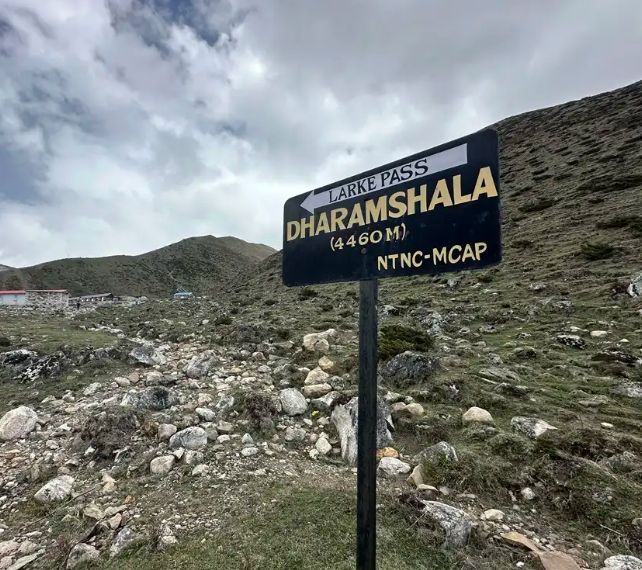
By late morning or early afternoon, you reach Dharamsala (4,460 m / 14,633 ft), a cluster of basic NMA stone lodges. Accommodation is simple — dormitory-style bunks, thin mattresses, pit toilets — designed solely for rest and acclimatization before attempting Larkya La Pass (5,160 m).

Dharmashala also joins the Manaslu Circuit Trek to the Annapurna Circuit Trek if you wish to join the trek.

Day Highlights
On this day, you will reach the base camp of Larkya Pass, where you will prepare to walk through the pass. On this day, eat a full meal and sleep early to get plenty of rest to prepare your body to pass the tedious Larkya the next day. Wake up early the next day and get a head start to pass the great Larkya.

Day 10

Trek from Dharamsala to Bimthang via Larkya La Pass

Altitude
Altitude 3,750 m / 12,303 ft
Accommodation
Accommodation Full-board lodging at Bimthang
Meals
Meals Breakfast, Lunch & Dinner
Distance 22–25 km / 14–15.5 miles
Duration
Duration 8–10 hours
Difficulty
Difficulty Extremely challenging

Day 10 is the toughest day of the Manaslu Circuit Trek for international travelers, a true highlight of the high-altitude circuit trek in Nepal. Today, you cross Larkya La Pass, the highest point of the trek at 5,160 m / 16,929 ft, before descending to Bimthang (~3,720–3,790 m / 12,205–12,433 ft). This section tests your endurance, pacing, and acclimatization like no other day, making it one of the most physically and mentally demanding legs of the Manaslu Circuit itinerary.

You start very early 3:00 AM, from Dharamsala (~4,460 m / 14,633 ft), walking with headlamps under the starlit sky. The aim is to reach the pass before afternoon winds or sudden weather changes. The total distance is 22–25 km / 14–15.5 miles, typically taking 8–10 hours, including breaks and slow pacing for high-altitude safety.

The climb from Dharamsala to Larkya La involves a sustained +700 m ascent over rocky terrain, glacial moraines, and exposed slopes. The air is thin, so moving slowly, using trekking poles, and maintaining steady breathing is crucial. Reaching Larkya La Pass is highly rewarding: trekkers are greeted with panoramic Himalayan views, including Manaslu, Annapurna II, Himlung Himal, Cheo Himal, and other surrounding peaks — perfect for photography and a sense of accomplishment.

After the pass, a long descent of over 1,500 m leads to Bimthang, crossing rocky moraine, alpine meadows, and glacial streams. Bimthang is a peaceful village with tea house lodges, full-board meals, and a quiet alpine atmosphere, allowing trekkers to rest and refuel after this epic day.

This day represents the pinnacle of remote trekking in Nepal, combining raw alpine landscapes, Tibetan culture trekking Nepal, and the challenge of a high-altitude circuit trek. It is also the day when many trekkers spend around 2–3 hours at the pass itself to enjoy the views, rest, and take photos, before descending to Bimthang.

Day Highlights
This you will trek through the most difficult section of the trek, the Larkya Pass. You will start the trek early in the morning to make it to Bhimthang before sunset. Although the pass is difficult, the views will be worth it. You will get the majestic view of Manaslu and Lamjung Himal, and the thrill you feel at the top will be a different feeling of accomplishment.</span

Day 11

Trek from Bimthang to Tilije

Altitude
Altitude 2,300 m / 7,546 ft
Accommodation
Accommodation Lodges at Tilije
Meals
Meals Breakfast, Lunch & Dinner
Distance 13 km / 8 miles
Walking Time
Walking Time 5–6 hours
Difficulty
Difficulty Moderate

Day 11 of the Manaslu Circuit Trek is a long but rewarding descent through some of the region’s most stunning landscapes. Covering 13 km (8 miles) with a descent of ~1,420 m from Bimthang (3,720 m / 12,205 ft) to Tilije (2,300 m / 7,546 ft), this 5–6 hour trek takes you from high alpine terrain into lush rhododendron and pine forests, making it one of the most scenic stretches of remote trekking in Nepal.

The morning begins with a final look back at Bimthang, framed by Cheo Himal, Himlung Himal, and the north face of Manaslu. For those with energy to spare, a short side trip to Ponker Lake (≈3,965 m) rewards trekkers with reflections of the surrounding 7,000 m peaks — a perfect photo opportunity.

Descending along the Dudh Khola (Milk River), the path first crosses stony moraine and high pastures like Sangure Kharka, where yaks graze against a backdrop of rugged peaks. As you drop below 3,000 m, the forest thickens with oak, fir, and rhododendron, and during spring (March–May), the valley bursts into brilliant shades of red and pink.

Lunch is usually taken in Gho (2,515 m), a quiet settlement offering a last glimpse of the high Himalayan panorama. The final stretch leads to Tilije, a prosperous Gurung village known for its warm hospitality, apple orchards, and locally distilled apple brandy — a traditional treat for celebrating the completion of the trek’s high-altitude section.

In 2026, Tilije offers more comfortable tea house accommodations, often with en-suite bathrooms and Wi-Fi, making it a welcome change after the remote villages of the upper circuit. This day combines cultural immersion, natural beauty, and a gradual descent that prepares trekkers for the concluding stages of the Manaslu Circuit Trek.

Day Highlights
The last night of another overnight camp at Tilije is a time to unwind, reflect on the trek, and have a peaceful evening in the warm-hearted ambiance. There are lodges available here that are cozy, so it is a good location to spend the final night of the trek. 

Day 12

Trek to Dharapani, Drive to Besisahar, Return to Kathmandu

Altitude
Altitude 1,963 m / 6,444 ft
Accommodation
Accommodation 3-star hotel in Kathmandu
Meal
Meal Breakfast, Lunch & Farewell Dinner
Distance Covered Trek 12 km / Drive ≈8–10 hours total
Difficulty
Difficulty Easy

The final day of the Manaslu Circuit Trek marks your descent from the mountains back into the Nepali lowlands. Today combines a moderate trek, scenic drives, and a sense of accomplishment after completing one of the most challenging high-altitude circuit treks in Nepal.

Trekking Dharapani – Besisahar

The day begins with a 3–4 hour trek (≈12 km / 7.5 miles) from Tilije or Dharapani down to Dharapani (≈1,200 m / 3,940 ft), depending on your final overnight stop. The trail follows the Marsyangdi River and passes through small Gurung and Magar villages, terraced farmland, and lush forested valleys. The descent is gentle, allowing your knees and muscles to recover gradually after the high-altitude sections of the trek. Along the way, you’ll see local life — children walking to school, farmers at work, and traditional stone and timber houses, providing one last glimpse of cultural villages on the Manaslu Trek.

Drive to Besisahar & Kathmandu

Upon reaching Dharapani, trekkers transfer by jeep or bus to Besisahar (≈760 m / 2,493 ft), the administrative hub of the Lamjung district. The 3–4 hour drive winds along the Marsyangdi River, passing terraced hills, suspension bridges, and roadside tea shops — a final taste of rural Nepal. From Besisahar, it’s a 5–6 hour scenic drive back to Kathmandu, descending through the Trishuli River valley and glimpsing terraced farmlands, forests, and Himalayan foothills.

This final day provides a reflective transition from the remote high-altitude circuit trek in Nepal back to modern life in Kathmandu. It’s an ideal moment to absorb the landscapes, celebrate your achievement, and appreciate the cultural and natural richness of the Manaslu Circuit Trek.

Day Highlights
On this day, you reach Kathmandu. You will have a farewell dinner organized by Bold Himalaya, where you will also receive certificates for completing the Manaslu Circuit Trek. 

Day 13

Leaving Nepal

Meal
Meal Breakfast

Have breakfast, goodbye to Nepal, and home flight, or take on another adventure organized by Bold Himalaya.

Note: If you have limited time for the trek and wish to shorten the trek, then we can customize the trek for you if you are fit enough. Physical fitness is a must for a shortened trek as it requires long, strenuous walks throughout the day in rugged terrain. 

Inclusions and Exclusions

What Your Adventure Covers

Includes
  • Shared transportation will be provided for Maccha Khola unless private transportation is booked. You can also book private transportation for an additional cost of $200. Private transportation is suitable and affordable for a group of 4-5 and allows you to make stops on the way as you wish.
  • There is a three-star hotel in Kathmandu that offers twin rooms with breakfast and a regular trekking lodge along the Manaslu Base Camp trekking trail. You can also book a hotel of your choice for an added cost.
  • Full meals (breakfast, lunch, and dinner with tea or coffee) during the trek as specified in the itinerary.
  • Items for first aid medications
  • Permits for trekking in the Manaslu Conservation Area, Annapurna Conservation Area, restricted areas, and TIMS cards (Trekkers Information Management System)
  • Knowledgeable, certified one trekking leader for groups of up to five hikers, covering their pay, lodging, lunches, and insurance
  • If there are more than six hikers in the party, one support guide will cover everything, including pay, lodging, food, transportation, and insurance.
  • A few essential equipment, such as a sleeping bag and a down jacket (return them after the journey)
  • A goodbye program and a unique cultural performance
  • T-shirt, a duffle bag for hiking, and a Trip certificate (when the trek is over)
  • Our local and government taxes and formal costs
  • A solo trek permit can also be made available by acquiring the permit in a group and later splitting for solo travelling.
Excludes
  • Additional lunch and dinner in Kathmandu,
  • Dessert, and beverages of any kind while traveling
  • Your travel insurance and international airline ticket
  • Tips for the members of the trekking crew
Equipment Gears for Manaslu Circuit Trek

Manaslu Circuit Trek Packing List

Prepare yourself for a trek of a lifetime around the Manaslu region with the right gear, outfit, and essentials. Careful packing for the Manaslu circuit trek will guarantee comfort, security, and make your trek worthwhile.

Trekking Gear

Clothing for Trekking

Footwear

Clothing for Evenings

Sleeping Essentials

Toiletries & Personal Care

Snacks & Hydration

Medical & First Aid

Documents & Essentials

Optional Extras

Adjustable trekking poles

Headlamp with extra batteries

Lightweight daypack (30–40L)

Duffel bag for porter load

Quick-dry trekking shirts (2 long-sleeve, 1 short-sleeve)

Waterproof and windproof jacket

Lightweight insulating down jacket

Rain jacket and rain pants

Trekking pants (2 pairs)

Convertible shorts/pants (1 pair)

Thermal base layers (2 sets)

Warm fleece jacket

Hiking socks (5–6 pairs)

Warm gloves (outer shell + inner liner)

Buff or scarf

Sun hat or cap

Woolen hat/beanie

Ear warmers

Sturdy waterproof trekking boots

Comfortable camp shoes/slippers

Gaiters (optional but useful in snow/mud)

Fleece-lined trousers (2 pairs)

Warm T-shirts (2–3)

An extra pair of thick socks for sleeping

4-season sleeping bag

Sleeping bag liner

Travel pillow (optional)

Eye mask and earplugs

Biodegradable soap and shampoo

Quick-dry towel

Wet wipes and tissues

Toothbrush and small toothpaste

Mouthwash

Lip balm with SPF

Sunscreen SPF 40+ (water-resistant)

Hand sanitizer

Deodorant

Nail clippers

Energy bars or granola

Nuts and dried fruits

Instant coffee or tea bags

Electrolyte powder/tablets

Reusable water bottles

Water purification tablets or a filter

Personal first aid kit

Adhesive bandages and blister pads

Pain relievers (Ibuprofen, Aspirin)

Anti-diarrheal medication

Cold and cough medicine

Anti-altitude sickness tablets (Diamox)

Broad-spectrum antibiotic (e.g., Ciprofloxacin)

Antiseptic cream

Prescription medicines (if any)

Insect repellent

Passport and photocopies

Travel insurance papers

Trek permits (TIMS, Manaslu Conservation)

Cash (ATMs are limited)

Camera with spare batteries

Power bank

Reading a book or a Kindle

Playing cards/travel games

Journal and pen

Binoculars

Lightweight swimsuit for hot springs

Portable solar charger

video

Manaslu Circuit Trek Video

Experience the adventure and scenic views of the trek

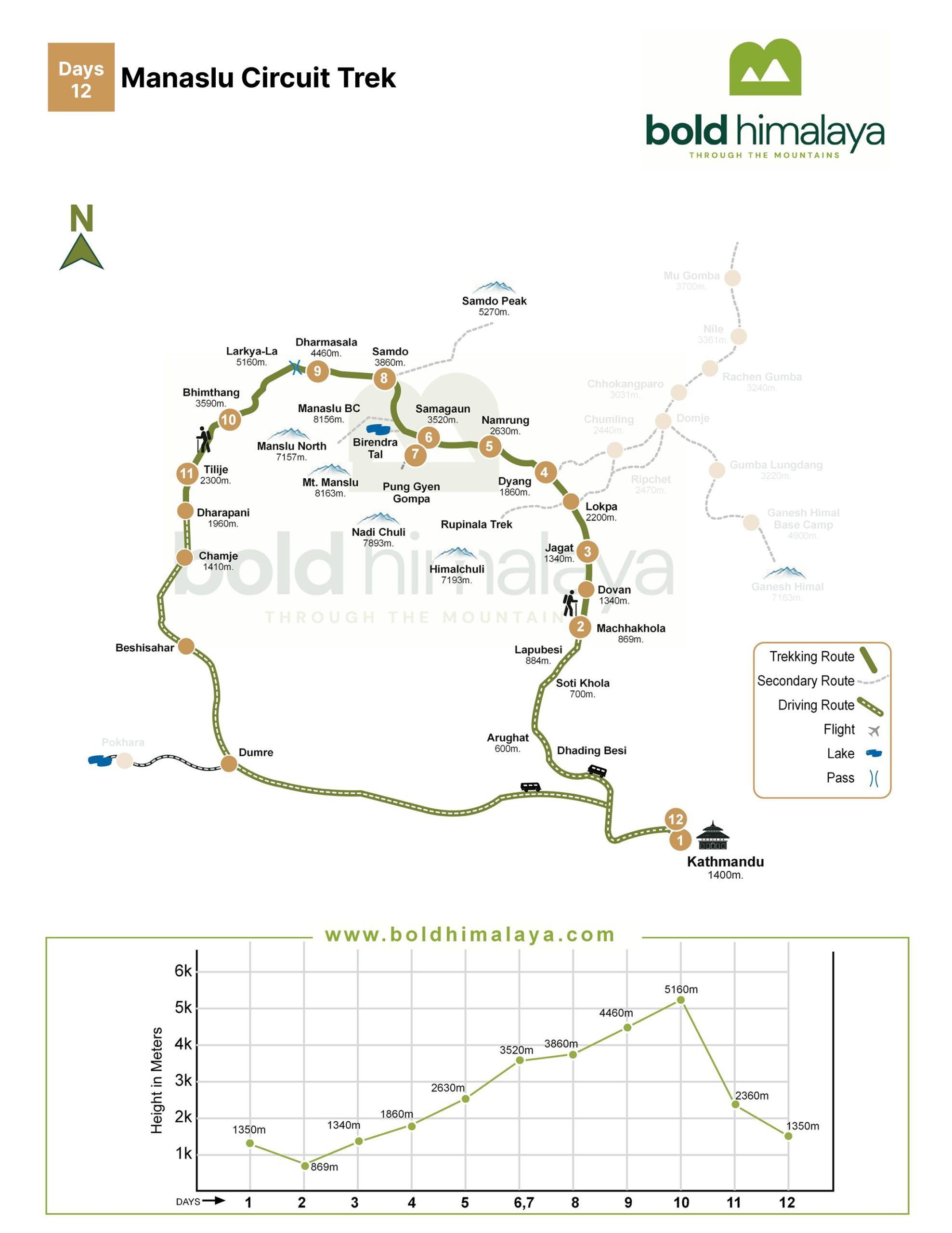
Route Map of Manaslu Circuit Trek

Manaslu Circuit Trek

Altitude Chart of Manaslu Circuit Trek

Good to Know About the Manaslu Circuit Trek

Your Journey, Step by Step

Best time to trek the Manaslu Circuit

The Manaslu Circuit Trek in Nepal can be attempted year-round, but choosing the right season ensures safer trekking, clear mountain views, and a memorable experience. For a detailed month-by-month guide, including temperature, trails, and visibility, check out Best Time to Visit Manaslu Circuit Trek.

Spring (March to May) – Ideal for Manaslu Trekking

Spring is the most popular and recommended time for the Manaslu Circuit Trek. Daytime temperatures range from 10°C to 20°C (50°F–68°F), while nights remain cool at 0°C to 10°C (32°F–50°F). The skies are mostly clear, offering spectacular views of Mount Manaslu and the surrounding peaks. This season is famous for rhododendron blooms, covering villages and trails with vibrant colors.

Tip: Spring is perfect for photographers and those trekking the Manaslu Base Camp Trek or combining it with the Manaslu and Tsum Valley Trek.

Autumn (September to November) – Clear Skies & Perfect Visibility

Autumn is another excellent season for the Manaslu Circuit Trek in Nepal. Day temperatures range from 10°C to 18°C (50°F–64°F), while nights can drop to 0°C, especially at high-altitude points like the Larkya La Pass Trek. This season offers the best visibility and crisp views of the Manaslu circuit peaks, making it ideal for trekking, photography, and cultural exploration.

Tip: Autumn is the busiest trekking season, so book your Manaslu Circuit Trek package early.

Winter (December to February) – For Experienced Trekkers

Winter trekking in the Manaslu Circuit is challenging but rewarding. Expect daytime temperatures of -5°C to 5°C (23°F–41°F) at higher altitudes, and extreme cold at night. Snowfall may block trails, especially around the Larkya La Pass, so only experienced trekkers with proper gear should attempt a short Manaslu trek or a full Manaslu Circuit Trek 13 days in this season.

Tip: Bring warm clothing, mouth and nose protectors, and trekking spikes.

Summer / Monsoon (June to August) – Green & Isolated Trekking

Monsoon season brings heavy rainfall to the Manaslu Circuit in Nepal, making trails muddy, slippery, and prone to landslides. Temperatures in lower altitudes range from 12°C to 25°C (54°F–77°F). The landscape becomes lush and vibrant, but visibility is often poor. Leeches are common in lower regions, especially in July.

Tip: Avoid trekking during peak monsoon if your goal is clear mountain views. However, for quiet Manaslu trekking and fewer crowds, early June or late August can still be rewarding.


Cost for the Manaslu Circuit Trek

Bold Himalaya provides the Manaslu Circuit Trek, delivering exceptional value. The cost varies based on your group size and desired level of service, such as the hotel in Kathmandu, the number of trekking crew members, and the type of transportation.

For our standard service, prices range from USD 750 to USD 1100, primarily determined by group size.  Here are the costs for the Manaslu Circuit trek based on group sizes:

Number of Trekkers

Cost Per Person in USD ($)

1 1100
2-2 975
3-5 925
6-9 875
10-14 825
15-20 785

Note: These are 2026/2027 prices for our standard service. All prices are per person and subject to change based on season and availability.

4 Major Factors Affecting Manaslu Trek Cost

  • Group Size: The #1 factor. Solo Manaslu trek costs the most; groups of 4+ offer the best value.

  • Season: Peak Seasons (Autumn: Sep-Nov & Spring: Mar-May) have standard pricing. Off-season (Winter/Summer) may offer 10-15% discounts.

  • Service Level:

    • Budget: Large groups, basic teahouses.

    • Standard (Our Offer): Balanced comfort/value.

    • Luxury: Upgraded lodges, private rooms, and helicopter options (+$500-$1000).

  • Trek Duration & Add-ons: Standard 13-day itinerary priced above. Adding Tsum Valley or Manaslu Base Camp adds 5-7 days and $400-$700.

Preparation for Manaslu Circuit Trek

The Manaslu Circuit Trek is a challenging adventure that requires both physical and mental readiness, along with the right gear. Here’s how to prepare for a successful and enjoyable trek.

Physical Preparation

Build your stamina and strength well before the trek. Engage in cardiovascular exercises like hiking, jogging, swimming, or cycling to improve endurance. Strength training, especially for your legs and core, is essential to handle the steep ascents and descents. Practice walking long distances while carrying a loaded backpack to get used to the extra weight you’ll carry during the trek. Start training at least 8–12 weeks in advance for the best results.

Mental Preparation

Trekking in the Himalayas can be as much a mental challenge as a physical one. Be ready for long days on the trail, changing weather, and basic accommodations. Use relaxation techniques like deep breathing or meditation to stay calm and focused. A positive mindset will help you enjoy the journey, even during tough sections like crossing Larkya La Pass at 5,160 m (16,930 ft).

Manaslu Circuit Trek Difficulty

Manaslu Circuit Trek is a challenging trek that exposes you to isolated paths, high-altitude passes, and steep ascents. The highest trekking point is Larkya La Pass at 5,106 m (16,752 ft), and therefore, altitude is the biggest challenge.

High Altitude

You will be at a high altitude and prone to dangers like altitude sickness. Its symptoms are headache, nausea, and dizziness. However, you can overcome this by acclimatizing gradually, spending additional nights at some points, staying hydrated with plenty of water, and avoiding alcohol and smoking.

To understand more about the challenges of the trek and how to prepare, check out how difficult the Manaslu Circuit Trek

Long Trekking Days

Expect to walk for 5-7 hours daily, often on rugged, rocky, and steep trails

Cold Temperatures

At high altitude and during winter, the temperature is below freezing, and the risk of hypothermia is higher. Bring warm clothing layers, insulated jackets, gloves, and a good sleeping bag that is rated for extreme weather.

Trail Conditions

Certain sections of the trail would be slippery, icy, and muddy, especially near the pass, so put on waterproof, tough trekking shoes with proper tread. Have trekking poles handy for assistance.

Physical Stamina

Some days you will have to take long walks that last 6–8 hours, and the trail consists of sharp rises and falls. Engage in cardio activities like hiking, jogging, or cycling weeks before your trek to build physical stamina.

Cultural Etiquette

The Manaslu region is culturally sensitive, so be sensitive to local customs. Dress modestly, ask permission to take a photo, and know a few words of the local language.

Unpredictable Weather

Himalayan weather will probably fluctuate in an instant, from sun to snow, so be prepared with an umbrella or raincoat and layer clothing.

Basic Teahouse Amenities

Lodges become more basic at higher altitudes. Mental preparedness for simple food and limited amenities is key.

Food Adjustment

You will be eating local cuisine throughout the trek, which will not be like your standard diet, so carry energy bars and snacks as a supplement.

Remote Medical Care

Hospitals are far away, so minor illnesses and injuries must be treated with first aid, so carry a personal first aid kit and basic drugs.

Manaslu Circuit Trek for Solo Trekkers

Solo trekking without a legally registered guide is prohibited within Manaslu since it is a restricted area. If you prefer to trek alone, though, you can join a permit group and hire an individual private guide.

We take care of your permits, group process, and send you a guide who gives you personal attention but respects your desire to trek alone.

Need a solo trek with total safety? Dial +977-9849615880

Available Facilities

Manaslu Circuit Trek facilities are minimal. You will have:

  • Accommodation: Basic tea houses with shared dormitories
  • Hot Water: Available in lower altitudes, sometimes extra cost
  • Internet & Wi-Fi: Available in some tea houses, but slow
  • Electricity: Available everywhere except Dharamshala and Samdo. Bring a solar charger or power bank.
  • ATMs: Available only in Kathmandu. Bring NPR 15,000–20,000 (USD not accepted on the trail).

Availability of Drinking Water

Drink 3–4 liters of water per day to be fully hydrated. In lower altitude areas, safe water is available, but at higher altitudes, tap or stream water is not safe to drink. Order boiled water at tea houses or take purification tablets and filters.

Electricity and Internet

Electricity is available for charging at most tea houses, typically for a fee. However, Dharamshala and Samdo have limited electricity. The internet connection is slow and unreliable, so don’t rely on it. Take a solar charger or a spare power bank.

ATMs

There are no ATMs along the Manaslu Circuit. Carry enough Nepalese rupees in Kathmandu before undertaking the trek. Carry at least NPR 15,000–20,000 for personal spending. Cards or USD are not acceptable.

Manaslu Circuit Trek Guides

Our guides are extremely familiar with each small detail of the Manaslu district. They ensure safety, provide background and history, and arrange logistics like accommodation and meals.

We also have porters at a small additional cost. We provide porters who can carry up to 20 kg so that you can trek more lightly and experience a better trekking experience, but make sure that your essentials are with you and not in the porter’s bags, as they might not always be walking alongside you.

As a mark of appreciation for their efforts, at the conclusion of your trek, it’s customary to tip 10–15% of the overall cost of your trip.

To know more about the trek, you can read A Complete Manaslu Circuit Trek Guide

Documents Required During this Trek

  • Passport (with a minimum validity of 6 months)
  • Nepal Visa
  • Permits (Manaslu Restricted Area Permit, MCAP, ACAP)
  • Travel Insurance documents

Nepal Visa Process

Nepal also offers an eVisa facility. You may apply online on the Nepal Immigration portal before travel. Otherwise, you can get a visa on arrival at Kathmandu airport. Make sure your passport has 6 months’ validity and carry passport photographs. 


Necessity of Insurance

Manaslu Circuit Trek should be insured. It must include high-altitude trekking, medical, evacuation, trip cancellation, and personal luggage. This gives security while trekking in remote areas where the weather is unpredictable.

Exercise Responsible Tourism

  • Do Not Waste: Carry refillable items such as water bottles, cutlery, and containers. Take back all your trash and dispose of it there.
  • Conserve Resources: Conserve water and electricity in lodges and teahouses; resources are limited in the mountains.
  • Avoid Using Plastic: Refill refillable water bottles with safe drinking water or use purification tablets rather than buying bottled water.
  • Reduce Carbon Footprint: Use public transport or shared vehicles to travel to trekking starting points.
  • Be Respectful towards Wildlife and Nature: Keep a distance from wildlife and do not disturb their habitat. Do not feed wildlife.
  • Responsible Purchase: Avoid products manufactured from threatened species or obtained illicitly. Support fair, locally crafted products.
  • Culturally Engage: Treat local people with respect, support cultural conservation, and consider making donations to community development projects.
  • Follow Rules: Obtain all permits necessary, avoid closed territories, and follow the guidance of your trekking guide.
  • Leave No Trace: Take nature with you as you took it, avoid littering, scratching rocks, or disturbing natural formations.

How to Book Reservations for This Trip

You can book the Manaslu Circuit Trek with us directly through our website. Fill up the online form using your own desired trip specifications. You may adjust the plan if needed before sending. We do need a 20% advance payment to hold a booking; this can be refunded in case of cancellation. Once we receive your payment, your spot is confirmed, and we will dispatch all further trip details to you.

For booking or inquiry, contact us at +977 9849615880 using WeChat, Viber, Line, or WhatsApp, available 24/7, or email us at [email protected].

Extendable Trekking Options

After the Manaslu Circuit Trek, you can still experience more of the Annapurna area through various extendable trekking options:

  • Tsum Valley Trek: Colourful and remote valley trek
  • Annapurna Circuit Trek: Traditional trek with diverse landscapes
  • Tsum Valley with Manaslu Circuit Trek: Do them together for an extended trek
  • Nar Phu Valley Trek: Off-the-beaten-path trek with stunning high-altitude landscapes

These options allow trekkers to explore more villages, valleys, and Himalayan landscapes after completing the Manaslu Circuit.

Other Options for Trekking

Nepal offers a variety of trekking routes, ranging from easy to challenging, outside of the Annapurna region. Terraced rice fields, open pastures, rocky slopes, and stunning suspension bridges with prayer flags flying are all abundant along the picturesque hiking track. Enjoy the short hikes while taking in the stunning surroundings.

Accommodation & Cultural Experience on the Manaslu Circuit Trek

The Manaslu Circuit Trek accommodation offers trekkers a genuine Himalayan experience, combining comfort with cultural authenticity. As a teahouse trek, travelers stay in locally-run lodges along the trail, where rooms are simple yet cozy, typically featuring single or twin beds with thin mattresses and pillows. While bedrooms lack heating, the dining areas are usually warmed by yak-dung or wood stoves, providing a welcoming communal space in the evenings.

Toilets are generally shared and often located outside the main building, reflecting the rustic charm of remote Himalayan villages. Meals at Manaslu Circuit teahouses include local and international options, with staples like dal bhat, noodles, soups, and snacks. On acclimatization days, such as hikes from Samagaon and Samdo, where teahouses are absent, guides arrange packed lunches to keep trekkers fueled for the high-altitude trek.

Staying in Gurung villages, Tamang villages, and Tibetan-influenced communities along the Manaslu trail not only provides essential rest but also offers cultural immersion, allowing trekkers to witness centuries-old traditions, local hospitality, and authentic Himalayan lifestyles.

Food on the Manaslu Circuit Trek

On the Manaslu Circuit Trek, food plays an essential role in keeping trekkers energized for the challenging high-altitude journey. Most teahouses along the trail provide simple yet hearty meals, offering a mix of traditional Nepalese and Tibetan cuisine.

Breakfast options often include chapatis, Tibetan bread, garlic omelets, pancakes, oatmeal, and hot tea, while lunch and dinner feature the staple dal bhat (rice, lentils, and vegetables), Tibetan momo dumplings, noodle soups like thukpa or chowmein, fried rice, and vegetable or egg curries.

These meals not only nourish the body but also offer a glimpse into the local culture of Gurung, Tamang, and Tibetan villages along the trek. For safety, it’s best to stick to cooked, hot foods, avoid meat at higher altitudes, and drink purified water.

Enjoying a hot plate of dal bhat or a cup of tea after a day of trekking provides warmth, energy, and comfort, making the Manaslu Circuit Trek experience even more memorable. To know more about the Food and Meals on the Manaslu Circuit Trek, you can read this blog.

Culture and Etiquette in the Manaslu Region

Trekking the Manaslu Circuit Trek isn’t just about stunning mountain views; it’s a journey into one of Nepal’s most culturally rich and spiritually profound regions. The trail winds through remote Tibetan‑influenced Buddhist villages, where ancient traditions, warm hospitality, and living heritage define everyday life.

From villages like Jagat, Namrung, Lho, Samagaon, and Samdo, you’ll see stone houses adorned with colorful prayer flags, mani walls inscribed with sacred Buddhist mantras, and chortens (stupas) marking spiritual crossroads. These symbols are not decorative—they reflect deep spiritual beliefs, and locals treat them with great reverence. Monasteries such as Pungyen Gompa, Ribung Gompa, and Sama Gompa are not just tourist stops but active centers of prayer, meditation, and monastic life.

As you walk through these cultural landscapes, you may catch monks chanting at dawn, witness villagers celebrating festivals like Losar (Tibetan New Year) with mask dances and ceremonial rituals, or share a warming cup of butter tea (po cha) brewed in a teahouse after a long day’s trek.

But with these memorable experiences comes the responsibility of respectful behavior. The local way of life is deeply tied to Buddhist customs, and simple gestures of respect go a long way:

  • Greet locals politely with “Namaste” or “Tashi Delek,” which are traditional greetings that are warmly received.
  • Dress modestly—cover shoulders and knees when entering villages and sacred sites.
  • Walk clockwise around mani walls, chortens, prayer wheels, and stupas; this mirrors local ritual practice and is considered respectful.
  • Remove shoes and hats before entering any gompa (monastery) or sacred prayer room.
  • Ask permission before taking photos of people, especially elders and monks.
  • Avoid touching sacred objects like prayer wheels, thangkas, or shrines unless invited to do so.
  • Do not point your feet at people or religious images, as feet are considered disrespectful in this culture.
  • Keep noise low in meditation halls and village prayer spots out of respect for ongoing rituals.

These practices are not just rules—they reflect the living Buddhist heritage and help ensure that your interaction with villagers of Gurung, Tamang, Nubri, and Bhotia backgrounds is thoughtful and enriching.

Interacting respectfully with communities enhances your trek and supports sustainable tourism, which helps protect cultural traditions while giving local people economic benefits from trekking. Simple acts like buying handmade goods, dining at local teahouses, or participating (with permission) in a festival deepen your connection to the Himalayan lifestyle and leave lasting memories far beyond the mountains themselves.


Manaslu Trek Permits Guide for Foreigners


All foreign trekkers planning the Manaslu Circuit Trek must secure two essential Manaslu Circuit Trek permits:

  1. Restricted Area Permit (RAP) – Required to enter the Manaslu region and preserve its cultural and environmental heritage.

  2. TIMS Card (Trekkers’ Information Management System) – Mandatory for trekking in Nepal’s regulated areas.

Permit Details:

  • Costs: For international trekkers, the restricted area permit for Manaslu costs approximately $70–$100 USD, while the TIMS card is around $20 USD. Fees vary by nationality.

  • Processing Time: Permits can be obtained in 3–5 working days through a registered Manaslu trek travel agency. Early application is highly recommended.

  • Visa Rules: A valid Nepal visa is required alongside the permits.

  • Solo Trekking: Independent trekking is not allowed in the restricted area. All foreign trekkers must hire a licensed local guide.

  • Common Mistakes: Late applications, missing documents, or attempting independent trekking can cause delays or legal issues.

Tip: Using a trusted Manaslu trek guide or agency ensures all permits are processed correctly, avoids errors, and allows a smooth start to your journey.

Additional Nationality-Based Cost Info

  • Indian Trekkers: Usually $50–$70 USD for RAP (discounted)
  • Nepali Citizens / Residents: Not required
  • Other Foreign Nationals: $70–$100 USD, depending on country


Safety & Altitude Preparation on the Manaslu Circuit Trek

The Manaslu Circuit Trek is a high-altitude adventure, with its most challenging point at Larkya La Pass (5,106 m / 16,752 ft). Proper safety measures, acclimatization, and preparation are essential to ensure a successful and unforgettable trek.

Acclimatization Days

Rest days at villages like Samagaun and Samdo help your body adjust gradually to high altitudes. Many trekkers take short acclimatization hikes around these villages to reduce the risk of altitude sickness while enjoying the stunning Himalayan scenery and local culture.

Altitude Sickness Prevention

Stay hydrated, avoid alcohol, and eat well-balanced meals. Ascend slowly and monitor for symptoms such as headaches, dizziness, or nausea. Medications like acetazolamide can help, but always consult a doctor before use. According to real Manaslu trek experiences, gradual acclimatization and proper hydration are key to a safe trek.

Emergency Protocols

Carry a first aid kit, oxygen supply, and a reliable communication device. Your Manaslu local guide from a trusted Manaslu trek agency in Nepal or a Manaslu trekking company like Bold Himalaya can provide vital support, knowledge of the safest evacuation routes, and expert guidance in emergencies.

Transport for Manaslu Circuit Trek

Getting to the Manaslu region and navigating the starting points of the trek is a key part of planning your Manaslu Circuit Trek. Proper transport arrangements ensure a smooth start to your journey on this remote, culturally rich, and scenic Himalayan adventure.

From Kathmandu to Arughat / Soti Khola

Most trekkers begin the Manaslu Trek in Nepal from Kathmandu. You can take a private vehicle or local bus to Arughat Bazaar, which serves as the gateway to the trek. A private Manaslu trek agency in Nepal can arrange comfortable transportation, saving time and providing safety on winding mountain roads. The journey usually takes 8–10 hours, depending on road conditions.

Along the Trekking Manaslu Circuit Route

From Arughat or Soti Khola, porters and jeeps often transport luggage and supplies to lower villages. This allows you to focus on trekking the Manaslu Circuit, including stops like Jagat, Deng, Namrung, and Samagaun. Using local transport for gear is especially helpful for the Mount Manaslu Trek and the Larkya La Pass Trek, where altitude and terrain demand careful energy management.

Access to Manaslu Base Camp Trek

For trekkers planning the Manaslu Base Camp Trek, transport logistics are crucial. Most itineraries include a combination of private vehicles, shared jeeps, and walking routes to reach the starting villages efficiently. A trusted Manaslu local guide can advise the best transport options, taking into account seasonal road conditions and safety.

Return from the Trek

After completing the Manaslu Circuit Trek Itinerary, trekkers usually return to Arughat or Besisahar by jeep or local transport before heading back to Kathmandu. Booking your return transport through your Manaslu trekking company or agency ensures reliability and peace of mind.

Pro Tips for Transport on Manaslu Trekking

  • Early booking through a Manaslu Circuit Trek package helps secure private vehicles during peak season.

  • For international travelers, ensure your Manaslu trek itinerary for foreigners accounts for road travel times and acclimatization needs.

  • If combining the Manaslu Circuit Trek with other treks, like the Annapurna Circuit, a multi-trek transport plan can save time and reduce stress.

  • Always check for seasonal disruptions; monsoon and winter months can affect road access on the Manaslu Circuit Trek route map.

By arranging reliable transport, your Manaslu Trek becomes safer, more enjoyable, and easier to navigate, letting you focus on the breathtaking peaks of Manaslu, Cheo Himal, Himlung Himal, and Annapurna II and the cultural richness of villages along the way.

Tips for a Successful Manaslu Circuit Trek

The Manaslu Circuit Trek is one of Nepal’s most rewarding high-altitude adventures, offering breathtaking landscapes, rich cultural encounters, and the thrill of crossing Larkya La Pass. To make the most of your journey on this Trekking Manaslu Circuit, follow these essential tips for safety, comfort, and a truly memorable experience.

1. Choose the Right Itinerary

Whether you are planning the Manaslu Circuit Trek 13 days, a short Manaslu trek, or combining it with the Manaslu and Tsum Valley Trek, selecting the right Manaslu Circuit Trek itinerary is key. Allow sufficient days for acclimatization to prevent altitude sickness, especially at high passes like the Larkya La Pass Trek.

2. Travel with a Licensed Guide or Agency

Hiring a Manaslu Circuit Trek guide or booking through a trusted Manaslu Circuit Trek package ensures smooth logistics, local insights, and safety. Bold Himalaya, a reputable Manaslu trek agency in Nepal, provides expert guides who manage permits, offer cultural insights, and ensure a safe journey across the Manaslu Circuit Nepal trails.

3. Prepare for High-Altitude Challenges

The trek reaches over 5,100 meters at Larkya La, making altitude acclimatization critical. Take rest days in villages like Samagaun or Samdo, stay hydrated, eat nutritious meals, and monitor for symptoms of altitude sickness. Proper preparation ensures you can enjoy the Mount Manaslu Trek without health risks.

4. Pack Smart for the Manaslu Trek

Packing for the Manaslu Trek is crucial for comfort and safety. Essential items for the Manaslu Base Camp Trek and Manaslu Trekking include layered clothing, trekking boots, a down jacket, sleeping bags, trekking poles, and a reliable first-aid kit. Lightweight packing improves endurance for long days on the Manaslu Circuit trails.

5. Plan Your Budget Carefully

Understand the Manaslu Circuit Trek cost, Manaslu trek price, or Manaslu trek cost for your journey. Include expenses for permits, guides, accommodation, meals, and emergency contingencies. Comparing Manaslu Circuit Trek Nepal packages ensures you get value without compromising safety or comfort. To know about how to trek Manaslu on a Budget you can read this article.

6. Respect Local Culture and Environment

The Manaslu Circuit passes through remote Buddhist villages. Engage respectfully with locals, follow trekking etiquette, and minimize environmental impact. Choosing a Manaslu local guide helps you understand cultural norms while supporting the local economy.

7. Stay Flexible and Mindful

Weather, trail conditions, and health can affect your Manaslu Circuit Trek itinerary. Be prepared to adjust plans, stay patient, and listen to your guide’s advice. Flexibility allows you to enjoy highlights like the Manaslu Base Camp Trek, scenic views of Mount Manaslu, and the serene beauty of the Manaslu Circuit in Nepal.

8. Capture the Experience

From the towering peaks of Manaslu and Cheo Himal to cultural encounters along the Manaslu route, documenting your trek is a must. Photos, videos, or even a travel journal can help you relive the trek and share your real Manaslu trek experiences with others planning their adventure. For breathtaking moments, don’t miss the best sunrise and sunset views on the Manaslu Trek


Altitude & Fitness Requirements for the Manaslu Circuit Trek

The Manaslu Circuit Trek is one of Nepal’s most breathtaking high-altitude treks, with the iconic Larkya La Pass reaching 5,106 meters (16,752 ft). Completing this trek requires careful altitude preparation, physical fitness, and proper planning. Whether you are planning a short Manaslu Circuit trek, a full 13-day Manaslu Circuit Trek itinerary, or combining it with the Manaslu and Tsum Valley Trek, understanding your body’s limits is crucial for safety and enjoyment.

1. Altitude Considerations

  • The trek crosses high passes and remote Himalayan villages, including Samagaun, Samdo, and Lho, where altitude gain can be significant.

  • Acclimatization days are essential. Plan rest days at strategic points along the Manaslu route to reduce the risk of altitude sickness on the Manaslu Trek.

  • Symptoms like headache, nausea, dizziness, and shortness of breath can occur above 3,500 meters. Trekking with a licensed Manaslu Circuit Trek guide ensures early recognition and management of these symptoms.

2. Physical Fitness Requirements

  • The Manaslu Circuit Trek difficulty is moderate to challenging, requiring endurance for long trekking days and steep ascents like the Larkya La Pass Trek.

  • Recommended fitness includes:

    • Cardiovascular training: Running, cycling, or swimming for stamina.

    • Leg strength: Squats, lunges, and stair climbing for uphill trekking.

    • Backpack practice: Simulate trekking conditions with weighted packs to adjust to Manaslu Base Camp Trek loads.

  • Trekkers with prior experience in Mount Manaslu Trek or similar high-altitude treks in Nepal adapt more easily to the demands of the Manaslu Circuit.

3. Solo Trekkers vs Guided Treks

  • While adventurous, the solo trekking Manaslu Circuit Trek is restricted in some sections due to permit regulations. Hiring a Manaslu Circuit Trek local guide or joining a Manaslu Circuit Trek package ensures:

    • Proper acclimatization advice

    • Emergency evacuation knowledge

    • Accurate route guidance along the Manaslu trek map and the Manaslu Circuit trekking map

4. Tips to Prepare for High Altitude

  • Start trekking training 2-3 months before the trip.

  • Maintain hydration and balanced nutrition throughout the trek.

  • Consider acclimatization medication (e.g., acetazolamide) after consulting a doctor.

  • Listen to your body and avoid rapid ascents on the Mount Manaslu Trek or the Larkya La Pass Trek.

 Bold Himalaya’s carefully designed 13-day Manaslu Circuit Trek itinerary allows trekkers to gradually ascend through key villages like Soti Khola, Jagat, Dharapani, Namrung, Samagaun, Samdo, and Lho, providing essential acclimatization days before tackling the challenging Larkya La Pass Trek.

By following this structured itinerary, trekkers can adapt comfortably to high altitude, enjoy cultural experiences in remote villages, and maximize safety while witnessing the majestic peaks of Mount Manaslu, Cheo Himal, and Himlung Himal.

Emergency & Medical Facilities on the Manaslu Circuit Trek

Trekking the Manaslu Circuit Trek involves high-altitude challenges, so knowing about emergency help on the Manaslu Trek is essential. Basic health posts are available in villages like Samagaun and Samdo, but advanced medical care is only in larger towns like Besisahar or Kathmandu.

For serious issues, helicopter evacuation can be arranged through a licensed Manaslu Circuit Trek guide or agency. Carry a personal first-aid kit, stay hydrated, eat well, and acclimatize properly to prevent altitude sickness.

Being prepared ensures a safe and enjoyable Manaslu Trek Nepal experience, whether you’re doing a short Manaslu trek or a full Manaslu Circuit Trek 13days.

Manaslu Circuit Trek vs Annapurna Circuit Trek

Feature Manaslu Circuit Trek Annapurna Circuit Trek
Difficulty Hard – high altitude, rugged trails, Larkya La Pass (5,160 m) Moderate – lower altitude on most sections, well-established trails
Crowds Low – off-the-beaten-path, fewer trekkers High – very popular, especially in autumn
Scenery Remote Himalayan villages, glaciers, alpine meadows, Mount Manaslu (8,163 m) Diverse landscapes: rivers, valleys, terraced fields, Annapurna range
Culture Rich Tibetan & Gurung culture, Buddhist monasteries Mixed ethnic culture: Gurung, Thakali, Magar, temples & villages
Altitude Max 5,160 m (Larkya La Pass) Max 5,416 m (Thorong La Pass)
Best For Experienced trekkers seeking adventure & solitude Beginners & first-time trekkers seeking an iconic Nepal experience
Permits Restricted area, guided trek mandatory Open area, permits required, but no guide needed
Spiritual Experience High – Tibetan Buddhist influence, quiet & reflective Moderate – cultural, less spiritual immersion

Cultural Highlights of Manaslu Circuit Trek

  • Tibetan & Gurung Villages: Experience daily life in traditional Himalayan settlements like Sama Gaon, Samdo, and Samagaon.

  • Buddhist Monasteries & Gompas: Visit centuries-old monasteries such as Pungyen Monastery, offering insight into Tibetan Buddhist practices.

  • Chortens & Prayer Walls: See prayer wheels, mani walls, and colorful stupas along the trail, reflecting local spiritual traditions.

  • Festivals & Traditions: If your trek coincides with local festivals like Losar (Tibetan New Year) or Gurung New Year, you’ll witness music, dance, and vibrant cultural celebrations.

  • Traditional Crafts & Handicrafts: Local artisans create thangka paintings, woodwork, and metal crafts, showcasing Himalayan artistry.

  • Authentic Hospitality: Enjoy warm interactions with locals over butter tea or meals, giving a glimpse into centuries-old hospitality traditions.


The Manaslu Circuit Trek is not just a physical journey—it’s a cultural and spiritual immersion, allowing trekkers to connect deeply with Nepal’s Tibetan-influenced heritage.

Manaslu Circuit Trek Permit Process for Foreigners

To trek the Manaslu Circuit in Nepal, all foreign travelers must obtain special permits because this route passes through a restricted area. You cannot get these permits on your own — they must be arranged through a registered Nepali trekking agency, and you must trek with a licensed guide and a group of at least two people.

1. Manaslu Restricted Area Permit (RAP)

This is the most important permit and is mandatory for all trekkers in the Manaslu region. You must apply for it before the trek starts — it is not issued at trail checkpoints. The cost varies with the season:

  • Peak season (Sep–Nov, Mar–May): ~USD 100 for the first 7 days + USD 15 per extra day.
  • Off‑season (Dec–Aug): ~USD 75 for the first 7 days + USD 10 per extra day.

It is processed through the Department of Immigration in Kathmandu by your trekking agency.

2. Manaslu Conservation Area Permit (MCAP)

Required to enter the Manaslu Conservation Area along the trek.

  • Costs around NPR 3,000 (~USD 25) for foreigners.

This can be handled by your trekking agency or obtained at the Nepal Tourism Board offices.

3. Annapurna Conservation Area Permit (ACAP)

The Manaslu Circuit route exits toward the Annapurna Conservation Area near the end of the trek. For this section, you must also have an ACAP permit:

  • Also around NPR 3,000 (~USD 25) for foreigners.

This can be arranged by your agency or from the Nepal Tourism Board offices.


How the Permits Are Processed

  • Book the trek with a registered agency in Nepal.
  • Submit documents (passport copy, photos, Nepal visa details, trek plan) to the agency.
  • The agency is associated with the Department of Immigration (RAP) and Nepal Tourism Board (MCAP & ACAP).
  • Permits are printed and checked at checkpoints along the trail (e.g., Jagat, Philim, Samagaon, Dharapani).


Important Rules to Know

  • You must trek with a government‑licensed guide and be in a group of at least two foreign trekkers — solo trekking is not allowed for Manaslu restricted permits.
  • Permits must exactly match your itinerary days — extra days beyond what you applied for cost additional fees.
  • Carry printouts of all permits and your passport — authorities check them at multiple checkpoints.


Foreign trekkers must get RAP, MCAP, and ACAP permits through a licensed trekking agency before starting the Manaslu Circuit Trek, and you cannot enter the restricted zone without them.


Cultural Demographics

The Manaslu region is unique because it transitions through two distinct cultural zones:

  • Lower Region (Jagat to Namrung): Primarily inhabited by the Gurung and Tamang ethnic groups (Indo-Aryan and Tibeto-Burman influences).
  • Upper Region (Lho to Samdo): Inhabited by the Bhotias (people of Tibetan descent). These communities speak a dialect of Tibetan and practice strictly Tibetan Buddhism.
  • Statistics: Over 90% of the inhabitants in the upper Manaslu region (Nupri Valley) follow Bon or Buddhist traditions, which is why you will see an abundance of mani walls and chortens.


Cultural Tapestry of the Manaslu Region

Trekking the Manaslu Circuit is a journey through a living cultural museum. You’ll experience ancient traditions preserved for centuries by the Gurung, Tamang, and Tibetan-descent communities in remote Himalayan villages.

Here are the key cultural highlights you’ll encounter:

  • Sacred Architecture & Symbols:

    • Mani Walls & Prayer Wheels: Walk past long stone walls intricately carved with Buddhist mantras (Om Mani Padme Hum) and spin colorful prayer wheels lining the trails—a deeply meditative practice.

    • Ancient Monasteries (Gompas): Visit spiritual centers like Pungyen Gompa near Samagaon, where the air is thick with incense and the hum of monastic chants.

    • Stupas & Chortens: See these iconic Buddhist monuments, often adorned with the “all-seeing eyes” of Buddha, marking sacred spots and passes.

  • Vibrant Festivals & Traditions:

    • Losar (Tibetan New Year): If trekking in February/March, you might witness this vibrant festival marked by masked dances, family feasts, and ancient rituals.

    • Gurung & Tamang Festivals: Experience local New Year celebrations filled with traditional music, dance, and communal joy.

  • Traditional Arts & Craftsmanship:

    • Handwoven Attire: Observe locals in traditional dress—women in vibrant chubas and patterned aprons, men in distinctive bakhus and hats.

    • Thangka Paintings: See exquisite scroll paintings depicting Buddhist deities, created with natural pigments.

    • Intricate Metalwork & Woodwork: Notice the skill in carved doorways, furniture, and ritual objects in villages and monasteries.

  • Authentic Himalayan Hospitality:

    • Shared Meals & Stories: The true heart of Manaslu’s culture is its people. Experience legendary Nepali hospitality—sharing a cup of salty butter tea in a family’s kitchen or exchanging stories around the lodge fireplace.

This immersive cultural experience, far from the modern world, is what makes the Manaslu Circuit Trek uniquely transformative.

FAQs About the Manaslu Circuit Trek

Your Questions, Answered

How tough is the Manaslu Circuit Trek?

Manaslu Circuit Trek is a hard trek with very high altitude, difficult trails, and Larkya La Pass at 5,106m (16,752 ft). Basic trekking gear, physical health, and good acclimatization are required, especially in winter.

How long is the Manaslu Circuit Trek?

Typically, the trek takes 13 days to travel 177 km (110 miles) from Kathmandu to Besisahar and back to Kathmandu. It can be done within 9 to 16 days based on your own pace, itinerary, and preference.

Is the Manaslu Circuit Trek for beginners?

Yes, fit new trekkers with a walking capacity of 4–6 hours a day can attempt the trek after proper acclimatization and preparation. Larkya La Pass at 5,106m requires good stamina as well as acclimatization.

What else can I trek along with the Manaslu Circuit Trek?

You can join the trek with other treks such as Annapurna Circuit, Manaslu Base Camp, Tsum Valley Trek, or Nar Phu Valley Trek. Bold Himalaya can customize your itinerary based on your duration.

How costly is the Manaslu Circuit Trek?

The price ranges from $1100 to $750 based on stay duration, services, and group members. Bold Himalaya offers 14 days at $750 to the group, including meals, accommodation, and guided service.

What is the best time for the Larkya La Pass Trek?

The best times are spring (March–May) and autumn (September–November) with favorable weather, comfortable temperatures, and wonderful views. Treks in winter (December–February) may have snow, and Monsoon (July) may have heavy rainfall, but it’s still possible.

Do I need supplemental oxygen for the Manaslu Circuit Trek?

No, oxygen is not required. Adequate acclimatization practices, gradual ascent, and adequate hydration are sufficient to avoid altitude sickness.

Is it possible to purchase a Manaslu Trek permit individually?

No, single permits are not allowed. You must trek in a group of at least one person, and the permits are booked through licensed trekking companies.

Solo trekkers allowed?

Solo trek is allowed with a personal guide. For small groups or individual travelers, Bold Himalaya can offer guide services and permits by booking the permit with someone else and later splitting for the solo trek.

What are the advantages of the Manaslu Circuit trek?

The trek provides physical and mental refreshment, breathtaking views of the Annapurna and Manaslu range, glacial lakes, green vegetation and wildlife, and a cultural experience with Gurung and Sherpa villages for a day’s stay.

How many acclimatization days are required for the Manaslu Circuit?

Two acclimatization days in Samagaun and Samdo are enough for the 13–14-day trek.

What is accommodation quality on the trek?

There is accommodation in plain teahouses along the trekking route. Electric facility and hot shower at most locations except very remote destinations like Dharamsala and Samdo. Carry a solar charger for your electronic devices.

How much water do I have to drink while trekking?

Drink a minimum of 3–4 liters of water daily. Drink boiled ot filtered water at high altitudes to avoid dehydration and water-borne diseases.

Are there any ATMs on the Manaslu Circuit?

No, only in big towns. Take 15,000–20,000 NPR for extra expenses since dollars are not accepted.

What gear and clothing should I bring?

Layering attire, down jackets, hats, gloves, trekking boots, trekking poles, and sub-freezing sleeping bags are essential items. Thermal set-up is optimal in winter, but comfortable light clothes are sufficient up to Namrung during the daytime.

What physical conditioning level do I recommend?

Cardio training, pack hiking, and leg and core training will prepare you for the more strenuous hiking days and mountain ascents.

What is the mental preparation needed?

Patience, concentration, and positive mental attitude are needed. Stress training, meditation, and proper breathing will allow you to hike at high altitude without danger.

What are the cultural etiquette in the local area?

Be courteous to local culture, dress modestly, say “Namaste” while meeting locals, request permission to take photographs, and adhere to monasteries’ rules.

What are trekking safety measures?

Your safety is attended to by porters and guides, who monitor altitude sickness, assist with logistics, and provide cultural sensitivity. At least first aid kits are recommended.

How do I reserve the Manaslu Circuit Trek?

Book online via Bold Himalaya’s online booking form with a prepayment of 20%. Contact Nepal Mobile +977 9849615880 on WhatsApp, Viber, Line, or WeChat for inquiry or customization.

What is the Manaslu Circuit Trek?

The Manaslu Circuit Trek is a high-altitude trekking route that circles Mount Manaslu (8,163m), the eighth-highest mountain in the world. It is a remote and culturally rich trek in Nepal that offers a perfect blend of Himalayan scenery, Tibetan-influenced villages, Buddhist monasteries, deep river gorges, glaciers, and dramatic mountain passes.

The trek is known for being less crowded than Everest and Annapurna, making it ideal for trekkers seeking a peaceful and authentic Himalayan experience.

Where is the Manaslu Circuit Trek located?

The Manaslu Circuit Trek is located in north-central Nepal, in the Gorkha District, close to the Tibetan (China) border. The trail follows the Budhi Gandaki River valley and passes through remote Himalayan villages before crossing the high mountain pass of Larkya La and connecting to the Annapurna region.

What is the highest point of the Manaslu Circuit Trek?

The highest point of the Manaslu Circuit Trek is Larkya La Pass, which stands at an altitude of 5,106 meters (16,752 feet) above sea level.

What is Larkya La Pass?

Larkya La Pass is the highest and most challenging section of the Manaslu Circuit Trek. It is a high mountain pass that connects the Manaslu region with the Annapurna region. Crossing Larkya La is the highlight of the trek, offering breathtaking views of Himlung Himal, Cheo Himal, Kang Guru, and Annapurna II. It is known for its dramatic scenery, glaciers, snow-covered landscapes, and powerful sense of achievement.

What permits are needed for Manaslu Circuit Trek?

To trek the Manaslu Circuit, you need three mandatory permits:

  • Manaslu Restricted Area Permit (RAP) – required for restricted sections of the trail

  • Manaslu Conservation Area Permit (MCAP)

  • Annapurna Conservation Area Permit (ACAP)– required after crossing Larkya La Pass into the Annapurna region

All permits are compulsory and must be arranged through a registered trekking agency in Nepal.

How to get permits for Manaslu Circuit Trek?

Permits for the Manaslu Circuit Trek are obtained through a licensed Nepali trekking agency such as Bold Himalaya. Independent permit applications are not allowed for foreigners. You must provide:

  • Passport copy

  • Visa copy

  • Trek itinerary

  • Minimum of two trekkers (as required by restricted area rules)

  • A licensed government-registered guide

The agency processes all permits on your behalf before the trek begins.

Do foreigners need a guide for Manaslu Circuit Trek?

Yes. Foreign trekkers are legally required to have a licensed guide for the Manaslu Circuit Trek. The trek passes through restricted areas, and Nepali government regulations mandate trekking with an authorized guide and agency for safety, control, and conservation purposes.

Is Manaslu Circuit Trek open all year?

The Manaslu Circuit Trek is not suitable year-round. While technically accessible throughout the year, the best seasons are:

  • Spring (March–May)

  • Autumn (September–November)

During the monsoon season (June–August), heavy rain, landslides, and poor visibility make trekking unsafe. In winter (December–February), heavy snowfall and extreme cold can block Larkya La Pass, making the trek dangerous or impossible.

How cold does it get on Manaslu Circuit Trek?

Temperatures on the Manaslu Circuit Trek vary by altitude and season. In higher regions:

  • Daytime temperatures: 5°C to 12°C (41°F to 54°F)

  • Night temperatures: can drop to -10°C to -20°C (14°F to -4°F), especially near Larkya La Pass and high camps

In winter, temperatures can fall even lower, with extreme wind chill at high elevations.

Is the Manaslu Circuit Trek suitable for older trekkers?

Yes, the Manaslu Circuit Trek is suitable for older trekkers who are physically fit, healthy, and well-prepared. Age is not a barrier—fitness, acclimatization, and pacing matter more. With a well-designed itinerary, acclimatization days, porter support, and a professional guide, many older trekkers complete this remote Himalayan trekking adventure.

Is the Manaslu Circuit Trek safe for beginners?

The Manaslu Circuit Trek is not ideal for complete beginners. Due to its altitude, remoteness, and physical demands, it is better suited for trekkers with some prior trekking or hiking experience. However, fit beginners with good preparation, proper training, and a guided Manaslu Circuit Trek itinerary can successfully complete the trek with professional support.

Is Manaslu Circuit Trek good for foreigners?

Yes, the Manaslu Circuit Trek for foreigners is an excellent choice. It is one of the best remote trekking experiences in Nepal, offering rich culture, Buddhist heritage, Himalayan landscapes, and authentic village life.

As a restricted area trek in Nepal, it is well-managed, safe, and organized through licensed agencies, making it ideal for international travelers, Europeans, Americans, and foreign tourists seeking a guided Himalayan adventure.

Can I do Manaslu Circuit Trek without a guide?

No. You cannot do the Manaslu Circuit Trek without a guide. The trek lies in a restricted area of Nepal, and government regulations require:

  • A licensed local guide

  • A registered trekking agency

  • A minimum of two trekkers
    Independent trekking is not permitted for foreigners on the Manaslu route.

Is Manaslu Circuit Trek a restricted area?

Yes. The Manaslu Circuit Trek is a restricted area trek in Nepal. Special permits, a licensed guide, and a registered trekking agency are legally required for all foreign trekkers.

How much does it cost to trek Manaslu Circuit?

The Manaslu Circuit Trek cost varies based on:

  • Trek duration

  • Group size

  • Guide and porter services

  • Accommodation type

  • Permit costs

  • Transport

  • Service level (budget, standard, luxury)

On average, prices range from mid-range trekking packages to premium luxury trekking options, depending on services included.

Is Manaslu Circuit Trek crowded like Everest?

No. The Manaslu Circuit Trek is not crowded like Everest or Annapurna. It is known as one of the best offbeat treks in Nepal, offering quiet trails, peaceful villages, and a more authentic Himalayan trekking experience.

To know more about whether the Manaslu Circuit Trek is harder than the Everest Base Camp Trek, you can read this blog post.

Is Manaslu Circuit Trek spiritual?

Yes. The Manaslu Circuit Trek spiritual experience is one of its highlights. The route passes through Buddhist villages, monasteries, mani walls, prayer flags, and sacred Himalayan landscapes, making it ideal for spiritual trekking in Nepal and Buddhist trekking in Nepal.

What food is available on Manaslu Trek?

Food on the Manaslu Trek is available in teahouses and lodges along the route. Common meals include:

  • Dal bhat (rice, lentils, vegetables)

  • Noodles and pasta

  • Fried rice

  • Tibetan bread

  • Momos (dumplings)

  • Soup

  • Tea, coffee, and hot drinks

The food is simple, nutritious, and suitable for high-altitude trekking.

How many people have died on Manaslu?

As of the latest verified records, a total of 90 climbers have died on Mount Manaslu, the world’s eighth-highest peak (8,163 m).

This total includes climbers who lost their lives due to avalanches, falls, altitude-related causes, and other hazards while attempting to summit the mountain.

Which is better: Manaslu Circuit Trek or Annapurna Circuit Trek?

It depends on your preference. The Manaslu Circuit Trek is quieter, more remote, and culturally rich, ideal for adventure and spiritual experiences. The Annapurna Circuit Trek is more developed, easier to access, and offers diverse landscapes with better facilities, making it suitable for beginners and first-time trekkers.

Reviews

What Our Travelers Say

Based on 3 ratings

4.7

Add a Review

A Customized Trek Experience With Bold Himalaya

I had always dreamed of completing the Manaslu Circuit Trek, but my friends and I had only a short window of time to make it happen. I wanted a customized experience, a shortened trip, and Bold Himalaya made it all possible. They arranged a private vehicle for us, perfectly suited to our schedule, and took care of every detail so we could focus on the adventure. 

From the moment we met our guide, we felt completely supported. He was incredibly attentive to our comfort and safety, making sure we were well-prepared for each day’s trek. The porters were equally wonderful, carrying our bags and helping us whenever needed.

Every step of the journey was worth it; the views were breathtaking, from lush valleys to snow-capped peaks. Crossing the Larkya La Pass was challenging but unforgettable, and the sense of achievement at the top was indescribable. 

Thanks to Bold Himalaya, we had a seamless, memorable experience. Their professionalism, flexibility, and warm approach made the trek stress-free and incredibly rewarding. I would highly recommend them to anyone wanting to explore the Manaslu Circuit, whether with friends, family, or even solo with their private guide services

Read More
TP
Thomas Pointing USA

Trek Made Comfortable

We completed the Manaslu Circuit Trek with Bold Himalaya and were impressed with the overall experience with the team 🙂 Throughout the trek, we were led by a professional guide and porter who placed our safety and comfort as their top priority. We highly recommend this team for any future treks!

Read More
ZJ
Zi Jing Korea

Thanks to Bold Himalaya

We really enjoyed to Manaslu circuit trek. The guide was fantastic, informative, and helpful. Massif landscape and beautiful landscape are the most catchy parts of the trek. We had good food and nice accommodations. Thanks, Bold Himalaya and team, for organizing the wonderful Manaslu trek.

Read More
ND
Nolam Dr Australia

Also Check OutOther Similar Packages

Each trek is unique in its own way and each adventure will inspire you differently. Discover other popular tours that are visited by thousands of travellers annually.

Manaslu Base Camp Trek

Manaslu Base Camp Trekking is one of the attractive trekking in...
Bold Himalaya team reaching Larkya La Pass (5,160 m / 16,929 ft) on the Short Manaslu Circuit Trek Larkya La Pass

Save 26%

Short Manaslu Circuit Trek

Highlights View of the 8th-highest peak in the world, Mt. Manaslu...
Thorung La Pass: A Scenic Gateway Between Manang and Mustang in Annapurna Circuit Trek

Save 29%

Annapurna Circuit Trek

The Annapurna Circuit Trek (11 Days) is one of the world’s...
Most Selling Tour

2 Day Kathmandu Valley Sightseeing Tour

Kathmandu Valley Sightseeing Tour: The capital and most popular travel destination...
Nar Phu Valley with Annapurna Circuit Trek

Nar Phu Valley with Annapurna Circuit Trek

Looking for a lifelong Himalayan experience? Nar Phu Valley with Annapurna...

$750

Per Person
Quick Inquiry

Plan a trip

Explore the recognitions we've earned and the legal foundations we've built.

What is the destination of choice? [Select Multiple]

Explore the recognitions we've earned and the legal foundations we've built.

Flexible Flexible
Nepal Nepal
India India
Bhutan Bhutan
China China
Maldives Maldives
Indonesia Indonesia
Peru Peru
What activities are you interested in?

Explore the recognitions we've earned and the legal foundations we've built.

Flexible
Trekking/Hiking
Tours sightseen
Peak Climbing
Wildlife & Nature
Biking & Cycling
Water Sports
Day Tours
Helicopter Tours
Spiritual Religious
Hunting
Travel Date & Duration

Explore the recognitions we've earned and the legal foundations we've built.

Contact Information

Explore the recognitions we've earned and the legal foundations we've built.

Bookmark Added Successfully
You can always view your bookmarks on the profile page.
Error
You can always view your bookmarks on the profile page.
Warning
You can always view your bookmarks on the profile page.
Information
You can always view your bookmarks on the profile page.
invoice
Bold Himalaya Kuleswor-13, Kathmandu, Nepal https://www.boldhimalaya.com +977-9862964046
BILL TO John Michael [email protected] +977-9819947321 Triyuga, Udayapur, Koshi Province, Nepal
  • Invoice #156
  • Created 15/11/2024
  • Due 28/11/2024
  • Booking Number #156
  • Booking Status Processing
  • Payment Method Offline Payment
  • Tour Name Everest Basecamp Trek
  • Address Indonesia
  • Departure Date 12 Nov. 2024
  • Duration 4 Days
  • Adult 2
Pricing
  • Adult: 2 * $700 $1,400
  • Service Tax $0
  • Discount - $100
  • Invoice #156
  • Created 15/11/2024
  • Due 28/11/2024