
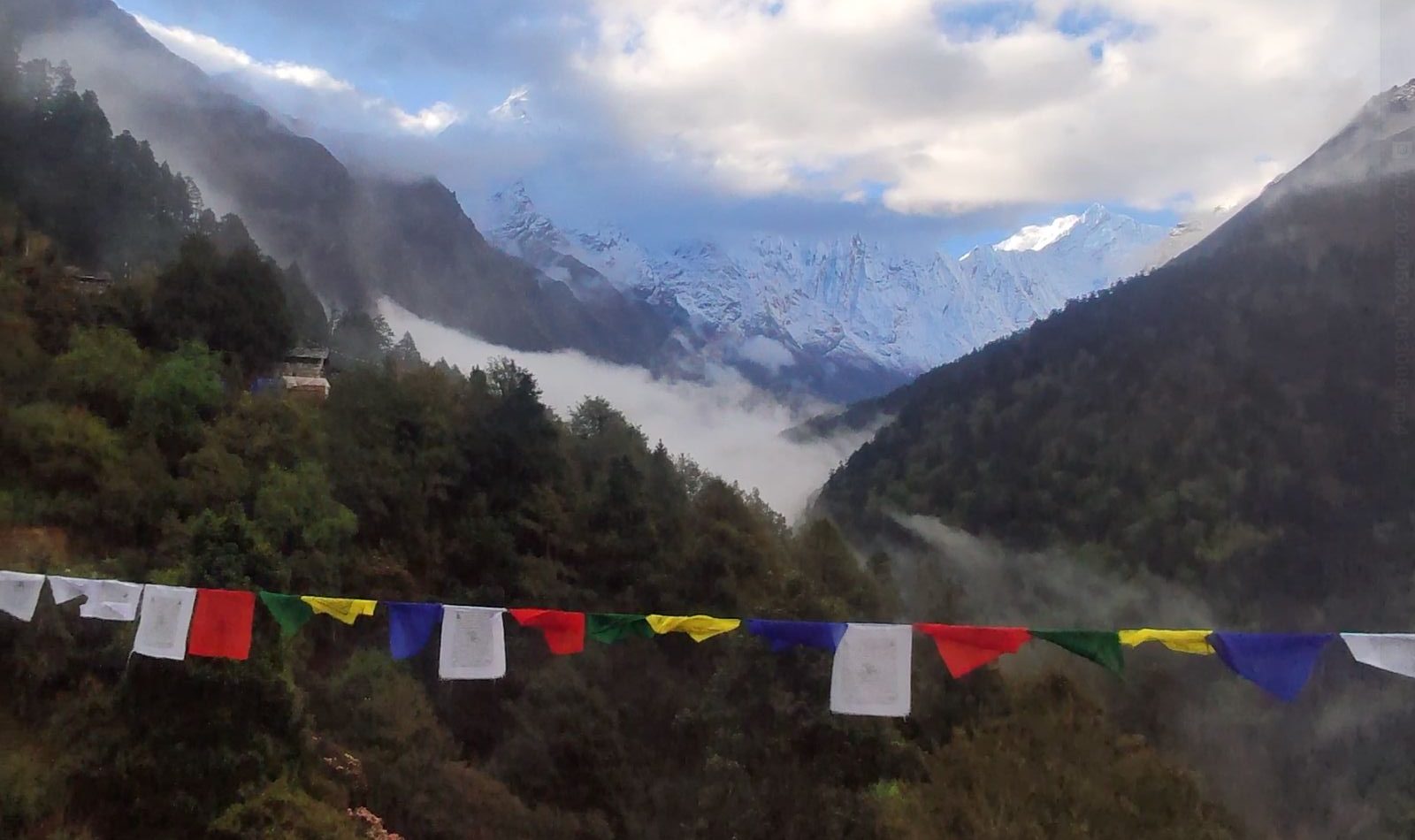
Tsum Valley with Manaslu Circuit Trek | Larkey La Pass Trekking


The Tsum Valley with Manaslu Circuit Trek is a one-of-a-kind Himalayan adventure that perfectly blends cultural immersion and high-altitude trekking. This combined trek takes you through the remote, sacred Tsum Valley, often called the “Hidden Valley of Happiness”, where centuries-old Tibetan Buddhist traditions thrive, before ascending challenging high passes like Larke La Pass (5,160 m).
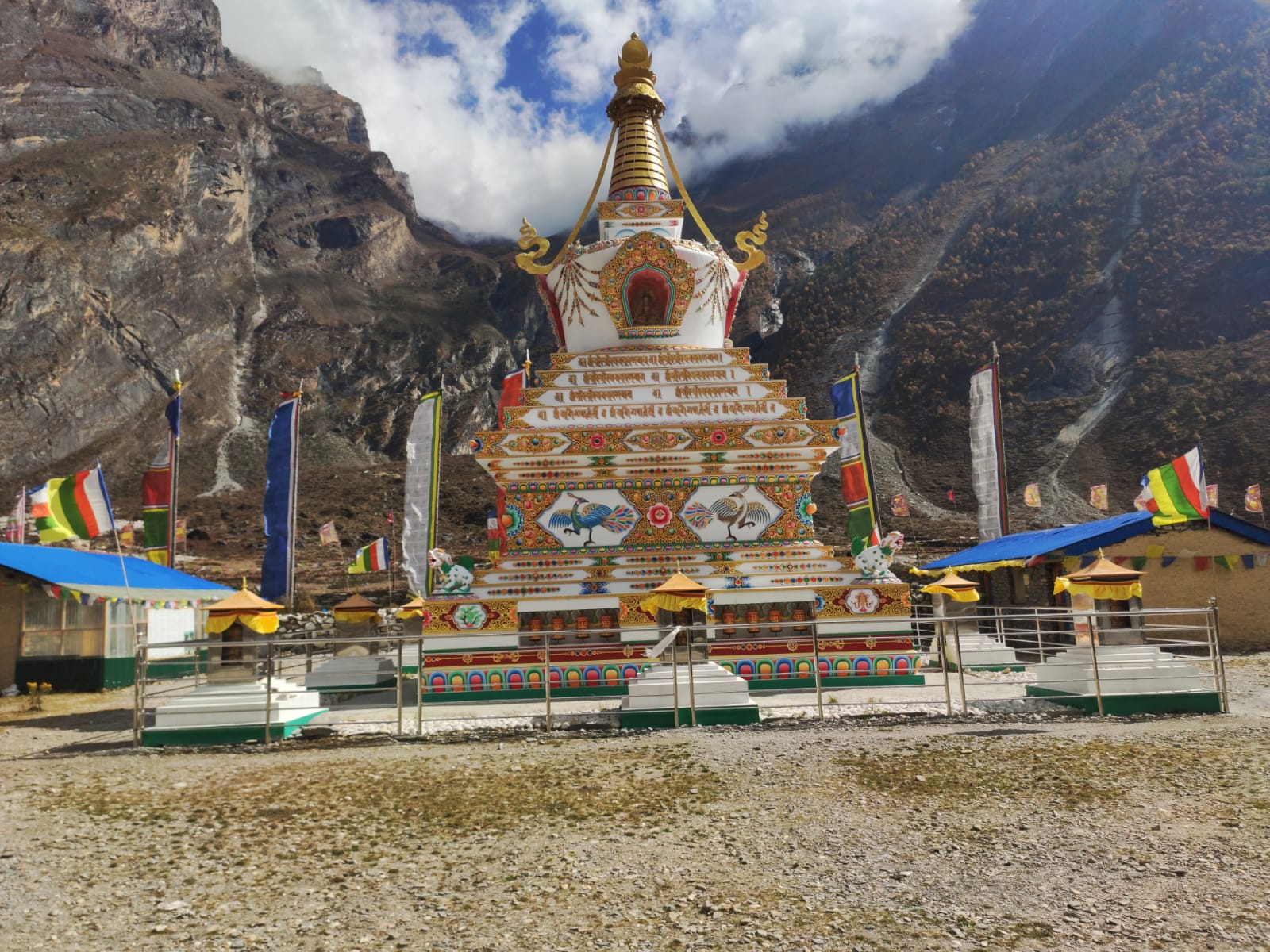
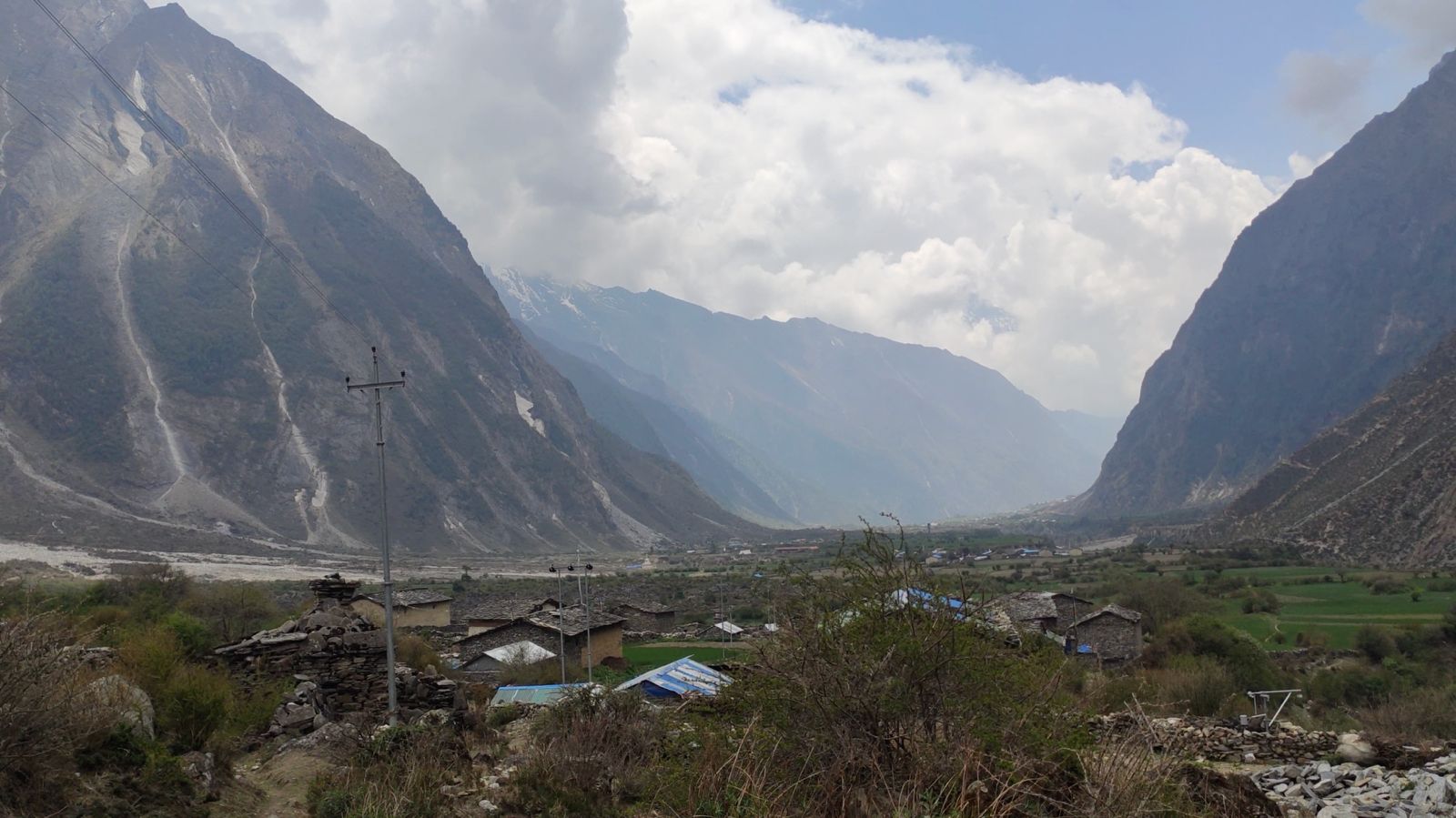
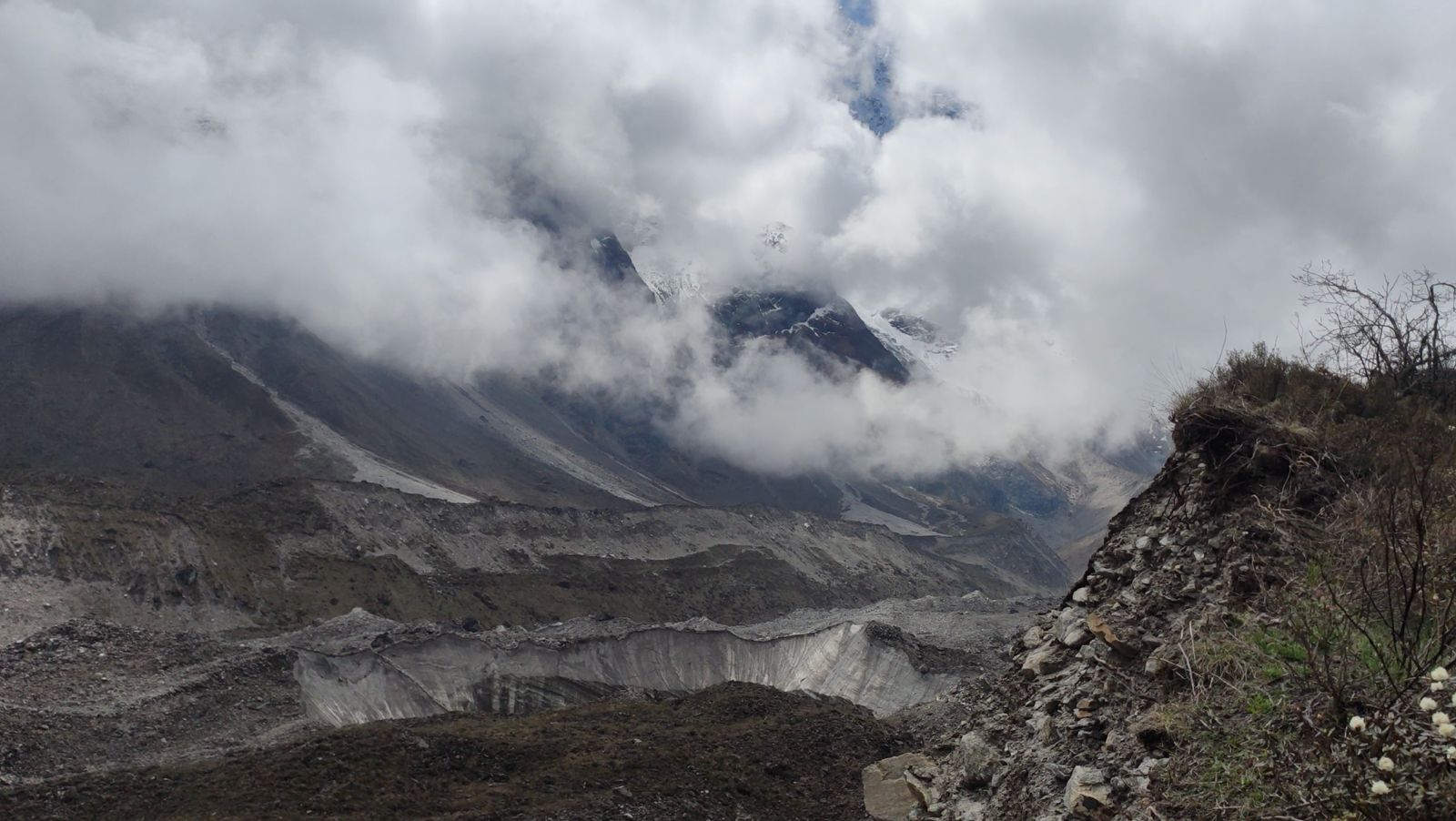
Tsum Valley remains a living cultural museum, with ancient monasteries, mani walls, and prayer wheels, giving trekkers an authentic glimpse into a lifestyle largely untouched by modern tourism. Beyond the cultural richness, the trek rewards adventurers with panoramic mountain views, glacial lakes, alpine meadows, and the dramatic landscapes of the Manaslu massif. The contrast between quiet villages and rugged high-altitude trails makes this journey both spiritually fulfilling and physically exhilarating.
To undertake this trek, travelers must secure the Manaslu Restricted Area Permit and a Trekkers’ Information Management System (TIMS) card, ensuring safe and regulated passage through this protected region.
Why the Tsum Valley + Manaslu Circuit Trek Is Truly Unique
1. A Sacred Himalayan Corridor Hidden for Centuries
The Tsum Valley + Manaslu Circuit takes you through one of Nepal’s last preserved cultural sanctuaries — the “Beyul Kyimolung,” a sacred valley blessed by Guru Rinpoche.
Unlike commercial trekking regions, Tsum remained closed to outsiders until 2008, allowing its ancient rituals, secluded lifestyle, and centuries-old monasteries to stay intact.
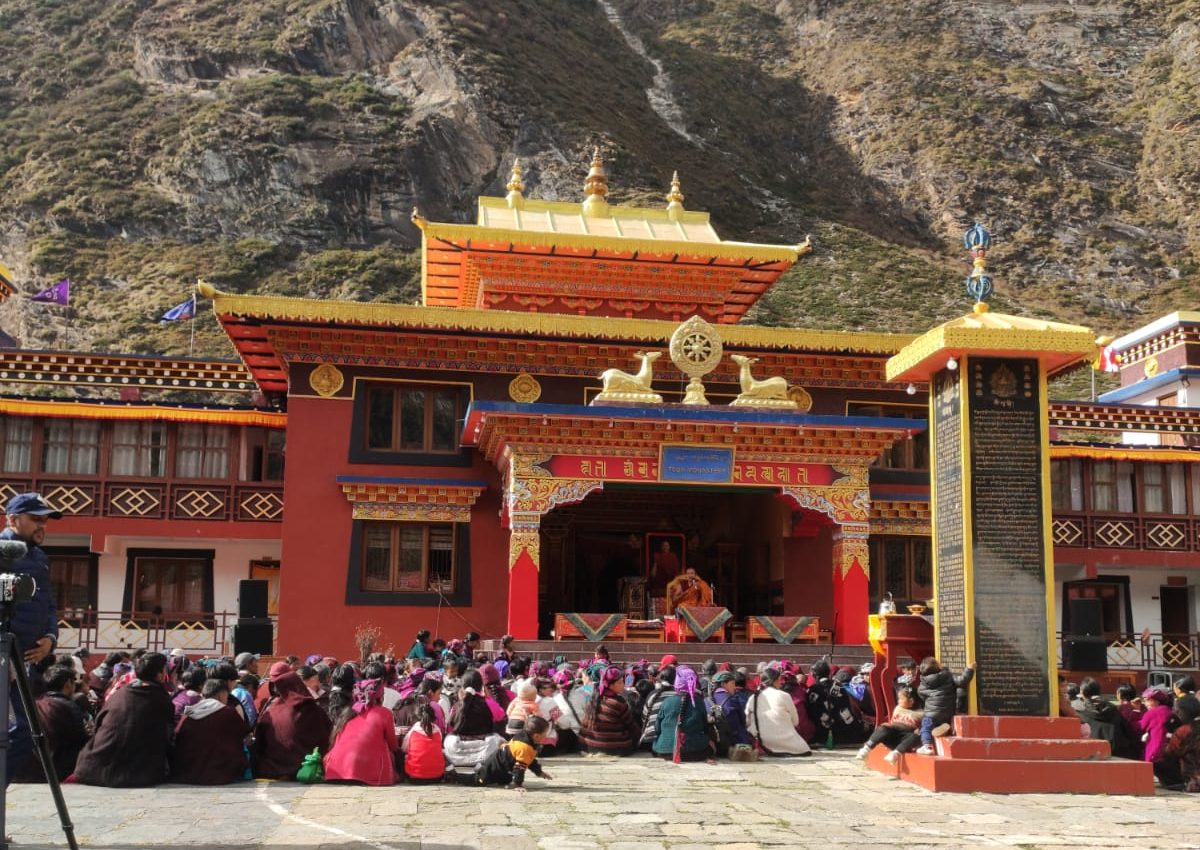
Key highlights include Rachen Gompa, Mu Gompa, and untouched villages that still follow deep-rooted Tibetan Buddhist traditions.
2. Untouched Culture You Won’t Find in Everest or Annapurna
As you enter Tsum Valley, you’ll see a living museum of Himalayan heritage:
- Locals practice traditional Bon and Tibetan Buddhism.
- Mani walls stretch for hundreds of meters.
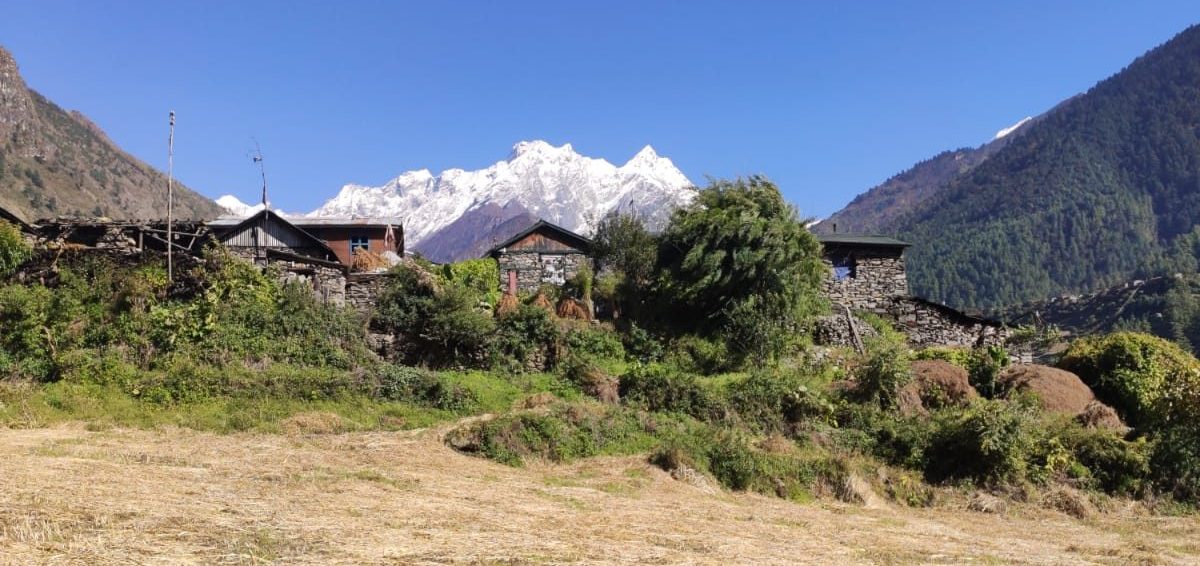
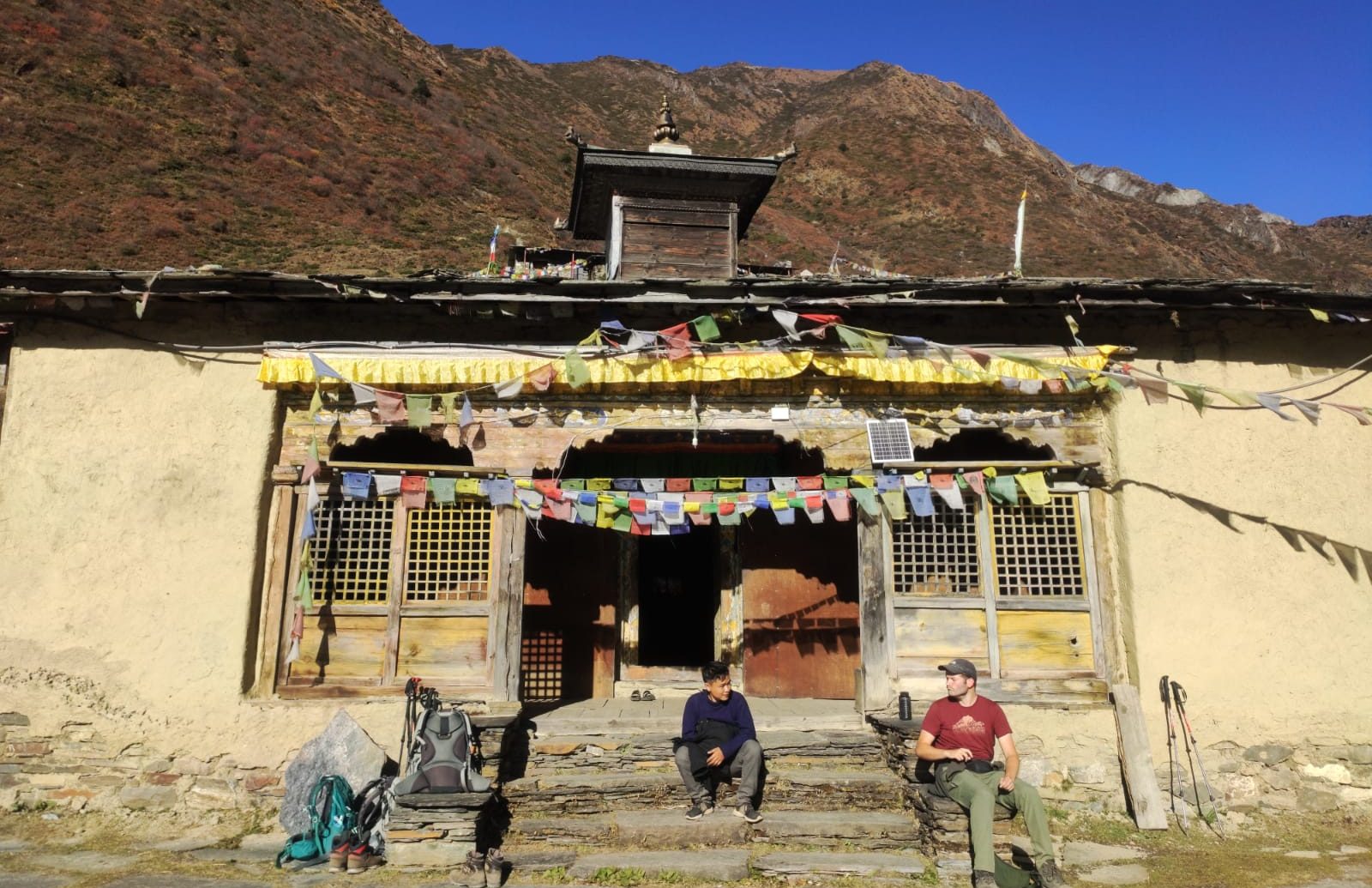
- Houses are made entirely of stacked stone, preserving medieval architecture.
- The Tsum dialect is still the everyday language.
- Festivals like Dhachyang continue to be celebrated.
- Milarepa’s meditation caves remain active pilgrimage spots.
This region offers a level of authenticity that mainstream trekking routes can no longer provide — a rare chance to experience living Himalayan culture in its pure, undiluted form.
3. A True Wilderness Trek With Minimal Crowds
Even during peak season, the Tsum + Manaslu route receives only a fraction of the traffic seen in Everest or Annapurna.
This means:
- Quieter trails
- More interactions with locals
- Higher chances of seeing wildlife
- Less commercial influence
Trekkers experience genuine Himalayan wilderness throughout the journey.
4. Adventure Challenge: Larke La Pass (5,160 m)
The highest point of the trek, Larke La Pass, is known for its dramatic Himalayan scenery:
- Frozen lakes
- Broad glacial basins
- Razor-sharp ridgelines
- Long, demanding ascents
The push from Dharamsala is considered one of Nepal’s most rewarding and scenic high-pass crossings.
5. Rare Wildlife in a Restricted Region
The Manaslu Conservation Area is one of the few protected corridors where rare Himalayan species thrive:
- Snow leopards
- Blue sheep
- Himalayan thars
- Musk deer
- Himalayan pika
The low visitor numbers help preserve this unique ecosystem
6. Himalayan Panorama: A 360° Mountain Showcase
This trek delivers far more than Manaslu views. You also get close-up panoramas of:
- Ganesh Himal II, III, IV
- Siringi Himal
- Lomanthang Himal
- Himlung Himal
- Naike Peak & Larke Peak
These peaks frame the valley beautifully, creating one of the most varied mountain skylines in Nepal — perfect for photographers and landscape lovers.
7. Historic & Spiritual Sites Found Nowhere Else
The region is packed with sacred and historical landmarks that most trekkers never get to see:
- Milarepa’s Meditation Cave
- Three-entry viewpoints with symbolic monk footprints
- Phurti Gompa ruins, rarely visited but historically significant
- Ancient Mani Stone Fields in Chumling
- Lama Gaun prayer schools, where children learn age-old Tibetan scriptures
These sites offer a deep spiritual immersion, enriching your cultural connection with the Himalayan way of life.
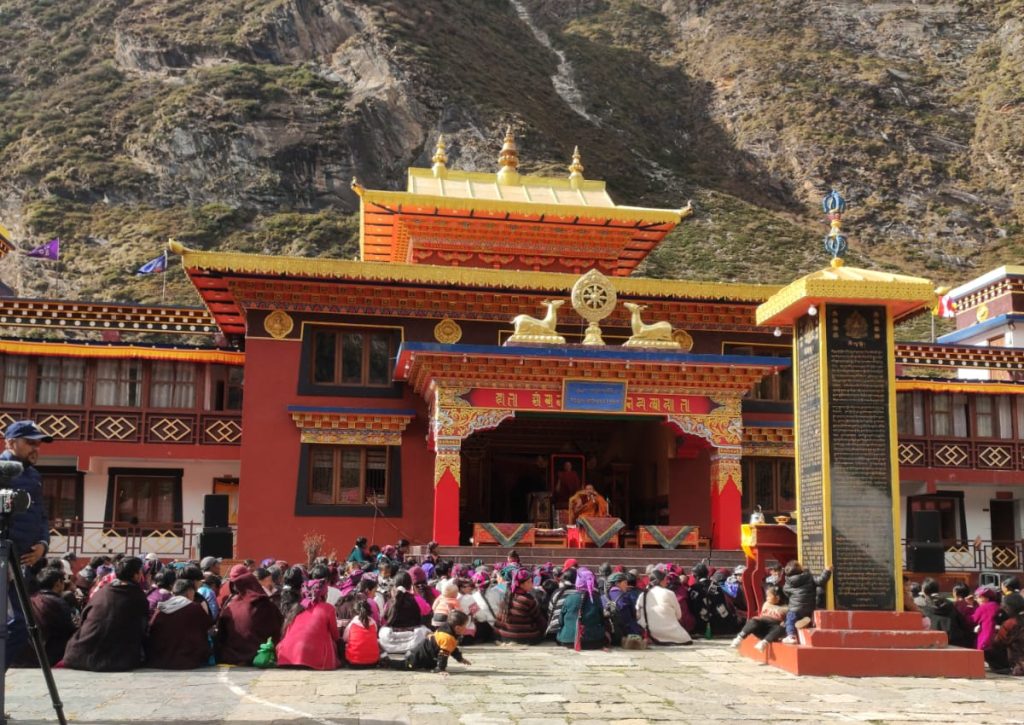
Manaslu Tsum Valley Trek Distance
The Tsum Valley and Manaslu Circuit Trek covers about 230 kilometers in total. This includes the trekking distance from Machha Khola to Ganesh Himal Base Camp and taking a different return path from Lokpa, which leads to Larkya La Pass.
For those who would want to travel these distinct treks individually, click the links below to check their details. Manaslu Circuit Trek and Manaslu Base Camp Trek
What Makes This Region Culturally Unique
Tibetan-Influenced Villages With Ancient Architecture
Villages like Chumling, Chhekampar, Nile, and the Mu Gompa area reflect the valley’s strong Tibetan influence.
Here you’ll find:
- Stone houses built with ancient Himalayan architecture
- Narrow village lanes shaped by Buddhist traditions
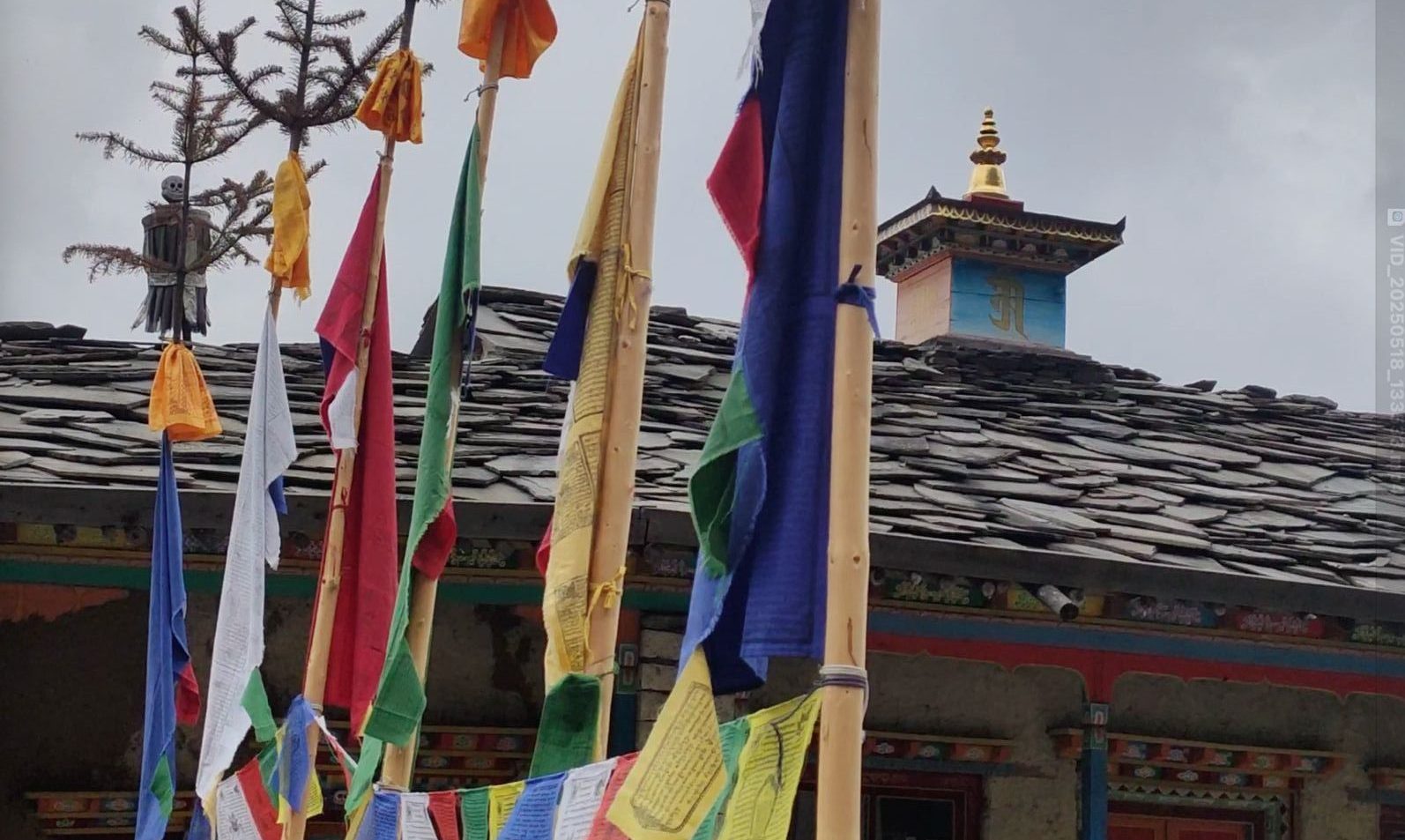
- Prayer flags on rooftops
- Small, community-run homestays
These villages show how people in Tsum Valley, Nepal, have protected their identity despite being open to the outside world only since 2008.
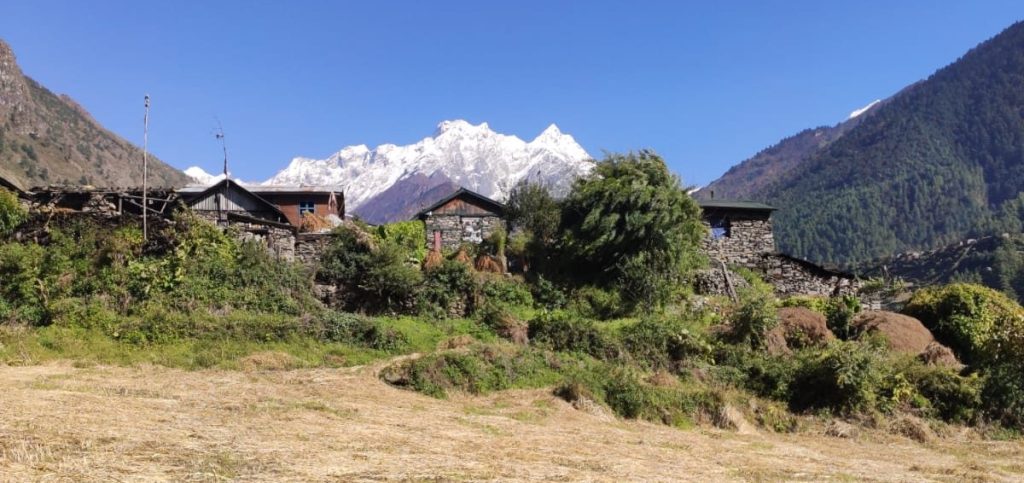
Living Traditions of Buddhism
The Tsum Valley culture is deeply spiritual. Buddhism shapes everyday life — from morning prayers to evening rituals.
Trekkers frequently see:
- Monks chanting in monasteries
- Nuns performing rituals
- Villagers practicing ancient meditation traditions
Walking through Tsum feels like entering a living Buddhist monastery, where traditions that disappeared elsewhere are still alive.
Nunneries, Prayer Wheels & Long Mani Walls
The Tsum Valley route is filled with religious landmarks that make the trek spiritually rich:
- Rachen Gompa (a major nunnery and cultural center)
- Mu Gompa (the highest monastery in the valley)
- Ani Gompa (a peaceful hillside nunnery)
- Endless mani walls, carved with “Om Mani Padme Hum.”
- Rows of prayer wheels and colorful prayer flags
These sacred sites give trekkers a deeper understanding of Tsum Valley’s Buddhist culture.
Local Festivals, Traditional Food & Homestays
Tsum Valley still celebrates festivals that follow the lunar Tibetan calendar, including:
- Lhosar (Tibetan New Year)
- Local Dhachyang festival, famous for traditional archery and community feasts
Trekkers can try local foods such as buckwheat roti, yak butter tea, barley beer (chang), and yak cheese. Most accommodation options are authentic family homestays, offering a warm introduction to Himalayan hospitality.
Importance of Rachen Gompa & Ani Gompa
These two monasteries are key cultural sites on the Tsum Valley Manaslu Circuit Trek:
Rachen Gompa
One of the largest nunneries in Nepal and a major center for Buddhist learning and meditation. It preserves rare scriptures and rituals passed down for generations.
Ani Gompa
A peaceful nunnery offering insight into the daily lives of nuns who maintain Tsum’s spiritual traditions. Its location provides stunning views of the valley.
These gompas preserve the identity of Tsum Valley’s Tibetan Buddhist heritage, making them some of the most important religious sites in the region.
Why This Cultural Experience Matters
The Tsum Valley Trek is more than a trekking route — it is a journey into a protected Himalayan culture where spirituality, ancient architecture, and traditional community life still flourish.
When combined with the Manaslu Circuit Trek, travelers experience both:
- Raw Himalayan adventure (Larke La Pass, glaciers, alpine lakes)
- Deep cultural immersion is found only in the Tsum Valley
This blend is what makes the Tsum Valley Manaslu Circuit Trek one of the most meaningful trekking experiences in Nepal.
Permits You Need for the Tsum Valley with Manaslu Circuit Trek
Because both Manaslu and Tsum Valley are culturally protected regions, you must carry specific permits. Trekkers often get confused, so here is the simplest and clearest breakdown
1. Manaslu Restricted Area Permit (MRAP)
This is the primary permit for the Manaslu restricted area. Without it, you CANNOT enter beyond Jagat.
- Prices change by month (higher fees during peak season).
- A permit is only issued through a licensed trekking agency.
- Your passport, a valid Nepal visa, and photos are required.
This permit protects the remote culture of Nupri and ensures responsible tourism.
2. Tsum Valley Restricted Permit
If you’re trekking the Tsum Valley section, this permit is mandatory.
Tsum Valley only opened to visitors in 2008, and the government still controls access to protect its monasteries, nunneries, and Tibetan-influenced villages.
- Separate the fee structure from Manaslu
- Also issued only through a registered agency
- Required from Chumling → Nile → Mu Gompa
This is what allows you to explore sacred sites like Rachen Gompa, Mu Gompa, and Milarepa’s cave.
3. Manaslu Conservation Area Permit (MCAP)
Covers forest protection, trail maintenance, and conservation of wildlife like snow leopards, Himalayan thars, and blue sheep.
4. Annapurna Conservation Area Permit (ACAP)
You need ACAP because the Larke La Pass trekking route ends at Bimthang → Dharapani, which is part of the Annapurna region.
Where You Must Check Permits
Expect multiple checkpoints at:
- Jagat
- Philim
- Chumling / Chhekampar (Tsum Valley side)
- Deng
- Samagaon
- Samdo
- Larke La Exit (Dharapani)
Your guide will handle the sign-ins, but you MUST carry all permits every day.
Guide & Porter Rules for Manaslu Tsum Valley Trek
Trekking in the Manaslu Tsum Valley region is a unique and remote adventure. To ensure safety, respect for local culture, and a smooth journey, following the guide and porter rules is mandatory. Bold Himalaya is here to help you arrange licensed guides and experienced porters, making your trek safer, easier, and more enjoyable.
1. Mandatory Trekking Guide
All trekkers entering the Manaslu Restricted Area must hire a licensed trekking guide. This ensures:
- Safe navigation through remote trails, river crossings, and high passes like Larkya La Pass (5,160 m).
- Assistance with permit checks at Jagat, Philim, Chumling, and Samdo.
- A deeper cultural experience, as guides explain monasteries, local festivals, and sacred sites throughout the Tsum Valley.
With Bold Himalaya, your guide is experienced, knowledgeable, and trained to handle emergencies while enriching your trek with cultural insights.
2. Porter Recommendation
While optional, hiring a porter is highly recommended:
- Carry 30-20 kg of luggage, letting you enjoy the trek without physical strain.
- Support longer, steeper days, particularly during the ascent to high passes.
- Manage logistical needs, such as transporting food, camping gear, and extra clothing.
Tip: Typically, one porter is enough for two trekkers. For larger groups or heavy camera gear, Bold Himalaya can arrange additional support.
How Hard Is the Tsum Valley Manaslu Circuit Trek?
The Tsum Valley Manaslu Circuit Trek is considered a challenging to hard trek, mainly because of its long duration, high altitude, remote terrain, and the demanding ascent to Larkya La Pass (5,160m). This route combines two restricted regions—Tsum Valley and the Manaslu Circuit—making it one of Nepal’s most adventurous and culturally rewarding trails.
Why the Trek Is Considered Hard
1. High Altitude (Up to 5,160m)
Crossing Larkya La Pass is the biggest challenge. Trekkers must adjust to thin air, cold temperatures, and slow walking pace.
2. Long Trekking Duration (15–22 Days)
You’ll walk 6–8 hours per day through rugged Himalayan terrain. The combined route is physically demanding and requires strong stamina.
3. Remote Trails
Both Tsum Valley and the upper Manaslu region are isolated with:
- Limited tea houses
- Basic accommodation
- Few emergency facilities
This makes preparation essential.
4. Steep Ascents & Descents
The trail frequently climbs and drops through cliffs, narrow valleys, and rocky paths — especially near:
- Chumling → Chhokangparo
- Samagaun → Samdo
- Larkya Phedi → Larkya La Pass
Complete Tsum Valley + Manaslu Circuit Itinerary (Day-by-Day)
Your Journey, Step by Step
Day 1: ARRIVAL IN KATHMANDU
3* hotel in Kathmandu
Dinner
Upon your arrival in Nepal, the land of the Himalayas, our representative from Bold Himalaya will pick you up from the Tribhuwan International Airport. Then, you will be transferred to your relevant hotel. You can spend your day exploring the busy Kathmandu. For the day, you can roam around beautiful Thamel and find yourself some typical local products to shop for and get a close look at the bustling urban life. You can also visit restaurants and cafés and try out Nepali cuisine.
In the evening, your trekking guide will give you a briefing about the Tsum Valley with Manaslu Circuit Trek, covering route details, permits, trekking tips, and preparation for high-altitude hiking. This is your chance to ask questions and clarify any concerns. Overnight in Kathmandu.
Day 2: Drive from Kathmandu to Machha Khola (~869 m / 2,850 ft)
~140 km / 87 mi
8–9 hours

Machha Khola – ~869 m / 2,850 ft
Local teahouse/lodge
Lunch en route, Dinner
The Manaslu region’s adventure starts today. We will begin our journey driving along Prithvi Highway, which runs alongside the beautiful Trishuli River towards Soti Khola. We will pass through dense forests, green terraces, lush hillsides, and past various old and new settlements. After reaching Arughat, we will drive off-road amongst traditional settlements until we reach Soti Khola, which is located in the Bhuri Gandaki Valley. It is also the starting point of the Manaslu Larke Pass Trek and several other treks of this region. It is a beautiful yet thrilling one. We will pass through different landscapes, rushing rivers, and numerous waterfalls. We will have our lunch at Gurung village of Labubesi and then continue our journey towards Machhe Khola. Overnight at Macha Khola.
Day 3: TREK FROM MACHHA KHOLA TO JAGAT
~16–22 km
5–7 hours
Tea‑house / local lodge in Jagat
Breakfast, Lunch en route, Dinner in Jagat
~1,340 m / 4,396 ft
After having our breakfast in Machha Khola, we will begin our trek, which follows the gorge and continues up the river. The path is constricted at first and gently ascending and descending, eventually crossing the Tharo Khola to reach Khorlabesi. After more ascending and descending, we will reach a small hot spring in Tatopani- the best place to take a break.
From here, we will ascend over another ridge, then cross the Budhi Gandaki on a suspension bridge. We will then climb up a staircase and head over a ridge to Doban. Upon crossing one more suspension bridge over the Yaru Khola, we will ascend a stone staircase and then drop to the river and ascend more stone stairs to Tharo Bharyang. Keep an eye out for neat Gurung villages in the jungle high above, as well as Langur monkeys that walk around in the region.
Crossing the west bank of the Budhi Gandaki, we will ascend over a ridge, trek along the river, and then ascend towards the village of Jagat. Jagat is the entry point to the Manaslu Restricted Area, where your Bold Himalaya guide will assist with permit checks and registration, ensuring all legal requirements are met. This day combines cultural immersion with the excitement of stepping into a less-traveled Himalayan region. Overnight at Jagat.
Day 4: TREK FROM JAGAT TO LOKPA (~2,240 m / 7,349 ft)
~13–17 km
5–7 hours
Tea‑house / guesthouse in Lokpa
Breakfast, Lunch, Dinner
~2,240 m / 7,349 ft
We will access the restricted regions of Manaslu and Tsum Valley by registering for the Permit at the Jagat checkpoint. We will climb over a ridge to Salleri. Then, we will walk a bit along the riverbank, crossing the Budhi Gandaki River on a long suspension bridge.
As we continue to walk, the valley broadens heading towards Philim. As we pass Ekle Bhatti, the trail splits towards Tsum and Manaslu. We will pass through the welcome board and hike up towards Lokpa. Rivers become narrow as we meet at the junction of the Syar Rivers from the Tsum valley.
Then, we will turn right from Tsum valley to reach Lokpa village, the first village in Tsum valley that provides an opportunity to see the Manaslu range. From Lokpa, butchering an animal is strictly restricted; it is a full segregation hidden valley of happiness blessed by Padmashamva centuries ago. The majestic views of Himalchuli, Sringeri Himal, and Boudha Himal can be observed from Lokpa village. Overnight at Lokpa
Day 5: TREK FROM LOKPA TO CHUMLING (~2,386 m / 7,828 ft)
~6–8 km
4–5 hours
Tea-house or local lodge
B, L, D
(~2,386 m / 7,828 ft)
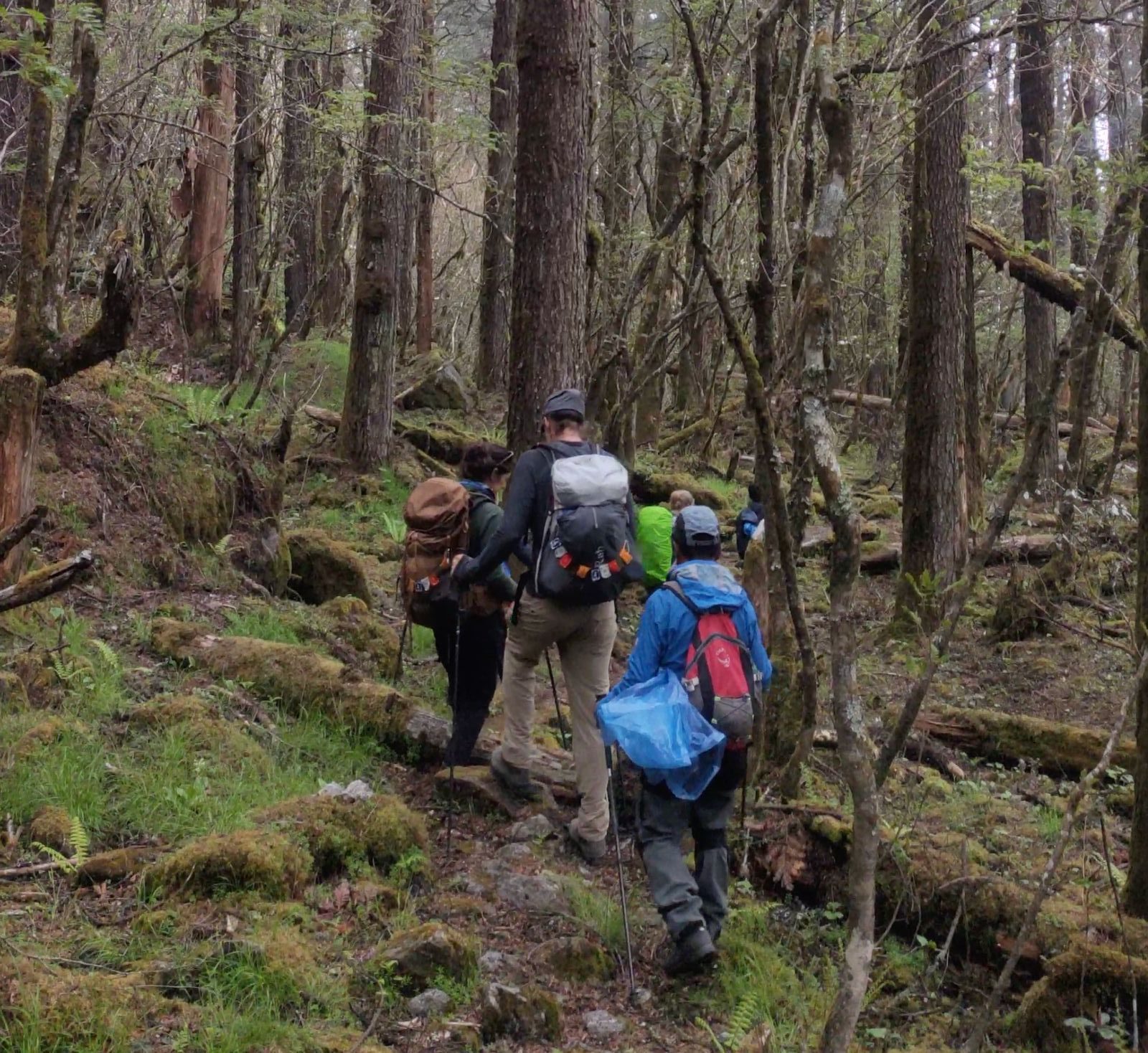
After leaving Lokpa village, you will enter the heart of Tsum Valley, trekking through a serene Himalayan landscape of forests, rivers, and terraced fields. The trail descends briefly into the Lungwa River Valley, then climbs gradually through dense rhododendron and pine forests, offering peaceful walking and beautiful natural scenery. Along the way, you may spot local wildlife, hear the soft chants from distant monasteries, and enjoy the calm of this less-visited Himalayan region.
Your destination is Chumling, a historic stone village located at ~2,386 m / 7,828 ft. Known as the Ancient Stone Village of Tsum Valley, Chumling offers trekkers a fascinating glimpse into traditional Tsumpa life. Walking through the village, you will see:
Ancient Stone Houses: Dry-stone masonry homes that have stood for centuries, built to endure harsh Himalayan winters while blending seamlessly with the landscape.
Stone Carvings & Mani Walls: Intricately carved stones and prayer walls inscribed with Buddhist mantras, reflecting the deep spiritual heritage of the valley.
Local Monasteries and Chortens: Small religious sites where locals perform daily rituals, offering insight into the spiritual life of the Tsumpa people.
Surrounding Views: Panoramic vistas of Ganesh Himal II, Lombo Himal, and nearby villages like Ripchet, perfect for photography and cultural exploration.
Overnight in a tea house or homestay in Chumling. Meals are typically breakfast, lunch, and dinner, with local specialties like buckwheat roti and yak butter tea.
Tip
Take a short side trip to Upper Chumling Monastery for breathtaking views of the valley. Engage with locals to learn about Tsumpa traditions, festivals, and daily life, enhancing the cultural experience of your Tsum Valley with the Manaslu Circuit Trek.
Day 6: TREK FROM CHUMLING TO CHHOKANGPARO (~3,010 m / 9,876 ft)
~10 km / 6.2 mi
5–6 hours
3,010 m / 9,876 ft
Moderate
Teahouse / Lodge
Breakfast, Lunch, Dinner
On Day 6 of your Tsum Valley with Manaslu Circuit Trek, you will enter the upper Tsum Valley, a remote and spiritually rich Himalayan region. From Chumling, the trail initially descends slightly along the Syar River before gradually climbing toward Domje. After Domje, the path ascends steadily for approximately 500 meters, leading you to the picturesque village of Gho, known for its beautiful Gomba (monastery) and as one of the largest settlements in Tsum Valley.
From Gho, the trail continues through dense rhododendron and pine forests, crossing crystal-clear streams and traditional suspension bridges that add both scenic beauty and a touch of adventure. The path passes through Rainjam and over Serpu Khola, before arriving at Chhokangparo (Chekampar), the spiritual heart of Tsum Valley. This village is split into two settlements, Chhokang and Paro, nestled on flat terraces beneath protective cliffs.
Chhokangparo is famed for its Tibetan Buddhist heritage, with centuries-old monasteries, chortens, mani walls, and prayer flags creating a serene, sacred atmosphere. Trekkers can visit Chhokangparo Monastery, Rachen Gompa (a major nunnery), Milarepa Cave, and Ani Gumba trails for meditation, reflection, and cultural immersion. On a clear day, majestic views of Himalchuli and Ganesh Himal dominate the horizon. Local Tsompo families welcome visitors with traditional Tibetan Chiya (butter tea) and home-cooked meals, offering a glimpse into the valley’s daily life and hospitality.
Day Highlights
Explore Chhokangparo’s ancient stone houses, monasteries, and mani walls while experiencing the spiritual aura of upper Tsum Valley. Witness breathtaking views of Himalchuli and Ganesh Himal, and interact with the welcoming Tsompo community for authentic cultural immersion.
Day 7: TREK FROM CHHOKANGPARO TO NILE VIA MILAREPA PIREN PHU CAVE ON THE WAY
~8 km / 5 mi
4–5 hours
Nile (~3,540 m / 11,614 ft)
Easy to moderate
Teahouse / Lodge
Breakfast, Lunch, Dinner
Today’s trek is shorter than previous days, giving trekkers a chance to soak in the spiritual and scenic charm of the upper Tsum Valley. Leaving Chhokangparo (Chekampar), we follow the left bank of the Siyar Khola, gradually ascending toward Nile, the northernmost village in Upper Tsum.
The trail passes through Lama Gaun, where early morning prayers echo from monasteries, setting a tranquil tone for the day. From here, trekkers can take a short detour to Milarepa’s Cave (Piren Phu), one of the valley’s most revered meditation sites. The cave, perched on an irregular cliff, contains ancient murals, relic chambers, and the footprint believed to be of Jetsun Milarepa, making it a must-visit for both spiritual seekers and cultural enthusiasts.
As the path continues, you traverse open meadows, mani walls, layered chortens, and carved stone slabs, reflecting centuries of Himalayan devotion. Local yak herds often graze along the route, adding to the authentic alpine experience. On clear days, the peaks of Lombo Himal and Shringi Himal dominate the skyline, providing dramatic Himalayan vistas.
After crossing a suspension bridge over the Shiar River, the trail leads through small villages and cultivated lands, highlighting the daily life of the Tsumpa people, before reaching Nile by afternoon. Nile is a stone-built village rich in ancient monasteries, centuries-old traditions, and spiritual heritage, serving as the gateway for the next day’s visit to Mu Gompa.
Day 8: Acclimatization Day in Nile / Mu Gompa (~3,700–3,900 m)
~6–8 km one way
3–4 hours one way
Mu Gompa (~3,700 m / 12,139 ft)
Guesthouse / Tea House in Nile
Breakfast, Lunch (packed / at Nile), Dinner
Today is reserved for acclimatization and exploration in the upper Tsum Valley. After breakfast in Nile, trekkers usually embark on a full-day hike to Mu Gompa, one of the oldest and highest monasteries in Tsum Valley, perched at approximately 3,700 m / 12,139 ft. This sacred site, established centuries ago, serves as the spiritual heart of Upper Tsum, housing ancient scriptures, prayer halls, meditation caves, and monk quarters.
The trail to Mu Gompa offers stunning Himalayan panoramas, passing through alpine meadows, stone-built settlements, mani walls, and fluttering prayer flags. Along the way, trekkers can witness traditional Tsumpa life, including yak herding and daily village rituals.
Above Mu Gompa lies the Yak Kharka, a seasonal pasture where herders bring their yaks in summer. While this marks the practical end of the Tsum Valley trek, the ridge provides sweeping views of:
- Lompo Himal
- Pikyo Peak Range
- Churke Himal
- High Tibetan Plateau horizon
This day allows your body to adjust to altitude, absorb the tranquil atmosphere of the Upper Tsum, and prepare for the continuation into the high Manaslu region. An overnight stay in the Nile ensures adequate rest and acclimatization.
Day 9: Trek from Nile / Mu Gompa back to Chekampar
~12 km / 7.5 mi
5–6 hours
Nile (~3,361 m / 11,020 ft) → Chekampar (~3,010 m / 9,875 ft)
Moderate
Tea house / Guesthouse in Chekampar
Breakfast, Lunch, Dinner
After a peaceful morning in Nile, you will start your descent toward Chekampar (Chhokangparo), retracing parts of the upper Tsum Valley trail. The day’s trek is moderately challenging, as descending from higher altitudes requires careful pacing to protect your knees and maintain balance on rocky paths.
The trail gradually descends through alpine meadows, dense pine and rhododendron forests, and alongside small streams, offering refreshing views of the surrounding peaks such as Himalchuli, Ganesh Himal, and Shringi Himal. Along the way, you will pass traditional Tsumpa villages, stone chortens, mani walls, and prayer flags fluttering in the mountain wind, providing a final spiritual immersion into Tsum culture.
Day 10: Chekampar to Lokpa via Ripchet or Chumling (~3,010 m → 2,240 m / 9,875 ft → 7,349 ft)
~15 km / 9.3 mi
6–7 hours
Chekampar (~3,010 m / 9,875 ft) → Lokpa (~2,240 m / 7,349 ft)
Moderate
Tea house / Guesthouse in Lokpa
Breakfast, Lunch, Dinner
On Day 10 of the Tsum Valley with Manaslu Circuit Trek, you begin your descent from the sacred upper Tsum Valley toward Lokpa, retracing a trail rich in cultural and natural beauty. Leaving Chekampar (Chhokangparo, ~3,010 m / 9,875 ft), the path gently descends through dense alpine forests, bamboo thickets, and terraced fields, offering panoramic views of peaks like Ganesh Himal, Lombo Himal, and Himalchuli.
Along the way, trekkers can take optional detours to Ripchet (~2,800 m / 9,186 ft), a quaint village perfect for rest and cultural encounters, or revisit Chumling (~2,386 m / 7,828 ft), famous for its ancient stone houses, mani walls, and small monasteries.
The descent is moderate, making it less physically demanding than previous high-altitude days, but care is advised on rocky sections. Lokpa (~2,240 m / 7,349 ft) serves as a strategic stop before continuing toward Deng, allowing trekkers to rest and recover.
This segment of the Tsum Valley with Manaslu Circuit Trek provides immersive cultural experiences, close interactions with the Tsumpa villagers, and ample opportunities to capture the Himalayan landscape on camera.
Day 11: Trek from Lokpa to Deng (~1,860 m / 6,102 ft)
~13 km / 8 mi
5–6 hours
Lokpa (~2,240 m / 7,349 ft) → Deng (~1,860 m / 6,102 ft)
Moderate
Tea house / Guesthouse in Deng
Breakfast, Lunch, Dinner
Today, your Tsum Valley with Manaslu Circuit Trek takes you from Lokpa (~2,240 m / 7,349 ft) down to Deng (~1,860 m / 6,102 ft), entering the lower Manaslu region. The trek is mostly downhill, providing a welcome relief after several high-altitude days. The trail is a mix of well-trodden paths through alpine forests, bamboo thickets, and terraced farmlands. Along the route, trekkers encounter suspension bridges over rivers, traditional stone houses, small monasteries, and prayer mani walls, offering glimpses of centuries-old Himalayan culture and Buddhist heritage.
En route, the valley opens up to stunning views of peaks like Himalchuli and Ganesh Himal, creating perfect photo opportunities. Passing through small villages, trekkers can interact with locals, observe daily farming activities, and experience the warm hospitality of the Gurung and Tamang communities. While the descent is gradual, attention is needed on uneven trail sections and stone-paved paths.
Day 12: Trek from Deng to Namrung (~2,630 m / 8,629 ft)
5–6 hours
~770 m / 2,527 ft
Moderate
Tea house / Guesthouse
Breakfast, Lunch, Dinner
After breakfast in Deng (~1,860 m / 6,102 ft), you start trekking toward Namrung (~2,630 m / 8,629 ft) along the Budhi Gandaki River Valley. The trail gradually goes uphill, passing pine and rhododendron forests, clear rivers, and waterfalls.
You will cross suspension bridges and walk through small Gurung and Tibetan villages, where stone and mud houses are decorated with prayer flags and chortens. Villagers often greet trekkers with a friendly “Tashi Delek”, giving you a chance to experience local culture. Along the way, you can see terraced farmlands where locals grow millet, buckwheat, and potatoes.
The scenery is stunning, with views of Manaslu, Himalchuli, and Naike Peak. The trek is moderate, with some uphill stretches, and it’s a good chance to enjoy the natural beauty of Tsum Valley.
Day 13: Trek from Namrung to Shyala Village (~3,500 m / 11,483 ft)
~12–14 km
6–7 hours
Tea‑house / Guesthouse in Shyala
Breakfast, Lunch, Dinner
Today, you trek from Namrung (~2,630 m / 8,629 ft) to Shyala Village (~3,500 m / 11,483 ft). The trail gradually climbs along the Budhi Gandaki River, passing terraced fields, pine and rhododendron forests, suspension bridges, and stone walls. You will see traditional Tibetan and Gurung villages with prayer flags, chortens, and mani stones.
As you approach Shyala, enjoy panoramic views of Manaslu, Himalchuli, and Naike Peak. The village is peaceful, with stone houses and Buddhist shrines, making it a perfect stop to rest and soak in the Himalayan atmosphere.
Day 14: Trek from Shyala to Samagaon (~3,530 m / 11,581 ft)
~8–10 km
4–5 hours
Tea-house / Guesthouse in Samagaon
Breakfast, Lunch, Dinner
Leaving Shyala, the trail gradually climbs through a peaceful valley, flanked by rolling hills and scattered farms. The air feels crisp and refreshing, carrying the scent of pine and wildflowers. You’ll cross small streams and natural springs, which make for perfect photo spots and quick refreshment breaks.
As you approach Samagaon, the village reveals itself with clustered stone houses topped with metal roofs, a more modern adaptation compared to upper Tsum’s remote settlements. You’ll notice locals tending to high-altitude barley and potato fields, and if you’re lucky, herders guiding yaks and dzos along the narrow trails. The background of towering Manaslu and Ngadi Chuli makes every step feel like a journey into the heart of the Himalayas.
Optional Side Visit: A short trek uphill from Samagaon brings you to Pungyen Monastery, a serene sanctuary perched on a ridge. Here, you can explore ancient murals, prayer halls, and meditation corners. The monastery offers 360° views of the surrounding peaks, including Manaslu’s massive north face, making it a must-visit for both photography and spiritual reflection.
Day 15: Rest / Acclimatization Day in Samagaon – Optional Trek to Manaslu Base Camp (~4,800 m)
Your acclimatization day in Samagaon starts slowly, letting your body adjust to the altitude. After breakfast, you walk through the village and then follow the trail toward Birendra Lake. From here, the Manaslu Base Camp trek from Samagaon begins with a gradual climb along the hillside. The route gives constant views of Manaslu, the glacier, and yak pastures below. After 3–4 hours of steady walking, you reach the base camp area, where expedition tents are usually seen during climbing season. Trekkers rest for a short while, take photos, and then descend back to Samagaon, reaching the village by mid-afternoon. This acclimatization hike helps you prepare for the higher altitude days ahead.
Day 16: Trek from Samagaon to Samdo
~10 km / 6.2 mi
3–4 hours
Samdo (~3,860 m / 12,664 ft)
Easy to Moderate
Tea-house / guesthouse in Samdo
Breakfast, Lunch, Dinner
The Samagaon to Samdo trek is a short and gentle walk, perfect for acclimatization. You leave Samagaon after breakfast and follow an open trail that gradually climbs above the valley. Forests disappear quickly, and the landscape turns wide and dry, similar to the Tibetan plateau. Yaks graze on the open meadows, and glacier streams run below the trail.
As you move higher, clear views of Manaslu and the surrounding peaks follow you almost the entire way. The route passes a few yak shelters and flat resting points before the trail narrows toward Samdo. The village sits on a ridge with scattered stone houses and offers a peaceful atmosphere and excellent mountain views.
You reach Samdo in about 3–4 hours, leaving enough time to explore the ridge above the village or rest for the next day’s high-altitude trek. Overnight in Samdo.
Day 17: Rest Day in Samdo – optional side trip to Tibetan Border (~5,030 m)
3–4 hours
5,030 m / 16,503 ft
Tea-house / lodge in Samdo
Breakfast, Lunch, Dinner
Waking up in Samdo, you’ll immediately feel the crisp, thin air of one of the highest inhabited villages on the Manaslu Circuit. The morning sun casts golden light over snow-dusted peaks, and prayer flags flutter gently in the breeze, filling the valley with quiet movement and color. Today is a rest day, giving your body time to acclimatize, but for those craving adventure, an optional hike toward the Tibetan border awaits.
The trail rises gradually through rocky ridges and small glacial streams. Each step brings a sense of isolation and awe — you are walking where few travelers go, with the vast Tibetan plateau unfolding in the distance. You’ll notice the rugged beauty of the land: sparse vegetation, grazing yaks, and the occasional high-altitude marmot. The wind carries a sense of timelessness, and the silence is almost sacred, broken only by the sound of prayer wheels in the village below.
Returning to Samdo, you can wander through the village’s narrow paths, greet the warm, smiling Tsomgo locals, and sip butter tea while watching the peaks shift colors as the sun moves across the sky. The day leaves you with a deep sense of accomplishment — being at the edge of Tibet, immersed in Himalayan culture, surrounded by staggering natural beauty, and fully attuned to the rhythm of high-altitude life.
Day 18: TREK FROM LARKYA LA PHEDI TO BHIMTANG BY CROSSING LARKYA LA PASS
~8–10 km
5–6 hours
Teahouse / lodge
Breakfast, Lunch, Dinner
Today, you embark on one of the most memorable stages of the Tsum Valley with the Manaslu Circuit Trek. Leaving Samdo, the trail ascends gradually through high-altitude alpine meadows dotted with wildflowers, yak pastures, and rugged terrain. The crisp mountain air and panoramic vistas make each step a remarkable experience, while prayer flags and mani walls along the route add a spiritual touch to your journey.
The trail is moderately challenging, with a mix of rocky paths and gentle inclines, offering glimpses of Manaslu, Himalchuli, and Cheo Himal. Local Tibetan-style stone houses and shepherds with grazing yaks provide insight into life at these high altitudes, making the trek both adventurous and culturally immersive.
Arriving at Dharmasala / Larkya Phedi (~4,460 m / 14,632 ft), you reach the base for the legendary Larkya La Pass, the highest point of your trek ahead. The teahouse here is simple yet comfortable, perfect for rest and acclimatization. As you sip warm tea and gaze at the surrounding peaks, you’ll feel the excitement building for the crossing of Larkya La Pass tomorrow.
Day 19: Trek Dharmasala → Bhimtang via Larkya La Pass
~5,140 m / 16,860 ft
High
~16 km / 9.9 mi descent
Today is the highlight of the Manaslu Circuit Trek, crossing the iconic Larkya La Pass, the highest point of the trek. Trekkers start very early, before 3:00 AM, to ensure a safe crossing before the typical strong afternoon winds. Breakfast is served pre-dawn, and all gear should be packed the night before to avoid delays.
The ascent to Larkya La (5,140 m / 16,860 ft) is steep and demanding, winding over rocky moraines, icy patches, and rugged ridges. As you climb, the Himalayan panorama unfolds dramatically: jagged peaks, glacial streams, and expansive valleys stretch as far as the eye can see. Trekkers often feel a mix of exhilaration and awe, sensing both the grandeur of the landscape and the personal triumph of reaching the summit. The crisp, thin air reminds you of the altitude, and reaching Larkya La is an unforgettable moment—perfect for photos, quiet reflection, or simply absorbing the breathtaking surroundings.
The descent to Bhimtang (3,590 m) is gradual, passing peaceful alpine meadows, yak pastures, and open valleys. About 40 minutes before Bhimtang, trekkers have the option of a 1.5-hour detour to Ponkar Lake, a stunning glacier-fed lake. Although the path is partially blocked by surrounding glacial ice, glimpses of its turquoise waters framed by dramatic mountains are worth the side trip.
Arriving in Bhimtang, relax in cozy teahouses and lodges, enjoy a warm meal, and reflect on the epic journey. The day concludes with a deep sense of pride, serenity, and connection with the high Himalayas, knowing you have successfully crossed one of Nepal’s most spectacular high passes.
Day 20: Trek from Bhimtang to Tilje, then Drive to Besisahar
~17 km trek, ~3–4 hrs drive
Breakfast, Lunch, Dinner
Hotel / Guesthouse in Besisahar
After a nourishing breakfast at Bhimtang (3,590 m / 11,780 ft), start the descent through the lower Manaslu valley. Trek through alpine meadows, terraced hillsides, and glacial streams, passing traditional mountain villages where you can experience local culture and observe the daily life of Himalayan communities. The rugged high-altitude landscapes gradually give way to greener, gentler foothills, offering a scenic and reflective journey.
Upon reaching Tilje (~1,500 m / 4,921 ft), board a vehicle for a scenic drive to Besisahar (~820 m / 2,690 ft). The drive follows the Marsyangdi River valley, passing shimmering rivers, forests, farmland, and distant mountain views—a beautiful contrast to the high alpine terrain trekkers have crossed over the past days.
Arrive in Besisahar by evening, check into a comfortable lodge, enjoy a warm meal, and reflect on your unforgettable journey—from Larkya La Pass to glaciers, high Himalayan peaks, spiritual villages, and vibrant local culture—concluding the Tsum Valley with Manaslu Circuit Trek.
Day 21: DRIVE TO KATHMANDU
~180 km / 6–8 hours
Breakfast in Besisahar; farewell dinner in Kathmandu
3 star hotel in Kathmandu
Enjoy a crisp view of rolling hills and distant mountains on your scenic drive from Besisahar to Kathmandu. The journey follows the banks of the Marshyangdi and Trishuli rivers, offering picturesque views of local life, including bustling village markets, terraced farms, colorful houses, traditional bridges, and lush green hills.
Upon arrival in Kathmandu, you will be transferred to your hotel to rest and refresh. Later, you are free to explore the city, shop for souvenirs, or simply soak in the vibrant atmosphere. The day concludes with a celebratory farewell dinner, marking the successful completion of your unforgettable Tsum Valley with Manaslu Circuit Trek.
Day 22: FINAL DEPARTURE
After wishing you goodbye, our representative from Bold Himalaya will assist you to Tribhuwan International Airport for your next destination. If you have any intention of extending your stay in Nepal for an adventurous experience like Safari, Rafting, Biking Tours, Peak climbing, and more trekking in other regions, then we would be more than happy to be of help.
We also welcome you to visit our country again for more experiences. It would be our bliss to help you plan your next trip to Nepal. Take care and goodbye from Bold Himalaya.
Want to customize your trip?
We ensure every trip meets your expectations — customize your itinerary anytime to match your travel style and preferences.
Inclusions
What’s Covered in Your Adventure
- All ground transportation (including trekking starting/ending point, airport pick up/drop) by private tourist vehicles as per itinerary.
- Three-star category hotel in the city(Kathmandu) in twin sharing bed with breakfast basis & standard trekking lodge in Tsum Valley with Manaslu Circuit Trek route.
- Kathmandu sightseeing with private vehicles & experienced city tour guides.
- Full meals during trekking as mentioned in the itinerary (Breakfast, Lunch, Dinner with tea or coffee )
- First-aid medicine items.
- Manaslu Conservation Area Trekking permit, Restricted Area Permit & TIMS card (Trekkers Information Management System).
- Experienced, licensed trekking guides up to five trekkers in the group including their salary, accommodation, meals, and insurance.
- One assistance guide if trekkers are more than five in the group including their salary, accommodation, meals, transportation, and insurance.
- One porter to carry your luggage (for two guests one porter to carry baggage) including their salary, accommodation, meals, transportation, and insurance.
- Some necessary types of equipment sleeping bag & Down jacket (if you need one, return after the trek)
- One special cultural show and farewell dinner program.
- Duffle Bag to use in trekking, T-shirt, and Trip certificate (after trip completion).
- Our government/Local taxes and official expenses
- Extra Lunch & Dinner in Kathmandu.
- Dessert & any types of drinks during the trip.
- Kathmandu city tour entrance fee.
- Your international air ticket & travel insurance.
- Tips for the trekking crew members

Packing Checklist for Tsum Valley Manaslu Circuit Trek
Preparing the right gear is essential for completing the Tsum Valley Manaslu Circuit Trek safely and comfortably. Because this route includes remote villages, high-altitude passes, and changing climates, having a well-planned packing list makes your journey smoother and more enjoyable.

Essential Clothing
- Quick-dry trekking shirts
- Thermal base layers (top & bottom)
- Fleece jacket or mid-layer
- Heavy down jacket
- Waterproof shell jacket & pants
- Warm trekking trousers
- Comfortable innerwear
- Warm hat, sun hat, buff/scarf
- Gloves (inner liner + insulated outer)

Footwear
- High-ankle trekking boots (broken in)
- Lightweight camp shoes/sandals
- Wool or synthetic trekking socks
- Gaiters (useful in snow or mud)

Gear & Equipment
- Sleeping bag (–10°C to –15°C rating)
- Trekking poles
- Headlamp with extra batteries
- 40–50L daypack
- Duffel bag
- Water purification tablets/filter bottle
- Sunglasses (UV protection)

Personal Items & Toiletries
- Sunscreen SPF 50+
- Lip balm (UV protection)
- Wet wipes & hand sanitizer
- Toothbrush + biodegradable toothpaste
- Quick-dry towel
- Basic soap/shampoo sachets
- Deodorant
- Small first aid kit

Electronics & Accessories
- Power bank (at least 10,000–20,000 mAh)
- Phone + charger
- Universal travel adapter
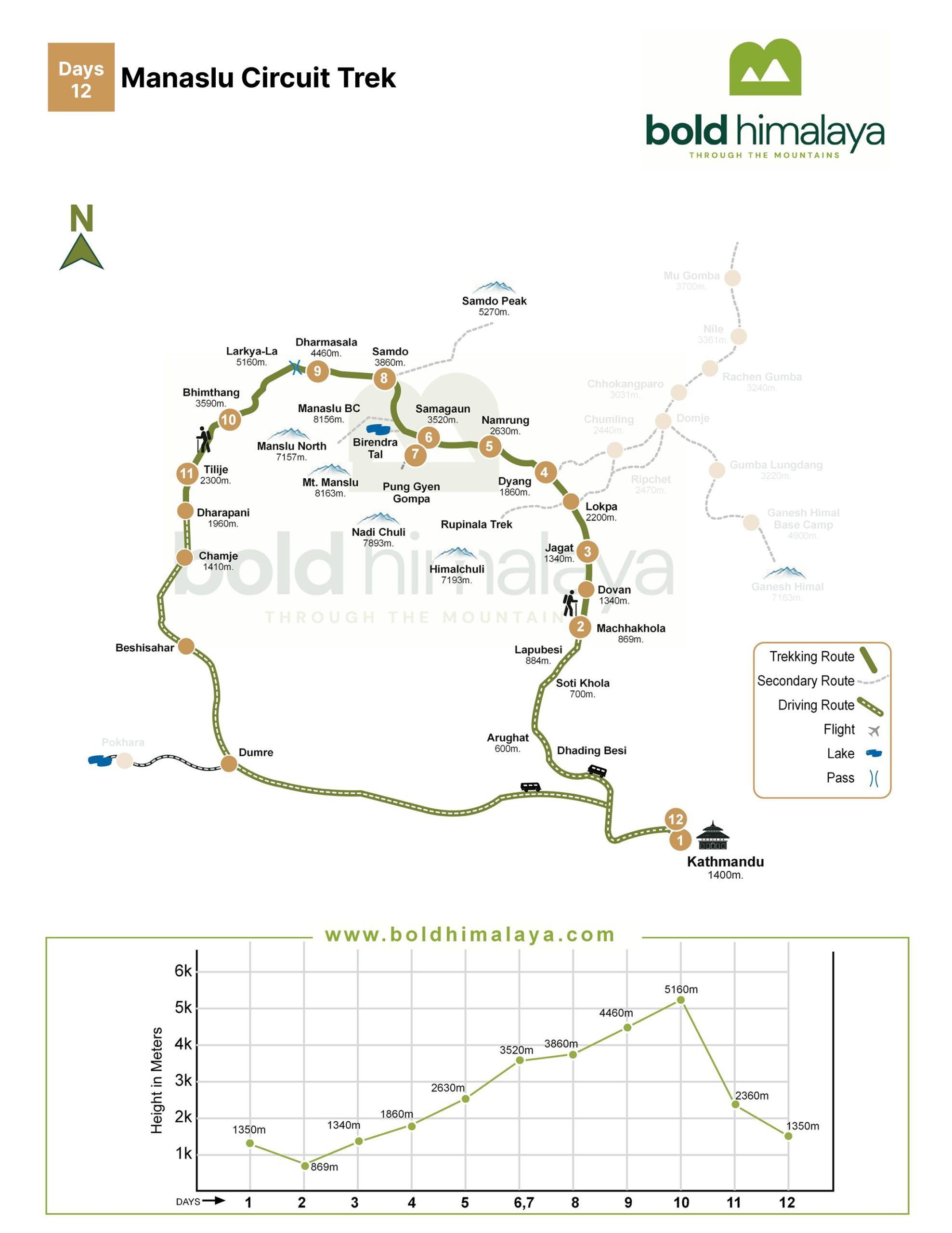
Manaslu Circuit & Tsum Valley Trek Map
Map of Manaslu Circuit and Tsum Valley Trek route with key stops and passes
Good to Know
Your Journey, Step by Step
Tsum Valley And Manaslu Trek Difficulty level
This journey offers a mix of challenging experiences as you explore the landscapes of Nepal. Over the course of 23 days, hikers will traverse rough terrain, passing through lush valleys and scaling peaks that reach over 5,000 meters in height. While this trek provides an opportunity to immerse yourself in nature’s beauty and local culture, it does require a level of fitness, stamina, and mental strength. Be prepared to navigate inclines, paths, river crossings and varying weather conditions that can include cold temperatures and occasional snowfall, depending on the time of year. Ensuring acclimatization, staying hydrated, and following safety guidelines are essential for managing the challenges that come with altitudes.
Click the highlighted link for Proper Acclimatization Tips and Suggestions
Preparation for Manaslu Tsum Valley Trek
Before trekking in the Tsum Valley via the Manaslu Circuit, you need to prepare fully. You will require a special permit from MCAP (Manaslu Conservation Area Project) and travel insurance. You need to be fully prepared with all the essential documents, including physical and mental ones, too. As trekking is at a higher altitude, the best physical and mental fitness is required to succeed in the trek. To improve physical fitness, you can do swimming, running, short hiking, or join a gym class, and to improve mental fitness, you can join gym classes and avoid negative talk.
Make sure to read Tips and Advice for Perfect Trekking in Nepal
Necessary documents
Here’s a list of essential documents:
Passport;
Make sure your passport is valid for six months beyond your planned stay in Nepal.
Nepali Visa;
For travelers visiting Nepal, you’ll need a tourist visa. You can get this upon arrival at Kathmandu’s Tribhuvan International Airport or at the border crossings. Another option is to apply for a visa of time through an embassy or consulate in your own country.
TIMS Card (Trekkers Information Management System);
When trekking in Nepal, you’ll need a TIMS card, which helps authorities ensure trekkers’ safety by keeping track of their movements. You can get a TIMS card from the Nepal Tourism Board or an authorized trekking agency in Kathmandu or Pokhara.
Restricted Area Permit:
To trek in the Manaslu Conservation Area and Tsum Valley, hikers need to get a Restricted Area Permit either from the Nepal Tourism Board or the Immigration Office in Kathmandu. This permit is necessary, from Jagat all the way until you reach Sama Gaun.
Manaslu Conservation Area Permit(MCAP) :
You will need this permit to enter the Manaslu Conservation Area, Philim.
Annapurna Conservation Area Permit(ACAP) :
You will need it as you enter Dharapani.
Emergency Contact Information:
Make sure to have a list of emergency contacts with you, such as the details for your embassy or consulate in Nepal, local emergency services, and the contact information for your travel agency.
Visa Process to Enter Nepal
Citizens from any foreign country except India must obtain a visa to enter Nepal. You need to fulfill the following requirements to get a visa for Nepal.
· Your original passport valid for at least the next two months and two blank visa pages.
· Photocopies of the personal information page of your passport.
· At least one recent passport-sized picture of yourself.
· The completed and signed Nepal Tourist Visa Application form.
· Valid return flight or travel ticket.
· Proof of sufficient financial means.
· Proof of having paid the Nepal visa fee.
Health and Safety
The majority of trekking areas are situated at higher altitudes; therefore, every trekker must be concerned with their health and safety. Regarding your safety, make sure you have travel insurance and always keep updated with the weather. Carry paracetamol, medications, and a first aid kit along with water purification tablets and hand sanitizer. Be sure to have enough acclimatization days as you are trekking at a higher altitude.
Insurance
As per government rule, it is mandatory to have travel insurance for trekking in Nepal. Insurance must cover the highest altitude of the respective trekking site as well as medical and evacuation facilities. Sometimes, a sudden incident might happen; therefore, it is better to buy travel insurance before trekking in the higher altitudes of Nepal.
Facilities on Manaslu Tsum Valley Trek
Drinking Water
Trekkers will have to drink 2 to 3 litres of water daily in order to keep themselves hydrated. Water is available on tap or from streams, but what concerns most is whether the water is safe to drink. The water available on tap or from streams is not considered safe to drink. It is recommended to drink boiled or purified water. You can ask at tea houses or lodges for boiled water by paying some extra charges. You can also carry water purification tablets along with you to purify the water.
Hot shower and Laundry
Almost all of the tea houses provide hot water facilities for showers and laundry. In the absence of those facilities, tea houses will provide a bucket of hot water for a shower and laundry. Remember, you have to pay yourself for hot water.
Electricity and Internet facilities
Good access to electricity and the internet is available throughout the entire trekking trail.
At a lower altitude, there is good access to electricity, and charging phones or devices is no problem at all. But at higher altitudes, you might get a problem while charging your devices, even if the tea houses or lodges have access to electricity. Electricity is generated through solar power or hydroelectricity at the upper part, so that electricity of low voltage is available. You have to ask with receptionist to charge your devices by paying an extra charge.
Internet access is good and has high speed in lower altitudes. Since there is enough availability of internet at a lower altitude, you may not have to pay charges. But in higher altitudes, you will have to pay some extra charges to get access to the internet through wifi. Wifi may be a little slow due to overconnection.
Guide and Porters for Manaslu Tsum Valley Trek
Hiring a porter and guide is another safety and comfort idea. The guide organizes food, accommodation, and gives you day-to-day information about the trek, as well as he will apply and obtaining the permit from MCAP to trek in the Tsum Valley with the Manaslu Circuit. Porter will carry your luggage, 10 to 15 kg, and walk with you during your trek. We provide you license holder and 10 year 10-year-experienced porter and guide.
Responsible Tourism
We strongly believe in responsible tourism, and our policies are guided by the principles of economic responsibility, Social responsibility, and Environmental responsibility. We encourage our customers to be environmentally friendly to ensure the preservation of our pristine environment. We wish to preserve our local culture, customs, and biodiversity, so we are continuously developing new potential areas for sustainable cultural and eco-friendly trips.
How to book the Manaslu Tsum Valley Trek?
Feel free to contact our team of travel professionals through our website, email, or phone. We’ll assist you every step of the way, address any inquiries you might have, and assist in selecting the itinerary that matches your preferences and timetable.
Other popular trips
Trekkers have the flexibility to extend their journeys beyond this Trek based on their physical fitness, time availability, and interests. You can choose various hiking tracks in Nepal, from easy to strenuous hikes. The scenic hiking trail is rich with terraced rice fields, steep hills, open pastures, and breathtaking suspension bridges with fluttering prayer flags. You may enjoy the easy treks while surrounded by a gorgeous environment.
FAQs
Your Questions, Answered
How high is Larkya La Pass?
Larkya La pass is one of the longest passes of the Himalaya in the Manaslu region, situated at an altitude of 5,106 meters (16,752) above sea level.
How to prevent altitude sickness?
The best way to prevent getting altitude sickness is to travel to altitudes above 2,500 meters slowly.
You can also:
- Avoid trekking directly at high altitude
- Avoid climbing more than 300 to 500 meters a day after 2,500 meters.
- Have a rest day every 600 to 900 meters you go up.
- Make sure you’re drinking enough water
- Eat a light but high-calorie diet.
How many days does it take to reach Larkya La Pass?
It takes around 19 days to reach Larkya La Pass, including days at Kathmandu and an acclimatization day. Larkya La Pass is the highest point of the Manaslu Circuit trek at an altitude of 5,106 meters above sea level.
What are the popular trips in Manaslu region?
The best trips in the Manaslu region are Manaslu Base Camp, Serang gompa, Kalmachum Lake, Hinang Gumba, Birendra Lake, Manaslu Circuit, Annapurna Circuit, Tsum Valley, and Rupina La Pass trek.
Can I choose hotel in Kathmandu?
Company will provide you 3* category hotel in Kathmandu. If you didn’t like the hotel that company had chosen, then you can choose the hotel yourself in Kathmandu. But the payment should be done by yourself.
How many days of acclimatization are enough for Manaslu Circuit with Tsum valley trek?
Two days of acclimatization at Samagaun and Samdoo are enough for the Manaslu Circuit trek. Even the Manaslu Circuit trek takes place at a high altitude but the trekking route is not so long and can be finished within 13 days.
Can I continue the trek after rest if I got sick?
You can continue going up with care once you feel you have fully recovered. If you do not feel any better after 24 hours, go down by at least 500 meters. Do not attempt to climb again until your symptoms have completely disappeared.
How much down payments should I pay while booking a trip?
To ensure your booking trip the 20% down payments is required to make advance as per company policy. As Nepal most liked tourist destinations and always overbooked we encourage you to make advance payment on time to secure your reservations.
How much should I give tips to trekking crews?
It is a better rule to thumb when trekking is to tip the equivalent of $5 per day for guides and $2 to $4 per day for porters. With guide and porters your trips will be more comfortable and memorable. You can give $ 5 per day for cook who will give you delicious food around the trek.
Why trek with Bold Himalaya?
Trekking with any agencies will give you more confidence and motivates you as well as you will be well known about the cultures and traditions of the society. Our Bold Himalaya is one of the renowned trekking agencies of Nepal. Some reasons why you trek with Bold Himalaya are:
- Trek with professional guide during your trip.
- Get valuable information and knowledge of trekking site.
- Easy to get permits for rural and Restricted Area trekking.
- Easily accessible of trekking materials and you won’t have to be worry.
- No compromise on your safety and security.
Is there anyone coming to pickup me?
One of the representatives from Bold Himalaya will come to pick you up at airport on your arrival. He/She will pick you and transfer you at 3 star category hotel referred by our Company.
How difficult is Tsum valley with Manaslu Crcuit trek?
The high altitude trek requires uphill and downhill climb along the steep and narrow paths. The trail passes through remote landscapes, high passes and snow capped mountains to the highest altitude of more than 4500 meters. Therefore, the trek is considered as a moderately challenging trek.
How many days does it take to complete Tsum valley with Manaslu circuit trek?
The trek requires 22 days to complete including the days at Kathmandu and acclimatization day during the trekking.
What are the benefits of Tsum valley with Manaslu Circuit trek?
- Explore the less explored and hidden valleys of the Manaslu region.
- Observe the antique monasteries, chortens and gompas in this region.
- Walk to tibetan border on the northern side of Manaslu region.
- Witness wide angle display of Mt. Manaslu, Hiunchuli, Ganesh Himal and Larkye La Pass.
- Navigate the novel trek routes to typical Tsum valley.
How much does it cost for Tsum valley with Manaslu circuit ?
While trekking on Tsum valley with Manaslu Circuit trek, you have to pay for special permit too and it is mandatory to pay for food, accommodation, snacks, transportation, guide and porter as well. to sum up, Manaslu Cirucit with Tsum valley is 22 day trek and will cost you around US$ 1300 to US$1400.
Do I need a porter? How much should I tip?
Need? Highly recommended. A porter carries 15-20kg for 2 trekkers, allowing you to enjoy the trek and stay safe. The cost is reasonable and directly supports the local economy.
Tipping: A standard guideline (for the entire team: guide & porter):
Guide: $25-$30 per day (from the total group)
Porter: $20-$25 per day (from the total group)
Tipping is a gesture of appreciation for good service, typically given at a farewell dinner in Kathmandu.
Which is better: Manaslu Circuit only or combined with Tsum Valley?
This depends on your priorities:
Choose Tsum Valley + Manaslu Circuit if: You prioritize deep cultural immersion, ancient Tibetan Buddhism, and visiting one of Nepal’s last hidden valleys. It’s more unique and spiritually rewarding.
Choose Manaslu Circuit only if: You are more focused on mountain scenery, have less time (12-14 days), or want a slightly less physically demanding trek (by ~4-5 days).
Can I customize the itinerary? (e.g., skip Tsum Valley, add extra days)
Yes, reputable agencies like Bold Himalaya specialize in customization. Common modifications:
Add extra acclimatization days in Samagaon or Samdo.
Include the challenging side trip to Ponkar Lake near Bimthang.
For a shorter trip, trek the Manaslu Circuit only and skip Tsum Valley.
Discuss your fitness and interests with your operator during the planning stage.
How much does the Tsum Valley with Manaslu Circuit trek cost?
For an all-inclusive package (guides, permits, meals, accommodation, transport), expect:
Group Join: $1,800 – $2,200 per person
Private Trek: $2,200 – $2,800 per person
Budget Breakdown: 40% operator fees/guiding, 30% permits/logistics, 20% food/accommodation, 10% transport. The final price varies by group size, season (spring/autumn peak), and service level (standard vs. luxury lodges where available).
How cold does it get at Larkya La Pass?
Temperatures at the pass (5,160m) can drop to -10°C to -15°C (14°F to 5°F) at night and early morning, even in the best seasons. Daytime temperatures while crossing can be near freezing with wind chill. A high-quality down jacket, thermal layers, and good gloves are mandatory.

Reviews
What Our Travelers Say


Based on 0 ratings
View OurSimilar Packages
Discover our top tours, loved by thousands of travelers annually. Choose the adventure that inspires you and embark on a journey tailored to your desires.
View All Packages

Premium Nepal & Bhutan Luxury Tour | 11-Day Himalaya Adventure
 Multi-country
  11 Days Days
Save 33%
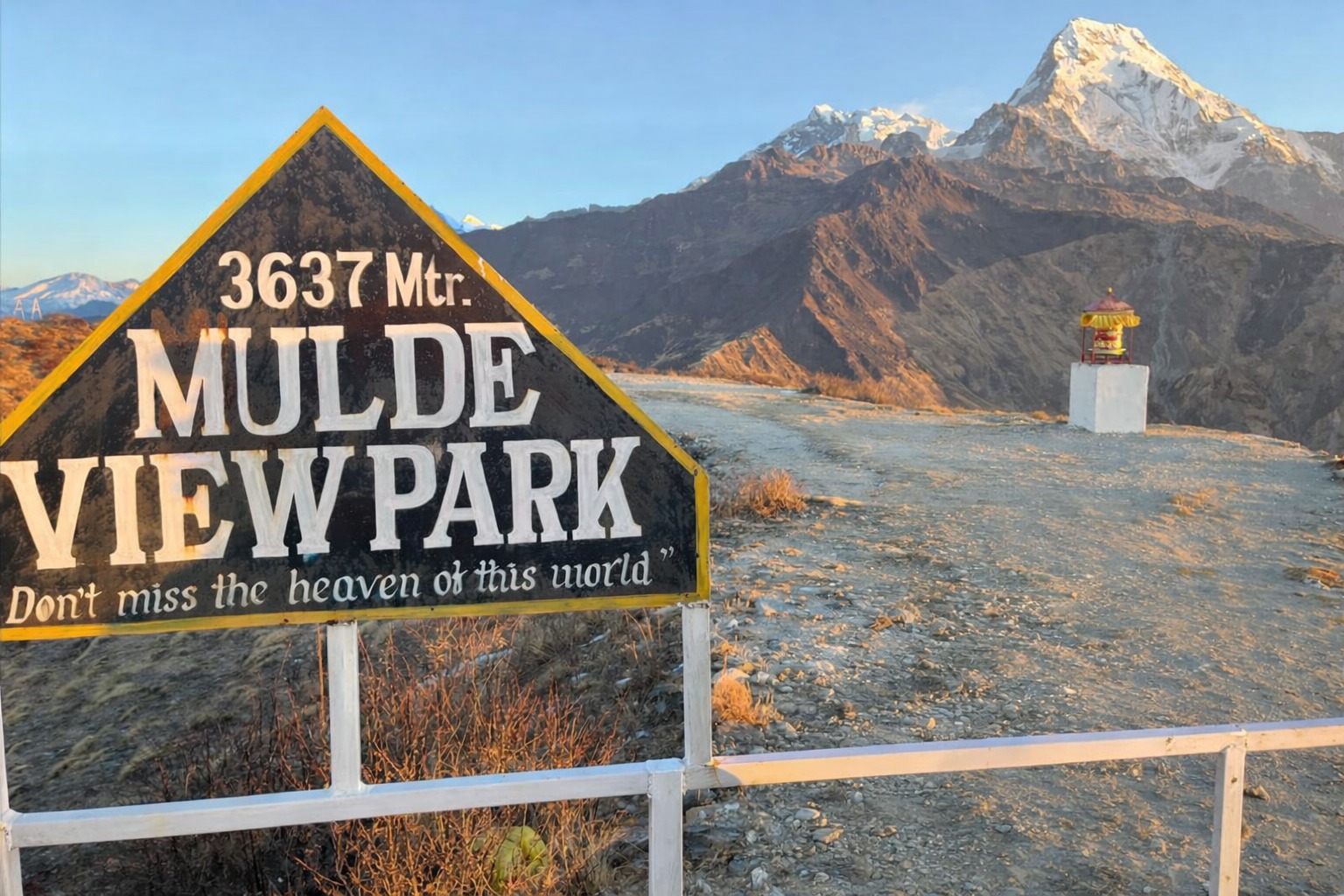
Mulde View Point Trek with Poon Hill – Four Days of Annapurna
Nepal Tour Packages
4 Days
Save 32%
Mardi Himal Base Camp 5 Days Trek
Nepal Tour Packages
5 Days
Save 22%
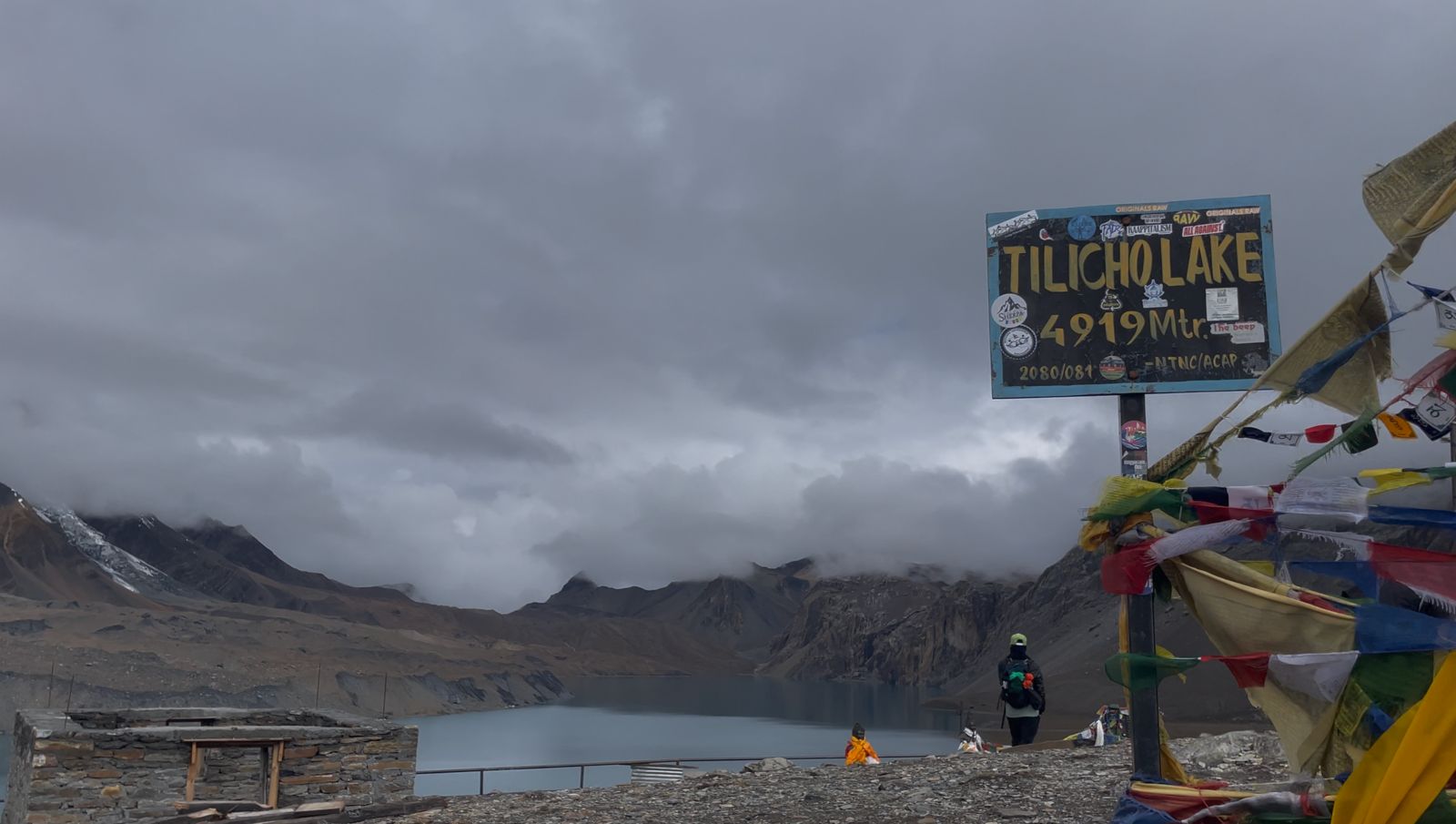
Annapurna Circuit Trek with Tilicho Lake
Nepal Tour Packages
13 Days
Save 28%
Nar Phu Valley Trek – 11-Day Remote Himalayan Adventure
Nepal Tour Packages
11 Days