



Winter Treks in Nepal

-
 Sobit Bhandari
 -
20 December, 2024
-
30 mins read
-
2352 Views
-
0 Comments


Nepal, a Himalayan nation, is a place that opens doors to millions of adventure enthusiasts annually to its legendary trekking routes. Though spring and autumn are favorite times for their treks, winter, between December and February, is an enchanting choice. Snowfall on known landscapes transforms them into a virgin landscape during this period, providing an experience of remoteness and unrestricted beauty.
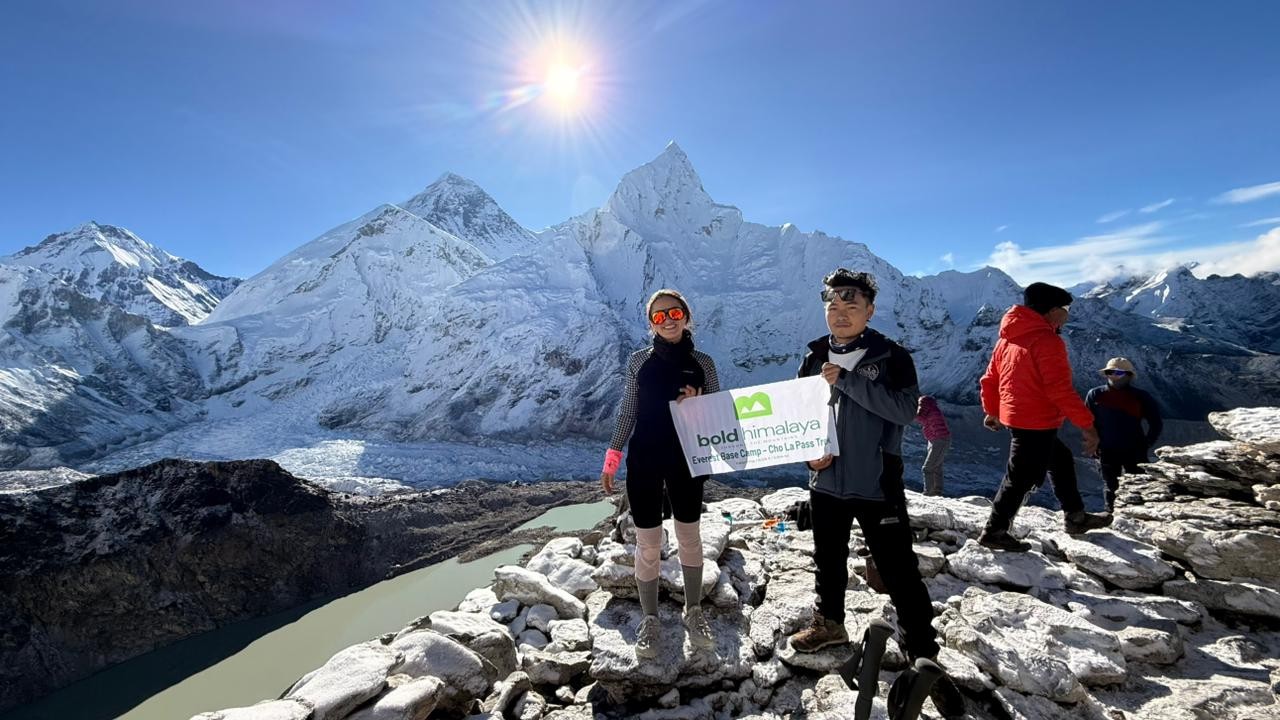
Winter treks in Nepal bring out the best of the peaks that tower above crystalline blue skies, valleys still clad in mantles of snow, and waterfalls bedazzled with icicles shine under winter sunlight. From the popular Everest Base Camp Trek to decidedly less popular though no less difficult ones like Khopre dada, Nepal’s winter treks have a little something for all kinds of adventure-seekers, whether a repeat mountaineer or an adventure-seeker converting trekker in quest of something different.
Winter season reconfigures most popular treks, such as the Annapurna Circuit, and provides the best weather for short treks such as the Ghorepani Poon Hill with sunrise panoramic views. The cultural experience is more profound while trekking through villages of yesteryear, where villagers, less preoccupied with farming, greet visitors with outstretched arms. Well off the beaten track in places such as Upper Mustang and Rara Lake, winter uncovers little-visited landscapes with lakes freezing over and mountains radiating unprecedented clarity.
For a poor time or experience, both Pokhara and Kathmandu valleys offer a day hike with scenery and cultural exposure. Both these alternatives offer a taste of rural Nepali culture and yet have fantastic mountain vistas. Wherever you trek in Nepal during winter, proper planning makes your trek at once adventure and a safety, memories that last for a lifetime.
Reasons to Trek in Nepal During Winter
Solitude trails and teahouses: Walk Nepal’s most popular trails in quiet solitude, teahouse nights, and your preferred accommodation without prior booking.
Crystal-clear views of the mountains: Dry, clean air means untroubled views, mountain vistas of piercing acuteness and color that are photographers’ heaven.
Fairy-tale winter landscapes: See Nepal through forests, villages, and hills blanketed in snow in fairy-tale winter landscapes, seen by few of the world’s trekkers.
Peaceful ambiance: Have the real peace and solitude from nature as the lesser trekkers provide space for reflective trekking stops and moments of silence thought amidst stunning surroundings.
Heightened wildlife observation: Harsh winter weather places animals into sharper relief against white backgrounds, giving a better opportunity to witness elusive Himalayan wildlife species like red pandas, snow leopards, and birds.
Greater cross-cultural interactions: Farming is decreasing, the villagers have sufficient time for gossiping, cross-cultural interaction, and exchanging local winter customs, food, and celebrations with tourists.
Winter adventure holidays: In addition to trekking, indulge in snowshoeing, limited skiing facilities, and photography tuition in areas like Langtang and Gosainkunda, which are heavily snowed in.
Personal challenge and achievement: Battling winter weather gives a greater sense of achievement to your trekking experience, boosting confidence and creating more fulfilling experiences.
Value for money: Utilize off-season rates on accommodation, guides, and services, making luxury affairs economical during winter.
Best preparation conditions: Cold, otherwise stable weather conditions mean fewer monsoon rain cancellations or unstable storms, hence more predictable planning.
Special festivals and celebrations: Experience unique winter festivals, such as Lhosar (Tibetan New Year), and local neighborhood celebrations that cater to locals, not high-season tourists.
Daytime is nice for trekking: Though nights are cold, daytime temperatures are pleasant for trekking, and often much cooler than the heat of hotter days.
Best Winter Treks in Nepal
The winter season is considered the offseason for trekking in Nepal. While high passes can be closed due to heavy snowfall, many roots of lower and mid altitude remain comfortably accessible. Some of the best winter treks in Nepal that balance beauty, accessibility, and safety are:
Ghorepani Poon Hill Trek
- Best Route: Nayapul – Tikhedhunga – Ghorepani – Poon Hill – Tadapani – Ghandruk – Nayapul
- Length of Time: 4-5 days
- Maximum Elevation: 3,210m (Poon Hill)
- Difficulty Level: Easy to Moderate
- Optimum Months in Winter: December to February
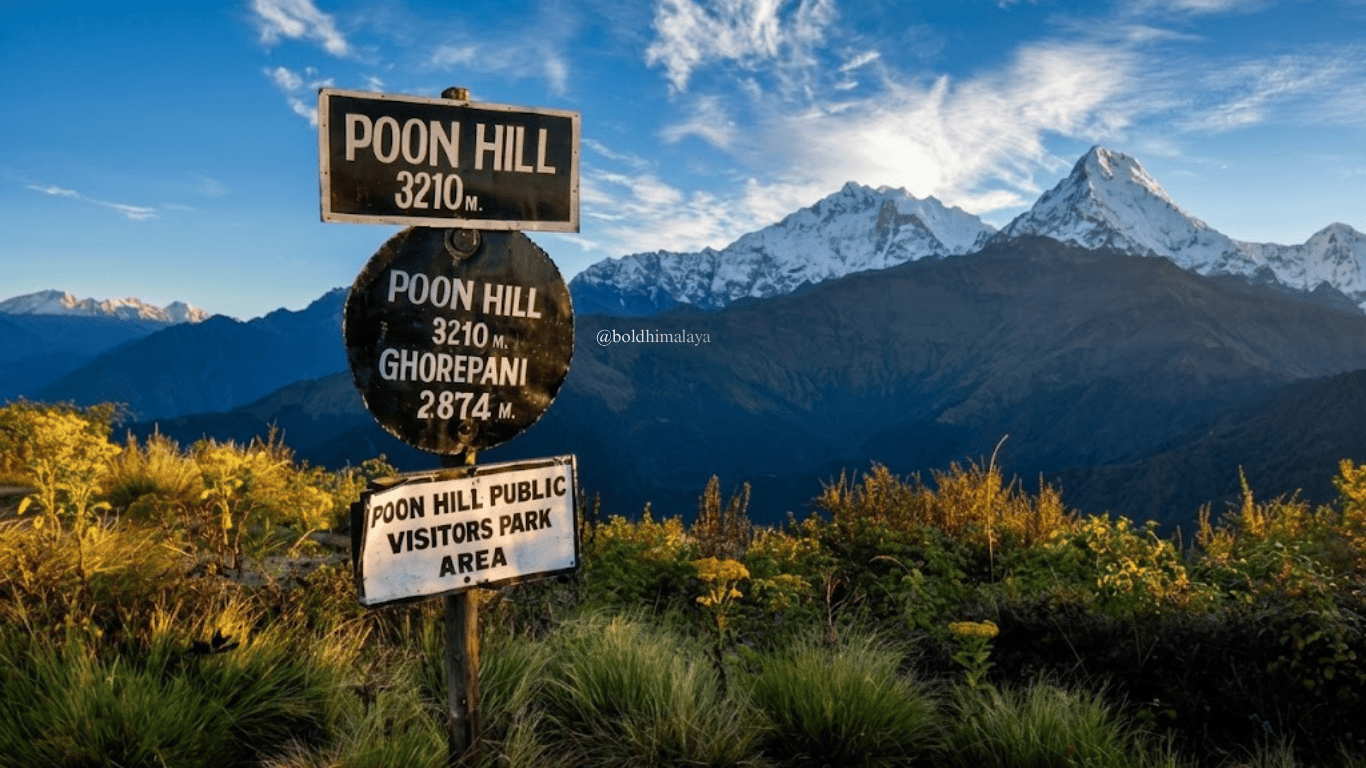
Winter Highlights
Ghorepani Poon Hill Trek offers excellent winter views of Dhaulagiri and Annapurna peaks. Poon Hill sunrise in winter is especially dramatic with cold air providing excellent winter views of a dozen of the giant peaks, including Machapuchare (Fishtail), Annapurna I, and Dhaulagiri. Rhododendron forests are denuded, yet silver-enameled paths through oak and magnolia forests provide a ghostly winter wonderland.
Trails are very negotiable with light snow and light traffic, usually below 2,500m. It falls below zero at night in Ghorepani, but 5-15°C (41-59°F) pleasant day walking temperatures are enjoyed. They all descend the teahouse with light congestion, and the trail goes through beaming Gurung and Magar villages, where winter provides a glimpse into such ancient lifestyles as weaving and cooking.
For whom is this trek suitable?
The Ghorepani Winter Trek is suitable for almost all types of trekkers and most accessible winter treks in Nepal. This trek is the best option for beginners, families, and casual hikers looking for a short trek with moderate altitude and lots of teahouses. Even people coming from hot climates can comfortably complete the trek with proper warm clothing, as the temperatures are cold but not extreme.
Mardi Himal Trek
- Route Summary: Kande – Forest Camp – Low Camp – High Camp – Mardi Himal Base Camp – back via Middle Camp-Sidhing
- Duration: 5-7 days
- Highest Altitude: 4,500m (Mardi Himal Base Camp)
- Level of Difficulty: Moderate
- Peak Winter Months: December to early February
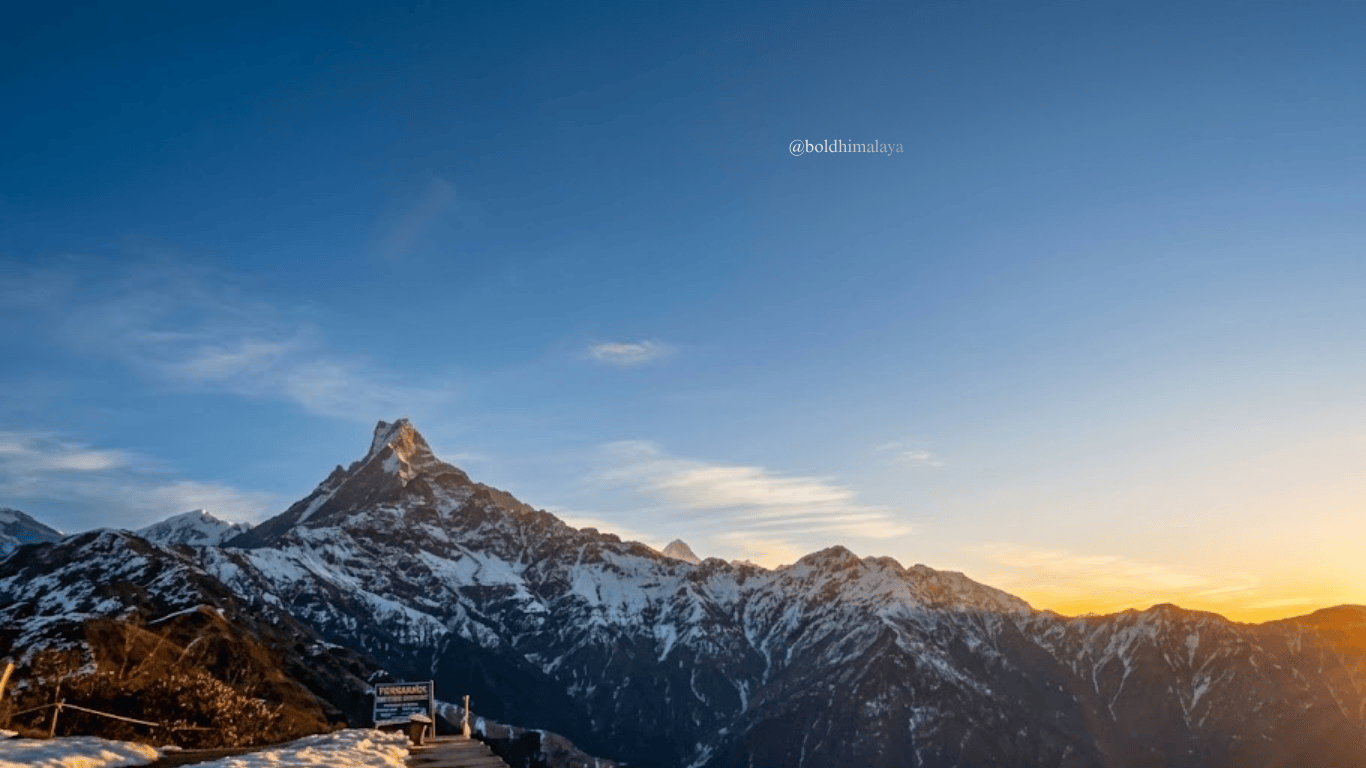
Winter Highlights
The Mardi Himal trek has developed rapidly in popularity, but it remains relatively off the beaten path in winter, offering a truly intimate experience of the Annapurna range. Winter transforms high altitudes into a snow-filled fantasy landscape, featuring intimate and breathtaking close-up shots of Machapuchare (Fishtail) and the Annapurna range. The tree line section offers a great fir tree against a snowy mountain view contrast.
Winter weather will typically render the main trail possible to traverse, but after heavy snowfall beyond High Camp, perhaps challenging. Sub-freezing temperatures at High Camp (3,700m) and possibly deep snow at Base Camp can be expected by trekkers.
All of the teahouses are on the main trail, but comfort diminishes with higher elevation. Sunrise from High Camp is Nepal’s best winter view: Annapurna South, Hiunchuli, and Machapuchare bathed in sunlight over freshly fallen snow.
Which trekkers will find this winter trek suitable?
The Mardi Himal Winter Trek is suitable for those trekkers who want a short but adventurous Himalayan experience and are comfortable with cold temperatures. It is ideal for moderately fit travelers, including those who have done some trekking before or are confident walking on snowy, icy trails. Generally, people from colder countries adjust more easily, but travelers from warm countries can enjoy this trek if they are prepared with proper clothes for protection.
However, this trek is not recommended for complete beginners in winter, as the upper section near High Camp and Mardi Viewpoint can be steep, slippery, and covered in snow during January and February.
Everest View Trek
- Route Description: Lukla – Phakding – Namche Bazaar – Tengboche – return by the same route or other via Khumjung
- Duration: 7-10 days
- Highest Altitude: 3,867m (Tengboche)
- Difficulty: Moderate
- Best Winter Months: December to February
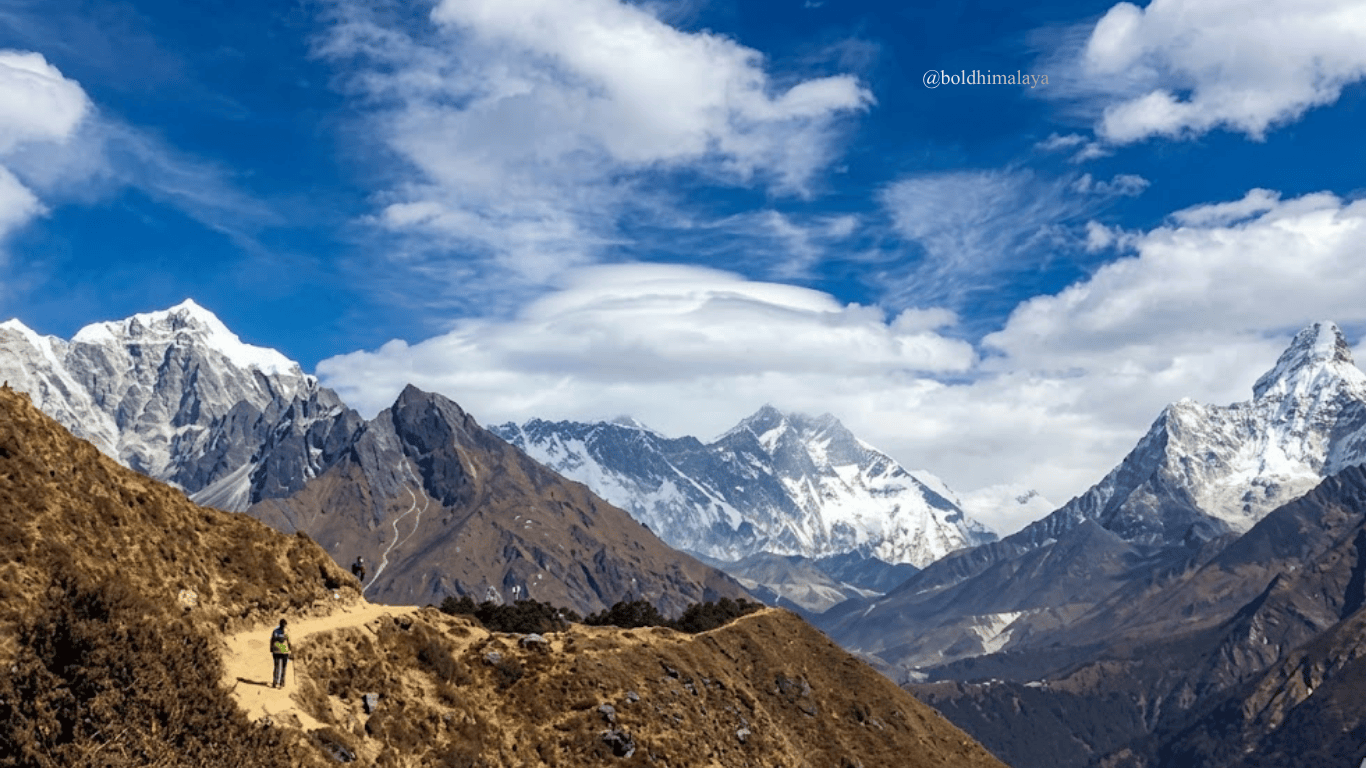
Winter Highlights
This shortened version of the traditional Everest Base Camp trek maintains the essence of the Khumbu valley, but with the added altitude, less of an issue. Winter also adds sharper definition to mountain vistas, particularly Everest, Lhotse, Nuptse, Thamserku, and Ama Dablam. Tengboche Monastery is particularly breathtaking in winter when the air is completely crystal clear.
Snow is mostly there on the main trail, with the occasional patches of ice on the Namche to Tengboche trail. Daytime temperatures are warm and trekker-friendly, while nighttime temperatures are quite cool, particularly in Tengboche, with nighttime temperatures mostly way below freezing.
Sherpa town Namche Bazaar hums with all the accoutrements of contemporary days, operational even during winter. Tengboche Monastery performs regular Buddhist ceremonies for visitors even off-season. Winter allows more space for cultural content exchange as monks and locals are comfortable with visitors off-season.
Who can take on this winter trek comfortably?
The Everest View trek is ideal for beginners, families, and casual hikers who have basic fitness and can handle moderate cold. The trek reaches only around 3,800 meters, which makes it much easier and safer than other high-altitude treks in winter. This trek is a good trek for people from cold countries who are comfortable with chilly temperatures, as mornings and evenings can drop below freezing. However, travelers from warmer climates can also enjoy this trek with proper winter clothing.
Langtang Valley Trek
- Route Brief Summary: Syabrubesi – Lama Hotel – Langtang Village – Kyanjin Gompa – optional day treks – return via the same route
- Length of trek: 7-10 days
- Highest Trekking Altitude: 3,870m (Kyanjin Gompa), 4,773m (optional Kyanjin Ri day trek)
- Difficulty Rating: Moderate
- Ideal Winter months: December through February
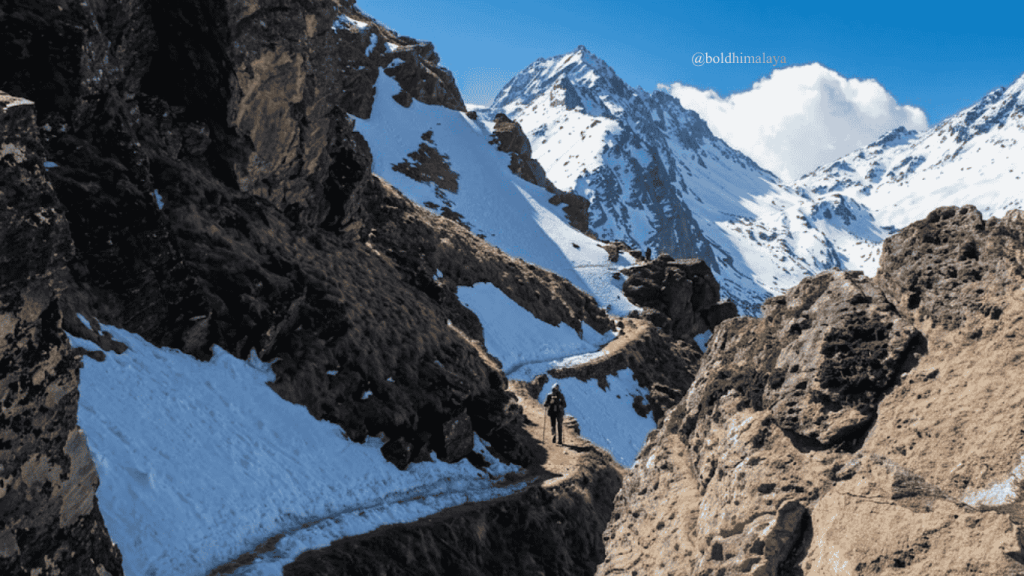
Winter Specials
Langtang Valley has one of the easiest winter treks in Nepal, with extreme diversity. Winter is perfect for the great clarity of the Langtang range and Langtang Lirung (7,227m), and the valley is covered in snow to provide a virgin wilderness experience. The newly constructed Langtang Village (after the 2015 earthquake) and the village of Tamang provide the richness of culture to the experience. Snow cover is never more than one step away from being accessed within the valley itself, though side optional excursions such as Kyanjin Ri will be under snow.
All the teahouses remain open throughout the year with proper facilities. Such popularity of the trail helped ensure quality services were available even in the off-season. You will need a Langtang National Park entrance fee, and proper chances are available to view wildlife such as red pandas, musk deer, and other birds, which are highlighted due to the snowy view.
The usually shielded side of the valley renders it winter-sustainable by standards, and since it is at most one hour’s drive from Kathmandu (7-8 hour drive), it is more logistically simpler than more distant winter treks.
Whom is this trek suitable for?
The Winter Langtang Valley Trek is suitable for those trekkers who have some experience with hiking and can manage cold and snowy conditions. Since the trek touches altitudes above 3,800m, winter temperatures can drop; hence, it best suits travelers who adapt very well to cold climates.
However, this trek may not be suitable for first-time winter trekkers, people who have problems with cold weather, or those coming from hot tropical climates who may find the sudden temperature drop difficult to bear. With proper winter gear, reasonable fitness, and some trekking experience, Langtang Valley becomes a rewarding and manageable winter destination.
Khopra Danda (Khopra Ridge) Trek
- Route Overview: Nayapul – Ghandruk – Tadapani – Dobato – Chistibung – Khopra Ridge – Swanta – Ulleri – Tikhedhunga – Nayapul
- Duration: 7-9 days
- Maximum Height: 3,660m (Khopra Ridge)
- Difficulty Level: Moderate
- Ideal Winter Months: December to February
Winter Features
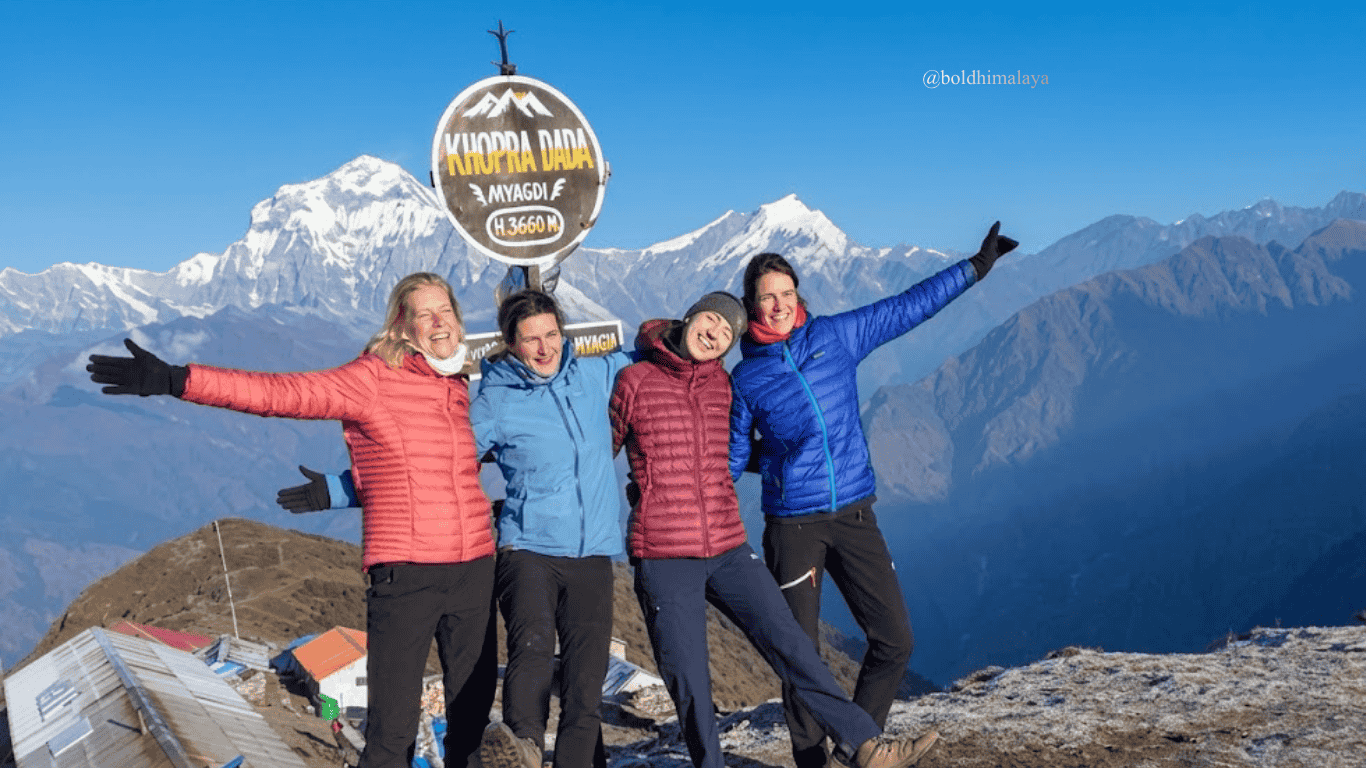
The hike to Khopra Ridge provides an off-the-beaten-path option in the Annapurna region with stunning views. In winter, Dhaulagiri, Annapurna South, and Nilgiri can be clearly seen from the ridge. The trek passes through remote villages and forest, which look magical under a cover of white snow and ice.
Most of the trekking route is snow-covered, although the ridge becomes progressively snow-covered after the storms. Village guesthouses along the route have wonderful winter amenities with much fewer tourists than the surrounding Poon Hill or Annapurna Base Camp routes.
It is simpler to spot wildlife during winter since the Himalayan thar and some pheasant species can be visible against the snow. The trek further includes excursions to Khayer Lake (4,600m) if the weather conditions are favorable, although this excursion is dependent on good weather and required equipment in winter.
Can Normal people also go?
The Khopra Danda Winter Trek is ideal for trekkers who are comfortable with moderate winter conditions and are seeking an off-the-beaten-path experience in the Annapurna region. It suits travelers from colder climates, such as Europe or Canada, who can adapt more easily to high altitude.
However, this trek is not recommended for those who struggle with cold weather or are first-time winter trekkers, as temperatures can drop below freezing, and some sections may be covered with snow or ice.
Gosaikunda Lake Trek
- Route Map: Dhunche – Sing Gompa – Gosaikunda Lake – same route back or further to Helambu
- Duration: 5-7 days
- Maximum Elevation: 4,380m (Gosaikunda Lake)
- Difficulty Level: Moderate to Difficult
- Best Winter Months: December (pre-early winter is safer)
Winter Highlights
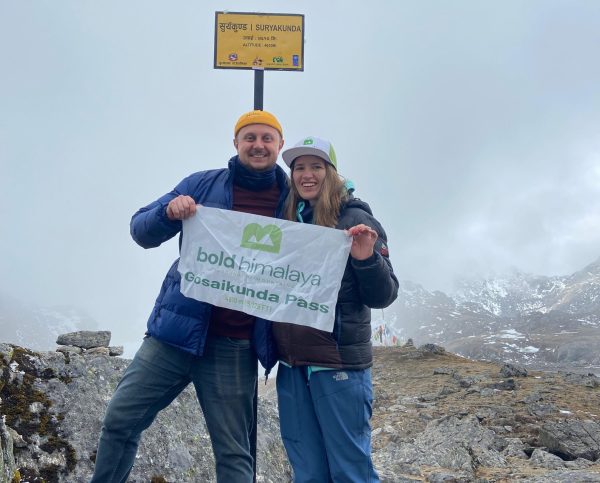
Sacred to Hindus and Buddhists, Lake Gosaikunda turns into a mystique when it freezes halfway through winter. Scenic landscapes of Langtang National Park are draped with a high-altitude winter wonderland offering views of Langtang and Ganesh Himal ranges. Cultural enrichment is added to the trek in the area having important religious sites.
This climb is extremely demanding in severe winter months (Jan-Feb) when it is extensively snowed over the lake. A safer trip comes in December when there is a light cover of snow. It does get bitterly cold at lake level, generally even lower than -15°C (5°F) on evenings.
The winter lodge is stripped, with some seasonal teahouses closed, but the main trail remains without facilities. The trek may be extended to the Helambu Circuit for longer treks if there is favorable weather.
For whom is this Gosaikunda Winter Trek Suitable?
This trek is best for people from cold climates like Europe, Canada, or other cold countries, so that they can adapt better to the low temperatures. And it is suitable for those who have done high-altitude trekking before.
This trek is not recommended for people who struggle with a cold since it lies at a high altitude. Their body may take time to adapt. The combination of altitude, steep climbs, icy sections, and freezing temperatures makes this trek unsuitable for beginners during winter.
Tamang Heritage Trail
- Route Summary: Syabrubesi – Gatlang – Tatopani – Nagthali – Thuman – Briddim – Syabrubesi
- Duration: 6-7 days
- Highest Point: 3,300m (viewpoint of Nagthali)
- Difficulty: Easy to Moderate
- Best Winter Months: December to February
Winter Highlights
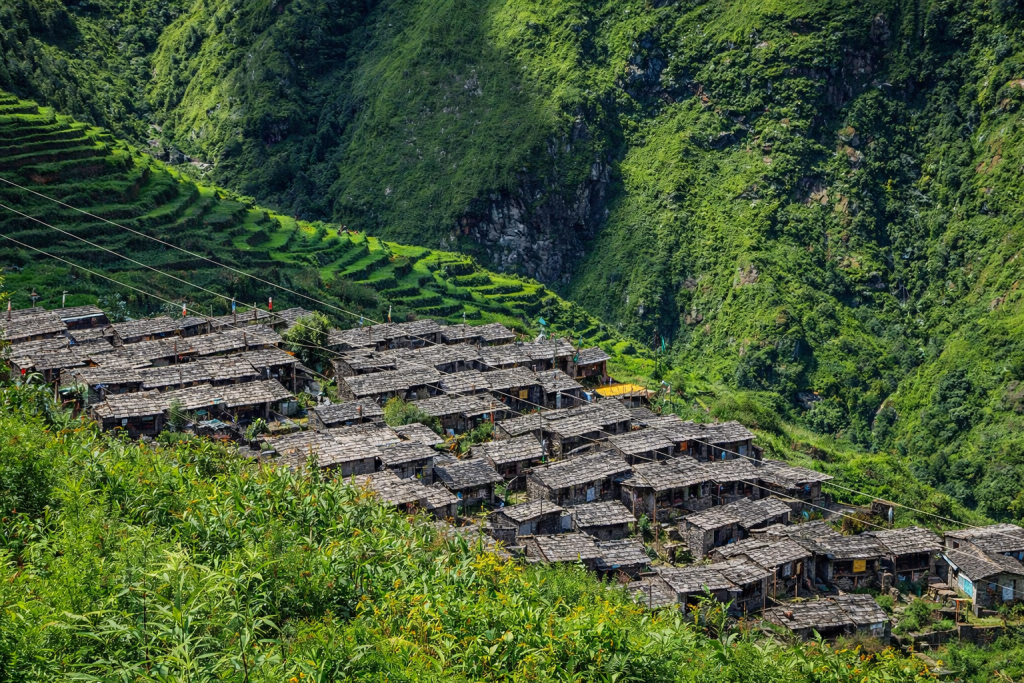
The Tamang Heritage Trail offers Nepal’s finest winter cultural trek with authentic Tamang villages set amidst breathtaking mountain landscapes. Winter gives unimpeded glimpses of Langtang and Ganesh Himal ranges from highland viewpoints, but with more cultured encounters with villages adopting traditional lifestyles.
The snow cover is moderate, with the trail remaining below 3,000m for a considerable duration, but more intensely in most of the higher passes. Tatopani hot springs also become more attractive during winter as a natural source of warmth on cold days. Days are relatively warm, but below zero at night at higher altitudes.
This trek provides home-stay accommodation along the trek, with genuine cultural experience and warmer beds than standard teahouses. Winter coincides with Tamang culture festivals like Sonam Lhosar in February, providing trekkers with a unique festival atmosphere.
Which type of trekkers should consider this winter trek?
The Tamang Heritage Trail is one of the few winter-friendly treks in Nepal, making it suitable for almost everyone. Since the trail ranges between 1,500m to 3,000m, the temperatures in winter are cold but still manageable, and the risk of altitude sickness is lower compared to high-altitude treks. Travelers from colder regions (like Europe or Canada) adapt easily, but even people from warmer climates can enjoy this trek with proper winter clothing.
Helambu Circuit Trek
- Route Description: Sundarijal – Chisapani – Kutumsang – Tharepati – Tarke Gyang – Sermathang – Melamchi
- Duration: 6-8 days
- Maximum Altitude: 3,650m (Tharepati Pass)
- Difficulty: Easy to Moderate
- Best Winter Months: December to February
Winter Highlights:
Helambu Circuit provides serene winter trekking with plenty of culture and mountain views. Winter provides unrestricted views of the Jugal Himal and Langtang ranges, and Hyolmo Sherpa villages primarily, with fresh, distinct culture vs. more tourist-touristed Khumbu Sherpas.
Lower overall altitude (well below 3,500m) equates to snow in sight for the entire winter months, although Tharepati Pass will receive further snowfall after a storm. Oak and Rhododendrons frost appear fairy-like magic because they are frosted up to create beautiful winter scenes along the trek.
All teahouses are operational throughout the year, with fewer tourists during winter, providing a quiet stay. Local apple brandy (raksi) production is going on full-time during the winter, and even the taste of this local hot drink can be savored. Shortest winter trekking option of choice due to its closeness to Kathmandu without taking any local flight and almost no travel arrangement, and yet providing a true mountain experience.
Who is this winter trek suitable?
The Helambu Circuit Winter Trek is generally suitable for most people, including beginners, because the altitude is moderate (usually below 3,700m) and the weather conditions are milder compared to other winter treks like Gosaikunda or Langtang. Even in winter, the region does not experience extreme snowfall, making the trails safer and more comfortable.
This is not suitable for those who cannot handle cold mornings and chilly nights.
Mohare Danda Trek
- Route Description: Galeshwor – Bans Kharka – Nangi – Mohare Danda – Tikot – Tipling – Pokhara
- Time Taken: 5-6 days
- Highest Point: 3,300m (Mohare Danda)
- Difficulty Level: Easy to Moderate
- Best Months in Winter: December to February
Best Winter Features
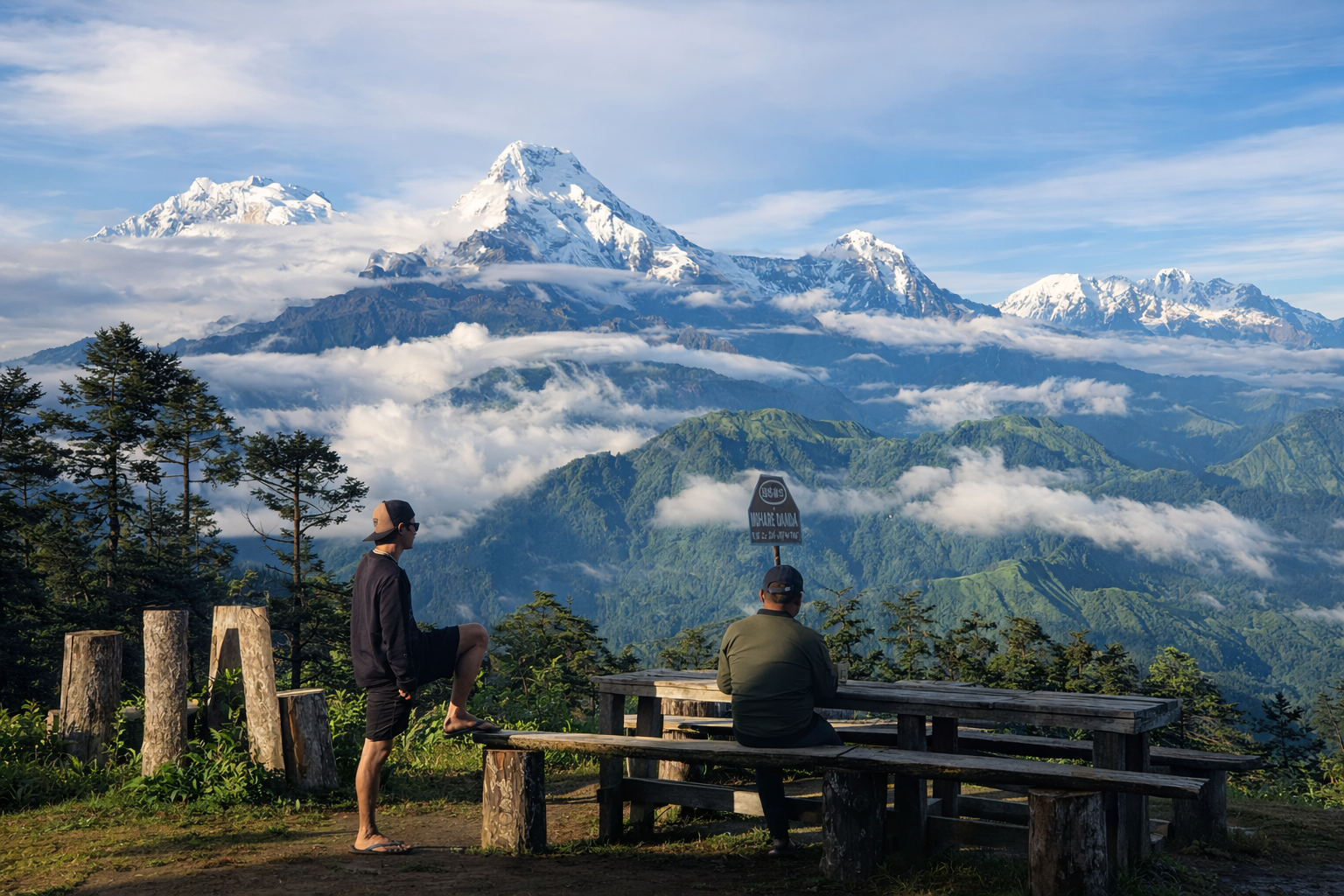
Mohare Danda Trek is the most environmentally friendly trek in Nepal with lodge ownership in both hands. Mohare Danda offers wonderful, clear winter views of Dhaulagiri, Annapurna, and Machapuchare, not commonly combined with Poon Hill, because it will be less crowded, offering breathtaking views.
There is light to moderate snow cover, and trail conditions are great even at midwinter. The weather is great for day hikes and chilly but tolerable nights. More comfortable heating facilities than normal teahouses can be found at all village lodges, with even solar-heated showers that operate in winter.
The trek passes through rhododendron forest and typical Magar settlements where winter agriculture and handicraft activities are visible. Community-based tourism strategy means winter trekkers spend money in local economies at once during the off-season when capital is not as accessible to obtain.
This off-the-beaten-track alternative trek to Poon Hill offers the same mountain vistas with far fewer tourists and a truer village experience, and is ideal for photographers and also for those who dislike crowds.
Can Normal People also go?
Yes. Mohare Danda is one of the best beginner-friendly winter treks in Nepal. It is not extremely cold, compared to the high altitude treks like ABC, Mardi, or Gosaikunda. It is suitable for first-time trekkers, families, casual hikers, and people from both hot and cold climates.
Royal Trek
- Route Description: Kalikasthan – Shaklung – Chisapani – Pokhara
- Time: 3-4 days
- Highest Point: 1,730m (Chisapani)
- Difficulty Level: Easy
- Optimum Winter Periods: December to February
Winter Highlights
Dedicated to Prince Charles, who walked on this path in the 1980s, the Royal Trek is Nepal’s most serene winter trek. With minimal snow at lower elevations, the trek is very good in sight of Annapurna, Machhapuchre, and Langtang. The trek passes through picturesque farm villages and terraced fields, which are winter farm-like.
Good trail conditions during winter with minimal snowfall at this altitude. Pleasant warm days (10-15°C/50-59°F) and chilly but not ferocious nights. All teahouses are open with good facilities and warm sleeping arrangements that only need light cold-weather gear.
The relatively short duration of trekking and the location close to Pokhara make it ideal as a starter winter trek or part of other holiday treks. The cultural activity consists of villages in distant Gurung regions where winter action comprises traditional cooking, weaving, and village council gatherings. Family, elderly, or with insufficient time, but to see a genuine mountain expedition over winter, they will tolerate this.
Who is this winter trek ideal for?
The Royal Trek in winter is perfect for beginners, casual trekkers, and families who want a scenic, low-altitude Himalayan experience without extreme cold or high-altitude challenges. With its maximum elevation around 1,730m, the trek offers pleasant winter temperatures during the day and mild nights, which makes it comfortable even for travelers from warmer regions.
It is ideal for those who want to enjoy Nepal’s cultural villages, terraced fields, and panoramic mountain views in a quiet, off-season setting.
Jomsom Muktinath Trek
- Route Summary: Pokhara – Nayapul – Tatopani – Ghasa – Marpha – Jomsom – Kagbeni – Muktinath – Jomsom
- Time taken: 7-9 days
- Highest Point: 3,800m (Muktinath)
- Difficulty level: Easy to Moderate
- Best Winter Months: December to February
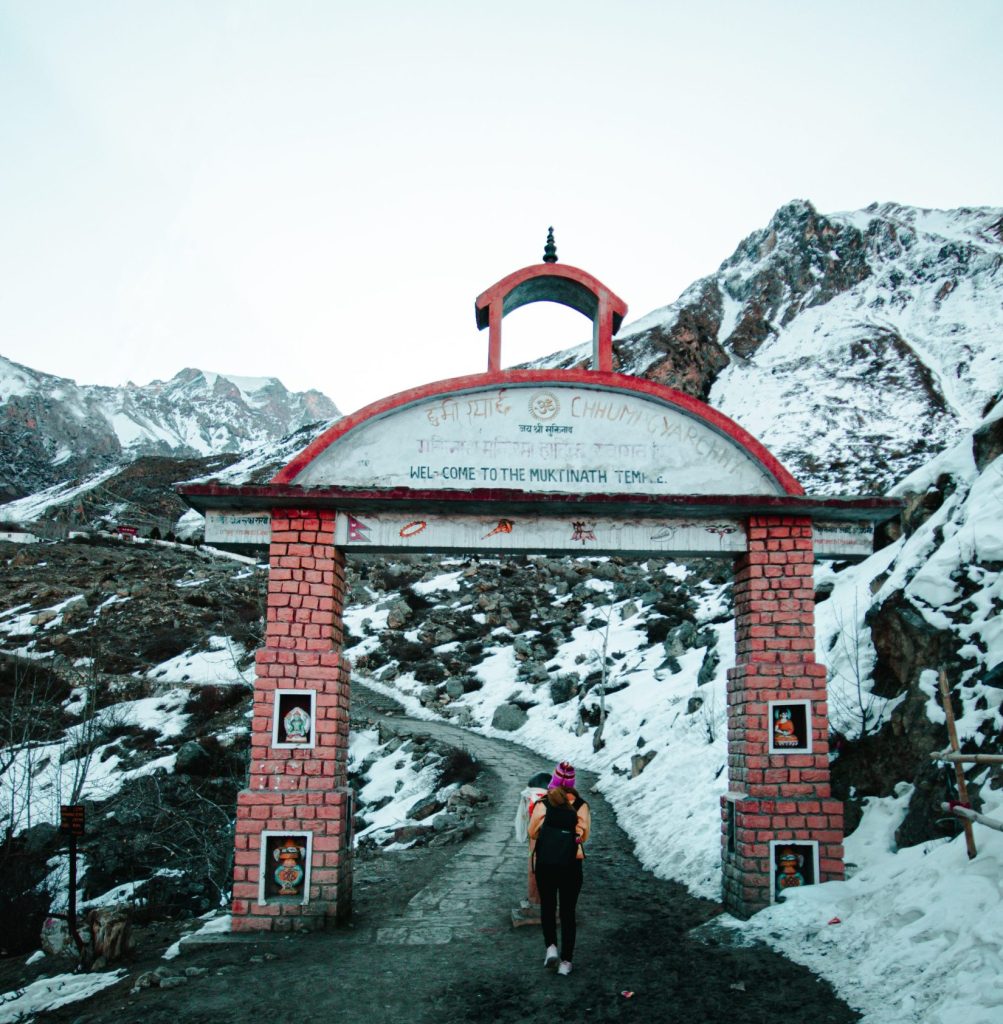
Winter Special
The Jomsom, Muktinath Trek is one of the classic Lower Mustang journeys of Nepal, combining some of the most spectacular Himalayan desert landscapes, sacred heritage sites, and the warm hospitality of the Thakali people. Winter brings crisp, dry air that opens up clear views of Nilgiri, Dhaulagiri, Tukuche Peak, and the vast Kali Gandaki Valley. The region is in the rain shadow of the Annapurnas, so the winter conditions are far more stable and drier than other trekking routes of Nepal, and you can also have a beautiful experience on winter treks in Nepal.
Snowfall is usually light and manageable, especially in Jomsom and Kagbeni, though light snow can blanket Muktinath in peak winter months. Daytime temperature is cool but comfortable for walking, while nighttime temperatures at higher altitudes can drop well below freezing.
Winter brings quieter trails, allowing trekkers to explore traditional Thakali and Tibetan-influenced villages, ancient monasteries, and the spiritually significant Muktinath temple in peaceful surroundings. Apple orchards and the famous Marpha apple products like apple cider, brandy, and dried fruits added a pleasant cultural flavor to the journey.
Whom is this winter trek ideal for?
The Jomsom Muktinath Winter Trek is ideal for trekkers looking for a lower-altitude winter adventure with stunning Himalayan desert landscapes, cultural richness, and relative ease compared to higher-altitude treks.
The trek is beginner-friendly to moderate in difficulty, which makes it accessible for first-time winter trekkers who want to experience snow-dusted trails without the extreme cold of higher Himalayan treks. However, trekkers must still be prepared for temperatures dropping below freezing at night and occasional light snow, particularly near Muktinath and Kagbeni.
Hiking around and inside Kathmandu Valley
For the non-trekking tourist, Kathmandu Valley does have some trekking routes with the cultural center attraction. Rather gentle hills and medieval towns surrounding the Kathmandu Valley are great terrain for hikers and trekkers too. Shivapuri Hiking Trail is among the most popular hiking trails of Kathmandu Valley.
It is so immensely easy trekking within Shivapuri National Park, which has attained such an amazing view of the valley and hills. Chisapani Nagarkot Trek is an easy trekking trail that enables the trekker to walk through with cedar forest, typical villages, and ancient temples. It is together with the scenic beauty of the Himalayan sequence of hills from Mount Everest, in this easy ascent.
Nagarkot Changunarayan Trek is a highly desirable trekking trail that takes you from the picturesque landscape and rural village countryside to the UNESCO World Heritage Temple of Changunarayan. Trekking in and around Kathmandu Valley is a wonderful cultural and scenic trekking experience and best suited for all types of trekkers. Some of the popular hikes around the Kathmandu valley are:
- Chisapani Nagarkot Trek
- Sundarijal
- Shivapuri National Park
- Nagarkot, Dhulikhel
- Phulchowki
Check-in Details: Best hiking around Kathmandu Valley
Hiking around Pokhara Valley
Pokhara Valley holds the western part of Nepal, a world-renowned tourist area as much as natural views and a picturesque landscape. It is enclosed and around along which some trekking trails run offering a unique trekking trip. Sarangkot Sunrise Hike is among the most of such hikes to the top of Sarangkot Hill, hiking on grassland and through villages.
You can see the breathtaking sunrise over the Himalayas from here. The second most trending trekking trail is the World Peace Pagoda Hike, where you will hike through villages and forests and get driven to the World Peace Pagoda, a Buddhist stupa with panoramic views of the Pokhara Valley and surrounding hills.
Most trending trekker trails around and within Pokhara Valley are:
- Sarangkot Sunrise hike
- World Peace Pagoda Hike
- Kaskikot Hike
- Panchase Hill Trek
- Dhampus Village Trek
- Australian Camp Trek
They offer a distinctive cultural and natural landscape trekking experience and are accessible to all levels of trekkers. If you want more details, then have a look here: Best Hiking Trails Around Pokhara Valley
Essential Packing for Winter Treks in Nepal
1. Clothing
- Base layers: Thermal long johns and top thermal tops with moisture-wicking fabric
- Mid layers: Insulating fleece jacket or wool sweaters
- Outer shell: Waterproof and windproof jacket and pants
- Down jacket: Top-of-the-line insulated parka for extreme cold
- Hiking pants: Ideally quick-drying with thermal lining
- Warm hat and gloves: Wool or synthetic with water-repellent outer gloves
- Neck gaiter or scarf: For face and neck protection from wind
- Warm socks: 4-5 pairs heavy wool or thermal socks
- Hard hiking boots: Waterproof with good ankle support and insulation
- Gaiters: To keep snow out of your boots
2. Equipment
- Sleeping bag: -20°C/-4°F minimum rating for higher altitude
- Sleeping bag liner: Adds warmth to your sleeping bag
- Trekking poles: With snow baskets for stable footing on ice
- Headlamp: With backup batteries (batteries lose power faster in cold)
- Sunglasses: Good quality UV protection to prevent snow blindness
- Sunscreen and lip balm: SPF 50+ (snow reflection enhances UV radiation)
- Water bottles: Insulated to prevent freezing
- Thermos: For heating hot drinks
- Microspikes or crampons: For icy sections of trail (route-dependent)
- Hand and foot warmers: Chemical heat packs for severe cold
3. Personal items
- First-aid kit: Blister treatment, painkiller, and altitude sickness medicine
- Personal medications: Carry spares in case of a delay
- Toiletries: Biodegradable soap, toilet paper, hand sanitizer
- Power bank: Solar-powered, ideal for long hikes
- Camera: Spare batteries in warm pockets
- Water purification: Filter system or tablets
- Snacks: Dried fruits, nuts, energy bars for immediate energy
Safety Tips for Winter Trekking in Nepal
1. Prevention of altitude sickness
- Climb slowly and have acclimatization days in your plan
- Observe the “climb high, sleep low” rule wherever possible
- Hydrate yourself by consuming a minimum of 3-4 liters of water every day
- Identify altitude sickness symptoms (dizziness, nausea, headache)
- Descend straight away if symptoms aggravate
- Take medicines such as Diamox upon advice from a doctor
2. Cold Weather Safety
- Dress in layers correctly and prevent sweating by removing layers during activity
- Prevent extremity frostbite by covering fingers, toes, ears, and nose
- Dry clothing is crucial, as wet clothing greatly increases the risk of hypothermia
- Hike later in the morning when the temperature has increased
- Arrive at your destination well ahead of sunset
- Learn to identify hypothermia and frostbite signs
3. Trail Safety
- Monitor weather forecasts daily and plan accordingly
- Start with short days to acclimatize to winter weather
- Find out the avalanche risks on your itinerary
- Carry a communications tool like a satellite phone or personal locator beacon
- Register with your home country’s embassy and the Trekkers’ Information Management System (TIMS)
- Purchase thorough travel insurance that covers helicopter evacuation
Food and Accommodation in Winter
1. Teahouse Accommodations
- Most of the most well-known trekking routes have teahouses that are open throughout the year, but some very isolated regions will have limited facilities
- Rooms are basic with twin beds and minimal insulation
- There is generally heating only in dining rooms, often from a yak dung or wood fire
- Bring your own sleeping bag, as blankets up there can be poor
- Teahouses at higher altitudes may have minimal or no hot water for bathing
- Electric power to charge the gear can be intermittent and will probably be costly
- Book reserve hotels for the best positions like Everest Base Camp, even during winter
2. Food Choices
- Hearty, high-calorie meals served by teahouses are ideal for cold weather
- Dal Bhat (rice, lentil soup, vegetables) with unlimited portions and sufficient nutrients
- Hot food like soups, porridge, and noodle meals is everywhere
- Garlic soup is a favorite medicine that aids in acclimatization
- Fresh fruits and fresh meat are not found at higher altitudes
- Hot drinks like tea, coffee, and hot chocolate are consumed throughout the day
- A spare energy bar pack and snack pack are good to have in between meals
- Water must be purified, or one buys bottled water (expenses rise with greater altitude)
Solo vs. Guided Winter Treks
Solo Trekking
Advantages:
- Complete independence and flexibility with plans
- Less in overall expense without guide and porter fees
- Personal feeling of achievement and autonomy
- Additional time for personal contemplation and exposure to nature
Limitations:
- Increased risk to safety, especially in snowy conditions
- Sliding over snowy trails
- Carrying all equipment alone over challenging terrain
- Less cultural interaction in the absence of local familiarity
- Language problems in remote villages
- No instant assistance in a crisis
Guided Trekking
Advantages:
- Local knowledge of trail conditions and weather patterns
- Cultural description and contact with residents
- Safety recommendations and first aid methods
- Porters allow you to trek with a lighter daypack
- Assistance with permit and logistics support
- Emergency response coordination when needed
- Job creation and economic support to host communities
Drawbacks:
- Greater cost than self-guided trekking
- Less flexibility to change plans on the spur of the moment
- Danger of personality conflict on longer treks
- Loss of the feeling of being self-sufficient
Recommendation for Winter
For winter treks, especially for first-time tourists to Nepal or those who prefer higher altitude-sensitive routes, guided climbs are strongly recommended since other hazards of cold weather, potential snowy trails, and fewer other trekking visitors on trails who could assist in any kind of emergencies.
Nepali Winter Festivals
Winter in Nepal offers varied cultural immersion in a series of festivals. Traveling in synchronism with these festivals offers unique exposure to native culture.
1. Tamu Losar (December/January)
- Gurung New Year festival
- Feel the traditional merriment, music, and dances
- Best experienced in Gurung villages in Pokhara and along the Annapurna Circuit
2. Sonam Losar (January/February)
- Tamang New Year festival
- Colourful ceremonies, mask dances, and village parties
- Most colourfully celebrated in the Langtang region and the Tamang villages in and around Kathmandu
3. Tibetan/Sherpa Losar (February/March)
- Tibetan New Year, celebrated by Sherpa villages
- Monastery ceremonies, hoisting of prayer flags, and local cuisine
- Glamorous in the Everest region, especially in the Tengboche Monastery
4. Maghe Sankranti (Mid-January)
- Hindu winter solstice festival is celebrated at the end of winter
- Traditional foods like ghee, sweet potatoes, and sesame seed laddu
- Celebrated all over Nepal, especially in villages along low-altitude treks
5. Yomari Punhi (December)
- Newari festival to celebrate rice harvest
- Preparing special sweet dumplings called Yomari
- Join treks around Kathmandu Valley through Newari villages
6. Winter Full Moon Festivals
- Special celebrations at some places on full moon nights
- Bonfires, singing, and folk dancing
- Last-minute celebrations you might have on winter treks
FAQs of Best Winter Treks in Nepal
Is winter, December-January, the best time to trek in Nepal?
Yes, winter, December-February, is good for good mountain scenery, fewer groups of trekkers, and extremely quiet weather. The lower regions are pleasant to walk around, and the higher regions are very scenic with white.
How cold is Nepal during winter trek weather?
Day temperatures are 10-15°C (50-59°F) at low altitudes and -5°C (23°F) in higher altitudes, and the night temperature will be -15°C (5°F) or lower in altitudes above 4,000m.
What are some good first-time winter treks in Nepal?
Ghorepani Poon Hill, Mardi Himal base camp, and Langtang Valley short treks are good first-time treks for winter. They offer nice views without any technicality and at a high altitude.
Do I need special equipment for winter trekking in Nepal?
Yes, you will require a cold bag (-20°C rating), layering bottom and top suitable, waterproof trekking boots, and microspikes for the icy section, maybe. Hand warmers and a decent thermos are also highly recommended.
Are teahouses open during winter treks?
Teahouses for the most popular routes are open all year, though some that are very remotely located will close down. Public areas are heated, but private rooms are not usually.
How much does a winter trek in Nepal cost?
Budget $25-50 per day for food and accommodation, plus $25-30 daily for a guide if hired. Additional costs include permits ($15-40), transportation, and equipment rental if needed.
May I trek independently in Nepal during winter?
Yes, but not recommended since trails are snow-covered, colder temperatures, and fewer trekkers on the trails. Much better with a local guide.
Do I need travel insurance for winter trekking in Nepal?
Yes, take complete insurance like helicopter evacuation, high-altitude trekking, and winter sports. Emergency evacuations will cost $3,000-10,000, depending on your location.
Do Nepalese trekking trails have to be snowy during winter?
Lower altitude treks (below 3,000m) rarely have snow, but the trails above 3,500m are usually snowy from December to February. An angled snowy pass makes some of the higher passes impossible for trekking.
Can I see Mount Everest on winter treks?
Yes, winter is also a good time to see Mount Everest since the weather is peaceful and easy to observe. Both the Everest Base Camp trek and the Pikey Peak trek provide a good view of Everest during winter.
Conclusion
Nepal winter trek is a vacation of raw magic that occurs in fascinating scenery and cultural reality. The clear, crisp days provide mountains with unmatched distinctness, and the fewer other trekkers provide more authentic contact with locals and more solitude for quiet contemplation on timeless trails. Although temperatures are lower, proper preparation makes the challenges rewarding accomplishments that build confidence and impart an etched lifetime of memories.
From crowded treks such as Everest Base Camp to more hidden gems such as Mohare Danda, winter makes familiar vistas enchanted kingdoms of glittering snow and frozen waterfalls. Cultural dividends come in the guise of unique winter festivals, with glimpses at hardly seen rituals by weather-intolerant travelers. With the right equipment, precautions taken, and some tips from the locals, even first-time trekkers can enjoy Nepal’s winter wonderland.
From shooting against the bluish starkness of the skies, to game-spotting against the white blanket of the snows, or even the peace of hill solitude, winter in Nepal is going to be an experience for a lifetime. Lower costs at this off-season translate to lifetime treks being offered, while better uniform climatic conditions also translate to improved planning compared to monsoon-ruined months.
In planning your Himalayan trek, look forward to greeting Nepal’s winter season for its special combination of stunning beauty, cultural richness, and serene tranquility. With careful planning and an adventurous spirit, your winter trekking in the world will greet you with memories that stay vividly long after snow traces have disappeared from the ground, inviting you to visit Nepal’s winter heaven year after year.
Comments (0)
Write a comment- Reasons to Trek in Nepal During Winter
- Best Winter Treks in Nepal
- Ghorepani Poon Hill Trek
- Mardi Himal Trek
- Everest View Trek
- Langtang Valley Trek
- Khopra Danda (Khopra Ridge) Trek
- Gosaikunda Lake Trek
- Tamang Heritage Trail
- Helambu Circuit Trek
- Mohare Danda Trek
- Royal Trek
- Jomsom Muktinath Trek
- Hiking around and inside Kathmandu Valley
- Hiking around Pokhara Valley
- Essential Packing for Winter Treks in Nepal
- Safety Tips for Winter Trekking in Nepal
- Food and Accommodation in Winter
- Solo vs. Guided Winter Treks
- Nepali Winter Festivals
- FAQs of Best Winter Treks in Nepal
- Conclusion
Read the latest Blogs & Insights
Explore our collection of articles and insights to gain in-depth travel knowledge, expert advice, and stay updated on the latest trends and tips.
View All Articles




No comments yet.