


Dhorpatan Upper Dolpo Jomsom Trek


Dhorpatan Upper Dolpo Jomsom Trek Itinerary
Your Journey, Step by Step
Day 1: Arrival in Kathmandu
1,400m/4,600ft
Hotel
On your arrival at Tribhuvan International Airport, a representative of Bold Himalaya will warmly greet you and transfer you to your hotel. After check-in, you can either rest or explore the vibrant streets of Kathmandu.
In the evening, you’ll meet your guide and have a briefing about the Dhorpatan Dolpo trek. Overnight in Kathmandu.
Day 2: Fly Kathmandu to Pokhara & Drive to Beni
830m/2,731ft
Tea house
Breakfast, Lunch & Dinner
2-2:30 hours
Today, you’ll start your journey toward the trekking region today. After breakfast, you’ll be picked up from your hotel and head to the airport for a scenic flight from Kathmandu to Pokhara. The flight takes around 25 minutes with beautiful aerial views of the hills and Himalayan landscapes on clear days.
After arriving in Pokhara, you’ll continue by road toward Beni, which is around 82.9km from Pokhara. The drive takes you away from the busy city and gradually into rural Nepal, passing through green hills, rivers, villages, and terraced farmland.
Beni is the gateway to the Myagdi region, which marks the beginning of your trekking adventure. Once you arrive, you’ll stay in a teahouse for the night in Beni.
Day 3: Trek Beni to Dharapani
1,859m/6,102ft
Tea House
Breakfast, Lunch & Dinner
5-6 hours
You’ll leave Beni and follow the trail along the Myagdi Khola, passing through traditional villages such as Babiyachaur, Myagdi Darbang, terraced fields, suspension bridges, and forested hillsides.
The trail then takes you deeper into the countryside, where life remains closely connected to farming and the surrounding landscape. You’ll encounter local villagers going about their daily activities and enjoy a more peaceful atmosphere as you move farther away.
After several hours of walking, you’ll reach Dharapani. Overnight in Dharapani.
Day 4: Dharapani to Moreni
2,275m/7,464ft
Tea House
Breakfast, Lunch, Dinner
5-6 hours
After breakfast in Dharapani, you’ll continue toward Moreni. Today’s trail takes you through forests and scattered mountain settlements. As you gain elevation, the landscape begins to change, with dense vegetation gradually giving way to more open mountain terrain.
You’ll walk at a comfortable pace that allows your body to adjust naturally to the increasing altitude. Along the way, you’ll enjoy views of surrounding hills and valleys while passing through areas where traditional lifestyles have remained largely unchanged.
By the afternoon, you’ll reach Moreni, a quiet settlement surrounded by mountain scenery. Overnight in Moreni.
Day 5: Moreni to Jaljala La
3,430m/11,253ft
Tea House
Breakfast, Lunch, Dinner
4-5 hours
Today, you’ll experience a noticeable change in the landscape as you climb toward Jaljala La. The trail winds through forests and gradually opens into higher alpine terrain.
As you climb higher, you’ll begin to see more expansive views of the surrounding mountains. On clear days, you’ll have impressive views toward Dhaulagiri and other Himalayan peaks. The peaceful surroundings and lack of large settlements make this section feel particularly remote.
You’ll eventually reach the Jaljala La, where you’ll spend the night in camp surrounded by rugged mountain scenery.
Day 6: Jaljala La to Dhorpatan Village
3,900m/12,800ft
Tea house
Breakfast, Lunch, Dinner
6-7 hours
You’ll leave Jaljala La behind and descend toward Dhorpatan. You’ll move through alpine landscapes and into the area of the famous Dhorpatan Hunting Reserve.
Dhorpatan is known for its beautiful combination of forests, high meadows, mountains, and wildlife. You’ll also begin noticing stronger Tibetan cultural influences in the local communities. The surrounding landscape feels distinctly different from the lower hill regions you passed earlier in the trek.
As you approach Dhorpatan village, you’ll have opportunities to observe local life and traditional houses. Overnight in Dhorpatan.
Day 7: Dhorpatan to Thakur
4,000m/13,123ft
Tea House
Breakfast, Lunch, Dinner
6-7 hours
After breakfast, you’ll leave Dhorpatan behind and gradually move deeper into the quieter side of the Dhorpatan Hunting Reserve. The trail climbs through open hillsides, pine and juniper forests, and wide grazing pastures where you may see local herders tending sheep, goats, horses, or yaks.
As you move away from Dhorpatan, the settlements become increasingly scattered. You’ll pass small seasonal herder shelters and traditional grazing areas rather than large villages. The trail is peaceful, and on a clear day, you’ll have beautiful views across the surrounding ridges and valleys.
By afternoon, you’ll reach Thakur, a small mountain settlement surrounded by open pastureland. You’ll spend the evening enjoying the quiet atmosphere and preparing for the higher terrain ahead.
Day 8: Thakur to Tatopani
1,190m/3,904ft
Tea House
Breakfast, Lunch, Dinner
6-7 hours
Today, you’ll descend through beautiful pine forests and grassy landscapes toward Tatopani. The change in altitude brings warmer temperatures and a greener environment compared with the highlands.
The trail passes through remote areas and small settlements before gradually reaching Tatopani. The name ‘Tatopani’ means hot water in Nepali, and the village is known for its natural hot springs.
After reaching the village, you’ll have the opportunity to relax and enjoy the warmer surroundings. If conditions and time permit, you can soak in the natural hot springs and give your tired muscles a refreshing break.
Day 9: Tatopani to Dhule
3,410m/11,187ft
Tea House
Breakfast, Lunch, Dinner
5-6 hours
Today, leaving Tatopani behind, you’ll begin toward Dhule. You’ll trek into more remote, rugged terrain as you regain altitude, through forests, open hillsides, and quiet mountain landscapes with very few settlements. As you climb, you’ll notice the surrounding vegetation thinning and the air cooling.
As altitude increases, you’ll need to maintain a steady pace. Your guide will make sure you take regular breaks and drink enough water. By the end of the day, you’ll arrive at Dhule and settle into camp for the night.
Day 10: Dhule to Seng Khola
3,820m/12,530ft
Camp
Breakfast, Lunch, Dinner
6-7 hours
Continuing the trek, you’ll go deeper into the remote wilderness toward Seng Khola. The trail climbs gradually along mountain ridges and through increasingly rugged landscapes.
As you gain altitude, you’ll enjoy increasingly dramatic views of the surrounding valleys and mountains. The feeling of remoteness becomes stronger, with fewer signs of permanent human settlement along the trail.
You’ll spend much of the day surrounded by open mountain terrain and spectacular Himalayan scenery. After reaching Seng Khola, you’ll rest at camp and prepare yourself for the challenging days ahead.
Day 11: Seng Khola to Purpang
4,050m/13,287ft
Camp
Breakfast, Lunch, Dinner
6-7 hours
Early morning, your trek leads to Purpang. Today is less about visiting villages and more about experiencing the raw, high-altitude wilderness.
The trail gradually climbs across open slopes and rocky terrain. There are very few permanent settlements in this section, and you’ll mostly see grazing grounds and occasional temporary shelters used by herders.
As you reach Purpang, the surrounding landscape becomes increasingly barren and dramatic. The mountains seem closer, the vegetation becomes sparse, and you’ll feel the effects of the altitude more clearly. Overnight in Purpang.
Day 12: Purpang to Tarakot
2,543m/8,343ft
Camp
Breakfast, Lunch, Dinner
6-7 hours
Today, you’ll experience one of the biggest changes in landscape on the trek. You’ll leave the high, barren terrain around Purpang and begin a long descent toward Tarakot.
The trail drops through rugged hills and eventually joins the landscapes of the Tarap Valley. As you lose altitude, vegetation slowly returns, and you’ll begin seeing more signs of human settlement.
Tarakot is an old settlement in the Dolpo region and has historically been an important stop along the traditional trade route. The village and surrounding stone houses give you your first strong impression of Dolpo’s distinctive Tibetan-influenced culture. Overnight in Tarakot.
Day 13: Tarakot to Laini
3,160m/10,367ft
Camp
Breakfast, Lunch, Dinner
6-7 hours
You’ll leave Tarakot after breakfast and follow the Tarap Chu River deeper into the valley. The trail becomes narrower in places, with impressive cliffs rising on either side.
You’ll cross suspension bridges and pass through pine-covered sections of the valley, while the river continues to accompany you. This is a beautiful section of the trek because the combination of rushing water, rocky cliffs, forests, and remote trails makes the surroundings feel completely untouched.
There are only a few small shelters and settlements along this section, so you’ll spend much of the day walking in peaceful surroundings. By the afternoon, you’ll reach Laini, where you’ll settle into camp and enjoy a quiet evening.
Day 14: Laini to Nawarpani
3,545m/11,630ft
Camp
Breakfast, Lunch, Dinner
5-6 hours
Continuing the trek into the narrow Tarap Valley, the trail follows the river while winding between towering cliffs and rocky mountain slopes.
You’ll pass small stone shelters and traditional resting places used by trekkers, traders, and local herders. The valley becomes more rugged, but something is fascinating about walking through a landscape where traditional trails are still the main connection between communities.
As you reach Nawarpani, the trail begins climbing gradually again. You’ll notice the surrounding vegetation becoming thinner as the altitude increases. You’ll stay in camp in Nawarpani.
Day 15: Nawarpani to Dho Tarap
4,080m/13,382ft
Camp
Breakfast, Lunch, Dinner
6-7 hours
Today is a particularly memorable day because you’ll finally reach Dho Tarap, one of the most culturally fascinating settlements in Dolpo.
Leaving Nawarpani, you’ll continue along the Tarap Valley as the trail gradually climbs toward the broad plateau where Dho Tarap is located. The scenery becomes drier and more Tibetan in character, with barren hills, stone walls, traditional fields, and wide mountain slopes.
As you approach the settlement, you’ll begin seeing traditional stone houses and fields surrounded by high mountains. Dho Tarap is home to the Dolpo-pa people, whose lifestyle, traditions, and religious practices have remained closely connected to the Himalayan environment. You’ll have time to explore the village after settling in.
Day 16: Acclimatization Day in Dho Tarap
4,080m/13,382ft
Camp
Breakfast, Lunch, Dinner
Rather than rushing onward, you’ll spend today getting comfortable with the altitude and discovering more of Dho Tarap.
You can take a walk around the surrounding settlements and visit local monasteries. The villages is known for their distinctive stone houses, agricultural fields, prayer walls, and Tibetan-style cultural traditions.
You’ll also have time to meet local people and observe everyday life in one of Nepal’s most remote inhabited valleys. Your guide can explain the history and traditions of the Dolpo-pa communities and point out important cultural sites. The rest of the day is for resting and preparing for the high passes.
Day 17: Dho Tarap to Numa La Base Camp
4,460m/14,628ft
Camp
Breakfast, Lunch, Dinner
4-5 hours
After breakfast, you’ll leave the Dho Tarap and head toward the wilderness surrounding Numa La.
The trail gradually leaves the cultivated valley behind. You’ll walk through open landscapes where the fields and houses become fewer, replaced by rocky slopes, alpine meadows, and vast mountain scenery.
There are very few settlements on this section, and you’ll spend most of the day surrounded by wilderness. The higher you climb, the more dramatic the landscape becomes. Eventually, you’ll reach Numa La Base Camp, where you’ll stay in camp for overnight.
Day 18: Cross Numa La Pass & Trek to Baga La Phedi
5,310m/17,421ft
Camp
Breakfast, Lunch, Dinner
7-8 hours
You’ll start before sunrise today because you have one of the hardest parts of the trek ahead, crossing Numa La Pass.
The climb begins gradually, but the higher you go, the more demanding the trail becomes. There are no villages, only rugged slopes, open skies, and enormous Himalayan landscapes.
After walking for a few hours, you’ll reach Numa La Pass at 5,310 meters. You’ll have time to catch your breath, take photographs, and appreciate the achievement. On clear days, the views from the pass stretch across the surrounding mountains and valleys.
From the pass, you’ll begin a long descent toward Baga La Phedi (4,100m/13,450ft). Your legs may feel tired after the climb, but the lower elevation will gradually make breathing easier. You’ll spend the night at camp, recovering from one of the most memorable days of your journey.
Day 19: Cross Baga La Pass & Trek to Dajok Tang
5,179m/16,988ft
Camp
Breakfast, Lunch Dinner
7-8 hours
Another high pass awaits you today. After an early breakfast, you’ll begin climbing toward Baga La Pass.
The route takes you across remote alpine terrain, with barren hills and dramatic mountain scenery surrounding you. You’ll take the ascent slowly, allowing your body to adjust to the altitude.
When you reach Baga La at 5,179 meters, you’ll have crossed another major gateway into the inner Dolpo landscape. After enjoying the views and taking a well-earned break, you’ll begin descending toward Dajok Tang.
The descent is long but rewarding, as you gradually leave the high pass behind and move toward lower valleys. By the time you reach Dajok Tang, you’ll have completed another major milestone of the trek.
Day 20: Dajok Tang to Phoksundo Lake
3,611m/11,847ft
Camp
Breakfast, Lunch, Dinner
4-5 hours
Today, you’ll finally make your way toward the famous Phoksundo Lake. After the demanding high-pass crossings, the thought of reaching the lake will give you plenty of motivation.
You’ll enter Shey Phoksundo National Park and follow the trail through remote valleys and rugged mountain landscapes. Gradually, the scenery begins to change as you approach the lake area.
Then comes one of the most exciting moments of the trek, your first view of the brilliant blue-green waters of Phoksundo Lake. After reaching the lakeside area, you’ll have time to relax, take photographs, and simply enjoy the scenery.
Day 21: Exploration day at Phoksundo Lake and Ringmo village
3,660m/12,010ft
Camp
Breakfast, Lunch, Dinner
Today, you’ll take a well-deserved rest and exploration day around Ringmo Village. This traditional settlement is one of the most culturally interesting places in the Phoksundo region and is strongly associated with the Bon tradition.
You’ll have time to walk through the village, observe its traditional stone houses, visit ancient chortens and mani walls, and experience the peaceful lifestyle of the local Dolpo-pa people. You can also spend some time beside the spectacular turquoise waters of Phoksundo Lake, surrounded by cliffs and barren Himalayan mountains.
Day 22: Trek to Phoksundo Khola
3,690m/12,106ft
Camp
Breakfast, Lunch, Dinner
5-6 hours
After breakfast, you’ll leave Ringmo and Phoksundo Lake behind and begin heading deeper into the remote Upper Dolpo wilderness.
The trail takes you along the northern side of the lake before entering a more rugged and isolated landscape. You’ll follow the Phoksundo Khola, passing rocky cliffs, alpine slopes, and narrow mountain trails.
There are very few settlements along this section, and you’ll quickly feel the remoteness of Upper Dolpo. By afternoon, you’ll reach your campsite near Phoksundo Khola, where you’ll spend the night surrounded by mountains and complete wilderness.
Day 23: Cross Kang La Pass and trek to Shey Gompa
5,360m/17,585ft
Camp
Breakfast, Lunch, Dinner
7-8 hours
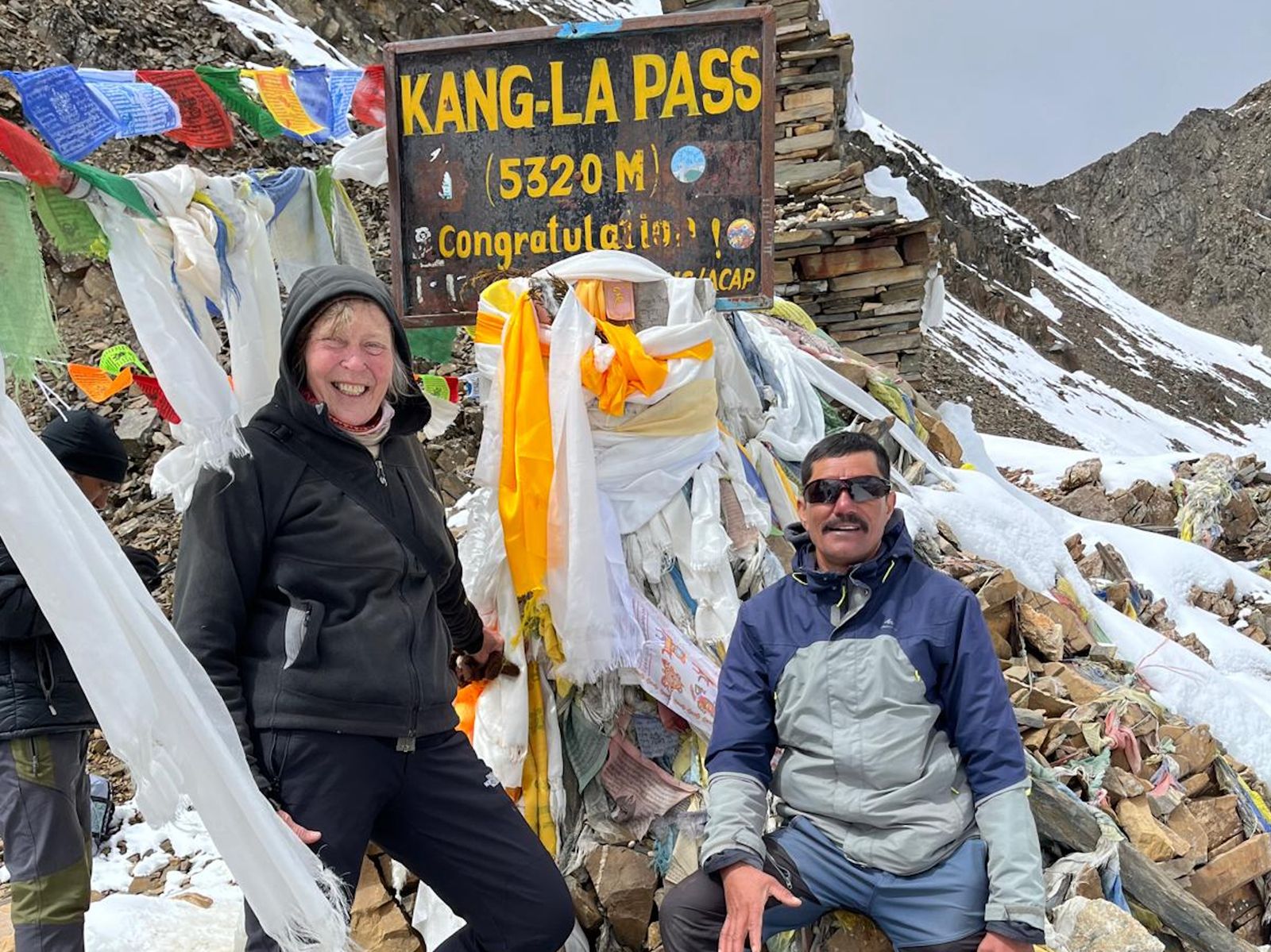
Today will be one of the most memorable days of your Upper Dolpo adventure. You’ll start early and climb toward Kang La Pass, one of the major high passes on this route.
The ascent is demanding, but as you climb higher, you’ll be rewarded with extraordinary views of the barren mountains and deep valleys of Dolpo. Once you reach the pass, you’ll have time to catch your breath and appreciate the vast Himalayan wilderness around you.
From Kang La, you’ll descend toward the sacred Shey Gompa. The change in landscape is striking as you enter the remote inner valleys of Upper Dolpo.
Shey Gompa is one of the spiritual highlights of the region and is closely connected with Tibetan Buddhist and Bon traditions. After reaching Shey, you’ll settle into camp.
Day 24: Exploration day at Shey Gompa
4,200m/13,780ft
Camp
Breakfast, Lunch, Dinner
Today, you’ll slow down and explore the surroundings of Shey Gompa. After the demanding Kang La crossing, this rest day will also give your body time to adjust to the altitude.
You’ll have the opportunity to visit the ancient monastery and explore the surrounding valley. Shey is famous for its spiritual significance and its association with Crystal Mountain, which is considered sacred by local communities.
You can take a gentle walk around the area, photograph the dramatic mountain scenery, and learn more about the traditions that have been preserved here for generations.
You’ll spend another night in this remote corner of Dolpo before continuing toward the settlements of the inner Dolpo valley.
Day 25: Shey Gompa to Saldang
3,620m/11,880ft
Camp
Breakfast, Lunch, Dinner
9-10 hours
Today, you’ll continue toward Saldang, one of the largest and most famous villages in Upper Dolpo.
The trail follows the mountainside above the Nankhang Valley, with spectacular views opening up as you approach the village. From a distance, Saldang appears almost like a green oasis against the surrounding dry and barren mountains.
As you enter the village, you’ll see traditional stone houses, cultivated barley fields, chortens, prayer flags, and mani walls. Life here has traditionally depended on agriculture, animal husbandry, and trade across the Himalayan passes. Overnight in Saldang.
Day 26: Saldang to Mugaon
4,100m/13,450ft
Camp
Breakfast, Lunch, Dinner
6-7 hours
You’ll leave the larger settlement of Saldang today and head toward the more isolated Mugaon area.
The trail follows a remote valley surrounded by rugged mountain slopes. You’ll cross streams and pass through open grazing areas where you may see yak and sheep herds during the warmer months.
The absence of large settlements makes this section feel particularly wild. You’ll be walking through landscapes that have changed very little over generations.
By the afternoon, you’ll reach Mugaon and settle into your campsite. The quiet surroundings and clear mountain skies make this a wonderful place to experience the remoteness of Upper Dolpo.
Day 27: Mugaon to Simen
3,850m/12,630ft
Camp
Breakfast, Lunch, Dinner
6-7 hours
Today, you’ll continue toward Shimen. You’ll pass small seasonal settlements and grazing areas where local people bring their livestock during the summer months. You’ll climb towards the Mushi La (5,030m/16,503ft) and descend to Shimen.
As you reach Shimen, you’ll begin to see more signs of traditional settlement and cultivation. The village sits within a dramatic mountain landscape and provides an interesting glimpse into how communities have adapted to life at high altitude.
Day 28: Simen to Tinje
4,150m/13,615ft
Camp
Breakfast, Lunch, Dinner
5-6 hours
You’ll continue the trek through the remote Upper Dolpo valleys toward Tinje. This takes you across broad alpine landscapes and along trails traditionally used by local traders and herders.
You’ll notice the dry, Tibetan-style landscape becoming a defining feature of the trek. Overnight in Tinje.
Day 29: Tinje to Rakpa
4,530m/14,862ft
Camp
Breakfast, Lunch, Dinner
5-6 hours
Today, you’ll leave Tinje and gradually climb toward Rakpa Yak Kharka. The trail moves away from the more settled valley and into a higher alpine environment.
You may see yak grazing across the open slopes, particularly during the summer trekking season. By reaching Rakpa, you’ll be camping at a considerable altitude.
Day 30: Rakpa to Chharka
4,300m/14,100ft
Camp
Breakfast, Lunch, Dinner
6-7 hours
You’ll leave the high pasture around Rakpa and continue toward Chharka, another fascinating settlement on the Upper Dolpo route. The valley widens, and you’ll start seeing signs of cultivation and settlement as you cross Barbung Khola.
You’ll spend the evening exploring Chharka and enjoying the hospitality of this remote mountain community.
Day 31: Chharka to Norbulung
4,750m/15,580ft
Camp
Breakfast, Lunch, Dinner
5-6 hours
After leaving Chharka, you’ll gradually climb toward Norbulung. The landscape becomes increasingly open and barren as you move into a higher alpine zone. There are no large villages along this stretch, so you’ll spend most of the day surrounded by mountains, rocky slopes, and high grazing grounds.
By reaching Norbulung, you’ll be close to another major highlight of the trek, the crossing of Sangda Pass. Overnight in Norbulung.
Day 32: Cross Sangda Pass & trek to Sangda Phedi
5,460m/17,913ft
Camp
Breakfast, Lunch, Dinner
7-8 hours
Today is the major high-altitude day, where you’ll start early for the challenging climb toward Sangda Pass, one of the highest points on your entire journey. The ascent will be slow and demanding, especially as you move above 5,000 meters. You’ll pass through high yak pastures of Molum Sumdo.
After reaching Sangda Pass, you’ll have time to celebrate the achievement and take in the enormous views across the remote mountains of Dolpo and Mustang.
You’ll then descend toward Sangda Phedi (5,100m/16,732ft), where you’ll spend the night.
Day 33: Sangda Phedi to Dhagarjun
3,280m/10,760ft
Camp
Breakfast, Lunch, Dinner
7-8 hours
You’ll continue descending from the high-altitude terrain toward the lower valleys around Sangda.
The landscape gradually changes as you lose elevation. The barren highlands give way to more vegetation, and you’ll begin noticing the influence of the nearby Mustang region.
You’ll pass through small rivers and traditional grazing areas before reaching the area around Dhagarjun. The lower elevation will feel much more comfortable.
Day 34: Dhagarjun to Jomsom
2,700m/8,860ft
Logde
Breakfast, Lunch, Dinner
5-6 hours
Today is the final trekking day of your Upper Dolpo adventure. You’ll continue descending toward Jomsom, gradually leaving the remote trails and high mountain wilderness behind. As you reach the Kali Gandaki region, the landscape becomes more developed, with more villages, cultivated land, and signs of regular transportation.
Reaching Jomsom will be a special moment. You’ll have completed an extraordinary journey from Dhorpatan and Phoksundo through the remote valleys and high passes of Upper Dolpo. Overnight in Jomsom.
Day 35: Jomsom to Pokhara Drive
822m/2,700ft
Hotel
Breakfast
5-6 hours
After breakfast, you’ll drive from Jomsom to Pokhara. The drive takes you through the dramatic landscapes of the Kali Gandaki Valley, with views of rugged mountains, traditional villages, and deep river valleys along the way.
You’ll pass through places such as Marpha, Tukuche, Kalopani, Tatopani, and Beni, depending on the road conditions and route taken.
The journey is long but scenic, giving you a chance to experience western Nepal from a different perspective after spending weeks on foot. Once you arrive in Pokhara, you’ll check into your hotel and have the rest of the day to relax.
Day 36: Drive from Pokhara to Kathmandu
1,400m/4,600ft
Hotel
Breakfast
5-6 hours
After breakfast, you’ll leave Pokhara and drive back to Kathmandu. The journey follows the Prithvi Highway, passing through green hills, rivers, terraced farmland, and small towns along the way. You’ll follow the Trishuli River for much of the journey, with the road winding through the hills of central Nepal.
Upon reaching Kathmandu, you’ll check into your hotel and have the remainder of the day free to rest, explore the city, or enjoy a farewell dinner after your long Himalayan adventure.
Note: If you prefer to save time, you can also take a flight from Jomsom to Pokhara and/or Pokhara to Kathmandu upon request, subject to flight availability and weather conditions.
Day 37: Final Departure
Breakfast
Depending on your international flight schedule, you’ll be transferred by our representative to Tribhuvan International Airport. You’ll leave Nepal carrying memories of Dhorpatan to Upper Dolpo Trek.
Want to customize your trip?
We ensure every trip meets your expectations — customize your itinerary anytime to match your travel style and preferences.
Inclusions
What’s Covered in Your Adventure
- All airports pick up, drop off by Private vehicle
- 3-star Hotel Accommodation in Kathmandu and Pokhara with twin or triple sharing bed with breakfast basis.
- Best available tea house and tented camp during the Trek
- Domestic flight from Kathmandu to Pokhara
- All grounded transportation to and from the starting and ending points of the trek.
- All meals: Breakfast, Lunch, Dinner, with tea & coffee during trek
- All necessary camping gear and kitchen items during the trek
- Restricted Area Permit, Dhorpatan Hunting Reserve Area Permit, Shey Phoksundo National Park Entrance Permit, Annapurna Conservation Area Permit
- Necessary staff (Guide, Porter, Cook, Helper) with insurance, salary, meal, accommodation, equipment
- Duffel bag, Trekking Poles, Sleeping Bag (If Needed return after trek)
- Bold Himalaya Tshirt or warm hat or Certificate of achievement
- Agency service charge and government tax/vat
- First Aid Kit for emergency
- Farewell dinner with Nepali cultural dance program
- Lunch and Dinner in Pokhara and Kathmandu
- All bar, beverages bills
- Nepal visa, International flight, and travel insurance
- Internet, laundry service or any other personal expenses
- Rescue operation charge in case of emergency.
- Gratitude and tips for crew members
Good to Know
Your Journey, Step by Step
Dhorpatan Upper Dolpo Jomsom Trek Difficulty
The Dhorpatan Upper Dolpo Jomsom Trek is considered a strenuous to very difficult high-altitude trek that will suit only experienced trekkers who have a high level of fitness. It does not mean that there is only one difficult part of the trek but rather an overall experience of the trek due to long days of trekking, difficult and isolated trails, high passes above 5,000 m, considerable gain in altitude, and camping facilities. Treks from Dhorpatan to Dolpo and finally to Jomsom include difficult uphill and downhill trekking on rocky and rough trails.
Accommodation during the Dhorpatan Upper Dolpo Jomsom Trek
Accommodation on the Dhorpatan Upper Dolpo Jomsom Trek is primarily camping, especially through the remote Upper Dolpo and high-mountain sections. Unlike popular trekking regions such as Everest and Annapurna, this route has very limited lodge infrastructure, so trekkers should be prepared for basic and remote accommodation.
Camping: Most nights are spent in tents prepared by the trekking crew. The crew carries the necessary camping equipment, food and cooking supplies, allowing you to stay in remote valleys and high-altitude areas where no permanent accommodation is available.
Teahouses and Lodges: Basic teahouses or local lodges may be available in some villages and lower sections of the route, but facilities are much simpler than those found on popular Nepal trekking routes. Rooms generally have basic beds and shared bathroom facilities, and availability can be seasonal.
As you reach Jomsom, accommodation becomes more comfortable, with established lodges and hotels with better facilities such as private or attached bathrooms and hot showers.
Meals on the Dhorpatan Upper Dolpo Jomsom trek
The meals during the Dhorpatan Upper Dolpo Jomsom Trek are mostly prepared by the trekking team members, particularly in the Upper Dolpo regions where there are very few teahouses. The breakfast menu includes items like porridge, eggs, bread, pancakes, toast, potatoes, tea, and coffee. The lunch and dinner items include healthy trek meals like dal bhat, rice, pasta, potatoes, vegetables, soup, chapati, and eggs. The kitchen team carries and prepares essential food supplies at the camping sites, ensuring you have regular meals even in remote areas.
Since this is a remote and high-altitude trek, the food menu is simpler than on popular teahouse routes, but meals are planned to provide sufficient energy for long trekking days. Hot tea, coffee and drinking water are also available, while vegetarian meals can be arranged easily.
Transportation for Dhorpatan Upper Dolpo Jomsom Trek
Transportation for this trek combines domestic flights and scenic overland journeys to make the long-distance travel more convenient. You will begin with a domestic flight from Kathmandu to Pokhara, which takes around 25-30 minutes.
From Pokhara, you will continue by sharing a jeep to Beni, the gateway toward Dhorpatan. The road section also provides an opportunity to experience the changing landscapes of western Nepal.
After completing the trek, you will reach Jomsom, from where you will travel by road to Pokhara by sharing a jeep. Then, from Pokhara, you will return to Kathmandu by a tourist bus, allowing you to enjoy the scenic journey along the Prithvi Highway.
Required Permits for this trek
For the Dhorpatan Upper Dolpo Jomsom Trek, several permits are required because the route passes through Dhorpatan Hunting Reserve, the restricted Upper Dolpo area, Shey Phoksundo National Park, and the Annapurna region near Jomsom.
The main permits are:
- Upper Dolpo Restricted Area Trekking Permit
- Shey Phoksundo National Park Entry Permit
- Dhorpatan Hunting Reserve Entry Permit
- Annapurna Conservation Area Permit (ACAP)
- TIMS Card
Bold Himalaya arranged all the required permits so that you don’t have to worry.
Nepal Visa Process
Most foreign travelers can obtain a Nepal Tourist Visa on Arrival at Tribhuvan International Airport (TIA) in Kathmandu, which makes the visa process simple and convenient.
Before arriving, travelers can complete the online tourist visa form through the official Nepal Immigration portal or use the self-service kiosks at the airport.
The current tourist visa fees are:
- USD 30 for 15 days
- USD 50 for 30 days
- USD 125 for 90 days
Tourist visas are generally multiple-entry, and the stay is counted from the date of entry into Nepal. Travelers should have a passport valid for at least six months.
Some nationalities are not eligible for Visa on Arrival and must obtain a visa in advance from a Nepalese diplomatic mission, so travelers should check the latest requirements before departure.
Facilities during the Trek
Electricity and Charging: Electricity is very limited in the remote Dhorpatan Upper Dolpo Jomsom route and is mainly available through small solar systems in some villages and camps.
Basic electricity is available in Dhorpatan and some lower settlements, but it disappears as you move into the more remote trekking areas.
Charging may be available for a fee, but it can be unreliable, so carrying a power bank and spare batteries is highly recommended.
ATM: There are no reliable ATMs along the remote trekking route, so withdraw enough Nepalese Rupees in Kathmandu or Pokhara before starting the trek.
Internet and Wi-Fi: Wi-Fi and mobile connectivity are very limited in Upper Dolpo and may be completely unavailable for several days. Some lower villages may have occasional mobile signal or basic internet with an additional fee, but trekkers should be prepared to remain offline during much of the trek.
Drinking Water: Natural streams and springs are available along the route, but water should not be consumed directly. You should drink boiled or filtered water. Carrying a reusable bottle with purification tablets or a personal filter is recommended.
Guide and Porters
You will be accompanied by an experienced, licensed trekking guide throughout the trek. Your guide will lead the group, manage the trekking logistics, assist with navigation and permits, and provide support in high-altitude and remote areas.
For our group arrangement, 1 guide is provided for every 5 trekkers. If the group has more than 5 trekkers, an additional guide will be arranged to ensure proper support and safety. Porters are provided at a ratio of 1 porter for every 2 trekkers, carrying your main trekking baggage and essential equipment, with each porter carrying a maximum of 15-20 kg of combined luggage.
If the group size increases, additional porters will be arranged accordingly to maintain a comfortable and manageable load for each porter.
FAQs of Dhorpatan Upper Dolpo Jomsom Trek
Your Questions, Answered
How many days does the Dhorpatan Upper Dolpo Jomsom Trek take?
The trek generally takes around 37 days, depending on the route, acclimatization days, camping arrangements, and transportation schedule.
What is the best time for the Dhorpatan Upper Dolpo Jomsom Trek?
The best time for the Dhorpatan Dolpo Trek is generally spring (March to May) and autumn (September to November). These seasons usually offer more stable weather, clearer mountain views, and better trekking conditions.
What is the highest altitude of the Dhorpatan Upper Dolpo Jomsom Trek?
The highest altitude of the Dhorpatan Upper Dolpo Jomsom trek reaches upto 5,460 meters/17,913ft, at Sangda La Pass.
What permits are required for the Dhorpatan Upper Dolpo Jomsom Trek?
The required permits are the Upper Dolpo Restricted Area Permit, Dhorpatan Hunting Reserve Entry Permit, Annapurna Conservation Area Permit, and TIMS Card.
Is a guide mandatory for the Dhorpatan Upper Dolpo Jomsom Trek?
Yes. Because the trek passes through restricted and extremely remote areas, trekkers must travel with a licensed guide and follow the applicable group and permit requirements.
Is the Dhorpatan Upper Dolpo Jomsom Trek a camping trek?
Yes, much of the route requires camping, particularly in remote sections where teahouses and lodges are unavailable. Our team arranges tents, camping equipment, meals, kitchen support, and staff for the camping sections.
Does the trek cross Sangda La Pass?
Yes. The route toward Jomsom crosses Sangda La Pass.
Is the Dhorpatan Upper Dolpo Jomsom Trek suitable for beginners?
This trek is not recommended for complete beginners. Its remote nature, high passes, long trekking days, and limited facilities make previous high-altitude trekking experience highly beneficial.
How much does the Dhorpatan Upper Dolpo Jomsom Trek cost?
The cost of the Dhorpatan Upper Dolpo Jomsom Trek depends on the group size, season, permits, transportation, camping logistics, and services included. Contact Bold Himalaya for the latest package price and a detailed cost breakdown for your preferred group size and travel dates.
Can I see Shey Phoksundo National Park during the trek?
Yes. Several sections of the route pass through Shey Phoksundo National Park, known for its remote valleys, high mountains, wildlife, forests, and Phoksundo Lake.
What kind of accommodation is available during the trek?
You’ll stay in lodges or teahouses in the lower section where available, while remote areas require camping.
Is the Dhorpatan Upper Dolpo Jomsom Trek safe?
The trek can be completed safely with proper preparation, an experienced guide, suitable equipment, and careful acclimatization. Because the route is remote and crosses high passes, weather and trail conditions should always be considered.
View OurSimilar Packages
Discover our top tours, loved by thousands of travelers annually. Choose the adventure that inspires you and embark on a journey tailored to your desires.
View All Packages

Premium Nepal & Bhutan Luxury Tour | 11-Day Himalaya Adventure
 Multi-country
  11 Days Days
Save 33%
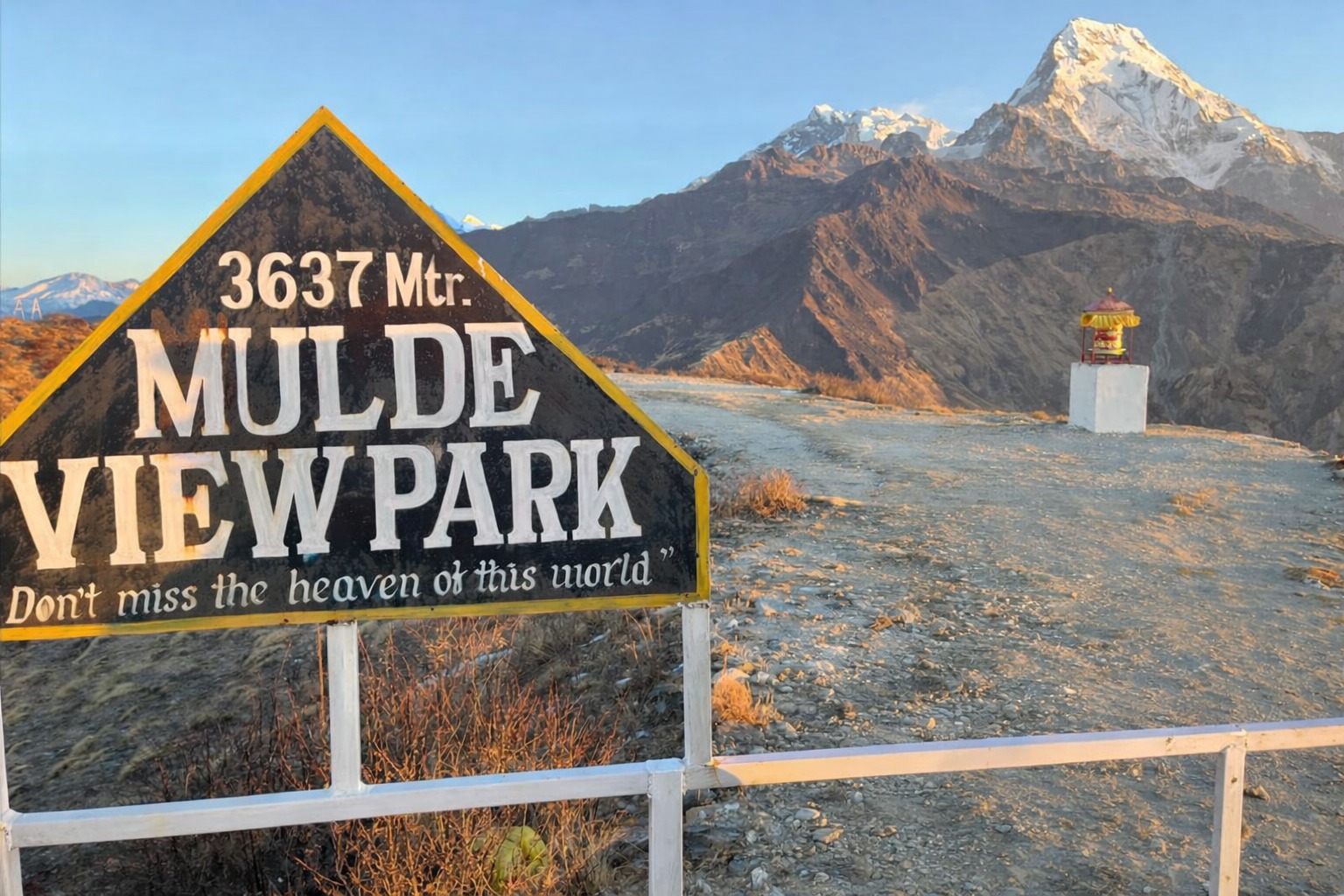
Mulde View Point Trek with Poon Hill – Four Days of Annapurna
Nepal Tour Packages
4 Days
Save 32%
Mardi Himal Base Camp 5 Days Trek
Nepal Tour Packages
5 Days
Save 32%
Annapurna Circuit Trek with Tilicho Lake
Nepal Tour Packages
13 Days
Save 28%
Nar Phu Valley Trek – 11-Day Remote Himalayan Adventure
Nepal Tour Packages
11 Days