
Annapurna Sanctuary Trek (ABC Trek) with Poon Hill


5(4)


Detailed Itinerary of Annapurna Sanctuary
Your Journey, Step by Step
Day 1: Arrival in Kathmandu
3-Star hotel in Kathmandu
1,400m/4,600ft
Arrival in Nepal? It is the beginning of your Annapurna Sanctuary Trek in Nepal. A Bold Himalaya representative will welcome you to Tribhuvan International Airport and take you to the hotel in Thamel. Thamel is the tourist hub of Kathmandu, full of shops, restaurants, and gear stores.
You can use the day sightseeing, buying any of the trekking gear you may need, and trying some of the local food. Go to the nearby Durbar Square to see ancient temples and structures. Your trekking guide will call by to discuss the Annapurna Sanctuary Trek itinerary and rescue protocol. Have a good sleep – tomorrow your incredible journey begins!
Day 2: Drive from Kathmandu to Pokhara
Breakfast and Lunch
3-Star hotel in Pokhara
6-7 hrs
We are driving to Kathmandu today from Pokhara. It’s 6-7 hours of hillside driving. It goes through villages, rivers, and hills. You will get to see what the countryside is like.
We’ll have lunch at Mugling, where two great rivers meet. You can grandly view the Annapurna mountains on a clear day along the route. Pokhara is a peaceful lakeside town. You’ll be staying in a hotel near Phewa Lake and may walk along the lake at night before your Annapurna Sanctuary Trek days begin. The mountain spur within the lake waters is stunning!
Day 3: Drive to Ulleri, Trek to Ghorepani
Full Board Meals
Hotel in Ghorepani
2,874m/9,429ft
6-7 hours
Today, your actual trek begins! We drive from Pokhara to Ulleri village by road in 2-3 hours. The journey passes through Gurung and Magar villages, where you get to learn about the life of the mountain people and cultivate their fields.
You start the hike of over 3,000 steps carved out of the mountain from Ulleri. It hurts, but the scenery gets better by step while entering the Annapurna Sanctuary Trek route. You’ll walk through beautiful rhododendron forests with red and pink flowers in spring (March to May).
It’s a 3 to 4-hour straight climb to arrive at Ghorepani village. Fortunately, the locals have nicknames for it, Nepali for “Horse water.” It’s a very scenic village and also provides very scenic views of high mountains like Dhaulagiri, Annapurna South, and Hiunchuli as well. You are staying overnight in a lovely teahouse with nice food and locals.
Tip
Start early to hike the rhododendron trails alone; locals may offer freshly brewed millet beer — a rare cultural treat.
Day 4: Trek from Ghorepani to Tadapani
Full Board Meals
Teahouse in Tadapani
2,630m
5–6 hrs
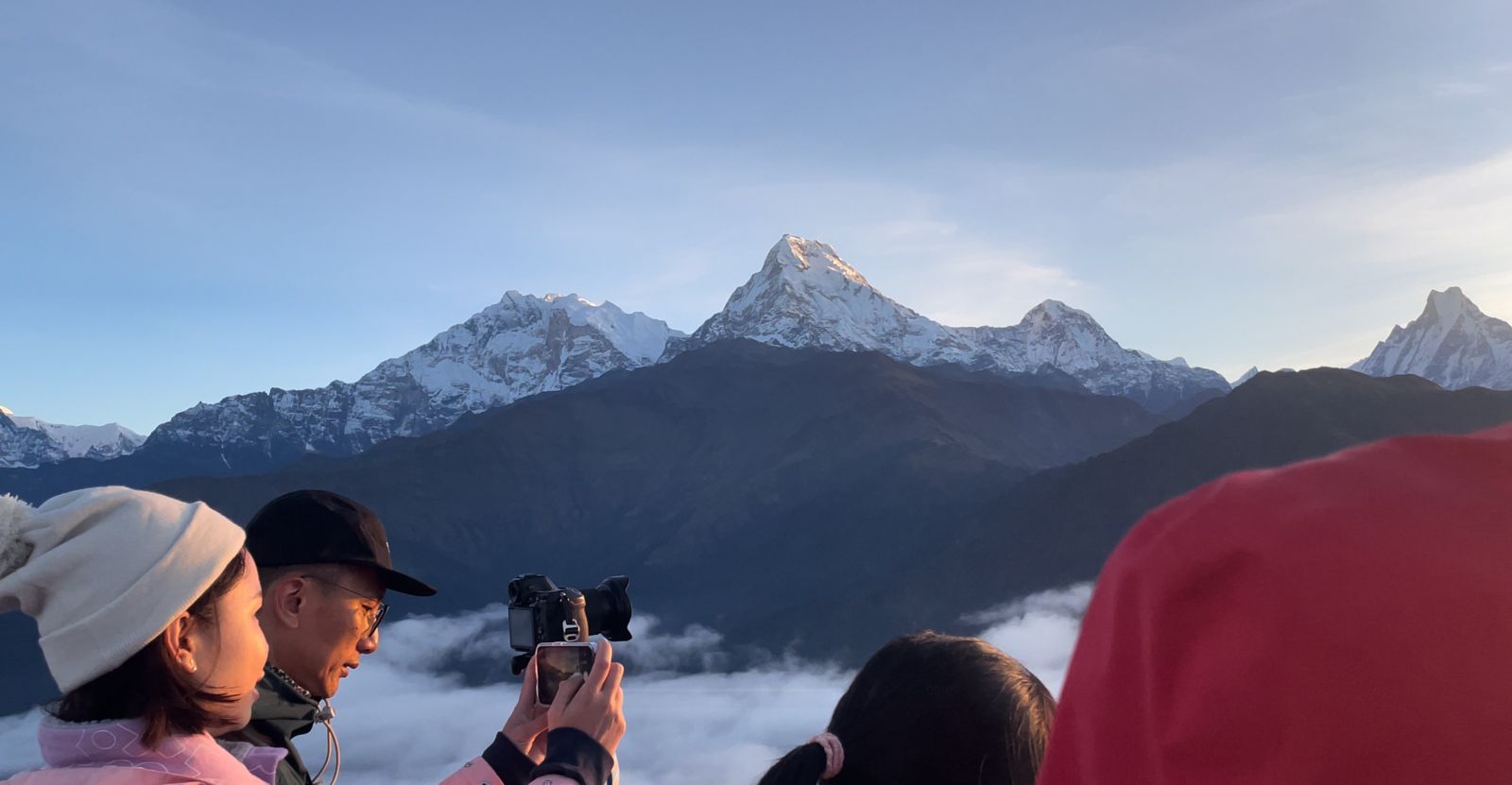
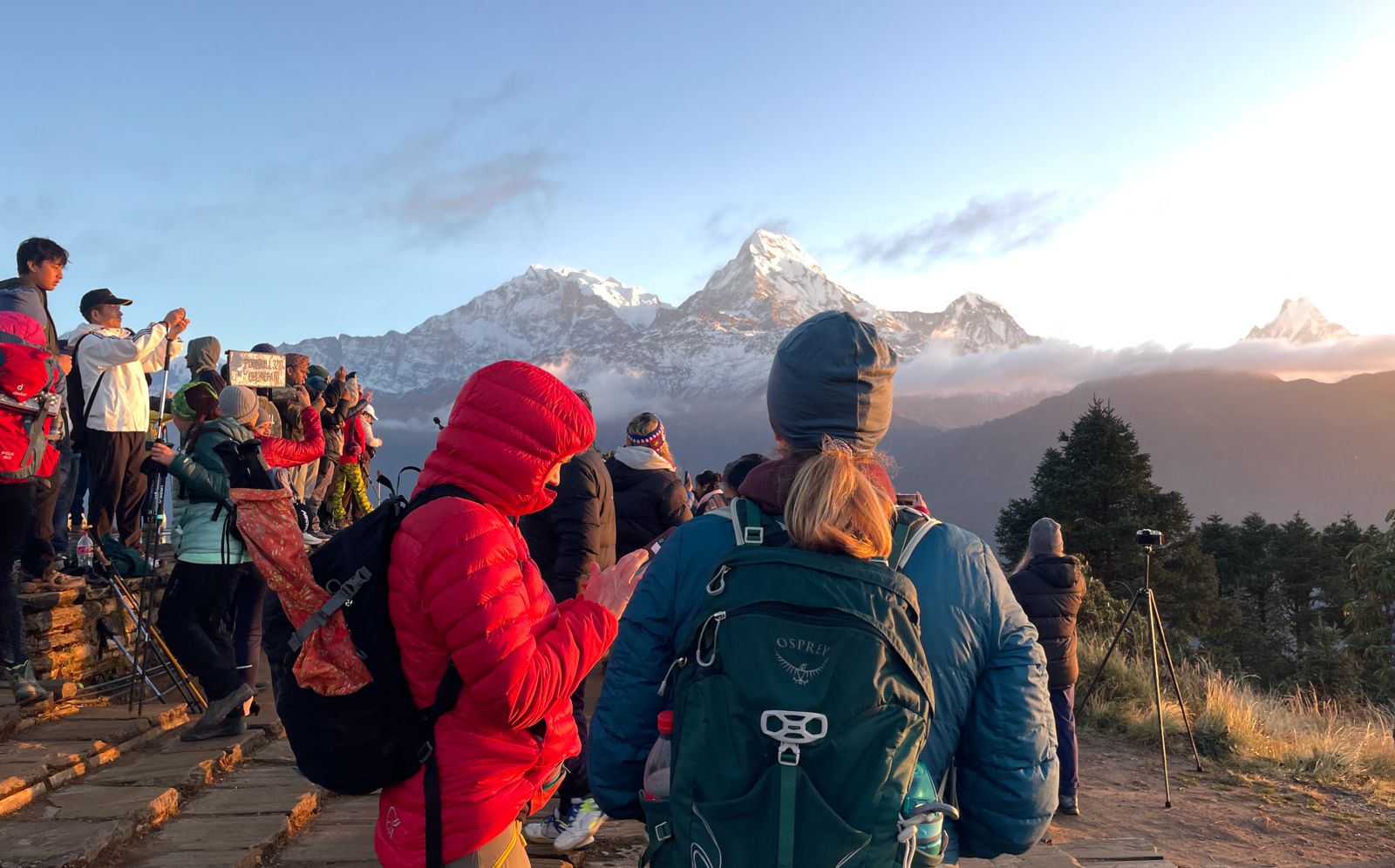
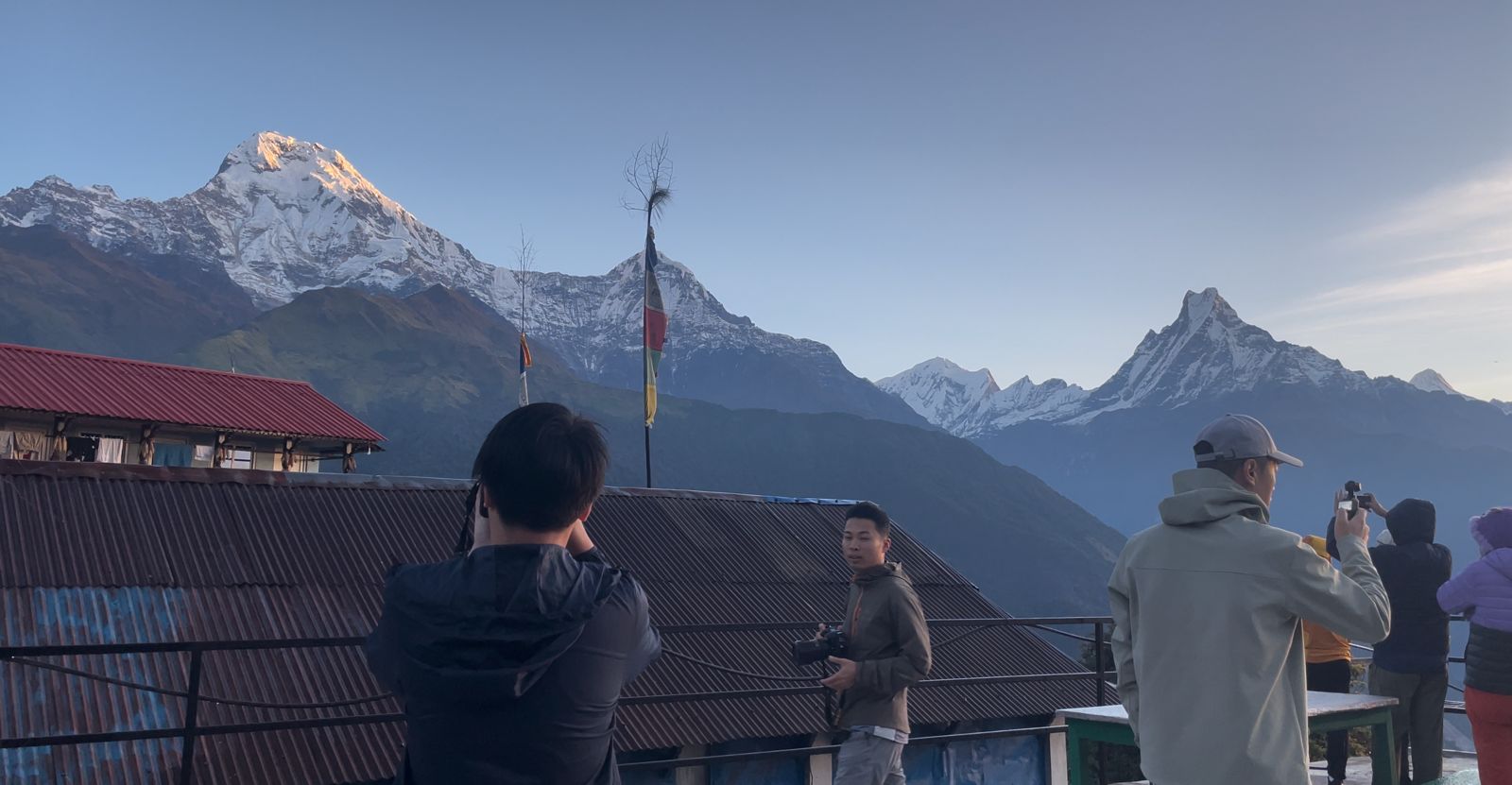
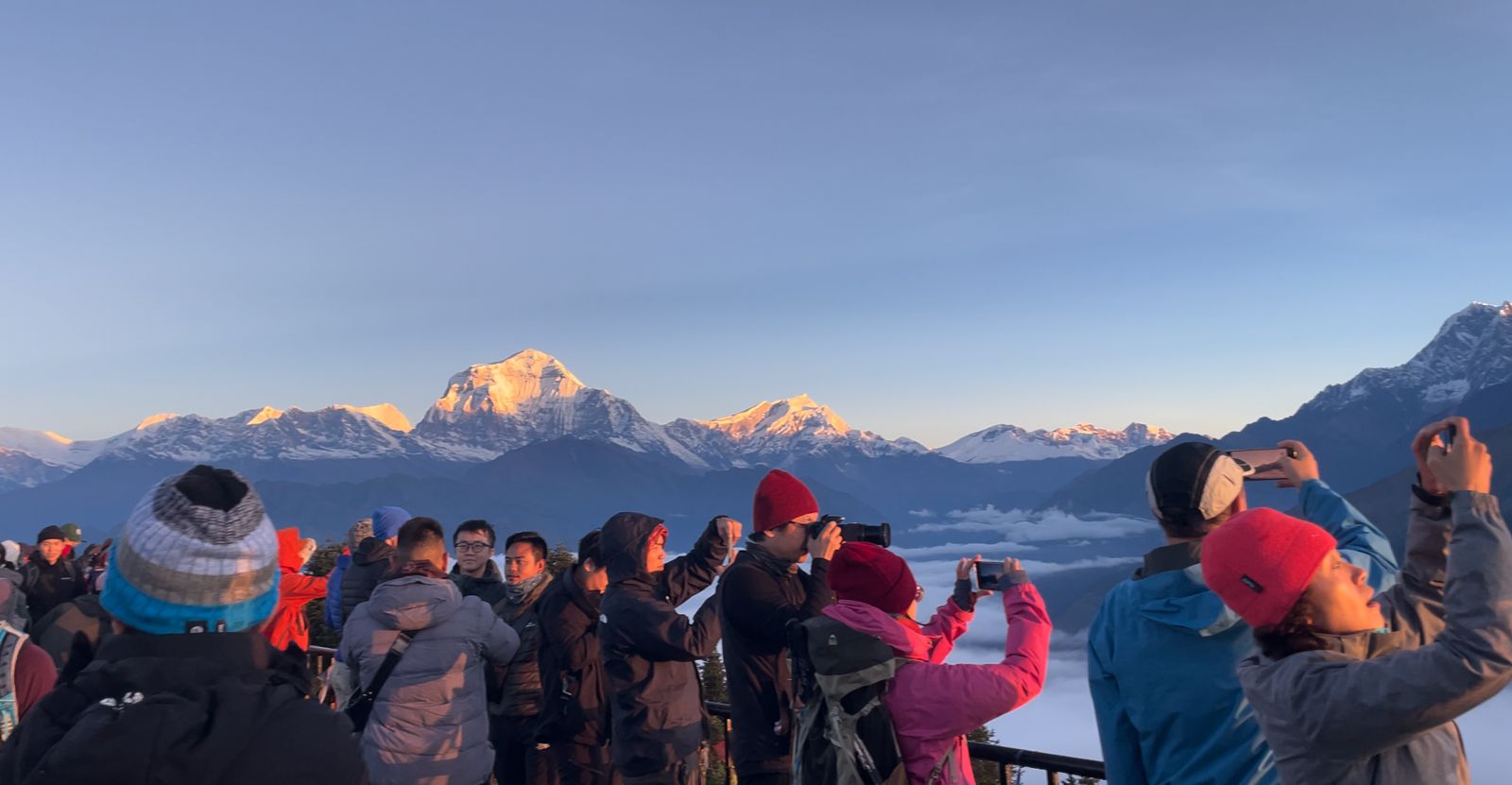
You will trek to Poon Hill (3,210m / 10,531ft) early in the morning for sunrise. It is a dark 45-minute walk, but sunrise will be breathtaking! You will spot more than 20 high mountains such as Dhaulagiri, Annapurna, and iconic Fishtail Mountain, all gold-crested in first light.
Spring morning hike from Ghorepani to Tadapani with dense rhododendron forests. The path is dense with rhododendron, oak, and maple trees. It is a tunnel walk of flowers in spring.
Tadapani in Nepali means “far water” and is located on a ridge with wonderful mountain views. Annapurna South and Fishtail summits are in close vicinity. Trekkers have nothing but teahouses in the village, and you live the life of the Gurung people. The sunset mountain glow is lovely to see.
Day Highlights
Witness sunrise at Poon Hill (3,210m) with views of over 20 Himalayan peaks; trek through rhododendron and oak forests.
Take the northern ridge detour for waterfalls and birdwatching; carry binoculars to spot Himalayan birds like Koklass Pheasant.
Day 5: Trek from Tadapani to Sinuwa
Full Board Meals
Teahouse in Sinuwa
2,360m/7,742ft
5 hrs
Today, you hike downhill from Tadapani to the standard Gurung villages. You walk through Kimche and Landruk villages with their ancient stone houses and friendly villagers. The villages offer a glimpse into people’s lives, which have existed in the hills for centuries.
You drive across several suspension bridges over rolling mountain streams along the way to the Modi River valley. The landscape shifts from rhododendron to millet, barley, and potato. You possess in your hands the voice of the river as you go down onto the valley floor.
You’ll reach Sinuwa, a small village and important overnight stop before the climb to Annapurna Base Camp. Food and lodging facilities in the village are extremely basic. You’ll see villagers farming the steep hillside, with the hillside featuring terraces carved out of it.
Tip
Stop at Landruk village to meet villagers who collect medicinal herbs. Learn about their uses — few trekkers get this chance.
Ask for freshly made buckwheat pancakes from a local teahouse — not on typical menus.
Day 6: Trek from Sinuwa to Deurali
Full Board Meal
Teahouse in Deurali
3,230m/10,597ft
5–6 hrs
And behold, here you are now inside the fabled Annapurna Sanctuary – an enormous high mountain amphitheater surrounded by massive peaks. The ABC Sanctuary trek starts with a gradual ascent through bamboo and rhododendron forest and slowly moves towards high mountain country. You are amazed at how suddenly everything changes as you ascend higher and higher.
You’ll follow along the Bamboo village (2,310m / 7,579ft), named as such for its canopy of lush bamboo jungles. The path gets steeper as you walk up through Dovan and the Himalayan Hotel – small villages with simple lodges. Notice how the green jungle slowly disappears and gives way to thin mountain scrub at higher altitudes.
At Deurali (‘pass’), you are already inside the mountain sanctuary, surrounded by breathtaking giant peaks on all sides of you. Basic but comfortable guesthouses greet you here. Thin air reminds you that you are going way up in the mountains. Rock faces of the valley cover either side of you, sloping up abruptly and making you feel small.
Day 7: Trek from Deurali to Annapurna Base Camp
Breakfast, Lunch, Dinner
Teahouse in Annapurna Base Camp
4,130m/13,549ft
4–5 hrs
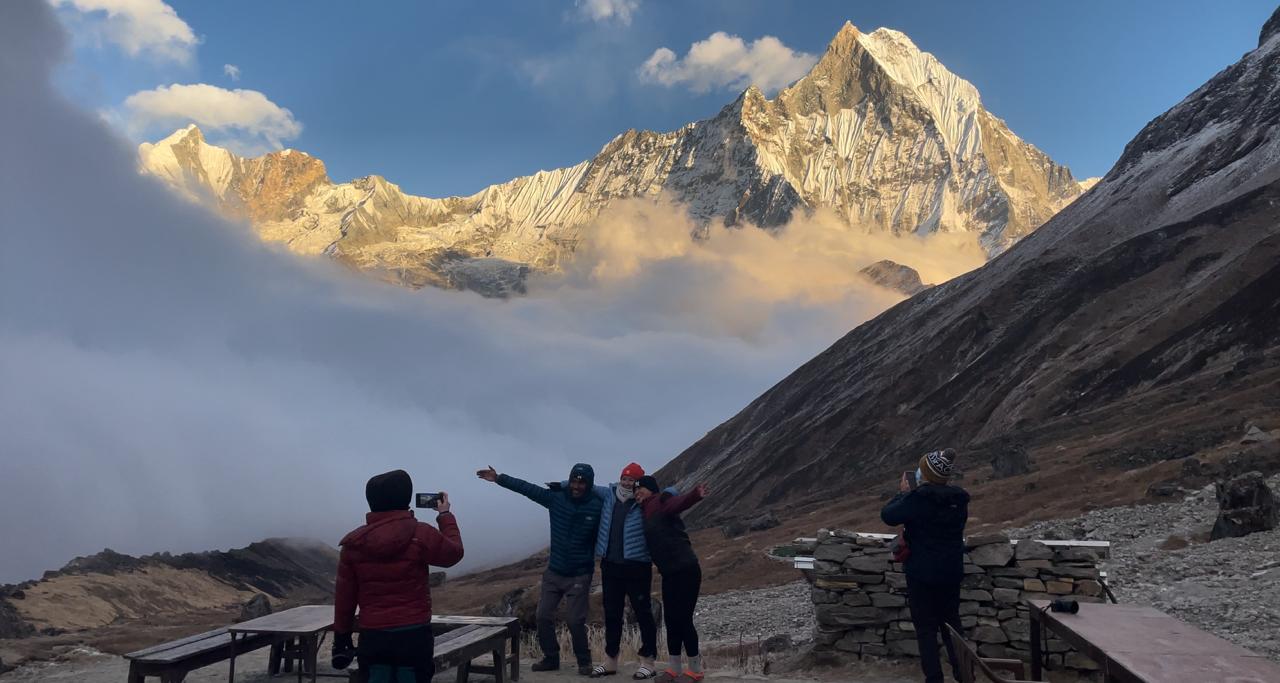
It is the final day – your final climb to Annapurna Base Camp! You’ll arrive at Machapuchare Base Camp (3,700m / 12,139ft) with front faces of the iconic Fishtail Mountain. The higher you go, the more stunning and awe-inspiring the view is, with grasslands and colossal mountain rocks.
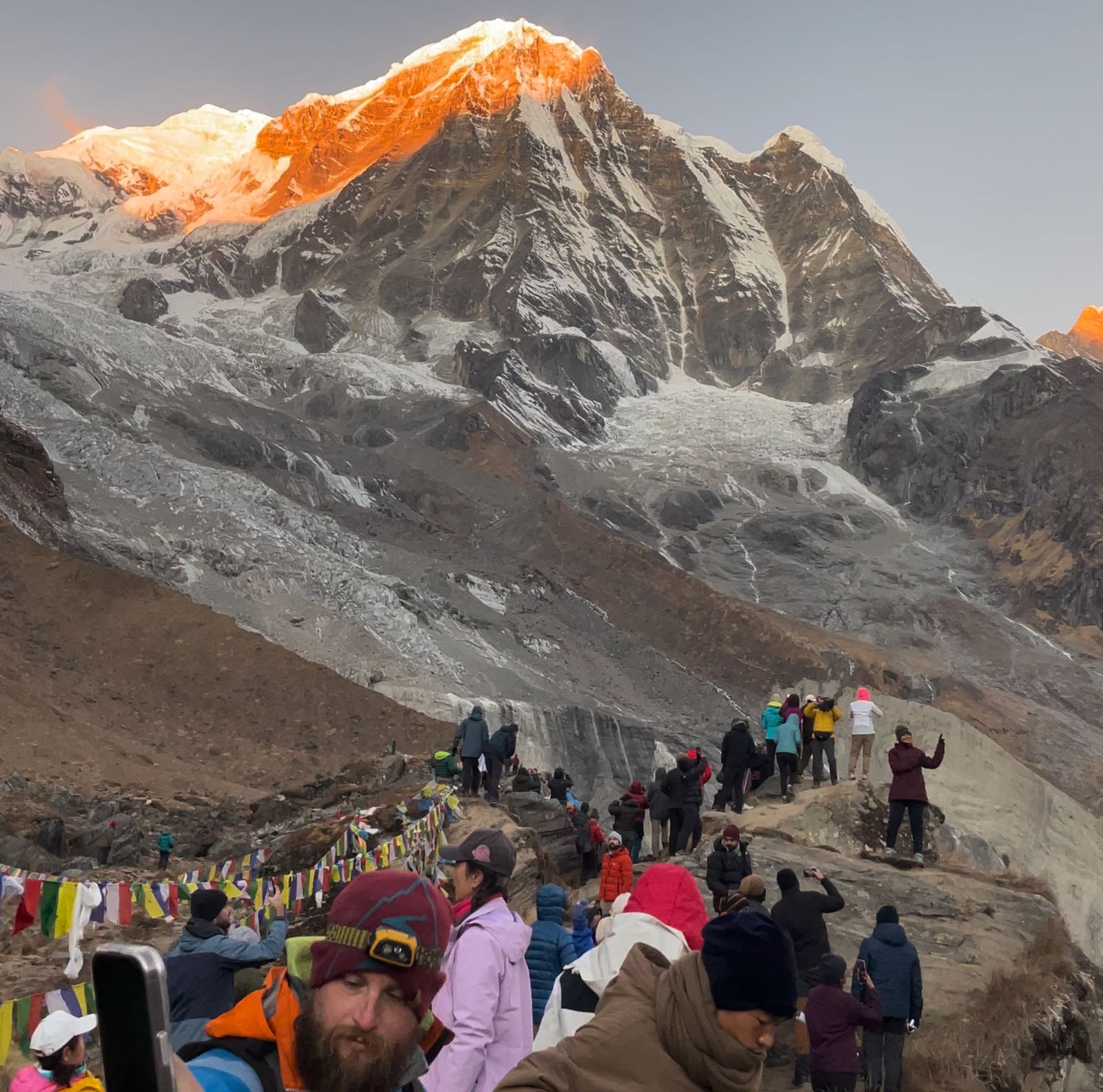
The final Annapurna Base Camp trek is blessed with one of the planet’s most spectacular mountain vistas. You are awed by the giants like Annapurna I (8,091m / 26,545ft), Annapurna South, Fishtail, Gangapurna, and Hiunchuli. The sanctuary is a natural amphitheater of mountains with more than 3,000-meter peaks looming above you.
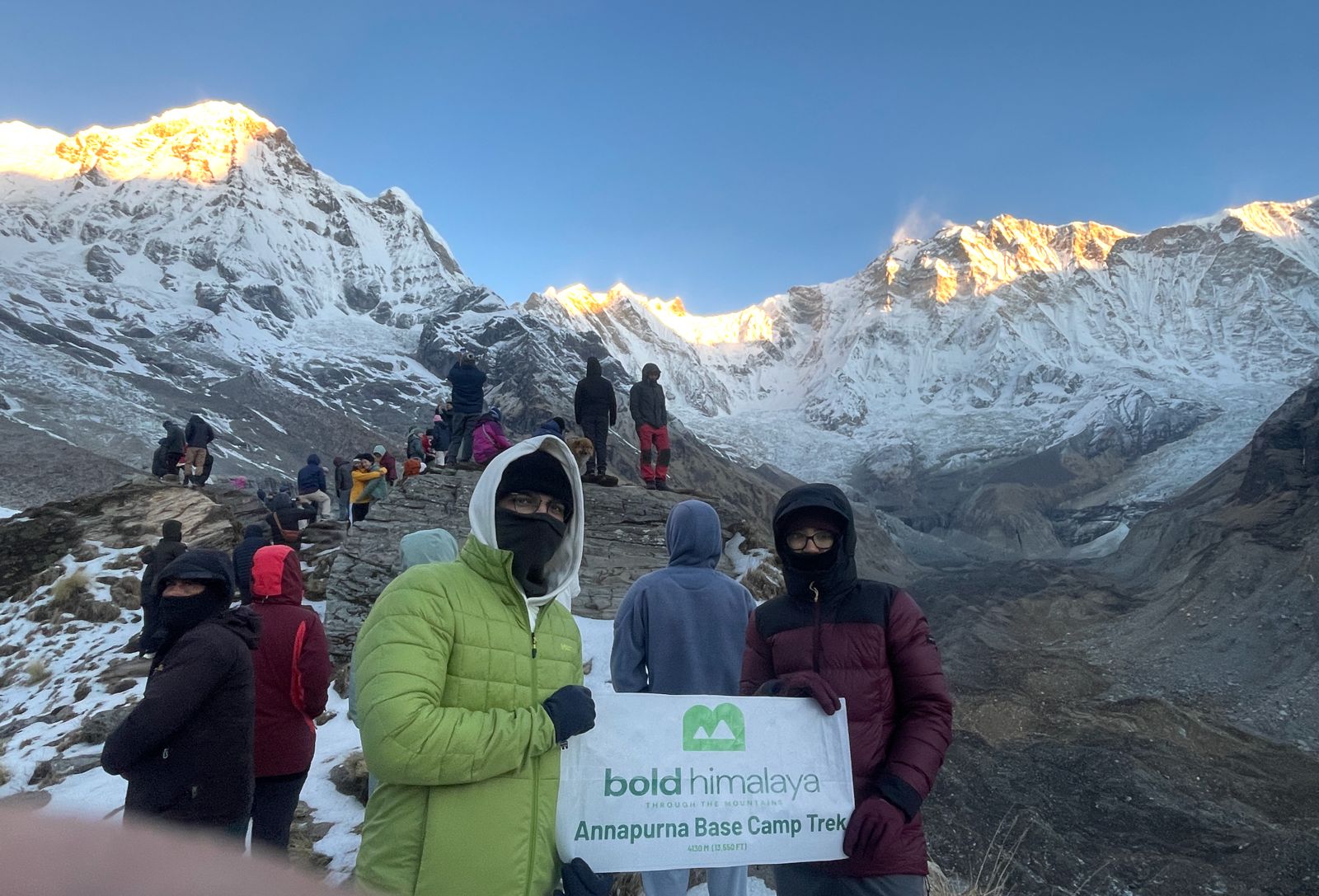
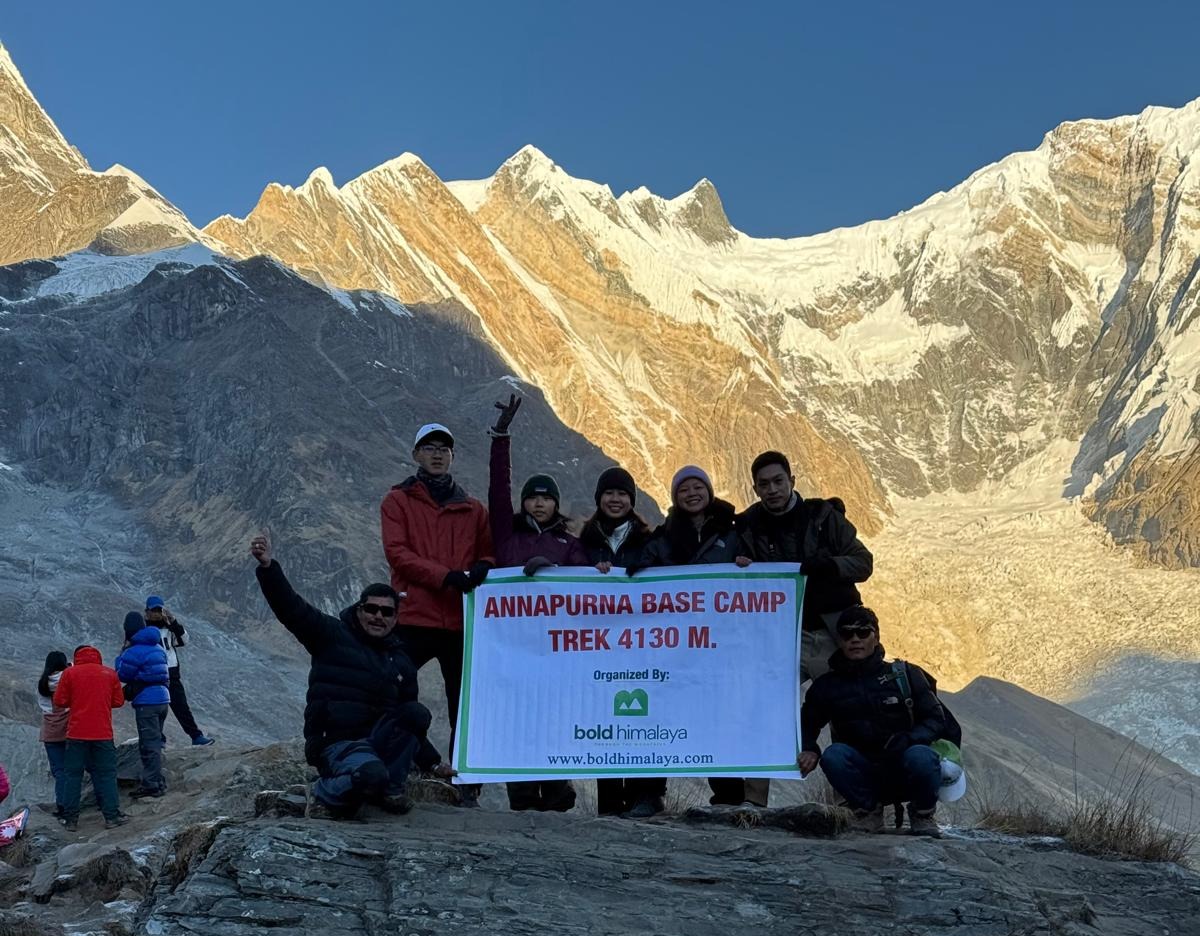
As you reach Annapurna Base Camp at 4,130 meters (13,549ft), you are literally in the shelter of Annapurna. You have a 360-degree view of some of the world’s highest peaks. Surrounding yourself with such inspiring mountain views is great. Take some time in the afternoon for photography, roaming around, and watching the fresh mountain air and sunset.
Day Highlight: Arrive at ABC; 360° views of Annapurna I, Fishtail, Hiunchuli, and surrounding peaks.
Pro Tip: Reach ABC early afternoon to enjoy golden hour photography; layer up as winds can be strong at higher altitudes.
Day 8: Descend to Sinuwa or Bamboo from ABC
Full Board Meal
Teahouse in Sinuwa or Bamboo
2,310–2,360m/7,579ft-7,743ft
5–6 hrs
You start your descent from the higher peaks by going back through Machapuchare Base Camp and Deurali. Descent offers new views of the same beautiful scenery that you climbed through. Your body will acclimatize to the thicker air and warmer conditions.
Observe how quickly the scenery changes as you walk from the tough, high mountainous ground to the forests. The forest cover is thicker and lush here, and you even get to spot animals and birds that are never seen at high elevation. It is just marvelous to behold the difference between the barren forests of the sanctuary and the complete forest landscape.
The night would be in Sinuwa or Bamboo village, depending on your preference and how fast you walk. There are decent teahouses in both villages where you can celebrate your good fortune at having reached Annapurna Base Camp. You will be sleeping much more comfortably, as the weather is better and there is more oxygen.
Tip: Observe alpine flowers, mushrooms, and bird species often missed by other trekkers; take your time for photography.
Day 9: Trek to Jhinu, then Drive to Pokhara
Breakfast, Lunch
3-Star Hotel in Pokhara
1,780m/5,840ft
5–6 hrs trek + 1 hr drive
Your last trekking day takes you down to Jhinu Hot Springs (1,780m / 5,840ft). The walk is downhill through actual villages and terraced fields. It’s also a last chance to experience close-up village Nepalese country life, to traverse suspension bridges, and trek on traditional trading routes.
The ultimate finale is a soak in the natural hot springs of Jhinu. Warm, rejuvenating water is exactly what your tired muscles need after hiking for days. You trek 20 minutes down to the springs but it’s a trek worth undertaking for this luxury.
After the hot spring, you drive to Pokhara on mountain roads. The drive provides you with the last glimpses of the Annapurna mountains and hillside villages, and small towns via terracing. You pamper yourself at Pokhara in a hot bed, warm shower, and farewell dinner for the successful finish of your great Annapurna Sanctuary trek.
Day 10: Drive from Pokhara to Kathmandu
Breakfast, Lunch
3-Star Hotel in Kathmandu
1,400m/4,600ft
6–7 hrs
Depart Pokhara and return to Kathmandu via the same route. Get the last glimpse of the Annapurna mountains beautifully reflected in Phewa Lake before starting the 6–7-hour drive. This drive is a time to reflect on your trekking adventure and bring into proportion all the joyful moments of the past week.
After arriving in Kathmandu, spend your final afternoon either shopping for souvenirs or sightseeing at cultural sights. You can shop your final time in Thamel, stroll through the ancient streets of the Kathmandu Durbar Square, or relax in a Nepali restaurant. This is your chance to see urban Nepal after trekking through the mountains for days.
Dinner at a Nepali cultural restaurant with music and a dance show. Take time to relax and reflect on your trip, from the chaotic streets of Kathmandu to the peaceful altitude of Annapurna Base Camp and back. Relax before tomorrow’s flight out.
Day 11: Departure Day
You return home today by air from Tribhuvan International Airport after you finish your Annapurna Sanctuary trek. Airport pickup and coordination for adequate check-in time will be arranged for you by the Bold Himalaya team. You will leave with a good photo, memory, and feeling of accomplishment of finishing one of Nepal’s most beautiful treks.
You will leave Nepal with memories of trekking against diverse landscape, meeting friendly mountain folks, and under the shadow of the world’s greatest mountains. The Annapurna Sanctuary Trek will be one of life’s great mountain experiences and have you looking forward to planning your next mountain treks.
If you want to explore more of Nepal, then you can extend your trip to other parts of Nepal as well, such as: Chitwan National Park Jungle Safari, Everest View Trek, Langtang Valley Trek and so on.
Want to customize your trip?
We ensure every trip meets your expectations — customize your itinerary anytime to match your travel style and preferences.

Inclusions
What’s Covered in Your Adventure
- All ground transportation including airport transfer (Airport – Hotel – Airport).
- 3-star category hotel in Kathmandu and Pokhara for 2/2 nights, including breakfast.
- 3 meals in a day during the trekking (Breakfast, Lunch, and Dinner with tea and coffee).
- Annapurna Conservation Area Permit, TIMS card (Trekking Information Management System), and necessary paper works.
- Transportation from Kathmandu to Pokhara to Kathmandu by tourist Bus.
- All accommodations in trekking lodges/tea houses during the ABC treks route.
- Duffle bag, T-shirt, Adventure trip certificate, Annapurna Base Camp Trekking Map.
- First aid medical kit & medicine.
- Experienced, English-speaking, license holder, and friendly trekking guide (including his well-paid salary, meals, drinks, accommodation, insurance, transportation, etc.).
- All Government and local taxes and service charges
- International airfare, airport departure tax & your travel insurance.
- Nepal entry visa fee (you may easily obtain Visa upon your arrival at Nepal entry point or Tribhuwan International Airport – Kathmandu).
- 2 Lunch and 2 dinners in Kathmandu and Pokhara.
- Bar and desert bills.
- Personal expenses (laundry, battery recharge).
- Tips for trekking crew members

Packing List Annapurna Sanctuary Trek
Preparing properly is key to a safe and comfortable Annapurna Sanctuary Trek in Nepal. The trail takes you from warm lowlands to cold alpine zones, so smart layering is essential.

Clothing & Layers
- Moisture-wicking base layers (top & bottom)
- Fleece or synthetic mid-layer
- Lightweight down jacket (must for cold mornings)
- Waterproof/windproof shell jacket
- Trekking pants + warm thermal for higher altitude
- Quick-dry T-shirts
- Warm hat & sun hat
- Buff/neck gaiter
- Gloves (inner + windproof outer)

Footwear
- Trekking boots with ankle support
- Lightweight camp shoes
- Wool or synthetic trekking socks (3–4 pairs)

Gear & Accessories
- 40–50L backpack or duffel
- Trekking poles (essential on descent)
- Headlamp with extra batteries
- Sunglasses (UV protection)
- Water bottles or hydration system
- Sleeping bag

Personal Items
- Sunscreen + lip balm
- Wet wipes + hand sanitizer
- Quick-dry towel
- Basic first-aid kit
- Power bank
- Water purification tablets
- Snacks (energy bars, rehydration salts)
Annapurna Sanctuary Trek Map
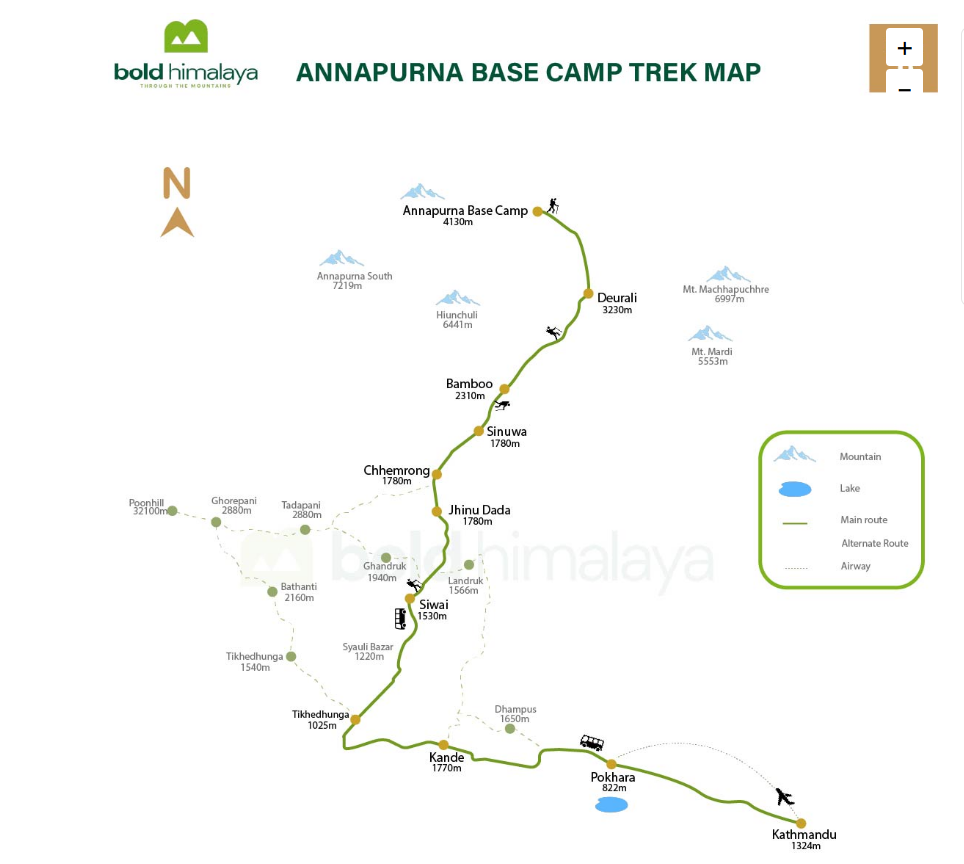
Annapurna Sanctuary Trek Map showing trekking route from Ulleri to Annapurna Base Camp with key stops like Tadapani, Sinuwa, and Deurali, including altitudes from 1,700m to 4,130m in Nepal Himalayas.
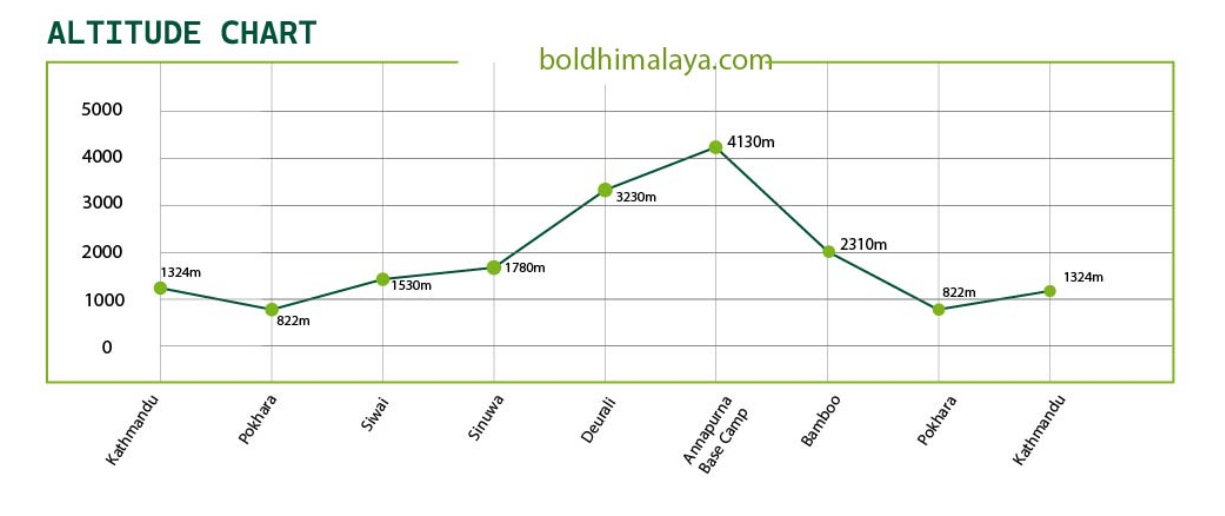
Annapurna Sanctuary Trek Altitude
This map highlights the Annapurna Sanctuary Trek route, key villages, elevation changes, and trekking paths leading to Annapurna Base Camp in Nepal.
Good to Know
Things to Remember
2. Documents Required
You will need different permits and documents to undertake this trek. A passport with a validity of at least 6 months is needed. A Nepal visa can be obtained upon arrival or booked online in advance. A TIMS (Trekkers’ Information Management System) card can be obtained for about $10-20, depending on your group category. An ACAP (Annapurna Conservation Area Permit) is available for about $30 for international visitors. These can be organized at Pokhara or Kathmandu, along with photocopies and passport-size photographs. Individual trekkers must pay additional TIMS fees in addition to group trekkers. Keep the permit copies and originals separately. Some check posts thoroughly examine these documents in route to trekking.
3. Altitude Considerations
The hike reaches 4,130m at Annapurna Base Camp, and acclimatization needs to be planned for. Anyone can become ill with altitude sickness above 3,000m, regardless of health. Symptoms are headache, nausea, dizziness, and lethargy. A steady increase in altitude in the schedule minimizes dangers. Lots of water and completely no alcoholic beverages on the trek. Climb high, sleep low principle helps acclimatization. Diamox tablets will also halt altitude sickness, but only after consultation with physicians. Descending alone is the only solution to heal bad symptoms. Never ignore bad altitude sickness symptoms because they are fatal.
4. Accommodation
Teahouse accommodation provides basic but warm accommodation along the trekking route. Rooms are generally equipped with twin beds and basic bathrooms to be shared. Low-altitude teahouses provide more comforts like hot showers and western toilets. Teahouses at higher elevations are basic with squat toilets and no heating. Bedding is offered, but take a sleeping bag for hygiene and warmth. Rooms are not typically heated, so warm clothing needs to be worn to bed. Wi-Fi and electric plug access are also offered for additional fees. Rooms should be booked well in advance for the high season as good teahouses get booked very early.
5. Food and Water Availability
Dal Bhat (lentils and rice), noodles, pasta, fried rice, and different foreign foods are found at teahouses. Dal Bhat is unlimited refill and most economical. Vegetarian items are ubiquitous in availability and fresher than meat products. Food becomes more costly with altitude, as much as $3-15 for a meal. Bottled water is expensive and ecologically unsound with altitude gain. Carry water purification tablets or effective filter systems to have drinkable water. Boiled water is also available in teahouses at a very minimal cost. Tea and coffee are readily available but of variable quality depending on the location.
6. Internet and Charging Points
Wi-Fi is accessible in the majority of teahouses on the trekking path at $2-5 per day. Internet speed is generally slow and slower at high elevations. Batteries can be recharged but at a cost, increasingly so at higher altitudes, up to $3-5 per hour at base camp. Take some power banks for charging autonomy along the route. Solar charging panels for use on sunny days are effective. European plug adaptors are commonly available in Nepal. Keep electronics warm as batteries deplete more quickly. Carry spare camera batteries as charging facilities would be restricted during rainy days.
7. Weather Variability
The weather in the mountains is unpredictable and variable at any time of the year. Even during good weather, there is normal variability of temperature and sudden changes in the weather. Mornings are generally clear with cloud development in the afternoons. Rain or snow at any time can be anticipated, especially above 3,000m in altitude. Wind speed is significantly higher than at 3,000m altitude. Day and night temperatures are extreme, with a range of 20-30°C. A layering clothing system is required to acclimate to the conditions. Waterproof gear must be carried all year round. Check weather forecasts, but be ready for a quick change.
8. Physical Fitness Requirements
An average physical condition is required for most to be able to complete this trek successfully. Daily 4-8 hours of walking with ample uphill and downhill gradients. Regular cardiovascular exercises, trekking practice, and leg strengthening exercises condition your body. Start 2-3 months earlier for the best outcome. Endurance exercises are more vital than strength exercises. Stair and hill walking mimics trekking ground. A prior hiking experience is preferred, but not necessary. Mental conditioning is also equally crucial as physical conditioning. Listen to your body and rest when you need it while trekking.
9. Guide and Porter Services
Hiring local guides and porters enhances your trekking experience and generates income for mountain communities. Registered guides provide cultural insight, direction, security support, and language services. Porters carry heavy loads (20kg) so that you can have day packs. Guide $25-35 per day and porters $20-25 per day. Arrange proper insurance coverage for your guide and porter staff. Treat them well with good tips and mind their working conditions. Guides are largely multi-lingual with wide mountain experience. Porter service saves physical energy output and enhances trek enjoyment for most travelers.
10. Emergency Evacuation Facilities
Helicopter evacuation service is available from any location on the trek route in good weather. Emergency evacuation costs $3,000-8,000 based on location and weather. High-altitude helicopter evacuation travel insurance is strongly recommended before the trek. Mobile phones are accessible in most areas for emergency calls. Satellite phones are also available as a backup in case of remote territories. Local rescue services and your embassy should be on emergency contact numbers. Carry emergency contact details and medical details. Weather can make rescue attempts impossible for days.
11. All-Season Packing List
- Spring/Autumn Essentials
- Hiking boots, lightweight ankle-supported
- Warm sleeping bag, -10°C (14°F)
- Insulated down jacket for high altitude
- Rain jacket and trousers, waterproof
- Thermal layers next to the skin (2-3 sets)
- Mid-layer fleece or wool
- Quick-dry material hiking pants
- Warm hat and sun hat
- Insulated gloves and liner gloves
- Good sunglasses, UV protection
2. Winter Additions
- Heavy-duty sleeping bag, -20°C (-4°F)
- Insulated hiking boots, or warm mountaineering boots
- Additional warm layers, extra fleece/down
- Face shield or balaclava
- Insulated, waterproof gloves
- Snow gaiters
- Ice micro spikes or crampons
3. Summer Monsoon Gear
- Waterproof, durable rain gear
- Quick-drying material clothing
- Undergarments and extra socks
- Waterproof pack cover
- Tea house sandals
- Anti-leech socks
- Waterproof electronics stuff sacks
4. Year-Round Necessities
- First aid kit with medicine for altitude sickness
- Filter or water purification tablets
- Spare batteries and a headlamp
- Trekking poles for balance
- Sunscreen (SPF 30+) and lip balm
- Toilet paper and personal toiletries
- Backup batteries/memory cards, and the camera
- Nepali rupees in cash
- Permit documents and copies of the passport
12. Best Seasons for Annapurna Sanctuary Trek
| Season | Highlights | Trek Difficulty |
|---|---|---|
| Spring (March–May) | Vibrant rhododendron blooms, clear mountain views, pleasant weather | Moderate |
| Autumn (September–November) | Crisp skies, panoramic Himalayan vistas, stable weather | Moderate |
| Winter (December–February) | Snow-covered trails, serene landscapes, fewer trekkers | Moderate–Difficult |
| Monsoon (June–August) | Lush green forests, flowing waterfalls, and dramatic landscapes | Challenging |
FAQs
Your Questions, Answered
How difficult is the Annapurna Sanctuary Trek?
It is a moderate to demanding gradient walk, best suited for fit trekkers. Expect 4–8 hours of walking a day with lots of uphill sections. Experience is not necessary but is desirable, along with proper preparation and acclimatization.
Do I need to hire a guide and porter for this trek?
Hiring local porters and guides is not essential but is highly recommended. Guides offer cultural interpretation, orientation, and safety. Porters carry much of the load so you can trek with a lighter backpack and also help support local mountain economies.
What are the Annapurna Sanctuary Trek permits?
You need a TIMS (Trekkers’ Information Management System) card and an ACAP (Annapurna Conservation Area Permit). These cost approximately $20–30 and can be obtained in Kathmandu or Pokhara with passport photos and photocopies.
Is there any risk of altitude sickness on this trek?
Altitude sickness can develop above 3,000m. A gradual ascent can help reduce the risk. Headache, nausea, and drowsiness are common symptoms. Acclimatization, adequate fluids, and awareness of symptoms are important. Descent is the best response if symptoms deteriorate.
What are the accommodation options?
Accommodation in teahouse lodges can be found along the trek, from simple but clean twin-bedded rooms to shared toilet facilities. More basic accommodation exists at higher altitudes. There is no camping involved, so little camping equipment is needed for this trek.
How costly is the Annapurna Sanctuary Trek?
The Annapurna Sanctuary Trek cost generally starts from $980 per person, but prices may vary depending on the level of service, group size, and trekking style you choose.
How is the standard of food that one can consume on the trek?
You can get a variety of foods during this trek. Teahouses provide dal bhat (Nepali food), noodles, pasta, fried rice, and foreign food. The price of food increases with elevation, ranging from $5–15 per meal, depending on the location and what they have to offer.
Are Wi-Fi and charging easily accessible on the trek?
Wi-Fi access costs around $2–5 per day, and battery charging is available in teahouses, although reliability decreases at higher altitudes and fees may be higher. Carrying a power bank is a useful option for keeping devices charged on the trail.
What type of physical preparation should be done for Annapurna Sanctuary Trek?
Begin 2–3 months in advance with routine leg strengthening, hiking conditioning, and cardio exercise. Practice walking 6–8 hours a day. Hill climbing and ascending walks are great simulations of trekking.
Is solo trekking possible in Annapurna Sanctuary?
Solo trekking is possible with map navigation, pre-planning, and authorization. Local guides offer economic support to mountain villages, cultural understanding, and a safety buffer. Solo trekking requires greater experience and self-reliance in the hill country.
What to do during bad weather?
Bad weather may require route alteration or rest days. A flexible itinerary allows provision for weather delays. Teahouses provide shelter during bad weather. In severe weather, descend to safer lower altitudes until conditions improve.
What are the medical emergencies on the trek and what do I do about them?
Carry a first aid kit and appropriate medication for altitude-related problems. Helicopter evacuation is available from trekking areas in emergencies. Arrange travel insurance to cover high-altitude helicopter evacuation. Mobile phone connectivity is available in most locations for emergency calls.
Do I need travel insurance?
Yes, travel insurance is highly recommended for the Annapurna Sanctuary Trek. While it is not legally mandatory, trekking at high altitudes comes with risks such as altitude sickness, injuries, or unexpected emergencies. Travel insurance can cover medical evacuation, hospital treatment, and trip disruptions, providing peace of mind throughout your adventure.
How to book through Bold Himalaya?
You can book your Annapurna Sanctuary Trek directly through our website or contact our travel team via email or phone. We handle all logistics, permits, and accommodations.

View OurSimilar Packages
Discover our top tours, loved by thousands of travelers annually. Choose the adventure that inspires you and embark on a journey tailored to your desires.
View All Packages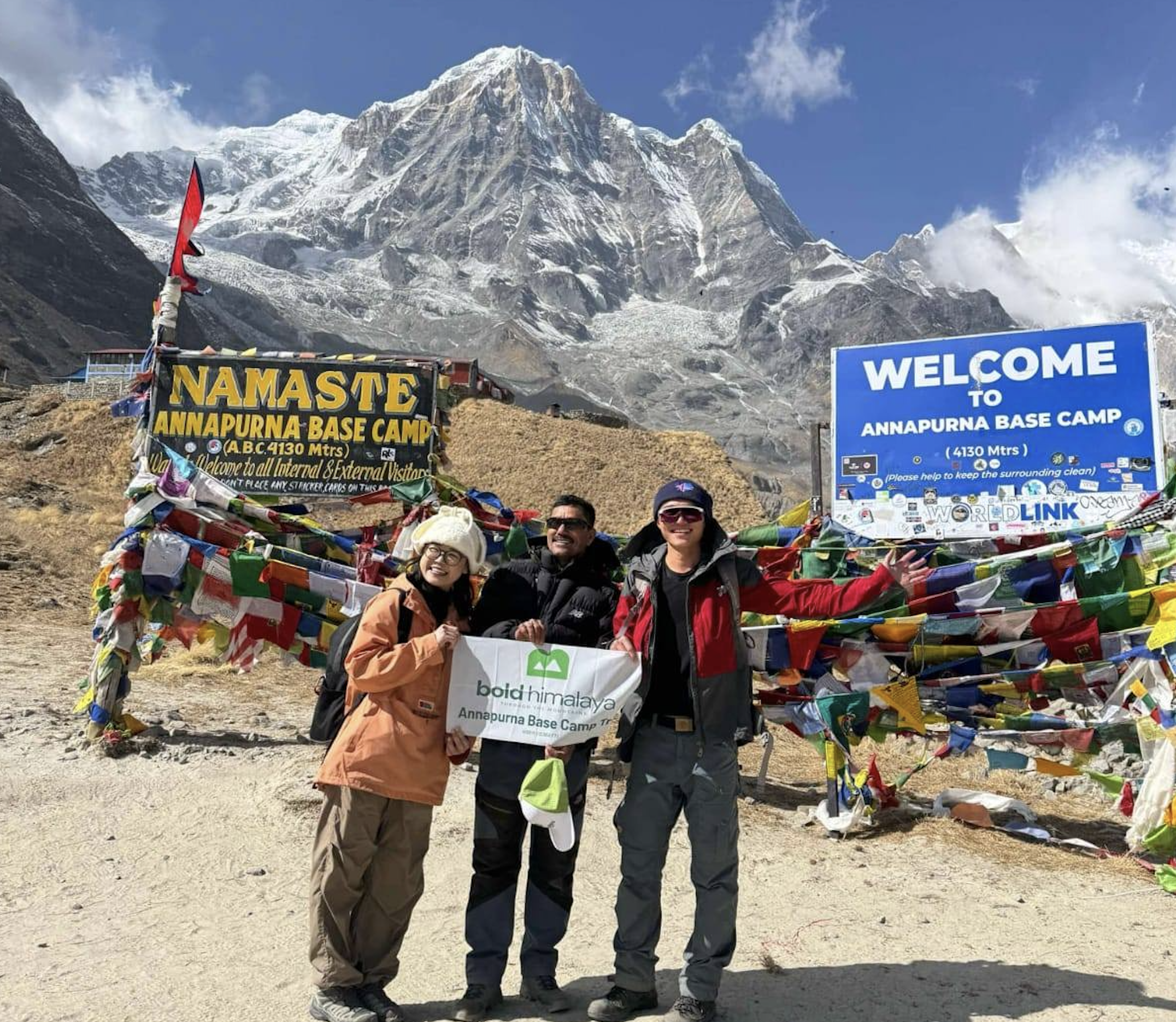
Save -18%

Annapurna Base Camp Trek
 Nepal Tour Packages
  9 Days

Save -11%
Annapurna Circuit Trek
Nepal Tour Packages
11 Days
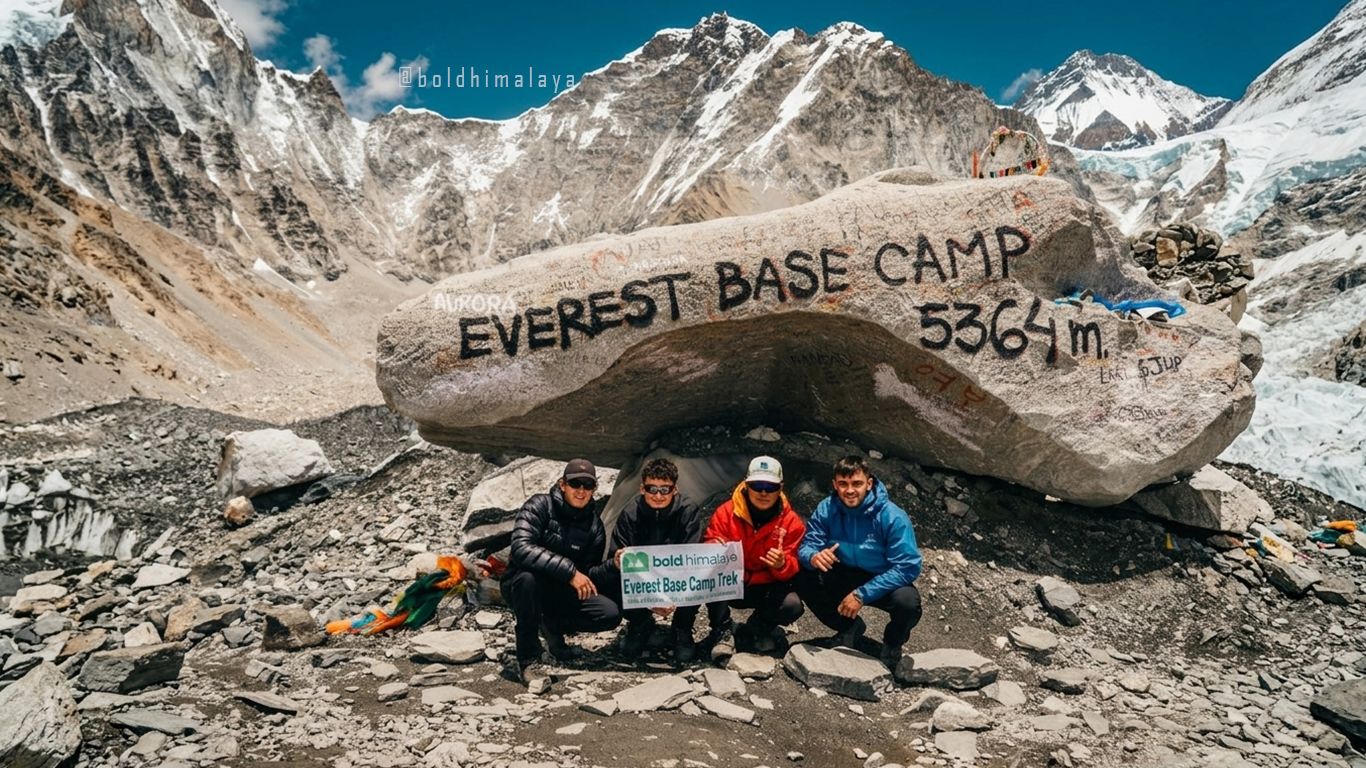
Save 28%
Everest Base Camp Luxury Lodge Trek
Nepal Tour Packages
15.0 Days
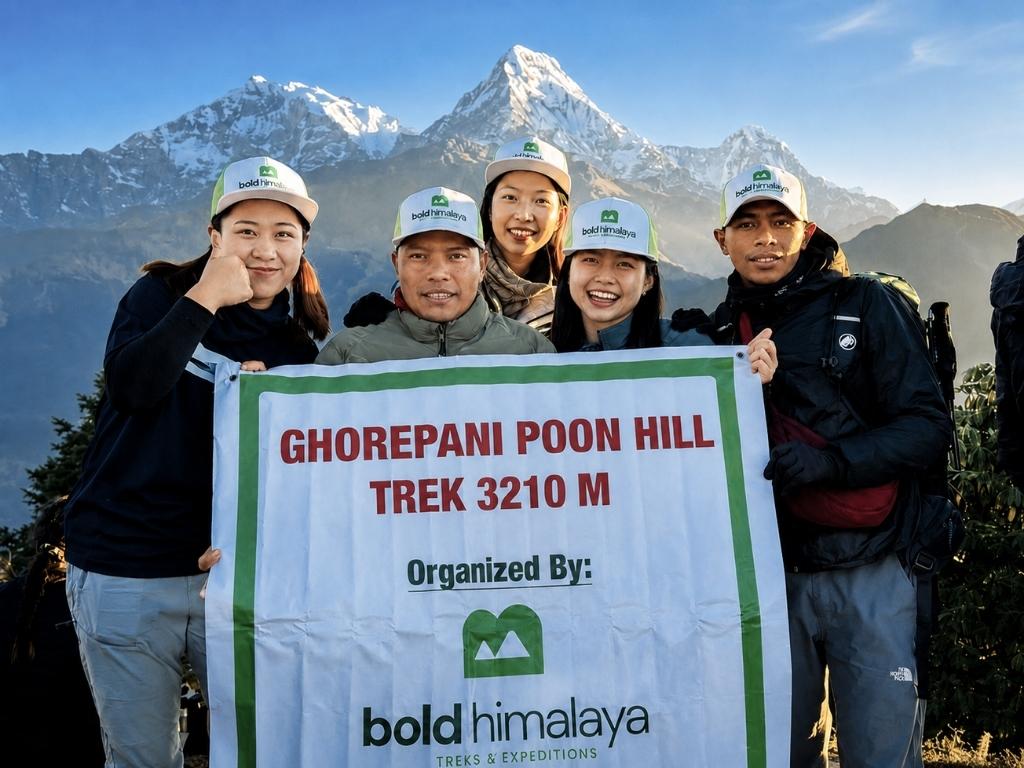
Save -28%
Ghorepani Poonhill Trek
Nepal Tour Packages
4.0 Days
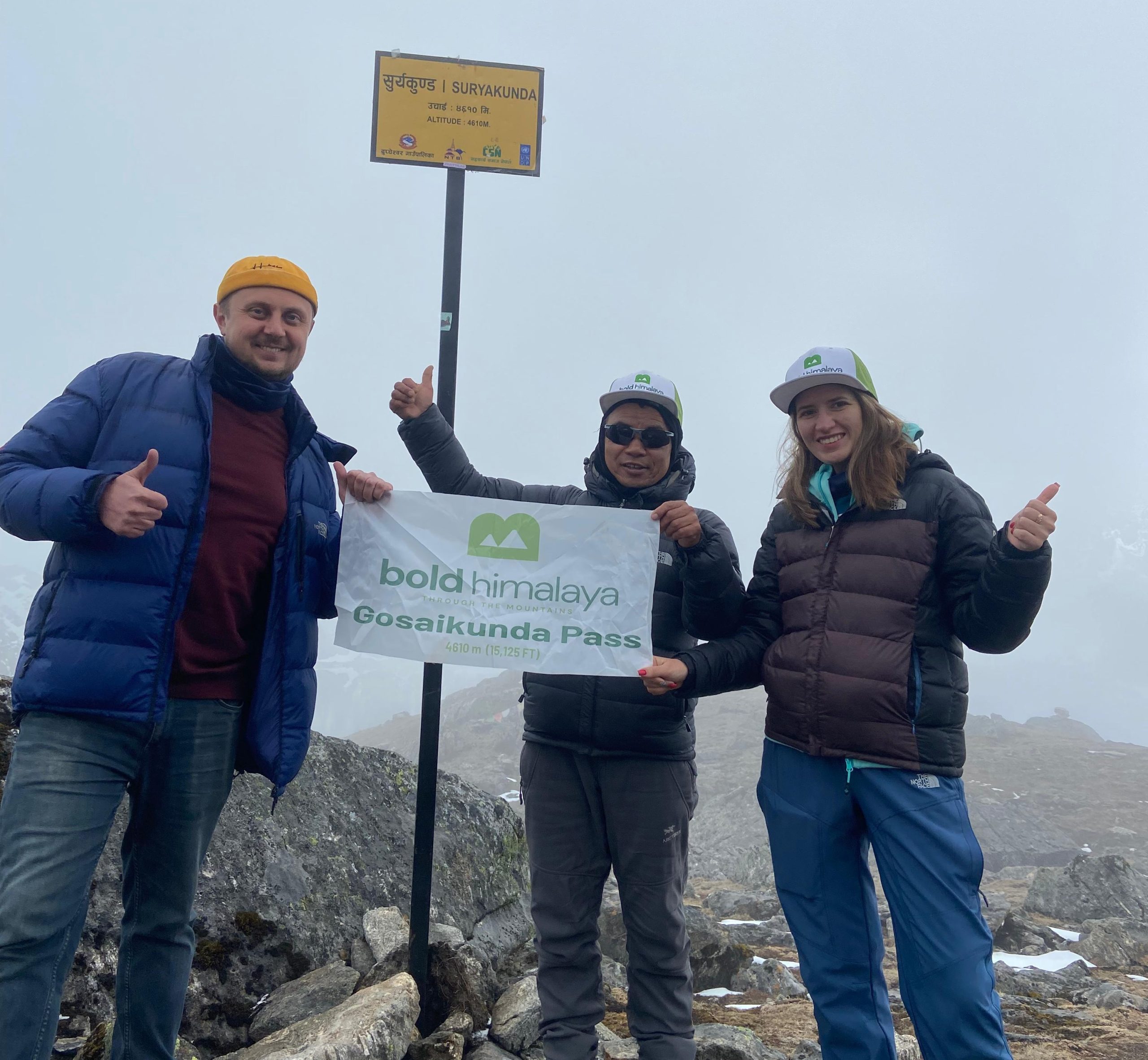
Save 34%
Gosaikunda Lake Trek
Nepal Tour Packages
5.0 Days
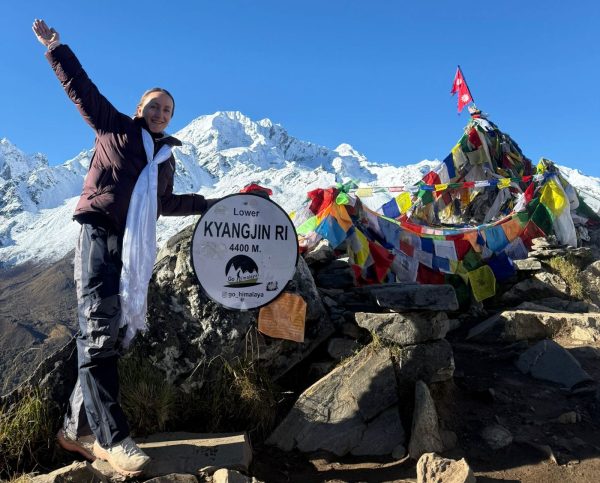
Save 42%
Langtang Valley Trek
Nepal Tour Packages
6.0 Days
Save 34%
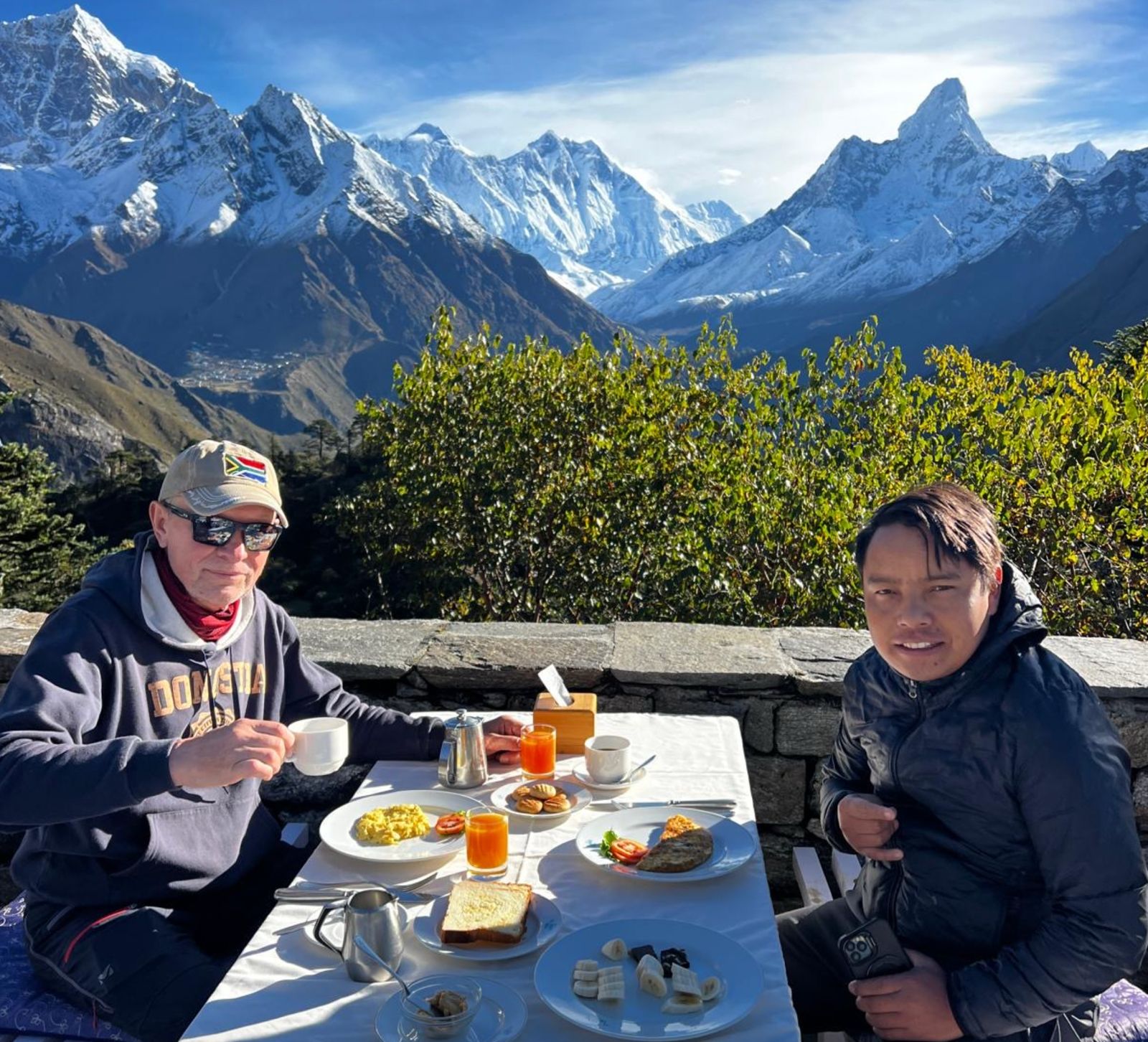
Luxury Everest View Trek
Nepal Tour Packages
10.0 Days
Save -9%
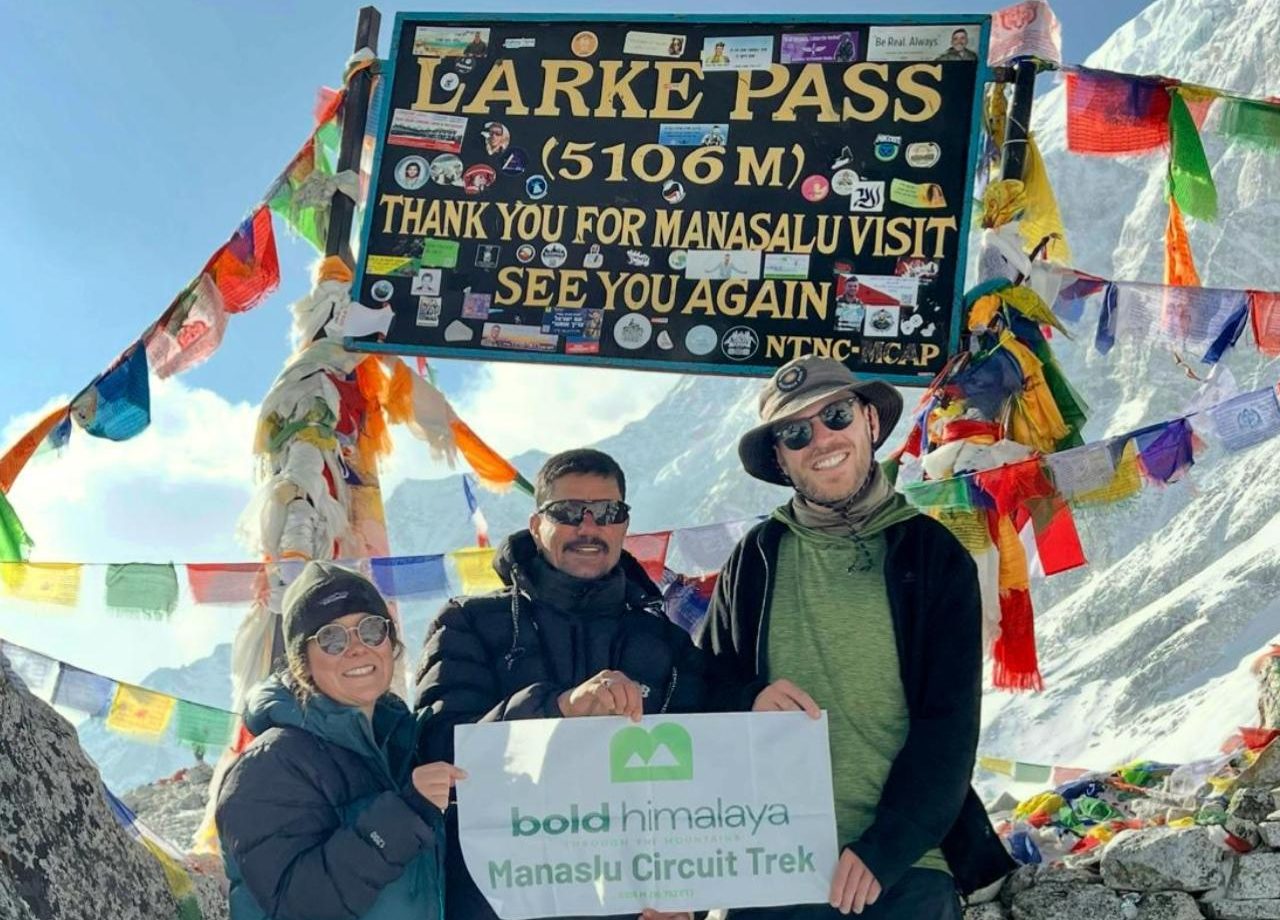
Manaslu Circuit Trek
Nepal Tour Packages
13.0 Days

Save 24%
Mardi Himal Base Camp Trek
Nepal Tour Packages
9 Days
Save 22%
Nar Phu Valley with Annapurna Circuit Trek
Nepal Tour Packages
16 Days
Upper Mustang Trek
13 Days