
Lobuche Peak Climbing


Detailed Lobuche Climbing Peak Itinerary
Every stage of this Lobuche Peak climbing is thoughtfully planned to provide a safe, enjoyable climbing experience.
Day 1: Arrive in Kathmandu
3-star hotel
1,400m/4,600ft
Upon your arrival at Tribhuvan International Airport, one of our Bold Himalaya representatives will pick you up and transfer you to your Hotel. You can relax, or go out and explore Thamel, that wonderful slice of the city with cool cafes, mountaineering shops, and an awful lot of local character. We’ll meet up in the evening for a pre-trek briefing where you get to meet the guides. Overnight in Kathmandu.
Day 2: Fly to Lukla and trek to Phakding
Teahouse

Breakfast, lunch, and dinner
3-4 hrs
2,610m/8,563ft
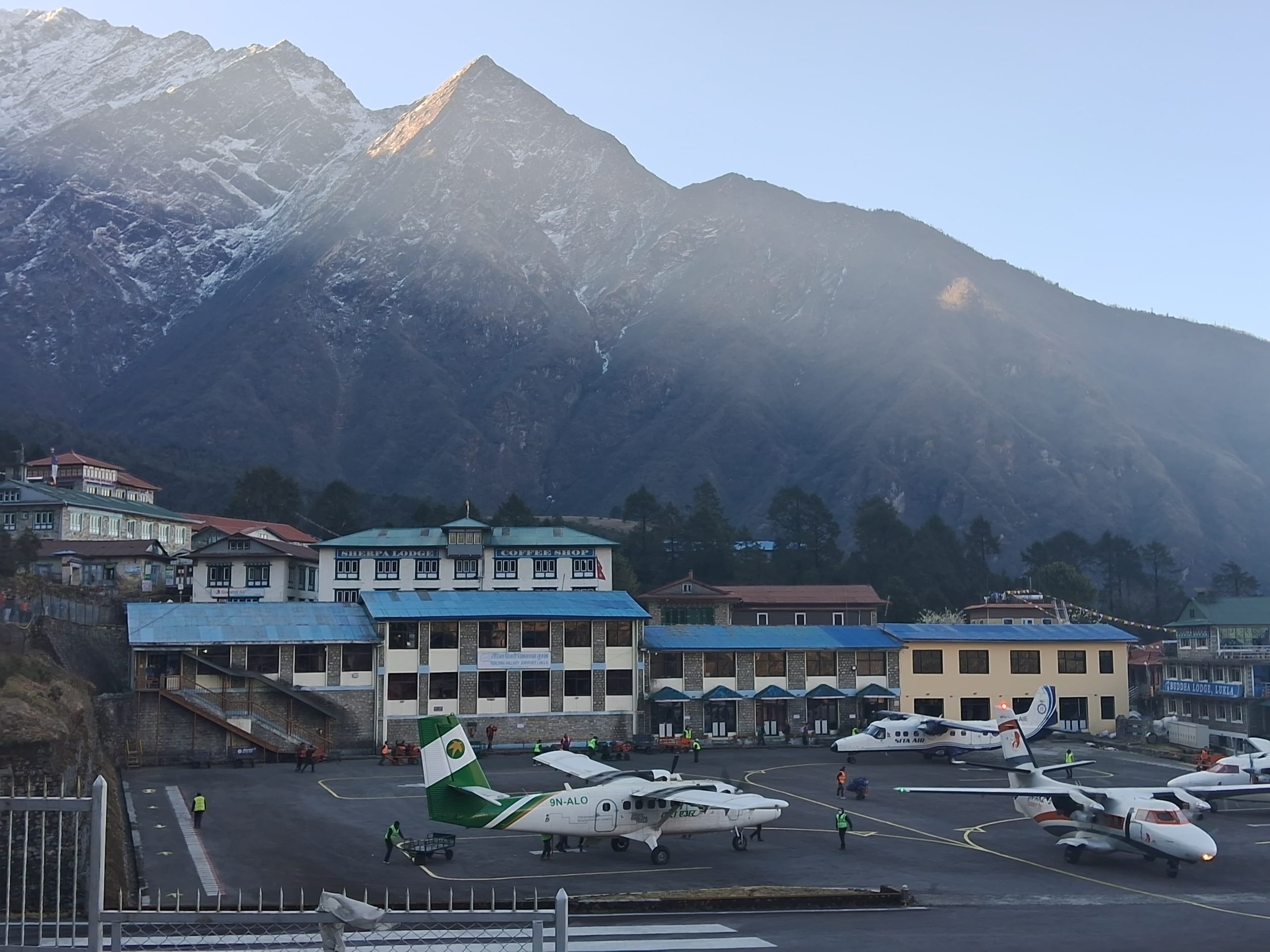
Early morning, you’ll be picked up and transferred to the airport. You’ll fly to Lukla, which takes around 30-35 minutes. The excitement builds, with breathtaking bird’s-eye views of the Himalayas along the flight and landing at the world-famous mountain airstrip, Tenzing-Hillary Airport.
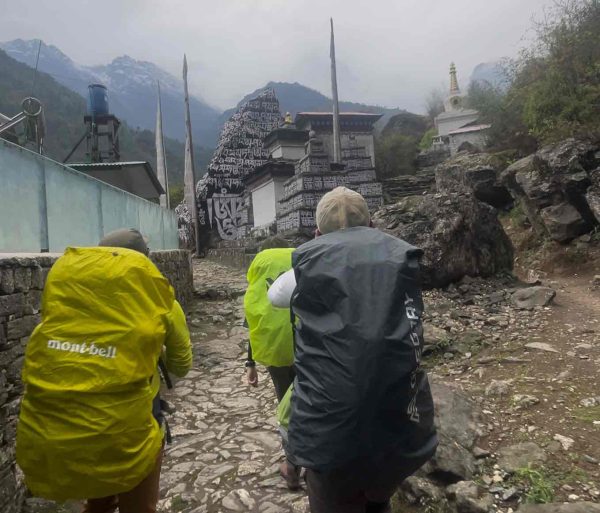
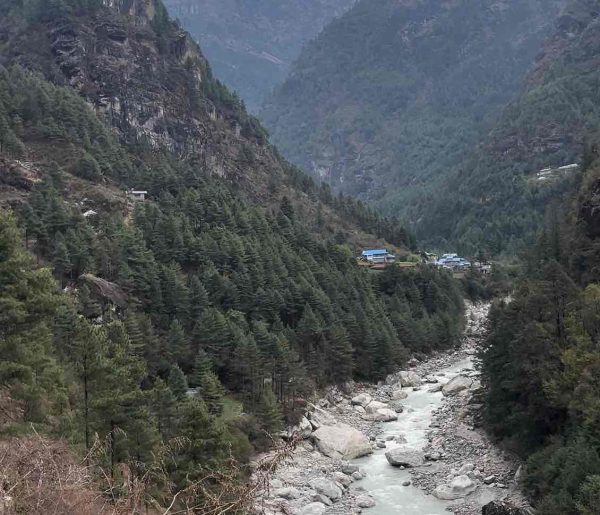
After landing, you’ll meet your porter and start the trek to Phakding. The crowded trail passes through the pine forest and across many suspension bridges which sway gently above the blue Dudh Koshi River. You pass through the serene village of Ghat with its prayer wheel-encrusted mani stone walls to Phakding, the night’s acclimatization halt. Overnight in Phakding.
Day 3: Phakding to Namche Bazaar
Teahouse
Breakfast, Lunch, and Dinner
3,440 meters/11,286 feet
5-7 hrs
After a hearty breakfast in Phakding, you’ll carry on along the Dudh Koshi River, crossing many suspension bridges a long way over the Dudh Koshi River. The thrill is the Hillary Suspension Bridge, draped in multicolored prayer flags and with distant views down into the river chasm below. Continue ascent into Sagarmatha National Park at Monjo, where forest ridges of rhododendron, magnolia, and fir form a multicolored tunnel along the route.
The final two hours of punishing ascent climb the hill sides, but your effort is richly rewarded by the first view of Mount Everest towering over the horizon of Nuptse-Lhotse. A final turn brings into view Namche Bazaar, a vibrant Sherpa town with cozy cafes, bakeries, and tea houses. Overnight in Namche Bazaar.
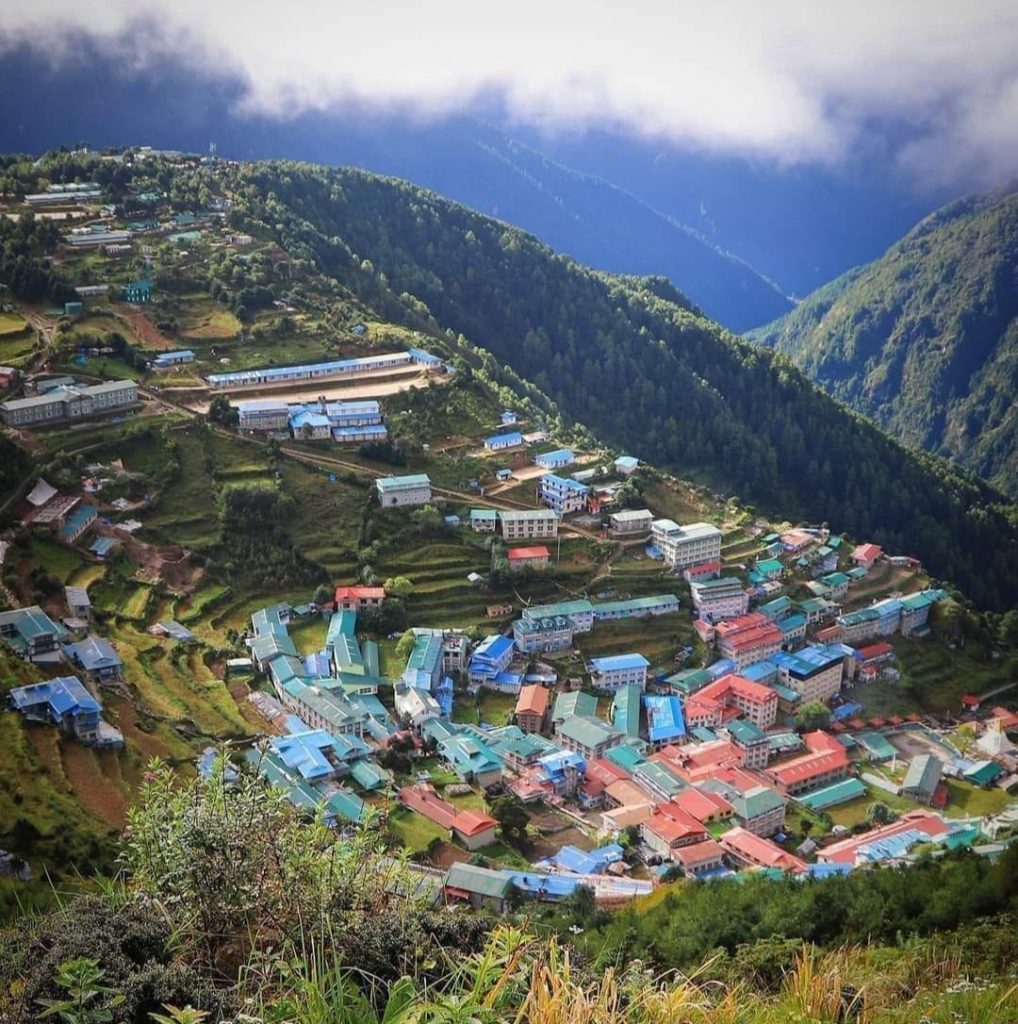
Namche Bazaar – Gateway to the Everest Region
Namche Bazaar is the largest and most important town in Nepal’s Everest region, located at an altitude of ... Read More
Day 4: Acclimatization Day at Namche Bazaar
Tea House
Breakfast, Lunch, and Dinner
3,880 meters/12,730 feet
Today, you’ll rest at Namche Bazaar. The day is spent in acclimatization, where your body will gain enough time to adapt to the increasing altitude. Instead of complete rest, you can go for a short hike to Everest View Hotel, where you’ll see one of the world’s finest mountain views-Everest, Lhotse, Ama Dablam, and Thamserku well positioned against the sky-blue Himalayas.
Return to Namche and pass the day exploring the nearby villages and learning about their traditional life. Visit the Sherpa Culture Museum to learn about the interesting individuals who inhabit these mountains. You may also treat yourself to the unexpected variety of cafes featuring anything from authentic espresso to apple pie. This combination of gentle exercise and relaxation familiarizes your body with the hard days ahead and a deeper understanding of the unique culture of the Khumbu Valley.
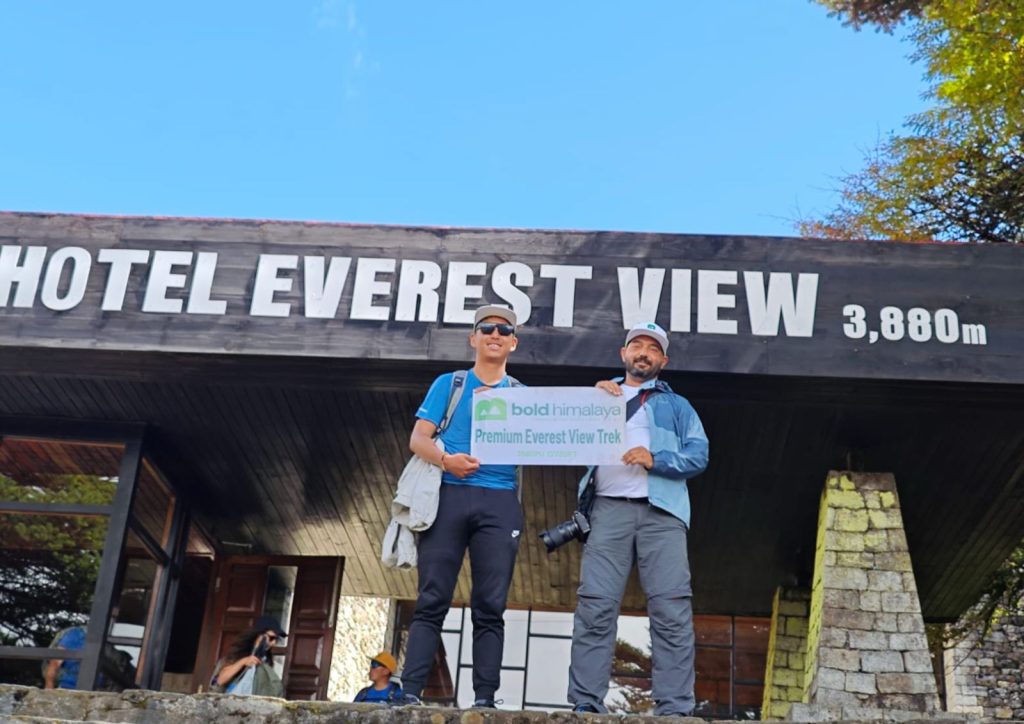
Everest View Hotel – World’s Highest Luxury Hotel
Everest View Hotel is one of the most iconic landmarks in Nepal’s Everest region, famous for being the ... Read More
Day 5: Namche Bazaar to Tengboche
Tea House
Breakfast, lunch, and dinner
3,870 metres/12,700 ft
5-6 hours
After a comfortable night in Namche Bazaar, you’ll begin your trek towards Tengboche with a gradual and scenic trail. The path gently winds along the hillside, with stunning panoramic views of towering Himalayan peaks such as Everest, Lhotse, Ama Dablam, and Thamserku.
As you continue, you’ll pass through small Sherpa settlements like Kyangjuma. From here, the trail gradually descends through pine and rhododendron forests until you reach the Dudh Koshi River at Phunki Tenga. This is a common lunch stop where you can relax before the more challenging part of the day begins.
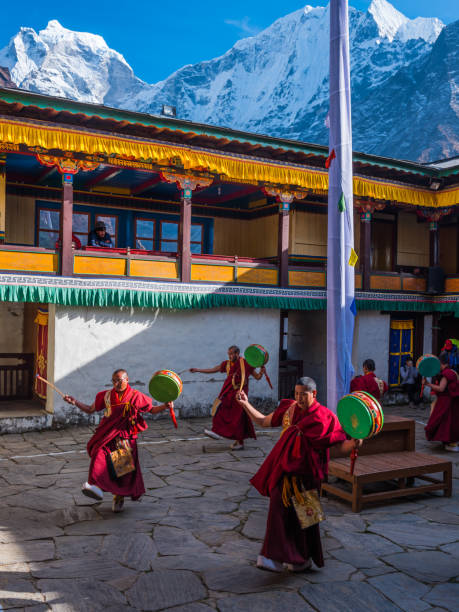
After lunch, the trek becomes a steady uphill climb through dense forest. Along the way, you might spot wildlife such as Himalayan pheasants or even musk deer if you’re lucky. The peaceful forest trail eventually opens up as you reach Tengboche. The village is home to the famous Tengboche Monastery, the largest monastery in the Khumbu region. If you have time, you can visit the monastery and witness the evening prayers, adding a unique cultural experience to your day.
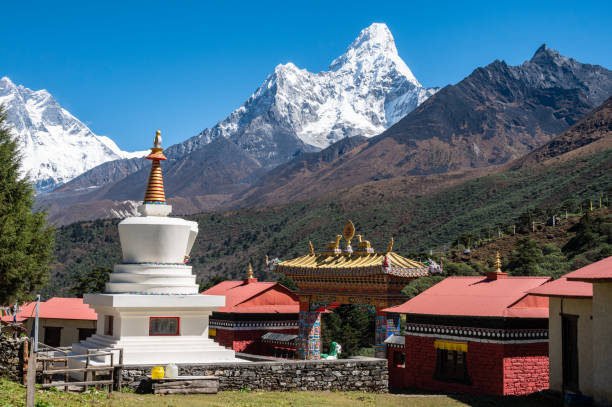
Tengboche Monastery – The Spiritual Heart of the Khumbu
Perched at 3,870m (12,694ft) in the Khumbu Valley, Nepal, Tengboche Monastery is the largest and most famous monastery ... Read More
Day 6: Trek to Dingboche
Tea House
Breakfast, Lunch, and Dinner
4,410m/14,470ft
5-6 hours
Today you’ll continue your journey towards Dingboche, gradually moving deeper into the high Himalayas. The trail begins with a gentle descent through beautiful rhododendron and pine forests, crossing a suspension bridge over the Imja Khola before reaching the small village of Pangboche. This is one of the oldest Sherpa settlements in the region, where you can take a short break and enjoy the surrounding mountain views.
As you move ahead, the landscape starts to change. The dense forests slowly give way to open alpine terrain, with fewer trees and more rugged surroundings. Passing through Somare, the trail becomes wider and more exposed, with breathtaking views of Ama Dablam, Island Peak, and other snow-capped peaks along the way.
Upon reaching Dingboche, you’ll notice a beautiful village set in a wide valley, surrounded by stone walls and fields that protect crops from strong winds. Overnight in Dingboche.
Day 7: Acclimatization at Dingboche
Tea House
Breakfast, lunch, and dinner
5-7 hours
A second day of acclimatization is required in Dingboche, but by no means relaxed. After breakfast, you can hike to Nagarjun Hill (5,100m), also called Nangkartshang Peak. The path zigzags steeply up from the village, with increasingly fabulous views at each step.
Once you reach Nagartshang, the view is truly mind-blowing. You’ll be rewarded with breathtaking panoramic views of peaks like Ama Dablam, Makalu, Lhotse, and Island Peak, along with a stunning view over the Imja Valley.
After back to Dingboche, you can explore the villages and talk to local people about their lifestyle and enjoy the peaceful mountain experience.
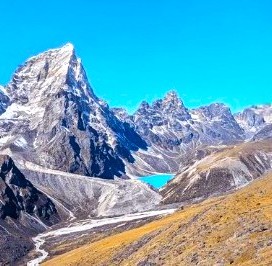
Nangtartshang Peak
Nangkartshang Peak, also known as Nangkar Tshang, is a well-known acclimatization viewpoint that lies above the village of ... Read More
Day 8: Dingboche to Lobuche
Tea House
Breakfast, lunch, and dinner
4,940 m/16,210 ft
5-6 hours
After a restful acclimatization day in Dingboche, you’ll continue to Lobuche. The trail begins with a gentle climb along a wide valley, offering stunning views of peaks like Ama Dablam, Thamserku, and Taboche.
As you walk, the terrain becomes more barren and windswept, with fewer signs of vegetation. You’ll pass through Dughla (Thukla), a small settlement where many trekkers stop for lunch before the challenging section ahead. From here, the trail climbs steeply up the Thukla Pass, which can feel tough due to the altitude.
At the top of the pass, you’ll come across a series of memorials dedicated to climbers and Sherpas who lost their lives on Everest. From here, the trail becomes more gradual as you follow the Khumbu Glacier towards Lobuche.
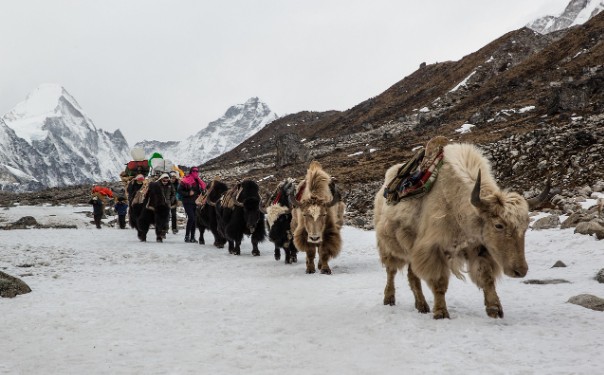
Thukla Pass (Dughla Pass)
Thukla Pass, also known as Dughla Pass, is a memorial high-altitude landmark on the Everest Base Camp trekking ... Read More
Day 9: Trek to Lobuche High Camp
Camping
Breakfast, lunch, and dinner
5,600 m/ 18,368 ft
4-5 hours
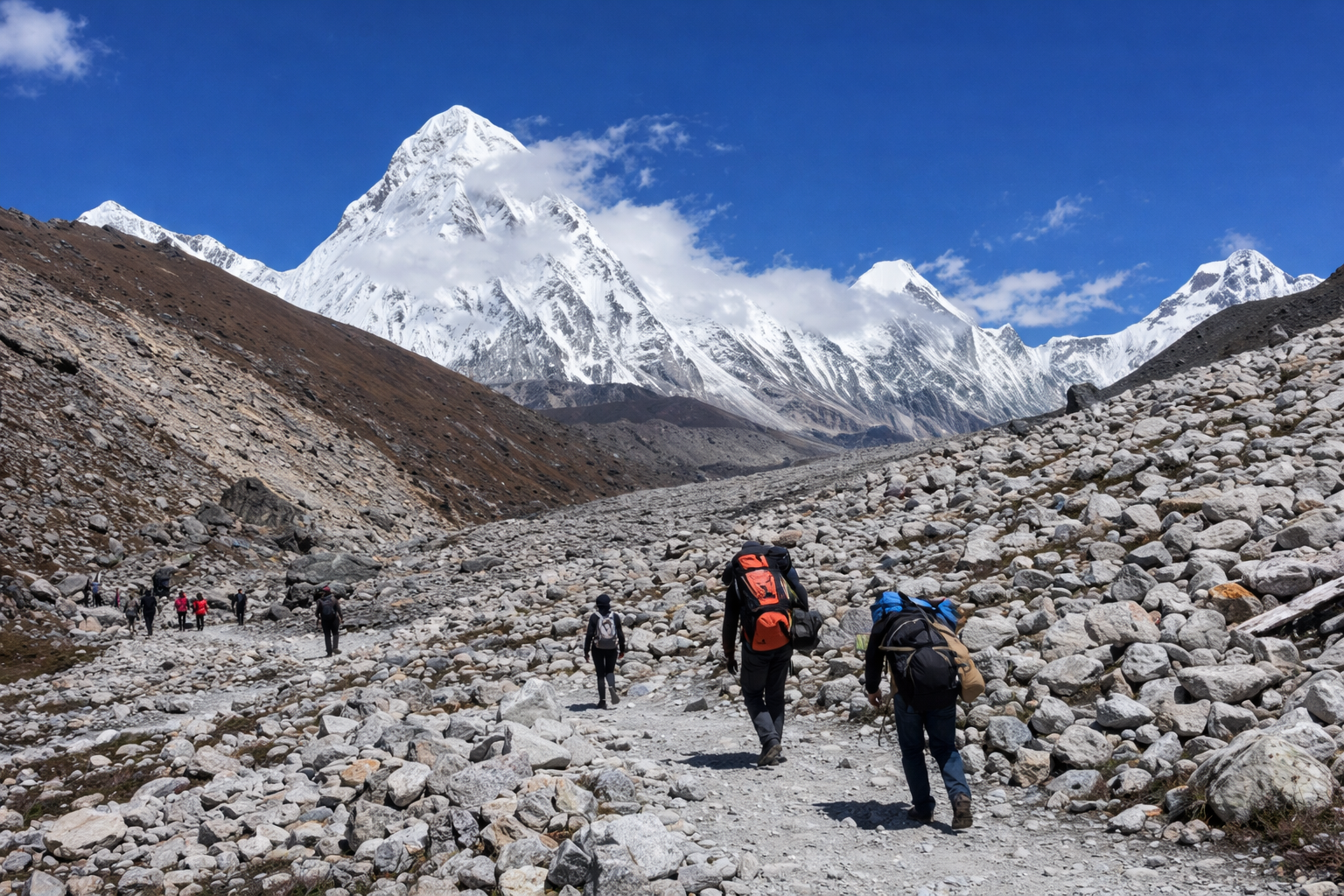
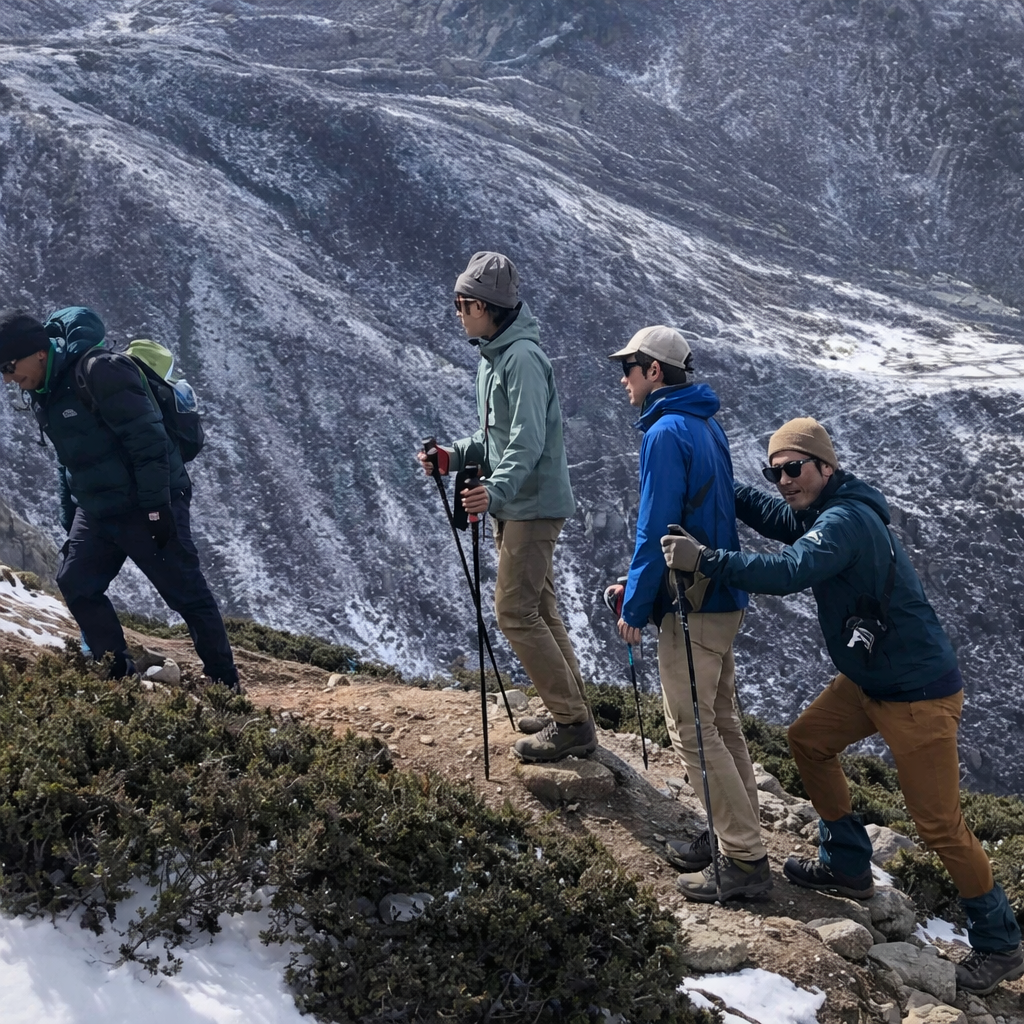
After an early breakfast in Lobuche, you’ll begin your short but demanding climb towards Lobuche High Camp, leaving the main Everest Base Camp trail behind. The distance is about 3-4 km. The path gradually ascends over rocky terrain, and as you gain elevation, the air becomes thinner, making a slow and steady pace essential.
The trail is less crowded and feels more remote, with dramatic views of surrounding peaks like Lobuche East, Nuptse, and other towering Himalayan mountains. Although the distance is not very long, the altitude makes this section physically challenging. With each step, you’ll feel the change in elevation, but the stunning high-mountain scenery keeps you motivated.
Upon reaching Lobuche High Camp, you’ll find yourself in a raw and exposed alpine setting, surrounded by snow-covered peaks and vast glaciers. After settling in, you’ll rest, hydrate, and guides will conduct a final technical briefing, covering safety protocols, rope techniques, crampon and ice axe usage, and tips for the summit attempt planned for the next day. The rest of the day is usually spent acclimatizing and getting ready for the summit push.
Day 10: Summit Lobuche Peak and Return to Base Camp
Camping
Breakfast, Lunch, and Dinner
Summit at 6,119m/20,075ft
8-10 hours
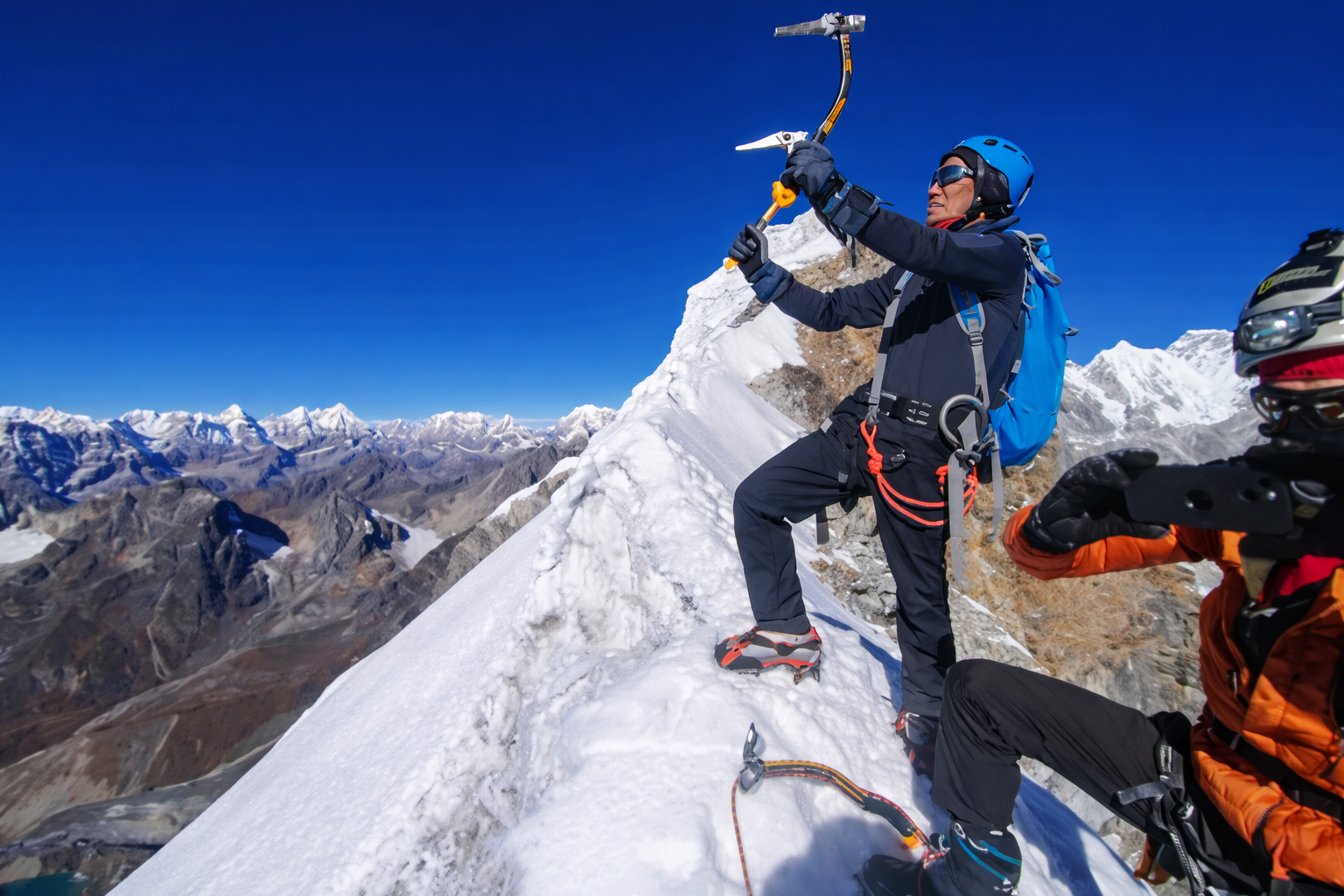
Your summit day begins very early, usually around midnight to 2:00 AM, as you prepare for the most challenging and rewarding part of your Lobuche Peak adventure. After a quick breakfast and final gear check, you’ll start your climb, following your guide across rocky terrain and icy sections.
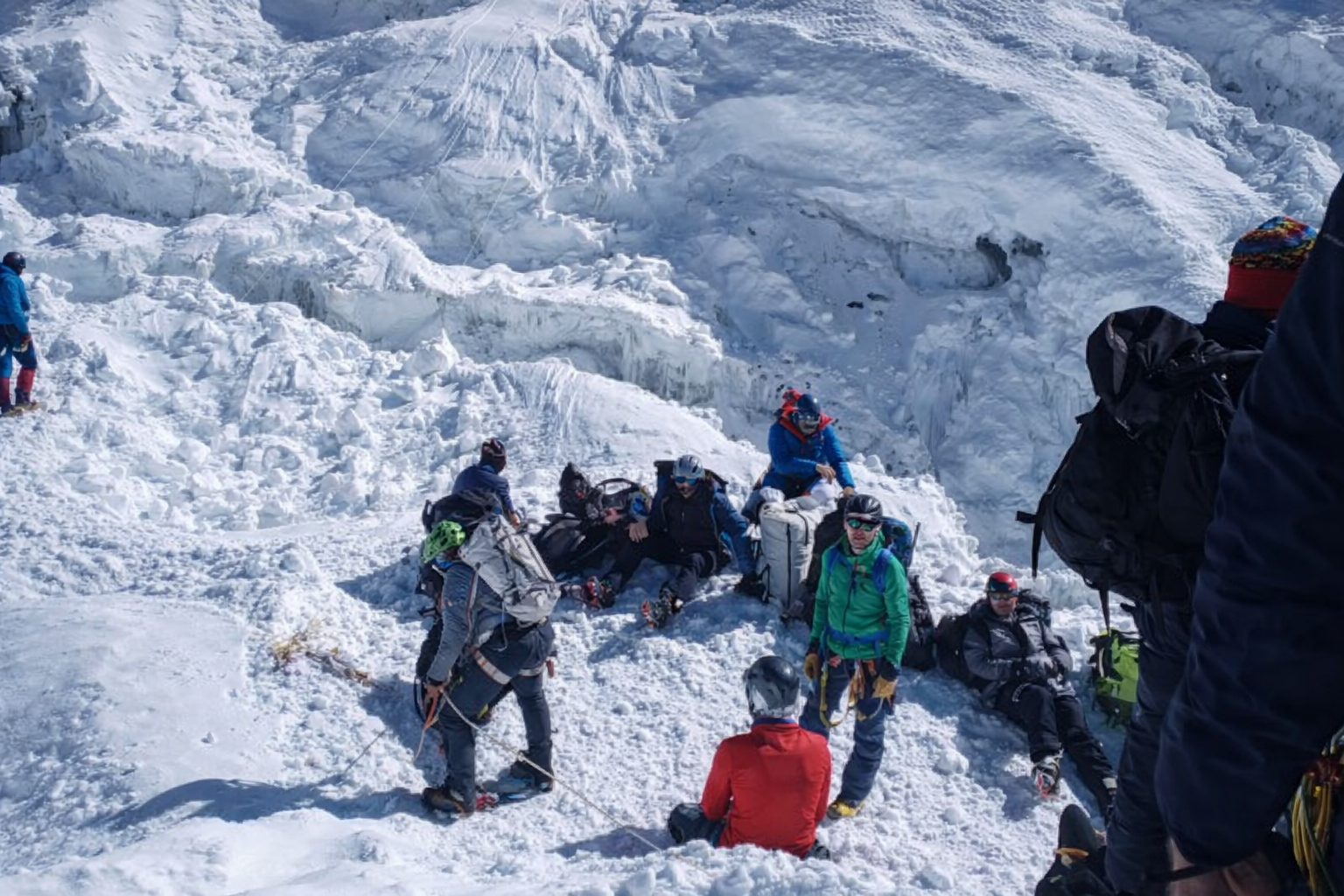
The ascent is demanding, involving steep slopes, glacier travel, and fixed rope sections in some parts. As you climb higher, the cold and altitude make every step feel tougher, but the anticipation of reaching the summit keeps you moving forward. Gradually, the first light of dawn begins to appear, revealing the stunning Himalayan landscape around you.
Reaching the summit of Lobuche Peak (6,119 m) is an unforgettable moment. From the top, you’ll witness breathtaking panoramic views of Everest, Lhotse, Nuptse, Ama Dablam, and many other towering peaks. After spending a short but rewarding time at the summit, you’ll begin your descent carefully back to High Camp.
Once back at High Camp, you’ll take a short rest before continuing down to Lobuche Base Camp. The return journey can feel long and tiring after the summit effort, but reaching Base Camp brings a great sense of achievement and relief. You’ll spend the night at Base Camp, resting after one of the most incredible days of your Himalayan journey.
Day 11: Trek from Lobuche Base Camp to Pangboche
Teahouse
Breakfast, Lunch, and dinner
3,985m
5-6 hours
After the exhilaration of summiting Lobuche Peak, today’s trek is a welcome descent through high alpine terrain, allowing your muscles to recover while still soaking in the grandeur of the Himalayas.
The path continues along the edges of Pheriche village, giving glimpses of its health station, then winds through Shomare and past solitary chorten-topped ridges. The descent gradually transitions from rocky alpine terrain to areas dotted with rhododendron and juniper trees, eventually reaching the glacier’s lower edges.
By afternoon, you arrive in Pangboche. The relatively denser air and warmer temperatures are a welcome change after days at extreme altitude. Overnight in Pangboche.
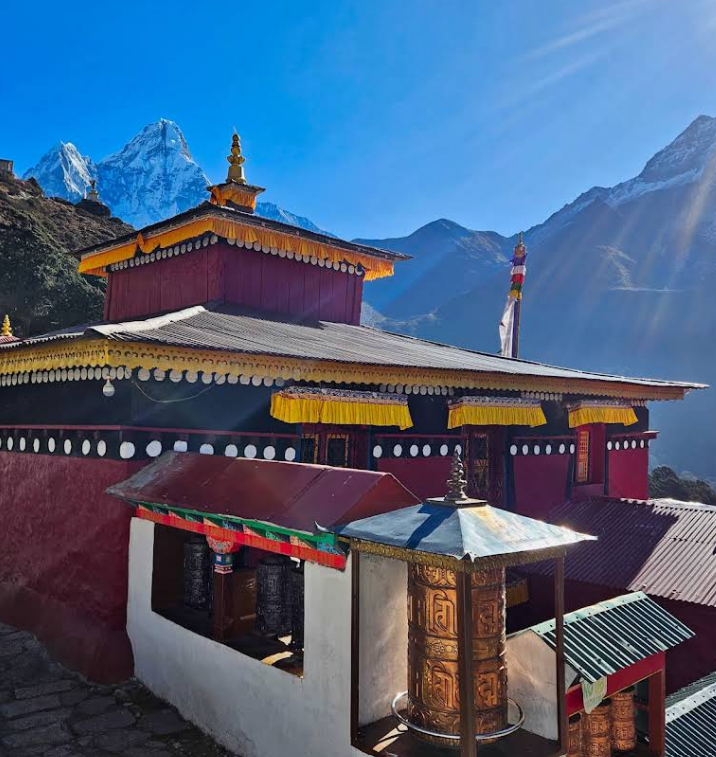
Pangboche Monastery (Pangboche Gompa) – Historic Sherpa Spiritual Site
Pangboche Monastery (Pangboche Gompa), one of the oldest and most revered Buddhist monasteries in the Khumbu region, was ... Read More
Day 12: Trek to Namche Bazaar
Teahouse
Breakfast, Lunch, and dinner
3,440m/11,286ft
6-7 hours
Today, you’ll descend back to Namche Bazaar, through the beautiful Khumbu Valley. The trail passes familiar villages, with a mix of gentle descents and a few uphill sections.
As you lose altitude, the air becomes easier to breathe, and the surroundings turn greener with forests and rivers along the way. Crossing suspension bridges and enjoying views of peaks like Ama Dablam, the walk feels more relaxed compared to the ascent.
After trekking around 12-15 km, you’ll reach Namche Bazaar, where you can finally enjoy comfort, good food, and a well-deserved rest after your high-altitude adventure.
Day 13: Trek to Lukla
Teahouse
Breakfast, Lunch, and dinner
2,860m/9,383ft
7-8 hours
After a restful night in Namche Bazaar, you’ll begin your final trek back to Lukla, marking the end of your Himalayan journey. The trail mostly descends through beautiful pine and rhododendron forests, crossing several suspension bridges over the Dudh Koshi River.
Passing through familiar villages like Phakding and Monjo, the walk feels easier as you continue losing altitude. Although there are a few short uphill sections, the overall trek is Then, you’ll finally arrive in Lukla.
This last day of trekking is filled with a mix of accomplishment and reflection, as you celebrate the successful completion of your adventure in the Everest region.
Day 14: Flight from Lukla to Kathmandu
3-star hotel
Breakfast
30-40 minutes
After having breakfast in Lukla, you’ll take a scenic flight back to Kathmandu. The short flight offers one last breathtaking view of the Himalayas, with snow-capped peaks stretching across the horizon.
As you leave the mountains behind, the landscape gradually changes to rolling hills and finally the bustling city of Kathmandu. Upon arrival, you’ll be transferred to your hotel, where you can relax, enjoy a hot shower, and reflect on your incredible journey.
Last night, there’ll be a special farewell dinner to mark our incredible trek.
Day 15: Departure or another Adventure
Breakfast
On your departure day, you’ll be transferred to the airport based on your flight schedule.
Also, we can arrange alternative tours if you want to stay back for a few more days. We can allow you to have a Kathmandu culture tour, a jungle stay in Chitwan, or relax in Pokhara. Your tour can be further improvised.
Want to customize your trip?
We ensure every trip meets your expectations — customize your itinerary anytime to match your travel style and preferences.
Inclusions
What’s Covered in Your Adventure
- Airport transfers upon your arrival and departure with private vehicle
- 3-star hotel accommodation in Kathmandu with twin or triple sharing room
- Domestic flight from Kathmandu to Lukla and back
- Accommodation in best available teahouses and tented camp
- Full Board Meals during the trek (Breakfast, Lunch & Dinner) with tea & Coffee
- Required permits such as NMA Climbing Permit, Sagarmatha National Park Permit & Khumbu Pasang Lhamu Rural Municipality Entry Fee
- Experienced English Speaking Guide
- A skilled climbing Sherpa guide
- Sleeping bag and down jacket for use (Return after the trek)
- A medical kit carried by our guide
- Mountaineer equipments
- All government taxes
- International Airfare
- Travel Insurance
- Lunch & Dinner in Kathmandu
- Your personal expenses, including beverages, like water, hot and cold drinks and any bar bills
- Laundry services, telephone charges, hot shower usage fees and internet costs
- Tips for the guide and porters

Essential gear for Lobuche Peak Climbing

Climbing Gear
- Mountaineering Boots
- Climbing Harness
- Crampons
- Ice Axe
- Helmet
- Climbing rope
- Trekking poles
- Headlamp with spare batteries
- Goggles or glacier sunglasses

Clothing
- Base-layer thermal top and bottom
- Fleece jacket
- Down jacket
- Waterproof trekking trousers
- Warm trekking trousers
- Waterproof and windproof jacket
- Insulated summit pants
- T-shirts/ Long-sleeve shirts
- Warm hat or beanie
- Waterproof gloves
- Lightweight inner gloves

Footwear
- Comfortable trekking boots
- Warm socks and extra trekking socks
- Camp shoes or sandals
- Gaiters, especially for snow conditions

Personal and essential accessories
- Sunscreen with high SPF
- Lip balm with SPF
- Sunglasses with good UV protection
- Personal medication
- Hand sanitizer
- Wet wipes and tissues
- Toothbrush and toothpaste
- Small quick-dry towel
- Toiletries
- Personal hygiene products

Fixed Departure
Fixed Departures, Guaranteed Hassle-Free Travel
Detailed Map of Lobuche Peak Climbing
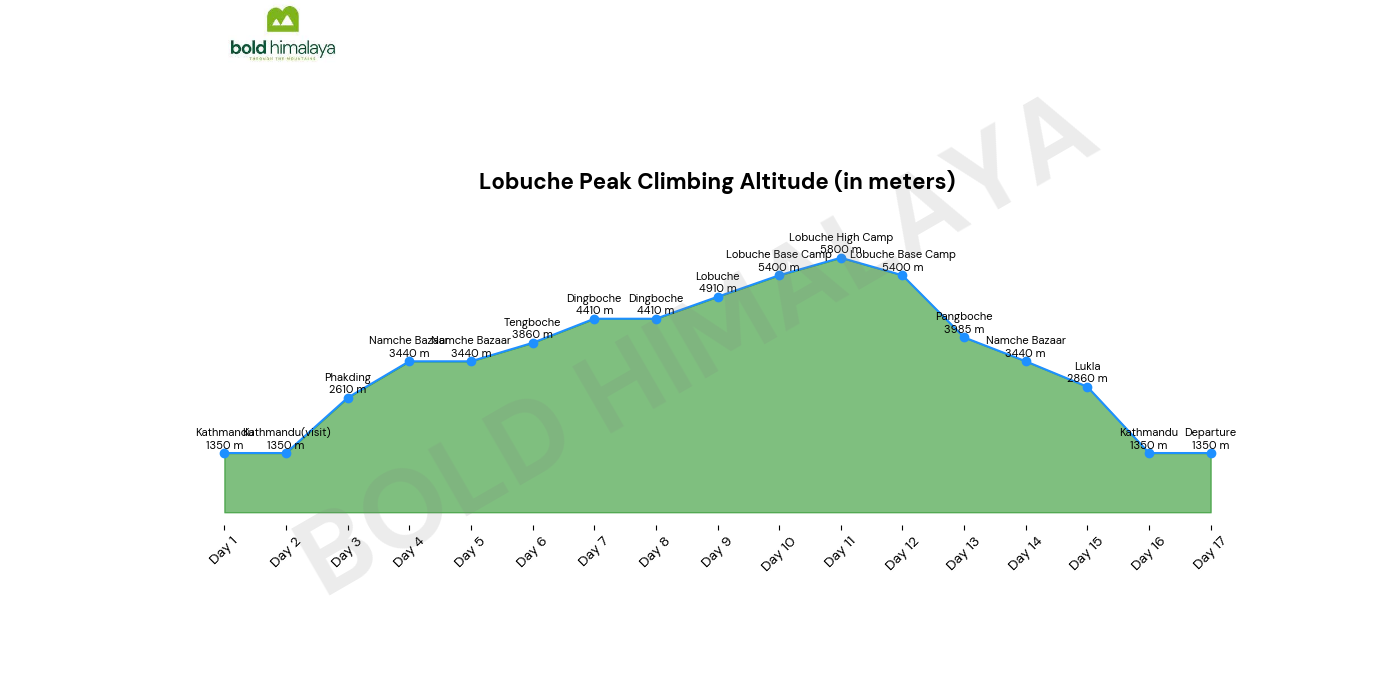
Altitude Chart of Lobuche Peak Climbing
Good to Know
Things to Remember before you go
Accommodation during Lobuche Peak Climbing
Accommodation on the Lobuche Peak Climbing journey varies by stage of the trip. In Kathmandu, you’ll stay in a comfortable 3-star hotel, usually in a twin or triple-sharing room, with private bathroom facilities and a more comfortable setting before and after the trek.
Once you begin trekking in the Everest region, accommodation changes to teahouses and mountain lodges. Rooms are generally simple and clean, with twin beds, while bathrooms may be shared, especially at higher elevations. Dining rooms are usually heated by a central stove, which makes a warm place to relax and have meals after trekking.
At higher elevations, particularly around Lobuche High Camp, accommodation is a tented camp. Trekkers should expect limited hot water, charging facilities, and other comforts at high altitude.
Your accommodation is arranged according to the trekking and climbing route, with the focus on providing a safe and practical place to rest before continuing toward higher elevations.
Meals during Lobuche Peak Climbing
Meals are provided throughout the journey, with food options changing slightly as you move from Kathmandu into the higher mountains. In Kathmandu, you’ll have a wider choice of restaurants and cuisines, while during the trek, meals are mainly served at teahouses and lodges.
On trekking days, you can expect filling, familiar meals such as dal bhat, noodles, fried rice, pasta, potatoes, soups, eggs, bread, momo, porridge, and seasonal vegetables. Dal bhat is especially popular because it provides a good combination of carbohydrates and protein for long trekking days. Tea, coffee, hot chocolate, and other hot drinks are also commonly available.
As you reach higher elevations, food choices become more limited due to remote locations and transportation difficulties. At Lobuche High Camp, meals are kept simple and energy-focused to support the demanding climb. Staying hydrated is equally important, so we recommend drinking plenty of water and warm fluids throughout the trek.
Preparation for Lobuche Peak Climbing
Lobuche Peak is a technical trekking peak, so proper preparation is very important before starting the journey. You should begin training several weeks or months in advance, focusing on cardiovascular fitness, long-distance walking, uphill hiking, leg strength, and endurance. Regular hiking with a backpack is especially useful, as the actual climb involves long hours of walking and steep sections at high altitude.
You do not need to be an expert climber, but having some basic mountain experience is helpful. During the trekking period, your climbing guide will provide practical training and guidance on using climbing equipment like crampons, harnesses, ropes, and an ice axe. Before the summit attempt, you’ll have the opportunity to practice the necessary techniques and become familiar with the equipment under your guide’s supervision.
The key is to arrive in Nepal physically prepared and mentally ready for a demanding high-altitude climb. Your guide and climbing team will support you throughout the trek, but your fitness, pacing, and preparation play an important role in making the climb safer and more enjoyable.
Acclimatization during Lobuche Peak Climbing
Our itinerary includes two acclimatization days incorporated into it in Namche Bazaar (3,440m) and Dingboche (4,410m).
On acclimatization days, you won’t simply stay in the teahouse. Instead, you’ll go short hikes to nearby places and return to sleep at a lower altitude.
Drink lots of water, rest, and listen to your guides’ advice. In case you experience any symptoms like headaches, dizziness, or nausea, immediately inform your guide.
Permits for Lobuche Peak Climbing
Lobuche Peak Climbing requires several permits and official documents for both the trekking route and the peak ascent. These generally include:
- Lobuche Peak climbing permit
- Sagarmatha National Park entry permit
- Khumbu Pasang Lhamu Rural Municipality permit
The climbing permit and associated royalty must be obtained through the authorized process before attempting the peak.
You don’t need to worry about handling the paperwork yourself. Bold Himalaya arranges all the necessary permits before and during the trip. So you can focus on your preparation, trekking, acclimatization, and enjoying the Lobuche Peak adventure.
Facilities Along the Route
Electricity and Charging: Electricity is available in most teahouses along the main trekking route, including Namche, Tengboche, Dingboche, and Lobuche. Charging electronic devices is usually possible for an additional fee. At higher elevations and during the climbing section, electricity can be limited, so carrying a power bank is recommended.
Wi-Fi and Internet: Wi-Fi is available at many teahouses in villages but for an additional fee. The connection can be slow or unreliable, especially at higher elevations. No Internet access at Lobuche High Camp.
Mobile Network: Mobile coverage is available in parts of the Everest region, but the signal can be inconsistent as you move higher. Coverage around major villages is generally better, while remote sections and the high camps may have little or no reliable network.
Hot Shower: Hot showers are available at many teahouses in the lower villages, usually for an additional fee. As you climb higher, hot showers become less common.
ATMs and Cash: ATMs are available in Namche Bazaar, but it is not advisable to depend entirely on them because machines can occasionally run out of cash or experience technical problems. It is best to withdraw enough Nepali rupees in Kathmandu or Namche to cover personal expenses during the trek.
Drinking Water: Bottled and boiled water are available at teahouses along the route. You can also refill water from designated sources and use a reliable water purification method. Staying well hydrated is especially important as you climb towards Lobuche Peak.
In High Camp, we will set up well-equipped campsites with dining tents and limited toilet facilities. Our crew will make you feel comfortable throughout the journey.
Lobuche Peak Climbing Safety
Safety is the top priority on the Lobuche Peak (6,119m) expedition. Bold Himalaya ensures that every aspect of your trek is carefully planned to minimize risk and maximize your enjoyment of this high-altitude adventure.
1. Experienced Guides and Sherpas
Our mountaineering-certified guides and veteran Sherpas have extensive experience in high-altitude trekking and rescue operations. They lead every climb, monitor your condition, and provide expert advice for a safe summit attempt.
2. Acclimatization and Altitude Management
To reduce the risk of altitude sickness, the itinerary includes strategically planned rest and acclimatization days at key points like Namche Bazaar, Dingboche, and Lobuche Base Camp. We teach proper pacing, hydration, and breathing techniques to help your body adjust safely to high altitudes.
3. Weather Monitoring
The Himalayan weather is unpredictable. Our team monitors daily weather forecasts and adapts the trekking plan as needed to avoid storms, heavy snowfall, or extreme cold conditions.
4. Emergency Preparedness
Oxygen supply is available for high-altitude emergencies.
Satellite phones ensure communication in remote areas.
Helicopter evacuation can be arranged if necessary.
These measures provide climbers with additional security during the expedition.
5. Your Role in Safety
Climbers also play a crucial role in ensuring safety:
Follow the guide’s instructions carefully at all times.
Maintain a steady ascent pace to avoid exhaustion.
Monitor your body’s response to altitude and report any symptoms immediately.
By combining expert guidance, proper acclimatization, emergency planning, and climber awareness, we ensure that Lobuche Peak climbing is a thrilling yet safe adventure.
Lobuche Peak Climbing Cost
Lobuche Peak Climbing Cost with Bold Himalaya is $2,375, but it depends on your group size and service level. This package includes all required permits, local taxes, professional guides and porters, quality teahouse lodges, food along the way, round-trip flight from Lukla to Kathmandu, airport transfers, and shared climbing gear such as ropes and safety gear.
You’ll only need extra cash for your own luxuries like hot showers, charging equipment, internet access, bottled drinks, and porter/guide tips – the rest is all taken care of so that you can enjoy your mountain adventure to the fullest.
Note: Indian citizens receive approximately 10% lower airfare for flights between Kathmandu and Lukla compared to foreign travelers. The discounted fare is applicable to eligible Indian passport holders, helping reduce the overall cost of the Lobuche Peak Climbing package.
Travel Insurance
Travel insurance is strictly required – please ensure your policy has a high-altitude trek component over 6,000m and helicopter evacuation cover. We strongly recommend you obtain trip cancellation, medical, and emergency evacuation coverage.
Don’t depart without an electronic and paper copy of your emergency contact information and insurance information. We’d be more than happy to review your coverage with you before you leave so that you are adequately protected for this incredible mountain adventure.
Tipping in Nepal
Tipping is a custom in the hospitality sector in trekking and climbing. It serves as a gesture of gratitude for the guidance and support provided by guides and porters. Recognizing their efforts, commitment, and aid during your Lobuche Peak journey is crucial. While tipping is not obligatory, it is a practice that holds value.
Difference beween Lobuche East and Lobuche West Peak
| Feature | Lobuche East | Lobuche West |
|---|---|---|
| Elevation | 6,119 m (20,075 ft) | 6,145 m (20,160 ft) |
| Difficulty | Moderate to challenging | More technical and challenging |
| Climbing experience | Suitable for beginners with good preparation | Best for experienced mountaineers |
| Technical sections | Includes snow, ice and some steeper sections | More sustained technical climbing and exposed terrain |
| Popular route | Lobuche village → High Camp → Summit | Requires a more technical climbing approach |
| Popularity | Much more popular and frequently climbed | Less frequently climbed |
| Permits & logistics | Easier to arrange due to popularity | More specialized expedition planning |
| Best for | First-time peak climbers and trekkers seeking a Himalayan summit | Experienced climbers looking for a more technical challenge |
FAQs of Lobuche Peak Climbing
Your Questions, Answered
How high is Lobuche East Peak?
Lobuche East stands at 6,119 meters (20,075 feet) above sea level.
Is Lobuche Peak harder than Island Peak?
Lobuche East is generally considered slightly more technically challenging than Island Peak, although the difficulty can vary depending on route and mountain conditions. It involves steeper terrain, exposed sections, and glacier/snow climbing, requiring good crampon and rope skills.
How long does Lobuche Peak Climbing take?
A typical Lobuche East climbing itinerary takes approximately 15-20 days, depending on the chosen route, acclimatization schedule, transportation, and whether Everest Base Camp is included.
Do I require climbing experience for the Lobuche Peak Cimb?
Previous high-altitude trekking experience is highly recommended, while basic mountaineering skills can be learned with proper training and guidance. Good physical fitness and preparation are essential.
Are Lobuche East and Lobuche West the same mountain?
No. Lobuche East and Lobuche West are separate peaks. Lobuche East is 6,119 m high, while Lobuche West reaches 6,145 m and requires a different climbing permit and more technical climbing experience.
Will I view Mount Everest from the top?
Yes. From the summit of Lobuche East, you can enjoy panoramic views of Mount Everest, Lhotse, Nuptse, Ama Dablam, and other Himalayan peaks, subject to weather and visibility.
What is the success rate of Lobuche Peak Climbing?
There is no fixed success rate for Lobuche Peak Climbing because summit success depends on weather, route conditions, acclimatization, physical preparation, and individual experience. Proper acclimatization, experienced guides, and suitable climbing equipment can improve the chances of a successful summit, but no summit can be guaranteed.
Should I bring my own climbing equipment?
You can bring your own climbing equipment if you have suitable gear and prefer using familiar equipment. Depending on the package, essential climbing equipment may also be provided or arranged by Bold Himalaya.
Is water safe to drink in the Everest area?
Tap and natural-source water in the Everest region should not be consumed untreated. Trekkers can use boiled, filtered, or properly purified water. Bottled water is also available, but carrying a reusable bottle and purification method is a more practical and environmentally friendly option.
Are there ATMs along the Lobuche Peak Climbing route?
ATMs are available in Namche Bazaar, but facilities become limited farther into the Everest region. It is recommended to carry enough Nepalese Rupees for personal expenses for the remainder of the trek.
What happens if I have altitude sickness?
Altitude sickness is a potential risk on Lobuche Peak Climbing. Our guides monitor climbers for symptoms such as headache, nausea, dizziness, and shortness of breath. Mild symptoms may require rest, hydration, and a slower pace, while serious cases may require immediate descent and emergency evacuation. Following the acclimatization schedule and reporting symptoms early are essential for safety.
Can I stay in touch with family or friends during the trek?
Yes. Wi-Fi and mobile connectivity are available in parts of the trekking route, although connections can become weaker at higher elevations. Charging facilities are available at many teahouses for an additional fee.
Will I have an experienced guide for the climb?
Accommodation is generally in twin-sharing teahouse rooms with basic bedding and communal dining areas. After reaching Lobuche Base Camp, accommodation is typically provided in tents for the climbing period.
Who Can Climb Lobuche Peak?
Lobuche Peak is suitable for well-prepared trekkers and climbers with good physical fitness and, preferably, previous high-altitude trekking experience. It can also be an option for beginners in mountaineering who are prepared to learn basic climbing techniques with professional guidance.
- Trekkers with previous high-altitude trekking experience
- Beginners in excellent physical condition
- Climbers interested in their first 6,000-meter Himalayan peak
- People willing to learn basic mountaineering techniques
What are the sleeping arrangements?
Accommodation is generally in twin-sharing teahouse rooms with basic bedding and communal dining areas. After reaching Lobuche Base Camp, accommodation is typically provided in tents for the climbing period.
View OurSimilar Packages
Discover our top tours, loved by thousands of travelers annually. Choose the adventure that inspires you and embark on a journey tailored to your desires.
View All Packages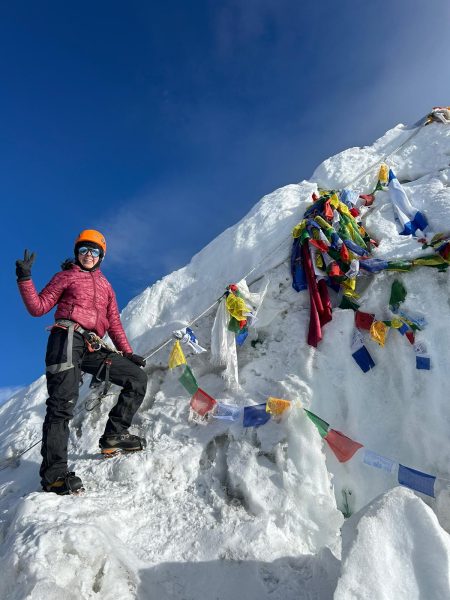
Save 20%

Everest Base Camp Trek with Island Peak Climbing
 Nepal Tour Packages
  18.0 Days
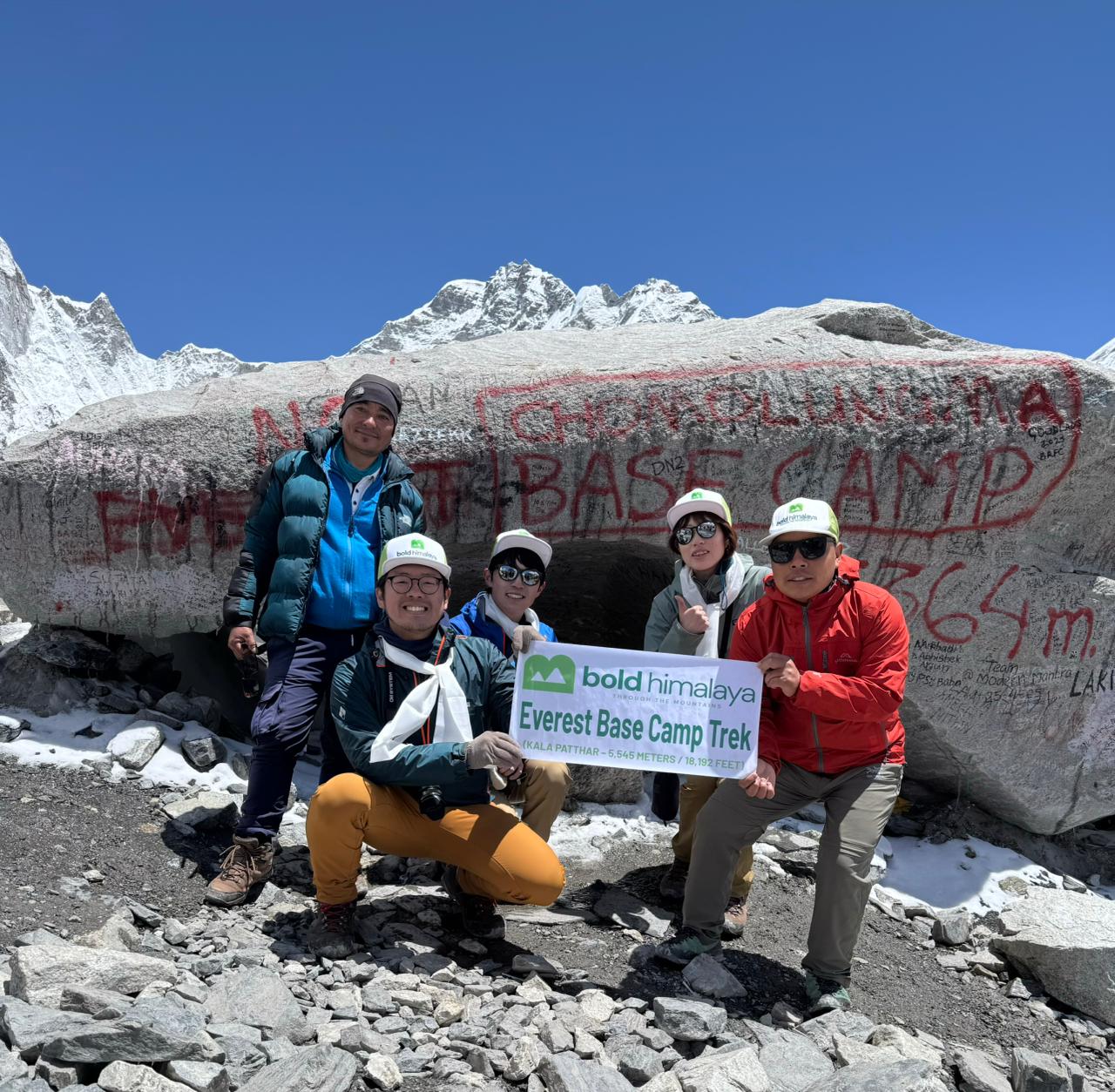
Save 0%
Everest Base Camp Trek 14 days
Nepal Tour Packages
14.0 Days

Save 33%
Everest Three Pass Trek: The Ultimate High Altitude Adventure in Nepal
Nepal Tour Packages
18.0 Days

Save 21%
Island Peak Climbing
Nepal Tour Packages
15.0 Days
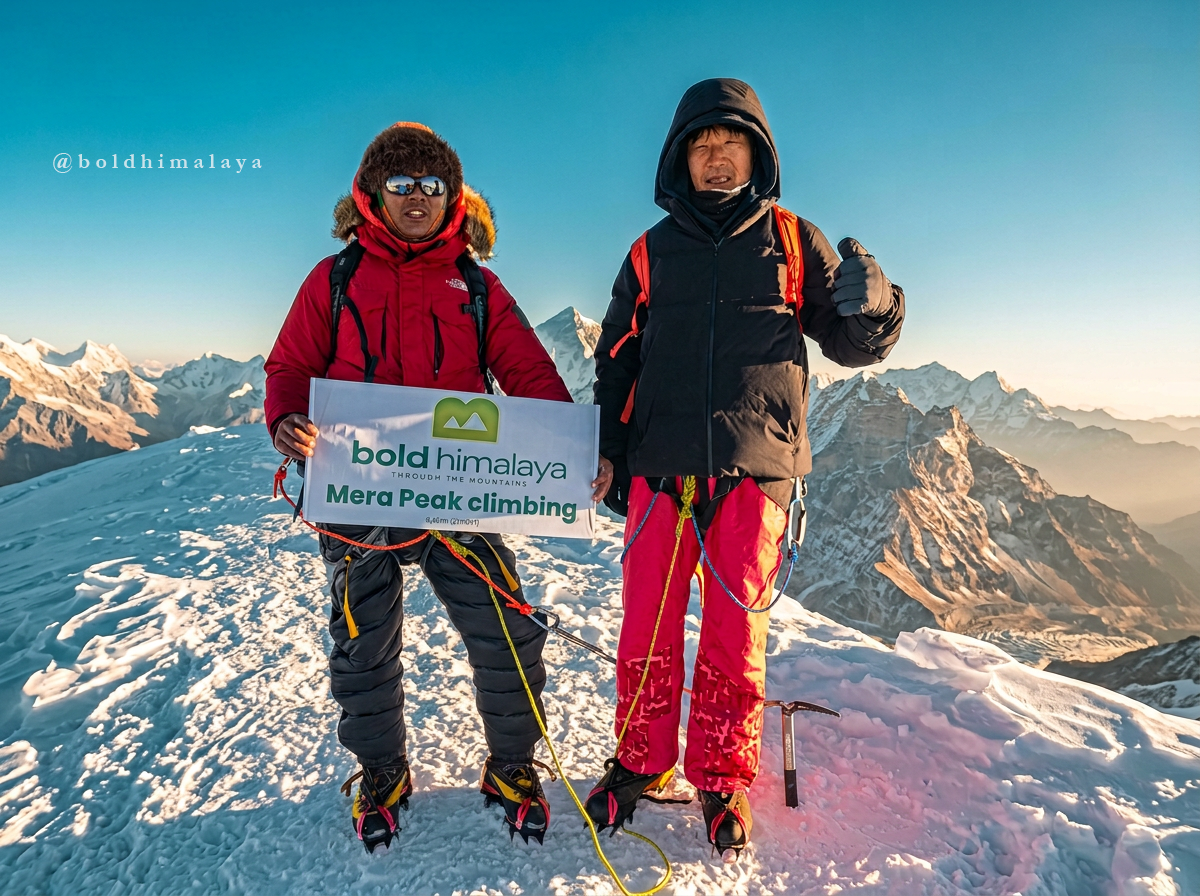
Save 26%
Mera Peak Climbing | Mera Peak Expedition
Nepal Tour Packages
16.0 Days
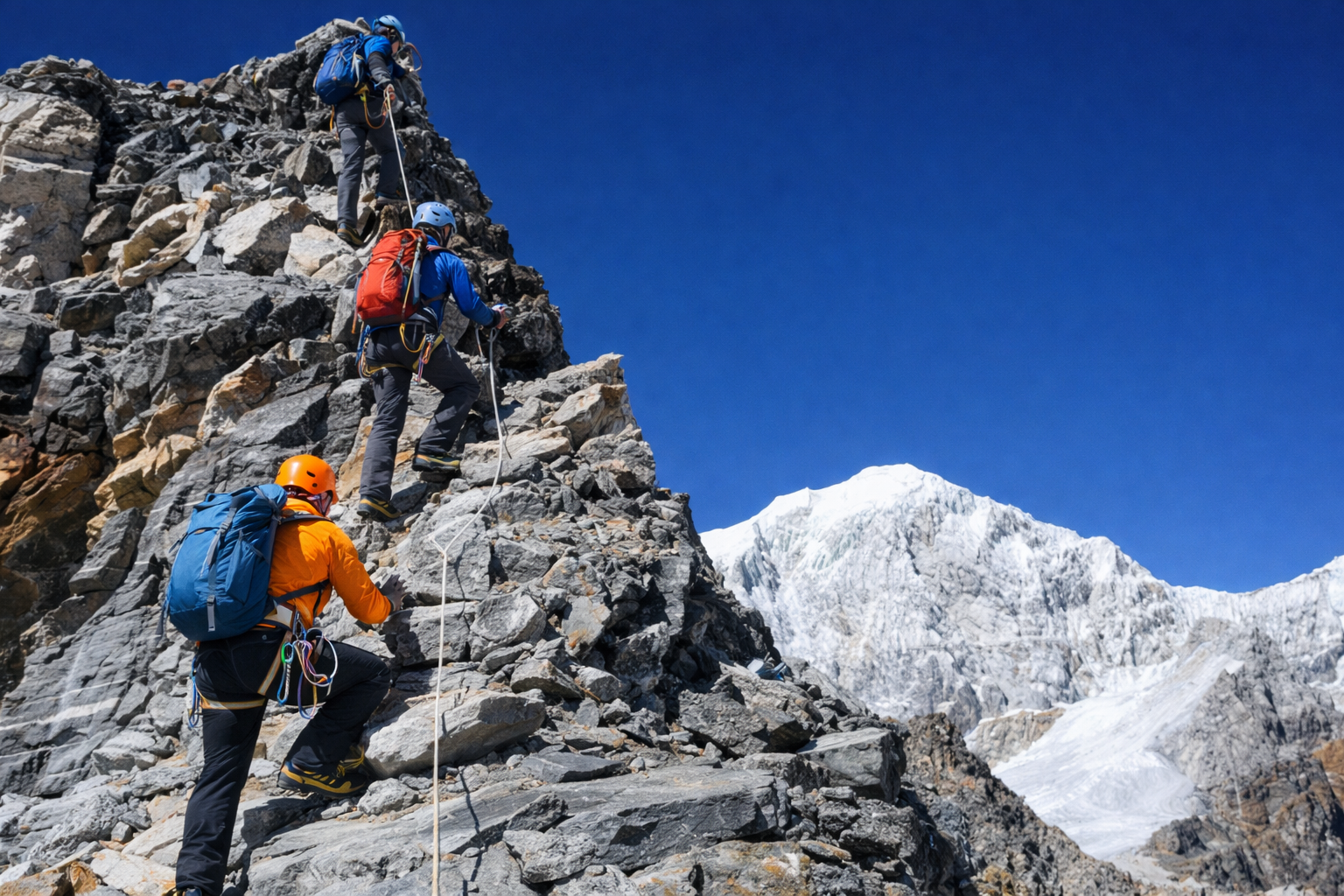
Save 22%
Yala Peak Climbing | Yala Peak Expedition
Nepal Tour Packages
4 Days
Chhukung Ri Peak Climbing
Nepal Tour Packages
13.0 Days

Saribung Pass Trek & Peak Climbing
Nepal Tour Packages
23.0 Days