



Top Monsoon Treks in Nepal
-
 Bold Himalaya
 -
28 May, 2025
-
29 mins read
-
1001 Views
-
0 Comments


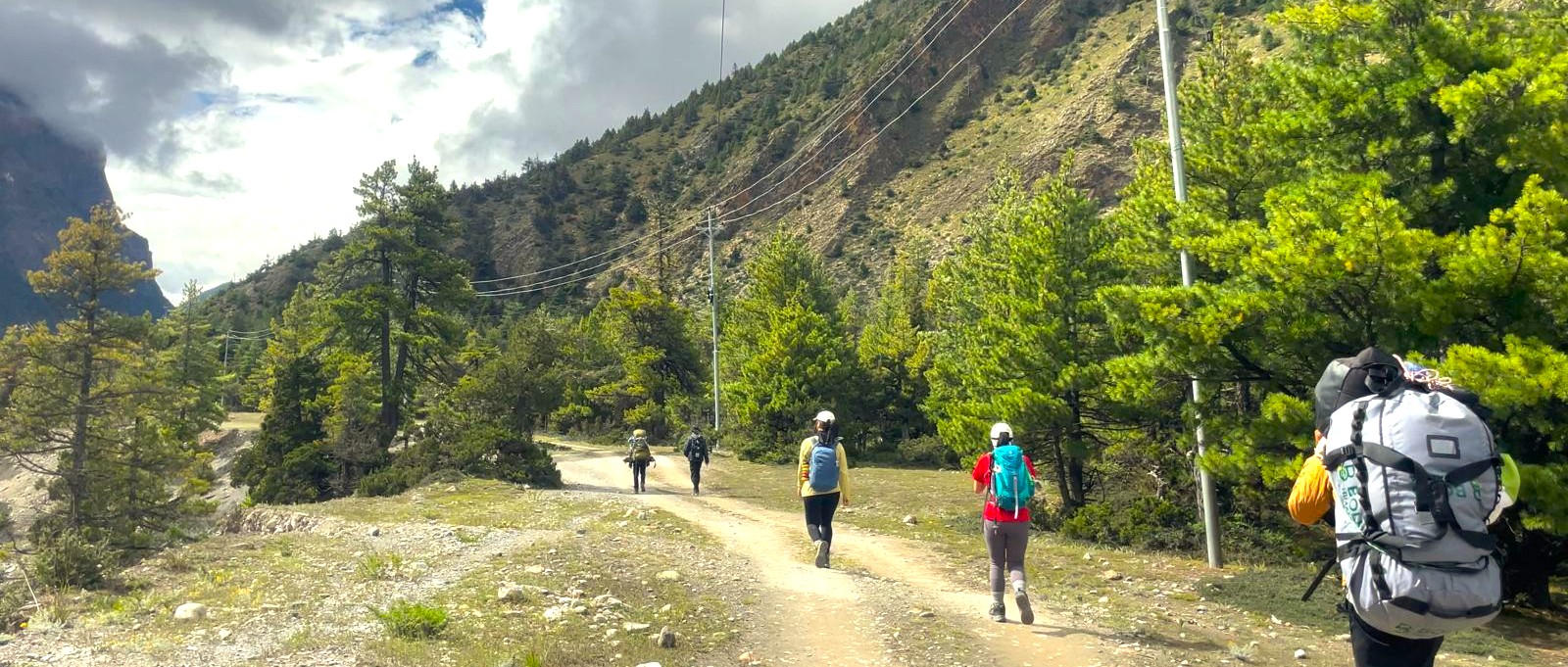
Nepal’s monsoon months create a quiet magic across the Himalayas, transforming the landscapes of many monsoon treks in Nepal. While most trekkers avoid this season, seasoned travelers will discover a land of hidden secrets and surprises. Rain-washed peaks rise with otherworldly clarity, forests burst into countless shades of green, waterfalls thunder with superhuman force, and village communities come alive with their most vibrant and joyous festivals.
Monsoon trekking is a well-planned and considerate activity. Nonetheless, the payoff is far greater than the challenge for well-prepared adventurers. There are fewer visitors, making the experiences more authentic and genuine. The locals’ hospitality is at its warmest. Photographic opportunities are tremendously varied. Wildlife spotting has far improved during this time.
Earlier presumptions about monsoon trekking proved to be incorrect. Most areas remain incredibly accessible, even during the rainy seasons. Rain-shadow areas like Mustang are relatively dry. High-altitude destinations offer consistent weather patterns. Proper gear makes wet weather manageable and even enjoyable.
Brave trekkers who venture out on monsoon trekking are rewarded with different views. They see Nepal in its pure, natural form. Local cultures reveal their authentic selves. Festivals and rituals create lasting memories. Such journeys cannot be undertaken during crowded peak seasons.
Why Monsoon Treks is Special?
Monsoon treks in Nepal are special because of the following reasons:
1. Landscapes Transformed: Monsoon rains transform Nepal’s landscapes into green paradises. Barren slopes burst forth with wildflowers and foliage. Lush green forests are at their best during the monsoon. Jungle sounds and smells offer enriching natural experiences.
2. Glorious Spectacles of Waterfalls: Rainfall creates millions of waterfalls along mountain gorges. Such beauty is not seen during drought months.
3. Authentic Cultural Festivals: There are harvest festivals that are enjoyed during monsoon months by the locals. Ritual dances and ceremonies achieve a cultural crescendo.
4. Thinner Tourist Groups: Classic trails turn serene and thinner during the rainy season. Authentic interaction with the locals is far greater.
5. Improved Wildlife Viewing: Wildlife ventures out into the field in monsoon heat. Bird migration patterns offer excellent wildlife photography opportunities.
6. Crystal Clear Mountain Views: Rain washes away atmospheric dust, giving fantastically clear views. Morning mountain views become breathtaking after rain.
7. Pleasant Trekking Temperatures: Monsoon ushers in pleasant temperatures for lower-altitude treks. Heat stress is much lower compared to pre-monsoon months.
8. Better Availability of Accommodation: Teahouses offer better service with fewer fellow tourists competing for service. At the local level, there is more attentive and friendly hospitality.
9. Special Photography Opportunity: Pungent clouds, mist, and erratic weather create dramatic photography. Landscape photography is at its creative best during the monsoon season.
Understanding Nepal’s Monsoon Season
Nepal’s monsoon period generally runs from June to September annually. The months of July and August experience the highest rainfall. However, timing varies geographically a little in some areas. The eastern regions receive rain earlier than the western regions.
The weather during the monsoon season follows predictable patterns. Mornings typically begin with clear, crisp mountain vistas. Clouds develop in the afternoons increasingly throughout the day. Rain usually comes in late afternoons and evenings. Nights are usually clear with great star views.
The monsoon influences different trekking areas in Nepal in very different ways. The lower altitudes get heavy rainfall and are covered with lush green vegetation. Moderate rainfall with cooler temperatures exists at high altitudes. Rain-shadow areas such as Mustang are unexpectedly dry during the monsoon. The Dolpo area also remains free of heavy rainfall patterns.
Monsoon trekking possesses distinct benefits and major detriments. Benefits include lush landscapes, cultural festivals, and smaller crowds. Detriments include muddy trails, leech hazards, and sporadic flight cancellations. Effective planning transforms detriments into acceptable adventure elements.
Who is this trek special for?
Monsoon treks in Nepal are special for :
- Experienced trekkers: They are comfortable with rain, humidity, and changing trail conditions.
- Adventure seekers: These trekkers are looking for off-season exploration and unique trekking experiences.
- Nature lovers: They enjoy lush landscapes, dense forests, and powerful waterfalls.
- Photographers: Photographers are drawn to dramatic clouds, misty mountains, and vibrant greenery.
- Culture-focused travelers: Travelers who are interested in local village life and monsoon festivals.
- Crowd-avoiding trekkers: This is best for those who prefer peaceful trails and fewer tourists.
Note: Proper preparation, flexibility, and guidance from experienced locals are essential to enjoy the unique beauty of monsoon treks in Nepal.
Characteristics of Monsoon-Friendly Treks
Natural geographical rain shadows offer ideal monsoon trekking environments. The Mustang and Dolpo regions are in the Himalayan rain shadows. They receive minimal rainfall during the monsoon season. Stable weather patterns guarantee safe and comfortable trekking.
Altitude considerations play an outstanding role in selecting monsoon treks. The higher altitude ranges receive less intense rainfall. Mountain passes receive occasional late afternoon showers. Lower valleys receive heavy monsoon downpours.
Trail conditions vary significantly between different monsoon-friendly trails. Water drainage is excellent on well-maintained trails during the rainy season. Areas with stone pavings completely avoid excess mud creation. Developed trails are easier to visit during the monsoon season.
Availability of teahouses and lodges is even in populated areas. Trekkers’ lodges are open during monsoon months in general. Some far-off lodges may close for a brief duration of time. Booking ensures your accommodation during trekking.
Here are the Top Monsoon treks in Nepal:
1. Upper Mustang Trek
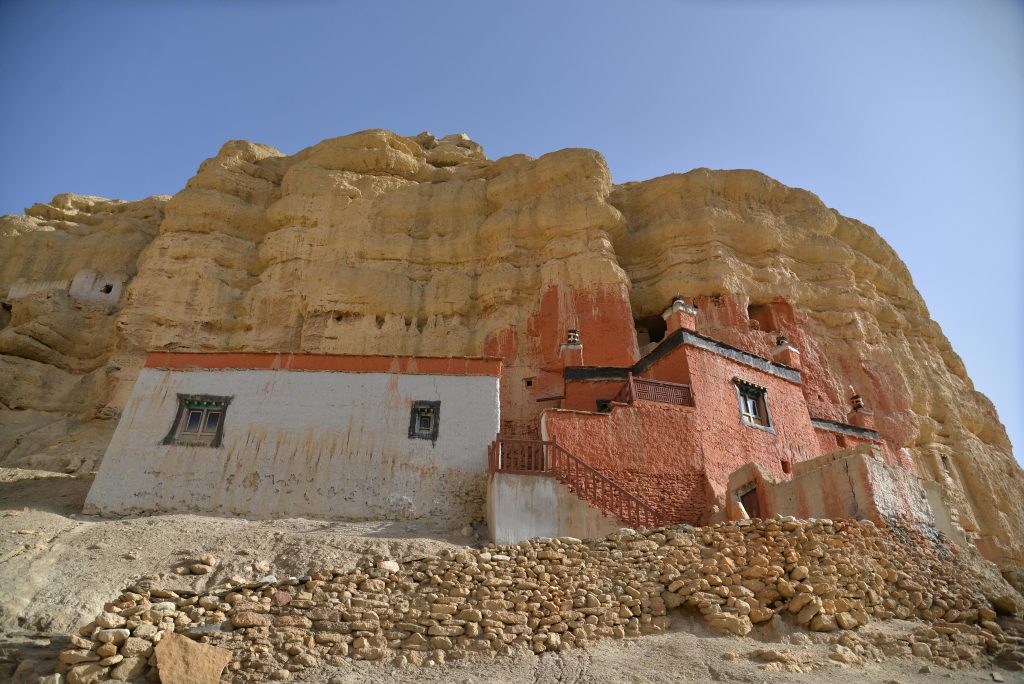
Overview of Upper Mustang
- Location: Northwestern part of Nepal, Mustang District
- Maximum Height: Lo Manthang (3,840 m / 12,605 ft)- the walled capital of Upper Mustang
- Trek Distance: Approximately 120-150 km
- Duration: 10-14 days
- Trek Difficulty: Moderate (anyone with basic fitness)
- Permits Required: Upper Mustang Restricted Area Permit, Annapurna Conservation Area Permit
The Upper Mustang trek remains fairy-like during the monsoon season, known for its dramatic desert landscapes, ancient caves, and strong Tibetan Buddhist culture. The rain-shadow region does not get any rain compared to the nearby regions that get inundated by it. The old Tibetan culture has been intact here for centuries.
The main highlights of the Upper Mustang are the medieval walled town of Lo Manthang (3,840m/12,598 feet) that reveals its secrets, and colorful prayer flags flutter on the dramatic cliffs and seasonal festivals such as the Tiji Festival.
Monsoon has special advantages for Upper Mustang. Morning fog gives stunning glimpses into snow-capped mountains, while the drifting cloud action occurs throughout the day. During this monsoon, the villages in the region observe barley and wheat harvest celebrations that are one-of-a-kind cultural experiences.
If you want to know more details about Upper Mustang, here is the blog where you can learn more. Things to know before going to Upper Mustang Trek
2. Upper Dolpo Trek
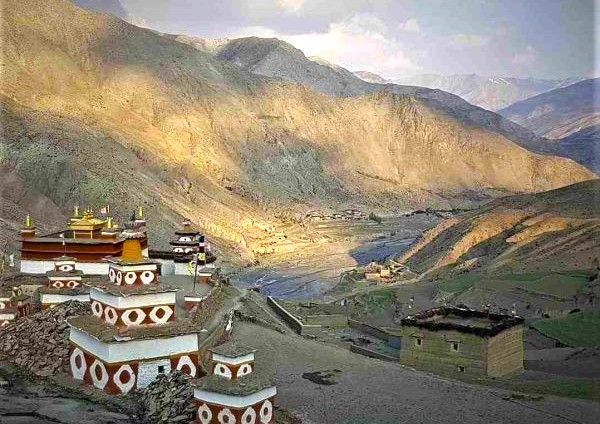
Overview of Upper Dolpo
- Location: Dolpo Region of Karnali Province, Nepal
- Maximum Height: (5,360m/ 17,585 feet) Kang La pass
- Trek Distance: Approximately 180-220 km
- Duration: 22-25 days
- Difficulty Level: Challenging
- Permits Required: Restricted Area Permit (RAP), Shey-Phoksundo National Park Entry Permit
Upper Dolpo offers a pristine wilderness even during the monsoon. This remote region sees very little rainfall, creating a unique, almost untouched landscape. The stunning Crystal Lake (Shey Phoksundo) mirrors the deep blue of the sky, while ancient Bon monasteries hint at the region’s rare monsoon festivals. On the rugged slopes, elusive blue sheep graze peacefully, adding a touch of wild serenity to this extraordinary land.
The monsoon season has a deep religious significance in Upper Dolpo. Local shamans perform rain-calling ceremonies, while harvest prayers resonate through the valleys. Ancient trade traditions endure, as yak caravans continue their regular journeys across the high mountain passes, linking communities with Tibet.
The landscape of Upper Dolpo remains rugged and breathtaking, with a raw, sensational beauty. Turquoise lakes shimmer even brighter after brief monsoon showers, while ancient trade routes whisper secrets of a bygone era. In remote villages, grain festivals bring communities together, offering a rare glimpse into the undiluted traditions of the Dolpo people.
Wildlife spotting is at its peak during the monsoon. Snow leopards occasionally descend to lower elevations, Himalayan blue sheep are easier to spot, and rare migratory birds pass through the region. The soft, diffused light makes it an ideal time for photographers to capture the wilderness in all its glory.
Dark star-filled nights and solitary camping make this trek one of the best monsoon treks in Nepal. Rock houses are the native housing. Local guides share ancient legends, and true wilderness solitude is found.
3. Lower Mustang ABC Trek
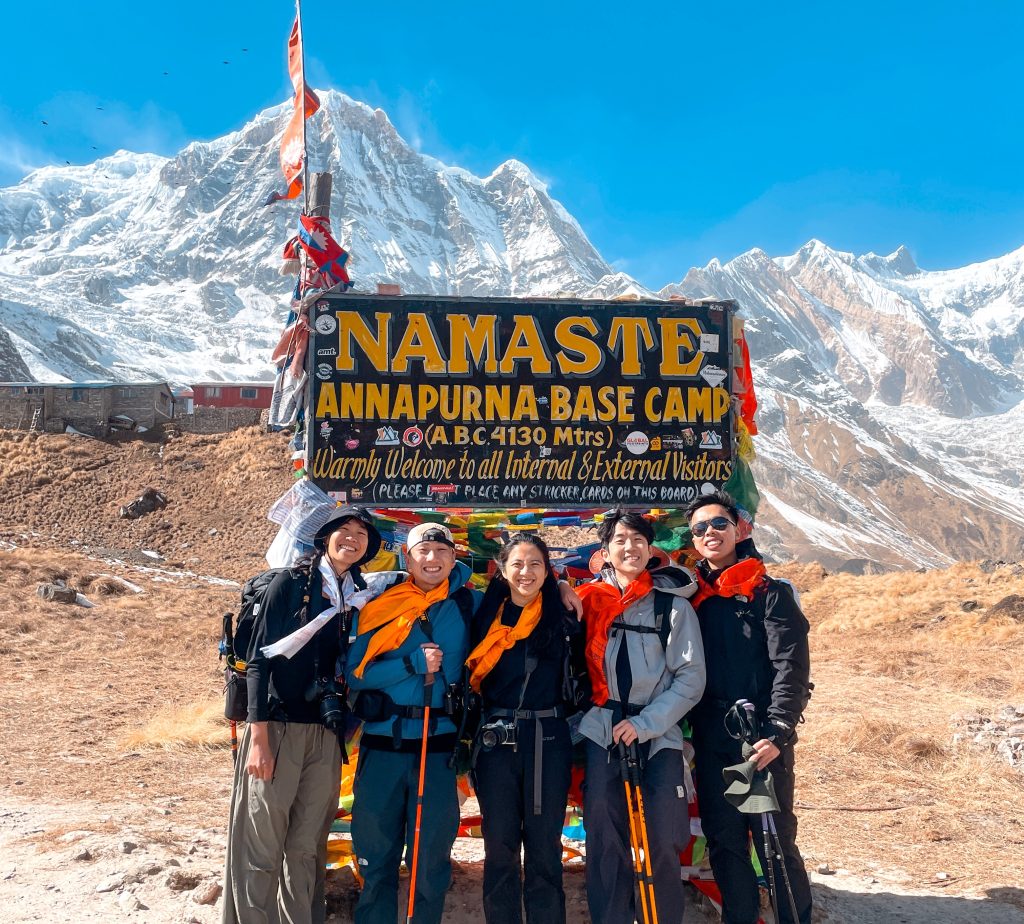
Overview of Lower Mustang ABC Trek
- Location: Annapurna Region, Mustang District
- Maximum Height: Annapurna Base Camp (4,130 m / 13,550 ft)
- Duration: 10-12 days (round trip)
- Trek Distance: Approximately 120-135 km
- Permits Required: Annapurna Conservation Area Permit (ACAP), Trekkers’ Information Management System (TIMS) Card
The Lower Mustang Annapurna Base Camp (ABC) Trekking Trail can be an extremely serene and mysterious adventure in the monsoon season. Situated in the rain-shadow region of the Annapurna massif, Lower Mustang receives moderate rainfall compared to other parts of Nepal. One can easily get along on the trekking trails in Lower Mustang even during the monsoon season.
Lower Mustang combines Annapurna Base Camp with a fascinating blend of cultural immersion, adventure, and Himalayan landscapes. Monsoon intensifies contrasts here. Unblemished rhododendron woods burst into color, ancient trade routes revive, and picturesque villages revive harvest festivals. The landscape passes through dense forests, agricultural plains, and Gurung/Magar villages that turn green in the monsoon season.
This trek offers diverse monsoon experiences. Morning mists create otherworldly landscapes. Afternoon rain refreshes the mountain air. Evening clearings reveal stunning peaks. Local festivals rejoice in agricultural prosperity.
During the monsoon, Lower Mustang comes alive with rich cultural traditions. The Gurung communities perform vibrant traditional dances, while villagers honor the God of the Mountain through age-old harvest rituals. Local markets brim with fresh fruits and vegetables, and village centers echo with the melodies of traditional songs, creating a truly authentic and lively atmosphere.
The trek traverses a remarkable range of landscapes. Gentle rains filter through dense forests, illuminating moss-covered trails and glistening foliage. Alpine meadows bloom with colorful wildflowers, while high-altitude deserts remain surprisingly dry and stark. The journey culminates in breathtaking panoramas at Annapurna Base Camp, where the majesty of the mountains leaves trekkers spellbound.
4. Nar Phu Valley Trek
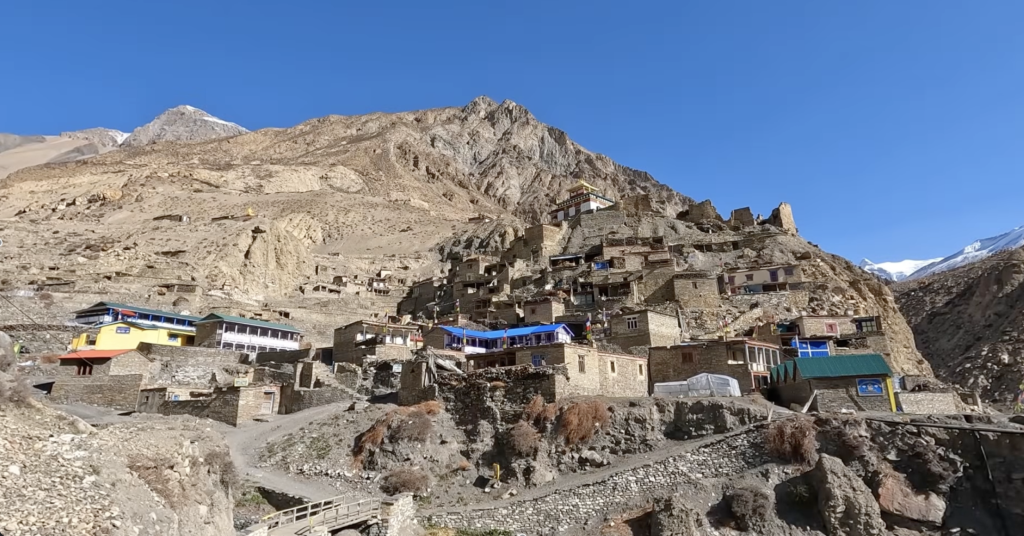
Overview of Nar Phu Valley
- Location: Northern part of Annapurna Region, Manang District
- Maximum Height: Kang La Pass (5,320 m / 17,454 ft)
- Trek Distance: Approximately 120-140 km
- Duration: 13-15 days
- Difficulty Level: Moderate to Challenging
- Permits Required: Restricted Area Permit (RAP), Annapurna Conservation Area Permit (ACAP)
The Nar Phu Valley Trek is one of Nepal’s most remote and culturally rich treks. It connects the hidden villages of Nar and Phu, which are Tibetan-influenced and retain ancient traditions, unique architecture, and a strong sense of community. Old monasteries host summer ceremonies.
Monsoon transforms this hidden valley unobtrusively. Brief rain showers during the afternoons temper the mountain air. Fog in the mornings lends mystery to landscapes, and evening clearings reveal glistening peaks. Protective gods are worshipped in indigenous festivals.
Cultural life becomes especially vibrant during the monsoon season. Monastery festivals feature sacred mask dances, while harvest ceremonies bring communities together in celebration. Village life is filled with traditional arts and crafts, and ancient trade customs continue to shape daily life, preserving the region’s timeless heritage.
This trek’s highlights include crossing the high Kang La Pass, exploring the traditional settlements of Nar and Phu, encountering chortens and mani walls, and experiencing a centuries-old culture untouched by modern development. With rugged trails, wide alpine valleys, and sweeping views of the Annapurna range, Nar Phu Valley offers a rare blend of adventure, solitude, and authentic cultural immersion.
5. Annapurna Circuit Trek
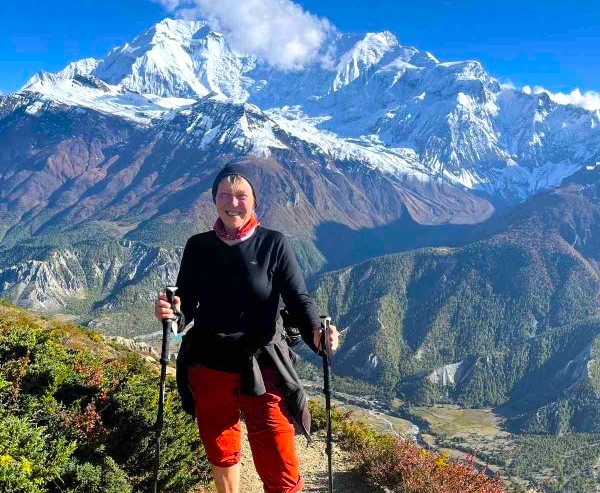
Overview of Annapurna Circuit Trek
- Location: Northern central part of Annapurna Region, Nepal
- Maximum Height: Thorong La Pass (5,416 m / 17,769 ft)
- Trek Distance: Approximately 160-230 km
- Duration: 12-13 days
- Difficulty Level: Moderate to Challenging
- Permits Required: Annapurna Conservation Area Permit (ACAP), Trekkers’ Information Management System (TIMS) Card
Annapurna Circuit is yet another monsoon world. The Annapurna Circuit trek during the monsoon season changes into a world. The forests are at their lushest, alive with deep shades of green, while waterfalls thunder down the mountainsides with breathtaking force. Villages come alive with harvest celebrations, and the indigenous way of life feels even more vibrant and deeply rooted during this season.
The main features include the constantly shifting views of subtropical to alpine desert environments, the villages of Manang and Mustang with rich culture, and the thrilling passes at Thorong La Pass (5,416 m). The monsoon season offers a natural and peaceful experience of the Annapurna Circuit with minimal crowds and the refreshing atmosphere of the mountains. High passes offer dramatic weather changes. Thorong La Pass is a challenge for bold trekkers.
Cultural festivals are best during the monsoon months. Gurung villages have harvest festivals. Rain gods are welcomed through traditional dances, and fresh vegetables and fruits fill local bazaars. Village festivities are family-community affairs.
Teahouse trekking is pleasant during the monsoon. Local hospitality is best with delicious local food. Cultural exchanges are more profound.
6. Shey Phoksundo Lower Dolpo Circuit
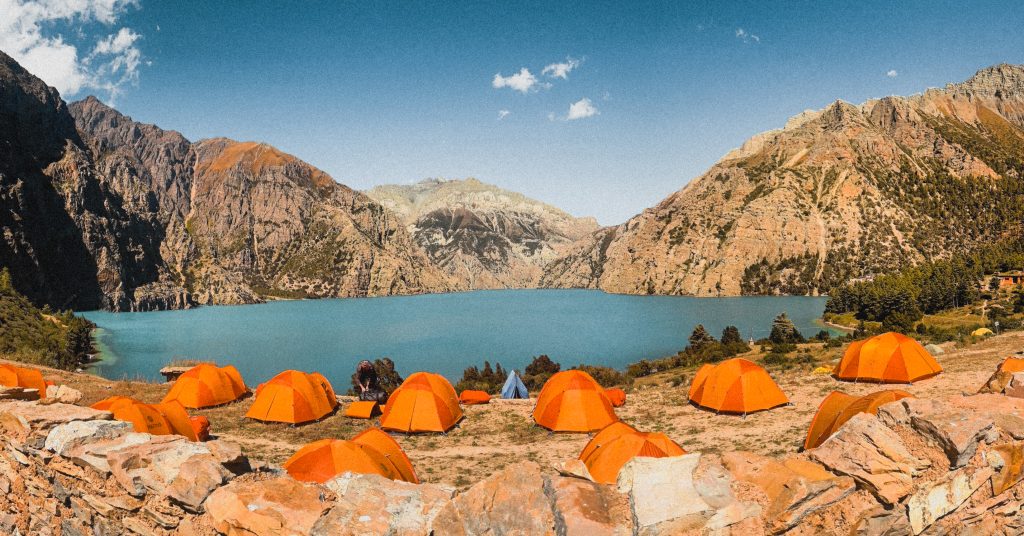
Overview of Shey Phoksundo Lower Dolpo Circuit
- Location: Lower Dolpo of Karnali Province, Nepal
- Maximum Height: Numa La Pass ( 5,190m / 17,027 ft)
- Trek Distance: Approximately 150-200 km
- Duration: 16-18 days
- Difficulty Level: Challenging
- Permits Required: Restricted Area Permit (RAP), Shey Phoksundo National Park Entry Permit
The Shey Phoksundo Lower Dolpo circuit Trek is a remote and culturally rich experience that takes place in the Upper Dolpo region of Nepal, famous for its Tibetan-inspired settlements, pristine landscapes, and the breathtaking Phoksundo Lake, which is the deepest lake in Nepal. This trek takes you to both the majesty of nature and the richness of the cultures found within this region.
Shey Phoksundo is at its most pristine during the monsoon. The sacred lake mirrors the deep blue of the skies, creating a picture-perfect reflection. Ancient monasteries host special rituals, while local communities come together to celebrate water festivals. Traditional Bon practices continue undisturbed, preserving the timeless spiritual heritage of the region.
The monsoon season enhances the spiritual aura of the region. Pilgrims flock to sacred sites, while traditional rituals honor the lake gods. Local shamans perform essential ceremonies, and festivals bring entire communities together in vibrant celebration.
Cultural experiences are richer in the monsoon. Dolpo-pa people have harvest festivals. Traditional crafts stay alive in villages. Age-old trade routes stay functional, and authentic cultural interactions happen naturally.
Wilderness trekking in the wilderness is magical. Stone houses are quaint. Local guides share ancient legends and experience pure Himalayan solitude. If you are looking for other alternative trek routes as well, Upper Dolpo Trek via Rara Lake, Dhorpatan Dolpo Trek, this can help you.
7. Manaslu Circuit Trek
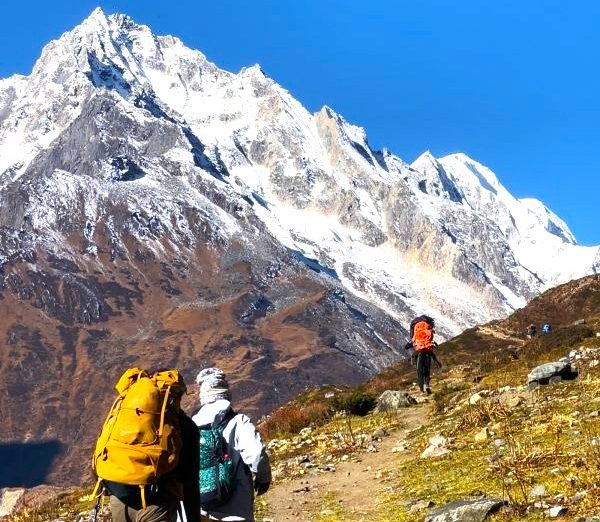
Overview of the Manaslu Circuit Trek
- Location: Gorkha District, Gandaki Province, Nepal
- Maximum Height: Larkya La Pass (5,160 m / 16,929 ft)
- Trek Distance: Approximately 170-180 km
- Duration: 13-15 days
- Difficulty Level: Challenging
- Permits Required: Restricted Area Permit (RAP), Manaslu Conservation Area Permit (MCAP), Annapurna Conservation Area Permit (ACAP)
Manaslu Circuit offers great monsoon diversity and a quieter, greener Himalayan experience, with lush forests, roaring waterfalls, and mist-covered mountain views. Forests are emerald green, with a very dense canopy. Harvest festivals bring vibrancy to traditional villages. Monasteries enjoy summer festivals in historic buildings. Local inhabitants thrive in the rain.
The monsoon season makes Manaslu’s cultural scene seem particularly alive. The traditional Tibetan dances come alive in remote villages, and harvesting festivals are held in reverence of the deities in the mountains. Markets are filled with fresh fruits, and village celebrations welcome visitors with genuine warmth and open hearts.
The trekking route passes through very diverse landscapes. The subtropical forests are teeming with animal and plant life, meadows are filled with colorful flowers, and higher altitudes are often free from clouds. Crossing the dramatic Larkya La Pass remains a rewarding challenge for well-prepared trekkers
Quiet hours in teahouses create a sense of authenticity and connection. Ancient stone homes offer comforting shelter, locally prepared food tastes fresh and homemade, and daily cultural practices feel deeply personal, making the monsoon trek a truly immersive Himalayan experience.
With proper preparation, the monsoon season rewards trekkers with dramatic landscapes, fresh scenery, and a unique perspective on one of Nepal’s most remote classic treks.
8. Mardi Himal Trek
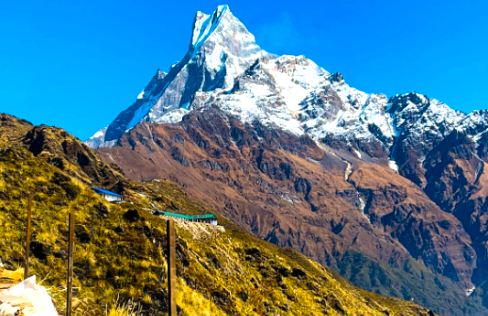
Overview of Mardi Himal Trek
- Location: Annapurna Region, Gandaki Province, Nepal
- Maximum Height: Mardi Himal Base Camp (4,500 m / 14,764 ft)
- Trek Distance: Approximately 40-50 km
- Duration: 7-9 days
- Difficulty Level: Easy-Moderate
- Permits Required: Annapurna Conservation Area Permit (ACAP)
Mardi Himal becomes a true monsoon paradise, where rhododendron forests glow with rich color and hidden waterfalls spring to life along the trail. Small villages celebrate the season with community gatherings, and the ancient Gurung heritage feels especially alive during this time.
Cultural encounters are at their best during the rainy season. Gurung villages host traditional ceremonies, agricultural harvests are welcomed with local festivals, and village workshops showcase handmade crafts. The mountain air often carries the sound of traditional music, adding depth to the trekking experience.
The trekking trail varies in very different monsoon conditions. Trails through the forests shimmer with the light rain, the meadows are full of flowers, and the camps at higher elevations give a hair-raising view above the clouds. Getting to Mardi Himal Base Camp gives one a direct link to the mountain surroundings.
During monsoons, teahouse lodges are even more inviting and comfortable. The local warmth of hospitality comes to the fore, the local food has more authentic flavors, and the interaction with local culture takes on a profound significance, making the entire trekking experience a memorable one of nature and culture combined.
9. Khopra Danda Trek
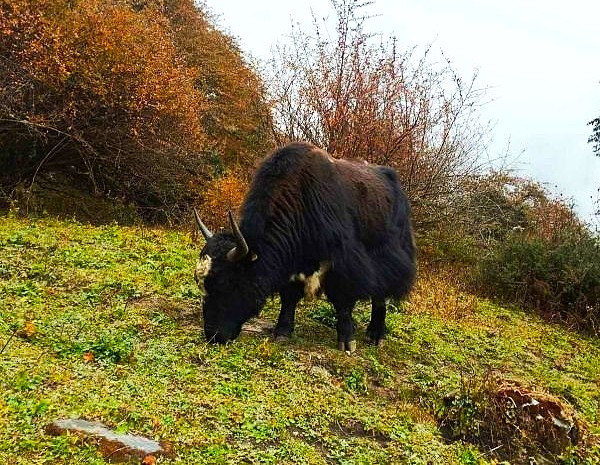
Overview of Khopra Danda Trek
- Location: Annapurna Region of central Nepal
- Maximum Height: Khayer Lake (4,660 m / 15,289 ft)
- Trek Distance: Approximately 45-55 km
- Duration: 8-11 days
- Difficulty Level: Easy-Moderate
- Permits Required: Annapurna Conservation Area Permit (ACAP)
Khopra Danda presents an unspoiled monsoon trekking experience rooted in authenticity. Community-run lodges provide genuine local stays, while harvest festivals bring life to nearby villages. Traditional culture remains well preserved, and responsible tourism plays a vital role in supporting local livelihoods and protecting the environment.
Monsoon showers add a special charm to Khopra. Morning light reveals peaks adorned with glistening dewdrops, while shifting clouds create ever-changing scenery throughout the day. As evenings clear, dramatic landscapes emerge, rewarding trekkers with glowing sunsets, and quiet nights offer magical stargazing far from city lights.
Festivals during the rainy season are especially vibrant. Magar communities perform traditional dances, harvest rituals honor agricultural deities, and local artisans showcase beautifully crafted handicrafts. Village celebrations are complete with traditional meals that warmly welcome visitors.
The trail passes through a rich range of ecosystems. Rhododendron forests burst into full bloom, alpine meadows turn into lush green carpets, and sacred lakes mirror surrounding peaks. Forests managed by local communities provide shelter for diverse wildlife, highlighting the region’s deep connection with nature.
Cozy, eco-friendly lodges reflect Khopra’s commitment to sustainability. Organic, locally sourced meals highlight regional flavors, traditional homes blend seamlessly with the natural landscape, and meaningful cultural exchanges ensure that trekking here directly benefits local people and preserves their way of life.
10. Pikey Peak Trek
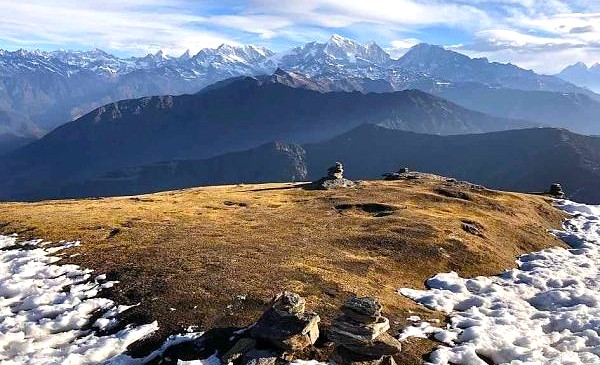
Overview of Pikey Peak Trek
- Location: Lower Everest (Solukhumbu) Region, Nepal
- Maximum Height: Pikey Peak (4,065 m / 13,336 ft)
- Trek Distance: Approximately 35-45 km
- Duration: 6-8 days
- Difficulty Level: Easy-Moderate
- Permits Required: Gaurishankar Conservation Area Permit (GCAP), Sagarmatha National Park Entry Permit
Pikey Peak reveals its true magic during the monsoon season. This sacred hilltop offers breathtaking Himalayan panoramas, while Sherpa communities celebrate seasonal festivals that fill villages with color and life. Sunrise views from Pikey Peak are often compared to those of the Everest region, making it a deeply rewarding destination.
The monsoon creates perfect moments along the Pikey Peak trail. Clear blue skies in the early morning frequently unveil Everest and the surrounding giants, while afternoon clouds add dramatic depth to the landscape. Evening clearings bathe the mountains in golden light, and early-morning viewpoints carry a quiet, spiritual atmosphere.
Cultural life flourishes during the rainy season. Sherpa villages host traditional ceremonies, monastery festivals feature sacred dances and chants, and local bazaars display fresh seasonal fruits. Village celebrations warmly welcome trekkers, offering meaningful connections with the local way of life.
The route winds through diverse and picturesque scenery. Forest trails glow with calming shades of green, alpine meadows burst into colorful wildflowers, and sacred sites along the way invite moments of reflection. From higher viewpoints, sweeping Himalayan vistas stretch across the horizon.
Monsoon season is also a time of heartfelt Sherpa hospitality. Family-run guesthouses offer cozy accommodations, locally prepared meals that taste fresh and nourishing, and genuine cultural interactions leave lasting impressions, making the Pikey Peak trek a memorable blend of nature, spirituality, and tradition.
11. Everest Base Camp Trek
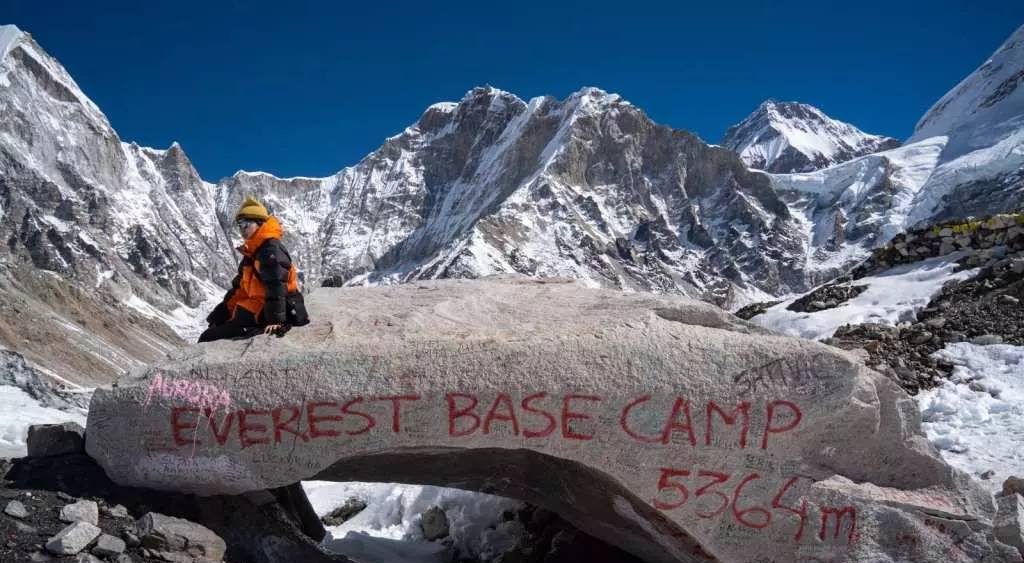
Overview of Everest Base Camp Trek
- Location: Khumbu Region of Solukhumbu District, Nepal
- Maximum Height: Kala Patthar (5,545 m / 18,192 ft)
- Trek Distance: Approximately 120-130 km
- Duration: 12-14 days
- Difficulty Level: Moderate
- Permits Required: Sagarmatha National Park Permit, Khumbu Pasang Lhamu Rural Municipality Permit
Everest Base Camp during the monsoon pushes trekkers beyond their comfort zones, offering a deeply rewarding cultural experience. Everyday life in Sherpa villages seems more alive, with festivals that have been part of their culture being practiced as a daily routine. Monastery rituals become much more important during this time of the year, and cultural activities seem intense and alive.
The monsoon season offers a fresh take on the legendary Everest trail. The town of Namche Bazaar erupts in a whirlwind of activity, a hub of culture where trekkers experience the true essence of mountain culture. The festivals at Tengboche Monastery in the summer and the harvest celebrations in the surrounding villages bring the culture of this area to life. The holy dances, masked monastery rituals, and ancient customs are in full bloom, making this journey both challenging and culturally rewarding.
The route passes through the greatly varied monsoon environments. The forests receive gentle rain, the alpine meadows surprisingly remain open, and the cloud cover casts an air of mystery. The Everest Base Camp itself provides a real-world weather show, and the views to the Island Peak are even more breathtaking in the monsoon conditions.
Teahouse visits are more enjoyable during the monsoon. Sherpa’s welcome becomes more affectionate, and home food tastes even more authentic. Cultural exchange makes relationships stronger.
12. Ghorepani Poon Hill Trek
Overview of Ghorepani Poon Hill Trek
- Location: Annapurna Region, Nepal
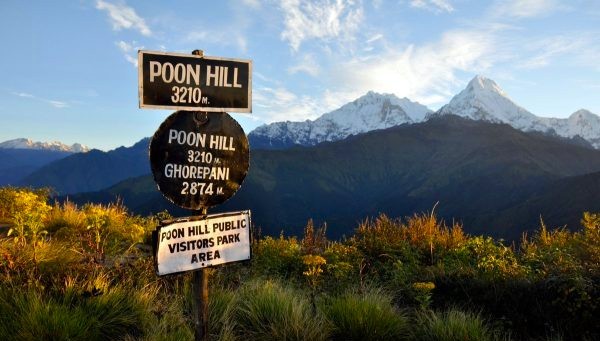
- Maximum Height: Poon Hill (3,210 m / 10,531 ft)
- Trek Distance: Approximately 40-45 km
- Duration: 4 days
- Difficulty Level: Easy
- Permits Required: Annapurna Conservation Area Permit (ACAP), TIMS Card
Ghorepani Poon Hill is a paradise in the monsoon and best for beginner-friendly people who want short and best view treks. During the Monsoon, it is a refreshing journey through lush green forests, misty hills, and vibrant villages of the Annapurna region. Rhododendron woods are painted in colors. Sunrise sightings rival any season, and local culture blossoms exquisitely.
Monsoon brings a uniquely magical charm to the Poon Hill Trek. Early morning climbs often unveil pristine mountain vistas before clouds roll in, while gentle afternoon rains cleanse the forests and refresh the air. As evening settles, village lights glow warmly, creating a welcoming atmosphere. The promise of sunrise views continues to inspire photographers from all around the world.
Cultural festivities reach their absolute height in rainy seasons. Gurung villages come alive with traditional dances and music, and mountain deities are honored through seasonal harvest rituals. Local handicrafts reach their artistic peak, and village fairs offer an authentic glimpse into age-old Himalayan traditions.
It’s very scenic during the monsoon-the forests roar with waterfalls, the paths are carpeted with wildflowers, and the hill sides with terraces are fresh green, as if a new coat of paint has been applied. The villages remain picturesque, and the sunrise views are rewarded by dramatic cloudscapes drifting across the valleys.
Teahouses feel especially warm and inviting during monsoon treks. Local hosts offer heartfelt hospitality, and freshly prepared local dishes taste richer. And the cultural interaction feels authentic.
13. Langtang Valley Trek
Overview of Langtang Valley Trek
- Location: Langtang Region of Rasuwa District, Nepal
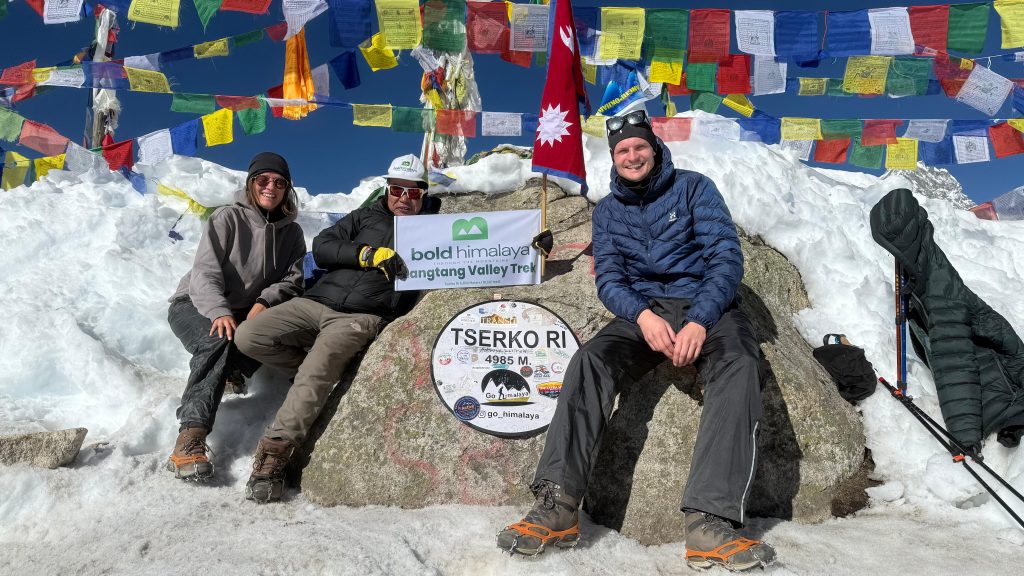
- Maximum Height: Tserko Ri (5,033 m / 16,512 ft)
- Trek Distance: Approximately 60-70 km
- Duration: 6 days
- Difficulty Level: Moderate
- Permits Required: Langtang National Park Permit, TIMS Card
Langtang Valley becomes heaven during the monsoon. The forest transforms into an emerald green density. Tamang villages come together in joyful harvest celebrations, preserving traditions passed down through generations. Centuries-old monasteries perform sacred summer rituals, and the region’s cultural heritage feels remarkably untouched by time.
Monsoon weaves a quiet magic across the valley. Morning mist drapes the sacred mountains in mystery, afternoon showers release the earthy fragrance of the forests, and evening clearings unveil regal Himalayan views. As night falls, the sounds of nature blend into a soothing mountain symphony.
Rain enhances cultural life in the region. The Tamang people perform traditional dances accompanied by rhythmic music, while monastery festivals feature age-old spiritual ceremonies. Village crafts thrive during this season, and traditional melodies echo through the hills.
The valley reveals diverse landscapes in the monsoon. Lush subtropical forests shelter rich wildlife, alpine meadows burst with colorful wildflowers, and high camps offer sweeping mountain panoramas. Sacred lakes mirror towering peaks, creating moments of pure serenity.
Local lodges and homestays provide an authentic experience. Warm Tamang hospitality, freshly prepared traditional meals, and meaningful cultural exchanges turn the journey into lasting friendships and unforgettable memories.
14. Badimalika Trek
Overview of Badimalika Trek
- Location: Far-Western Nepal of Bajura District
- Maximum Height: Badimalika Temple (4,200 m / 13,780 ft)
- Trek Distance: Approximately 80-90 km
- Duration: 10-12 days
- Difficulty Level: Moderate to Challenging
- Permits Required: TIMS Card, Restricted Area Permit (RAP)
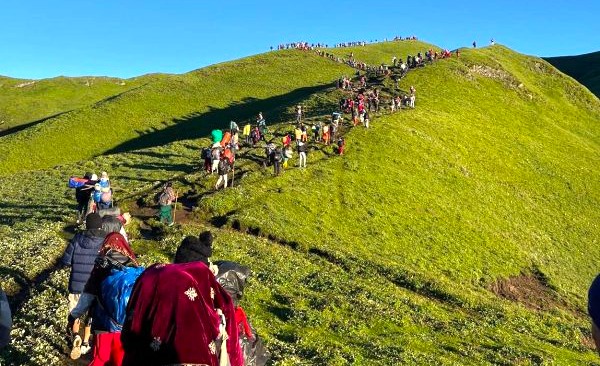
Badimalika offers a peaceful monsoon experience in Nepal’s far west. This sacred region receives gentle monsoon rains that awaken its lush forests and rolling hills. The ancient Badimalika Devi Temple, perched atop emerald-green ridges, becomes even more serene during this season. Rhododendron and mixed forests thrive in the wet months, adding vibrant color to the landscape.
Pilgrims from nearby regions make their spiritual journey here during seasonal religious festivals, filling the trail with devotion, chants, and cultural energy.
Monsoon transforms Badimalika into a lush green paradise. Rolling alpine meadows blanket the hillsides, dense oak and pine forests pulse with life, and sacred ponds brim with crystal-clear rainwater. Traditional villages celebrate the harvest season, while evening gatherings come alive with the rhythmic beats of local Deuda folk dances.
The trek reveals deeply rooted cultural treasures along the way. Ancient stone temples appear across the landscape, village elders recount timeless mythological stories, and age-old farming practices continue unchanged. Organic crops thrive in the nourishing monsoon rains, offering trekkers a chance to experience genuine Kumaoni hospitality.
Wildlife becomes more visible during the rainy season. Colorful birds sing from forest canopies, wild orchids bloom along the trails, and medicinal herbs grow in abundance. Freshly harvested local honey tastes even sweeter after the rains.
Weather conditions remain pleasantly cool and refreshing. Morning mist creates a mystical atmosphere, afternoon showers revive tired trekkers, making Badimalika a perfect monsoon escape from the summer heat.
Preparing for Monsoon Adventure
Physical fitness demands are a bit higher for monsoon trekking trips. Slippery and wet paths need greater balance and stability. Core strengthening helps one navigate muddy sections safely. Cardio training provides stamina for extra hours of walking.
Monsoon trekking trips need mental preparation. A trekker can anticipate muddy paths, rain, and uncertain weather. A positive attitude toward bad weather and delays is necessary. Being flexible and patient proves to be very helpful during monsoon treks.
Professional guides are most helpful during monsoon trekking seasons. Local knowledge helps to take safer paths during periods of heavy rainfall. Weather awareness prevents dangerous situations from arising at random. Cultural knowledge brings about enriched festival experiences along the trail.
Travel insurance requires special attention for monsoon coverage. Policies must incorporate weather-related delays and cancellations explicitly. Medical insurance must cover monsoon-related diseases completely. Emergency evacuation covers become most useful during rainy seasons.
Essential Packing List
A packing checklist is essential for preparing before heading out on the monsoon treks in Nepal. Sometimes, even small missing items can impact your experience, so pack carefully and take the necessary precautions before heading out on the trek.
Here is the major packing list
- Quality rain jackets with breathable membranes
- Waterproof ponchos for additional coverage
- Dry bags for protecting essential items
- Waterproof stuff sacks for clothing
- Quick-dry synthetic base layers
- Merino wool mid-layers for warmth
- Avoid cotton materials completely
- Extra pairs of quick-dry clothing
- Waterproof hiking boots with ankle support
- Quick-dry synthetic hiking socks
- Gaiters to keep debris out
- Anti-leech socks for forest protection
- Trekking poles for stability
- Waterproof cases for electronics
- Anti-leech salt and repellent
- Extra headlamp and batteries
Permits and Documentation
Permits and documents vary in different trekking routes, such as restricted or non-restricted areas, though some essential documents are as below
1. Required Permits for All Treks:
- TIMS (Trekkers’ Information Management System) card
- National Park entry permits, where applicable
- Conservation area permits for protected regions
- Valid passport with a minimum of 6 months’ validity
2. Restricted Area Permits:
- Upper Mustang special permit ($500 for 10 days)
- Dolpo region restricted area permit
- Nar Phu Valley special permit
- Manaslu Conservation Area permit
3. Documentation Process:
- Apply through registered trekking agencies
- Provide passport photos and copies
- Allow extra processing time during the monsoon
- Keep original permits with you always
4. Guide and Porter Requirements:
- A licensed guide is mandatory for restricted areas
- Porter insurance through registered agencies
Cultural Experiences in Monsoon
The monsoon season offers wonderful cultural immersion opportunities in Nepal. You can enjoy real festivals like Ropain rice planting festivals and Teej festivities. Since fewer tourists around, the locals receive their guests with even more warmth, sharing real tales and customs. Villages come alive with agricultural work, rural work, and social gatherings celebrating the abundance of the harvest time.
Other Activities During Weather Disruptions
When the weather dampens trekking, like if your flight is delayed and your trek is delayed, you can explore other things, such as Kathmandu Valley day treks to Shivapuri or Champadevi hills. Take indoor culture tours like Bhaktapur pottery-making classes, cooking lessons in traditional Nepali style, or monastery meditation retreats. Weather-dependent adventures include white water rafting with monsoon-swollen rivers or Chitwan National Park jungle safaris for thrilling wildlife spotting.
Responsible Monsoon Trekking Practices
1. Landslide Safety Measures:
- Avoid steep, unstable slopes during rain
- Listen to local warnings about conditions
- Turn back if guides advise against proceeding
- Check weather forecasts before departure
2. Trail Preservation Guidelines:
- Stay on established paths always
- Avoid shortcuts that create erosion
- Use designated camping areas only
- Repair trail damage when possible
3. Community Support Practices:
- Support local businesses during the slow season
- Pay fair wages to guides and porters
- Respect the monsoon season religious observances
- Purchase locally made products
4. Environmental Protection:
- Pack out all trash, including organic waste
- Use established toilet facilities properly
- Minimize campfire impacts in forests
- Avoid disturbing wildlife during active periods
FAQs of Top Monsoon Treks in Nepal
Is monsoon trekking in Nepal safe?
Yes, monsoon trekking is safe when properly prepared and with expert guides. Choose rain-shadow areas and entirely avoid landslide areas.
Are leeches a nuisance on monsoon treks?
Leeches are present in forested areas, but the right dress keeps any encounter to an absolute minimum. Anti-leech socks and salt effectively manage any leech problem.
Can I trek alone during Nepal’s monsoon season?
Monsoon solo trekking greatly increases risks due to the weather. Guides ensure safety and local weather knowledge.
Will I get mountain view spots during the monsoon?
Yes, there are awesome, clear mountain views in the early morning. Rain washes away atmospheric dust for very clear vision.
Which monsoon trek is suitable for a beginner?
Ghorepani Poon Hill has excellent beginner-friendly monsoon treks. Short duration and good infrastructure make it ideal.
Do teahouses stay open during the monsoon season?
The majority of teahouses on popular routes stay open throughout the monsoon months. However, some remote lodges will close during prolonged rain.
What is the biggest challenge of monsoon trekking?
Slippery trail conditions and mud are the biggest challenges. Good footwear and trekking poles help to manage these conditions.
Are flights frequently delayed during the monsoon season?
Domestic flights may be delayed due to the weather. Plan flexibility for likely schedule changes.
Do I need special insurance for monsoon trekking?
Standard trekking insurance covers monsoon activities but ensures that weather conditions are included. Emergency evacuation coverage is particularly relevant in rainy months.
Final Thoughts
Nepal monsoon trekking goes against the common sense of Himalayan adventures. Tourists mostly exclude the rainy season altogether without knowing its unique benefits. But experienced travelers discover Nepal’s truest and most breathtaking nature. Rainy conditions transform landscapes into green heavens teeming with life. Local cultures display their authentic hospitality off the tourist trail. Such experiences are not possible in peak seasons.
Weather concerns about monsoon trekking are typically exaggerated with proper planning. Rain-shadow regions like Mustang and Dolpo stay remarkably dry during monsoon seasons. Regions at higher elevations experience manageable rains with cooler, comfortable temperatures. Wet conditions are completely manageable for properly prepared trekkers with modern gear. Experienced guides navigate through changing weather conditions with ease.
Cultural diversity reaches its sheer peak during Nepal’s monsoon season. Harvest festivals are celebrated with rich agriculture in multicolored traditional rituals. Locals warmly welcome people with unrestrained hospitality and genuine generosity. Traditional arts and crafts flourish with indoor monsoon season entertainment. Such authentic cultural exchanges leave memories and lifelong bonds.
Adventure seekers who venture out for monsoon trekking enjoy the luxury of seeing Nepal’s best-kept treasures. Beautiful waterfalls that are only seen during the rainy months emerge over mountain valleys. Wildlife sightings become more diverse with augmented patterns of animal life. Photo shoots multiply with the dramatic weather, lush vegetation, and visibility. Bold Himalaya provides professional experience for fun and secure monsoon adventures. Book your trip now and live Nepal’s best-kept monsoon trekking adventure.
Comments (0)
Write a comment- Why Monsoon Treks is Special?
- Understanding Nepal’s Monsoon Season
- Who is this trek special for?
- Characteristics of Monsoon-Friendly Treks
- 1. Upper Mustang Trek
- 2. Upper Dolpo Trek
- 3. Lower Mustang ABC Trek
- 4. Nar Phu Valley Trek
- 5. Annapurna Circuit Trek
- 6. Shey Phoksundo Lower Dolpo Circuit
- 7. Manaslu Circuit Trek
- 8. Mardi Himal Trek
- 9. Khopra Danda Trek
- 10. Pikey Peak Trek
- 11. Everest Base Camp Trek
- 12. Ghorepani Poon Hill Trek
- 13. Langtang Valley Trek
- 14. Badimalika Trek
- Preparing for Monsoon Adventure
- Essential Packing List
- Permits and Documentation
- Cultural Experiences in Monsoon
- Other Activities During Weather Disruptions
- Responsible Monsoon Trekking Practices
- FAQs of Top Monsoon Treks in Nepal
- Final Thoughts



No comments yet.