
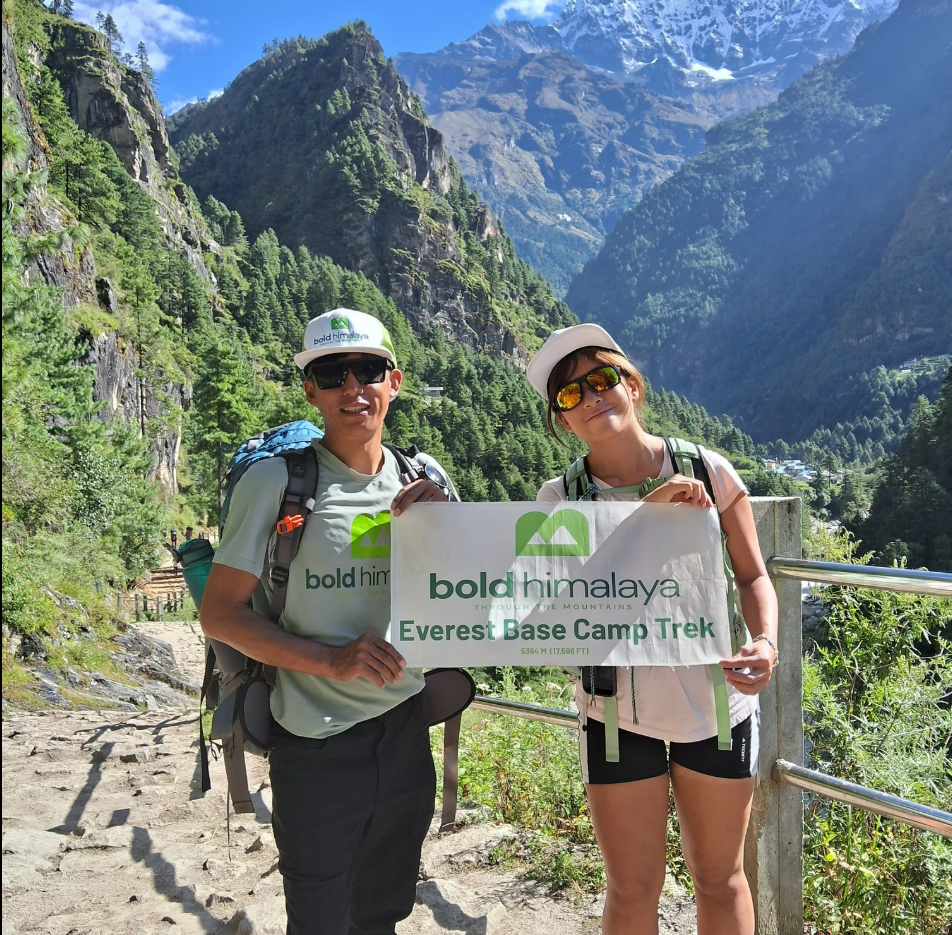
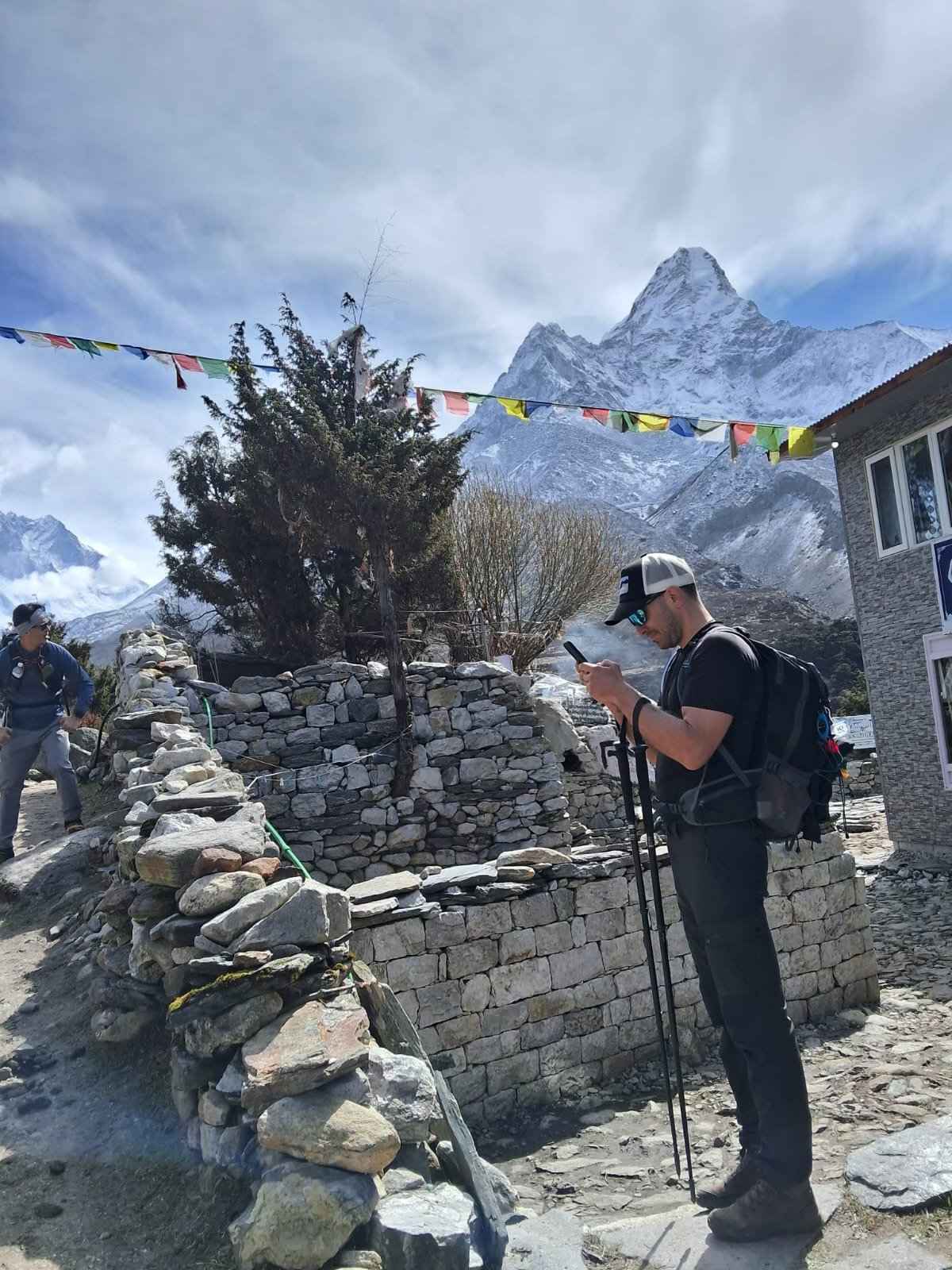
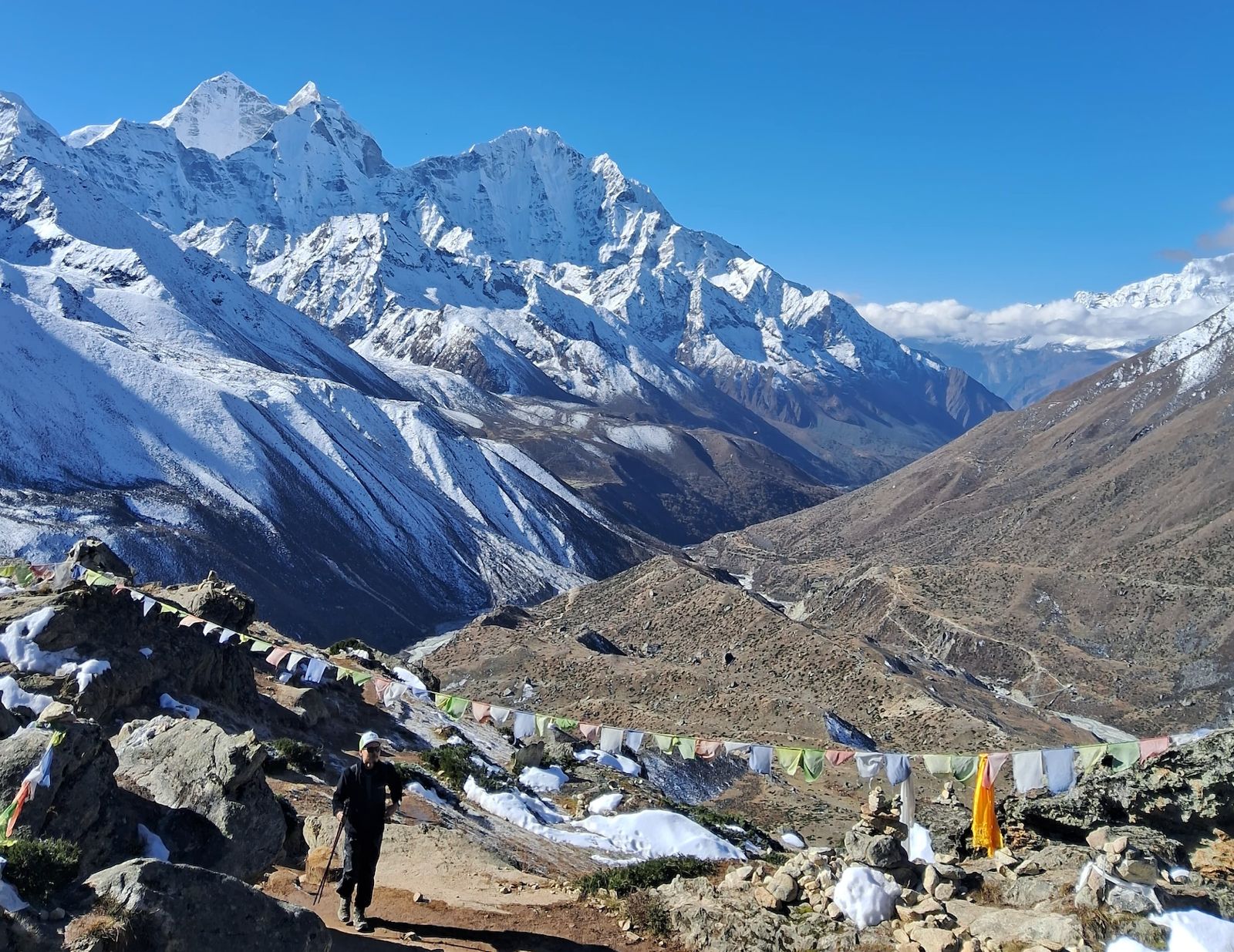
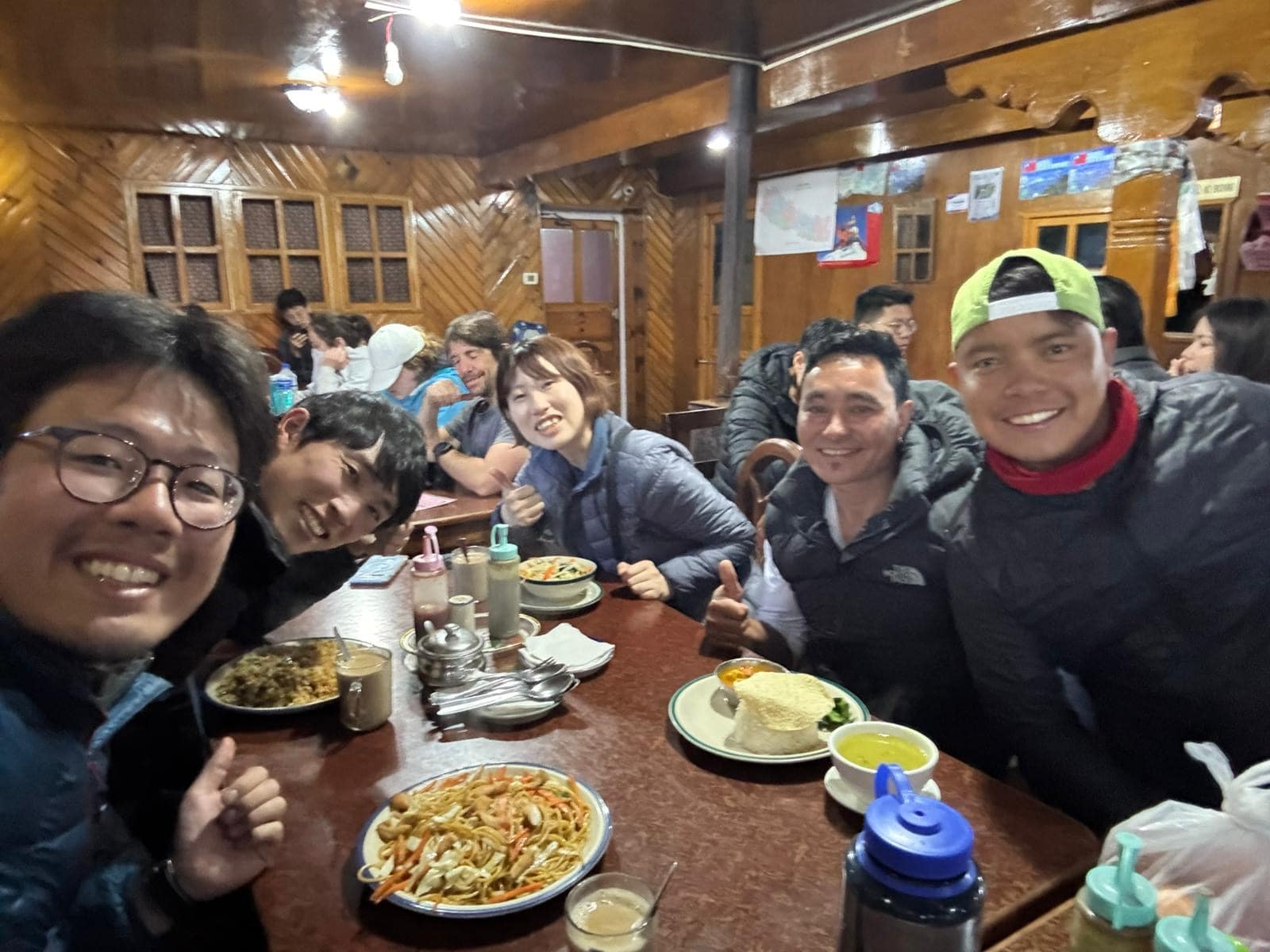
Everest Base Camp Trek by Road


5(49)


Day-by-Day Everest Base Camp Road Trek Schedule
Your Journey, Step by Step
Day 1: Arrival in Kathmandu
1,400m/4,600ft
Hotel
Your overseas flight reaches Tribhuvan International Airport, Kathmandu, and one of our representatives will escort you to your city hotel. Driving into Kathmandu gives you your first exposure to Nepal’s cosmopolitan capital with its narrow alleys, bustling bazaars, and mix of old and new architecture.
Spend the night greeting your trekking guide for a formal pre-trek briefing. He will brief you on the itinerary, inspect your gear, and answer any of your questions. Spend the remainder of the time taking a stroll around your hotel. Go around shopping in Thamel, the tourist district, and purchase any extra trekking gear you might require.
Day 2: Drive to Salleri
2,362m/7,749ft
8-10 hours
Tea House
Breakfast, Lunch, Dinner
Your journey to the Everest region begins with an early morning drive from Kathmandu toward Salleri, the administrative headquarters of the Solu region. Leaving behind the busy streets of the capital, the road gradually winds through rolling hills, terraced farmlands, riverside villages, and beautiful countryside landscapes of eastern Nepal. Along the way, you will witness changing scenery from green valleys and local settlements to forested hills and mountain views in the distance.
The drive is long but rewarding, offering an authentic glimpse into rural Nepali life far from the tourist crowds. Depending on road conditions and traffic, the journey usually takes around 8-10 hours. Upon reaching Salleri, the cool mountain air and peaceful atmosphere provide a refreshing introduction to the lower Everest region. Overnight in Salleri.
Day 3: Drive to Thamdanda and Trek to Surke
2,290m/7,513ft
Drive: 5-6 hours, Trek: 2-3 hours
Tea House
Breakfast, Lunch, Dinner
After an early breakfast in Salleri, we’ll drive to Thamdanda by Jeep. This off-the-beaten-path Himalayan track winds through remote villages, terraced hillsides, and offers breathtaking views of distant snow-capped peaks. The journey itself is part of the Everest Base Camp Road Trek experience, giving you a glimpse of rural Nepal in its raw, authentic beauty.
Arriving in Thamdanda around midday, meet your porter team and enjoy a quick lunch. Then, start your trek toward Surke, beginning with a gentle ascent through serene rhododendron and pine forests. Along the way, you’ll pass traditional villages where life continues as it has for generations.
Reach the hillside village of Surke by late afternoon and settle into your teahouse. The accommodation is basic but comfortable, providing a warm meal and a cozy place to rest.
Day 4: Trek from Surke to Phakding
2,610m/8,563ft
4-6 hours
Tea House
Breakfast, Lunch, Dinner
Today’s trek connects you from the quieter approach route to the main Everest trail, following the powerful Dudh Koshi River upstream through a series of picturesque villages.
After breakfast in Surke with views of the morning sun on the peaks, you’ll begin a scenic descent. The trail winds through peaceful forests and past small farms, gradually leading you down to the river. You’ll notice the landscape becoming lusher and more vibrant as you lose altitude.
The highlight of the day is crossing several spectacular suspension bridges draped with colorful prayer flags. The most impressive spans high above the confluence of the Dudh Koshi and Bhote Koshi rivers. After this crossing, you’ll officially join the busier main trail coming from Lukla at Chheplung. The energy changes here, with more trekkers, yaks, and porters sharing the path.
The final stretch to Phakding is a relatively flat and pleasant walk alongside the turquoise waters of the Dudh Koshi River. You’ll pass through the villages of Ghat and Tikhedunga before reaching Phakding itself, a charming village nestled along the riverbank. Overnight in Phakding.
Day 5: Trek from Phakding to Namche Bazaar
3,440m/11,286ft
5-6 hours
Tea House
Breakfast, Lunch, Dinner
After an early breakfast in Phakding, the trek begins along the peaceful banks of the Dudh Koshi River, passing through pine forests, prayer wheels, and small Sherpa villages. The trail crosses several suspension bridges, offering the real feeling of being deep in the Everest region. Along the way, you will pass settlements like Monjo, where the entrance to Sagarmatha National Park begins.
The route gradually becomes steeper as the trail climbs towards Namche Bazaar. One of the highlights of the day is crossing the famous Hillary Suspension Bridge high above the river gorge. On clear days, trekkers may catch their first distant glimpse of Mount Everest before reaching Namche.
By late afternoon, you arrive at the vibrant Sherpa town of Namche Bazaar, surrounded by towering Himalayan peaks, cozy cafes, bakeries, and mountain lodges. Overnight in Namche Bazaar.
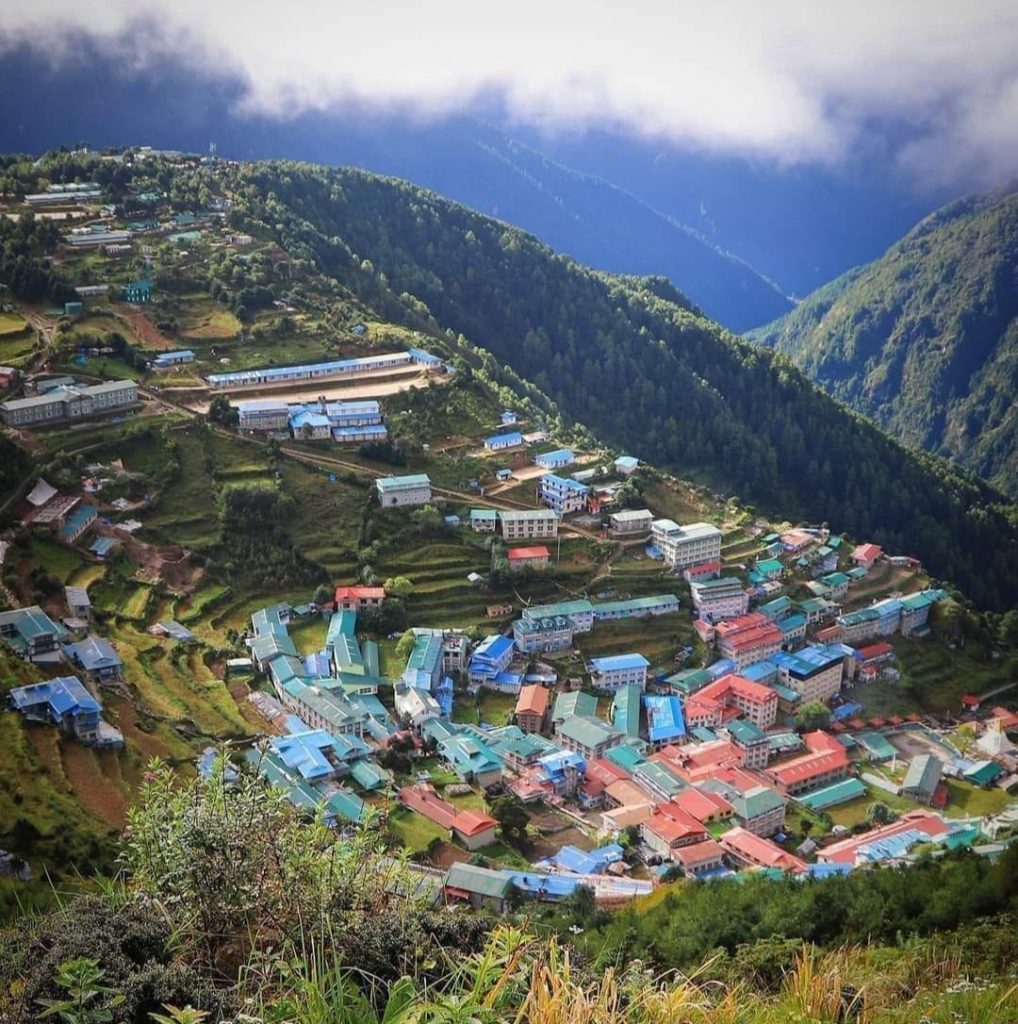
Namche Bazaar – Gateway to the Everest Region
Namche Bazaar is the largest and most important town in Nepal’s Everest region, located at an altitude of ... Read More
Day 6: Acclimatization Day at Namche Bazaar
3,440m/11,286ft
2-3 hours
Breakfast, Lunch, Dinner
Tea House
Today is an acclimatization day at high elevation. High elevation’s golden rule is to “climb high, sleep low,” so rather than resting, you will take a short hike.
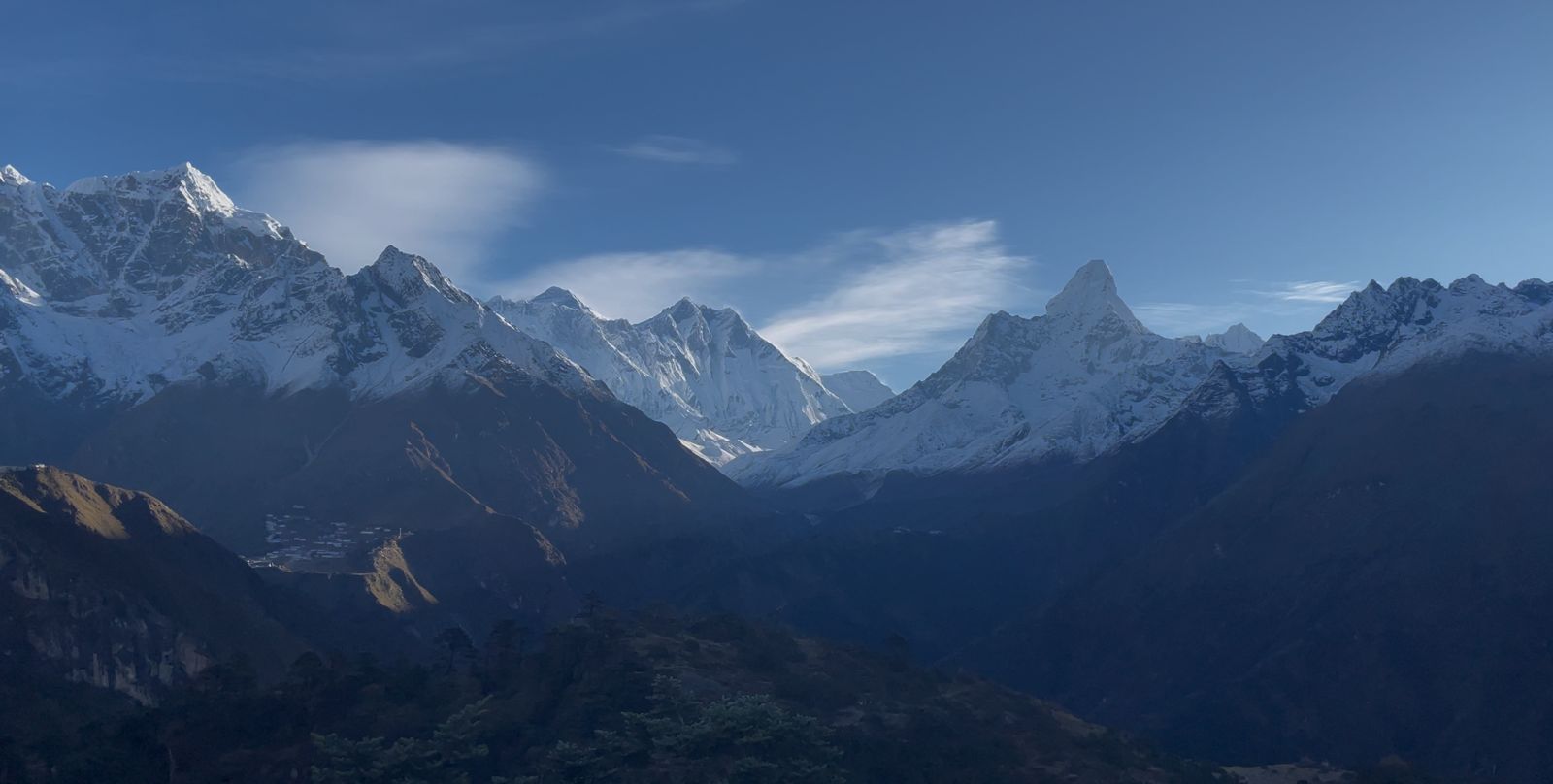
After breakfast, hike to Everest View Hotel (3,880m) for Himalayan vistas of Everest, Lhotse, Ama Dablam, and other giants. Or to the Sherpa village of Khumjungen, where the ‘yeti scalp’ at the monastery and the Hillary School are viewed.
Back to Namche for lunch, and roam around town in the afternoon. The Sherpa Culture Museum and National Park Visitor Center are good places to visit to discover local geography, culture, and mountaineering history. The town bazaar is fine for souvenir hunting or buying anything you could need.
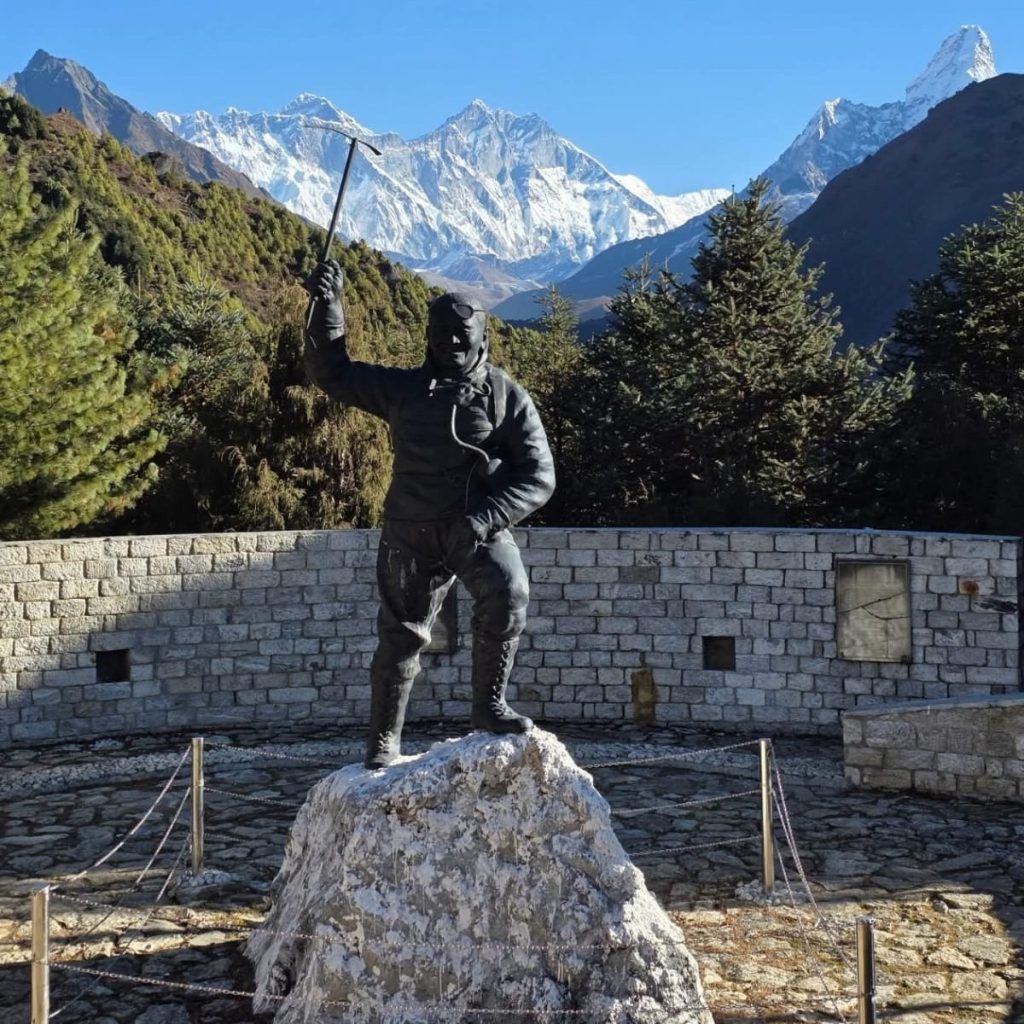
Sherpa Culture Museum – Namche Bazaar
The Sherpa Culture Museum in Namche Bazaar is a must-visit for anyone trekking in the Everest region. It ... Read More
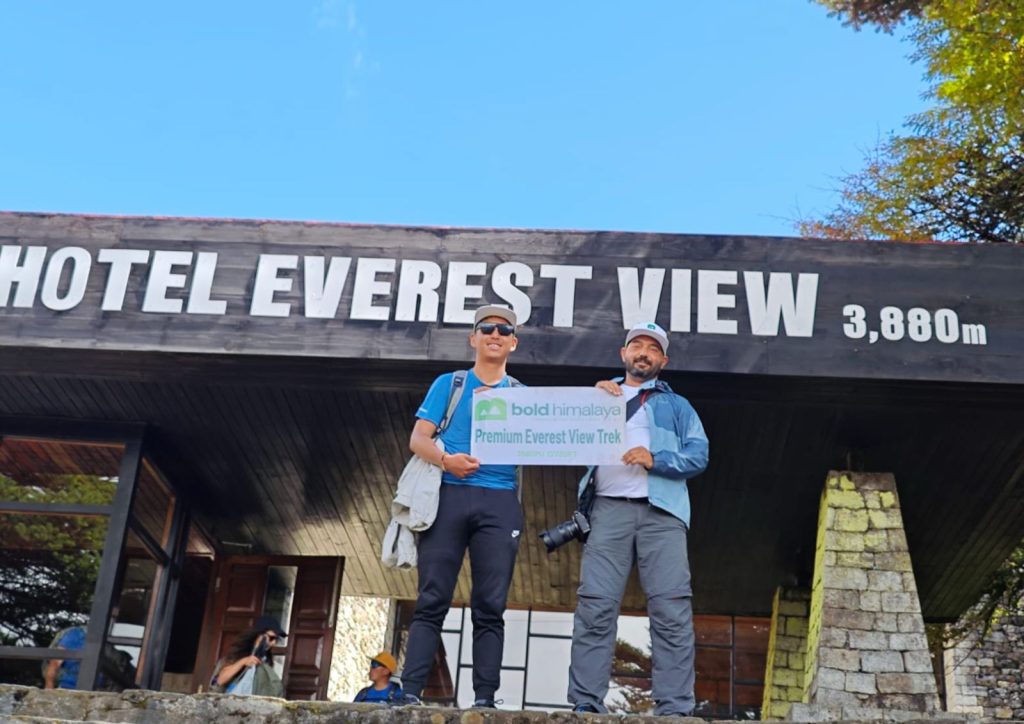
Everest View Hotel – World’s Highest Luxury Hotel
Everest View Hotel is one of the most iconic landmarks in Nepal’s Everest region, famous for being the ... Read More
Day 7: Trek to Tengboche (3,860m) from Namche Bazaar
3,867m/12,687ft
5-6 hours
Breakfast, Lunch, Dinner
Teahouse
The trek from Namche Bazaar to Tengboche is one of the most scenic days of the Everest region trek. The trail begins with a gradual walk along the hillside, offering stunning views of Mount Everest, Ama Dablam, and other Himalayan peaks. After reaching Kyangjuma, the trail descends to the Dudh Koshi River before crossing a suspension bridge at Phunki Tenga.
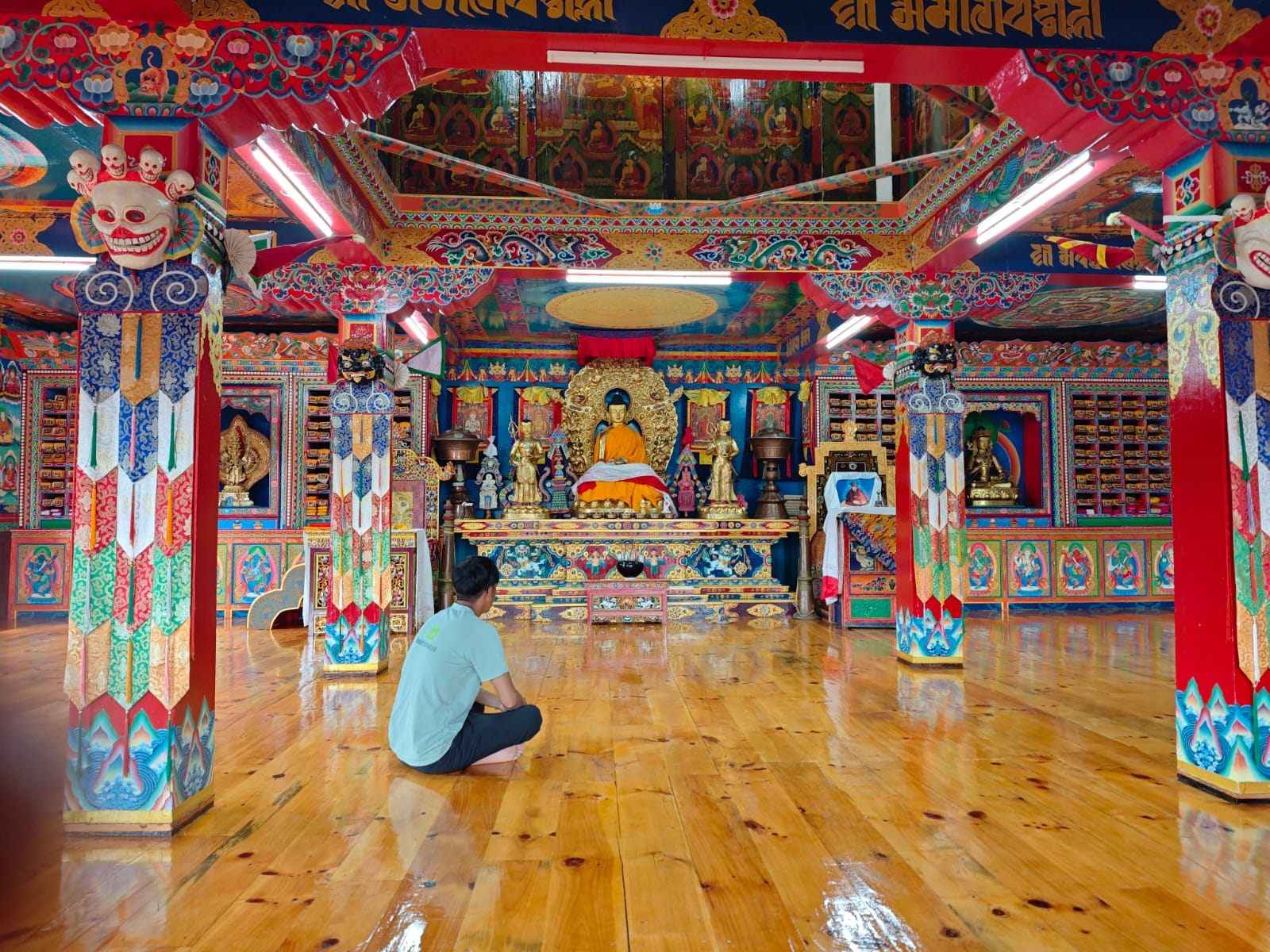
From there, the route climbs steadily through rhododendron and pine forests toward Tengboche. Although the uphill section can be challenging, the rewarding views and peaceful surroundings make the journey memorable. Upon arrival, trekkers can visit the famous Tengboche Monastery, the largest monastery in the Everest region, surrounded by breathtaking mountain scenery.
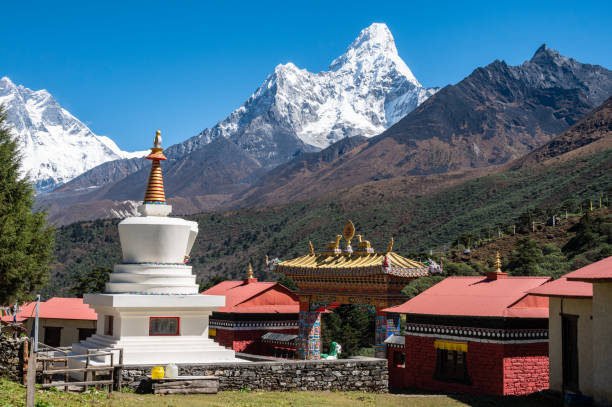
Tengboche Monastery – The Spiritual Heart of the Khumbu
Perched at 3,870m (12,694ft) in the Khumbu Valley, Nepal, Tengboche Monastery is the largest and most famous monastery ... Read More
Day 8: Tengboche to Dingboche
4,410m/14,470ft
5-6 hours
Breakfast, Lunch, Dinner
Teahouse
After breakfast in Tengboche, the trek begins with a gentle descent through beautiful forests filled with rhododendron, pine, and juniper trees. After crossing the Imja Khola River, the trail gradually climbs through traditional Sherpa villages such as Pangboche, one of the oldest settlements in the Everest region. Along the way, trekkers can enjoy incredible views of Ama Dablam, Lhotse, and surrounding Himalayan peaks.
As the trek continues, the landscape slowly changes from green forests to open alpine terrain with stone-walled fields and dry mountain valleys. The air becomes thinner as you gain altitude, making the walk slightly more challenging. After several hours of trekking, you will arrive at Dingboche, a peaceful village surrounded by stunning mountain scenery and an important acclimatization stop before heading higher toward Everest Base Camp.
Day 9: Acclimatization day at Dingboche
4,410m/14,470ft
3-4 hour acclimatization hike
Breakfast, Lunch, Dinner
Teahouse
A rest day in Dingboche is an important part of the Everest Base Camp trek, helping your body adjust to the higher altitude and thinner air. Instead of staying idle, most trekkers take a short acclimatization hike to nearby ridges or viewpoints.
One popular option is a hike toward Nagarjun Hill (Nangkartshang) or nearby viewpoints above the village, where you can enjoy wide Himalayan views of peaks like Ama Dablam, Lhotse, and even glimpses toward Makalu on clear days. These short uphill walks help your body adapt gradually while avoiding altitude sickness.
The rest of the day is usually spent relaxing in teahouses, staying hydrated, eating properly, and preparing for the next stage of the trek. Overnight in Dingboche.
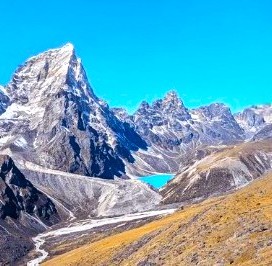
Nangtartshang Peak
Nangkartshang Peak, also known as Nangkar Tshang, is a well-known acclimatization viewpoint that lies above the village of ... Read More
Day 10: Trek from Dingboche to Lobuche
4,940m/16,210ft
4-5 hours
Breakfast, Lunch, Dinner
Teahouse
You leave the green meadows of Dingboche behind and enter the dramatic high-altitude landscape of the Khumbu region. The trail gradually climbs above the village, offering panoramic views of Ama Dablam, Lhotse, and Island Peak, with grazing fields and stone walls marking traditional Sherpa lands. The crisp mountain air fills your lungs as you soak in the serene Himalayan beauty.
After a short descent, you reach Dughla, a small settlement near the Khumbu Glacier’s terminal moraine. Pause, hydrate, and prepare for the final climb. The Thukla Pass ascent is steep and challenging, but every step rewards you with awe-inspiring vistas and a sense of accomplishment. At the top, visit the Everest Memorial, a moving tribute to climbers who lost their lives on the world’s highest peaks.
From the memorial, the trail continues along the moraine, with views of Lobuche Peak and Pumori rising dramatically ahead. The barren, high-altitude terrain contrasts sharply with the lush valleys you left behind. The air is thinner, and the pace slows, but the sense of adventure and achievement grows with every step.
Reach Lobuche in the late afternoon, a small collection of teahouses perched at 4,910m. Though basic, the accommodations offer warmth, hot meals, and a chance to rest after an intense day. Outside, the Himalayan giants cast long shadows, reminding you of the epic journey ahead to Everest Base Camp.
Day 11: Trek from Lobuche to Gorakshep and Everest Base Camp & back to Gorekshep
5,364m/17,594ft
7-9 hours
Breakfast, Lunch, Dinner
Tea House
This is the most exciting and physically demanding day of the entire Everest Base Camp trek.
The journey starts from Lobuche with a steady climb through rocky and glacial terrain. The air gets noticeably thinner as you move forward, and the landscape becomes stark and dramatic, with massive views of Pumori and surrounding Himalayan giants guiding your path. After a few hours of walking, you reach Gorak Shep, the last settlement before Everest Base Camp, where trekkers usually take a short break.
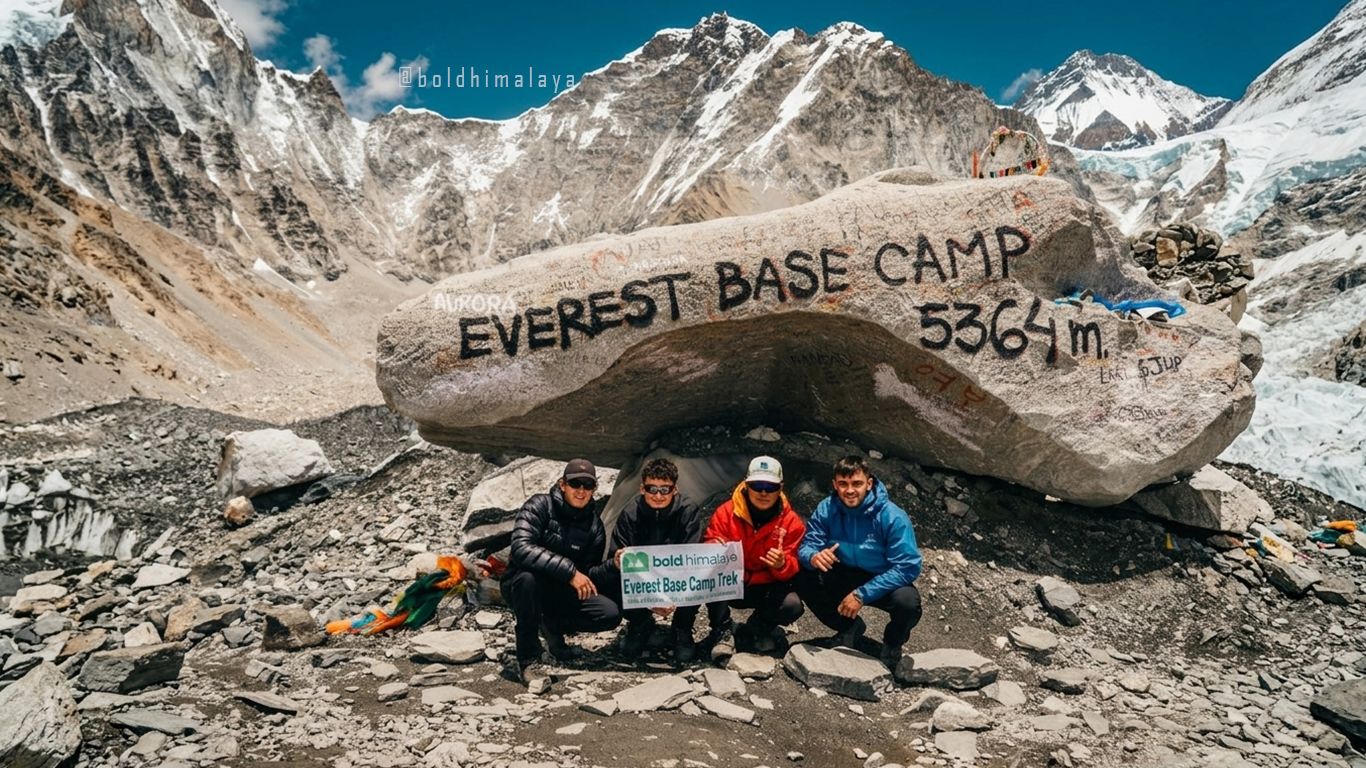
From Gorak Shep, the trail continues across the glacial moraine of the Khumbu Glacier. The walk is slow and challenging due to altitude, loose rocks, and uneven terrain, but the anticipation keeps you moving forward. Eventually, you arrive at Everest Base Camp, standing at the foot of the world’s highest peak, surrounded by ice, prayer flags, and expedition camps during climbing seasons.
After spending some time at Base Camp soaking in the achievement and scenery, you retrace your steps back to Gorak Shep for an overnight stay. The return walk feels easier mentally, but the altitude still makes it physically tiring, marking the end of a truly unforgettable day in the Himalayas.
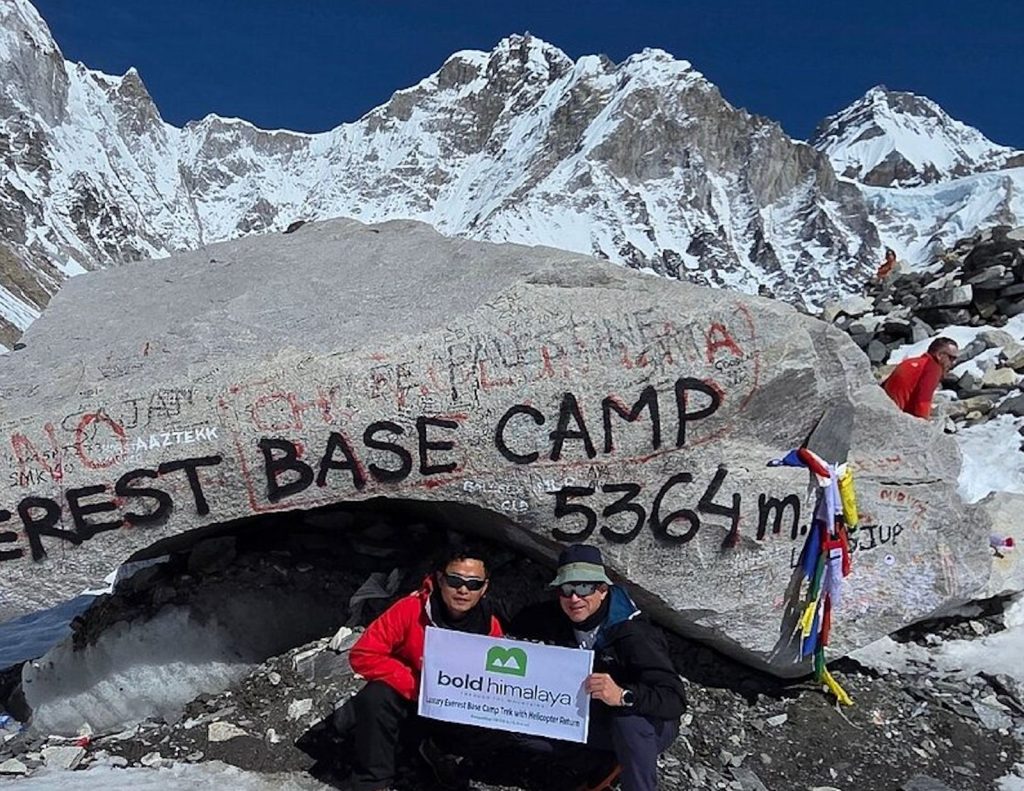
Everest Base Camp (5,364m / 17,594ft)
Everest Base Camp (EBC) is the legendary trekking destination located at the foot of Mount Everest, the highest ... Read More
Day 12: Climb to Kala Patthar (5,545m) and Hike to Pheriche (4,240m)
5,545m/18,192ft
7-8 hours
Breakfast, Lunch, Dinner
Teahouse
To witness the sunrise and the glistening Mount Everest in the morning light, we begin our journey from Gorakshep to Kala Patthar at 5,545 m (18,192 ft) this morning.
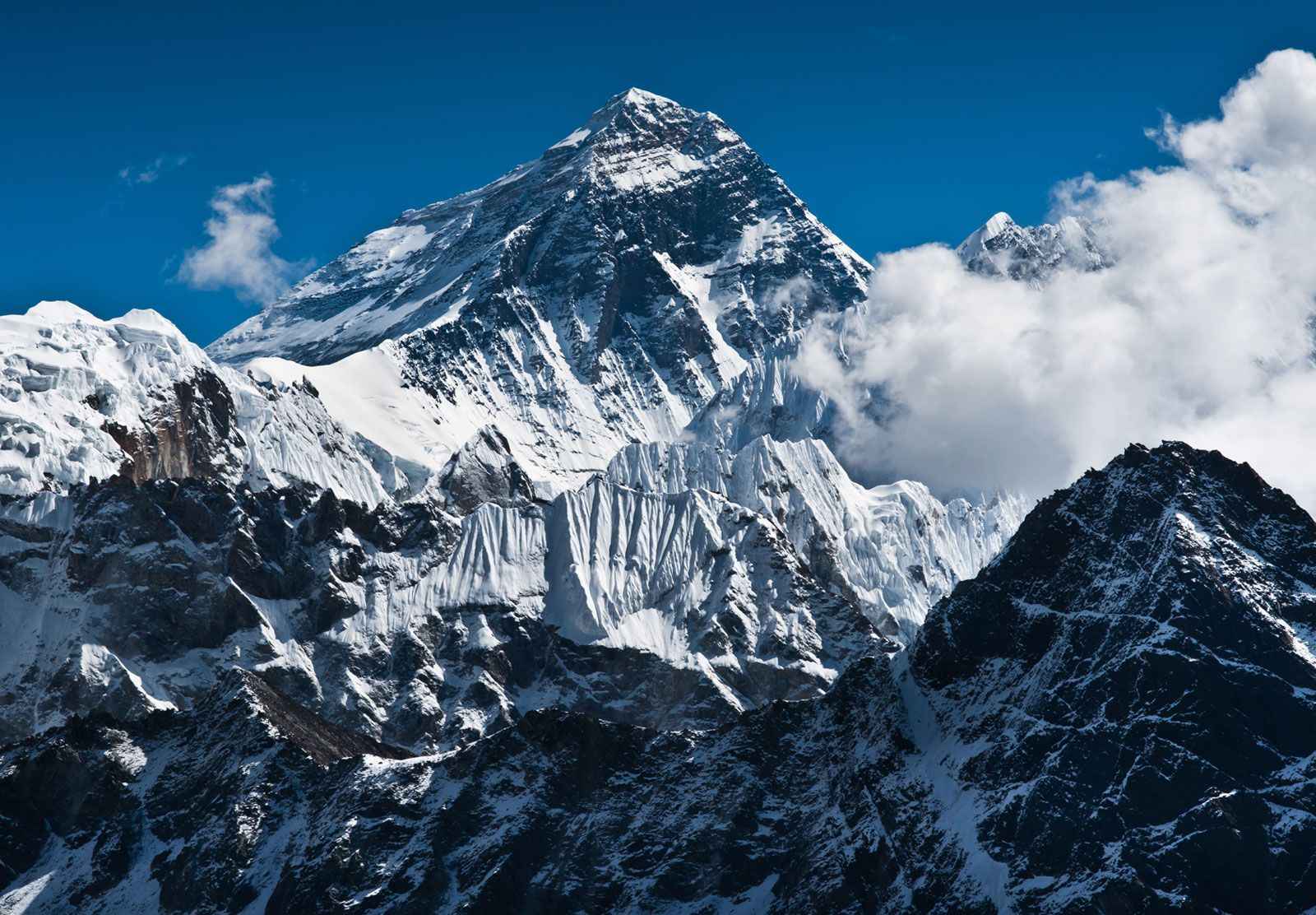
You can clearly see Everest from Kalapathar. It is therefore regarded as the best vantage point in the whole EBC region. In a similar vein, the summit of the hill offers a 360-degree vista of the Himalayan giants, including Khumbutse, Changtse, Lhotse, and Nuptse. The climb is steep and challenging at high altitude, but the sunrise views over the snow-covered peaks make for an unforgettable experience.
After soaking in the view, descend back to Gorak Shep for breakfast before continuing down to Pheriche. The air gets thicker, the walk easier, and you can finally relax and reflect on your achievement. Overnight in Periche.
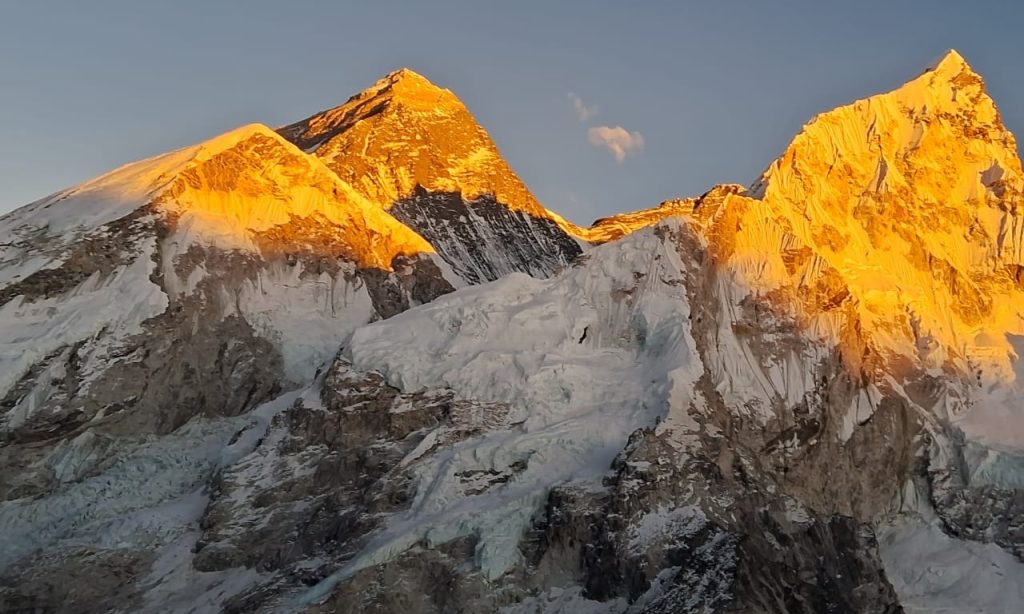
Kala Patthar (5,545m / 18,192ft)
Kala Patthar (5,545m / 18,192ft) is the most famous viewpoint in the Everest region and the ultimate highlight ... Read More
Day 13: Descent back from Pheriche to Namche Bazaar
3,440m/11,286ft
7-8 hours
Breakfast, Lunch, Dinner
Teahouse in Namche
The day is long but mostly a downhill 6-7 hours about trek back to Namche. The trek follows the valley of the Khumbu downhill to Pangboche and Phortse and up to Tengboche for a short visit.
You follow steeply down from Tengboche by the river to Phunki Tenga and up to the contouring trail to Namche. The path has fine views also of Ama Dablam, Thamserku, and, on a good day, of Everest itself.
Back to Namche is returning to civilization after the simple teahouses of the higher camps. Treat yourself to the relative luxury of a hot shower, better food, and perhaps fete your successful trek to Base Camp with your traveling companions at one of the cafes or pubs.
Day 14: Trek from Namche Bazaar to Paiya
2,730m/8,957ft
6-7 hours
Breakfast, Lunch, Dinner
Teahouse
The 6–7-hour descent today on the steep switchbacks from Namche and out of Sagarmatha National Park. You’ll need to cross many suspension bridges over the Dudh Koshi River and walk through many small villages.
There is a trail from Phakding away from the main Everest trail and towards Paiya. It’s rarely visited by foreigners and it’s a serene experience of rural Nepal. The trail climbs up through villages and forests where centuries-old farming activities are underway as they once were.
By late afternoon, you arrive at Paiya, having finished a loop phase of your hike. The teahouse is one that you experienced during the initial stay, and you can appreciate how physically far you’ve come as well as how comfortable you’re familiar with the mountain. Overnight at Paiya.
Day 15: Paiya to Thamdanda Trek and Drive back to Salleri
2-3 hours trek, 5-6 hours drive
2,362m/7,749ft
Tea House
Your final trekking morning begins with a gentle descent from Paiya to Thamdanda, passing through lush forests and small Rai and Sherpa villages. The familiar mountain breeze, prayer flags, and distant peaks feel nostalgic as you take your last steps on the Everest Base Camp Trek By Road.
At Thamdanda, you’ll drive back to Salleri, retracing winding Himalayan roads with breathtaking views at every turn. It’s a long but satisfying ride, filled with quiet reflection and pride that you’ve walked to the base of the world’s highest mountain and back.
Day 16: Drive from Salleri to Kathmandu
8-10 hours
Breakfast & Lunch
Hotel
Your Himalayan adventure concludes with a scenic drive from Salleri to Kathmandu, winding through terraced hills, rivers, and charming villages. The journey offers one last glimpse of the mountains fading into the distance, a quiet reminder of your achievement on the Everest Base Camp Trek By Road.
After 8-9 hours of travel, you arrive back in Kathmandu, where comfort, a warm shower, and city life await. As you relax, the memories of your trek, the trails, the laughter, and the views stay vivid in your heart. Overnight in Kathmandu.
Day 17: Departure from Kathmandu
It’s time to say goodbye to Nepal. Depending on your international flight schedule, our representative will transfer you to the airport for your final departure to your home country.
As you leave Nepal, you take with you incredible memories of the Himalayas, Sherpa culture, mountain landscapes, and the achievement of reaching Everest Base Camp. The journey may end, but the experience and adventure of the Everest region will stay with you forever.
Want to customize your trip?
We ensure every trip meets your expectations — customize your itinerary anytime to match your travel style and preferences.
Inclusions
What’s Covered in Your Adventure
- All ground transportation during excursions, including airport and trek starting point pickup and departure.
- Comfortable road transportation from Kathmandu to trek starting point.
- In Kathmandu, a three-star hotel with twin beds and breakfast.
- Teahouse/lodge accommodation during trekking.
- All meals during the trek (breakfast, lunch, and dinner).
- Seasonal fruits for the hike.
- Licensed English-speaking guide
- First aid medications.
- Comprehensive insurance for guides and porters.
- Farewell dinner with Nepali cultural performance in Kathmandu.
- Official paperwork and government taxes.
- Khumbu Pasang Lhamu Rural Municipality, Sagarmatha National Park, and Gaurishankar Conservation Area Permit
- Sleeping bag and down jacket rental if necessary.
- Trip completion certificate, and duffle bag for trekking gear.
- Extra lunch and dinner
- Bills for dessert and bars
- Your travel insurance and international ticket
- Tips for the members of the trekking crew
- Personal equipment and gear
- Additional snacks and beverages
- Personal expenses
- Phone calls and internet usage during the trek

Packing List for the Everest Base Camp Road Trek
Proper packing is key to enjoying your EBC road trek comfortably. Here’s a comprehensive list of essentials to bring:

Footwear
- Sturdy Trekking Boots
- Camp Shoes / Sandals
- Hiking Socks (4-5 Pairs)

Clothing
- Moisture-wicking T-shirts and thermal tops
- Fleece jackets, down jackets
- Trekking pants
- Waterproof jacket and pants:
- Gloves, hats, and buff/scarf

Gear & Accessories
- Daypack
- Sleeping bag
- Trekking poles
- Sunglasses
- Headlamp
- Water bottles
- Power bank
- Camera or smartphone
- Sunscreen (SPF 50+) and lip balm with SPF
- Toothbrush, toothpaste, biodegradable soap
- Hand Sanitizer and wet wipes
- First aid Kit

Documents & Essentials
- Passport and copies
- Trekking permits
- Travel insurance documents
- Cash in Nepali Rupees

Fixed Departure
Fixed Departures, Guaranteed Hassle-Free Travel
Altitude Chart of Everest Base Camp Trek by Road
Good to Know
Things to Remember
Accommodation during Everest Base Camp by Road
Accommodation during the Everest Base Camp trek by road is mainly in traditional teahouses and mountain lodges operated by local Sherpa families.
These lodges provide basic but comfortable facilities for trekkers throughout the journey. Rooms are usually twin-sharing with simple beds, blankets, pillows, and shared bathrooms.
In lower villages like Phakding and Namche Bazaar, trekkers can find more comfortable lodges with attached bathrooms, hot showers, WiFi, and charging facilities, while higher-altitude places such as Lobuche and Gorak Shep offer more basic accommodation due to the remote mountain environment.
Most teahouses have a warm communal dining hall where trekkers gather for meals, relax near the stove, and socialize after long trekking days. Bedrooms are generally unheated, so nights can become very cold at higher elevations. Hot showers, internet, and device charging are available in many villages but often require an extra charge as altitude increases.
During peak trekking seasons, advance booking is recommended, especially in popular stops like Dingboche, Lobuche, and Gorak Shep, where rooms are limited.
Meals and Food Options
Meals during the Everest Base Camp trek by road are served in local teahouses and lodges along the trail. Trekkers can enjoy a variety of freshly prepared dishes ranging from traditional Nepali meals to basic international foods.
The most common and recommended meal is Dal Bhat – a combination of rice, lentil soup, vegetables, and pickles, which provides plenty of energy for long trekking days and is often offered with unlimited refills.
Breakfast options usually include Tibetan bread, pancakes, porridge, eggs, toast, tea, and coffee. For lunch and dinner, trekkers can find foods like fried rice, noodles, pasta, soup, momos, potatoes, pizza, and Sherpa stew.
As the trek reaches higher elevations, food choices become more limited, and prices gradually increase because supplies are transported by porters, yaks, or mules to remote mountain villages.
It is recommended to eat nutritious and carbohydrate-rich meals throughout the trek to maintain energy and support acclimatization. Drinking plenty of water, eating garlic soup, drinking ginger tea, and avoiding alcohol at higher elevations can also help trekkers adjust better to the altitude.
Trek Difficulty and Physical Conditioning
The Everest Base Camp trek by road is considered a moderate to challenging Himalayan adventure. Unlike the classic Lukla flight route, the road journey starts from lower elevations such as Salleri or Surke, adding a few extra trekking days and making the trek longer but more gradual.
Trekkers usually walk 5-8 hours per day on steep uphill and downhill trails, suspension bridges, rocky paths, and glacier terrain.
The biggest challenge of the trek is not technical climbing but the high altitude. As the trail reaches Everest Base Camp at 5,364 meters, the oxygen level drops significantly, making walking more tiring and increasing the risk of altitude sickness.
Although challenging, the Everest Base Camp trek by road is achievable for beginners with decent preparation, strong determination, and enough acclimatization days. No mountaineering skills are required, but regular cardio exercise, hiking practice, and mental endurance greatly help during the journey.
Permits required for EBC Trek
You’ll need two permits:
1. Sagarmatha National Park Entry Permit
- Issued by: Nepal Tourism Board (Kathmandu) or at the Monjo checkpoint on the trail
- Cost for Foreign Nationals: NPR 3,000 (USD 25-30)
- Cost for SAARC Nationals: NPR 1,500 (USD 12-15)
- Cost for Nepali Citizens: NPR 100
- Purpose: This fee helps preserve the biodiversity, wildlife, and cultural heritage of the Sagarmatha National Park, a UNESCO World Heritage Site.
2. Khumbu Pasang Lhamu Rural Municipality (KPLRM) Permit
- Issued by: Khumbu Pasang Lhamu Rural Municipality Office, Lukla / Monjo / Namche
- Cost for Foreign Nationals: NPR 3,000 ( USD )
- Cost for SAARC Nationals: NPR 2,000 (Approx. USD 15)
- Purpose: This replaces the old TIMS card in the Everest Region. The fee supports local community development and infrastructure in the Khumbu area.
3. Gaurishankar Conservation Area Permit (GCAP)
- Issued by: Nepal Tourism Board (Kathmandu) or at the Shivalaya/entry checkpoint on the Jiri-Salleri route
- Cost for Foreign Nationals: NPR 3,000 (USD 22-30)
- Cost for SAARC Nationals: NPR 1,000 (USD 7-10)
- Cost for Nepali Citizens: NPR 100
Trekkers starting from Salleri or Jiri by road usually pass through the Gaurishankar Conservation Area before entering the Everest region. Because of this, the additional Gaurishankar permit may be required, depending on the exact route used.
Acclimatization and Altitude Sickness
Acclimatization
Acclimatization is the process of allowing your body to gradually adapt to lower oxygen levels as you gain altitude during the Everest Base Camp trek by road.
Since the journey slowly ascends from lower regions like Salleri/Surke up toward high-altitude villages such as Namche Bazaar, Dingboche, and Lobuche, proper acclimatization is essential for a safe trek.
Key acclimatization practices include:
- “Climb high, sleep low” rule (hiking to higher points during the day and sleeping lower when possible)
- Taking scheduled rest days, especially at Namche Bazaar (3,440m) and Dingboche (4,410m)
- Walking slowly and steadily instead of rushing
- Staying well-hydrated (3-4 liters of water daily)
- Eating high-carbohydrate meals for energy
- Avoiding alcohol and smoking during the ascent
These rest days are not optional; they are a critical part of the trekking itinerary to reduce health risks and improve summit success.
Altitude Sickness
Acute Mountain Sickness (AMS) is the most common altitude-related illness on the Everest Base Camp trek. It happens when your body struggles to adjust to reduced oxygen levels at higher elevations.
Common symptoms:
- Headache (most common early sign)
- Nausea or loss of appetite
- Dizziness or fatigue
- Difficulty sleeping
- Shortness of breath even at rest
Serious warning signs (require immediate descent):
- Persistent vomiting
- Severe headache not relieved by medication
- Confusion or loss of coordination
- Breathlessness at rest
These severe conditions can develop into dangerous complications if ignored.
Prevention Tips
- Ascend gradually (avoid gaining too much altitude in a single day)
- Follow acclimatization days strictly
- Drink plenty of fluids (avoid dehydration)
- Eat regularly, even if your appetite decreases
- Consider preventive medication only after consulting a doctor
- Inform your guide immediately if symptoms appear
Electricity, and Internet
Electricity
Electricity is available in most villages along the Everest Base Camp trek by road, but its reliability decreases as altitude increases. In lower regions such as Phakding, Lukla, and Namche Bazaar, electricity is generally stable and mainly supplied by hydro or solar power systems.
However, in higher-altitude settlements like Dingboche, Lobuche, and Gorak Shep, electricity becomes more limited and is mostly generated through solar energy, which can be affected by weather conditions.
Charging electronic devices such as phones, cameras, and power banks is possible in teahouses, but it is usually provided at an extra cost, especially above Namche Bazaar, so carrying a fully charged power bank is highly recommended.
Internet (WiFi & Mobile Data)
Internet access is available on the Everest Base Camp route, but it is not consistent throughout the trek. Many teahouses offer paid WiFi services, often through Everest Link cards, with better speed and stability in lower regions like Lukla and Namche Bazaar.
As trekkers ascend higher, the internet becomes slower, less reliable, and sometimes unavailable due to weather and geographical challenges.
Mobile data networks from Nepal’s main telecom providers, Nepal Telecom and Ncell, work reasonably well in lower and mid-altitude areas but become weak or unavailable in higher regions such as Lobuche and Gorak Shep. Because of this, trekkers are advised to download offline maps and important information before starting the higher sections of the trek.
Travel Insurance
It is not a recommendation; it’s necessary. Your policy should especially include high-altitude trekking up to 6,000m, emergency medical care, and helicopter rescue. These are the essential coverages that regular travel insurance policies won’t carry, so obtain them in writing as part of your policy. Rescue is around $5,000 to more than $10,000 or even more, depending on where you are and your situation.
Leave a copy of your policy with your trekking company before you go so that you can receive a prompt response if something negative happens to you. With the knowledge that you are properly covered, you can relax and have a good time and not worry about accidents in this remote mountain frontier.
Cash and Additional Expenses
Cash is essential for the Everest Base Camp trek by road because ATMs are limited and unreliable once you leave Kathmandu. It is strongly recommended to withdraw and carry enough Nepali Rupees (NPR) before starting the trek, ideally in smaller denominations for easier use in remote villages.
While Namche Bazaar does have an ATM, it is not always dependable, so trekkers should not rely on it for emergency withdrawals. Cash is mainly needed for meals, drinks, charging devices, WiFi, hot showers, tips, and small personal expenses along the route.
As altitude increases, the availability of banking services disappears completely, so proper cash planning is very important.
Additional Expenses (Hidden Trek Costs)
In addition to permits and package costs, trekkers should budget for several extra daily expenses during the trek. Teahouses charge separately for services such as hot showers, WiFi access, device charging, bottled water, and sometimes even basic heating.
Prices increase significantly with altitude due to transportation difficulties, making higher villages like Dingboche, Lobuche, and Gorak Shep more expensive than lower stops. Snacks, chocolates, energy drinks, and bottled items also cost more as they are carried up by porters or yaks.
Other common additional costs include tipping guides and porters, buying trekking gear if needed in Kathmandu or Namche, and emergency expenses. On average, trekkers should plan a daily budget of moderate extra spending to comfortably cover these services without financial stress during the journey.
FAQs of Everest Base Camp Trek by Road
Your Questions, Answered
Is the Everest Base Camp trek by road more difficult than flying to Lukla?
Yes, it is slightly longer in duration, but not necessarily more difficult. The road route adds extra trekking days, which actually helps with better acclimatization and can reduce the risk of altitude sickness compared to the flight route.
Is trekking experience necessary for the road route to EBC?
No, although minimal hiking experience will be beneficial, this route is even less strenuous for novices compared to the Lukla route because it decreases altitude gradually, step by step, and allows for greater acclimatization.
How challenging is the road route trek as opposed to the Lukla route?
4-5 days behind but less physically taxing on your body as it climbs from a lower elevation, therefore safer to do successfully for those altitude sickness.
Do I need a guide for the trek?
A guide is not strictly mandatory, but it is highly recommended for safety, navigation, and altitude management. Many trekkers also hire porters to carry heavy loads and make the journey easier.
Will I be able to see Mount Everest while trekking?
Yes, you can see Mount Everest during the trek, especially from viewpoints like Tengboche and best from Kala Patthar. However, Everest is not clearly visible from Everest Base Camp itself, and visibility depends on weather conditions.
Should tap water be drunk?
Never, ever drink tap water; use purification tablets, a tried filter system, or buy bottled water (though environmentally irresponsible and rising in cost with elevation).
Can we get shower on the trek?
It is possible to get a hot shower in most teahouses for a small additional cost ($3-5), although less frequently and more expensive past Namche; others use wet wipes to clean higher up along the route.
Is WiFi and mobile network available?
Yes, but it is limited. WiFi is available in many lodges for a fee, and mobile networks from Nepal Telecom and Ncell work in lower and mid-altitude regions, but connectivity becomes weak at higher elevations.
What happens if I become sick with altitude sickness or injured?
Your guide will organize immediate descent if necessary – the only remedy for altitude sickness; worst-case, helicopter evacuation to Kathmandu is organized (ensure your insurance covers it).
Is the Everest Base Camp trek beginner-friendly?
Yes, the Everest Base Camp trek by road can be suitable for beginners who are reasonably fit and well-prepared. It does not require technical climbing skills, but beginners must be ready for long walking days, basic accommodation, and high altitude conditions.

View OurSimilar Packages
Discover our top tours, loved by thousands of travelers annually. Choose the adventure that inspires you and embark on a journey tailored to your desires.
View All Packages
Save 13%

Amadablam Base Camp Trek
 Nepal Tour Packages
  12.0 Days

Save 19%
Annapurna and Mardi Himal Base Camp Trek
Nepal Tour Packages
13 Days
Save 28%
Everest Base Camp Luxury Lodge Trek
Nepal Tour Packages
15.0 Days
Save 23%
Everest Base Camp with Gokyo Cho La Pass Trek
Nepal Tour Packages
16.0 Days

Save 32%
Everest Base Camp with Gokyo Lake Helicopter Tour – Guarantee Landing
Nepal Tour Packages
4- 5 Hours Days
Save 41%
Kanchenjunga Circuit Trek
Nepal Tour Packages
19.0 Days
Save -9%
Manaslu Circuit Trek
Nepal Tour Packages
13.0 Days
Save 22%
Nar Phu Valley with Annapurna Circuit Trek
Nepal Tour Packages
16 Days
Upper Mustang Trek
13 Days