


Trekking in Nepal
The stunning landscapes, geological diversity, and unique natural inhabitants with diverse cultures, and traditions describe Nepal as one of the best trekking destinations in the world.

-
 Sobit Bhandari
-
20 December, 2024
-
28 mins read
-
1654 Views
-
0 Comments


Trekking in Nepal is the most popular adventure activity in the country, with eight of the world's top 10 highest peaks. Geographically, Nepal is divided into three regions, i.e. Himalayan (High mountain region), the Hill, and the Terai regions. Himalayan and Hilly regions are popular among trekkers for adventure treks. The Terai region is popular for safari and pilgrimage tours.
Every year, thousands of tourists come to visit Nepal for the trek in the glorious mountain region that has many high passes, glaciers, lakes, waterfalls, and an alpine climate that is full of unique flora and fauna that are only seen in the high mountains.
The great Himalayan range is the longest trekking route in Nepal, where many trekkers trek for months. These trekking trails witness magical views of sunrise and sunset, panoramic views of the Himalayas, beautiful landscapes, and snow-capped hills.
The ultimate destination of many trekkers is to cross the high passes to reach the base camp of the mountains, from where the expeditions start. The habit of welcoming guests as gods was inspired by the slogan "Atithi Devo Bhava," which is loved by people all around the globe. So, travellers like to enjoy the authentic Nepali culture and create a good relationship with the locals.
As the trekking trail progresses, the types of accommodations also vary according to the structure of the trekking routes. Tea houses and camping are the primary accommodations for trekking in mountain regions.
Reasons to do Trekking in Nepal
Nepal is the most beautiful country with great Himalayan ranges, diverse landscapes, a wide range of flora and fauna, unique landscapes, and fascinating cultures. Hundreds of trekking routes are available, ranging from easy to strenuous and short to lengthy routes in Nepal, where you can trek to gain a lifetime experience.
Home of the eight world’s highest peaks
Nepal proudly stands as the home of eight of the world’s fourteen highest mountains with awe-inspiring views. They are Mt. Everest (8848.86m), Mt. Kanchenjunga (8586m), Mt. Lhotse (8516m), Mt. Makalu (8463m), Mt. Cho Oyu (8188m), Mt. Dhaulagiri (8167m), Mt. Manaslu (8163m), and Mt. Annapurna (8091m). The base camps and passes of these gigantic mountains offer a great view of the Himalayas, glacier lakes, and beautiful landscapes with great trekking areas for the trekkers.
Beginner-friendly treks in Nepal
Nepal has several easy and fascinating treks, ideal for first-time trekkers who want to marvel at fabulous Himalayan scenery without the need to experience extremely high altitudes. Ghorepani Poon Hill Trek, Panchase, Gosaikunda, Langtang Valley, and Everest View are short examples of the most popular treks that fall at lower altitudes compared to other treks in Nepal.
All high altitude treks and high pass treks, such as Everest Base Camp, Annapurna Circuit, Manaslu Circuit, Everest Three Pass, and Kanchenjunga Base Camp, are some of the treks suitable for pro trekkers.
Wide variety of trekking options
Nepal has numerous trekking options from lower to higher altitudes and day to a month. Nepal Trekking offers treks for all beginners and pro trekkers with various trekking routes.
Reasonable cost for trekking in Nepal
Trekking in Nepal is not as expensive as you think. Most Nepal trekking offers an all-inclusive package including a guide, porter, food, transportation, and accommodation. The cost of trekking in Nepal goes approximately from USD 70 to 250 per day, depending on the trekking areas.
Fascinating cultures and traditions
Nepal is a multicultural, ethnic, and linguistic country. In each part of the country, you will be enjoying the unique way of living and the diverse cultures and traditions of the people. Trekkers can encounter various ethnic villages, explore cultural programs and museums, and experience the traditions.
Friendly locals
If you are planning a mountain trek, you will remember the friendly behaviour of the locals. The warm welcome of local people with ‘Namaste’ and treating guests like gods is a Nepalese tradition.
Great hospitality by locals and their friendly nature will impress you throughout the trek. Nepal trekking with local guides and porters is itself a family trek.
Safety of Nepal
Nepal is the birthplace of Lord Buddha, and there is no kind of violence based on religion, race, or ethnicity, so Nepal is safe for travellers. There is no data about the unsafe trekking experiences of trekkers.
Pristine lakes
If you are planning for a fair share of trekking in Nepal. It is home to a myriad of pristine, breathtaking lakes, which you are bound to encounter. Rara Lake, Shey Phoksundo Lake, Gokyo, and Tilicho are the most famous pristine lakes that offer a moderate type of trekking in Nepal.
The crystal clear water of the lakes with snow-capped hills and green vegetation creates beautiful, picturesque views that attract more trekkers.
Comfortable Accommodation
Unlike in many other mountainous parts of the world, where trekking is common, you don’t have to worry in Nepal about good accommodation. Most of the trekking areas offer good hospitable and comfortable tea houses.
Tea houses are common throughout most of the trekking routes in Nepal and often provide a clean bed, a fresh bathroom, and dining with picturesque views.
Great local food along the way
Throughout the trek, you will be staying at tea houses or lodges. Lodges and Teahouses will serve you Nepali as well as local food. Dal, Bhat, and Tarkari with chunky vegetables, meats, pickles, and base pulses, Bread ( Gurung, Tibetan), Champa, Thenduk (Local Dumpling), Thukpa(Noodles), etc, are some delicious food menus of Nepal Trekking.
Best Time to Trek in Nepal
Nepal is the best place to trek in any season as it has its special features throughout the year. However, the spring(March, April & May) and Autumn (September, October & November) seasons are considered to be the best seasons to trek in Nepal.
Autumn season:
Autumn is the best season and is the time of great festivals in Nepal. After the months of monsoon rains, the skies open up beautifully, presenting crisp, clear views of the Himalayas. The temperatures are moderate, the trails are dry, and major festivals like Dashain and Tihar add cultural vibrancy to your trekking experience.
Spring season:
Spring(April) is the second-best season for trekking and is especially loved for its natural beauty. Spring is the time when beautiful views of rhododendron flowers around the forest can be seen, especially in areas like Annapurna and Langtang. You will get enormous joy if you trek in the spring season.
Winter season:
Winter is best for low-altitude trek and sees far fewer trekkers, which means quiet lodges, peaceful routes. Regions like Annapurna, Langtang, Helambu, and Ghorepani–Poon Hill give excellent winter conditions since they stay below heavy-snow zones.
But during the winter season (December, January, and February) is needed to think before trekking because most trekking sites are in the Himalayan region. Therefore, it is the cold season for trekking in Nepal. Nights can drop well below freezing, especially above 3,000 meters. Trekkers need proper winter gear, warm layers, and thicker sleeping bags.
Monsoon season:
In the Monsoon season (June, July, and August), it might get quite difficult to trek. This season brings heavy rainfall to most parts of Nepal, which makes trails slippery, muddy, and leech-prone.
Even though Dolpa and Mustang trekking can be done in the summer and rainy season, this region lies in the Himalayan rain shadow and contains minimal rainfall.
Types of trekking in Nepal according to accommodation
1. Tea House trekking:
 Tea house trekking is the type of trekking that accommodates local guesthouses or lodges. Most of the trekking routes have tea houses that provide necessary facilities like a clean room, hygienic food, hot showers, electricity, internet, etc.
While you go higher in the Himalayas, the standard of tea houses might decrease, and the food menus may have fewer varieties, share bathrooms, and other facilities.
2. Camping trekking:

It was the only way of trekking before tea houses. As the number of trekkers increased, the demand and facilities also increased, so local houses were turned into tea houses. Now, these tea houses are popular on most trekking routes.
Even though there are enough tea houses along the trekking trail, Camping trekking is still popular among the trekkers, but comparatively expensive as it requires more helpers, porters, guides, and cooks.
3. Luxury trekking:

Luxury treks are the high-end versions of lodge treks that are available in a few areas, including Everest and Annapurna. Trekkers staying in luxury lodges have heated rooms, high-quality bedding, gourmet meals, attached bathrooms, and excellent hospitality. A few of them combine adventure with comfort. They are ideal for travellers in search of a high-end experience in the Himalayas.
Restricted and Non-restricted Trekking Area in Nepal
Restricted Area:
Restricted area trekking is a special trekking place that is protected, has an ancient culture, is extraordinarily beautiful, and is close to Tibet. They are considered the paradise on Earth, as they are enormously natural, with ancient properties, hidden valleys, and local traditions and ancient cultures.
To protect the cultural and natural values, the government of Nepal has declared some trekking areas as restricted areas. A restricted area doesn’t mean strictly forbidden, but you have to acquire a special permit for trekking in those areas.
Restricted areas were forbidden till 1991, but at present, you can trek in the restricted area after getting a special permit, and a guide is compulsory within a fixed timeframe from the registered company with the Nepal government. Some of the top restricted areas of Nepal are the Dolpo Region, Manaslu, Kanchenjunga, Upper Mustang, Nar Phu Valley, and Rolwaling trek.
Non-restricted Area:
Non-restricted area trekking is the trekking experience in adventurous places where you can trek freely and don’t require a special permit, and no fixed time. The trek through the beautiful landscapes, cultural villages, and panoramic views of the Himalayas without getting a special permit from the government is considered a non-restricted area trek.
Some of the non-restricted areas are the Everest region, the Annapurna region, the Langtang Valley, Helambu Trek.
Facilities in Nepal Trekking
Many tourists come to Nepal to trek in the lap of the Himalayas. We arrange the best facilities for transportation, food, electricity, and the Internet.
Available Foods in Nepal Trekking
Food of very good quality is served during trekking in Nepal. Local foods such as Dal Bhat and Tarkari (meat, potato, and vegetables) are highly recommended during the trek.
Due to remote region, menu at tea houses or lodges offer limited food but some lodges will also offer a wide range of western meals such as fried and boiled eggs, toast, pancakes, Tibetan bread, porridge tea, coffee, and chocolate at breakfast, Tomato, vegetables and mushrooms soup, veg fried rice, Dal, Bhat, curry rice, macaroni, spring rolls, momo, pizza, fried potatoes, buff steak at lunch and apple pie, fruit cocktail, chocolate cake, rice pudding, snickers pie at dessert.
Transportation for Trekking in Nepal
Transportation for trekking in Nepal depends on the region, but most journeys involve a combination of road travel and short domestic flights. At present, transportation is very common in most areas. Before reaching the trek starting point, we have to take transportation by air or land. Some rural areas are still not connected with roads, so we go there by air.
For the roadways connected trekking route, we take to reach the trek start point by car, jeep, or bus, depending on road structures. The roads to most trekking trailheads are rough, with bumpy and uneven roads, especially in the hilly and mountainous areas. For some of the journeys, you have to walk, but you must use transportation up to the starting point of your trek.
For example, you can take a flight to Lukla if you intend to do the Everest Base Camp trek, and you can take a bus ride to Besisahar from Kathmandu if you intend to do the Annapurna Circuit trek.
Water Facility in Nepal Trekking
Water is the most essential thing while trekking, so every trekker must give priority to water. Water can be found in springs or taps at higher altitudes. However, that water is not considered good for drinking.
So, it is recommended that boiling water should be drunk, or carry the purification tablet or bottle along with you to purify water.
Electricity Facility for Trekking Nepal
Electricity is available through hydropower at lower altitudes, but at higher altitudes, electricity is generated through solar power. You might get access to electricity, but it might get a little difficult to charge your phone due to the lack of switches in the room. You can ask the reception to charge your phones or cameras. Or you may pay the extra fee for electricity.
In remote regions like Manaslu, Dolpo, Kanchenjunga, Tsum Valley, and Upper Mustang, electricity can be very limited or unavailable in certain villages. Electricity is not always consistent in the mountains. You may experience frequent power outages, low voltage, and slow charging speed.
Internet or mobile networks in Nepal Trekking
At lower altitudes, you will get access to mobile networks easily. There is less possibility of getting mobile networks as you climb to higher altitudes.
But no worries, you can get access to the internet even at higher altitudes through Wi-Fi. In most of the trekking areas of Nepal, there is good access to internet services.
Trekking in Nepal with a Guide and Without a Guide
In Nepal, it is compulsory to have a guide with you while trekking in Nepal, except for small hiking in Nepal.
With a guide: Hiring a trekking guide is beneficial for trekking, even if it is a short hike, although taking a guide through a company manages the guide and helps with pre-booking accommodation and transportation, and getting a permit from the government before starting your trek.
The guide does all the management on the trek as referred by the company. You will be taking it in the right direction, and there is zero possibility of getting lost on the way. The guide will give you all the knowledge of the places and help you in every possible way to explore the adventurous places on the trail. The guide will be a family member during the whole trek which in easy to learn surroundings. We believe that it is better to have a guide with you for a comfortable and adventurous trek.

Without Guide: In many non-restricted areas like the Annapurna, Everest, and Langtang regions, trekking without guides is allowed. Independent trekking is ideal for those trekkers who feel confident in route finding, controlling their speed, and taking care of logistics themselves. This form of trekking gives you more freedom and flexibility in your budget, but you assume full responsibility for route finding, safety, booking of accommodations, and problems related to altitude sickness.
Sometimes, due to a lack of local knowledge, one may take a wrong turn or waste time, especially in areas where the trails are not well-marked or in bad weather conditions.
Popular Nepal Trekking Packages
Nepal is the most adventurous country, gifted with the great Himalayan ranges and beautiful diversity. Trekking is very popular in Nepal, under the lap of the Himalayas, with panoramic views of mountains and landscapes.
The Great Himalayan Trail is the longest trekking trail in Nepal, which takes around 90 days to complete, with a length of 1200 kilometres. It is also the longest trekking trail in the world from the far west to Kanchenjunga in the far east. We have listed the best short hikes in Kathmandu Valley.
Confusion about where to go for trekking in Nepal?
Popular base camps in Nepal
- Everest Base Camp Trek
- Annapurna Base Camp Trek
- Kangchenjunga Base Camp Trek
- Dhaulagiri Base Camp Trek
- Manaslu Base Camp Trek
Everest Base Camp Trek
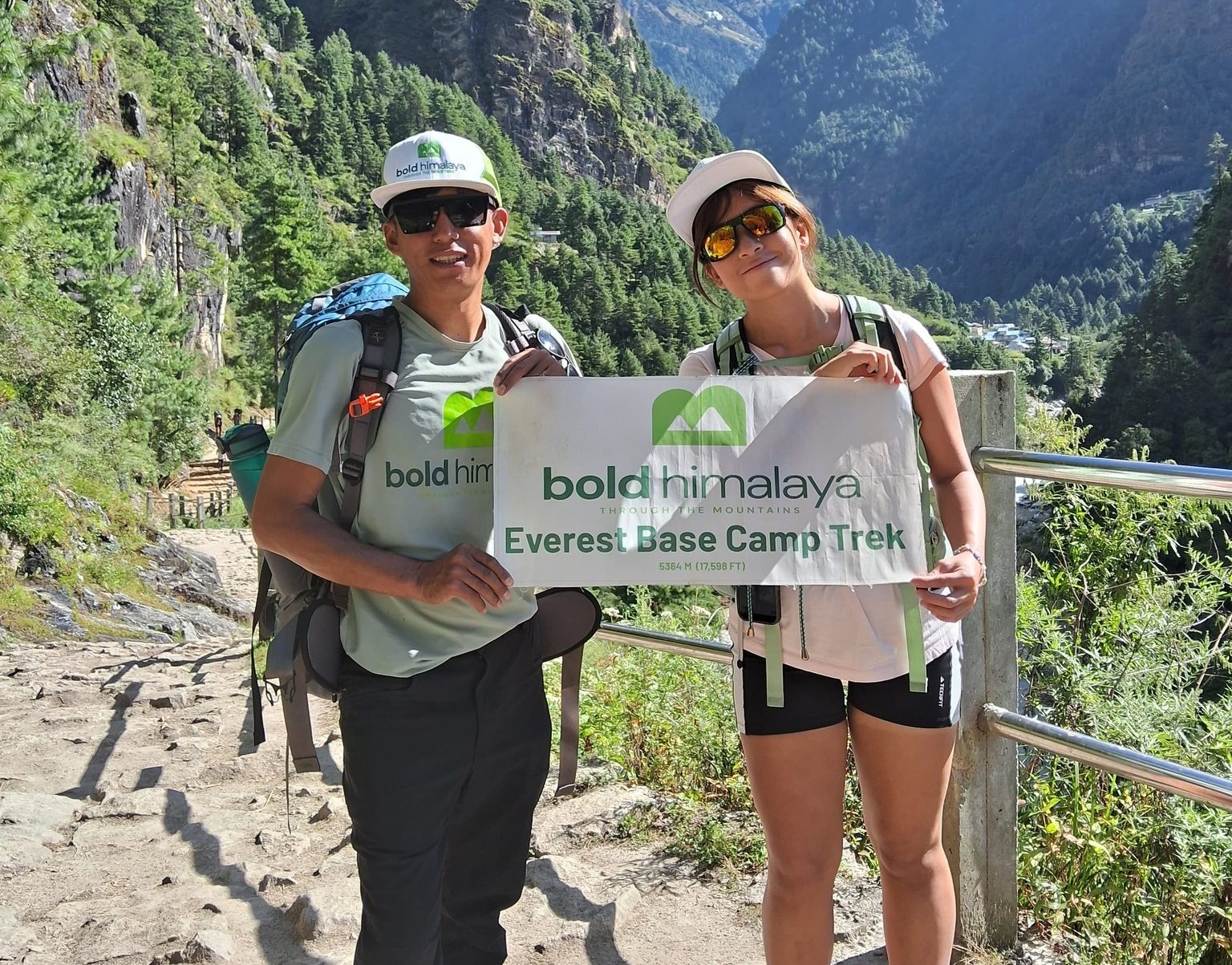
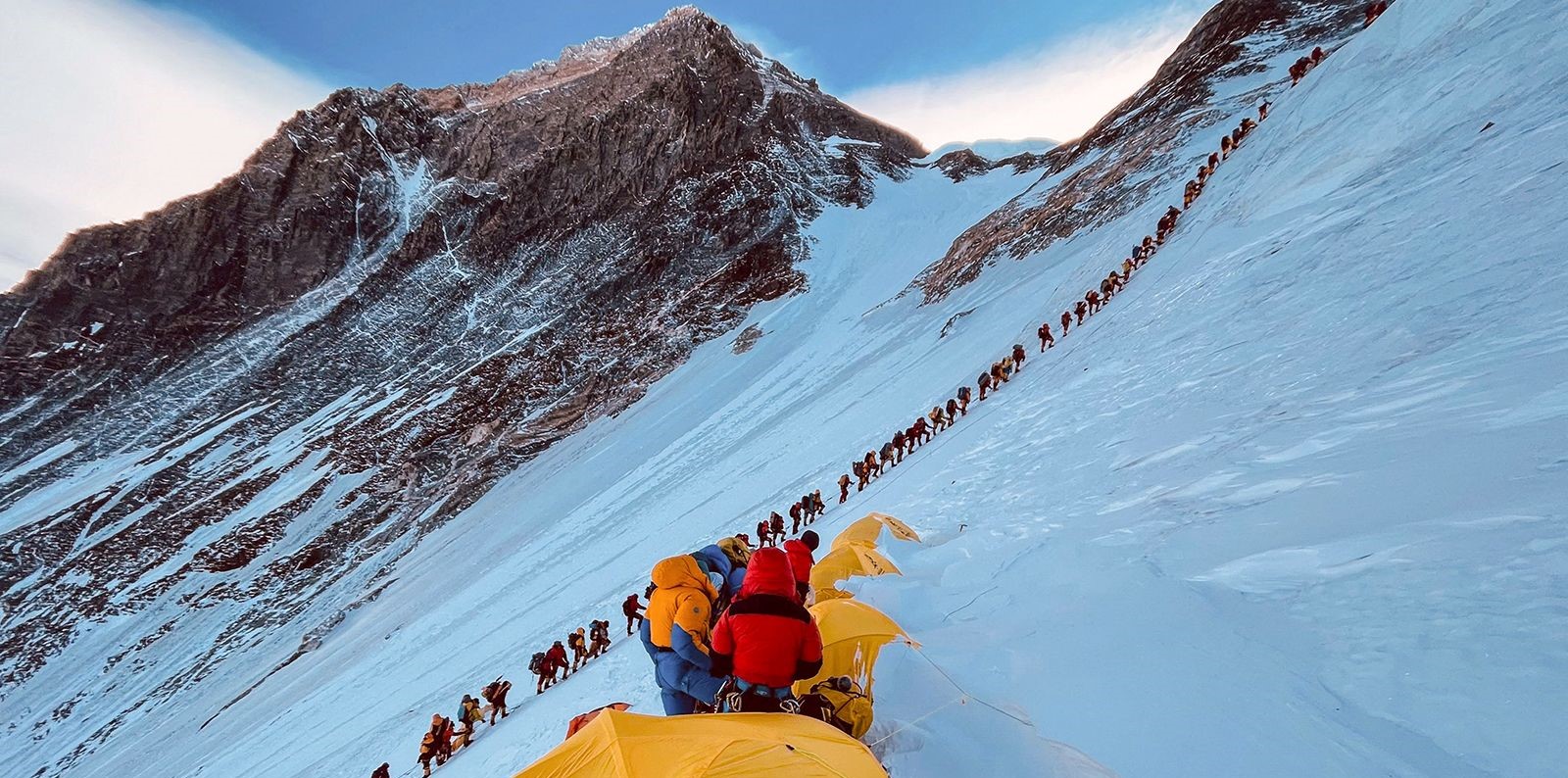
Everest Base Camp is one of the most adventurous trekking trails in the Everest region of Nepal. Lukla is both the starting and ending point of this trek. The highest point of this trek is Kalapatthar at an altitude of 5,550 meters.
World’s highest-altitude town is Namche, World’s highest-altitude Hotel Is Everest View Hotel, and World’s highest mountain ‘Mt. Everest (8848.86m) is situated in this area.
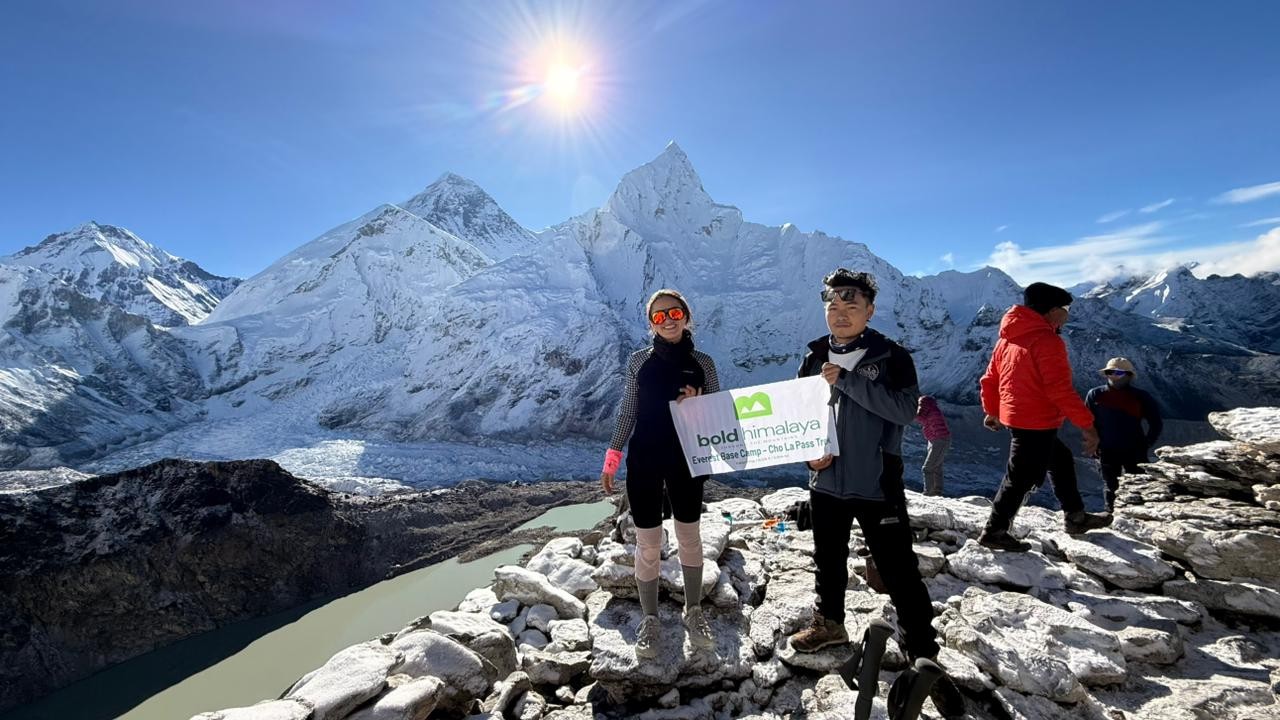
The trek offers beautiful landscapes, dominating mountains like Mt. Everest, Cho Oyu, Lhotse, Ama Dablam, and different lakes and glaciers, as well as the trail passes through the dense forest within Sagarmatha National Park. February to June and September to December are the best times to visit, and accommodation is in Teahouses or lodges.
Highlights of the Everest Base Camp Trek
- Duration: 12-14 days Trek
- Route length: 130km/80mi
- Grade: Moderate to Difficult
- Maximum Altitude: 5550m (Kalapathter)
- Expandable Trek: Everest Three Pass, Cho La Pass, Gokyo Lake
Annapurna Base Camp Trek
The Annapurna Base Camp Trek is one of the most classic treks situated in the heart of the Annapurna region. This region presents a perfect blend of natural beauty, culture, and adventure. The trek takes you through terraced farmlands and traditional Gurung and Magar villages, providing a very unique insight into rural Nepali life.
The trail passes through alpine meadows offering stunning views of towering peaks, including Annapurna South, Machapuchare, and Hiunchuli. The trek is moderate in difficulty. Spring and Autumn seasons are the best seasons, and the ABC trek rewards adventurers with stunning panoramic views, serene mountain landscapes, and an unforgettable sense.
Highlights of Annapurna Base Camp Trek
- Duration: 7-10 Days (can extend to 14 days with Poon Hill or slow pace)
- Route Length: Approximately 110 km / 68 miles
- Grade: Moderate
- Maximum Altitude: 4,130 m (13,550 ft) at Annapurna Base Camp
Kangchenjunga Base Camp Trek
Kanchenjunga Base Camp Trek is considered a super holiday trek in the lap of the world’s third-highest and second-highest peaks of Nepal, Mt. Kanchenjunga (8,586 meters). This trek is situated in the Sikkim Himalayas area, and its base camp is at an elevation of 5143 meters, which is the highest point of this trek.
The trail passes through the lush rhododendron forest, chestnut, and oak forest, offering panoramic views of massive mountain peaks such as Lhotse, Makalu, Everest, and, of course, Kanchenjunga.
Taplejung is both the starting and ending point of this trek. The whole trekking area lies within the Kanchenjunga conservation area, and Rai, Sherpa, Limbu, and Gurung are the major ethnic groups of this trek.
Highlights of Kangchenjunga Base Camp Trek
- Duration: 20–26 Days (depending on whether you visit both North & South Base Camps)
- Route Length: Approximately 200-220 km / 125-137 miles
- Grade: Difficult
- Maximum Altitude: 5,143 m (16,873 ft) at Pangpema- North Base Camp
( South Base Camp reaches about 4,610 m / 15,124 ft )
Dhaulagiri Base Camp Trek
Among the most spectacular and challenging adventures, trekking in Nepal on the Dhaulagiri Base Camp Trek takes you deep into a remote world of towering peaks, glaciers, and rugged high-altitude terrain. The trek circles the massive Dhaulagiri range, taking you to the base camp at about 4,750 meters with dramatic views of Dhaulagiri I, the seventh-highest mountain in the world.
This 16–20-day-long journey takes one through traditional villages, thick forests, and steep gorges to the breathtaking ice fields. The trek is best done in March to May and September to November because of its demanding nature and high mountain conditions, and this is a period when the weather is stable, and the views are at their clearest.
Highlights of Dhaulagiri Base Camp Trek
- Duration: 16–20 Days Trek
- Route Length: Approximately 140 km / 87 miles
- Grade: Difficult (long walking days, high altitude)
- Maximum Altitude: 4,750 m (15,584 ft)
Manaslu Base Camp Trek
The Manaslu Base Camp Trek is a highly rewarding trip for trekkers in search of remote and authentic trekking in Nepal. This scenic journey takes one through diverse landscapes, traditional Gurung, and Tibetan-influenced villages with dense forests, up to towering Mount Manaslu. The trail gives mountain scenery, serenity, and a mix of culture and nature that is still untouched, unlike other popular routes. Ideal for trekkers seeking solitude and Himalayan majesty, the trek is a true wilderness adventure.
Highlights of Manaslu Base Camp Trek
- Duration: 12-14 days
- Route Length: Approximately 130 km / 80 miles
- Grade: Moderate to Difficult
- Maximum Altitude: 4,800 m / 15,748 ft)
Makalu Base Camp Trek
The Makalu Base Camp Trek is one of the most remote and rewarding adventures for those seeking authentic trekking in Nepal. This challenging journey takes you deep into the Makalu-Barun National Park, a region known for its dramatic landscapes, towering cliffs, lush forests, and rare wildlife.
The trail leads you to the base of Mount Makalu, the world’s fifth-highest peak, offering spectacular views and a true sense of wilderness far away from the crowded trekking routes. This trek is ideal for experienced trekkers. The Makalu Base Camp Trek provides an exceptional combination of raw nature, solitude, and high-altitude Himalayan beauty.
Highlights of Makalu Base Camp Trek
Duration: 20-22 days
Route Length: Approximately 150 km/ 93 miles
Grade: Difficult
Maximum Altitude: 5,250 m (Makalu Base Camp)
Popular high passes in Nepal
1. Kongma La Pass (5,545 m)
This is the highest pass among the Everest Three Passes. Kongma La presents a rugged trail with stunning views of Ama Dablam, Makalu, and the Khumbu Glacier. It is considered the most challenging due to its steep climbs and long walking hours.
2. Cho La Pass (5,420 m)
Cho La connects the classic Everest Base Camp route with the Gokyo Valley. This pass crosses glacier walking, rocky trails, and steep uphill slopes, which makes it an exciting challenge for adventure lovers seeking more than just the regular EBC trek.
3. Renjo La Pass (5,360 m)
Renjo La is known for one of the best panoramic views of Mount Everest, Lhotse, Nuptse, and Makalu. This pass is less crowded than others in the region that combine adventure with peaceful mountain beauty.
4. Thorong La Pass (5,416 m)
Thorong La is one of the highest and most famous trekking passes in the world, which is located on the Annapurna Circuit. This pass presents beautiful views of the Annapurna and Dhaulagiri ranges and connects the Manang and Mustang regions. It is challenging but achievable for trekkers with good acclimatisation.
5. Larke La Pass (5,160 m)
Larke La is the highlight of the Manaslu Circuit Trek, which is known for its dramatic landscapes and remote Himalayan scenery. The climb to the pass is steep and demanding, but the reward is panoramic views of Manaslu, Annapurna II, Himlung, and Cheo Himal.
Easy to Moderate Route Treks in Nepal
1. Ghorepani Poon Hill Trek:
One of the most popular short and easy treks, Poon Hill rewards trekkers with breathtaking sunrise views over the Annapurna and Dhaulagiri ranges. In this trek, there are clearly visible trails, comfortable teahouses, and moderate elevation, which makes it ideal for first-time trekkers.
2. Langtang Valley Trek:
The Langtang Valley Trek is one of the most beautiful and culturally rich trekking routes in Nepal, which is known for its close mountain views, diverse landscapes, and the warm hospitality of the Tamang people. Though slightly longer, this is gradual and suitable for trekkers with basic fitness.
3. Mardi Himal Trek:
The Mardi Himal Trek leads you through peaceful forests and ridge trails to viewpoints that offer spectacular sights of Machhapuchhre and Annapurna peaks. It’s quieter than Annapurna Base Camp, with manageable daily walking hours.
4. Rara lake:
Rara Lake is the largest lake in Nepal. This lake offers you one of the most peaceful trekking experiences. The trail is gentle and passes through pine forests, traditional villages, and scenic viewpoints that lead to the vibrant blue lake.
5. Helambu Trek:
The Helambu Trek is known for its gentle trails, pleasant climate, and culturally rich villages of the Helambu people. This trek is close to Kathmandu. Its lower altitude makes it a safe choice for trekkers of all ages.
6. Panch Pokhari Trek:
Panch Pokhari is a sacred lake that is located in the northeast of Kathmandu. This trek features five beautiful sacred lakes surrounded by rolling hills. The trek is less crowded and manageable for trekkers seeking an off-the-beaten-path lake experience.
7. Gosaikunda Lake Trek:
This trek leads to the sacred alpine lake of Gosaikunda, surrounded by rugged mountains and dramatic landscapes. It requires some steady uphill climbing but rewards trekkers with incredible Himalayan views and spiritual significance.
If anyone is interested in any trekking in Nepal, feel free to contact us at Mobile +977 9849615880 24/7 Available on WhatsApp, Viber, Line, or WeChat.
Tricks for perfect trekking in Nepal
When trekkers are in the mighty Himalayas, safety with full enjoyment is the major priority. All the trekkers want to make an excellent trek. Here are some tips to make a safe and excellent trek.
- Trek is in its best season
- Stay updated with the weather
- Avoid smoke and alcohol while ascending
- Stay hydrated and warm
- Trek slowly & climb high, sleep low
- Respect local culture and customs
- Follow the local rules and regulations
- Eat high-energy, hygienic, and fresh food
- Leave no trace
- Trek with the local guide and porter
- Carry first aid kits and medications
- A minimum of 1-2 extra days is recommended except for trekking days, if a sudden incident happens, like rainfall, bad weather for flight, strikes, or sickness.
Check out the related articles that give details about advice and tips for a perfect and successful trek in Nepal.
Guide and porter for Trekking in Nepal
The guide and porter will both be like family members throughout the trek. The guide will make sure that your journey becomes comfortable and guide you, where porters will carry your bags, and pack them on the journey. The guide will show you the right trail and provide you with all the major information about the Himalayas, villages, local culture, lifestyle, environment, flora, and fauna.
Bold Himalaya Travels and Trek is a leading trekking operator of Nepal, authorised by the Nepal Government, the Ministry of Nepal Tourism.
We provide an experienced trekking guide who has been authorised a guiding license from the Ministry of Nepal Tourism. The price for a hiring guide is US$25-30, and the porter is US$20-25 per day, depending on trekking routes.
Hiring a Trekking Guide in Nepal
Feel free to Contact Us for a Guide and Porter for any trekking in Nepal. Nepal Mobile +977 9849615880 24/7 Available on WhatsApp, Viber, Line, or WeChat.
Packing List for Nepal Trekking
All the trekking clothes and equipment are easily available in Thamel, Kathmandu. Most of the shops provide buy and sell facilities for trekking gear. The packing lists for trekking in Nepal are given below:
| Category | Items |
|---|---|
| Travel Document | (Visa, Passport, Trekking area permit, TIMS Card) and Cash |
| Bodywear / Innerwear | Medications, First Aid Kit, Sunscreen, Lip Balm, Hand Sanitiser, Wet Wipes/Baby Wipes |
| Footwear | Hiking Socks, Hiking Boots, Gaiters (for winter only) |
| Bags & Carry | Duffle Bag (size depending on duration of trekking), Day Backpack (30–35L), Backpack Cover (optional), Dry Bag |
| Sleeping Gear | Sleeping Bag (-5°C to -20°C depending on location and season), Sleeping Bag Liner (optional) |
| Trekking Accessories | Trekking Poles (collapsible), Micro Spikes (for winter), Brimmed Hat or Sun Cap, Bandana or Head Scarf, Warm Knit Hat, Balaclava or Neck Gaiter, Headlamps, Sunglasses or Goggles, Panchu (Rain Gear) |
| Hydration & Food | Water Bottle, Electrolytes |
| Toiletries / Hygiene | Toothbrush/Toothpaste, Nail Clipper, Toilet Paper, Travel-sized Shampoo, Skincare Items, Female Hygiene Items (Tampons and Sanitary Pads), Quick-drying Towels |
| Health & First Aid | Medications, First Aid Kit, Sunscreen, Lip Balm, Hand Sanitizer, Wet Wipes/Baby Wipes |
| Entertainment / Miscellaneous | Books and Diary, Games (chess, ludo, playing cards), Portable Charger / Travel Adapter |
The packing list may vary depending on when, where, and how many days you go.
Nepal Visa Information
While you are travelling by air, Tribhuvan International Airport and Gautam Buddha International Airport are the international airports in Nepal. The immigration office, TIA, GBIT, under the Department of Immigration, has been facilitating tourists flying to Nepal by providing a visa on arrival.
If you have obtained a visa from Nepalese Diplomatic Missions, then you must enter Nepal within six months from the visa-issued date. The visa policy of Nepal is relatively liberal, allowing citizens of almost all nations to obtain a tourist visa on arrival.
According to the law of Nepal, citizens of all countries except India require a visa to enter Nepal. Travellers can enter Nepal by land; there are many entry points where most of the country's citizens can get an arrival tourist visa in Nepal. Tourists can get visas for 15, 30, and 90 days.
The authorised link for Nepal Visa ➜ https://www.immigration.gov.np/page/tourist-visa
On-Arrival Tourist Visa Fee at Entry Points
15 Days – 30 USD
30 Days – 50 USD
90 Days – 125 USD
Tourist can extend their visa for a minimum of 15 days with USD 45, which is USD 3 per day for additional days.
Trekking in Nepal Frequently Asked Questions
1. How much cost of trekking in Nepal?
The overall cost of trekking in Nepal depends on the type of experience you choose, whether you prefer a low-budget adventure or a more luxurious trekking style. Budget trekkers can keep expenses relatively affordable with simple accommodations and basic meals, while those seeking comfort, premium lodges, and personalised services will naturally pay more. On average, the cost of trekking in Nepal ranges from US$70 to US$250 per day, depending on the trekking region, itinerary, and level of service you select.
2. Which trek lies in the Himalayan rain shadow?
In Nepal, there are some trekking area that lies in the Himalayan rain shadow (Behind high mountains). These trekking areas are Dolpo and Mustang. There are a few more different trekking routes too.
3. Why is Nepal the best country for trekking?
Nepal is the most adventurous country in the world. Eight tallest mountains in the world, out of 14 which are above 8000 meters, lie in Nepal, including other mountains below 8000 meters.
These mountains with their base camps, high passes, and beautiful landscapes can be reached only on foot. Lush rhododendron forest around the trail, biodiversity including species of flora and fauna, snow-capped mountains, remote villages and valleys, cultural diversity, and behaviour of Nepali treating guests along with comfortable accommodation and local foods, make the country Nepal the best country for trekking.
4. How difficult is trekking in Nepal?
The difficulty of Nepal trekking varies with the different trekking routes of Nepal. The trekking route in Nepal ranges from an easy to a strenuous one. Some trekking trails are easier and shorter, whereas some trekking trails are longer and more strenuous.
Most of the trekking trails are graded as moderate types of trekking routes. In conclusion, lower-altitude trekking is comparatively easy. The physically fit trekkers with proper acclimatisation can complete high-altitude treks. Overall, we can say Trekking in Nepal is neither easy nor difficult.
5. Is Nepal Trekking worth it?
Trekking Tourism in Nepal has become very popular over the past few decades. With lots of panoramic mountains and majestic views, Nepal has offered amazing trekking sites for tourists.
Trekking in Nepal is worth it. The high Himalayas, great hospitality by local people, diverse landscape, unique cultural heritage of Nepal, delicious local food, and the beauty of nature can only be experienced during trekking in Nepal.
The trail through the alpine dense forest and rhododendron forest, different conservation areas, and a National park with a huge diversity of flora and fauna, panoramic views of the white mountains from 6000m to 8848.86 meters, will make the Nepal trekking worth it indeed.
6. Is Nepal safe for trekking?
Trekking in Nepal is safe because of the good hospitality and friendly environment of the local people. The people of Nepal treat themselves as god to foreigners and show a relationship of brotherhood. Nepal is a peaceful country, and there is zero risk of conflicts or terrorism. Therefore, Nepal is safe for trekking in a peaceful environment, along with local people.
7. What documents are needed for trekking in Nepal?
The documents required for trekking in Nepal are a Visa, a Passport, a Few passport-sized photos, insurance papers, depending on the agency and the place where you are trekking, and a special permit for the restricted areas through the registered company from the government of Nepal.
Restricted areas like Manaslu, Upper Mustang, Upper Dolpo, and Kanchenjunga require a special permit from RAP (Restricted Area Permit), but a TIMS card is not required for trekking in restricted areas.
8. What are the popular treks in Nepal for beginners?
Nepal has lots of options for trekking with great Himalayan views and landscapes. High-altitude trekking may not be suitable for beginners because they might suffer from high-altitude sickness due to a lack of experience and air pressure in trekking.
Some popular treks for beginners are the Ghale Gaun-Bhujhung trek, Ghandruk Village Trek, Sikles village trek, the Panchase trek, the Langtang Valley trek, Royal Trek, the Dhampush village trek, and the Ghorepani Trek. These are popular treks for beginners with panoramic views of the Himalayan ranges without reaching high altitudes.
9. How many trekking packages are offered in Nepal?
Based on the altitudes, some trekking is easy, moderate, and strenuous, respectively. Some trekking areas require 2 to 3 days, while the longest trekking route requires up to 90 days. The trails pass through the north side or south side for some trekking areas, where some major destinations can be reached through both the north side and the south side.
Altogether, more than hundreds of trekking packages are offered in Nepal with stunning mountain views and lush vegetation in all of the trekking sites.
10. What is the high trekking in Nepal?
The high trekking in Nepal is a trekking site that goes up to an altitude of more than 5000 meters, and these trails are only considered for physically prepared trekkers.
Everest Base Camp, Everest Three Passes Trek, Gokyo Ri Trek, Annapurna Circuit Trek, Manaslu Circuit Trek, Kanchenjunga Base Camp Trek, and Dhaulagiri Circuit Trek are some of the considered high treks of Nepal.
Comments (0)
Write a comment- Reasons to do Trekking in Nepal
- Home of the eight world’s highest peaks
- Beginner-friendly treks in Nepal
- Wide variety of trekking options
- Reasonable cost for trekking in Nepal
- Fascinating cultures and traditions
- Friendly locals
- Safety of Nepal
- Pristine lakes
- Comfortable Accommodation
- Great local food along the way
- Best Time to Trek in Nepal
- Autumn season:
- Spring season:
- Winter season:
- Monsoon season:
- Types of trekking in Nepal according to accommodation
- 1. Tea House trekking:
- 2. Camping trekking:
- 3. Luxury trekking:
- Restricted and Non-restricted Trekking Area in Nepal
- Restricted Area:
- Non-restricted Area:
- Facilities in Nepal Trekking
- Available Foods in Nepal Trekking
- Transportation for Trekking in Nepal
- Water Facility in Nepal Trekking
- Electricity Facility for Trekking Nepal
- Internet or mobile networks in Nepal Trekking
- Trekking in Nepal with a Guide and Without a Guide
- Popular Nepal Trekking Packages
- Popular base camps in Nepal
- Everest Base Camp Trek
- Annapurna Base Camp Trek
- Kangchenjunga Base Camp Trek
- Dhaulagiri Base Camp Trek
- Manaslu Base Camp Trek
- Makalu Base Camp Trek
- Popular high passes in Nepal
- 1. Kongma La Pass (5,545 m)
- 2. Cho La Pass (5,420 m)
- 3. Renjo La Pass (5,360 m)
- 4. Thorong La Pass (5,416 m)
- 5. Larke La Pass (5,160 m)
- Easy to Moderate Route Treks in Nepal
- 1. Ghorepani Poon Hill Trek:
- 2. Langtang Valley Trek:
- 3. Mardi Himal Trek:
- 4. Rara lake:
- 5. Helambu Trek:
- 6. Panch Pokhari Trek:
- 7. Gosaikunda Lake Trek:
- Tricks for perfect trekking in Nepal
- Guide and porter for Trekking in Nepal
- Packing List for Nepal Trekking
- Nepal Visa Information
- Trekking in Nepal Frequently Asked Questions
- 1. How much cost of trekking in Nepal?
- 2. Which trek lies in the Himalayan rain shadow?
- 3. Why is Nepal the best country for trekking?
- 4. How difficult is trekking in Nepal?
- 5. Is Nepal Trekking worth it?
- 6. Is Nepal safe for trekking?
- 7. What documents are needed for trekking in Nepal?
- 8. What are the popular treks in Nepal for beginners?
- 9. How many trekking packages are offered in Nepal?
- 10. What is the high trekking in Nepal?
Read the latest Blogs & Insights
Explore our collection of articles and insights to gain in-depth travel knowledge, expert advice, and stay updated on the latest trends and tips.


No comments yet.