



Best Treks in Nepal

-
 Sobit Bhandari
 -
20 December, 2024
-
65 mins read
-
2445 Views
-
0 Comments


The best treks in Nepal are world-renowned for their breathtaking Himalayan views, diverse landscapes, and rich cultural experiences. When it comes to trekking in Nepal, few countries on earth can match the variety Nepal offers, from gentle hillside trails to extreme high-altitude expeditions. Nestled between the world’s tallest peaks, including Everest, Lhotse, and Kanchenjunga, Nepal stands as the ultimate destination for trekkers, backpackers, and mountain lovers.
Choosing the best trekking route in Nepal can be challenging, especially with so many stunning trails to explore. The ideal trek depends on duration, difficulty, altitude, cost, fitness level, scenery preference, and the kind of experience you want: cultural, adventurous, spiritual, or off-the-beaten-path. There is no single perfect trek, but there is a perfect trek for you.
In this guide, we have listed the best treks in Nepal (short, moderate, difficult, popular, and remote treks) to help you choose the right one for your next adventure. Each trek includes route highlights, best seasons, difficulty, and reasons to choose it, making this one of the most comprehensive Nepal trekking options.
Why Trekking in Nepal?
Trekking in Nepal is renowned worldwide for its dramatic Himalayan scenery, welcoming communities, and ecological richness. You’ll walk among soaring peaks, rhododendron forests, glacial lakes, suspension bridges, and ancient monasteries while experiencing the hospitality of Sherpa, Tamang, Gurung, and Magar communities.
What Makes Nepal a Top Trekking Destination?
Nepal is undeniably one of the best trekking destinations in the world, and every step through its Himalayan trails feels like walking inside a living postcard. With dramatic landscapes, towering snow peaks, timeless culture, and trails suited for beginners to pros, trekking in Nepal offers an experience that stays in the heart long after the journey ends.
1. Home to Breathtaking, Gigantic Mountains
Nepal proudly hosts 8 of the world’s 14 highest mountains, including the majestic Mount Everest (8,848.86m). This alone makes Nepal a dream for adventure lovers. Trekkers are rewarded with panoramic views of Himalayan giants, deep valleys, glaciers, and golden sunrises that paint snow peaks in warm light. Few places on Earth can match this raw, awe-striking beauty.
2. A Journey Through Culture & Spiritual History
Trekking in Nepal isn’t just about mountains; it’s also about a cultural experience. Trails lead to ancient monasteries, Sherpa villages, centuries-old temples, and sacred landmarks. Along the way, trekkers witness prayer flags fluttering in the wind, spinning prayer wheels, and the spiritual calm of Buddhism and Hinduism. Every route tells a story not just through nature, but through people.
3. Wildlife Encounters in the Himalayas
Nepal’s trekking regions are rich in biodiversity. You may spot the rare Snow Leopard, Red Panda, Himalayan Tahr, musk deer, and vibrant birds gliding across the sky. Nature here feels untouched, wild yet welcoming, making every trek feel like stepping into a true wilderness.
4. A Trek for Every Dream & Experience Level
Whether you want a week-long peaceful escape or a challenging high-altitude expedition, Nepal has it all. From short and scenic treks like Ghorepani Poon Hill to demanding ventures like Everest Base Camp and Manaslu Circuit, the country offers short, moderate, and advanced trekking routes, making it perfect for first-timers and experts alike.
5. Unique Teahouse Trekking Experience
Few countries offer teahouse trekking like Nepal. Instead of tents and heavy gear, trekkers stay in warm mountain lodges, enjoy home-cooked meals, share stories by the fire, and sleep each night comfortably. This hospitality makes the journey easier, more cultural, and beautifully human.
6. Peace, Silence & True Escape
The Himalayas are a sanctuary, silent, vast, and grounding. Trekking in Nepal lets you leave behind crowded cities, deadlines, and noise. Up here, the only distractions are fluttering prayer flags, rustling pines, waterfalls, and the sound of your own breath. It’s not just a trek, it’s therapy.
While Trekking in Nepal, check on Tips and advice for successful adventurous trekking activities.
Why Nepal Stands Out?
| What Nepal Offers | Why It Matters |
|---|---|
| 8 of the world’s highest mountains | A true Himalayan experience |
| Easy to difficult trekking routes | Perfect for all skill levels |
| Rich culture & ethnic diversity | More than trekking — deep connection |
| Teahouse-based trails | No tents needed, comfortable lodging |
| Many off-beat remote trails | Peace, authenticity & exploration |
A Brief Look at Nepal’s Trekking Culture
The culture of Nepal’s trekking began in the 1960s when explorers first entered the Himalayas, and over time, it evolved into a global adventure phenomenon. Tea-house trekking made routes more accessible, yet the heart of the experience remains unchanged: mountains, people, simplicity, and connection.
When trekking, you don’t just walk, you live a story.
You meet locals, learn traditions, taste authentic food, hike past mani walls, prayer wheels, yak caravans, and vibrant monasteries. Every trail brings you closer to nature and the culture that defines the Himalayas.
Best Time for Treks in Nepal
The best time for trekking in Nepal depends on the region you plan to visit and your personal preferences. Generally, Autumn (September to November) and Spring (March to May) are considered peak trekking seasons in Nepal. The weather is stable with clear skies and mild temperatures, providing excellent visibility for mountain views and photography. The flora and fauna are in full bloom, making the landscapes vibrant and colorful.
Monsoon season (June to August) is the least recommended time for trekking in Nepal due to heavy rains and landslides during monsoon; however, Upper Mustang and Upper Dolpo trekking are perfect for trekking. Trekking is possible in lower altitudes, and high-altitude treks may be inaccessible due to snowfall during the winter season, which can make the trails challenging and unsafe.
Top Popular Trekking Routes in Nepal
1. Everest Base Camp Trek
| Details | Information |
|---|---|
| Total Distance | ~130 km (Lukla ⇢ EBC ⇢ Lukla) |
| Duration | 12–15 Days |
| Difficulty Level | Challenging & Strenuous |
| Max Elevation | 5,555m – Kala Patthar Viewpoint |
| Start/End Point | Lukla |
| Best Season | Feb–Jun & Sep–Dec |
| Accommodation Type | Tea-House & Lodge |
| Major Highlights | Namche Bazaar, Tengboche Monastery, Sagarmatha National Park, Khumbu Glacier, Kala Patthar, Sherpa Culture, Everest Viewpoints |
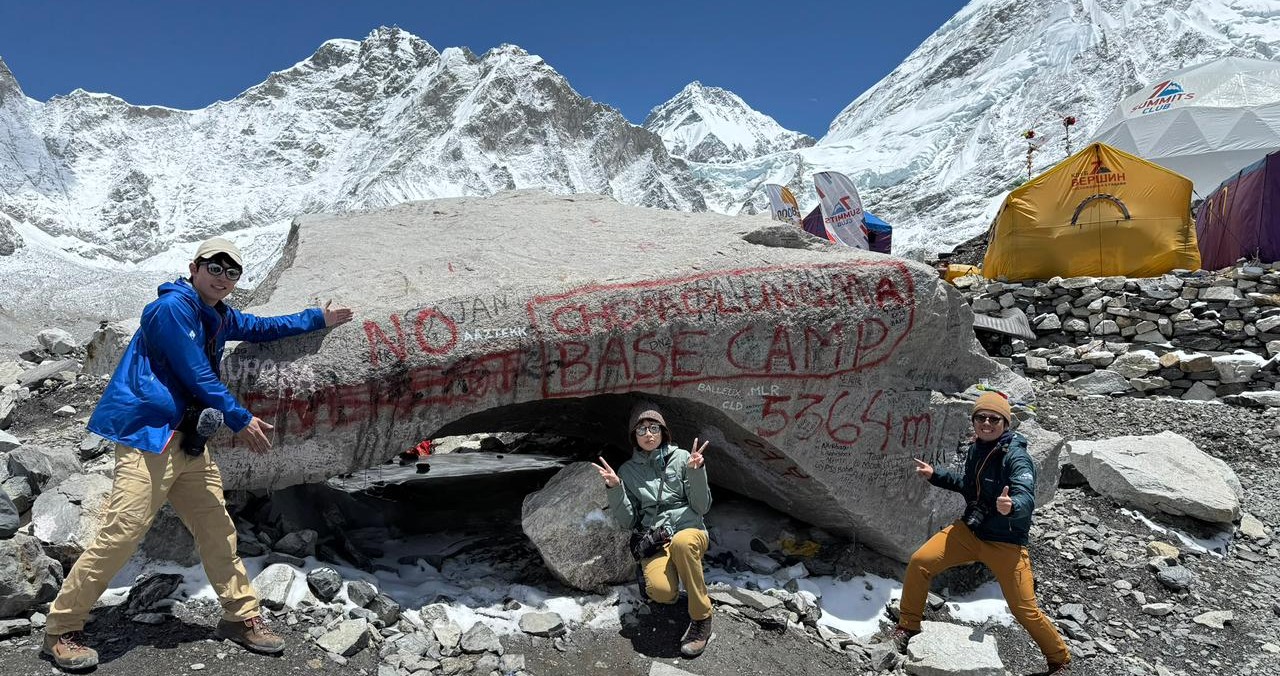
Why the Everest Base Camp Trek is One of the Best Treks in Nepal?
The Everest Base Camp Trek is more than just a trail; it is a dream that thousands of trekkers carry in their hearts. This trek takes you deep into the Himalayas, beneath the shadow of Mount Everest (8,848.86m), letting you walk the same path taken by legendary climbers. From the very first step in Bow to the moment you stand beneath Everest’s towering south face, every day feels like a page from a story you never want to end.
- Colorful prayer flags wave above stone-walled Sherpa villages.
- Yaks pass gently along narrow alpine trails.
- Monasteries echo with chants and burning incense.
- The cold glacial winds carry the voice of the mountains.
This is not just trekking, this is a life experience.
During the Everest Base Camp trek, challenges include high altitudes and ever-changing weather conditions. Adequate acclimatization and proper gear are essential. Teahouse lodges provide accommodation, and permits (Sagarmatha National Park Permit and Khumbu Pasang Lhamu Municipality Entry Permit) are required. The best times to embark on this trek are spring and autumn, ensuring clear skies and comfortable temperatures, making the Everest Base Camp Trek an unforgettable adventure for trekkers worldwide.
Reasons to do the Everest Base Camp Trek
- The magnificent view of the world’s highest peak, Mt. Everest (8848.86m).
- Spectacular view of other mountains like Mt. Lhotse, Mt. Cho Oyu, and Mt. Makalu.
- Prayer wheels, colorful flags, Mani stones, and a high Suspension bridge.
- Explore Sagarmatha National Park and its wide range of flora and fauna.
- Chance to explore the culture and lifestyle of the local Sherpa people.
- An ancient monastery in Tengboche, and an amazing panoramic view from Kalapatthar.
- Great Hospitality by the local Sherpa People and a mesmerizing lifetime experience at the Everest Base Camp trek.
2. Annapurna Circuit Trek
| Detail | Information |
|---|---|
| Route Length | ~260 km (Besisahar ⇢ Jomsom) |
| Duration | 14–17 Days |
| Difficulty | Easy → Strenuous (varies by section) |
| Maximum Elevation | 5,416m / 17,769ft – Thorong La Pass |
| Starting & Ending Points | Besisahar / Jomsom |
| Best Time for Trekking | Feb–Jun & Sep–Dec |
| Accommodation | Tea Houses, Local Lodges, Hotels |
| Major Attractions | Thorong La Pass, Deep Gorges, Hot Springs, Old Buddhist & Hindu Temples, Charming Farming Villages, Annapurna & Dhaulagiri Massif, Machhapuchhre, Nilgiri, Hiunchuli, Tukuche Peak, Chulu West & East, Lamjung Himal |
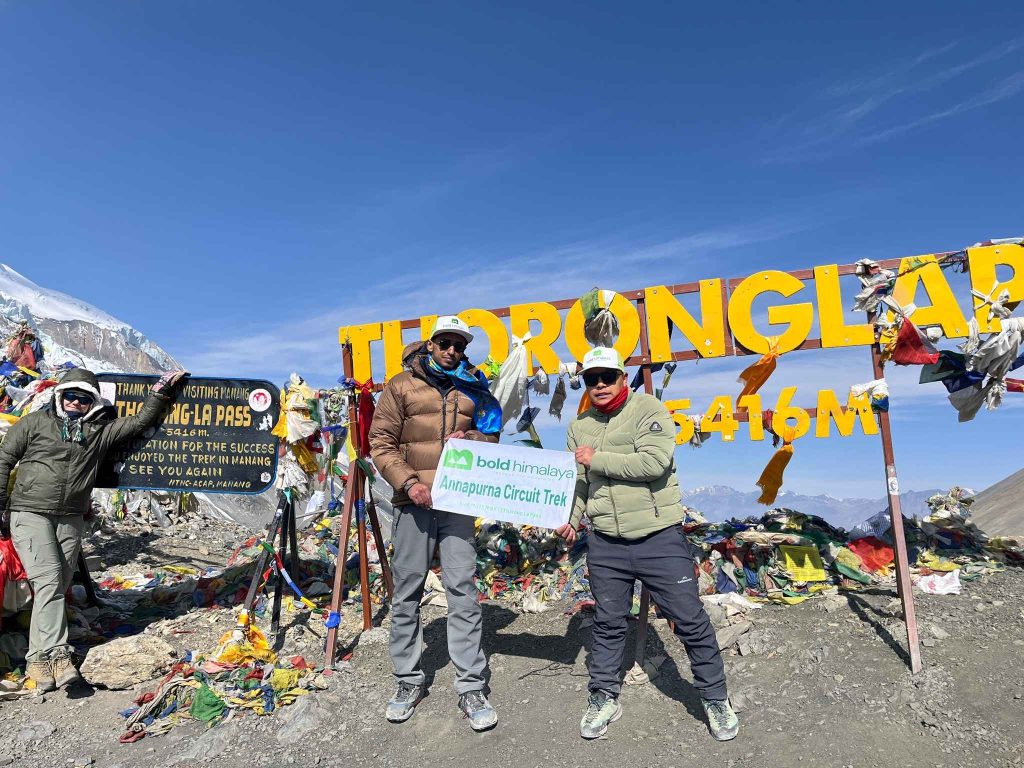
Why the Annapurna Circuit Trek is One of the Best Treks in Nepal?
The Annapurna Circuit Trek is a legendary adventure that takes trekkers through the diverse landscapes of central Nepal. Over 14–17 days, this trail circles the Annapurna Massif, passing subtropical forests, terraced fields, sparkling rivers, remote villages, and high-altitude deserts. Each day offers something new, whether it’s a gentle forest path, a roaring canyon, or a sun-drenched mountain pass.
At the heart of the trek is Thorong La Pass (5,416m), one of the highest trekking passes in the world. From here, panoramic views of peaks such as Annapurna I and II stretch across the horizon. It’s an unforgettable moment, standing above the clouds with the Himalayas laid bare before you.
Along the way, trekkers experience a fascinating cultural journey. Starting from Hindu-influenced lowlands, the trail gradually enters Tibetan-style villages in the north, including Manang and Mustang. Ancient monasteries, local markets, and traditional lodges bring you closer to the region’s unique heritage. Iconic sites like Muktinath Temple, Ice Lake, and Ghyaru enrich the adventure with spiritual and scenic highlights.
Reasons to do the Annapurna Circuit Trek
- Spectacular views of mountains like Annapurna (I, II, and IV), Dhaulagiri, Nilgiri, Machhapuchhre, Tukuche Peak, Chulu West, Chulu East, and Lamjung Himal.
- Explore magnificent lakes, glaciers, deep gorges, and stunning waterfalls.
- Muktinath Temple (a sacred place for both Hindus and Buddhists) is known for its 108 stone faucets and eternal flames.
- The largest monastery in the Manang district is the Barge monastery.
- Stunning view from Ice Lake and Ghyaru.
- Visit the beautiful villages of Manang and Mustang districts, and explore the local culture of Gurung Magar, Thakali, and the traditions of local people.
- The most challenging and popular trekking trail in the world
3. Annapurna Base Camp Trek
The ABC Trek is ideal for adventure enthusiasts, nature lovers, and cultural explorers who want a moderate but rewarding trek in Nepal. It offers spectacular mountain views, cozy teahouses, side excursions, and cultural experiences, making it a complete Himalayan journey in a relatively short timeframe. Spring and Autumn are the best seasons, offering clear skies and pleasant temperatures for the ultimate trekking experience.
Trip Facts – Annapurna Base Camp Trek
| Detail | Information |
|---|---|
| Route Length | ~67 km |
| Duration | 11–14 Days |
| Difficulty | Moderate |
| Maximum Elevation | 4,130 m (Annapurna Base Camp) |
| Starting / Ending Point | Pokhara |
| Best Season | Spring (March–May), Autumn (September–November) |
| Accommodation | Teahouses, Lodges |
| Major Attractions | Annapurna Massif (I–VI), Mt. Machhapuchhre, Mt. Hiunchuli, Traditional Gurung Villages, Annapurna Conservation Area, Natural Hot Springs, Poonhill Viewpoint |
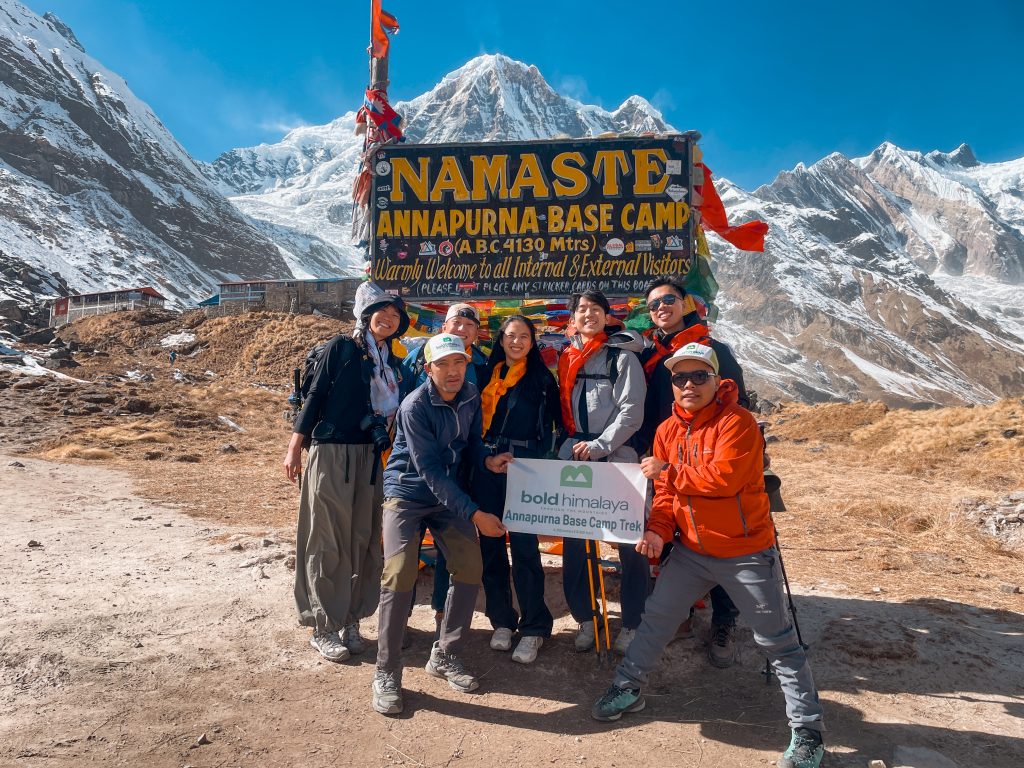
The Annapurna Base Camp (ABC) Trek is one of Nepal’s most popular and breathtaking treks, offering a perfect blend of natural beauty, adventure, and cultural immersion. Over 11–14 days, trekkers start from the serene city of Pokhara and journey through lush rhododendron forests, terraced farmlands, and traditional Gurung and Magar villages, gradually ascending into the Annapurna Sanctuary, a natural amphitheater encircled by towering Himalayan giants.
The trek showcases some of the world’s most iconic peaks, including Annapurna I (8,091m), Annapurna South (7,219m), Machhapuchhre (6,998m), Mt. Hiunchuli (6,441m), Tharpu Chuli (5,663m), Gangapurna (7,454m), and Singu Chuli (6,501m). Along the route, trekkers can experience local culture, taste authentic Nepali cuisine, and enjoy warm hospitality in cozy teahouses. Natural hot springs at Jhinu Danda and the panoramic viewpoint at Poonhill add unique experiences, making the ABC Trek a true Himalayan adventure.
Why Choose Annapurna Base Camp Trek?
- The tenth-highest mountain in the world, Mt. Annapurna, has a height of 8091 meters.
- The majority of the time, walking through marvelous vistas of the Mountains.
- Stunning mountain views of Mt. Annapurna, Annapurna South, Annapurna II, Gangapurna, Tharpu Chuli Peak, and Singu Chuli Peak.
- Annapurna Conservation Area has diverse flora and fauna.
- Side Hiking to Machhapuchhre Base Camp.
- A hot spring in the lap of a mountain.
- A chance to walk with nature and explore the amazing lifestyle and culture of local people.
4. Everest View Trek
The Everest View Trek is one of the most accessible and rewarding treks in Nepal’s Everest region. Perfect for those with limited time, beginners, or families, this trek offers breathtaking mountain vistas, vibrant Sherpa culture, and spiritual highlights.
Starting from Lukla, the trail leads through Namche Bazaar, rhododendron forests, and charming Sherpa villages, culminating at the Tengboche Monastery, perched above the valley with panoramic views of Mount Everest, Lhotse, Nuptse, Ama Dablam, and Cho Oyu. Unlike the full Everest Base Camp Trek, this journey is moderate in difficulty and allows trekkers to experience the Everest region without extreme altitude challenges.
| Detail | Information |
|---|---|
| Route Length | Lukla → Tengboche 27 km; Round Trip 54 km |
| Duration | 5–8 Days |
| Difficulty | Moderate |
| Maximum Elevation | 3,440 m (Namche Bazaar) |
| Highest Point | Tengboche Monastery |
| Starting / Ending Point | Lukla |
| Best Season | March–May, September–February |
| Accommodation | Teahouses / Lodges |
| Major Attractions | Namche Bazaar, Tengboche Monastery, Sherpa Culture, Sagarmatha National Park, Stunning Mountain Views |

Reasons for the Everest View Trek
- Short and Easiest trek to experience Mount Everest
- Scenic flight to Lukla full of mountain views
- UNESCO-listed World Heritage Site, Sagarmatha National Park
- Traverse through the Rhododendron Forest and the Amazing Sherpa villages
- Namche Bazar is the only gateway to Everest.
- Hike to the Everest View Hotel at an elevation of 13,000ft above sea level.
- Observe the view of dominating mountains like Mt. Everest, Mt. Lhotse, Mt. Nuptse, Mt. Cho Oyu, Mt. Ama Dablam, Mt. Thamserku, Mt. Tawache, and Mt. Kusum Kanguru.
5. Ghorepani Poonhill Trek
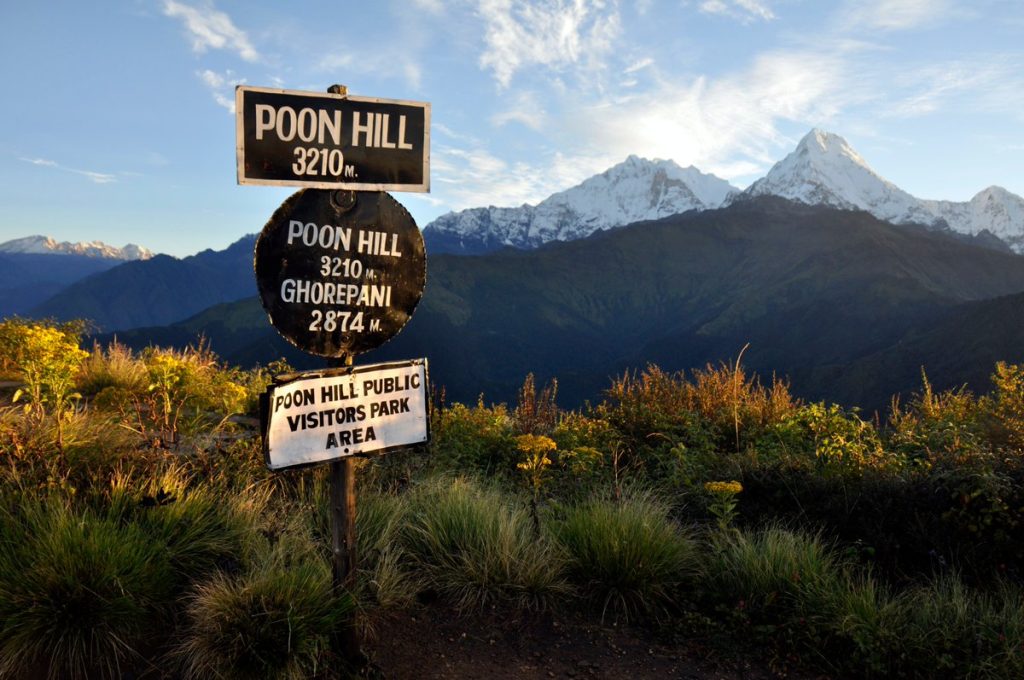
The Ghorepani Poon Hill is one of the most popular short treks in Nepal, ideal for beginners, families, and travelers with limited time. Nestled in the Annapurna region, this trek offers a perfect blend of panoramic mountain views, rich culture, and lush landscapes.
Starting from Nayapul and finishing at Ghandruk, trekkers ascend through rhododendron forests, terraced fields, and charming villages, culminating at Poon Hill (3,210m). From this vantage point, enjoy a breathtaking sunrise over the Annapurna and Dhaulagiri mountain ranges, a highlight that makes this trek famous worldwide. Along the way, you can experience the vibrant culture of Gurung and Magar communities, making it not just a trek but a complete cultural and natural immersion.
| Detail | Information |
|---|---|
| Route Length | Pokhara → Poon Hill 62 km (Round Trip) |
| Duration | 6–9 Days |
| Maximum Elevation | 3,210 m (Poon Hill) |
| Starting / Ending Point | Nayapul → Ghandruk |
| Difficulty | Moderate |
| Mountain Range | Annapurna & Dhaulagiri |
| Accommodation | Teahouses / Lodges |
| Major Attractions | Ghandruk, Tadapani, Ghorepani, Poon Hill, Sunrise & Sunset Views, Gurung & Magar Culture, Museums |
Reason to visit Ghorepani Poonhill:
- Short, easy, budget-friendly, and suitable for all trekkers without any issues of altitude sickness
- Great hospitality by locals with great tea houses.
- Opportunity to witness the magical sunrise and sunset views from Poonhill.
- Experience the cultural heritage of ethnic groups like Gurung and Magars.
- Witness the panoramic views of the massif Himalayas, including Dhaulagiri, Nilgiri, Annapurna I, and Annapurna South.
- A great forest of rhododendrons and lush vegetation makes this place even more beautiful.
- The starting and ending point of the trek is the scenic lake city of Pokhara, with an option to continue towards the Annapurna region.
6. Langtang Valley Trek
The Langtang Valley Trek is a captivating Himalayan adventure in Nepal that combines breathtaking natural beauty with cultural immersion. This trek typically takes around 7-10 days, making it shorter than some other popular treks in Nepal, yet it offers a rich and diverse experience. Starting from Syabrubesi, the trail leads through lush rhododendron forests, picturesque terraced fields, and quaint Tamang villages. Trekkers encounter warm hospitality and unique Tamang culture, with opportunities to visit monasteries and sample local cuisine.
The highlight of the trek is the awe-inspiring Langtang Valley, surrounded by towering snow-capped peaks, including Langtang Lirung. A side trip to Kyanjin Gompa offers stunning panoramic views and a chance to learn about Tibetan Buddhism. Challenges include altitude, so acclimatization is crucial, and proper permits must be obtained. The best times for the Langtang Valley Trek are spring and autumn, when the weather is favorable, making it an excellent choice for those seeking a relatively shorter yet rewarding trekking experience in Nepal.
| Detail | Information |
|---|---|
| Route Length | 38–45 km (depending on the route) |
| Duration | 5–10 Days |
| Maximum Elevation | Kyanjin Gompa 3,800 m / Kyanjin Ri 4,773 m |
| Starting / Ending Point | Syabrubesi |
| Difficulty | Easy to Moderate |
| Best Season | March–June & September–November |
| Accommodation | Teahouses / Lodges |
| Major Attractions | Langtang National Park, Langtang Valley, Kyanjin Gompa, Kyanjin Ri, Tibetan Buddhist Monasteries, Wildlife (Red Panda, Himalayan Thar, Himalayan Black Bear), Pristine Landscapes |
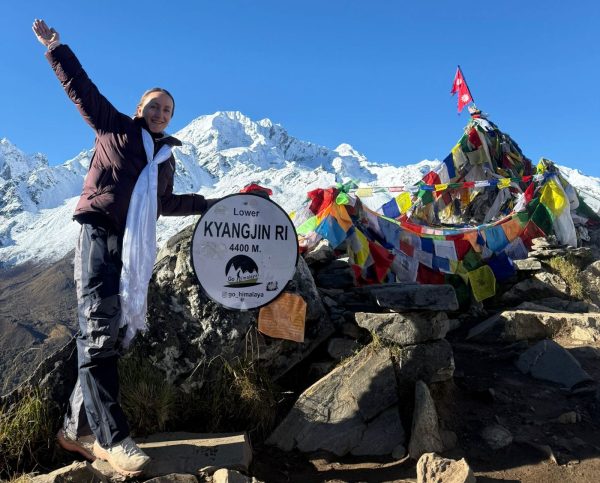
Reason to do the Langtang Valley Trek
- Easily accessible, the trek is quieter with fewer irritating humans.
- Less expensive trek compared to other treks in Nepal.
- Better Accommodation, as it has direct access from Kathmandu.
- Pristine natural beauty, green lush vegetation, and dazzling mountain ranges.
- The valley of glaciers and sacred lakes.
- Kyanjin Gompa and Cultural Heritage of Tamang.
- Langtang National Park and its Wildlife Trekking Routes for Langtang Valley
7. Gokyo Ri Trek
The Gokyo Ri Trek, located in the Sagarmatha National Park, is a captivating journey through the breathtaking landscapes of Nepal’s Everest region. This trek is renowned for its stunning alpine scenery and turquoise Gokyo Lakes. The Gokyo Ri Trek typically spans around 12-14 days, including acclimatization days. Trekkers embark on a scenic adventure that leads to the tranquil Gokyo Valley, where a series of pristine glacial lakes glisten like gems amidst towering peaks.
The highlight of the trek is the ascent of Gokyo Ri, a stunning viewpoint situated at 5,357 meters (15,575 feet) above sea level. From its summit, trekkers are rewarded with panoramic vistas of Mt. Everest (8,848.86m), Lhotse (8,516m), Makalu (8,481m), Cho Oyu (8,188m), and other neighboring peaks.
Throughout the trek, trekkers traverse Sherpa villages like Namche Bazaar and Dole, immersing themselves in the local culture. The journey provides an excellent opportunity to explore both the natural beauty and cultural richness of the Everest region, making it a favorite among adventure enthusiasts seeking a unique Himalayan experience. The best times for this trek are spring and autumn when the weather is favorable, and the views are clear.
| Detail | Information |
|---|---|
| Route Length | 90–95 km (Round Trip) |
| Duration | 12–14 Days |
| Maximum Elevation | Gokyo Ri 5,357 m |
| Starting / Ending Point | Lukla → Lukla |
| Difficulty | Moderate to Challenging |
| Best Season | March–May & September–November |
| Accommodation | Tea houses / Lodges |
| Major Attractions | Gokyo Lakes, Ngozumpa Glacier, Gokyo Ri, Thame Village, Sagarmatha National Park, Stunning Everest Views |

Reasons to do the Gokyo Ri Trek
- Best alternative for Everest Base Camp.
- Walk through the peaceful, off-beaten paths of the Everest region to reach Gokyo Valley.
- Magical sunrise and sunset view on Mount Everest from Gokyo Ri.
- Spectacular view of 4 giant mountains: Mt. Everest (8,848.86m), Mt. Lhotse (8,501m), Mt. Makalu (8,475m), and Mt. Cho Oyu (8,153m).
- Exploration of several glacier lakes, rivers, and the Gokyo Valley on the trek.
- Explore one of the biggest glaciers in the Khumbu region – the Ngozumpa glacier.
- Ancient Tengboche monastery and Exotic flora and fauna within Sagarmatha National Park.
8. Manaslu Circuit trek
The Manaslu Circuit Trek is an alluring and less crowded trekking adventure in Nepal, offering trekkers a pristine Himalayan adventure in Nepal. Spanning approximately 177 kilometers around the eighth-highest mountain in the world, Mt. Manaslu (8,163m), this trek combines stunning natural beauty with cultural experiences.
The journey takes you through lush forests, serene alpine meadows, and picturesque villages inhabited by diverse ethnic groups like the Gurungs and Tibetans. Highlights include crossing the dramatic Larkya La Pass (5,160 meters), exploring ancient monasteries, and savoring panoramic views of snow-capped peaks.
Manaslu Circuit Trek requires a restricted area permit and a registered guide. The trek’s remote nature adds to its allure, with fewer trekkers on the trail allowing for a more intimate connection with the landscape and culture. It is recommended during the spring and autumn months for the best weather and visibility. Trekkers seeking a less-traveled Himalayan adventure will find the Manaslu Circuit both challenging and deeply rewarding.
| Detail | Information |
|---|---|
| Route Length | 177 km |
| Duration | 14–18 days |
| Maximum Elevation | Larkya La Pass 5,167 m |
| Starting / Ending Point | Soti Khola → Dharapani |
| Difficulty | Challenging |
| Best Season | Spring & Autumn |
| Accommodation | Tea houses |
| Major Attractions | Manaslu Conservation Area, Larkya Pass, Gumbas, ancient monasteries, Birendra Tal, Phunkar Lake, remote villages, views of Mt. Manaslu, Ganesh Himal, Shringi Himal, Boudha Himal |
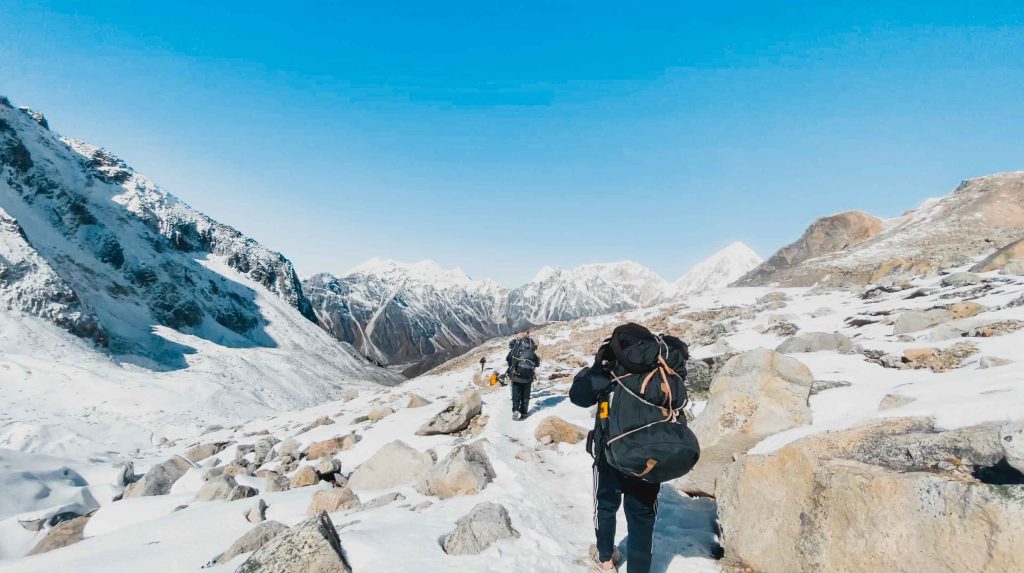
Reasons to do the Manaslu Circuit trek
- Pass through the heart of Mt. Manaslu, offering the magical view of Mt. Annapurna, Ganesh Himal, Shringi Himal, and Boudha Himal.
- Less explored and most challenging routes.
- Beautiful mountain views and affluent cultural prospects.
- Beauty of Numerous Gumbas and monasteries.
- Remote villages and swiftly flowing rivers.
- Manaslu Conservation Area and its species of flora and fauna.
- High altitude freshwater lake: Birendra Tal and Phunkar Lake.
9. Mardi Himal Trek
The Mardi Himal Base Camp Trek is a hidden gem in the Annapurna region of Nepal, offering a serene and less-crowded alternative to some of the more popular treks. This relatively short but spectacular trek takes about 5 to 7 days to complete, making it ideal for those with limited time. The journey starts in Pokhara, with a scenic drive to the trailhead at Kande. As you ascend through lush rhododendron forests, you’ll be treated to stunning views of the Annapurna and Machapuchare (Fishtail) peaks. The trek takes you to traditional Gurung villages, providing opportunities for cultural immersion.
The highlight is reaching the Mardi Himal Base Camp at 4,500 meters, where you’ll be rewarded with awe-inspiring panoramic views of the Annapurna and Dhaulagiri mountain ranges. The trek offers a sense of tranquility and a chance to explore pristine, untouched landscapes. It’s an excellent choice for trekkers looking for a quieter and less challenging trekking experience in the stunning Annapurna region.
| Detail | Information |
|---|---|
| Route Length | 40–50 km (round trip) |
| Duration | 5–7 days |
| Maximum Elevation | Mardi Himal Base Camp: 4,500 m |
| Starting / Ending Point | Pokhara → Mardi Himal Base Camp → Pokhara |
| Difficulty | Moderate to Strenuous |
| Best Season | March to May, September to November |
| Accommodation | Tea houses / Lodges |
| Major Attractions | Mardi Himal Base Camp, Siding Village, rhododendron forests, panoramic views of Machhapuchhre, Annapurna South, Annapurna I, Dhaulagiri, and Hiunchuli. |
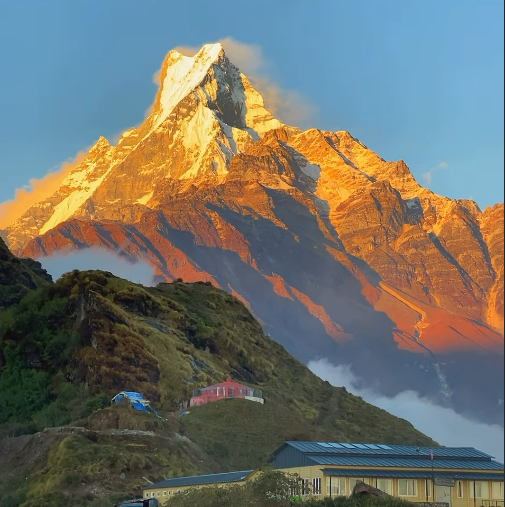
Reason to do the Mardi Himalaya Trek
- Stunning sunrise and sunset views over Machhapuchhre and Annapurna South.
- Less crowded and off-the-beaten-path trekking experience.
- Walk through lush rhododendron forests and alpine meadows.
- Cultural encounters with Gurung and Magar communities.
- Teahouse accommodations along the trail make it comfortable and accessible.
- Shorter duration makes it ideal for trekkers with limited time.
- Opportunity to experience the tranquil beauty of the Annapurna region.
Challenging Treks
1. Everest Three Pass Trek
| Feature | Details |
|---|---|
| Starting / Ending Point | Lukla |
| Duration | 17–20 days |
| Total Trekking Distance | ~160–170 km (including passes and side routes) |
| Highest Elevation / Passes | • Kongma La Pass – 5,535 m • Cho La Pass – 5,420 m • Renjo La Pass – 5,360 m • Kala Patthar viewpoint – 5,545 m |
| Difficulty | Challenging (high-altitude, steep ascents, glacier/rock crossings) |
| Major Attractions | • Everest Base Camp • Views of Everest, Lhotse, Nuptse, Ama Dablam, and other peaks • Gokyo Lakes and Ngozumpa Glacier • Sherpa villages: Namche Bazaar, Tengboche, Dingboche, Gokyo • Ancient monasteries and cultural immersion |
| Best Seasons | Spring (March–May) and Autumn (September–November) |
| Accommodation | Tea houses and lodges in villages; plan for higher passes (snow/ice) |
| Permits / Requirements | Sagarmatha National Park permit and local Khumbu region permit |
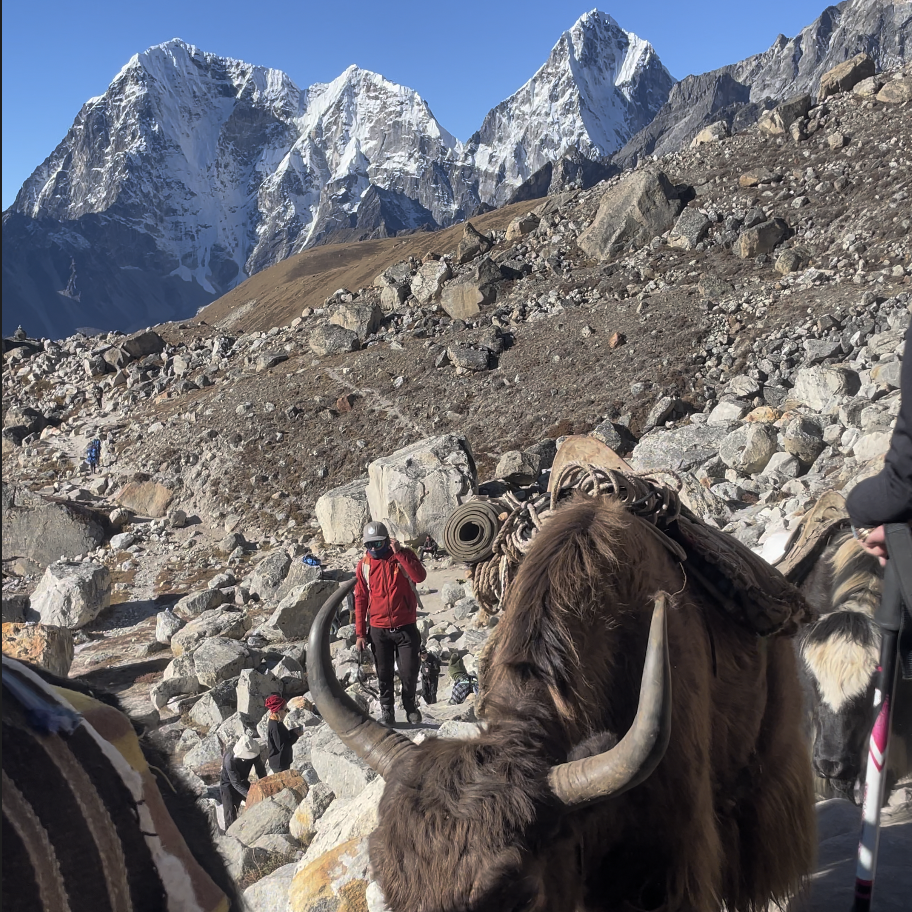
Overview
The Everest Three Passes Trek is one of the best treks in Nepal, offering an unparalleled adventure across some of the highest and most scenic mountain passes in the world. This trek combines the classic Everest Base Camp journey with crossings of three major high passes: Kongma La (5,535m), Cho La (5,420m), and Renjo La (5,360m).
Starting from Lukla, trekkers pass through lush rhododendron forests, Sherpa villages, and scenic valleys, all while acclimatizing to the high Himalayan altitudes. The trek offers breathtaking views of the world’s tallest peak, Mt. Everest (8,848.86m), alongside Mt. Lhotse, Mt. Cho Oyu, and Mt. Nuptse.
Highlights include Everest Base Camp, panoramic vistas from Gokyo Ri, the glacial Gokyo Lakes, and the golden spires of Tengboche Monastery. The challenging terrain, steep ascents, and high passes require good fitness and acclimatization, making this trek ideal for adventurous and experienced trekkers.
Reasons to do the Everest Three Pass Trek
- Conquer three major 5,000m-high passes: Renjo La, Cho La, and Kongma La.
- Witness breathtaking views of Mt. Everest, Mt. Lhotse, Mt. Nuptse, and other Himalayan giants.
- Explore the iconic Everest Base Camp and immerse yourself in Sherpa culture.
- Complete a full circuit of the Everest region for a unique perspective.
- Enjoy panoramic views from Gokyo Ri, Gokyo Lakes, and Kala Patthar.
- Discover diverse flora and fauna, including musk deer, Himalayan Thar, snow leopards, and colorful pheasants.
- Visit ancient monasteries, including the famous Tengboche Monastery.
2. Kanchenjunga Base Camp
| Feature | Details |
|---|---|
| Route Length | Approximately 220–230 km (round trip from Taplejung to Kanchenjunga Base Camp and back) |
| Duration | 17 days around |
| Difficulty | Moderate to Strenuous |
| Starting & Ending Point | Taplejung |
| Maximum Elevation | Kanchenjunga Base Camp: 5,143 meters (16,873 feet) |
| Major Attractions | Kanchenjunga Conservation Area, lush tropical and rhododendron forests, chestnut & oak forests, glaciated base camp, Kanchenjunga, Lhotse, Everest, Makalu, and remote Himalayan villages |
| Best Time | Early March to mid-May (spring) & October to late November (autumn) |
| Accommodation | Tea houses, lodges, and tented camps in remote areas |
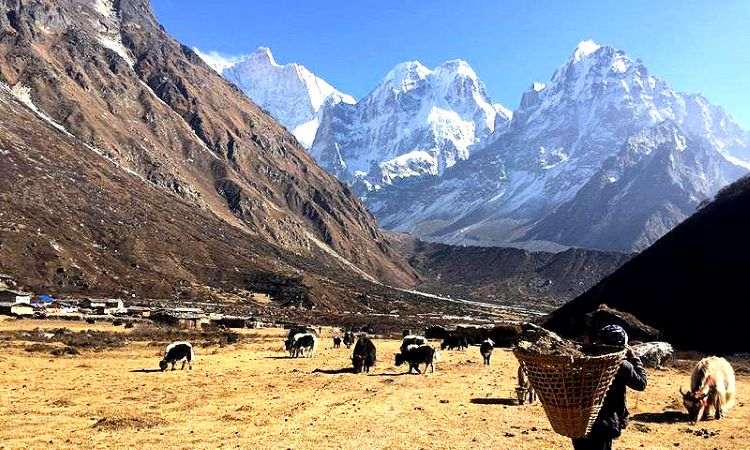
The Kanchenjunga Base Camp Trek is an extraordinary adventure that takes you to the pristine wilderness of eastern Nepal, offering a remote and untouched trekking experience. Situated in the far-eastern corner, the Kanchenjunga region is named after Mt. Kanchenjunga – the third highest peak in the world with a height of 8,586 meters/28,169 feet. This trek is renowned for its raw natural beauty, rich biodiversity, and cultural diversity. The journey begins in the lowlands, where you’ll traverse through lush forests, terraced fields, and picturesque villages inhabited by various ethnic groups like the Limbu, Rai, and Sherpa.
As you ascend, the landscape changes dramatically, leading you through pristine rhododendrons and bamboo forests, alpine meadows, and high mountain passes. The region is home to a wide range of flora and fauna, including endangered species like the red panda and the snow leopard. The main attraction is Kanchenjunga itself, and the trek takes you to both the north and south base camps, providing awe-inspiring views of the mountain. You’ll also encounter gigantic peaks like Mt. Makalu (8,481m), Mt. Kanchenjunga (8,586m), Lhotse (8,516m), Jannu Himal (7,710m), and Mt. Everest (8,848.86m).
This trek is a physically demanding and remote journey, but it rewards trekkers with a sense of accomplishment and the opportunity to immerse themselves in the unspoiled beauty and culture of eastern Nepal. Due to its isolation, trekkers should be well-prepared, obtain the necessary permits, and consider hiring a professional guide to fully appreciate this remarkable adventure.
Reasons to do the Kanchenjunga Base Camp
- Kanchenjunga Conservation Area and its wildlife.
- Explore and tackle the Kanchenjunga Trek’s difficulty.
- Rich Local Culture and Traditions of ethnic groups like Sherpa, Rai, Limbu, and Gurung.
- Stunning views of the dominating mountains like Lhotse (8,516m), Everest (8,848.86m), Kanchenjunga (8,586m), and Makalu (8,481m).
- Opportunity to travel in the group by crossing high altitude passes.
- Stunning views and a chance to explore rivers, majestic waterfalls, beautiful valleys, and glaciers.
- A trek to the base camp of the world’s third-highest peak, Kanchenjunga.
Two Trekking Routes to Kanchenjunga Base Camp
- Kanchenjunga North Base Camp
- Kanchenjunga South Base Camp
3. Dhaulagiri Base Camp Trek
The Dhaulagiri Base Camp Trek is one of the most challenging and rewarding journeys in Nepal. Known for its rugged terrain, remote landscapes, and panoramic Himalayan views, this trek offers an immersive wilderness experience for experienced trekkers. If you’re looking for the best trek in Nepal that combines adventure, culture, and jaw-dropping mountain vistas, Dhaulagiri Base Camp should be at the top of your list.
| Feature | Details |
|---|---|
| Duration | 17–20 days |
| Difficulty | Strenuous and challenging |
| Maximum Elevation | 5,000 meters at Hidden Valley |
| Starting & Ending Point | Beni to Pokhara |
| Major Attractions | Dhaulagiri I, Nilgiri, Tukuche, Tilicho, Annapurna, traditional villages, green hills, desert plateau of Tibet |
| Best Time | March–May & September–November |
| Accommodation | Tea houses & camping |
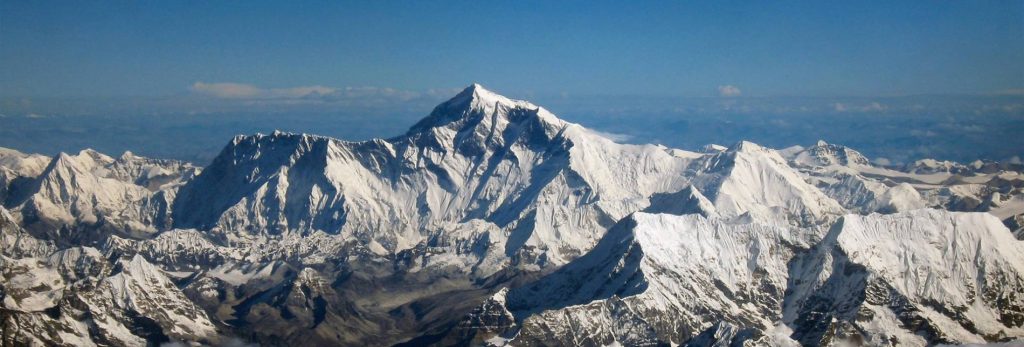
Highlights & Experiences
- Snow-Capped Peaks: Witness breathtaking views of Dhaulagiri, Nilgiri, Tukuche, Tilicho, and Annapurna ranges.
- Remote Villages: Experience the authentic culture and lifestyle of isolated Himalayan communities.
- Diverse Landscapes: From terraced fields and lush green forests to barren rocky terrain and snowy glaciers.
- Hidden Gems: Side hikes through French Pass, Dhampus Pass, Hidden Valley, and Kali Gandaki Gorge.
- Wilderness Adventure: Trek through less-traveled routes, enjoying solitude amidst the majestic Himalayas.
Reasons to Choose Dhaulagiri Base Camp Trek
- One of the best treks in Nepal for experienced adventurers seeking a challenging route.
- Panoramic mountain vistas, including sunrise and sunset over Dhaulagiri’s snowy peaks.
- Explore untouched flora and fauna in dense forests along the trail.
- Immerse yourself in the culture of traditional mountain villages.
- Experience a mix of landscapes, from fertile valleys to barren deserts.
- Opportunity for high-altitude trekking at its finest.
- A remote Himalayan experience, far from the crowds and commercialization.
Offbeat / Lesser-Known Treks
1. Upper Mustang
The Upper Mustang Trek is a unique and culturally rich journey through a restricted region of Nepal, often referred to as the ‘Last Forbidden Kingdom.’ This remote area offers a glimpse into an ancient Tibetan way of life, with its distinct culture, architecture, and landscapes.
Trekking in Upper Mustang takes you through arid desert-like terrain, dramatic canyons, and deep valleys, all set against a backdrop of towering Himalayan peaks. The highlight of the trek is the medieval walled city of Lo Manthang, which is like a living museum with its well-preserved monasteries, palaces, and narrow alleys. Due to its remote location and cultural significance, Upper Mustang requires a special permit, and a guide accompanies trekkers.
Since the trek lies in a rain shadow, the best time to explore this mystical region is during the summer (March to May), when the weather is favorable. The Upper Mustang Trek offers a truly unique and spiritually enriching experience for those seeking an off-the-beaten-path adventure in Nepal.
| Detail | Information |
|---|---|
| Route Length | 200 km (round trip) |
| Duration | 12–14 days |
| Maximum Elevation | Lo Manthang: 3,840 m |
| Starting / Ending Point | Jomsom → Lo Manthang → Jomsom |
| Difficulty | Moderate |
| Best Season | March to May, September to November |
| Accommodation | Tea houses / Lodges |
| Major Attractions | Lo Manthang (walled city), ancient monasteries, Chhoser caves, Tibetan-influenced culture, desert-like landscapes, stunning views of Annapurna and Dhaulagiri ranges. |

Reasons to visit Upper Mustang
1. Walled city Lo-Manthang: The capital of Upper Mustang, Lo-Manthang is a walled city featuring narrow alleys, ancient architecture, and a rich cultural heritage, including Thugchen Gompa. Exploring this city feels like stepping back into ancient times.
2. The Hidden Kingdom in the Trans-Himalayan Land: Upper Mustang is also called the Last Forbidden Kingdom in the Trans-Himalayan region of Nepal. keeping the Tibetan Buddhist culture intact. The ancient trade route between Tibet and India, the Mustang region lies between the Dolpo region and the beautiful Manang district. As it receives low or no rainfall at all, you can experience this wonderland throughout the year.
3. Muktinath Temple: Muktinath Temple is a sacred place for both Hindus and Buddhists at an elevation of 3710 meters. Thousands of Hindus and Buddhist pilgrims from India, Tibet, and Nepal go for the Jomsom Muktinath trek to worship the Muktinath temple. Muktinath trek offers you an amazing view of 108 waterspouts symbolizing salvation after death and a natural flame that never goes out.
4. Local Tribes and Unique Culture: Mustang is the hidden paradise on earth. The next reason to visit Upper Mustang is the local tribes, their unique culture, and their unexplored lifestyles. People belong to the ethnic tribe known as Loba; from their lifestyle to language, they resemble the Tibetans. Their culture and traditions date back to the eighth century when Buddhism reached Tibet during the Yalung dynasty. They celebrate four major religious festivals: Gine, Gensu, Gelug, and Nayuene.
5. Ancient Buddhist Monasteries, Caves, and Palaces: Upper Mustang was once a Kingdom, so you will get a chance to explore numerous ancient Buddhist monasteries, caves, and palaces, as well as to submerge yourself in this heaven to its fullest. Drakkar-Thegchen Ling Gompa, Jampa Gompa, and Thupchen Gompa are famous monasteries of the upper Mustang. You can also visit the Monastic Museum and Choe Gompa right around Dragkar-Thegchen Ling Gompa.
6. Horse Riding in Upper Mustang: Horse riding in the Upper Mustang is popular for many travelers, as the land itself is situated at high altitudes. People ride horses in Upper Mustang for fun and to make their trip comfortable and fatigue-free. Trekkers use horses for at least one day during the exploration day around Lo-Manthang to rest and to cover more places within a limited time.
7. Tiji Festival: Tiji is a fascinating annual three-day festival that takes place in May, consisting of Tibetan rituals that celebrate the myth of a son who had to save the Mustang kingdom from destruction. According to the history of the Mustang region, Mustang was in trouble because of a demon, who spread diseases, but a hero named Dorje Jono defeated the demon. Thus, this festival marks the victory of good over evil.
2. Rara Lake
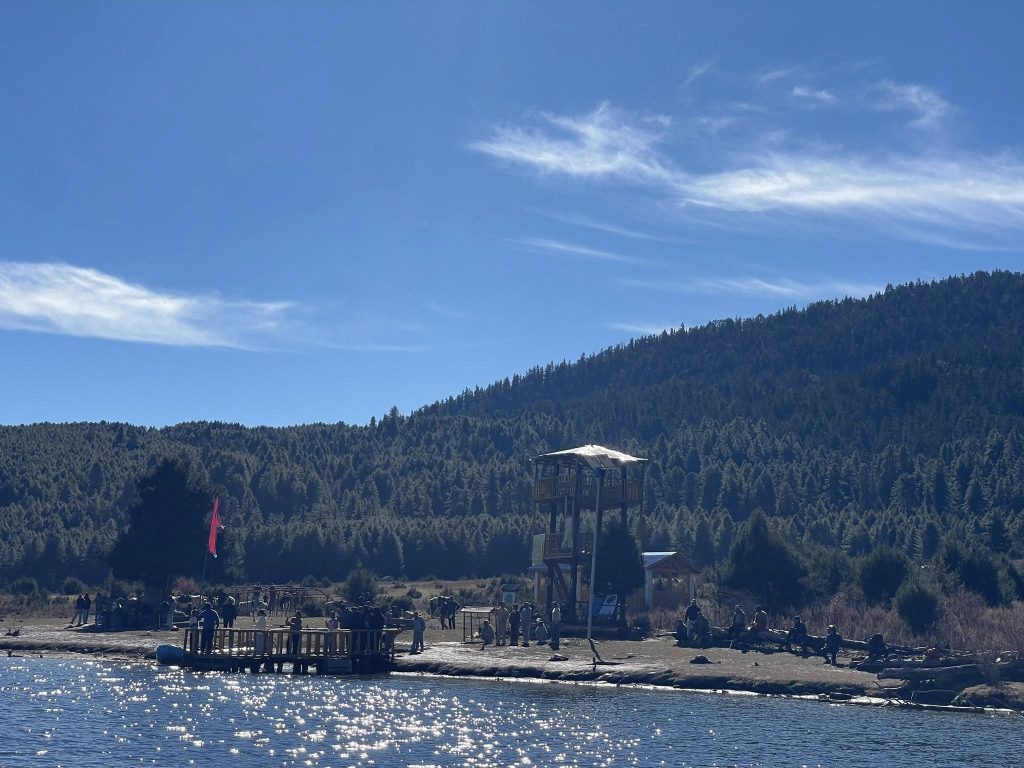
Rara Lake Trek is a mesmerizing adventure in Nepal’s remote western region. This captivating journey spans approximately 5 to 12 days, leading trekkers to the pristine Rara Lake, the largest lake in Nepal, covering an area of 10.8 square kilometers, ensconced within the Rara National Park. The trek commences with a flight to Jumla, followed by a scenic trail through lush forests, terraced fields, and charming villages inhabited by the indigenous Thakuri and Chhetri communities.
As you ascend to higher altitudes, you’ll be treated to breathtaking vistas of the Himalayan peaks. Rara Lake, set at an altitude of 2,990 meters, boasts crystal-clear waters reflecting the surrounding peaks. Trekkers can explore the serene lakeshore and the nearby Murma Top for stunning panoramas. This off-the-beaten-path trek offers an authentic experience of rural Nepal, abundant wildlife sightings, and the chance to immerse oneself in the local culture. With its natural beauty and cultural richness, the Rara Lake Trek is a true gem for those seeking a unique Himalayan adventure.
| Detail | Information |
|---|---|
| Route Length | 60–70 km (round trip) |
| Duration | 6–9 days |
| Maximum Elevation | 3,500 m |
| Starting / Ending Point | Jumla → Rara Lake → Jumla |
| Difficulty | Moderate |
| Best Season | March to May, September to November |
| Accommodation | Tea houses / Lodges |
| Major Attractions | Rara Lake (largest lake in Nepal), Rara National Park, pristine forests, alpine meadows, diverse wildlife (Himalayan black bear, red panda, musk deer, pheasants), and views of the surrounding mountains. |
Reason to Trek on Rara Lake
- Witness the largest lake in Nepal, Rara Lake, surrounded by pristine forests.
- Enjoy serene, off-the-beaten-path trekking with fewer tourists.
- Explore Rara National Park and its diverse flora and fauna.
- Walk through lush alpine meadows and hills, ideal for nature lovers and photographers.
- Experience local culture in Jumla and nearby villages.
- Stunning panoramic views of Himalayan peaks reflected on the lake.
- Accessible trek for moderate-level trekkers seeking a peaceful adventure.
3. Lower Dolpo Trek
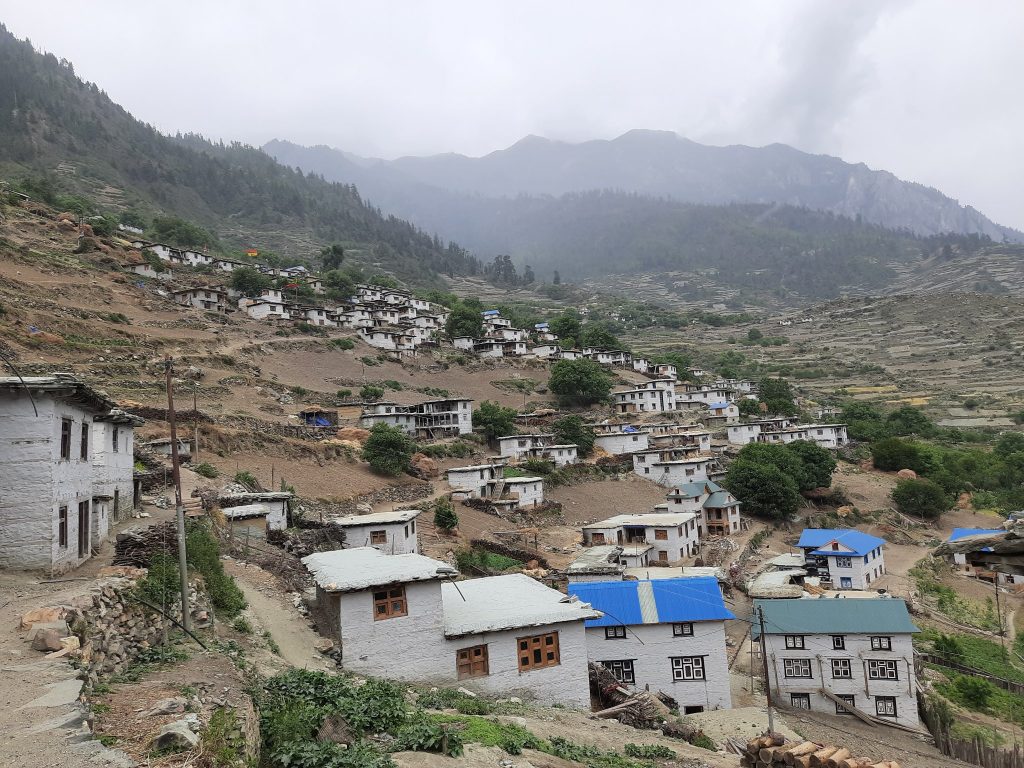
The Lower Dolpo Trek is an extraordinary journey into a remote and untouched region of Nepal, offering trekkers a rare opportunity to explore a pristine landscape, rich culture, and ancient traditions. Located in the far-western part of Nepal, the Lower Dolpo region is a hidden gem that has retained its traditional Tibetan culture and natural beauty. The trek begins with a flight to Juphal and winds through serene forests, arid plateaus, and dramatic canyons. Trekkers traverse the Shey Phoksundo National Park, home to the stunning Phoksundo Lake, a deep blue gem surrounded by rugged terrain.
Lower Dolpo is renowned for its remote villages like Ringmo, Tarakot, and Dunai, where you can experience the ancient Bonpo culture and interact with friendly locals. The region’s unique monasteries, chortens, and prayer flags add to its spiritual aura. The trek offers challenges like high passes, river crossings, and varying altitudes, making it suitable for experienced trekkers seeking an off-the-beaten-path adventure. The landscapes change from lush forests to arid desert-like terrain, and trekkers may encounter yaks, mountain goats, and even snow leopards.
This journey is not just about the destination but also the profound cultural encounters and striking natural beauty that make the Lower Dolpo Trek an unforgettable and spiritually enriching experience for those willing to explore its remote and rugged terrain.
| Detail | Information |
|---|---|
| Route Length | 180–200 km (round trip) |
| Duration | 18–22 days |
| Maximum Elevation | 5,200 m at Dho Tarap |
| Starting / Ending Point | Juphal → Dho Tarap → Juphal |
| Difficulty | Challenging |
| Best Season | March to May, September to November |
| Accommodation | Tea houses / Lodges |
| Major Attractions | Shey Phoksundo National Park, Phoksundo Lake, remote Tibetan villages, ancient monasteries, high-altitude landscapes, and panoramic views of Himalayan peaks. |
Reasons to trek on the Lower Dolpo Circuit Trek
- Trek to the pristine Shey Phoksundo alongside an entry to the Phoksundo National Park.
- Lush vegetation and amazing flora and fauna within Shey Phoksundo National Park.
- Amazing experience walking in the desert-like rain shadow area of the lower Dolpo region.
- Catch the enticing views of the Yak Caravan and get to walk on the ancient salt trade route.
- Breathtaking view of vibrant nature, flowers, Tibetan Buddhist culture, and Tibetan tradition.
- Side trips such as monastery excursions, temple visits, and Bonpo shrines and monasteries.
- Ethical remote villages, landscapes, Himalayan Natural Herbal Viagra – Yarshagumba territories, and a shadow view of the Himalaya ranges like Mt. Dhaulagiri at the lap of the Kanjiroba mountain range.
4. Panch Pokhari Trek
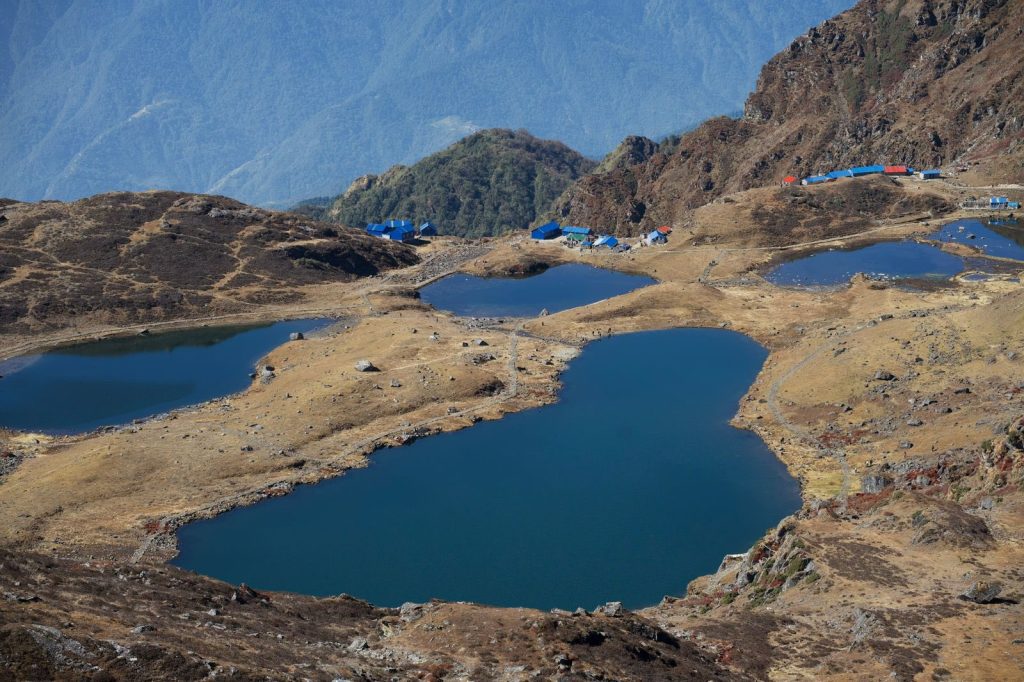
The Panch Pokhari Trek is a captivating trekking adventure in the Langtang region of Nepal. It derives its name from “Panch”, meaning five, and “Pokhari”, meaning alpine lakes. This trek takes you to a cluster of five pristine glacial lakes at an altitude of around 4,100 meters above sea level, each considered sacred by the local Sherpa and Tamang communities.
Starting from Chautara, a scenic drive from Kathmandu, the trail gradually ascends through lush forests, terraced fields, and picturesque villages. Along the way, trekkers are treated to breathtaking views of the Langtang Himalayan range, including Langtang Lirung and Dorje Lakpa.
The Panch Pokhari region offers a unique blend of natural beauty, cultural experiences, and serene alpine landscapes. It is a relatively less-visited trekking route, making it an ideal choice for those seeking a peaceful and off-the-beaten-path trekking adventure in Nepal. The journey typically takes around 8 to 14 days, allowing trekkers to immerse themselves in the stunning Himalayan scenery and rich local culture.
| Detail | Information |
|---|---|
| Route Length | 50–55 km (round trip) |
| Duration | 5–7 days |
| Maximum Elevation | 4,100 m at Panch Pokhari |
| Starting / Ending Point | Sankhu → Panch Pokhari → Sankhu |
| Difficulty | Moderate |
| Best Season | March to June, September to November |
| Accommodation | Tea houses / Lodges |
| Major Attractions | Panch Pokhari (Five Sacred Lakes), Tamang villages, lush forests, scenic landscapes, waterfalls, and Himalayan mountain views. |
Reasons to do the Panch Pokhari Trek
- Panch Pokhari, one of the sacred lakes of Nepal.
- Walk across the rhododendron forests, valleys, waterfalls, and rivers.
- Stunning Panoramic views of Mt. Dorje, Lhakpa, Jugal Himal, Phurbi Chyachu, Madiya, and Langtang Himalaya range.
- Explore different species of flora and fauna in the Panch Pokhari region
- Explore the cultures and lifestyles of people living in the Panchpokhari region.
- Short and adventurous trek near Kathmandu.
- Perfect for beginner trekkers looking for a tranquil trek in the Himalayas.
6. Tilicho Lake Trek
The Tilicho Lake Trek is one of the best treks in Nepal for adventurers seeking a high-altitude, culturally immersive, and visually stunning journey. Starting from Besisahar, the trail winds through lush forests, terraced fields, and traditional villages of the Annapurna region. As you climb higher, you’ll witness panoramic views of snow-capped peaks like Annapurna, Dhaulagiri, Machhapuchhre, Nilgiri, and Himchuli.
The trek’s highlight, Tilicho Lake, sits at an astonishing 4,919 meters, making it one of the highest lakes in the world. Surrounded by towering peaks and glaciers, it offers a surreal and unforgettable Himalayan experience. This trek also allows you to explore hidden gems of Manang, enjoy local cuisine, and immerse yourself in the rich traditions of the mountain communities.
Note: Trekking to Tilicho Lake is more than a journey—it’s a test of endurance, a feast for the eyes, and a deep connection with Nepal’s natural and cultural heritage.
| Detail | Information |
|---|---|
| Route Length | Besisahar → Tilicho Lake → Besisahar (74.8 km) |
| Duration | 12 to 15 days |
| Maximum Elevation | 5,416 m at Thorung La Pass |
| Starting / Ending Point | Besisahar |
| Difficulty | Strenuous & Challenging |
| Best Season | Spring (March–May) & Autumn (September–November) |
| Accommodation | Tea houses / Lodges |
| Major Attractions | Tilicho Lake, Annapurna, Dhaulagiri, Machhapuchhre, Nilgiri, Himchuli, valleys, rivers, waterfalls, sacred temples, colorful monasteries, and scenic villages. |

Reasons to trek to Tilicho Lake
- Witness the world’s highest-altitude lake, Tilicho, at 4,919 meters.
- Marvel at panoramic mountain views: Annapurna, Dhaulagiri, Machhapuchhre, Nilgiri, and Himchuli.
- Explore picturesque villages like Tal, Dharapani, Chame, Pisang, and Manang, and their vibrant culture.
- Trek along the Marshyangdi River, experiencing dramatic landscape changes.
- Optional: Combine with the Annapurna Circuit Trek for an extended adventure.
- Experience Himalayan biodiversity, waterfalls, and alpine forests.
- A challenging yet rewarding trekking experience, perfect for adventure seekers looking for one of the best treks in Nepal.
7. Tsum Valley
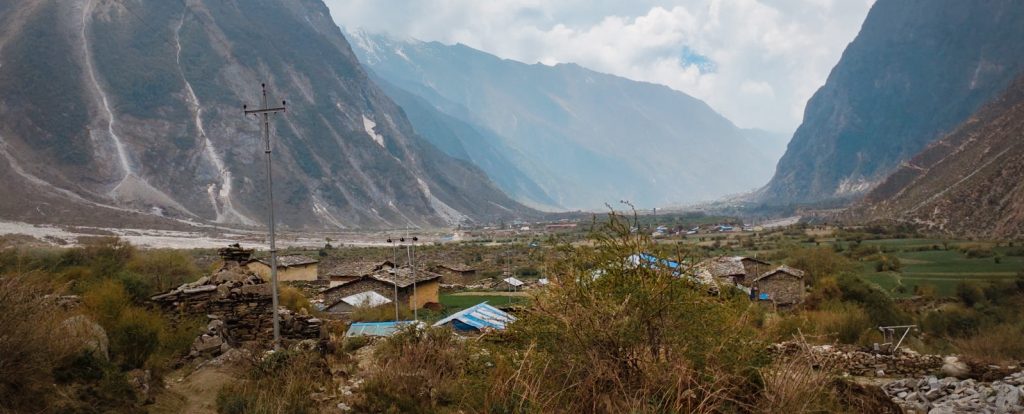
The Tsum Valley Trek is one of the best treks in Nepal for those seeking a remote and culturally rich Himalayan adventure. Nestled in the Manaslu Conservation Area, Tsum Valley is a hidden gem that blends stunning natural beauty with Tibetan-influenced culture. The trail passes through dense forests, rushing rivers, waterfalls, and traditional villages, providing trekkers with an immersive experience far from crowded trails.
The trek’s highlight is Mu Gompa, an ancient Buddhist monastery perched at 3,700 meters, offering deep spiritual insight and breathtaking views of peaks such as Ganesh Himal, Sringi Himal, Boudha Himal, and Himalchuli. This off-the-beaten-path trek allows adventurers to experience serene landscapes, remote Himalayan life, and cultural traditions preserved over centuries.
Note: The Tsum Valley Trek is perfect for trekkers who want to combine adventure, culture, and the tranquility of one of the most secluded regions of Nepal, truly a top choice among the best treks in Nepal.
| Detail | Information |
|---|---|
| Duration | 16 days |
| Maximum Elevation | 3,700 m at Mu Gompa |
| Starting / Ending Point | Soti Khola |
| Difficulty | Moderate |
| Region | Manaslu Conservation Area |
| Best Season | Spring (March–May) & Autumn (September–November) |
| Accommodation | Homestays, Tea Houses, Camps |
| Major Attractions | Tsum Valley, Mu Gompa, Ganesh Himal, Sringi Himal, Boudha Himal, rivers, forests, waterfalls, mythical villages, Buddhist monasteries, mountain caves |
Reasons to trek in the Tsum Valley
- Fabulous views of Ganesh Himal, Sringi Himal, Boudha Himal, and Himalchuli.
- The challenging beaten trail onward to Ganesh Himal Base Camp
- Ancient Buddhist Monasteries, Mountain Caves, mythical villages, and traditional houses.
- Less explored, as it was recently opened in the remotest valley in the world.
- Passes through dense forests, crossing raging rivers and amazing waterfalls.
- Both are geographically spectacular and culturally fascinating.
- One of the hidden gems among the best treks in Nepal, combining nature, adventure, and culture.
8. Makalu Base Camp
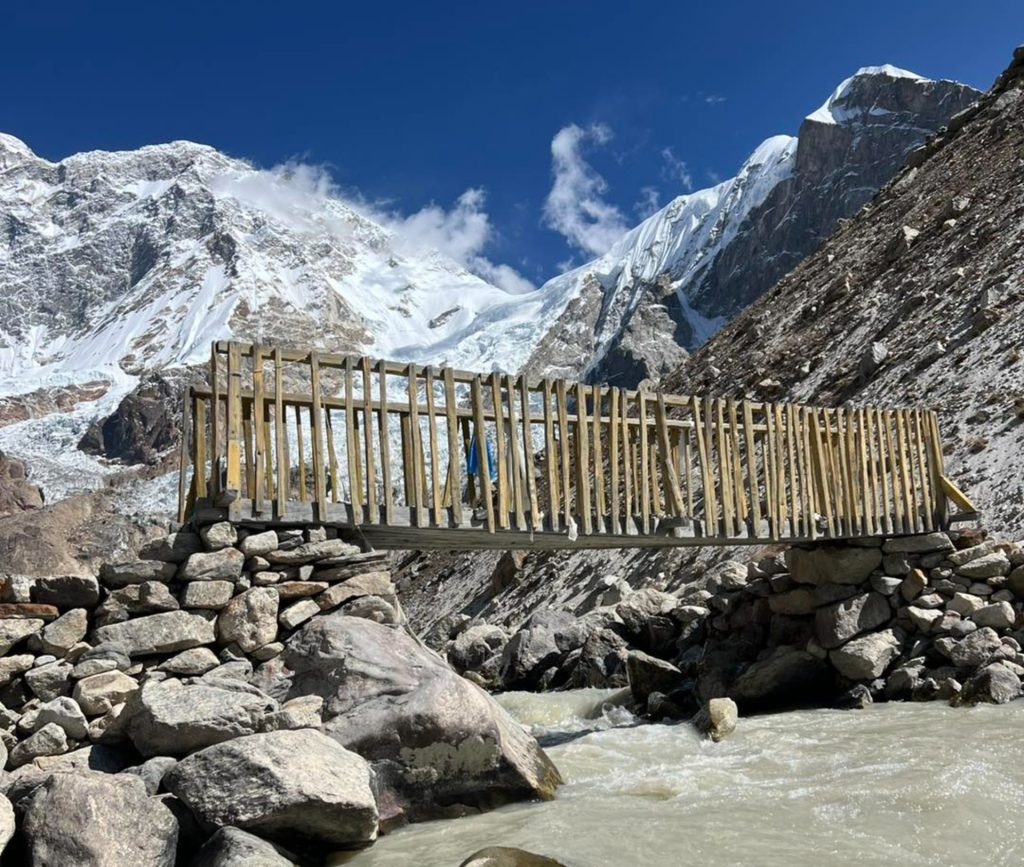
The Makalu Base Camp Trek is a breathtaking and remote journey through the eastern Himalayas of Nepal, making it one of the best treks in Nepal for adventure seekers who want to explore untouched landscapes. This trek takes 16–18 days and traverses dense rhododendron forests, pristine alpine meadows, glaciers, and rugged valleys before reaching the awe-inspiring Makalu Base Camp at 4,870 meters.
Starting from Tumlingtar, the trail leads through the Makalu Barun National Park, home to rare wildlife such as red pandas and snow leopards. Along the way, trekkers encounter small villages inhabited by Sherpas and Tibetan communities, offering a rich cultural experience. The trek provides stunning panoramic views of Makalu, the world’s fifth-highest peak, along with Everest, Lhotse, Chamlang, and Kanchenjunga.
| Detail | Information |
|---|---|
| Duration | 16–18 days |
| Maximum Elevation | 4,870 m at Makalu Base Camp |
| Starting / Ending Point | Tumlingtar |
| Difficulty | Fairly Challenging |
| Region | Eastern Himalayas, Makalu Barun National Park |
| Best Season | Spring (March–May) & Autumn (September–November) |
| Accommodation | Hotel, Lodge, Camping |
| Major Attractions | Makalu Barun National Park, Barun River, Arun River valley, granite cliffs, glaciers, waterfalls, Mt. Makalu, Everest, Lhotse, Chamlang, Kanchenjunga |
Reasons to trek to Makalu Base Camp
- Observing Everest from a unique angle, its eastern Kangshung face.
- Gain views of Eastern Nepal as far away as Kanchenjunga
- Spot the natural ecosystem and rarest wildlife, including the Red Panda, within Makalu Barun National Park.
- Barun River and its majestic waterfalls
- Sherpas and Tibetan groups residing at higher elevations and their cultures.
- Trails through rhododendron forest, cloud forest, pristine forest, and alpine meadows.
- Visit Makalu Barun National Park at the lower reaches as well as the snow-capped mountains higher up.
9. Nar Phu Valley Trek
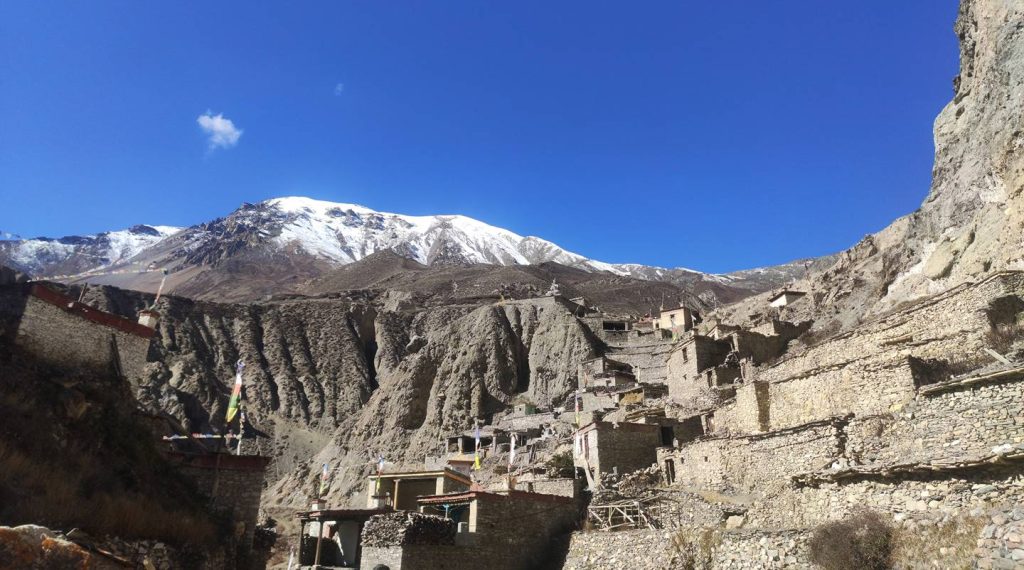
The Nar Phu Valley Trek is an extraordinary trekking route in the famous Annapurna region of Nepal, offering a unique combination of pristine natural beauty and cultural richness. This remote Himalayan jewel takes you through the hidden valleys of Nar and Phu, where ancient Tibetan culture and traditions remain untouched by modernity.
Starting from the picturesque village of Koto, the trail ascends through dense forests, high ridges, and deep gorges. Trekkers are rewarded with breathtaking views of snow-capped peaks, including Himlung Himal and Kang Guru. The region is dotted with traditional stone-built villages, monasteries, and barley fields, providing insight into the simple yet resilient lifestyle of the local people.
The Nar Phu Valley Trek offers a serene escape from the crowds, allowing you to immerse yourself in the raw beauty of the Himalayas while discovering the rich cultural heritage of the region. This trek is a must for those seeking a genuine off-the-beaten-path adventure in Nepal.
| Trek Facts | Details |
|---|---|
| Duration | 15 to 18 days |
| Difficulty | Strenuous |
| Starting Point | Besisahar |
| Ending Point | Besisahar |
| Maximum Elevation | Kang La Pass at 5,320 meters |
| Major Attractions | Nar & Phu Valleys, forests, rock formations, yaks, monasteries, Himalayan culture |
| Best Time to Trek | April to October |
| Accommodation | Lodge |
Reasons to do the Nar Phu Valley Trek
- Observe the fascinating views of Annapurna II, Himlung Himal, Gangapurna, and Tilicho Peak.
- Experience a part of the Tibetan plateau that extends down into Nepal.
- Stay in ancient villages that have seen little change over the centuries.
- Experience Tibetan culture, with unique and colorful prayer stones and monasteries.
- Travel into the remote part of Nepal, which only a few trekkers have reached.
- Opportunity to explore the new things of the Nar and Phu valleys, which remain undiscovered.
- Superb vistas and diverse flora and fauna of this region.
10. Upper Dolpo Trek
The Upper Dolpo Trek is a remote and challenging trekking adventure in the Dolpo region of Nepal. It offers a captivating journey through pristine wilderness and ancient Tibetan culture. The trek takes approximately 3 weeks to complete and reaches altitudes of over 5,000 meters. Due to its remoteness and challenging conditions, the Upper Dolpo Trek is suitable for experienced trekkers seeking an off-the-beaten-path adventure in the Himalayas, but it rewards unparalleled natural beauty and cultural experiences.
Starting in Juphal, the trail winds through rugged terrain, dense forests, and high mountain passes, offering breathtaking views of the Himalayas. Trekkers encounter traditional Tibetan villages like Dho Tarap, where they can immerse themselves in the unique culture of the Dolpo people. One of the main highlights of the trek is Shey-Phoksundo Lake, a stunning high-altitude lake renowned for its vivid turquoise waters and remote location. Trekkers also traverse Shey Gompa, a revered Buddhist monastery.
| Trek Fact | Details |
|---|---|
| Duration | 18 to 22 days |
| Difficulty | Strenuous / Challenging |
| Starting Point | Juphal / Dunai |
| Ending Point | Juphal / Dunai |
| Maximum Elevation | Kanjiroba Pass at 5,390 meters |
| Major Attractions | Kanjiroba Himal, Shey Phoksundo Lake, Buddhist monasteries, ancient villages, remote Himalayan culture |
| Best Time to Trek | March to June & September to November |
| Accommodation | Lodge / Camping |

Reasons to do the Upper Dolpo Trek
- Trek through the parts of Nepal that only a few visitors have seen.
- Gaze over the turquoise waters of Shey Phoksundo Lake
- Witness the spring hunt for Yarshagumba – Cordyceps Sinensis
- Excursion to Shey Gompa, which is an 800-year-old monastery at the base of Crystal Mountain.
- Observe the lush vegetation, different types of flora, and fauna, including snow leopards, within Shey Phoksundo National Park.
- A unique camping experience, together with the various landscapes of the area and its hidden treasures.
- High passes over 5000 meters of extraordinary mountain views, meet locals, and visit camps at Dho Tarap, which is the highest human settlement in the world.
11. Ruby Valley Trek
The Ruby Valley Trek in Nepal is a captivating trekking adventure in northern Nepal, offering a pristine and less-visited route for nature lovers and trekkers seeking an off-the-beaten-path Himalayan experience. This 10 to 14-day trek winds through the beautiful Ganesh Himal region, passing lush forests, terraced fields, charming villages, and panoramic views of snow-capped peaks. Along the way, trekkers experience local culture, spirituality, and the serenity of untouched landscapes.
| Fact | Details |
|---|---|
| Duration | 10–14 days |
| Difficulty | Easy to Moderate |
| Maximum Elevation | 3,842 m (Pangsang Pass) |
| Starting/Ending Point | Kathmandu |
| Major Attractions | Ruby Valley, Hot Springs, Dense Forests, Buddhist Monasteries, Hindu Temples, Parvati Kund Lake, Panoramic Mountain Views (Ganesh Himal, Langtang Himal, Mt. Manaslu) |
| Best Time | Spring, Summer, Autumn |
| Accommodation | Lodge / Guesthouse / Homestay |

Highlights & Experiences:
- Trek through lush forests of rhododendron, oak, and pine trees.
- Witness stunning views of Ganesh Himal, Langtang Himal, and Mt. Manaslu.
- Explore the sacred Parvati Kund Lake, a major pilgrimage site during Janai Purnima.
- Visit Buddhist monasteries, Gompas, and Hindu temples along the trail.
- Immerse in the traditional lifestyle and culture of the Tamang and Gurung communities.
- Relax in the natural hot springs in Ruby Valley.
- Experience panoramic mountain vistas from Pangsang Pass at 3,842 meters.
Why Choose Ruby Valley Trek Nepal:
- Ideal for photographers seeking pristine nature and mountain panoramas.
- Perfect for trekkers looking for less crowded trails and serene landscapes.
- Offers a balance of cultural immersion and Himalayan adventure.
- Moderate difficulty suitable for beginners and intermediate trekkers.
12. Shey Phoksundo
The Shey Phoksundo Trek is one of the best treks in Nepal, taking adventurers deep into the remote and mystical landscapes of Upper Dolpo. Famous for its stunning turquoise Phoksundo Lake, high-altitude deserts, and Tibetan-influenced culture, this trek offers a unique off-the-beaten-path experience. Along the trail, trekkers pass through traditional villages, ancient monasteries, and Shey-Phoksundo National Park, home to rare wildlife like snow leopards, blue sheep, and Himalayan tahr.
| Fact | Details |
|---|---|
| Duration | 18–22 days |
| Difficulty | Challenging |
| Maximum Elevation | 5,400 m (Shey La Pass) |
| Starting/Ending Point | Dunai |
| Major Attractions | Phoksundo Lake, Shey Monastery, Upper Dolpo villages, Shey-Phoksundo National Park, Himalayan landscapes, Tibetan culture, Mani walls, prayer flags |
| Best Time | Spring (March–May) and Autumn (September–November) |
| Accommodation | Homestay / Tea house / Camping |

Highlights & Experiences:
- Marvel at Phoksundo Lake, Nepal’s deepest and bluest lake.
- Cross Shey La Pass (5,400 m) for breathtaking panoramic views.
- Explore Tibetan-influenced villages, monasteries, and Buddhist chortens.
- Spot rare wildlife in Shey-Phoksundo National Park.
- Trek through alpine meadows, lush valleys, and rugged Himalayan landscapes.
Why This Trek is One of the Best Treks in Nepal:
- Remote and culturally rich adventure away from crowded trails.
- Combines natural beauty, wildlife, and spiritual immersion.
- Suitable for trekkers seeking a challenging yet unforgettable Himalayan experience.
- Unique opportunity to witness the traditional Tibetan lifestyle and rituals
13. Badimalika Trek
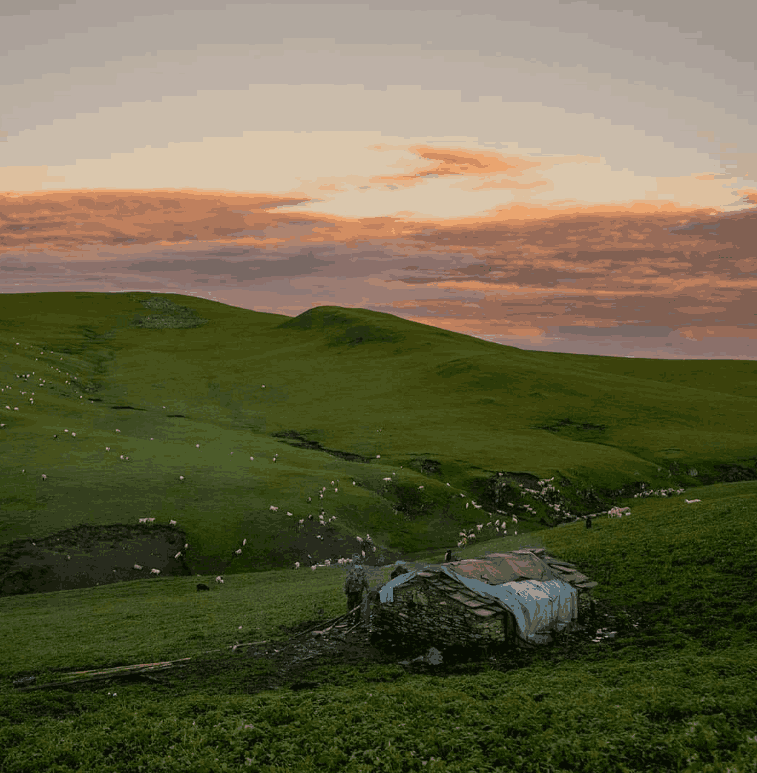
The Badimalika Trek is an extraordinary Himalayan journey in far-western Nepal, known for its untouched landscapes, sacred heritage, and breathtaking mountain views. Considered one of the best trek in Nepal for culture and spirituality, this route takes you to the revered Badimalika Temple (4,200 m)—a holy site dedicated to Goddess Bhagwati.
Starting from Dhangadhi and following quiet forest trails, terraced farmlands, and peaceful villages, trekkers can experience the authentic lifestyle of the far-western ethnic communities. The combination of natural beauty, remote wilderness, and cultural richness makes Badimalika a rewarding choice for trekkers who want a less-crowded but meaningful Himalayan adventure.
With panoramic views of Mt. Api, Mt. Saipal, vibrant green meadows, waterfalls, and the protected landscape of Khaptad National Park, this trek stands out as a hidden gem among the best treks in Nepal for nature lovers and spiritual travelers.
| Details | Information |
|---|---|
| Route Length | Approx. 120 km (Dhangadhi – Badimalika) |
| Duration | 9–12 Days |
| Difficulty | Moderate |
| Maximum Elevation | 4,200 m (Badimalika Temple) |
| Start/End Point | Dhangadhi |
| Major Attractions | Badimalika Temple, Triveni, Khaptad National Park, views of Api & Saipal, Natyeshwori & Saileshwori temples, forests, waterfalls |
| Best Time to Trek | August |
| Accommodation | Lodges, Hotels, Camping |
Why Badimalika is One of the Best Treks in Nepal
- Sacred High-Altitude Temple: The 4,200 m Badimalika Temple is one of Nepal’s most important pilgrimage destinations, adding both cultural and spiritual depth to the trek.
- Visit Multiple Heritage Sites: Explore famous temples such as Natyeshwori, Silgadhi, and Saileshwori, each carrying centuries-old cultural significance.
- Triveni – A Sacred River Confluence: Triveni, where three rivers meet, is considered spiritually purifying and offers a quiet, peaceful place to rest.
- Spectacular Mountain Vistas: Enjoy sweeping views of Mt. Api, Mt. Saipal, and rolling green highlands, making it one of the best treks in Nepal for untouched Himalayan scenery.
- Pure Natural Beauty: Experience dense forests, waterfalls, open meadows, and calm streams that define the raw wilderness of far-west Nepal.
- Khaptad National Park: Walk through rich biodiversity, alpine meadows, wildlife habitats, and unique ecological zones.
- Authentic Local Culture: Interact with friendly locals and discover the traditional lifestyle of communities near the Badimalika region.
14. Rupina La Pass Trek
| Trip Fact | Details |
|---|---|
| Duration | 15 to 20 days |
| Difficulty | Moderate to Challenging |
| Maximum Elevation | 5,106 meters at Larkya La Pass |
| Starting Point | Gorkha Bazar |
| Ending Point | Besisahar |
| Best Time to Trek | March to May, September to October |
| Accommodation | Tea House / Camping |
| Region | Lower Manaslu Region |
| Major Highlights | Rupina La Pass, Larkya La Pass, Barpak Village, lush forests, diverse culture, panoramic Himalayan views, traditional villages |
| Mountain Views | Rupina La Pass, Larkya La Pass, Barpak Village, lush forests, diverse culture, panoramic Himalayan views, and traditional villages |
Overview
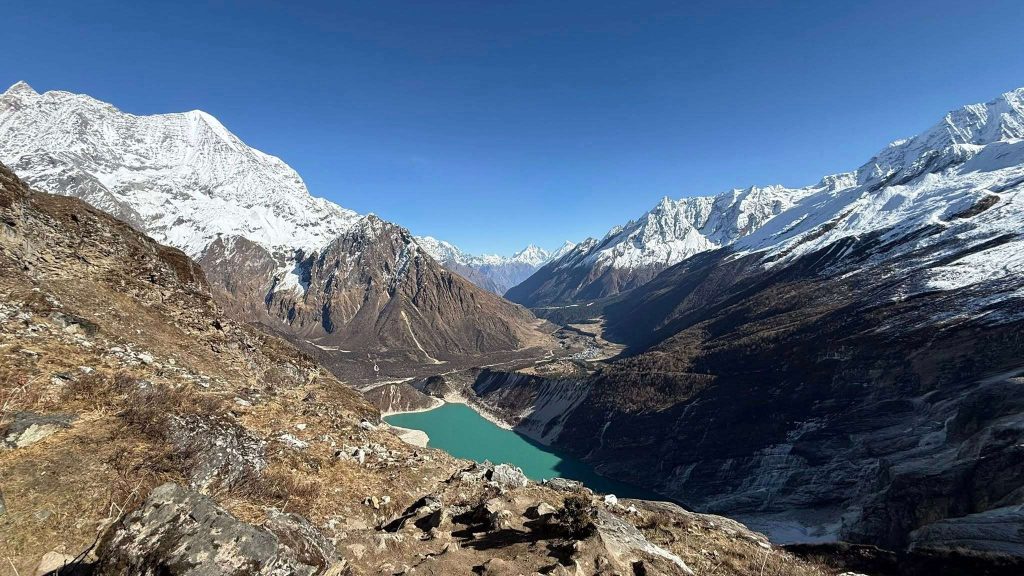
The Rupina La Pass Trek is a remote, thrilling, and less-traveled Himalayan adventure in the lower Manaslu region of Nepal. Known for its untouched wilderness and demanding trails, this trek offers a perfect blend of natural beauty and cultural experience. Beginning from Gorkha Bazar, the journey takes you through dense forests, cascading rivers, terraced farmlands, and traditional Nepalese villages.
The highlight of this route is crossing two major passes:
- Rupina La Pass (4,720m)
- Larkya La Pass (5,106m)
These high passes reward trekkers with extraordinary panoramic views of Mt. Manaslu (8,163m), Himal Chuli, Bouddha Himal, Peak 29, Ganesh Himal, and the Langtang Himalayan range.
Unlike the busier Manaslu Circuit, the Rupina La Pass Trek remains quiet and untouched, offering trekkers a true wilderness experience. The route passes through culturally rich settlements such as Barpak, Bihi Phedi, and several villages where you can observe traditional lifestyles, Buddhist culture, and unique local architecture. The trek is challenging but incredibly rewarding for adventure lovers seeking a raw Himalayan journey away from the crowds.
Reasons to do the Rupina La Pass Trek
- A true wilderness adventure in the lower Manaslu region, far from commercial trekking crowds.
- Rich cultural immersion with diverse ethnic communities, unique traditions, and traditional homes.
- Spectacular mountain views of Manaslu, Himal Chuli, Peak 29, Bouddha Himal, Ganesh Himal, and Langtang ranges.
- Scenic landscapes include terraced fields, lush forests, rice fields, waterfalls, and rugged mountain terrain.
- Deep cultural encounters with villages isolated in the foothills of the Himalayas.
- A challenging and rewarding trek, ideal for trekkers who prefer off-the-beaten-path routes.
- Opportunity to explore historically and culturally important places like Barpak village, Rupina La Pass, Larkya La Pass, and Bihi Phedi.
14. Ganja La Pass Trek
| Trip Fact | Details |
|---|---|
| Route Length | 154.4 km (Syabrubesi to Melamchi Bazar) |
| Duration | 12 to 14 days |
| Difficulty | Challenging & Strenuous |
| Maximum Elevation | 5,106 meters at Ganja La Pass |
| Starting Point | Syabrubesi |
| Ending Point | Melamchi Bazar |
| Best Time to Trek | March–May & September–December |
| Accommodation | Tea House / Lodge / Hotel |
| Major Attractions | Tibetan peaks, Ancient monasteries, Langtang Lirung, glaciers, pine forests, Sherpa villages, Ganja La Pass, Kyanjin Gompa, Tserko Ri |
| Region | Langtang Region, Nepal |
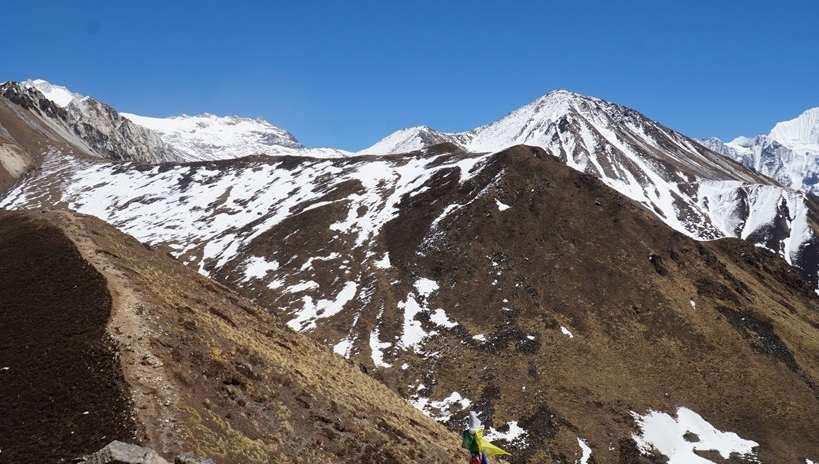
The Ganja La Pass Trek is a challenging and exhilarating trekking adventure located in the Langtang region of Nepal. This high-altitude trek takes you through pristine alpine landscapes, dense rhododendron forests, and picturesque Sherpa villages. The highlight of the trek is the crossing of Ganja La Pass, standing at an elevation of approximately 5,106 meters (16,752 feet) above sea level.
The journey typically starts from Syabrubesi and leads you through Langtang Valley, Kyanjin Gompa, and several other scenic locations. Along the way, you’ll witness breathtaking views of snow-capped peaks, including Langtang Lirung and Shishapangma. The Ganja La Pass itself poses a considerable challenge due to its steep ascent and occasional snow cover, requiring trekkers to be well-prepared and physically fit.
This trek offers a unique opportunity to immerse yourself in the rich culture of the local Tamang and Sherpa communities, experience the serenity of the Himalayan wilderness, and conquer a high mountain pass, making it a memorable adventure for experienced trekkers seeking a rugged and less-visited trail in Nepal.
Reasons to do the Ganja La Pass Trek
- The local cheese factory amid the Himalayas.
- Stunning panoramic views of the Langtang ranges and other snow-capped mountains.
- Ancient Buddhist monasteries.
- Opportunity to observe the Sherpa’s village and explore their culture.
- Walk through pine forests, pristine glaciers, peak streams, and high mountain passes.
- One of the most challenging trekking routes in Nepal
- Great hospitality by the local people of the Langtang region.
15. Ghorepani Jomsom Muktinath Trek
| Trip Fact | Details |
|---|---|
| Route Length | 52 km (Ghorepani – Muktinath – Jomsom) |
| Duration | 10 to 13 days |
| Difficulty | Moderate to Challenging |
| Maximum Elevation | 3,800 meters at Muktinath |
| Starting Point | Birethanti |
| Ending Point | Jomsom |
| Best Time to Trek | Spring, Autumn, and Summer |
| Accommodation | Tea House / Lodge / Camping / Hotel |
| Major Attractions | Ghorepani Poonhill, Jomsom, Kali Gandaki Gorge, Kagbeni, Marpha, Tadapani, Annapurna & Dhaulagiri ranges, forests, glaciers, lakes, Himalayan rain shadow area, Muktinath Temple |
| Region | Annapurna & Mustang Region, Nepal |

The Ghorepani-Jomsom-Muktinath Trek is a renowned trekking route in the Annapurna region of Nepal. This exhilarating journey spans approximately 150 kilometers and typically takes around 10-14 days to complete. Starting in Nayapul, the trail winds through lush rhododendron forests, charming villages, and terraced fields, offering breathtaking views of the Annapurna and Dhaulagiri mountain ranges.
The trek’s highlights include the stunning Poon Hill sunrise, the picturesque villages of Ghorepani and Tatopani with their natural hot springs, and the windswept landscapes of Jomsom. The pilgrimage site of Muktinath, known for its sacred temple and natural eternal flame, is a spiritual pinnacle of the trek.
Travelers can relish local hospitality, savor traditional Nepali cuisine, and encounter diverse cultures of Gurung, Thakali, and Mustang communities along the way. This trek offers a unique blend of natural beauty, cultural exploration, and spiritual experiences, making it a cherished adventure for trekkers seeking the best of Nepal’s landscapes and traditions.
Reasons to do Ghorepani Jomsom Muktinath Trek
- Magical sunset and sunrise views are seen from Ghorepani.
- Stunning views of mountains like the Annapurna massif and Dhaulagiri
- Exploring the deepest Gorge in the world in the Kali Gandaki River.
- Exploring lakes, glaciers, and Kagbeni, Tadapani, and Jomsom Bazar.
- Walk along the dense forest of rhododendrons, terraced farmland, high mountain passes, and extreme landscapes.
- Experience the diverse cultures, lifestyles, and cold climates of Mustang.
- A sacred place for both Hindus and Buddhists, Muktinath.
Short / Beginner-Friendly Treks
1. Tamang Heritage Trek
The Tamang Heritage Trek is a captivating journey through the culturally rich Tamang villages of the Langtang region in Nepal. Spanning 7-11 days, this trek combines scenic Himalayan landscapes with a deep cultural experience. Trekkers traverse alpine meadows, rhododendron forests, and rugged trails while enjoying panoramic views of snow-capped peaks like Langtang Lirung (7,227m) and Ganesh Himal (7,429m). Staying in local villages allows you to immerse yourself in the traditions, cuisine, and lifestyle of the Tamang people. This trek is perfect for those seeking a balance of adventure, culture, and breathtaking scenery.
| Fact | Details |
|---|---|
| Duration | 7 to 11 days |
| Difficulty | Easy to Moderate |
| Starting & Ending Point | Syabrubesi |
| Maximum Elevation | 3,165 m at Nagthali |
| Major Attractions | Gatlang village, Tamang culture, Langtang Lirung, Ganesh Himal, landscapes, indigenous villages, hot springs, ancient monasteries |
| Best Time | January to May, September to December |
| Accommodation | Teahouse / Lodge / Homestay |

Highlights & Experiences
- Traverse scenic alpine meadows and rhododendron forests.
- Spectacular Himalayan vistas of Langtang Lirung, Ganesh Himal, and Gosaikunda range.
- Explore traditional Tamang villages and experience their customs, cuisine, and architecture.
- Relax in natural hot springs at Tatopani.
- Witness breathtaking sunrise and sunset over the Himalayan peaks.
Why Choose This Trek?
- Ideal for beginners and cultural enthusiasts with minimal altitude risk.
- A cultural immersion into Tibetan-influenced Tamang life.
- Accessible trekking route with teahouse and homestay accommodations.
- Combines adventure, scenic beauty, and cultural exploration in one journey.
2. Chisapani Nagarkot
The Chisapani Nagarkot Trek is a captivating hiking adventure in Nepal, renowned for its stunning natural beauty and cultural richness. Spanning approximately 3 to 4 days, this trek offers a perfect escape from the hustle and bustle of Kathmandu Valley. Starting from Sundarijal, a scenic drive away from Kathmandu, the trail meanders through lush forests, terraced fields, and charming villages. Along the way, trekkers are treated to breathtaking views of the Himalayan mountain range, including Langtang, Dorje Lakpa, and Gauri Shankar peaks.
Chisapani, a picturesque hill station, serves as the first overnight stop, providing a glimpse into rural Nepali life. As the trek progresses, hikers ascend to Nagarkot, a renowned vantage point renowned for its sunrise and sunset panoramas. The journey concludes with a descent to the ancient town of Bhaktapur, celebrated for its well-preserved heritage sites. This trek combines natural beauty with cultural immersion, making it a must-visit for those seeking a short but fulfilling Himalayan adventure.
| Feature | Details |
|---|---|
| Route Length | Kathmandu to Chisapani to Nagarkot: 17.1 km |
| Duration | 3 days |
| Difficulty | Easy |
| Maximum Elevation | 2,135 m at Chisapani |
| Starting & Ending Point | Kathmandu |
| Major Attractions | Shivapuri National Park, Chisapani, Nagarkot, terraced villages, Himalayan panoramas (Manaslu, Ganesh, Langtang, Gaurishankar) |
| Best Time | February–mid June & September–November |
| Accommodation | Lodge, hotel |

Highlights & Experiences
- Himalayan Panoramas: Witness spectacular views of Manaslu, Ganesh Himal, Langtang, and Gaurishankar from Nagarkot. Sunrise and sunset here are magical.
- Cultural Immersion: Pass through peaceful villages and observe traditional Newari and rural Nepali lifestyles.
- Nature & Forests: Walk through lush trails of Shivapuri National Park, home to diverse flora and fauna.
- Terraced Hills & Scenic Landscapes: Enjoy the unique beauty of Nepal’s terraced hillsides combined with snow-capped peaks.
Why Choose Chisapani–Nagarkot Trek?
- Well-maintained trails and accommodation options make the trek convenient.
- Perfect for beginners or those short on time, yet still offering panoramic Himalayan views.
- Moderate and easy trails reduce the risk of altitude sickness.
- Stunning sunrise and sunset spots at Nagarkot, ideal for photographers.
- Access to cultural villages, providing authentic local experiences.
- Short, budget-friendly trekking adventure without compromising scenery.
3. Khopra Ridge Trek
| Trip Facts | Details |
|---|---|
| Route Length | 70 km (Tirkhedhunga to Tatopani) |
| Duration | 6 to 10 days |
| Difficulty | Moderate |
| Maximum Elevation | 3,640 meters at Khopra Ridge |
| Starting Point | Tirkhedhunga |
| Ending Point | Tatopani |
| Major Attractions | Panoramic views of Mt. Dhaulagiri, Mt. Nilgiri, Bhara Shikhar, Annapurna I, Machhapuchhre, Khayer Barahi Temple, Khayer Lake, Nachyang Village; Ghandruk Village, Tatopani Hot Springs |
| Best Time to Trek | Spring (March–May) and Autumn (September–November) |
| Accommodation | Tea house / Lodge |
| Highlights | Less crowded trek, sunrise over Dhaulagiri & Annapurna, traditional Gurung & Magar villages, spiritual Khayer Lake, peaceful environment, spectacular 22 mountain views |
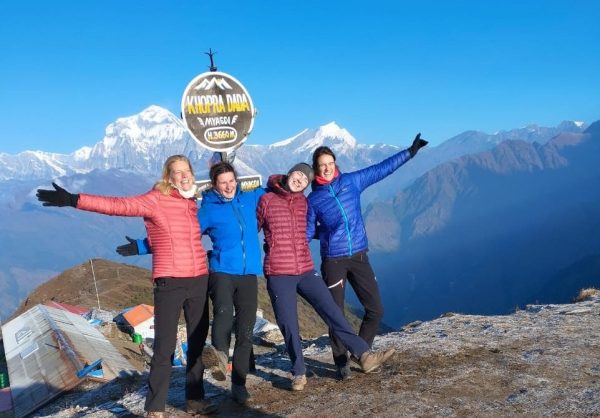
Khopra Ridge Trek, also known as Khopra Danda Trek, located in the Annapurna region, is an excellent choice for nature enthusiasts and those seeking a less crowded, off-the-beaten-path trekking experience. This lesser-known trek offers a unique and less crowded alternative to the popular Annapurna Base Camp trek.
Over approximately 7 to 10 days, trekkers navigate through lush rhododendron forests, charming Gurung and Magar villages, and terraced fields, all while enjoying breathtaking panoramic views of the Annapurna and Dhaulagiri mountain ranges.
The highlight of the trek is reaching Khopra Ridge, where trekkers are rewarded with stunning vistas of the Annapurna Massif, including the iconic Machhapuchchhre (6,998m). The trek also includes a visit to the sacred Khayer Lake, adding a spiritual touch to the journey. Trekkers can experience the warm hospitality of the local communities by staying in teahouses along the route.
Reasons to do the Khopra Ridge Trek
- Great views from the inside of the Tea house.
- Astonishing views of almost 22 mountains.
- Climb up to Khayer Lake, which is an alpine lake at a thrilling altitude of around 15,700 feet.
- Enjoy an amazing sunrise over Dhaulagiri and Annapurna.
- Less crowded and full of a peaceful Environment.
- Traditional ethnic villages like Swanta village and Ghandruk village.
- To explore the true lifestyle and culture of the people of Khopra Ridge.
4. Gosaikunda Lake Trek
| Trip Fact | Details |
|---|---|
| Starting Point | Sundarijal / Dhunche (via Kathmandu) |
| Ending Point | Dhunche / Kathmandu |
| Route Length | ~43 km |
| Duration | 4 to 6 days |
| Difficulty | Moderate |
| Maximum Elevation | 4,380 meters at Gosaikunda Lake |
| Altitude Range | 1,400 m – 4,380 m |
| Major Attractions | Gosaikunda Lake, Langtang National Park, Bhairav Kunda, Surya Kunda, rhododendron and pine forests, Tibetan-style villages, terraced fields, views of Langtang Lirung, Ganesh Himal, Annapurna, and Manaslu ranges |
| Accommodation | Tea houses along the trail |
| Best Seasons | September–December (Autumn) and January–May (Spring) |
| Permit / Entry Requirements | Langtang National Park permit & TIMS card |

The Gosaikunda Lake Trek is a breathtaking adventure in the Langtang region of Nepal, combining stunning natural beauty with cultural richness. This moderate trek leads trekkers to the sacred alpine Gosaikunda Lake, perched at 4,380 meters, surrounded by snow-capped peaks including Langtang Lirung, Ganesh Himal, and Annapurna ranges. Along the way, trekkers pass through lush rhododendron and pine forests, charming Tamang and Sherpa villages, terraced farmlands, and pristine high-altitude landscapes.
Gosaikunda Lake is not only a natural marvel but also a sacred pilgrimage site for Hindus, believed to have been created by Lord Shiva. The serene turquoise waters, framed by towering peaks, make it a truly spiritual and awe-inspiring destination.
Reasons to Trek to Gosaikunda Lake:
- Witness the sacred Gosaikunda Lake, a spiritual site for both Hindus and Buddhists.
- Enjoy panoramic views of the Langtang, Ganesh, Annapurna, and Manaslu Himalayan ranges.
- Immerse yourself in the Tamang and Sherpa culture, visiting traditional villages along the trail.
- Explore multiple pristine alpine lakes, including Bhairav Kunda and Surya Kunda.
- Trek through lush rhododendron and pine forests, alive with vibrant flora and fauna.
- Experience a moderate high-altitude adventure, suitable for nature lovers seeking both scenery and culture.
- Stay in traditional tea houses, experiencing local hospitality along the trail.
5. Helambu Trek
| Trip Fact | Details |
|---|---|
| Starting Point | Sundarijal / Chisapani (near Kathmandu) |
| Ending Point | Melamchi Bazaar / Melamchi Valley |
| Route Length | ~70–80 km (depending on route taken) |
| Duration | 6 to 9 days |
| Difficulty | Moderate |
| Maximum Elevation | Tharepati Ridge – 3,650 meters |
| Altitude Range | 1,400 m to 3,650 m |
| Major Attractions | Rhododendron and oak/pine forests, Tamang & Hyolmo villages, Buddhist monasteries, waterfalls, terraced farmland, Himalayan views (Langtang, Ganesh, Jugal ranges), cultural immersion in local villages like Kutumsang and Tarkeghyang |
| Accommodation | Tea-houses and lodges along the trail |
| Best Seasons | Spring (March–May) and Autumn (September–November) |
| Permit / Entry Requirements | Langtang National Park permit and TIMS card (if required) |

The Helambu trek is a fascinating and relatively short trekking adventure in Nepal that offers a delightful combination of nature and culture. In short, the Helambu Trek offers a compact yet fulfilling trekking experience with a rich cultural and natural tapestry in the Langtang region of Nepal.
The trail meanders through lush rhododendron forests, picturesque villages, and terraced fields, providing breathtaking views of snow-capped peaks, including Langtang Lirung. Along the way, trekkers have the opportunity to immerse themselves in the local Tamang and Sherpa cultures, experiencing warm hospitality and traditional cuisine.
Starting from Sundarijal or Sermathang, the trek passes through charming villages like Chisapani, Kutumsang, and Tharepati, each with its unique charm. The Helambu region is renowned for its serene landscapes, making it an excellent choice for those seeking a relatively moderate trek close to Kathmandu.
Reasons to do the Helambu Trek
- Spectacular views of mountains and the Langtang Himalaya range
- Wonders of the Hyolmo culture in the Helambu region
- An incredible mixture to create a wonderful experience of trekking in the mountains.
- Inspiring and Simple lifestyle of People as well as Great Hospitality.
- Admirable religious communities of the Sherpa and Tamang people and countless Mani walls.
- Visit antiquated Sherpa towns and explore their traditional and religious practices.
- Trekkers can observe various flora and fauna along the trekking trail, including an apple farm as well.
6. Mohare Danda
| Trip Fact | Details |
|---|---|
| Route Length | 51.7 km (Galeshwor to Nayapul) |
| Duration | 5 to 10 days |
| Difficulty | Easy |
| Starting Point | Galeshwor |
| Ending Point | Nayapul |
| Maximum Elevation | 3,313 meters at Mohare Danda |
| Major Attractions | Mohare Danda viewpoint, Annapurna massif, Dhaulagiri, Machapuchare (Fishtail), Nilgiri, Ghandruk village, Galeshwor village, dense rhododendron forests, stone-paved trails, old settlements |
| Best Time to Trek | Autumn (Sep–Nov), Spring (Mar–May), Winter (Dec–Feb) |
| Accommodation | Hotels, Ecolodges, Homestays |
| Highlights | Panoramic views of Annapurna and Dhaulagiri, cultural immersion with Magar and Gurung communities, eco-friendly trekking, narrow stone trails, waterfalls, and old-style villages |
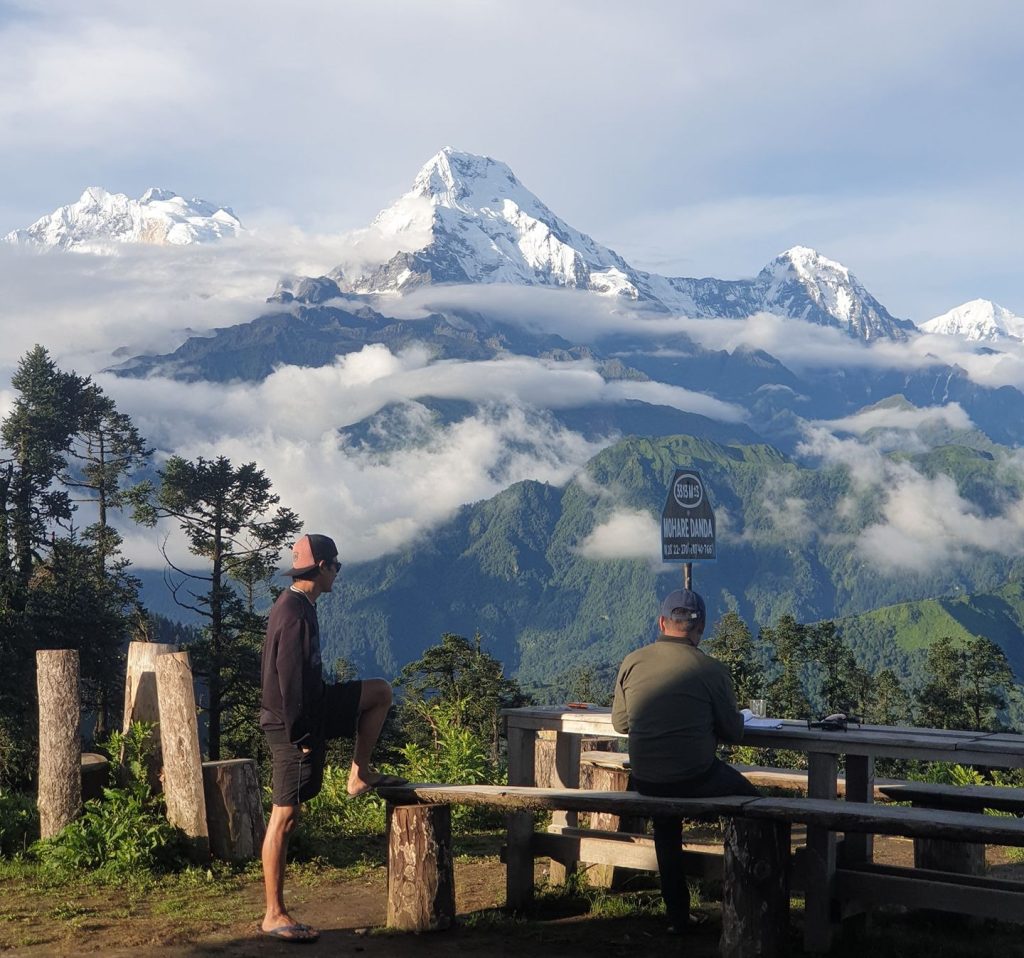
The Mohare Danda Trek is a hidden gem in the Annapurna region of Nepal, offering a unique and less crowded trekking experience. This eco-friendly trek combines natural beauty, cultural immersion, and sustainable tourism, making it a fantastic choice for those seeking a less crowded alternative to more popular treks in Nepal.
It starts from the beautiful city of Pokhara and takes you through lush rhododendron forests, terraced fields, and traditional Gurung and Magar villages.
The highlight of the trek is the panoramic view from Mohare Danda, a serene hilltop viewpoint at an altitude of 3,300 meters. Here, trekkers are treated to breathtaking vistas of the Annapurna and Dhaulagiri mountain ranges, including majestic peaks like Machapuchare (Fishtail) and Nilgiri.
The trek also promotes community-based tourism, as you stay in homestays and lodges run by local villagers, providing an authentic cultural experience.
Reasons to trek on Mohare Danda
- Panoramic and close views of the Annapurna massif and Dhaulagiri.
- Experiencing the lifestyle and culture of the Magar and Gurung people, who are very famous for the Gorkha army.
- Walking in the narrow and stone-paved trail, waterfalls, and dense rhododendron forest.
- Easy trekking route, suitable for families and children.
- Old-fashioned settlements and rich cultural attributes.
- Best alternative trekking route for the Ghorepani Poonhill trek.
- No risk of High Altitude sickness.
7. Pikey Peak
| Trip Fact | Details |
|---|---|
| Route Length | 61 km (Dhap Bazar to Phaplu) |
| Duration | 6 to 10 days |
| Difficulty | Easy to Moderate |
| Starting Point | Dhap Bazar |
| Ending Point | Phaplu |
| Maximum Elevation | 4,065 meters at Pikey Peak |
| Major Attractions | Pikey Peak, Buddhist Monasteries, Rhododendron forests, Sherpa villages, Sherpa culture, medieval landscapes, magical sunrise and sunset views, panoramic views of Mt. Everest and Himalayan range |
| Best Time to Trek | February to May and September to December |
| Accommodation | Hotels or Tea Houses |
| Highlights | Spectacular sunrise and sunset from Pikey Peak, immersive Sherpa culture, panoramic views of Everest, Makalu, and Kanchenjunga, serene and less-crowded trail |

The Pikey Peak Trek is a breathtaking adventure in the Solukhumbu region of Nepal. This relatively lesser-known trek offers stunning panoramic views of the world’s highest peaks, including Mt. Everest (8,848.86m), Makalu (8,481m), and Mt. Kanchenjunga (8,586m). The trek provides an opportunity to experience traditional Sherpa culture and lush rhododendron forests along the way.
Pikey Peak, standing at an elevation of 4,065 meters, serves as the trek’s highlight, offering a mesmerizing sunrise view over the Himalayas. Trekkers can explore picturesque villages and monasteries and interact with the friendly local communities. The trail is less crowded compared to some other popular treks, providing a serene and peaceful experience in the heart of the Himalayas. The Pikey Peak Trek is suitable for trekkers of all levels and is a fantastic option for those seeking a memorable and less crowded trekking experience in Nepal.
Reasons to trek on Pikey Peak
- Trekkers can experience Mount Everest and the Himalayas from a lower altitude
- Experience Mount Everest, the Himalayas range from a lower altitude
- Mix culture of the Popular Sherpa, Rai, and many other local communities
- The diverse landscape and cultivated lands
8. Australian Camp Dhampush Trek
| Trip Feature | Details |
|---|---|
| Starting / Ending Point | Pokhara – Australian Camp – Dhampus – Pokhara |
| Route Length | ~16–17 km (one-way) |
| Duration | 2–3 days (round trip) |
| Maximum Elevation | 1,890 meters at Australian Camp |
| Difficulty | Easy to Moderate |
| Major Attractions | Panoramic views of Annapurna Massif, Machhapuchhre, Dhaulagiri, and Himchuli; Sunrise and sunset viewpoints; Rhododendron & oak forests; Dhampus village and traditional Gurung culture; Australian Camp hilltop views |
| Best Season | Spring (March–May), Autumn (September–November), Winter for snow views |
| Accommodation | Tea houses, lodges, and homestays along the trail |
| Highlights | Cultural interaction with Gurung community, short scenic trek, ideal for beginners, sunrise/sunset photography, accessible from Pokhara |

The Australian Camp Dhampus Trek is a popular and relatively short trekking route located in the Annapurna region of Nepal. This picturesque trek offers stunning views of the Annapurna and Dhaulagiri mountain ranges, as well as the serene landscapes of the Nepalese countryside. Starting from the beautiful city of Pokhara, the trek takes around 3-4 days to complete. It passes through lush forests, charming villages, and terraced farmlands, providing an authentic cultural experience.
The trek’s highlight is the Australian Camp, a viewpoint that offers panoramic vistas of the Himalayan peaks, including Machapuchare (Fishtail), Annapurna South, and Hiunchuli. The trek is suitable for both beginners and experienced trekkers, and it provides a taste of Nepal’s natural beauty and warm hospitality. It’s a great option for those seeking a short and rewarding trek in the Himalayas.
Reasons to do the Australian Camp Dhampush Trek
- Easy Trek with the beautiful village of Dhampush and the Australian camp village.
- Walk through the rhododendron and Oak forest. The trek is fantastic.
- Breathtaking views of Mountains like Dhaulagiri, Machhapuchhre, Annapurna massif, Himchuli, Lamjung Himal, and Manaslu ranges.
- Magical sunset and sunrise view from Australian Camp.
- Experience the local culture, lifestyle, and nature of the Australian camp and the Dhampush village.
- Great and Warm Hospitality by the local people.
- Experience the cold climate of both villages and the amazing view of Pokhara Valley from the top of Dhampus.
More Information
Best Easy Treks in Nepal
- Everest View Trek
- Ghorepani Poon Hill Trek
- Langtang Valley Trek
- Helambu Trek
- Check Out Trekking in Nepal for Beginners
Best treks in the Everest Region
- Everest Base Camp Trek
- Gokyo Lake Trek with Renjo La Pass Trek
- EBC – Gokyo Lake Trek
Treks around Pokhara
- Dhampus Sarangkot Trek, etc.
- Mardi Himal Trek
- Ghorepani Poon Hill Trek
- Check out Best Hiking Around Pokhara
Best Hikes Around Kathmandu
FAQ for Best Treks in Nepal
Which are the easiest treks in Nepal?
The easiest treks in Nepal are ideal for beginners, families, and short trekking holidays. Popular easy treks include the Royal Trek, Ghorepani Poon Hill Trek, Panchase Trek, Sikles Trek, and Australian Camp Dhampus Trek. These treks usually take 2–7 days and reach a maximum altitude of 2,700 meters or less, reducing the risk of altitude sickness while providing stunning Himalayan views.
What are the most challenging treks in Nepal?
Experienced trekkers seeking adventure can try the Everest Three Passes Trek, Kanchenjunga Base Camp Trek, Dhaulagiri Base Camp Trek, Rolwaling Trek, Rupina La Pass Trek, and Ganja La Pass Trek. These treks involve high-altitude passes above 5,000 meters, rugged terrain, and multi-week itineraries. Proper acclimatization, physical fitness, and trekking experience are required.
When is the best time to trek in Nepal?
Nepal offers trekking opportunities year-round, but the best time to trek is:
- Autumn (September–November): Clear skies, moderate temperatures, and spectacular mountain views.
- Spring (March–May): Blooming rhododendrons, lush landscapes, and mild temperatures.
- Winter (December–February): Crisp views, fewer crowds, but very cold at high altitudes.
- Monsoon (June–August): Heavy rainfall and landslides make trekking risky; short treks like the Panchase Trek are safer.
How long does a typical trek in Nepal take?
- Short treks: 2–7 days (Royal Trek, Poon Hill Trek, Panchase Trek)
- Moderate treks: 7–14 days (Helambu Trek, Sikles Trek, Khopra Ridge Trek, Gosaikunda Lake Trek)
- Challenging treks: 15–27 days (Everest Three Passes, Kanchenjunga Base Camp, Dhaulagiri Base Camp, Rolwaling, Rupina La Pass)
Do I need a guide or porter for trekking in Nepal?
- Guides are recommended for remote or high-altitude treks like Everest Three Passes, Rolwaling, and Kanchenjunga Base Camp.
- Porters help carry luggage for comfort, especially on multi-day or remote treks.
- For popular routes like Poon Hill or Royal Trek, self-guided trekking is possible if you are experienced.
Which treks offer the best Himalayan mountain views?
- Everest Three Passes Trek: Mt. Everest, Lhotse, Nuptse, Cho Oyu
- Poon Hill Trek: Annapurna, Dhaulagiri, Machhapuchhre
- Khopra Ridge Trek: Annapurna and Dhaulagiri ranges
- Kanchenjunga Base Camp Trek: Kanchenjunga, Lhotse, Everest, Makalu
Which treks are family-friendly in Nepal?
- Royal Trek, Panchase Trek, Ghorepani Poon Hill Trek, and Sikles Trek are suitable for families and kids.
- These treks offer moderate elevation, easy terrain, and shorter duration, making them ideal for beginners or casual hikers.
What permits are required for trekking in Nepal?
- TIMS Card (Trekkers’ Information Management System) – mandatory for most treks.
- National Park or Conservation Area Permits – vary by trek:
- Annapurna Conservation Area Permit (ACAP)
- Sagarmatha National Park Permit (Everest region)
- Kanchenjunga Conservation Area Permit (Kanchenjunga region)
- Permit fees generally range from $20–$50 per trek.
Comments (0)
Write a comment- Why Trekking in Nepal?
- What Makes Nepal a Top Trekking Destination?
- A Brief Look at Nepal’s Trekking Culture
- Best Time for Treks in Nepal
- Top Popular Trekking Routes in Nepal
- Challenging Treks
- Offbeat / Lesser-Known Treks
- 1. Upper Mustang
- 2. Rara Lake
- 3. Lower Dolpo Trek
- 4. Panch Pokhari Trek
- 6. Tilicho Lake Trek
- 7. Tsum Valley
- 8. Makalu Base Camp
- 9. Nar Phu Valley Trek
- 10. Upper Dolpo Trek
- 11. Ruby Valley Trek
- 12. Shey Phoksundo
- 13. Badimalika Trek
- 14. Rupina La Pass Trek
- 14. Ganja La Pass Trek
- 15. Ghorepani Jomsom Muktinath Trek
- Short / Beginner-Friendly Treks
- More Information
- FAQ for Best Treks in Nepal
- Which are the easiest treks in Nepal?
- What are the most challenging treks in Nepal?
- When is the best time to trek in Nepal?
- How long does a typical trek in Nepal take?
- Do I need a guide or porter for trekking in Nepal?
- Which treks offer the best Himalayan mountain views?
- Which treks are family-friendly in Nepal?
- What permits are required for trekking in Nepal?
Read the latest Blogs & Insights
Explore our collection of articles and insights to gain in-depth travel knowledge, expert advice, and stay updated on the latest trends and tips.
View All Articles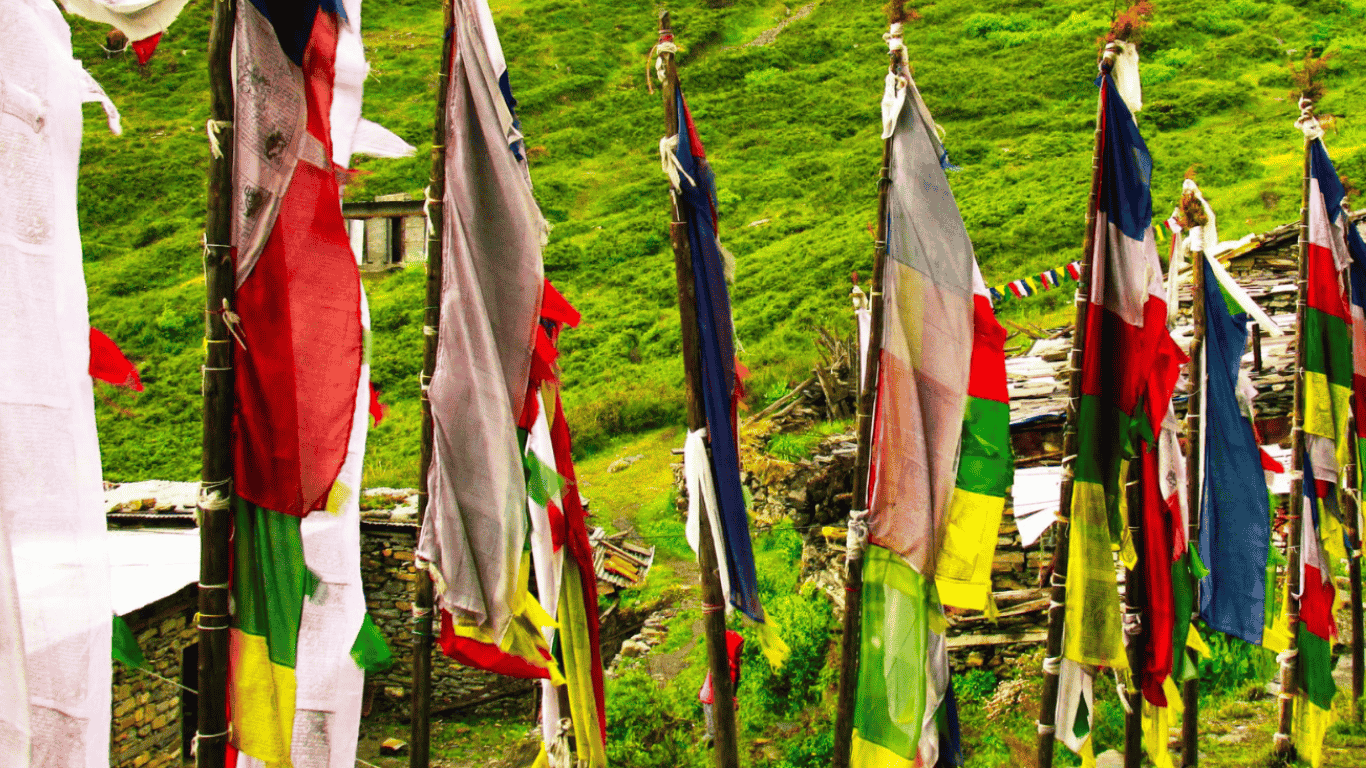
Top 10 Best Treks in the World
23 Aug. 2026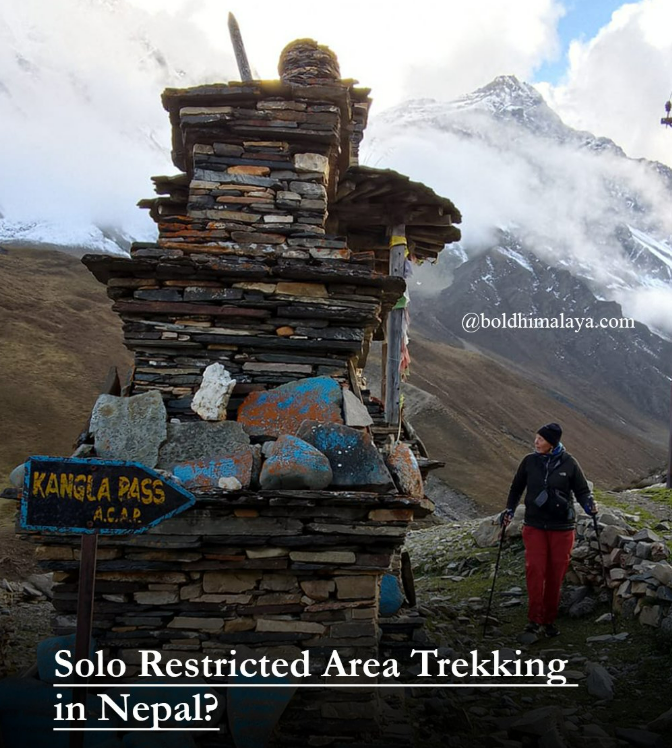
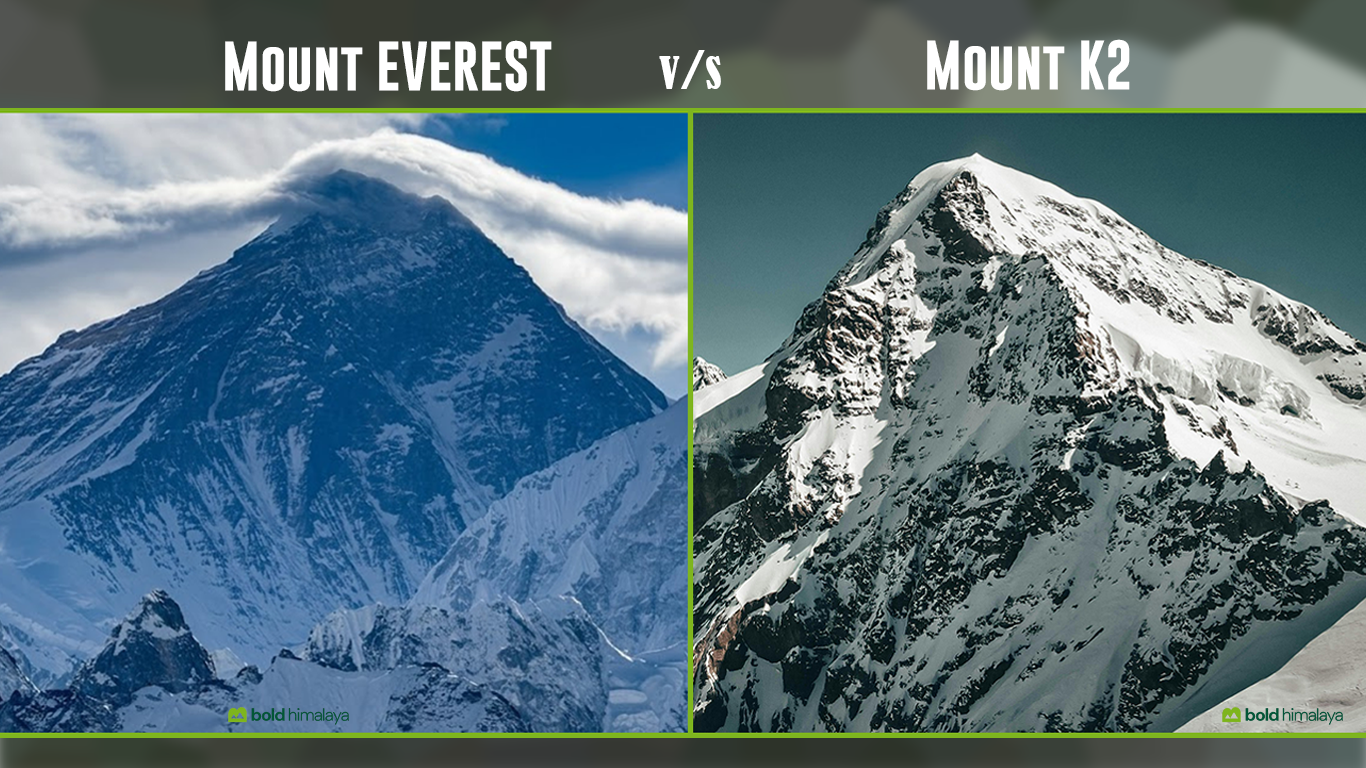
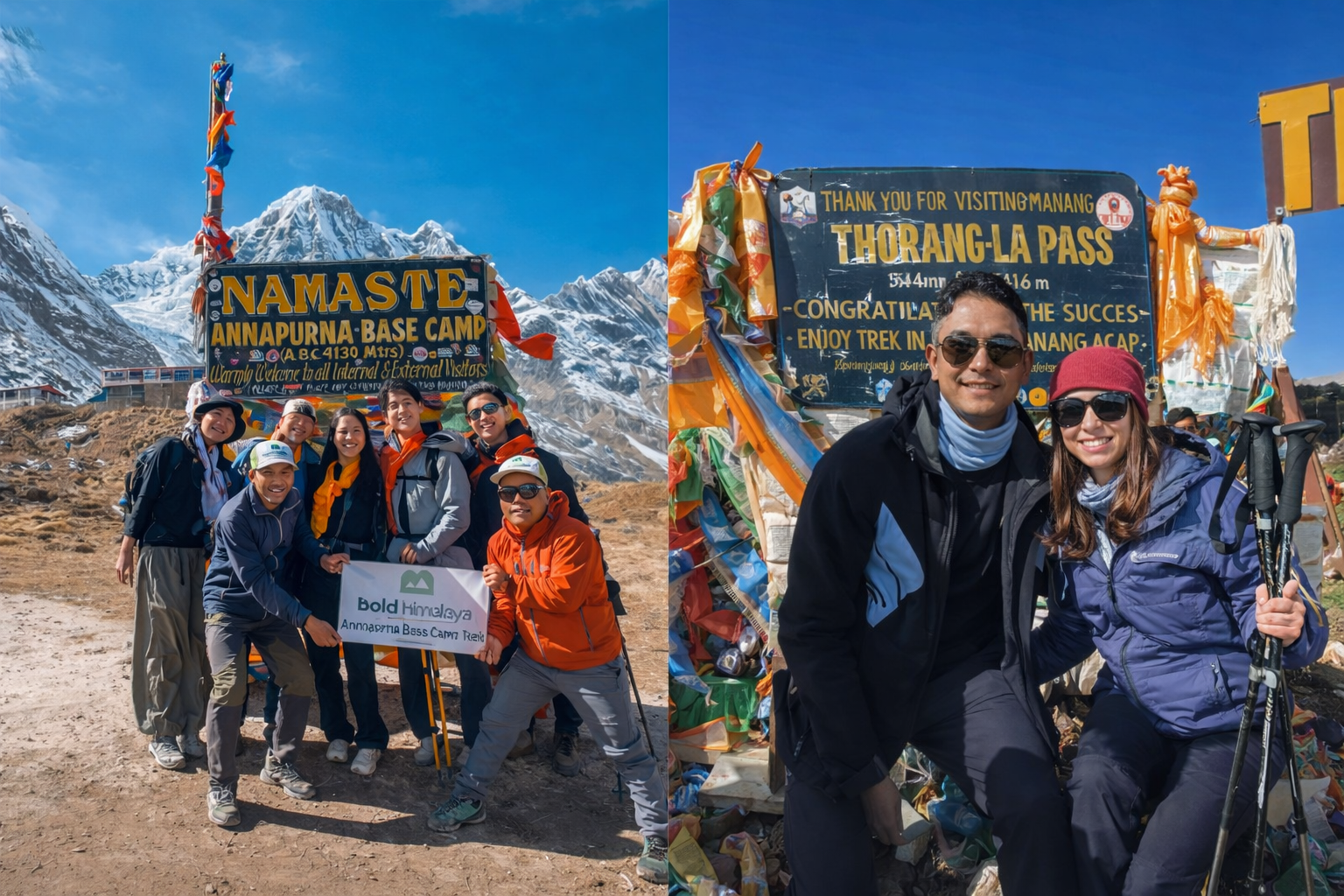



No comments yet.